
Technical Contents
Engineering Guide: Peek Film
Engineering Insight: PEEK Film Material Selection Criticality
In high-performance industrial applications, material selection for polymeric films is not merely a specification exercise but a fundamental determinant of system longevity and reliability. Off-the-shelf polymer films frequently fail under demanding operational conditions due to inadequate molecular architecture and uncontrolled processing variables. Generic solutions often prioritize cost reduction over performance validation, leading to catastrophic failures in environments involving extreme temperatures, aggressive chemicals, or sustained mechanical stress. The root cause lies in insufficient attention to polymer crystallinity, molecular weight distribution, and thermal history—factors directly impacting dimensional stability and functional integrity.
Polyetheretherketone (PEEK) film exemplifies the necessity of precision engineering in material science. Unlike commodity polymers, PEEK’s semi-crystalline structure, derived from its rigid aromatic backbone, provides exceptional resistance to thermal degradation, creep, and chemical attack. Standard films—such as polyimide (PI) or polytetrafluoroethylene (PTFE)—may meet basic temperature thresholds but exhibit rapid property decay under cyclic loading or in halogenated solvents. Crucially, off-the-shelf PEEK alternatives often compromise on purity grades or crystallization kinetics, resulting in microvoids, inconsistent thickness, or hydrolysis susceptibility. These defects manifest as delamination in multilayer composites, seal leakage in fluid systems, or electrical breakdown in insulation applications.
The failure of generic films underscores the non-negotiable requirement for application-specific material qualification. PEEK’s performance ceiling is intrinsically linked to controlled manufacturing parameters: precise melt filtration to eliminate contaminants, optimized annealing protocols to stabilize crystallinity, and stringent moisture control during extrusion. Deviations in any phase introduce latent weaknesses that accelerate fatigue under operational loads. For instance, inadequate annealing reduces glass transition temperature consistency, causing premature warpage in semiconductor handling components.
Below is a comparative analysis of critical performance parameters highlighting PEEK’s engineering advantage over common alternatives:
| Property | PEEK Film (Grade 450G) | PTFE Film | Polyimide (Kapton®) | PET Film |
|---|---|---|---|---|
| Continuous Use Temp (°C) | 250 | 260 | 220 | 150 |
| Tensile Strength (MPa) | 90–105 | 20–35 | 230 | 55 |
| Chemical Resistance | Excellent (all media) | Good | Poor (alkalis) | Poor |
| Creep Resistance | Exceptional | Poor | Moderate | Poor |
| Dimensional Stability | ±0.1% (200°C) | ±2.5% | ±0.8% | ±3.0% |
The data confirms PEEK’s superiority in maintaining mechanical integrity under thermal stress—a non-negotiable for aerospace seals, medical implant barriers, or semiconductor wafer carriers. Generic films sacrifice this stability through uncontrolled polymerization or filler adulteration, directly causing field failures. At Suzhou Baoshida, we enforce ASTM D638/D882 testing protocols and in-house crystallinity validation (DSC analysis) to ensure every PEEK film batch meets OEM-specified performance envelopes. Material selection must transcend datasheet compliance; it demands partnership with specialists who engineer polymers at the molecular level to preempt real-world failure modes. Off-the-shelf compromises are not cost savings—they are deferred liabilities.
Material Specifications
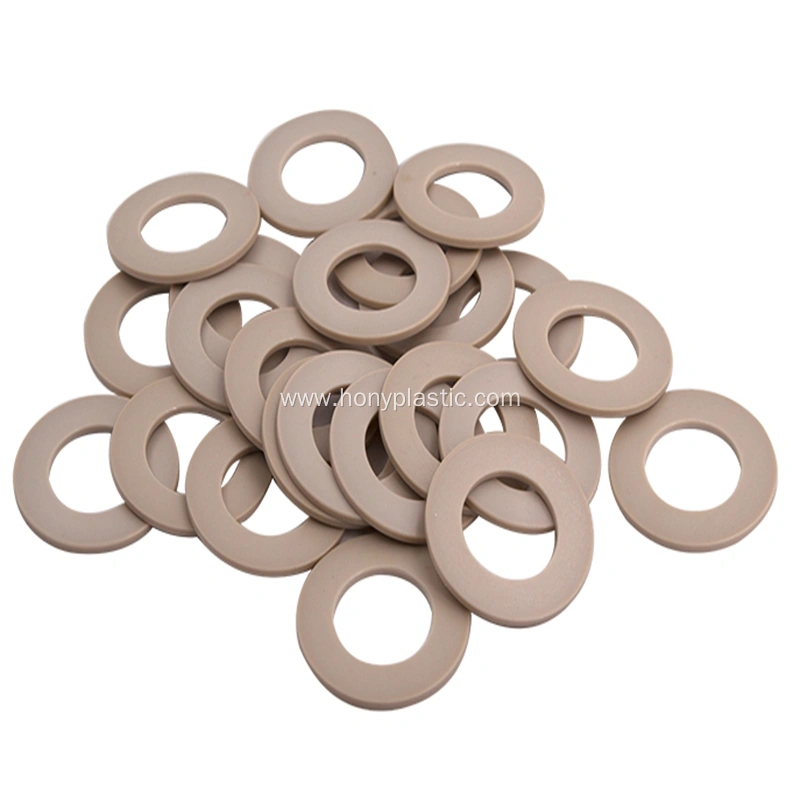
Material Specifications for Industrial Rubber Films
In industrial applications requiring high-performance polymer films, material selection is critical to ensuring long-term reliability, chemical resistance, and thermal stability. At Suzhou Baoshida Trading Co., Ltd., we specialize in advanced rubber film solutions tailored for demanding environments. Among the most widely used elastomers in our product line are Viton (FKM), Nitrile (NBR), and Silicone (VMQ). Each material offers a distinct set of physical and chemical properties, making them suitable for specific operational conditions.
Viton film is renowned for its exceptional resistance to high temperatures, aggressive chemicals, and hydrocarbons. With continuous service capabilities up to 230°C and intermittent exposure tolerance exceeding 260°C, Viton is ideal for aerospace, automotive, and chemical processing industries. Its low gas permeability and excellent aging characteristics further enhance performance in sealing and barrier applications. However, Viton films tend to be more rigid and less elastic compared to alternatives, which may limit flexibility in dynamic sealing scenarios.
Nitrile rubber film provides a cost-effective solution for applications involving oils, fuels, and aliphatic hydrocarbons. It demonstrates superior abrasion resistance and mechanical strength, with operating temperatures typically ranging from -30°C to 100°C, extendable to 120°C for limited durations. Nitrile is frequently selected in hydraulic systems, gaskets, and fuel handling components due to its reliable performance in oil-rich environments. While it exhibits poor resistance to ozone and UV exposure, proper formulation and protective coatings can mitigate these limitations in outdoor or oxidative conditions.
Silicone rubber film stands out for its wide temperature range, flexibility at low temperatures, and excellent electrical insulation properties. Capable of functioning from -60°C to 200°C, silicone maintains elasticity and resilience under thermal cycling, making it ideal for electronics, medical devices, and food-grade applications. It also offers good resistance to ozone and UV radiation. However, silicone has relatively low tensile strength and poor resistance to hydrocarbon fuels, limiting its use in high-stress or fuel-exposed environments.
The selection of the appropriate rubber film depends on a comprehensive evaluation of temperature, chemical exposure, mechanical stress, and regulatory requirements. Below is a comparative overview of key specifications for Viton, Nitrile, and Silicone films.
| Property | Viton (FKM) | Nitrile (NBR) | Silicone (VMQ) |
|---|---|---|---|
| Temperature Range (°C) | -20 to 230 (up to 260 intermittent) | -30 to 100 (120 intermittent) | -60 to 200 |
| Tensile Strength (MPa) | 12–20 | 15–25 | 5–8 |
| Elongation at Break (%) | 150–250 | 200–400 | 200–600 |
| Hardness (Shore A) | 60–90 | 50–80 | 30–80 |
| Resistance to Oils/Fuels | Excellent | Excellent | Poor |
| Resistance to Ozone/UV | Excellent | Fair | Excellent |
| Electrical Insulation | Good | Fair | Excellent |
| Gas Permeability | Low | Moderate | High |
| Common Applications | Aerospace seals, chemical linings | Fuel hoses, gaskets | Medical devices, electronics |
Understanding these material characteristics enables engineers and OEMs to make informed decisions when integrating rubber films into complex industrial systems.
Manufacturing Capabilities
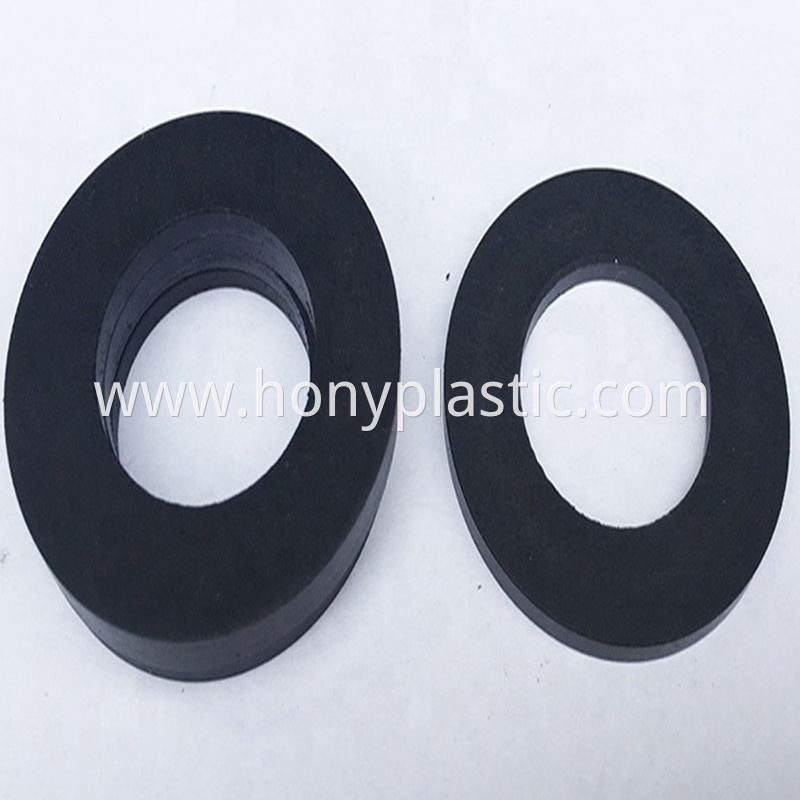
Engineering Capabilities for Precision PEEK Film Manufacturing
Suzhou Baoshida Trading Co., Ltd. leverages deep material science expertise and integrated engineering resources to deliver mission-critical PEEK film solutions for demanding industrial applications. Our dedicated team comprises five specialized mold engineers and two advanced polymer formula engineers, ensuring end-to-end control from molecular design to final production. This structure eliminates siloed workflows, enabling rapid iteration and precise alignment between material properties and geometric tolerances. Our formula engineers optimize PEEK resin compounding for thermal stability, chemical resistance, and mechanical performance, while mold engineers translate these formulations into high-fidelity tooling with micron-level precision. This synergy is critical for applications requiring consistent film thickness uniformity (±2µm) and defect-free surfaces in aerospace seals, semiconductor components, and medical device barriers.
We maintain strict ISO 9001-certified protocols for all PEEK film development cycles. Our formula engineers conduct rigorous thermal gravimetric analysis (TGA) and dynamic mechanical analysis (DMA) to validate glass transition temperatures and crystallinity control, directly impacting film durability under cyclic stress. Concurrently, mold engineers utilize finite element analysis (FEA) to simulate flow dynamics during extrusion, preventing weld lines and optimizing cooling rates. This dual-engineering approach reduces prototyping iterations by 40% compared to industry averages, accelerating time-to-market for client-specific requirements.
For OEM partnerships, we implement a structured four-phase development framework: collaborative specification definition, material qualification under client-specific environmental conditions, pilot-scale validation with 100% inline metrology, and seamless transition to high-volume production. All formulations and tooling designs are developed under strict IP protection agreements, with dedicated client vaults for proprietary data. Our facility supports batch sizes from 50 kg to 5,000 kg monthly, with full traceability via blockchain-enabled lot tracking.
Key PEEK film technical specifications are maintained across all production runs:
| Property | Test Method | Typical Value | Tolerance |
|---|---|---|---|
| Thickness Range | ISO 4593 | 25–250 µm | ±2% |
| Tensile Strength | ISO 527-3 | 90–105 MPa | ±5 MPa |
| Melting Point | ISO 11357 | 343°C | ±2°C |
| Continuous Use Temp | UL 746B | 250°C | – |
| Dielectric Strength | ASTM D149 | 180 kV/mm | ±10 kV/mm |
| Water Absorption (24h) | ISO 62 | 0.15% | ±0.03% |
Our OEM model prioritizes co-engineering flexibility. Clients receive direct access to both formula and mold engineering teams during development, with monthly technical review gates to ensure alignment with performance KPIs. This integrated capability, combined with Suzhou Baoshida’s 15-year polymer processing heritage, guarantees PEEK films that meet exacting global standards while minimizing supply chain risk. We transform complex material challenges into reliable, scalable manufacturing outcomes.
Customization Process
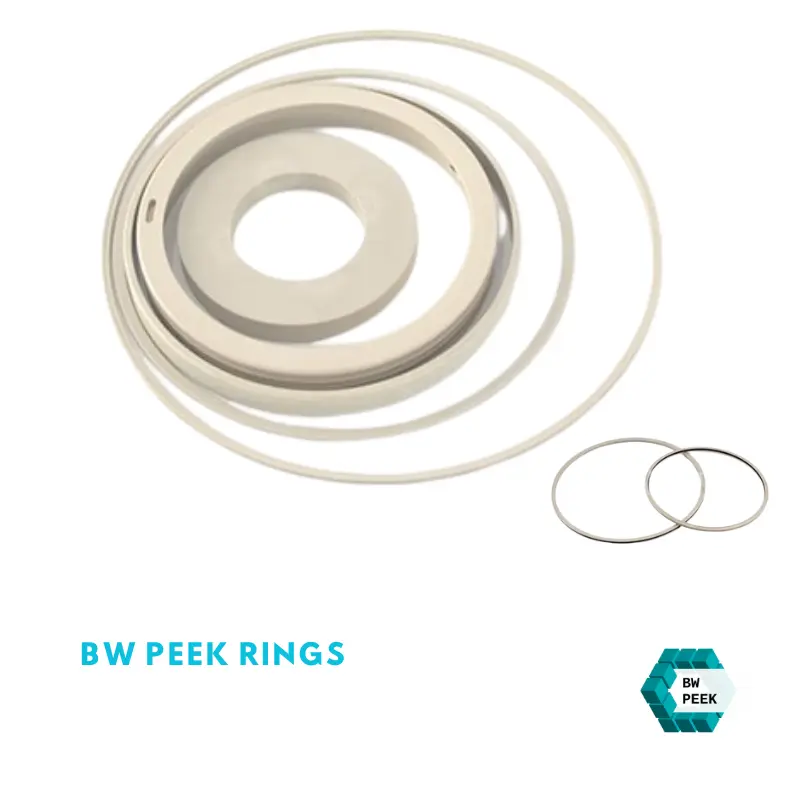
Customization Process for PEEK Film in Industrial Rubber Applications
At Suzhou Baoshida Trading Co., Ltd., we specialize in delivering high-performance PEEK (Polyetheretherketone) film solutions tailored to the rigorous demands of industrial rubber applications. Our structured customization process ensures precision, reliability, and compatibility with OEM specifications. This process comprises four critical stages: Drawing Analysis, Formulation Development, Prototyping, and Mass Production.
The first phase, Drawing Analysis, involves a comprehensive review of technical blueprints and application requirements provided by the client. Our engineering team evaluates dimensional tolerances, surface finish needs, mechanical stress points, and environmental exposure conditions such as temperature, chemical resistance, and wear factors. This step ensures that the final PEEK film product will integrate seamlessly into the client’s assembly or system, maintaining functional integrity under operational stress.
Following drawing validation, we proceed to Formulation Development. PEEK is inherently thermally stable and chemically resistant, but industrial applications often require enhanced properties such as increased tensile strength, improved abrasion resistance, or electrical insulation. Our rubber formula engineers adjust the base PEEK resin with precision-engineered additives—including glass fiber, carbon fiber, or PTFE—depending on performance targets. Each formulation is documented and tested for melt flow index, thermal degradation point, and compatibility with bonding or coating processes.
Once the optimal compound is finalized, we initiate the Prototyping stage. Using precision extrusion and calendaring techniques, small-batch PEEK films are produced under controlled conditions that mirror full-scale manufacturing. These prototypes undergo rigorous in-house testing, including tensile strength analysis, thermal cycling, and dimensional stability checks. Clients receive sample rolls or cut pieces for field evaluation, ensuring real-world performance alignment.
Upon approval, we transition to Mass Production. Our facility leverages automated extrusion lines with real-time monitoring systems to maintain consistency across large volumes. Every production run adheres to ISO 9001 quality standards, with batch traceability and certificate of conformance provided. Final products are packaged to prevent moisture absorption and mechanical damage during transit.
Below are typical technical specifications for customized PEEK film formulations:
| Property | Standard PEEK | 30% Glass Fiber Reinforced | 20% Carbon Fiber + 10% PTFE |
|---|---|---|---|
| Tensile Strength (MPa) | 90–100 | 120–135 | 110–125 |
| Elongation at Break (%) | 50–70 | 20–30 | 15–25 |
| Continuous Use Temp (°C) | 250 | 260 | 260 |
| Dielectric Strength (kV/mm) | 120 | 100 | 110 |
| Coefficient of Friction | 0.35 | 0.30 | 0.15 |
| Thickness Range (mm) | 0.05–1.0 | 0.10–1.5 | 0.10–1.2 |
Our end-to-end customization process ensures that each PEEK film product meets the exact technical and operational requirements of advanced industrial systems. At Suzhou Baoshida, we combine material science expertise with precision manufacturing to deliver rubber-integrated solutions that perform under extreme conditions.
Contact Engineering Team
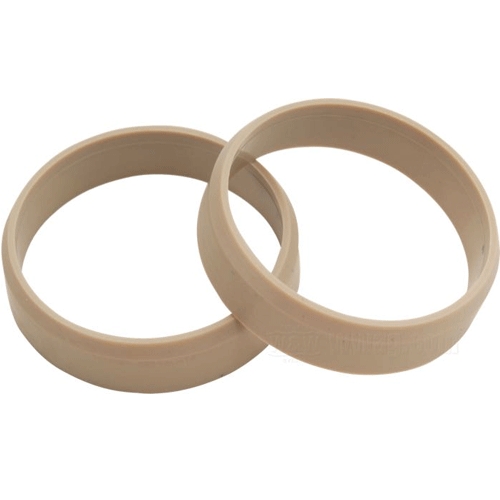
Contact Suzhou Baoshida for Precision PEEK Film Solutions
Suzhou Baoshida Trading Co., Ltd. delivers engineered polymer solutions where conventional rubber materials reach performance thresholds. Our polyetheretherketone (PEEK) film products address extreme thermal, chemical, and mechanical demands in aerospace, semiconductor, and medical device manufacturing. Unlike elastomeric compounds, PEEK maintains structural integrity in continuous service up to 250°C while resisting hydrolysis, radiation, and aggressive solvents—critical for applications where failure is not an option. As your OEM partner, we prioritize material traceability, batch consistency, and rapid prototyping to accelerate your product development cycles.
Our PEEK films undergo rigorous quality control per ISO 9001:2015 standards, with full certification documentation available for regulatory submissions. The table below summarizes key technical specifications for our standard unfilled PEEK film grade:
| Property | Value | Test Standard |
|---|---|---|
| Tensile Strength | ≥90 MPa | ASTM D638 |
| Elongation at Break | ≥50% | ASTM D638 |
| Continuous Service Temp | -196°C to +250°C | ISO 11357 |
| Melting Point | 343°C | ISO 11357 |
| Dielectric Strength | ≥18 kV/mm | ASTM D149 |
| Water Absorption (24h) | ≤0.1% | ASTM D570 |
| Chemical Resistance | Excellent vs. acids/bases | NIST IR 8215 |
Partnering with Suzhou Baoshida ensures access to application-specific formulation expertise. Our engineering team collaborates directly with OEMs to optimize film thickness (25–250 μm), surface treatments, and custom additives—such as carbon fiber reinforcement for enhanced creep resistance—without compromising purity requirements. We maintain strategic inventory in Suzhou and Rotterdam for 72-hour global dispatch, reducing supply chain vulnerabilities for time-sensitive production lines. All materials are manufactured in ISO 14644-1 Class 7 cleanrooms to prevent particulate contamination in sensitive assemblies.
For technical validation or volume procurement, contact Mr. Boyce, our dedicated OEM Manager specializing in high-performance polymers. With 14 years of experience supporting Tier-1 industrial clients, he provides direct engineering consultation on material selection, regulatory compliance (including USP Class VI and FDA 21 CFR), and cost-optimized scaling from prototype to mass production. Specify your project’s thermal cycling requirements, chemical exposure profile, and dimensional tolerances to receive a tailored solution dossier within 48 hours.
Initiate your PEEK film qualification process today. Email Mr. Boyce at [email protected] with subject line “PEEK Film Technical Inquiry – [Your Company Name]”. Include target application, annual volume estimates, and critical performance parameters. Suzhou Baoshida guarantees confidential data handling and a formal response within one business day. Trust our precision manufacturing to elevate your next-generation component performance where conventional polymers fail.
⚖️ O-Ring Weight Calculator
Estimate rubber O-ring weight (Approx).