
Technical Contents
Engineering Guide: Peek Polyether Ether Ketone
Engineering Insight: PEEK Polyether Ether Ketone in Critical Industrial Applications
Material selection represents the foundational engineering decision determining long-term system integrity and operational cost in demanding industrial environments. Off-the-shelf elastomeric solutions frequently fail catastrophically under conditions involving extreme temperatures, aggressive chemicals, or sustained mechanical stress, leading to unplanned downtime, safety hazards, and significant financial loss. Standard rubber compounds, such as NBR or EPDM, exhibit fundamental limitations: thermal degradation initiates below 150°C, chemical resistance is often selective and incomplete, and creep under continuous load compromises sealing force. These failures are not偶然 but inherent to the polymer chemistry of commodity materials. Polyether ether ketone (PEEK) emerges as a critical engineered thermoplastic solution where conventional rubbers reach their absolute performance boundaries.
PEEK’s semi-crystalline structure provides exceptional thermal stability, maintaining mechanical properties continuously up to 250°C and withstanding short-term excursions beyond 300°C. Its inherent chemical resistance spans concentrated acids, bases, hydrocarbons, and steam – environments that rapidly swell, harden, or disintegrate standard elastomers. Crucially, PEEK exhibits minimal creep and outstanding wear resistance under high compressive or dynamic loads, ensuring dimensional stability and functional longevity in precision sealing, bearing, and structural components. The failure of off-the-shelf solutions stems from a critical mismatch: generic materials prioritize initial cost reduction over lifecycle performance validation for specific operational parameters. Selecting PEEK is not merely a material substitution but a systems engineering requirement for applications where failure is unacceptable.
The following table outlines key performance specifications differentiating unfilled PEEK from standard industrial rubber compounds under severe conditions:
| Property | Unfilled PEEK | Standard NBR Rubber | Standard EPDM Rubber |
|---|---|---|---|
| Continuous Service Temp | 250°C | 100-120°C | 120-150°C |
| Short-Term Peak Temp | >300°C | 150°C | 180°C |
| Tensile Strength (23°C) | 90-100 MPa | 15-25 MPa | 7-15 MPa |
| Chemical Resistance | Excellent (broad spectrum) | Poor (oils/fuels only) | Moderate (water/steam) |
| Compression Set (22h, 150°C) | <10% | >60% | >50% |
| Creep Resistance | Very High | Low | Moderate |
| Dielectric Strength | 20 kV/mm | 15-20 kV/mm | 18-22 kV/mm |
Material selection for critical components demands rigorous analysis beyond initial procurement cost. Off-the-shelf rubber solutions fail because they lack the molecular stability required for extreme service environments. PEEK’s validated performance in aerospace, semiconductor manufacturing, and oil & gas downhole tools proves its necessity where reliability is non-negotiable. At Suzhou Baoshida Trading Co., Ltd., our OEM partnerships focus on qualifying PEEK formulations against exact application stressors – temperature profiles, chemical exposures, and mechanical loads – ensuring the selected grade delivers decades of service, not days. True cost efficiency is achieved through elimination of failure, not minimization of part price. Partner with engineering expertise to transform material selection from a procurement task into a strategic asset.
Material Specifications
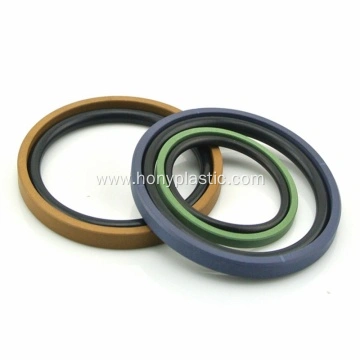
Material Specifications for Industrial Rubber Solutions: Viton, Nitrile, and Silicone
In the field of industrial rubber solutions, selecting the appropriate elastomer is critical to ensuring long-term performance, chemical resistance, and thermal stability. Suzhou Baoshida Trading Co., Ltd. provides high-performance sealing and gasketing materials tailored to demanding environments. Among the most widely utilized elastomers are Viton (FKM), Nitrile (NBR), and Silicone (VMQ). Each material exhibits distinct physical and chemical properties, making them suitable for specific operational conditions across automotive, aerospace, oil and gas, and chemical processing industries.
Viton, a fluorocarbon-based rubber, is renowned for its exceptional resistance to high temperatures, oils, fuels, and a broad range of chemicals. It maintains integrity in continuous service temperatures up to 230°C and demonstrates low gas permeability, making it ideal for aggressive media exposure. Its performance under extreme conditions positions Viton as a preferred choice for critical sealing applications where failure is not an option.
Nitrile rubber, or Buna-N, offers excellent resistance to aliphatic hydrocarbons, mineral oils, and greases. It is one of the most cost-effective elastomers for general-purpose use in hydraulic systems, fuel handling, and mechanical seals. With a typical operating temperature range of -30°C to 100°C, Nitrile provides reliable performance in moderate environments. However, it exhibits limited resistance to ozone, UV radiation, and polar solvents, which constrains its use in certain outdoor or chemical-rich settings.
Silicone rubber excels in extreme temperature applications, functioning effectively from -60°C to 200°C. It possesses outstanding flexibility at low temperatures and retains elasticity over time. While it shows good resistance to ozone and UV exposure, its mechanical strength and resistance to petroleum-based fluids are inferior to Viton and Nitrile. Silicone is frequently selected for electrical insulation, medical devices, and food-grade applications due to its low toxicity and compliance with stringent regulatory standards.
The following table summarizes key physical and chemical properties of these materials to facilitate informed selection for industrial applications.
| Property | Viton (FKM) | Nitrile (NBR) | Silicone (VMQ) |
|---|---|---|---|
| Base Polymer Type | Fluorocarbon | Acrylonitrile-Butadiene | Polysiloxane |
| Continuous Use Temperature (°C) | -20 to 230 | -30 to 100 | -60 to 200 |
| Tensile Strength (MPa) | 15–20 | 10–25 | 5–8 |
| Elongation at Break (%) | 200–300 | 200–500 | 200–700 |
| Hardness (Shore A) | 60–90 | 50–90 | 30–80 |
| Resistance to Oils & Fuels | Excellent | Good to Excellent | Poor |
| Resistance to Ozone/UV | Excellent | Fair | Excellent |
| Resistance to Polar Solvents | Good | Poor | Fair |
| Gas Permeability | Low | Moderate | High |
| Common Applications | Aerospace seals, chemical valves | Hydraulic seals, fuel systems | Electrical insulation, medical seals |
Understanding these material characteristics enables engineers and OEMs to match elastomer performance with application demands, ensuring reliability and longevity in service. Suzhou Baoshida Trading Co., Ltd. supports precise material selection with technical data and application-specific guidance across industrial sectors.
Manufacturing Capabilities
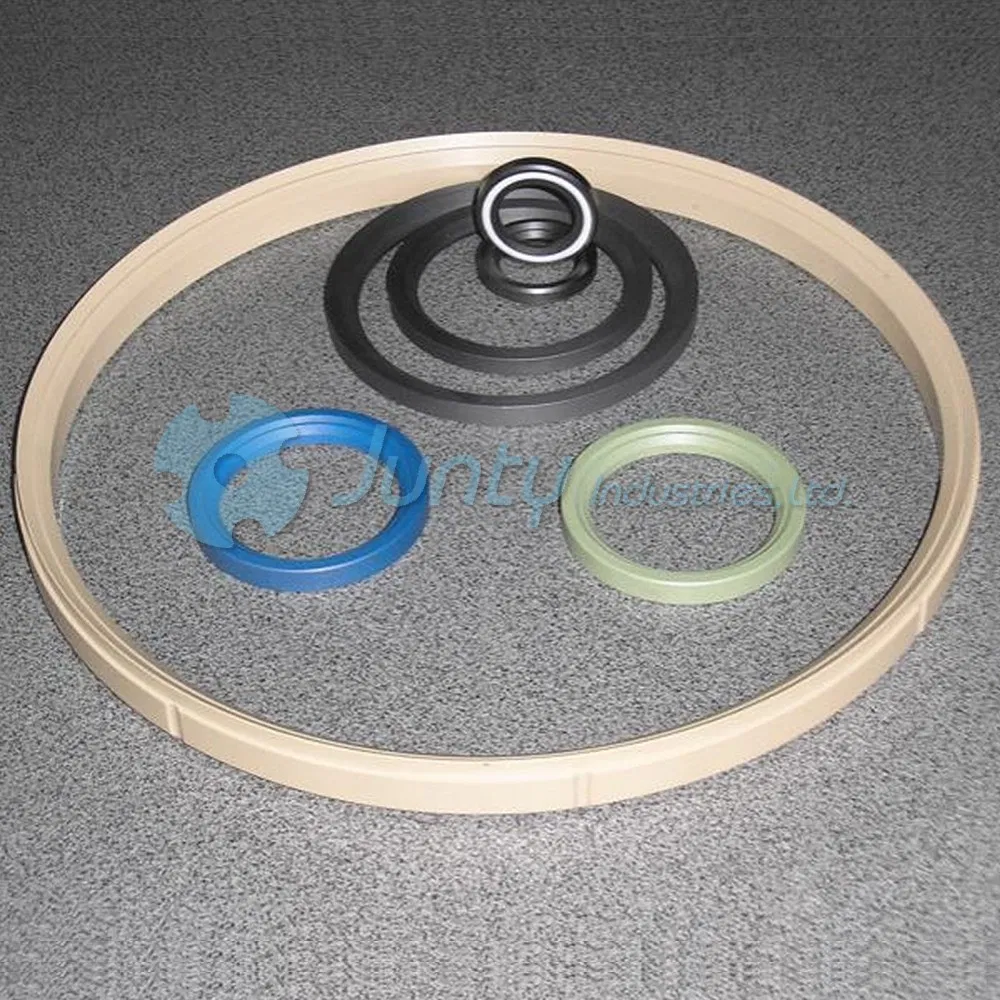
Advanced Engineering Capabilities for PEEK Polymer Manufacturing
Suzhou Baoshida Trading Co., Ltd. leverages deep technical expertise in high-performance polymer processing, specifically for demanding PEEK (polyether ether ketone) applications within industrial sectors. Our dedicated engineering team, comprising five specialized Mould Engineers and two senior Rubber and Polymer Formula Engineers, forms the core of our value proposition. This integrated structure ensures seamless translation of complex client specifications into precision-engineered components. While PEEK is a high-performance thermoplastic distinct from traditional elastomers, our Formula Engineers possess the advanced polymer science knowledge required to optimize processing parameters and material behavior for this challenging resin, complementing our core industrial rubber solutions portfolio.
The Mould Engineering team focuses exclusively on the intricate demands of PEEK injection moulding. This includes designing and validating tooling capable of withstanding extreme processing temperatures (typically 360-400°C) while maintaining exceptional dimensional stability and surface finish. Critical considerations such as thermal management, gate design for high-viscosity melt, and minimizing internal stresses are rigorously addressed. Concurrently, our Formula Engineers analyze client performance requirements and material datasheets, providing essential input on optimal drying protocols, melt temperature profiles, and cooling rates to achieve target mechanical properties and part integrity. This cross-functional collaboration eliminates common pitfalls in PEEK processing, such as voids, warpage, or degraded mechanical performance.
Our OEM capabilities are built upon this engineering foundation, offering end-to-end manufacturing solutions tailored to stringent industrial requirements. We manage the entire process from initial design consultation and material selection through precision moulding, post-processing (including necessary annealing for stress relief), and comprehensive quality validation. Clients benefit from our rigorous validation protocols, including in-house mechanical testing and dimensional inspection against tight tolerances (±0.05mm achievable), ensuring components meet exacting specifications for aerospace, semiconductor, medical, and critical fluid handling applications. Suzhou Baoshida provides full documentation traceability, including material certificates and process validation reports, essential for regulated industries.
Key PEEK material properties critical for industrial component design are outlined below. Our engineering team utilizes this data to guide material grade selection and process optimization for each unique application.
| Property | Typical Value | Test Standard |
|---|---|---|
| Tensile Strength | 90 – 100 MPa | ISO 527 |
| Flexural Modulus | 3.6 – 4.0 GPa | ISO 178 |
| Continuous Service Temp | 250 °C | UL 746B |
| Glass Transition Temp (Tg) | 143 °C | ISO 11357 |
| Melting Point (Tm) | 343 °C | ISO 11357 |
| Limiting Oxygen Index (LOI) | 35% | ASTM D2863 |
This precise engineering synergy, combining specialized mould design expertise with advanced polymer formulation knowledge, enables Suzhou Baoshida to consistently deliver reliable, high-integrity PEEK components. We transform complex technical challenges into manufacturable solutions, ensuring client products achieve superior performance and longevity in the most demanding operational environments. Partner with us for OEM manufacturing where material science meets precision engineering execution.
Customization Process
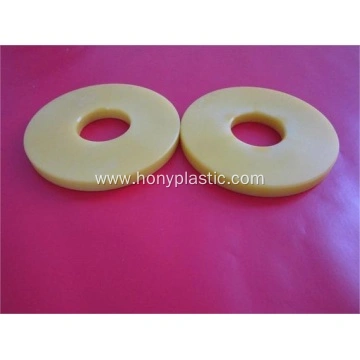
Drawing Analysis
The customization process for PEEK (Polyether Ether Ketone) components begins with rigorous drawing analysis. At Suzhou Baoshida Trading Co., Ltd., engineering teams conduct a dimensional and geometric evaluation of customer-supplied technical drawings, ensuring compliance with ISO 10609 and ASME Y14.5 standards. Critical features such as wall thickness, tolerance zones, draft angles, and surface finish requirements are verified for manufacturability. Finite Element Analysis (FEA) may be applied to predict stress distribution and thermal behavior under operational loads. Any discrepancies or potential design risks are flagged during this phase, and collaborative feedback is provided to optimize performance and reduce production defects. This stage establishes the foundation for material selection and mold design.
Formulation Development
Following drawing validation, the formulation stage tailors the PEEK compound to meet specific mechanical, thermal, and chemical resistance requirements. While virgin PEEK offers excellent baseline properties, modifications are often necessary for industrial applications. Suzhou Baoshida leverages in-house compounding expertise to integrate reinforcing agents such as 30% carbon fiber or 20–25% glass fiber, enhancing tensile strength and dimensional stability. Additives like PTFE, graphite, or silicone oil may be introduced to improve wear resistance and reduce the coefficient of friction for dynamic sealing or bearing applications. The compounded material is subjected to thermal gravimetric analysis (TGA) and differential scanning calorimetry (DSC) to confirm melt stability and crystallization behavior. Each formulation is documented and batch-traceable to ensure consistency across production cycles.
Prototyping and Validation
Precision injection molding or compression molding techniques are employed to produce functional prototypes using the finalized formulation. Prototypes undergo comprehensive testing, including tensile strength, flexural modulus, hardness (Shore D), and long-term thermal aging per ASTM and ISO protocols. Dimensional inspection via coordinate measuring machines (CMM) ensures conformity to drawing specifications. In applications involving dynamic sealing or high cyclic loading, accelerated life testing is performed under simulated service conditions. Customer feedback is integrated at this stage, allowing for iterative refinement before tooling release.
Mass Production
Upon prototype approval, the process transitions to full-scale manufacturing. High-precision steel molds, often with conformal cooling channels, are used in electric screw-driven injection molding machines to maintain tight thermal control. In-process quality checks, including automated vision inspection and statistical process control (SPC), are implemented. Final products are packaged per ESD and moisture-sensitive device (MSD) standards where applicable.
Key PEEK Material Properties:
| Property | Virgin PEEK | 30% Carbon Fiber Reinforced | Test Standard |
|---|---|---|---|
| Tensile Strength | 90–100 MPa | 190–230 MPa | ISO 527 |
| Flexural Modulus | 3.6 GPa | 13.0 GPa | ISO 178 |
| Continuous Use Temp | 250°C | 260°C | UL 746B |
| Coefficient of Friction | 0.35 (vs. steel) | 0.20 (vs. steel) | ASTM D3702 |
| Water Absorption (24h) | 0.1% | 0.05% | ISO 62 |
All batches are certified and delivered with full material test reports (MTRs) and RoHS/REACH compliance documentation.
Contact Engineering Team
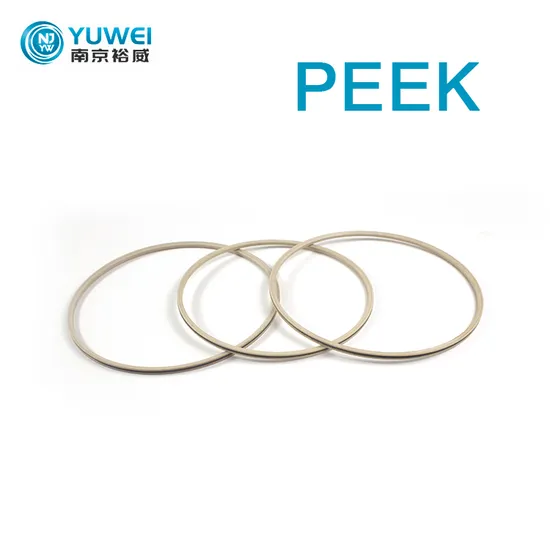
Initiate Your PEEK Integration Protocol with Suzhou Baoshida Trading Co. Ltd.
Polyether ether ketone (PEEK) represents the pinnacle of high-performance thermoplastics for demanding industrial rubber composite systems and sealing applications. Its exceptional thermal stability, chemical resistance, and mechanical integrity under extreme conditions make it indispensable for advanced OEM components operating beyond the limits of conventional elastomers. Successfully integrating PEEK requires not only premium-grade raw material but also deep formulation expertise and precise processing knowledge to achieve optimal interfacial adhesion and performance synergy within rubber matrices. Suzhou Baoshida Trading Co. Ltd. operates at this critical intersection of polymer science and industrial manufacturing, providing engineered PEEK solutions specifically validated for complex rubber integration challenges.
Our technical team possesses extensive hands-on experience in formulating and processing PEEK grades tailored for hybrid rubber-PEEK components, such as high-temperature seals, wear-resistant bearings, and chemically inert valve components. We understand the critical parameters governing PEEK crystallization kinetics during co-molding or overmolding processes with specialty rubbers like FKM, FFKM, or HNBR. This expertise ensures dimensional stability, minimizes internal stress, and maximizes the composite part’s service life in aggressive environments – factors often overlooked by generic material suppliers. We move beyond simple material distribution to become your embedded engineering partner, offering rigorous ASTM/ISO validation protocols and mold flow analysis support specific to PEEK-rubber interfaces.
The following table summarizes key PEEK material specifications critical for rubber composite applications, reflecting the stringent quality control applied to all grades supplied by Suzhou Baoshida:
| Property | Typical Value (Unfilled PEEK) | Test Standard | Relevance to Rubber Integration |
|---|---|---|---|
| Melting Point | 343 °C | ISO 11357 | Dictates processing temperature window relative to rubber cure |
| Continuous Service Temp | 250 °C | UL 746B | Defines upper operational limit for rubber-PEEK assemblies |
| Tensile Strength (Yield) | 90-100 MPa | ISO 527 | Critical for mechanical interlock strength with rubber |
| Flexural Modulus | 3.6-4.0 GPa | ISO 178 | Impacts part stiffness and stress distribution |
| Chemical Resistance | Excellent vs. oils, acids | ASTM D471 | Ensures long-term stability in fluid exposure scenarios |
| Coefficient of Friction | 0.25-0.35 (vs. steel) | ASTM D3702 | Key for dynamic sealing and bearing applications |
| Moisture Absorption (23°C) | 0.5% (saturation) | ISO 62 | Minimizes dimensional shift during rubber processing |
Suzhou Baoshida Trading Co. Ltd. guarantees material traceability from certified global producers and conducts in-house verification testing on every batch to ensure consistency. We provide comprehensive technical data sheets, processing guidelines optimized for rubber co-production environments, and direct access to our formulation engineers for custom grade development. Whether you require standard unfilled PEEK, carbon-fiber reinforced variants for enhanced rigidity, or specialized grades with improved wear resistance for dynamic sealing interfaces, our supply chain delivers reliability critical for high-value OEM production lines.
Do not compromise your next-generation component performance with suboptimal material sourcing or insufficient technical support. Engage Suzhou Baoshida’s engineering team to solve your most complex PEEK-rubber integration challenges. Initiate your PEEK integration protocol by contacting our dedicated OEM Manager, Mr. Boyce, directly at [email protected]. Include your specific application requirements, target performance metrics, and current processing parameters to receive a tailored technical assessment and material recommendation within 24 business hours. Partner with precision. Partner with Suzhou Baoshida.
⚖️ O-Ring Weight Calculator
Estimate rubber O-ring weight (Approx).