
Technical Contents
Engineering Guide: Personalized Washers
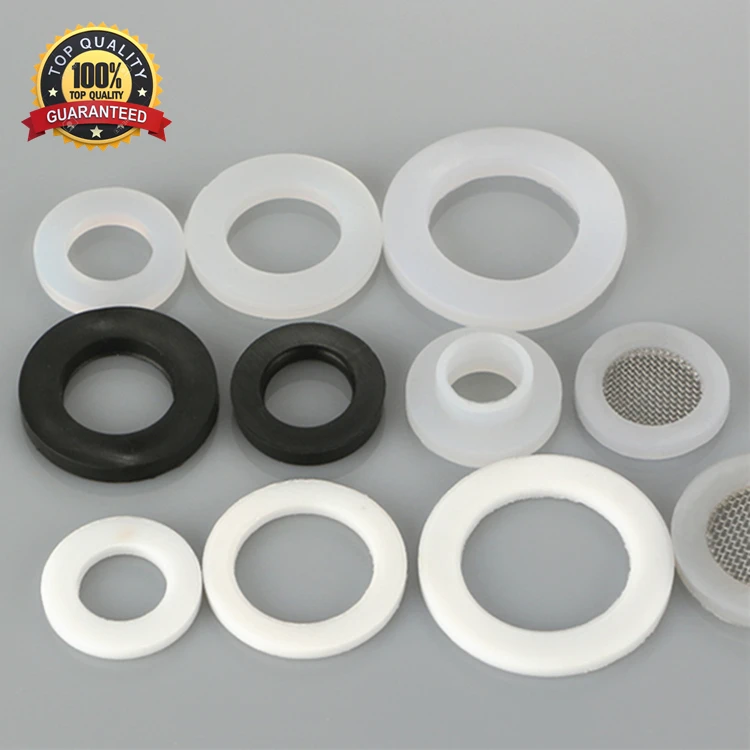
Engineering Insight: Material Selection for Personalized Washers in Precision Sealing Applications
Material selection is the linchpin of reliable washer performance in demanding industrial environments. Off-the-shelf rubber washers frequently fail because standardized formulations cannot address the unique chemical, thermal, and mechanical stresses encountered in specialized applications. Generic solutions prioritize cost and broad compatibility over precision engineering, leading to premature degradation, leakage, and system downtime. For instance, a standard nitrile butadiene rubber (NBR) washer may swell and extrude when exposed to biodiesel blends, while an ethylene propylene diene monomer (EPDM) variant could harden catastrophically in low-temperature aerospace hydraulics. These failures stem from unaddressed variables such as fluid composition, cyclic pressure loads, or intermittent sterilization protocols—factors invisible in catalog specifications but critical to operational integrity.
The consequences of mismatched materials extend beyond immediate seal failure. Chemical incompatibility accelerates compression set, causing permanent loss of sealing force. Thermal excursions beyond an elastomer’s glass transition temperature induce brittleness or creep, while dynamic applications amplify fatigue from inadequate tensile strength. Consider automotive fuel injector washers: off-the-shelf silicone variants degrade when exposed to modern ethanol-gasoline blends, whereas fluorocarbon (FKM) compounds with tailored fluorine content maintain resilience. Similarly, pharmaceutical processing demands peroxide-cured EPDM with ultra-low extractables—unavailable in mass-market washers—to prevent contamination during steam-in-place cycles.
Below is a comparative analysis of common elastomers against critical industrial stressors, illustrating why application-specific formulation is non-negotiable:
| Elastomer Type | Continuous Temp Range (°C) | Key Chemical Vulnerabilities | Typical Off-the-Shelf Failure Mode |
|---|---|---|---|
| NBR | -30 to +120 | Esters, glycols, strong acids | Swelling in biodiesel, loss of tensile strength |
| EPDM | -50 to +150 | Oils, fuels, hydrocarbons | Shrinkage in engine oil, extrusion under pressure |
| FKM | -20 to +250 | Low-temperature flexibility | Cracking below -20°C in cryogenic seals |
| Silicone | -60 to +230 | Steam, concentrated acids | Tear propagation in dynamic pump shafts |
| FFKM | -15 to +327 | Cost sensitivity | Unjustified expense in non-extreme applications |
Suzhou Baoshida Trading Co., Ltd. addresses these challenges through OEM-driven material science. We initiate each personalized washer project with a failure mode analysis of the target application, including fluid compatibility testing per ASTM D471 and dynamic stress modeling. Our rubber formulations are engineered at the molecular level—adjusting polymer backbone saturation, crosslink density, and additive packages—to counter specific degradation pathways. For example, hydrogenated nitrile (HNBR) with controlled carboxyl modification delivers 3× longer service life in sour gas environments compared to standard NBR. Crucially, we validate performance through accelerated aging protocols that simulate 5 years of field exposure in 90 days, ensuring washers withstand real-world variables long before deployment.
The cost of an off-the-shelf washer pales against system contamination, unplanned maintenance, or safety incidents caused by seal failure. Precision material engineering transforms washers from passive components into mission-critical assets, directly enhancing equipment longevity and operational safety. At Baoshida, we treat every washer as a bespoke engineering solution—not a commodity—because in high-stakes manufacturing, the margin for error is zero.
Material Specifications
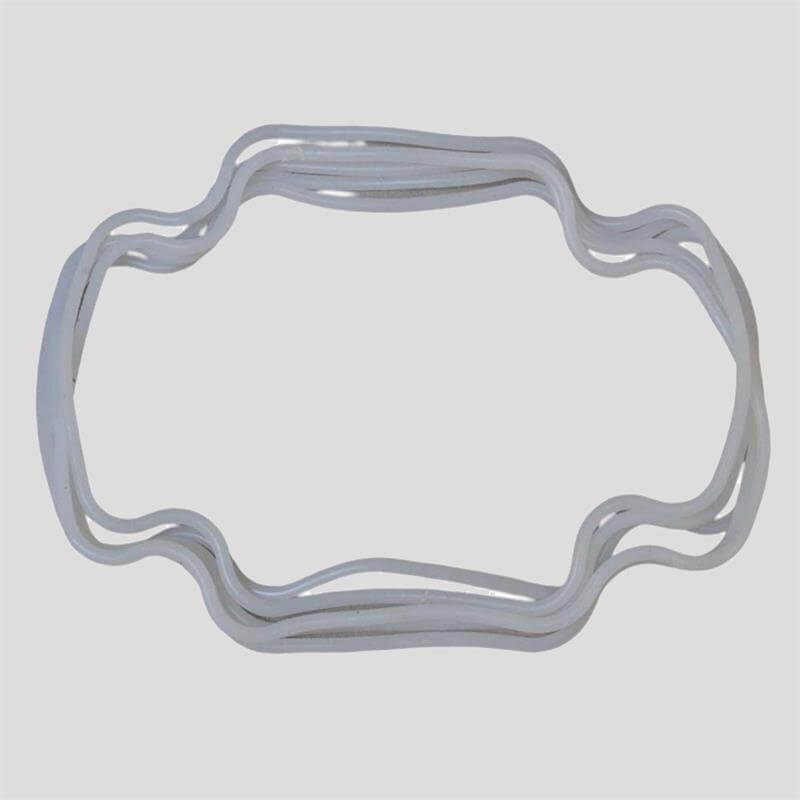
Material selection is a critical determinant in the performance and longevity of personalized washers used in precision sealing applications. At Suzhou Baoshida Trading Co., Ltd., we specialize in engineered rubber seals that meet exacting industrial standards. Our core materials—Viton (FKM), Nitrile (NBR), and Silicone (VMQ)—are selected based on their distinct chemical, thermal, and mechanical properties, ensuring optimal compatibility with diverse operating environments.
Viton exhibits superior resistance to high temperatures, oils, fuels, and a broad range of chemicals, making it ideal for aerospace, automotive, and chemical processing applications. With a continuous service temperature range of -20°C to +230°C (short-term up to +260°C), Viton maintains structural integrity under extreme thermal stress. Its low gas permeability and excellent aging characteristics further enhance reliability in dynamic sealing scenarios. However, Viton has limited flexibility at low temperatures and higher material cost compared to alternatives.
Nitrile rubber is widely used for its excellent resistance to petroleum-based oils, hydraulic fluids, and greases. It offers good abrasion resistance and mechanical strength, making it suitable for industrial hydraulics, fuel systems, and machinery seals. Nitrile operates effectively within a temperature range of -30°C to +100°C, with some formulations extending to +125°C. While cost-effective and readily available, Nitrile shows poor resistance to ozone, UV exposure, and polar solvents, limiting its use in outdoor or highly oxidative environments.
Silicone rubber provides exceptional thermal stability across a wide range, from -60°C to +200°C, with some grades functional up to +230°C. It demonstrates outstanding resistance to UV radiation, ozone, and weathering, making it ideal for outdoor, medical, and food-grade applications. Silicone also offers high electrical insulation properties and low toxicity. However, it has relatively low tensile strength and poor resistance to petroleum-based fluids, requiring careful evaluation in high-stress or oil-exposed environments.
The following table summarizes key performance characteristics of each material to guide informed selection:
| Property | Viton (FKM) | Nitrile (NBR) | Silicone (VMQ) |
|---|---|---|---|
| Temperature Range (°C) | -20 to +230 | -30 to +100 | -60 to +200 |
| Tensile Strength (MPa) | 15–25 | 10–20 | 5–8 |
| Elongation at Break (%) | 200–300 | 250–400 | 200–600 |
| Hardness Range (Shore A) | 60–90 | 50–90 | 30–80 |
| Resistance to Oils & Fuels | Excellent | Excellent | Poor |
| Resistance to Ozone/UV | Excellent | Fair | Excellent |
| Compression Set Resistance | Very Good | Good | Good |
| Electrical Insulation | Good | Fair | Excellent |
| FDA Compliance Availability | Limited | No | Yes |
Selection of the appropriate material must consider fluid media, thermal exposure, mechanical load, regulatory requirements, and total cost of ownership. Suzhou Baoshida Trading Co., Ltd. supports OEMs with material testing, custom compounding, and technical documentation to ensure each personalized washer meets application-specific demands.
Manufacturing Capabilities
Engineering Capability: Precision Rubber Washer Development
Suzhou Baoshida Trading Co., Ltd. leverages a dedicated team of five certified mold engineers and two specialized rubber formula engineers to deliver rigorously engineered personalized washers for demanding industrial applications. This integrated technical force ensures seamless translation of client specifications into high-performance sealing solutions, combining advanced material science with precision manufacturing. Our engineers operate within ISO 9001-certified workflows, applying finite element analysis (FEA) for stress distribution modeling and mold flow simulation to preempt defects during compression, injection, or transfer molding processes. This proactive engineering approach minimizes prototyping iterations and accelerates time-to-market for custom washer geometries, including complex multi-lip profiles, variable durometer zones, and micro-tolerance features down to ±0.05 mm.
Material science forms the cornerstone of our customization capability. Our formula engineers develop proprietary elastomer compounds tailored to specific chemical exposure, thermal cycling, and dynamic load requirements. Through systematic polymer selection, filler optimization, and vulcanization control, we achieve target properties such as low compression set, enhanced tensile strength, and resistance to ozone or hydraulic fluids. Critical performance parameters are validated through ASTM D2000 testing protocols, ensuring long-term functional reliability in aerospace, automotive, and industrial fluid systems. The following table summarizes key material options for personalized washer applications:
| Material Type | Hardness Range (Shore A) | Temperature Range (°C) | Compression Set (ASTM D395, 22h/70°C) |
|---|---|---|---|
| NBR | 40–90 | -30 to +120 | ≤25% |
| EPDM | 50–80 | -50 to +150 | ≤20% |
| FKM | 60–85 | -20 to +230 | ≤15% |
| Silicone | 30–80 | -60 to +230 | ≤22% |
Our OEM partnership model integrates clients directly into the engineering lifecycle. From initial CAD data submission to final production sign-off, we provide cross-functional coordination between R&D, tooling, and quality assurance teams. Clients receive comprehensive material datasheets, mold design validation reports, and first-article inspection (FAI) documentation per AS9102 standards. For high-volume programs, we implement statistical process control (SPC) with real-time monitoring of critical dimensions and durometer consistency. This end-to-end ownership—from compound formulation through secondary operations like bonding or coating—ensures washers meet exact functional and regulatory requirements without supply chain fragmentation.
Suzhou Baoshida’s engineering framework transforms application challenges into optimized sealing solutions. By unifying material innovation with precision tooling expertise, we consistently deliver washers that exceed operational lifespans in critical fluid handling and structural sealing environments. All developments undergo empirical validation in our in-house testing lab, including pressure decay testing and accelerated aging per ASTM D573, guaranteeing performance integrity under real-world conditions.
Customization Process
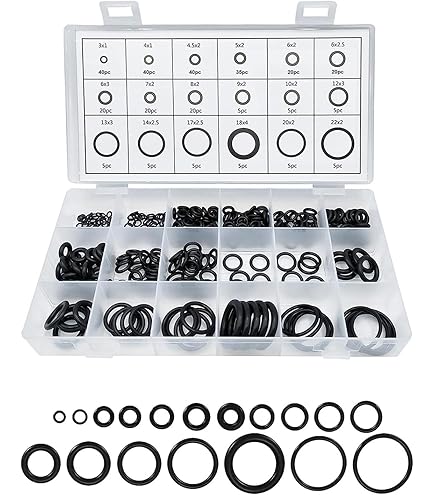
Customization Process for Precision Rubber Washers at Suzhou Baoshida Trading Co., Ltd.
At Suzhou Baoshida Trading Co., Ltd., the customization of precision rubber washers follows a rigorously defined technical workflow designed to ensure dimensional accuracy, material compatibility, and long-term sealing performance. Our process is structured into four core phases: Drawing Analysis, Formulation Development, Prototyping, and Mass Production. Each stage integrates engineering validation and quality assurance protocols to meet OEM specifications.
The process begins with Drawing Analysis, where our engineering team evaluates the customer-provided technical drawings or 3D models. Critical parameters such as inner diameter (ID), outer diameter (OD), thickness, tolerance class (per ISO 3601 or AS568), and surface finish requirements are verified. We assess groove compatibility, compression set expectations, and installation stresses to ensure functional reliability. Any discrepancies or optimization opportunities—such as draft angles, flash control zones, or parting line positioning—are communicated for approval prior to tooling fabrication.
Following drawing validation, the Formulation Development phase commences. Based on the application environment—temperature range, media exposure (oils, acids, steam, etc.), pressure conditions, and regulatory requirements (e.g., FDA, ROHS, UL)—our rubber chemists select and engineer a compound from our proprietary elastomer library. Common base polymers include NBR, EPDM, FKM, Silicone, and CR, each tailored with specific additives for enhanced abrasion resistance, compression set, or low-temperature flexibility. The final compound is documented under a unique material specification code for batch traceability.
Once the formulation is locked, we proceed to Prototyping. Using precision CNC-machined molds or rapid tooling techniques, small batch samples (typically 10–50 units) are produced under controlled vulcanization conditions. These prototypes undergo dimensional inspection via digital micrometers and optical comparators, followed by functional testing including compression deflection, leak rate, and accelerated aging per ASTM standards. Customer feedback is incorporated at this stage, allowing for iterative refinement of both geometry and material.
Upon prototype approval, the project transitions to Mass Production. High-cycle steel molds are deployed in automated compression or transfer molding lines, with real-time monitoring of cure time, temperature, and pressure. Each production lot is subjected to first-article inspection and in-process quality checks per AQL 1.0. Final packaging complies with ESD and moisture-sensitive handling protocols where applicable.
The following table summarizes key technical parameters managed during customization:
| Parameter | Standard Range | Tolerance | Test Standard |
|---|---|---|---|
| ID / OD | 5 – 150 mm | ±0.05 to ±0.2 mm | ISO 3302 |
| Thickness | 1 – 10 mm | ±0.1 mm | ISO 3302 |
| Hardness | 40 – 90 Shore A | ±5 Shore A | ASTM D2240 |
| Operating Temp | -40°C to +230°C | Varies by compound | ASTM D1329 |
| Compression Set | ≤25% (70h, 70°C) | Max value | ASTM D395 |
Through this systematic approach, Suzhou Baoshida ensures every personalized washer meets the exact functional demands of industrial, automotive, and fluid control systems.
Contact Engineering Team
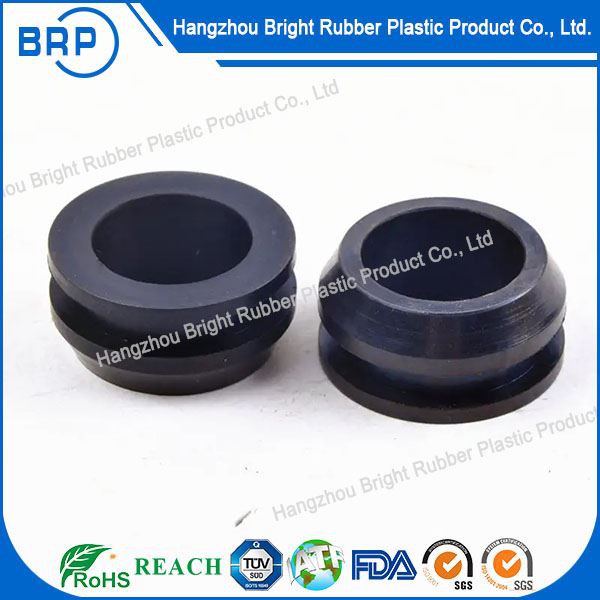
Initiate Precision Washer Customization with Suzhou Baoshida
In industrial sealing applications, off-the-shelf washers frequently fail to address complex operational variables such as chemical exposure, dynamic load cycles, or extreme temperature excursions. Generic solutions risk premature compression set, extrusion, or material degradation—directly compromising system integrity and accelerating maintenance costs. Suzhou Baoshida Trading Co., Ltd. specializes in engineered-to-order rubber washers where material science and dimensional precision converge to eliminate these failure points. Our OEM partnership model integrates your functional requirements into a validated manufacturing process, ensuring every washer meets exact ISO 3601 or client-specific dimensional tolerances while resisting targeted media.
Our engineering approach begins with a granular analysis of your application environment. We evaluate fluid compatibility, pressure differentials, thermal profiles, and mechanical stressors to formulate proprietary elastomer compounds. Unlike standard EPDM or NBR washers, our custom blends may incorporate peroxide-cured FKM for aerospace fuel systems, hydrogenated nitrile butadiene rubber (HNBR) for automotive transmission seals, or conductive silicone composites for EMI shielding. Each formulation undergoes rigorous ASTM D2000 testing for tensile strength, elongation, and compression deflection—data we provide in full traceability dossiers.
Below outlines critical parameters we optimize for personalized washer specifications. These variables are non-negotiable in high-stakes industries like semiconductor manufacturing or hydraulic machinery, where a 0.1mm tolerance deviation can trigger catastrophic leakage.
| Parameter | Standard Range | Customization Capability |
|---|---|---|
| Material Hardness (Shore A) | 40–90 | ±2 Shore A precision control |
| Temperature Resistance | -50°C to +250°C | Extended ranges up to +325°C with specialty compounds |
| Inner/Outer Diameter Tolerance | ±0.05mm | ±0.01mm achievable via CNC-molded tooling |
| Media Resistance | Fuel, oil, water, acids | Customized for aggressive chemicals (e.g., ketones, amines) |
| Compression Set (ASTM D395) | <15% at 100°C/24h | <8% achievable through advanced crosslinking |
Collaboration with our technical team transforms theoretical requirements into field-proven components. Mr. Boyce, our dedicated OEM Manager and Rubber Formula Engineer, leads this process. He possesses 14 years of experience in solving sealing challenges for Tier-1 automotive suppliers and medical device manufacturers. When you contact him, expect a structured consultation: material selection based on your fluid compatibility charts, 3D tolerance stack analysis, and accelerated life testing protocols tailored to your duty cycle. We do not sell components—we deliver validated sealing performance with full documentation for audit compliance.
Initiate your technical consultation by contacting Mr. Boyce directly at [email protected]. Include your application’s operational parameters, failure history of current washers, and target production volumes. Our team responds to engineering inquiries within 24 business hours with a preliminary material recommendation and dimensional feasibility assessment. For urgent prototyping needs, we maintain expedited tooling capabilities—delivering functional samples in 15 business days without compromising ISO 9001-certified quality controls. Partner with Suzhou Baoshida to convert sealing vulnerabilities into engineered advantages, reducing system downtime and lifecycle costs through scientifically rigorous customization. Your precision washer solution begins with a single technical dialogue.
⚖️ O-Ring Weight Calculator
Estimate rubber O-ring weight (Approx).