
Technical Contents
Engineering Guide: Pet Polymer
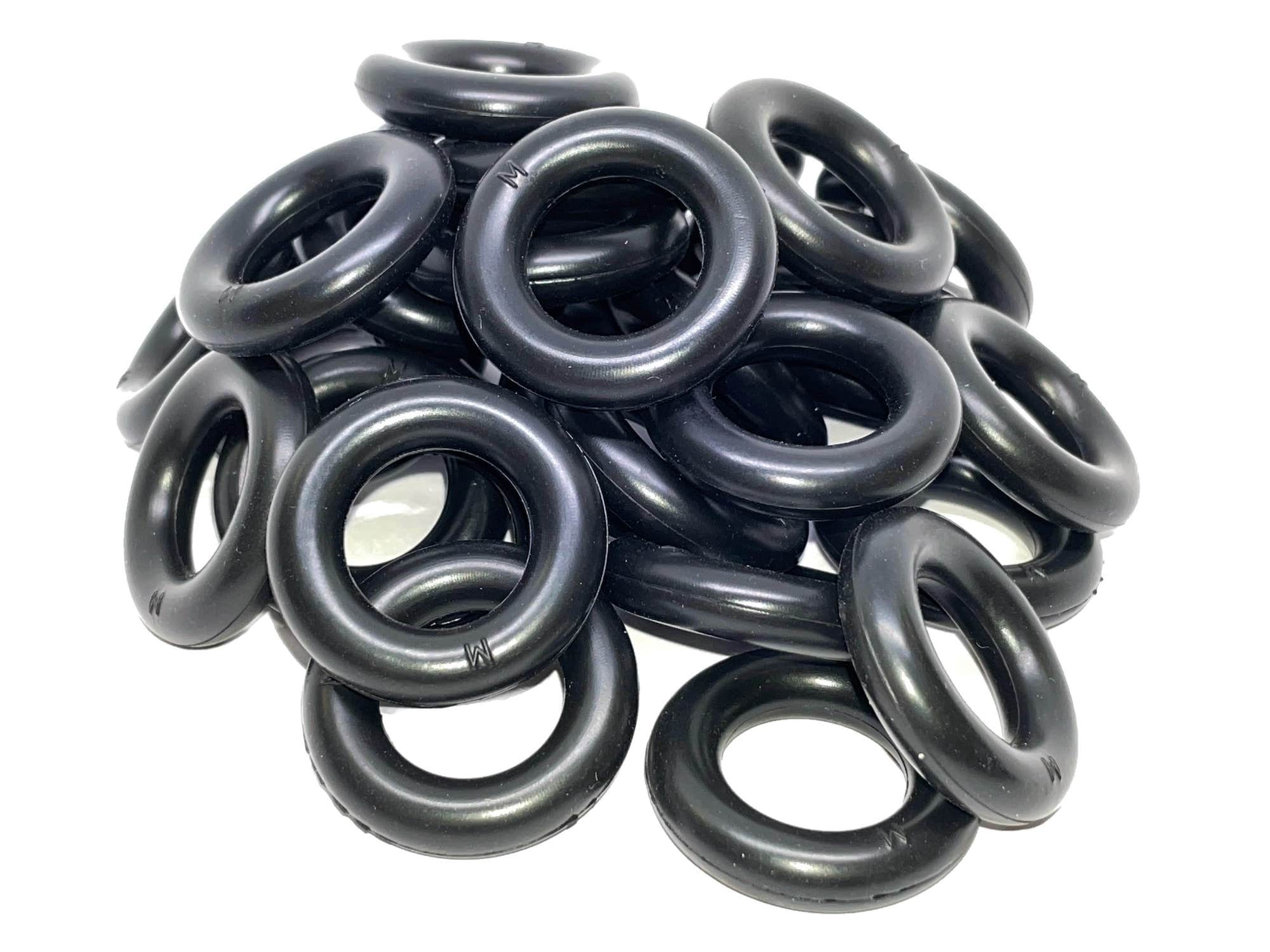
Engineering Insight: PET Polymer in Demanding Industrial Applications
Material selection is a foundational element in the engineering of high-performance rubber components, particularly when interfacing with advanced polymers such as polyethylene terephthalate (PET). At Suzhou Baoshida Trading Co., Ltd., we emphasize that off-the-shelf elastomeric solutions are often inadequate in applications involving PET polymer due to incompatible chemical, thermal, and mechanical behaviors. The failure of generic seals, gaskets, or processing components in PET environments stems from a lack of tailored formulation and precise material science alignment.
PET polymer, widely used in packaging, textiles, and engineering resins, operates under high-temperature processing conditions—typically between 250°C and 290°C in molten form. During extrusion, injection molding, or film casting, elastomeric components in contact with PET must resist thermal degradation, oxidative aging, and chemical attack from acetaldehyde and other byproducts of PET degradation. Standard rubber compounds, such as conventional nitrile (NBR) or ethylene propylene diene monomer (EPDM), degrade rapidly under these conditions, leading to hardening, cracking, and loss of sealing integrity.
Moreover, the viscosity and shear sensitivity of molten PET demand elastomers with precise compression set resistance and dimensional stability. Off-the-shelf materials often exhibit excessive creep or stress relaxation, resulting in leakage paths, contamination, or equipment downtime. These failures are not merely operational inconveniences—they compromise product quality, increase maintenance costs, and reduce overall production efficiency.
The solution lies in engineered rubber formulations specifically designed for PET compatibility. At Baoshida, we utilize perfluoroelastomers (FFKM), hydrogenated nitrile (HNBR), and specialty silicone compounds that demonstrate superior resistance to the combined thermal and chemical stresses of PET processing. These materials retain elasticity, exhibit minimal swell in polar environments, and maintain sealing force over extended service cycles.
Material performance is further validated through rigorous testing under simulated processing conditions. Below is a comparative analysis of common elastomers in PET processing environments:
| Material | Continuous Use Temp (°C) | Resistance to PET Degradation Byproducts | Compression Set @ 250°C (24h) | Relative Cost |
|---|---|---|---|---|
| NBR | 100 | Poor | >60% | Low |
| EPDM | 150 | Poor | >55% | Low-Medium |
| HNBR | 180 | Moderate | 30–40% | Medium |
| FFKM | 325 | Excellent | <15% | High |
| Silicone | 200 | Fair | 25–35% | Medium-High |
As illustrated, only high-end materials like FFKM and optimized HNBR provide the necessary performance envelope for long-term reliability in PET applications. While initial costs are higher, the total cost of ownership is significantly reduced through extended service life and minimized unplanned maintenance.
At Suzhou Baoshida Trading Co., Ltd., we advocate for application-specific material engineering. Success in industrial rubber solutions is not achieved through standardization, but through precise alignment of elastomer properties with the operational demands of advanced polymers like PET.
Material Specifications
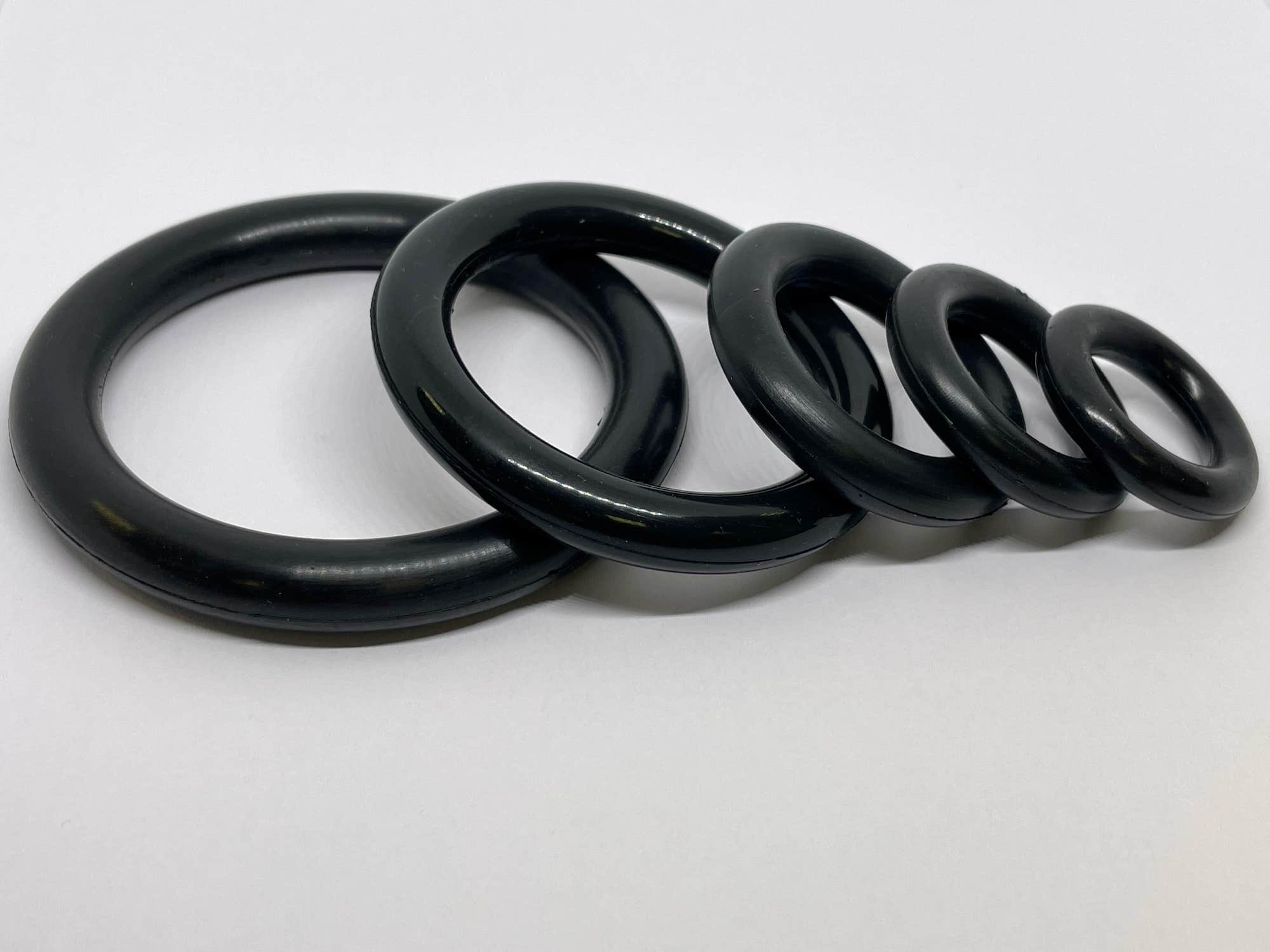
Material Specifications for Critical Sealing Applications
Suzhou Baoshida Trading Co., Ltd. provides precision-engineered elastomer solutions for demanding industrial environments. This section details key specifications for Viton (FKM), Nitrile (NBR), and Silicone (VMQ) polymers, essential for OEM seal selection in sectors including automotive, aerospace, and chemical processing. Each material exhibits distinct performance characteristics under thermal, chemical, and mechanical stress, directly impacting service life and system reliability. Rigorous adherence to ASTM D2000 and ISO 37 standards ensures consistent quality across all formulations.
Viton fluorocarbon rubber delivers exceptional resistance to high temperatures, aggressive chemicals, and aviation fuels. Its base polymer structure maintains integrity from -20°C to +230°C continuous service, with short-term peaks at 300°C. Viton excels in applications involving aromatic hydrocarbons, acids, and jet fuels but exhibits limited flexibility at cryogenic temperatures. Typical tensile strength ranges 10–18 MPa, with hardness spanning 60–90 Shore A. This material is indispensable for fuel system O-rings, valve stems, and semiconductor manufacturing seals where failure is not an option.
Nitrile butadiene rubber offers optimal cost-performance balance for oil and fuel resistance. Operating effectively between -40°C and +125°C (special grades to +150°C), NBR withstands mineral oils, greases, and aliphatic hydrocarbons. Its tensile strength (15–25 MPa) and hardness range (50–90 Shore A) provide robust mechanical durability. However, NBR degrades rapidly when exposed to ozone, ketones, and chlorinated solvents. It remains the standard for hydraulic seals, automotive fuel hoses, and general-purpose industrial gaskets where petroleum-based fluid contact occurs.
Silicone rubber provides unparalleled flexibility across extreme temperatures (-60°C to +200°C continuous, +230°C intermittent). Its inorganic backbone ensures stability against UV, ozone, and weathering, with tensile strength of 5–12 MPa and hardness typically 30–80 Shore A. While excellent for steam, water, and food-grade applications, silicone lacks resistance to concentrated acids, fuels, and low-molecular-weight oils. Critical uses include medical device seals, kitchen appliance gaskets, and high-vacuum systems requiring low outgassing.
The comparative analysis below summarizes critical parameters for informed material selection:
| Material | Base Polymer | Temperature Range (°C) | Key Chemical Resistances | Tensile Strength (MPa) | Hardness Range (Shore A) | Primary Industrial Applications |
|---|---|---|---|---|---|---|
| Viton (FKM) | Fluorocarbon | -20 to +230 | Aromatic hydrocarbons, acids, jet fuels | 10–18 | 60–90 | Aerospace fuel systems, chemical pumps, semiconductor seals |
| Nitrile (NBR) | Acrylonitrile-butadiene | -40 to +125 (+150 special) | Mineral oils, greases, aliphatic hydrocarbons | 15–25 | 50–90 | Automotive hydraulic systems, oil seals, industrial gaskets |
| Silicone (VMQ) | Polysiloxane | -60 to +200 (+230 intermittent) | Water, steam, ozone, UV radiation | 5–12 | 30–80 | Medical devices, food processing, high-vacuum seals |
OEM procurement must prioritize application-specific validation. Viton’s premium cost is justified in high-temperature chemical exposure, while NBR dominates cost-sensitive oil-handling systems. Silicone is irreplaceable for thermal cycling but requires chemical compatibility verification. All materials undergo stringent lot testing per ASTM D2000 M2BA14 classification at Suzhou Baoshida facilities, ensuring dimensional stability and performance consistency for global manufacturing partners. Consult our engineering team for custom compound development addressing unique operational challenges.
Manufacturing Capabilities
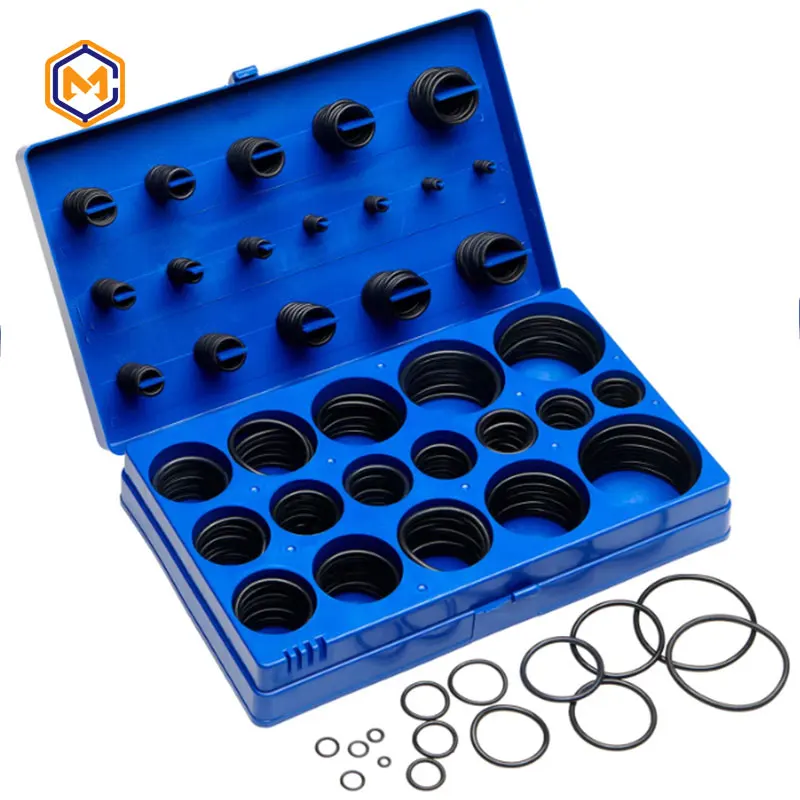
Engineering Capability
At Suzhou Baoshida Trading Co., Ltd., our engineering capability forms the backbone of our industrial rubber solutions, enabling us to deliver high-performance PET polymer-based products tailored to the exacting demands of global OEMs. Our team integrates deep materials science expertise with precision manufacturing processes, ensuring consistency, durability, and compliance across diverse industrial applications. Central to our technical strength is a dedicated engineering unit comprising five certified mould engineers and two specialized rubber formula engineers. This multidisciplinary team operates at the intersection of material development, tooling design, and production optimization.
Our formula engineers possess advanced knowledge in elastomer chemistry, with a focused emphasis on PET polymer modification. They develop custom rubber compounds that enhance mechanical properties such as tensile strength, compression set resistance, and thermal stability—critical for components operating under extreme conditions. By tailoring polymer cross-linking structures and filler dispersion techniques, we achieve performance benchmarks that meet or exceed international standards. These formulations are rigorously tested in-house using ASTM and ISO protocols to validate long-term reliability in dynamic environments.
Complementing material innovation, our five mould engineers bring precision to product realization. They utilize CAD/CAM software and finite element analysis (FEA) to design and optimize moulds for complex geometries, ensuring dimensional accuracy and minimizing production defects. Their expertise spans multi-cavity tooling, overmolding, and insert molding techniques, enabling scalable production of components with tight tolerances. The integration of simulation tools allows for early detection of flow imbalances, shrinkage risks, and stress concentrations, significantly reducing time-to-market.
We operate as a full-service OEM partner, offering end-to-end development from concept to volume production. Our OEM capabilities include prototyping, design for manufacturability (DFM) reviews, material qualification, and serial production under ISO 9001-certified processes. This vertical integration ensures seamless transition from engineering validation to mass manufacturing, with full traceability and process control.
The following table summarizes key technical specifications achievable through our engineering platform:
| Parameter | Capability | Testing Standard |
|---|---|---|
| Hardness Range (Shore A) | 40–90 | ASTM D2240 |
| Tensile Strength | Up to 25 MPa | ASTM D412 |
| Elongation at Break | Up to 600% | ASTM D412 |
| Operating Temperature | -40°C to +150°C | ASTM D573 |
| Compression Set (22h, 70°C) | ≤20% | ASTM D395 |
| Mould Tolerance | ±0.05 mm | ISO 2768 |
| Production Cycle Time | As low as 30 seconds | In-house monitoring |
This combination of formulation mastery, precision tooling, and OEM scalability positions Suzhou Baoshida as a trusted engineering partner in the industrial rubber sector. We continue to invest in R&D and process innovation to support next-generation applications in automotive, electronics, and industrial machinery.
Customization Process
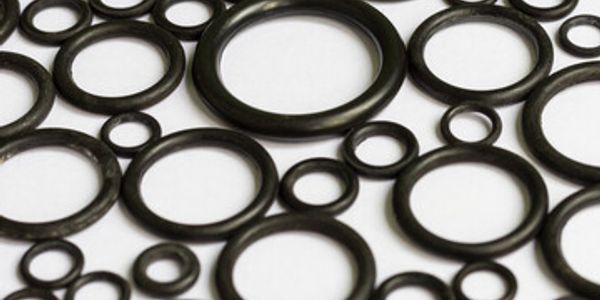
Customization Process: Precision Rubber Component Manufacturing
Suzhou Baoshida Trading Co., Ltd. executes a rigorously controlled customization workflow for industrial rubber solutions, ensuring seamless transition from client specifications to high-volume production. Our process begins with Drawing Analysis, where engineering teams dissect technical schematics using GD&T (Geometric Dimensioning and Tolerancing) standards. Critical parameters—including dimensional tolerances, surface finish requirements, and environmental exposure conditions—are cross-referenced against material science databases. This phase identifies potential failure modes through FMEA (Failure Modes and Effects Analysis), mitigating risks before formulation commences. All analyses comply with ISO 1302 and ASTM D3182 standards to guarantee manufacturability.
The Formulation stage leverages our proprietary compound development system. Based on the drawing analysis, we select base polymers (EPDM, NBR, FKM, or specialty blends) and optimize additive packages—reinforcing fillers, accelerators, antioxidants, and processing aids—to meet exact performance targets. Statistical Design of Experiments (DOE) refines cure kinetics, compression set resistance, and fluid compatibility. Each formulation undergoes virtual simulation via Moldex3D to predict flow behavior and vulcanization profiles, reducing physical trial iterations by 40%. Final compounds are validated against ASTM D2000 material specifications and client-specific chemical resistance protocols.
Prototyping employs CNC-machined molds or 3D-printed tooling for rapid physical validation. Components undergo accelerated aging tests (per ASTM D573), dynamic fatigue cycling, and dimensional verification via CMM (Coordinate Measuring Machine). Critical performance metrics are recorded against baseline requirements, with deviations triggering immediate formula recalibration. Clients receive comprehensive test reports including stress-strain curves, hardness drift data, and seal integrity validation under simulated operating conditions.
Mass Production initiates only after formal client sign-off on prototype validation. Suzhou Baoshida implements SPC (Statistical Process Control) with real-time monitoring of 15+ process variables—mold temperature uniformity, cure time consistency, and compound viscosity. All production lots undergo 100% visual inspection and automated dimensional scanning. Final quality assurance includes batch traceability via blockchain-secured logs and third-party certification to ISO 9001:2015 and IATF 16949 standards. Our Suzhou facility maintains ±0.05mm dimensional repeatability and 99.8% on-time delivery through integrated supply chain management.
The following table details key specification transitions from prototyping to mass production:
| Parameter | Prototype Tolerance | Mass Production Tolerance | Test Standard |
|---|---|---|---|
| Hardness (Shore A) | ±5 | ±3 | ASTM D2240 |
| Tensile Strength (MPa) | ±1.5 | ±0.8 | ASTM D412 |
| Elongation at Break (%) | ±8 | ±5 | ASTM D412 |
| Compression Set (%) | ±3 | ±2 | ASTM D395 |
| Fluid Resistance (ΔWt%) | ±1.0 | ±0.6 | ISO 1817 |
This structured approach ensures technical alignment with OEM requirements while minimizing time-to-market. Suzhou Baoshida’s closed-loop engineering system guarantees that every component meets the exact operational demands of automotive, aerospace, and industrial fluid handling applications.
Contact Engineering Team
Contact Suzhou Baoshida for Advanced PET Polymer Solutions in Industrial Rubber Applications
At Suzhou Baoshida Trading Co., Ltd., we specialize in high-performance polymer materials engineered for demanding industrial environments. Our expertise in PET (polyethylene terephthalate) polymer integration within rubber formulations positions us as a strategic partner for manufacturers seeking durability, chemical resistance, and dimensional stability in their end products. As your OEM manager and rubber formula engineer, I ensure that every material solution is tailored to meet precise technical specifications and production requirements.
PET polymer, when properly compounded into rubber matrices, enhances tensile strength, improves heat resistance, and reduces elongation at break—critical attributes for seals, gaskets, conveyor components, and dynamic mechanical parts. Our formulations are optimized for compatibility with both natural and synthetic rubber systems, including NBR, EPDM, and SBR, ensuring seamless integration into existing manufacturing processes. Whether you are developing automotive components, industrial hoses, or specialized sealing elements, our team delivers material science precision with scalable supply chain reliability.
We understand that performance under real-world conditions is non-negotiable. That is why our PET-reinforced rubber compounds undergo rigorous testing for thermal aging, fluid resistance, compression set, and abrasion. Our quality control protocols follow ISO 9001 standards, and we provide full traceability and batch documentation to support your compliance needs.
To ensure optimal performance, we have compiled key technical specifications of our standard PET polymer-enhanced rubber compound. These values serve as a benchmark; custom formulations can be developed to meet unique operational demands.
| Property | Test Method | Value |
|---|---|---|
| Tensile Strength | ASTM D412 | ≥28 MPa |
| Elongation at Break | ASTM D412 | 120–160% |
| Hardness (Shore A) | ASTM D2240 | 75–85 |
| Compression Set (24h @ 100°C) | ASTM D395 | ≤22% |
| Heat Resistance (70h @ 120°C) | ASTM D573 | <15% change in properties |
| Fluid Resistance (IRM 903, 70h) | ASTM D471 | <12% volume swell |
| Specific Gravity | ASTM D297 | 1.28–1.32 |
Partnering with Suzhou Baoshida means access to both advanced material engineering and responsive supply chain execution. We support global clients with container-load shipments, just-in-time delivery options, and technical onboarding to ensure smooth implementation.
For immediate assistance with material selection, sample requests, or custom formulation development, contact Mr. Boyce, OEM Manager and Rubber Formula Engineer, directly at [email protected]. Our team is prepared to evaluate your application requirements, provide technical data sheets, and deliver prototype batches within two weeks of specification finalization.
Elevate your rubber product performance with scientifically engineered PET polymer integration—reach out today to begin the collaboration.
⚖️ O-Ring Weight Calculator
Estimate rubber O-ring weight (Approx).