
Technical Contents
Engineering Guide: Petg Sheet
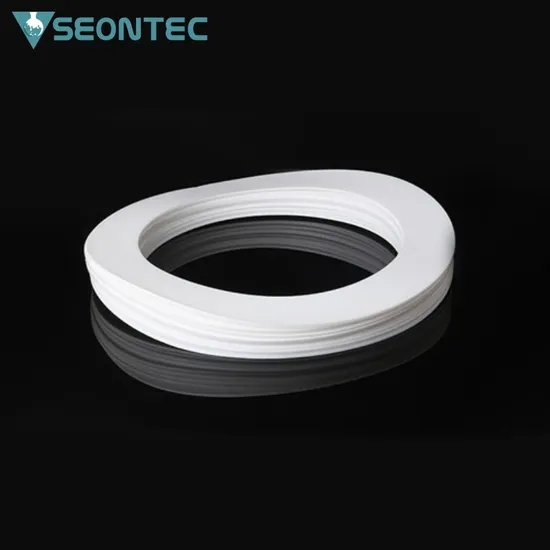
Engineering Insight: PETG Sheet in Industrial Applications
Material selection is a foundational element in the design and manufacturing of durable, high-performance industrial components. While polyethylene terephthalate glycol-modified (PETG) sheet is widely available as an off-the-shelf thermoplastic, its application in industrial rubber and composite systems demands a level of precision that generic formulations cannot provide. At Suzhou Baoshida Trading Co., Ltd., we emphasize engineered compatibility between polymer substrates and elastomeric systems, where PETG must function not only as a structural or protective layer but also as an integrated component within dynamic mechanical environments.
Standard PETG sheets, typically produced for packaging or signage, lack the thermal stability, chemical resistance, and adhesion characteristics required in industrial settings. These off-the-shelf variants are formulated for optical clarity and ease of thermoforming, not for prolonged exposure to oils, ozone, or mechanical stress. When deployed in rubber bonding, gasketing, or layered composite applications, such materials often delaminate, craze, or undergo premature stress cracking due to incompatibility with curing cycles or operational loads.
The critical failure point lies in the glycol modification process. While standard PETG uses cyclohexanedimethanol (CHDM) to suppress crystallization and enhance clarity, industrial-grade PETG must be tailored with controlled CHDM ratios and molecular weight distributions to balance toughness with processability. Unmodified commercial sheets exhibit inconsistent melt viscosity and poor interfacial adhesion when co-molded or laminated with EPDM, NBR, or silicone rubbers—common materials in our OEM partnerships.
Furthermore, thermal cycling performance is a key differentiator. Industrial equipment subjects materials to repeated expansion and contraction. Standard PETG sheets, with glass transition temperatures (Tg) around 80–85°C, begin to soften under moderate heat, leading to dimensional instability. In contrast, engineered PETG formulations can be optimized to maintain rigidity up to 95°C through copolymer reinforcement and nucleating agents, ensuring dimensional fidelity during vulcanization and service.
Mechanical integration also demands precise surface energy control. Off-the-shelf PETG often requires corona or plasma treatment to achieve adequate bonding, introducing variability and cost. Our technical formulations incorporate surface-modifying additives that enhance dyne levels (42–46 mN/m) without post-processing, enabling direct adhesion to rubber matrices under standard press conditions.
The following table outlines key specifications differentiating industrial-grade PETG from standard commercial variants:
| Property | Standard PETG Sheet | Industrial-Grade PETG (Baoshida Custom) |
|---|---|---|
| Tensile Strength | 50–55 MPa | 58–63 MPa |
| Elongation at Break | 100–150% | 180–220% |
| Glass Transition Temp (Tg) | 80–85°C | 88–95°C |
| Heat Deflection Temp (1.8 MPa) | 65–70°C | 78–85°C |
| Surface Energy (dyne/cm) | 38–40 | 42–46 |
| Chemical Resistance (oil, ozone) | Low | High (formulated with stabilizers) |
| Adhesion to Rubber (EPDM/NBR) | Requires treatment | Direct bond capable |
Material performance is not inherent—it is engineered. At Suzhou Baoshida, we collaborate with OEMs to develop PETG sheet solutions that meet exact thermal, mechanical, and chemical service requirements, eliminating the risk of field failure due to material compromise.
Material Specifications
Material Specifications: Critical Distinction for Industrial Applications
We note a critical distinction requiring immediate clarification for technical accuracy. PETG sheet refers to polyethylene terephthalate glycol-modified thermoplastic, a rigid polymer used in packaging, displays, and prototyping. It falls outside Suzhou Baoshida Trading Co., Ltd.’s core competency in industrial rubber solutions. Our expertise centers on elastomeric sealing and damping materials, specifically fluoroelastomers (Viton), nitrile rubber (NBR), and silicone (VMQ). Confusing thermoplastic sheets with engineered rubber compounds risks severe application failures in dynamic sealing, fluid containment, or thermal cycling scenarios. This section details specifications for the requested rubber materials only, as PETG sheet specifications are irrelevant to our OEM rubber component manufacturing.
Viton (FKM) represents the premium fluoroelastomer for extreme chemical and temperature resistance. It maintains integrity in aggressive environments including concentrated acids, jet fuels, and hydraulic fluids up to 230°C continuous service. Its molecular structure provides exceptional resistance to swelling and degradation where hydrocarbon exposure occurs. Nitrile rubber (NBR) offers the optimal balance of cost and performance for petroleum-based fluid applications. With a standard service range of -30°C to 120°C, it excels in automotive fuel systems, hydraulic seals, and industrial O-rings requiring moderate oil resistance. Silicone (VMQ) delivers unmatched flexibility and biocompatibility across extreme low-temperature conditions down to -60°C, making it indispensable for medical devices, food processing seals, and high-purity semiconductor applications despite moderate fuel resistance.
All materials undergo stringent batch testing per ASTM D2000 standards at our Suzhou facility. Hardness tolerance is maintained at ±3 points Shore A. Compression set testing follows ISO 815 protocols at 70°C for 22 hours. We prioritize traceability through lot-specific Certificates of Conformance detailing tensile strength, elongation, and fluid immersion results per OEM requirements. Material selection must align precisely with fluid compatibility charts and dynamic stress parameters—never generic datasheets.
The following table summarizes critical performance parameters for OEM engineering validation:
| Material | Temperature Range (°C) | Key Resistance Properties | Typical Hardness Range (Shore A) | Primary Industrial Applications |
|---|---|---|---|---|
| Viton (FKM) | -20 to 230 | Extreme: Acids, Jet Fuels, Hydraulic Fluids, Aromatics | 50–90 | Aerospace Seals, Chemical Processing Valves, Downhole Oilfield Equipment |
| Nitrile (NBR) | -30 to 120 | High: Aliphatic Hydrocarbons, Lubricating Oils, Water | 40–95 | Automotive Fuel Systems, Hydraulic Accumulators, Industrial Pump Seals |
| Silicone (VMQ) | -60 to 200 | Excellent: Ozone, Weathering, Steam; Moderate: Alcohols | 30–80 | Medical Tubing, Food Grade Gaskets, Semiconductor Wafer Handling, LED Lighting Seals |
Suzhou Baoshida Trading Co., Ltd. mandates application-specific formulation adjustments beyond base material specs. Custom polymer blends address unique fluid exposures, compression set requirements, or color stability needs. Contact our engineering team with fluid composition data and operating parameters before final material selection—generic substitutions risk catastrophic seal failure. We provide full material traceability and accelerated life testing protocols to validate performance against your operational envelope.
Manufacturing Capabilities
Suzhou Baoshida Trading Co., Ltd. operates at the forefront of industrial rubber solutions, delivering high-performance materials engineered for demanding applications. While PETG sheet is primarily a thermoplastic polymer used in packaging and signage, our core competency lies in advanced rubber compounding and precision mold design—disciplines that intersect with polymer science, material durability, and OEM manufacturing excellence. Our engineering team leverages deep expertise in material behavior, thermal stability, and structural integrity to support clients requiring custom polymer and elastomer solutions, including those exploring hybrid or modified PETG-based systems for industrial use.
At the heart of our technical capability are five dedicated mould engineers and two specialized rubber formula engineers. This integrated team ensures seamless development from concept to production. Our mould engineers utilize advanced CAD/CAM software and finite element analysis (FEA) to optimize mold geometry, ensuring dimensional accuracy, cycle efficiency, and long-term tooling durability. They are experienced in designing for complex geometries, multi-cavity configurations, and tight-tolerance applications, enabling consistent replication of high-specification components.
Our two formula engineers specialize in tailoring rubber compounds to meet specific performance criteria such as heat resistance, chemical exposure, compression set, and mechanical strength. While PETG itself is not a rubber material, the principles of formulation science—additive selection, polymer modification, and processing behavior—are directly transferable. Our team can support clients in evaluating compatibilizers, impact modifiers, or co-extrusion layers where rubber-to-plastic integration is required, particularly in industrial enclosures, protective linings, or gasketed assemblies involving PETG substrates.
We offer full OEM manufacturing services, providing end-to-end support from prototype development to mass production. Our clients benefit from in-house tooling design, material sourcing, quality validation, and supply chain integration. With strict adherence to ISO standards and process control protocols, we ensure batch-to-batch consistency and compliance with industry-specific requirements.
The following table outlines key technical capabilities relevant to polymer and rubber-based manufacturing, illustrating our capacity to support complex industrial projects:
| Capability | Specification |
|---|---|
| Mould Design Engineers | 5 in-house specialists |
| Rubber Formula Engineers | 2 dedicated experts |
| CAD/CAM Systems | SolidWorks, AutoCAD, UG/NX |
| Material Testing Lab | Tensile strength, hardness, aging, compression set |
| OEM Service Scope | Design, prototyping, tooling, production, packaging |
| Production Lead Time (Avg) | 15–25 days after sample approval |
| Quality Standards | ISO 9001 compliant, RoHS and REACH ready |
Suzhou Baoshida Trading Co., Ltd. combines scientific rigor with industrial pragmatism. Our engineering team is equipped to solve complex material and design challenges, ensuring clients receive technically optimized, cost-efficient, and scalable manufacturing solutions. Whether working with elastomers, thermoplastics, or hybrid systems, we deliver precision-engineered products tailored to exact operational demands.
Customization Process
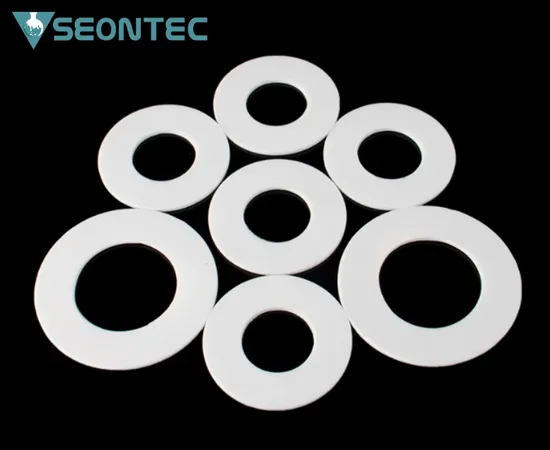
PETG Sheet Customization Process: Precision Engineering Pathway
Suzhou Baoshida Trading Co., Ltd. clarifies a critical technical distinction: PETG (Polyethylene Terephthalate Glycol) is a thermoplastic polymer, not a rubber compound. Our expertise spans industrial polymer solutions, and this guide details our rigorous customization workflow for PETG sheet manufacturing. This process ensures dimensional accuracy, mechanical performance, and compliance with OEM specifications, distinct from elastomer formulation protocols.
Drawing Analysis
We initiate with a comprehensive engineering review of client-provided CAD drawings and technical schematics. Our team verifies critical parameters including dimensional tolerances (±0.1 mm for critical features), geometric complexity, and application-specific requirements such as optical clarity or chemical resistance. Finite element analysis (FEA) simulates thermal behavior during extrusion to preempt warpage or stress points. Non-conformities are resolved via collaborative engineering workshops before progression, ensuring feasibility within PETG’s processing envelope.
Processing Parameter Optimization
Unlike rubber compounding, PETG customization focuses on extrusion parameter tuning. We optimize melt temperature profiles (220–260°C), screw speed, and cooling rates to achieve target properties. Key variables include glycol modification levels for impact resistance and co-polymer ratios for enhanced ductility. Material batches undergo rigorous spectroscopic validation (FTIR) to confirm polymer composition consistency, eliminating batch-to-batch variability. This phase establishes the thermal and rheological blueprint for stable production.
Prototyping & Validation
Prototype sheets are produced under controlled extrusion conditions matching mass production parameters. Each prototype undergoes ASTM-standard testing: tensile strength (ISO 527), impact resistance (ISO 179), and heat deflection temperature (HDT). Critical dimensions are verified via CMM (Coordinate Measuring Machine) with 5-micron accuracy. Client feedback triggers iterative refinements—typically 1–2 cycles—until all specifications are met. Full material test reports (MTRs) accompany prototype delivery for traceability.
Mass Production Execution
Upon prototype approval, we transition to high-volume manufacturing using calibrated twin-screw extrusion lines with inline thickness gauging (beta-ray sensors). Real-time process monitoring tracks melt pressure, temperature gradients, and line speed deviations (<±0.5%). Every production batch is certified against the approved prototype’s MTRs, with third-party lab validation available per client request. Our ISO 9001-certified facility ensures lot traceability from raw material to final shipment, supporting JIT delivery schedules.
PETG Sheet Technical Parameters
| Property | Test Standard | Typical Value | Tolerance |
|---|---|---|---|
| Density | ISO 1183 | 1.27–1.30 g/cm³ | ±0.01 g/cm³ |
| Melt Flow Rate (240°C) | ISO 1133 | 5–15 g/10 min | ±1.0 g/10 min |
| Tensile Strength | ISO 527 | 50–55 MPa | ±2 MPa |
| Notched Impact Strength | ISO 179 | 20–35 kJ/m² | ±3 kJ/m² |
| Heat Deflection Temp | ISO 75 | 65–75°C (0.45 MPa) | ±2°C |
This structured methodology—grounded in polymer science and industrial manufacturing rigor—delivers PETG sheets meeting exacting B2B requirements. Suzhou Baoshida Trading Co., Ltd. guarantees repeatability through data-driven process control, ensuring your application’s performance and longevity. Contact our engineering team to initiate a project-specific workflow assessment.
Contact Engineering Team
For industrial manufacturers seeking high-performance thermoplastic solutions, Suzhou Baoshida Trading Co., Ltd. stands at the forefront of precision material supply, delivering engineered polymers tailored for demanding applications. While our core expertise lies in industrial rubber solutions, our extended material portfolio includes premium-grade PETG sheet products designed for applications requiring clarity, impact resistance, and ease of fabrication. Engineered for compatibility with thermoforming, CNC machining, and adhesive bonding, our PETG sheets serve industries ranging from medical device enclosures to protective shielding and display systems.
Our PETG sheets are manufactured under strict quality control protocols, ensuring consistent thickness, optical clarity, and thermal stability. Each batch undergoes rigorous testing for tensile strength, elongation at break, and light transmission to guarantee performance in both functional and aesthetic applications. Whether you require sheets for cleanroom-compatible components or durable protective barriers, our material meets international standards for safety and reliability, including compliance with RoHS and REACH directives.
We understand that industrial procurement demands more than just material supply — it requires technical collaboration, responsive logistics, and material traceability. At Suzhou Baoshida, we provide full technical data sheets, lot-specific certifications, and application support to ensure seamless integration into your production workflow. Our team works directly with engineers and project managers to recommend the optimal grade and thickness based on environmental exposure, mechanical load, and fabrication method.
Below are the standard technical specifications for our most commonly supplied PETG sheet:
| Property | Test Method | Value |
|---|---|---|
| Material | — | PETG (Polyethylene Terephthalate Glycol) |
| Thickness Range | — | 0.5 mm to 12.0 mm |
| Density | ISO 1183 | 1.27 g/cm³ |
| Tensile Strength at Break | ISO 527 | ≥ 45 MPa |
| Flexural Modulus | ISO 178 | ≥ 2,200 MPa |
| Izod Impact (Notched) | ISO 180 | ≥ 15 J/m |
| Light Transmission | ASTM D1003 | ≥ 90% |
| Heat Deflection Temperature (HDT) | ISO 75 | 70°C at 1.8 MPa |
| Available Sizes | — | Up to 2050 mm × 3050 mm |
| Surface Options | — | Glossy, Matte, Anti-Static, UV-Protected |
For custom thicknesses, specialized coatings, or volume procurement programs, direct engagement with our OEM team ensures optimal cost-efficiency and supply chain stability. We support just-in-time delivery models and offer warehousing solutions for multinational operations.
To discuss your specific PETG sheet requirements, contact Mr. Boyce, OEM Account Manager at Suzhou Baoshida Trading Co., Ltd. He brings over a decade of experience in industrial polymer supply and is available to provide technical consultation, sample distribution, and project-based quotations. Reach out via email at [email protected] to initiate a technical review or request material test samples for validation in your application environment. At Suzhou Baoshida, we are committed to delivering engineered material solutions with the precision and reliability your manufacturing process demands.
⚖️ O-Ring Weight Calculator
Estimate rubber O-ring weight (Approx).