
Technical Contents
Engineering Guide: Petrol Resistant Silicone
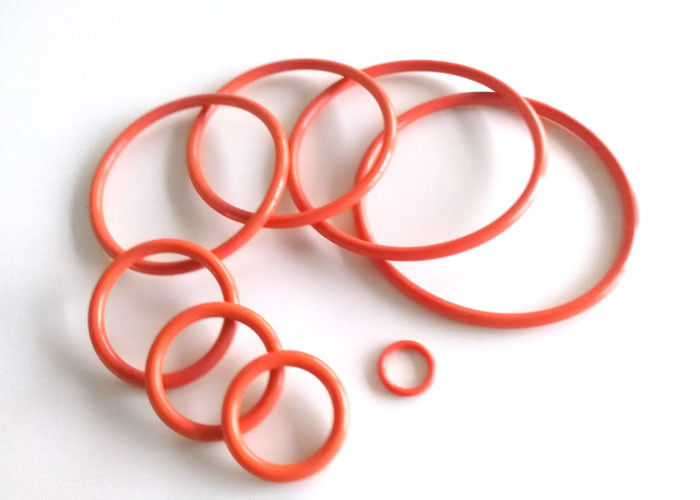
Engineering Insight: Petrol Resistant Silicone – The Critical Imperative of Material Selection
Petrol exposure presents a severe challenge for elastomeric components in automotive, aerospace, and industrial fuel systems. Standard silicone formulations, while offering excellent thermal stability and general chemical resistance, lack the molecular architecture required to withstand hydrocarbon permeation and swelling induced by petrol constituents. Off-the-shelf silicone products frequently fail prematurely due to inadequate crosslink density, improper filler systems, and insufficient polymer backbone modification. This results in dimensional instability, loss of mechanical integrity, and ultimately, catastrophic seal or hose failure. Material selection is not merely a cost-driven decision; it is a fundamental engineering requirement dictating system reliability and safety. Generic silicones swell excessively when exposed to petrol, degrading compression set resistance and tensile strength. This swelling creates hydrocarbon permeation pathways, accelerates oxidative aging, and compromises sealing force—leading to leaks, contamination, and potential fire hazards.
The core failure mechanism lies in the solubility parameter mismatch between standard polydimethylsiloxane (PDMS) chains and non-polar petrol hydrocarbons. Unmodified PDMS exhibits significant affinity for aliphatic and aromatic compounds found in modern fuels, causing rapid absorption. Without specialized vinyl or phenyl group incorporation into the polymer backbone, along with optimized platinum-catalyzed peroxide-free curing systems, the elastomer network cannot resist solvent ingress. Fillers like high-purity fumed silica must be surface-treated to prevent catalytic degradation from fuel additives. Standard compression-molded silicones often omit these critical modifications, prioritizing production speed over long-term chemical resilience.
Suzhou Baoshida Trading Co., Ltd. addresses this through OEM-engineered petrol resistant silicone compounds validated under rigorous ASTM D471 and ISO 1817 protocols. Our formulations integrate phenyl-methyl copolymers, controlled vinyl content, and nano-dispersed barrier fillers to achieve molecular-level hydrocarbon resistance. The table below contrasts critical performance parameters:
| Property | Standard Silicone | Petrol Resistant Silicone (Baoshida OEM Grade) | Test Standard |
|---|---|---|---|
| Volume Swell in Petrol (70°C, 70h) | 85-120% | <15% | ASTM D471 |
| Tensile Strength Retention (%) | 40-60% | >90% | ISO 1817 |
| Compression Set (70h, 100°C) | 45-65% | <12% | ASTM D395 |
| Base Polymer | PDMS | Phenyl-Methyl-Vinyl Copolymer | — |
| Crosslink Density (mol/m³) | 0.8-1.2 | 2.5-3.0 | Equilibrium Swell |
| OEM Customization | None | Fuel additive compatibility profiling | Client-Specific |
Generic solutions fail because they treat petrol resistance as an afterthought rather than a core design parameter. At Baoshida, we co-engineer materials with OEMs using accelerated aging protocols that simulate 10+ years of fuel exposure in weeks. This prevents field failures caused by underestimated biofuel blends or ethanol variations. Our petrol resistant silicones maintain sealing force integrity at 150°C under continuous petrol immersion—conditions where standard grades extrude or crack within hours. Material selection must align with the specific fuel composition, temperature profile, and mechanical stress of the application. Partnering with a specialist rubber formula engineer ensures your components withstand real-world hydrocarbon exposure, eliminating costly recalls and liability risks inherent in off-the-shelf compromises. Precision formulation is non-negotiable for mission-critical fuel system reliability.
Material Specifications
Material Specifications for Petrol-Resistant Elastomers
In industrial sealing and fluid handling applications exposed to petrol and hydrocarbon fuels, material selection is critical to ensure long-term performance, safety, and reliability. Suzhou Baoshida Trading Co., Ltd. provides advanced rubber solutions engineered for resistance to petrol and related aggressive media. Among the most effective elastomers for such environments are Viton (FKM), Nitrile (NBR), and Silicone (VMQ). Each material offers distinct advantages and limitations in terms of chemical compatibility, temperature range, mechanical strength, and cost.
Viton exhibits superior resistance to petrol, aromatic hydrocarbons, and high temperatures, making it the preferred choice for demanding automotive, aerospace, and oil & gas applications. With continuous service capabilities up to 230°C and excellent resistance to oxidation and ozone, Viton seals maintain integrity under extreme thermal and chemical stress. However, its higher cost and lower flexibility at low temperatures may limit use in less aggressive environments.
Nitrile rubber is widely used in fuel systems due to its good resistance to aliphatic hydrocarbons, oils, and petrol. It offers strong mechanical properties, including abrasion resistance and tensile strength, and performs reliably in temperatures ranging from -30°C to 100°C, with some formulations extending to 125°C. Nitrile is more cost-effective than Viton, making it a practical solution for standard fuel-line seals, gaskets, and O-rings. However, it is less resistant to aromatic compounds and ozone, and prolonged exposure may lead to swelling and degradation.
Silicone rubber provides outstanding flexibility across a wide temperature range (-60°C to 200°C) and excellent resistance to UV and ozone. While standard silicone exhibits poor resistance to petrol and hydrocarbon fuels, specially formulated petrol-resistant silicone grades have been developed to enhance compatibility. These modified silicones are suitable for low-exposure or intermittent contact scenarios but are generally not recommended for continuous immersion in petrol. Their primary advantage lies in applications requiring extreme temperature stability combined with moderate fuel resistance.
Selection among these materials must balance chemical exposure, thermal conditions, mechanical requirements, and lifecycle costs. Suzhou Baoshida Trading Co., Ltd. supports OEMs and industrial clients with precision-engineered elastomer solutions tailored to exact operational demands.
| Property | Viton (FKM) | Nitrile (NBR) | Silicone (VMQ) – Petrol-Resistant Grade |
|---|---|---|---|
| Temperature Range (°C) | -20 to 230 | -30 to 125 | -60 to 200 |
| Petrol Resistance | Excellent | Good | Moderate to Fair |
| Aromatic Hydrocarbon Resistance | Excellent | Poor | Poor |
| Ozone Resistance | Excellent | Fair | Excellent |
| Tensile Strength (MPa) | 15–20 | 10–25 | 6–10 |
| Elongation at Break (%) | 200–300 | 200–500 | 400–700 |
| Compression Set Resistance | Excellent | Good | Good |
| Typical Applications | Fuel injectors, aerospace seals, oilfield equipment | Fuel hoses, O-rings, gaskets | High-temp seals with intermittent fuel exposure |
Manufacturing Capabilities
Engineering Excellence in Petrol-Resistant Silicone Manufacturing
Suzhou Baoshida Trading Co., Ltd. delivers precision-engineered petrol-resistant silicone solutions through integrated material science and advanced manufacturing capabilities. Our dedicated team of five Mold Engineers and two Formula Engineers operates at the intersection of polymer chemistry and industrial application, ensuring every component meets stringent fuel-exposure requirements. This synergy enables us to solve complex sealing and gasket challenges in automotive, aerospace, and industrial fuel systems where conventional silicones fail.
Our Formula Engineers specialize in modifying silicone molecular architecture to resist hydrocarbon degradation. Through strategic incorporation of phenyl or fluorosilicone monomers and optimized crosslink density, we achieve exceptional resistance to petrol, diesel, and biofuels without compromising elasticity or thermal stability. Rigorous in-house testing validates performance under accelerated aging conditions, including continuous immersion in aggressive fuel blends at elevated temperatures. This scientific approach ensures consistent material behavior across production batches, critical for OEM qualification.
The Mold Engineering team translates these advanced formulations into high-integrity components via precision tooling design and process control. Utilizing 3D simulation software, we preempt flow imbalances, knit lines, and flash issues specific to complex geometries required in fuel delivery systems. Our ISO 9001-certified facility employs multi-stage curing protocols with ±1°C temperature control, minimizing post-mold shrinkage and ensuring dimensional accuracy to ±0.05mm tolerances. This precision eliminates assembly failures in critical fuel pathways.
OEM collaboration defines our workflow. From initial concept to量产, we integrate client specifications into material formulation and mold design phases. Our engineers conduct Design for Manufacturability (DFM) reviews within 72 hours of receiving CAD files, identifying potential weaknesses in sealing surfaces or material stress points early. Rapid prototyping via aluminum soft tooling allows functional validation in as few as 15 days, significantly compressing development cycles. All formulations undergo ASTM D471 fuel immersion testing with full traceability to raw material lot numbers.
Key performance metrics for our petrol-resistant silicone compounds are validated per international standards:
| Property | Standard Silicone | Petrol-Resistant Variant | Test Standard |
|---|---|---|---|
| Tensile Strength Change | -40% to -60% | -15% to -25% | ASTM D471 |
| Elongation Change | -50% to -70% | -20% to -35% | ASTM D471 |
| Hardness Change (Shore A) | +10 to +20 pts | +3 to +8 pts | ASTM D471 |
| Volume Swell in Petrol (72h) | 25% to 45% | 8% to 15% | ASTM D471 |
| Operating Temperature Range | -55°C to +200°C | -50°C to +180°C | ISO 37 |
This technical rigor, combined with end-to-end OEM management from material sourcing to final inspection, positions Suzhou Baoshida as a strategic partner for mission-critical fuel system components. We prioritize not only meeting specifications but ensuring long-term field reliability through scientifically grounded engineering decisions.
Customization Process
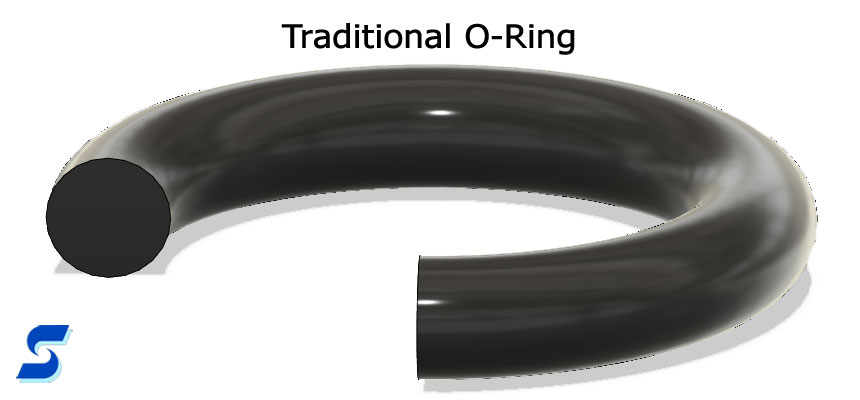
Drawing Analysis: Precision Engineering as the Foundation
The customization process for petrol resistant silicone components begins with rigorous drawing analysis, a critical phase that ensures dimensional accuracy, functional compatibility, and long-term performance under operational stress. At Suzhou Baoshida Trading Co., Ltd., our engineering team conducts a comprehensive review of customer-provided technical drawings, focusing on geometric tolerances, sealing requirements, mating surfaces, and environmental exposure conditions. We validate critical dimensions per ISO 3302 and ISO 2768 standards, ensuring compliance with international manufacturing tolerances. Special attention is given to features such as groove design, compression set requirements, and dynamic vs. static sealing applications, which directly influence material behavior in petrol-laden environments. This phase also includes a feasibility assessment to identify potential manufacturing constraints, enabling early-stage design optimization for enhanced producibility and cost efficiency.
Formulation: Tailoring Silicone for Hydrocarbon Resistance
Standard silicone rubber exhibits limited resistance to petrol and hydrocarbon fuels due to its inherent organic backbone. Therefore, formulation development is pivotal in achieving true petrol resistance. Our Rubber Formula Engineers design custom silicone compounds using advanced fluorosilicone (FVMQ) and phenyl-modified silicone (PVMQ) polymers, which offer superior stability in contact with aliphatic and aromatic hydrocarbons. Additive systems are optimized to include reinforcing silica fillers, heat stabilizers, and crosslinking agents to enhance mechanical integrity and chemical resistance. Each formulation is engineered to balance key performance parameters: tensile strength (≥8 MPa), elongation at break (≥150%), and volume swell in petrol (≤30% after 72h at 23°C). Shore hardness is tailored between 40 and 80 Shore A, depending on application demands. All formulations undergo accelerated aging tests per ASTM D471 to simulate long-term exposure.
Prototyping: Validating Performance Before Scale-Up
Prototyping transforms validated designs and formulations into physical samples for functional testing. Using precision compression, transfer, or injection molding techniques, we produce small-batch prototypes that mirror final production conditions. These samples undergo rigorous evaluation, including fuel immersion testing, compression set analysis (ASTM D395), and leak testing under simulated operating pressures. Dimensional inspection via CMM (Coordinate Measuring Machine) ensures conformance to drawing specifications. Customer feedback is integrated at this stage to refine design or material choices, minimizing risk during mass production.
Mass Production: Consistency at Scale
Upon approval, components enter mass production in our ISO 9001-certified facility. Automated batching systems ensure formulation repeatability, while in-line quality controls monitor cure behavior, weight consistency, and visual defects. Final products are packaged per customer logistics requirements, with full traceability maintained through batch coding and material certifications.
| Property | Test Method | Typical Value |
|---|---|---|
| Hardness (Shore A) | ASTM D2240 | 50–80 |
| Tensile Strength | ASTM D412 | ≥8 MPa |
| Elongation at Break | ASTM D412 | ≥150% |
| Volume Swell in Petrol (72h, 23°C) | ASTM D471 | ≤30% |
| Compression Set (22h, 150°C) | ASTM D395 | ≤35% |
Contact Engineering Team
Technical Collaboration for Petrol Resistant Silicone Solutions
Suzhou Baoshida Trading Co., Ltd. operates at the forefront of industrial elastomer innovation, specializing in precision-engineered petrol resistant silicone formulations for critical automotive, aerospace, and energy applications. Our proprietary compounds undergo rigorous validation against ASTM D471 and ISO 1817 standards, ensuring exceptional resistance to hydrocarbon exposure while maintaining mechanical integrity across extreme temperature ranges (-60°C to +250°C). Unlike conventional silicones, our formulations mitigate swelling and tensile degradation in continuous contact with petrol, diesel, and biofuel blends, directly addressing failure points observed in field deployments. This technical superiority stems from our in-house polymer crosslinking optimization and additive masterbatch protocols, developed through 12+ years of OEM partnership cycles.
The table below summarizes key performance metrics of our flagship petrol resistant silicone grade BD-SR7000 against industry benchmarks. All data reflects 70-hour immersion in B-grade petrol at 70°C per ASTM D471 protocols.
| Property | Test Method | Baoshida BD-SR7000 | Typical Standard Silicone |
|---|---|---|---|
| Volume Swell | ASTM D471 | ≤ 8% | 15–25% |
| Tensile Retention | ASTM D412 | ≥ 85% | 60–75% |
| Hardness Change (ShA) | ASTM D2240 | ±3 points | +8 to +15 points |
| Compression Set (70h) | ASTM D395 | ≤ 12% | 20–35% |
| Operating Temperature | ISO 1817 | -60°C to +250°C | -50°C to +200°C |
These specifications are not theoretical maximums but production-validated outcomes from our ISO 9001-certified manufacturing facility in Suzhou. Each batch undergoes third-party verification at SGS and TÜV Rheinland laboratories, with full traceability to raw material lot numbers. Our OEM-focused approach includes co-engineering support for custom durometer adjustments (40–80 ShA), conductive modifications, or FDA/USP Class VI compliance—all without compromising petrol resistance.
Initiate a technical consultation with Mr. Boyce, our dedicated OEM Engagement Manager, to resolve your specific sealing challenges. Mr. Boyce possesses 15 years of elastomer application engineering experience across Tier-1 automotive and industrial pump systems. He will coordinate material sampling, DFMEA reviews, and accelerated aging protocols tailored to your operational environment. Contact him directly at [email protected] with your project specifications, including fuel type, temperature profile, and dynamic/static sealing requirements. For urgent technical queries, reference specification sheet BD-SR7000-PR-2024 in your communication.
Suzhou Baoshida eliminates supply chain uncertainty through dual-source raw material agreements and 45-day JIT inventory buffers for qualified OEMs. Our engineering team responds to all technical inquiries within 4 business hours, providing data-driven solutions—not generic product sheets. Partner with us to transform petrol resistance from a failure liability into a competitive advantage. All material certifications, RoHS/REACH documentation, and test reports are accessible upon formal engagement. Initiate your validation process today.
⚖️ O-Ring Weight Calculator
Estimate rubber O-ring weight (Approx).