
Technical Contents
Engineering Guide: Phenolic Rod
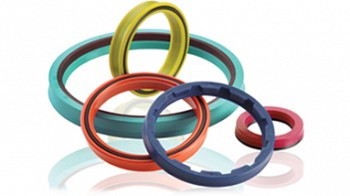
Engineering Insight: Material Selection Imperatives for Phenolic Rod Applications
Phenolic rods represent a cornerstone material in demanding industrial applications requiring high mechanical strength, thermal stability, and electrical insulation. However, the criticality of precise material selection is frequently underestimated, leading to premature component failure and significant operational disruption. Off-the-shelf phenolic rods, while readily available, often fail to meet the nuanced requirements of specific engineering environments. This stems from inherent limitations in standardized formulations, which prioritize broad market appeal over targeted performance optimization. Generic grades typically utilize base phenolic resins with minimal reinforcement or stabilizer packages, rendering them susceptible to the unique stresses encountered in precision machinery, high-voltage systems, or chemically aggressive settings. The consequence is not merely reduced service life, but potential catastrophic failure modes impacting safety and productivity.
Common failure mechanisms observed with non-optimized phenolic rods include thermal degradation initiating below the nominal continuous service temperature due to inadequate filler systems, leading to charring and loss of structural integrity. Excessive water absorption in humid or wet environments causes dimensional instability, swelling, and a critical reduction in dielectric strength, compromising electrical safety. Under cyclic mechanical loading, standard formulations often exhibit brittle fracture or delamination at stress concentration points due to insufficient internal bonding or fiber orientation control. Furthermore, exposure to specific industrial oils, solvents, or cleaning agents can induce swelling, softening, or surface crazing in rods lacking tailored chemical resistance packages. These failures are rarely attributable to the phenolic resin family itself, but rather to the mismatch between a generic material’s capabilities and the application’s exacting demands.
The performance gap between standard and engineered phenolic rods is quantifiable through key material properties. The following table highlights critical differentiators relevant to industrial reliability:
| Property | Standard Off-the-Shelf Phenolic Rod | Engineered Industrial Grade (Suzhou Baoshida) | Test Standard |
|---|---|---|---|
| Tensile Strength (MPa) | 80 – 100 | 120 – 150 | ASTM D638 |
| Heat Deflection Temp @ 1.82 MPa (°C) | 120 – 135 | 150 – 175 | ASTM D648 |
| Water Absorption (24h, %) | 0.8 – 1.5 | 0.2 – 0.4 | ASTM D570 |
| Arc Resistance (sec) | 80 – 120 | 180 – 240 | ASTM D495 |
Achieving this enhanced performance profile necessitates rigorous material science expertise. It involves strategic selection of high-purity phenolic resins, incorporation of specialized fillers (e.g., woven cotton, glass fiber, mineral blends) for targeted reinforcement, and precise dosing of thermal stabilizers, flame retardants, and moisture-resistant additives. Crucially, the manufacturing process – particularly the curing cycle profile and pressure application – must be meticulously controlled to ensure optimal cross-linking density and eliminate internal voids or stresses. Suzhou Baoshida Trading Co., Ltd. leverages deep OEM collaboration to define application-specific parameters, enabling the development of phenolic rod formulations that address the exact thermal, mechanical, electrical, and environmental challenges faced by our industrial clients. Moving beyond generic solutions requires recognizing that material selection is not a procurement checkbox, but a foundational engineering decision demanding scientific precision and application-specific insight. Partnering for engineered phenolic solutions mitigates failure risk and ensures long-term operational resilience.
Material Specifications
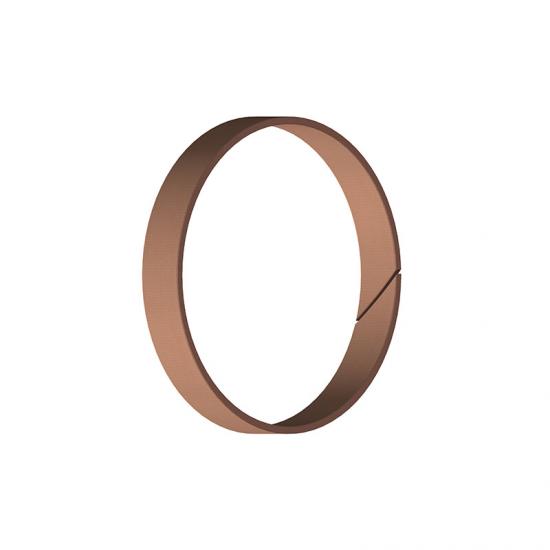
Material Specifications for Phenolic Rod in Industrial Applications
Phenolic rod, a thermoset composite material derived from phenol-formaldehyde resins reinforced with cellulose, offers exceptional mechanical strength, dimensional stability, and resistance to heat and wear. While inherently rigid and non-elastomeric, phenolic rod is often used in conjunction with elastomeric seals and gaskets made from high-performance rubber compounds such as Viton, Nitrile (NBR), and Silicone. These elastomers complement phenolic components in dynamic sealing, rotary shaft, and high-temperature environments common in industrial machinery, automotive systems, and chemical processing equipment. Understanding the material properties of these elastomers is critical for optimal system integration and long-term reliability.
Viton, a fluorocarbon-based rubber (FKM), delivers superior resistance to high temperatures, oils, fuels, and a broad range of aggressive chemicals. It maintains performance in continuous service temperatures up to 230°C and exhibits low compression set, making it ideal for applications involving prolonged exposure to hydrocarbons and elevated thermal loads. Its excellent aging characteristics ensure long service life in demanding environments, although it carries a higher material cost compared to alternatives.
Nitrile rubber (NBR) is a cost-effective solution for applications requiring strong resistance to petroleum-based oils, greases, and aliphatic hydrocarbons. With a service temperature range of -30°C to 100°C (with some grades extending to 125°C), NBR offers good abrasion resistance and mechanical durability. It is widely used in hydraulic systems, fuel handling, and industrial seals where exposure to oils is predominant. However, its performance degrades in ozone, UV, and polar solvent environments, limiting its use in outdoor or chemically diverse conditions.
Silicone rubber (VMQ) excels in extreme temperature applications, functioning reliably from -60°C to 200°C. It offers excellent electrical insulation properties and resistance to UV and ozone, making it suitable for aerospace, medical, and outdoor electrical applications. While it provides moderate resistance to oils and fuels, its mechanical strength and abrasion resistance are lower than Viton or Nitrile. Silicone is often selected when thermal stability and biocompatibility are primary concerns.
The selection of elastomer must align with the operational demands of the phenolic rod assembly, including temperature, chemical exposure, mechanical stress, and regulatory requirements.
| Property | Viton (FKM) | Nitrile (NBR) | Silicone (VMQ) |
|---|---|---|---|
| Continuous Service Temperature | -20°C to 230°C | -30°C to 100°C | -60°C to 200°C |
| Tensile Strength (MPa) | 12–20 | 10–25 | 5–10 |
| Elongation at Break (%) | 150–300 | 200–500 | 200–700 |
| Hardness (Shore A) | 60–90 | 50–90 | 30–80 |
| Compression Set (22 hrs, 150°C) | Low | Moderate | Low to Moderate |
| Resistance to Oils & Fuels | Excellent | Excellent | Poor to Fair |
| Resistance to Ozone/UV | Excellent | Poor | Excellent |
| Electrical Insulation | Good | Fair | Excellent |
| Common Applications | Aerospace, chemical seals, automotive fuel systems | Hydraulic seals, O-rings, gaskets | Medical devices, electrical insulation, food-grade seals |
Manufacturing Capabilities
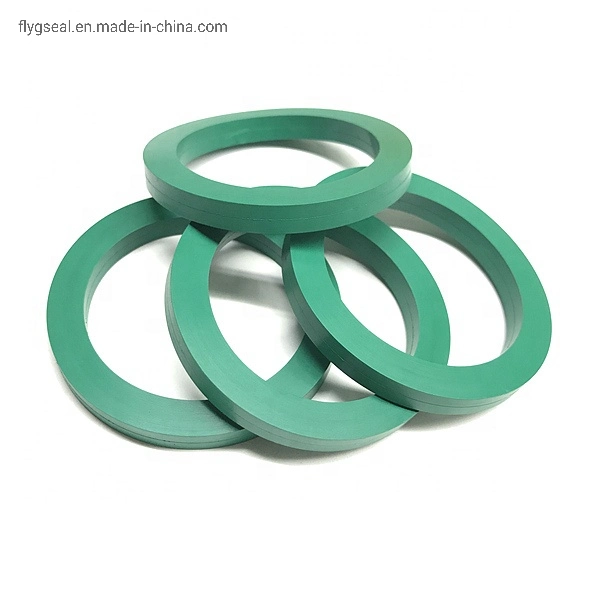
Suzhou Baoshida Trading Co., Ltd.: Precision Engineering for Phenolic Rod Manufacturing
Suzhou Baoshida Trading Co., Ltd. delivers engineered phenolic rod solutions meeting the stringent demands of global industrial applications. Our core strength lies in the integration of deep materials science expertise with advanced manufacturing execution, specifically tailored for thermoset polymer components. We operate at the intersection of formula innovation and precision molding, ensuring every rod batch adheres to exacting dimensional, thermal, and mechanical specifications critical for performance in demanding environments like electrical insulation, machinery components, and high-temperature fixtures.
Central to our capability is a dedicated engineering team comprising five specialized Mold Design Engineers and two advanced Rubber Formula Engineers. This structure ensures comprehensive control over the entire production lifecycle. Our Formula Engineers focus exclusively on optimizing the phenolic resin system. They meticulously adjust catalyst concentrations, filler types (such as cellulose, cotton, or synthetic fibers), and curing agents to achieve target properties like arc resistance, thermal stability, and mechanical strength. Concurrently, our Mold Engineers translate these material requirements into precision tooling. They design and validate molds with exact cavity geometries, optimized cooling channels, and ejection systems to guarantee micron-level dimensional stability, minimize internal stresses, and ensure consistent part replication across high-volume production runs. This collaborative approach between formulation science and mold physics is fundamental to overcoming challenges like warpage, surface defects, or inconsistent curing inherent in phenolic processing.
As a certified OEM manufacturing partner, Suzhou Baoshida provides end-to-end control from initial material formulation through final rod production and quality validation. We excel in developing custom phenolic compounds based on client-specific performance criteria, whether requiring enhanced dielectric strength for electrical bushings or superior wear resistance for mechanical guides. Our facility supports low-to-mid volume prototyping and scalable high-volume production, maintaining rigorous ISO-compliant quality management systems. Clients benefit from direct engineering collaboration, full traceability of raw materials, and process validation data, ensuring parts meet or exceed international standards like ASTM D651 or IEC 60095.
Key performance characteristics of our standard and custom-engineered phenolic rods are summarized below:
| Property | Typical Value Range | Test Standard | Significance for Industrial Use |
|---|---|---|---|
| Continuous Service Temp | 120°C – 150°C | ASTM D648 | Suitable for sustained high-heat environments |
| Tensile Strength | 40 MPa – 80 MPa | ASTM D638 | Critical for structural load-bearing components |
| Compressive Strength | 120 MPa – 200 MPa | ASTM D695 | Essential for bearing surfaces and spacers |
| Arc Resistance (V-0) | > 180 seconds | ASTM D495 | Mandatory for electrical insulation safety |
| Dielectric Strength | 12 kV/mm – 18 kV/mm | ASTM D149 | Determines effectiveness as electrical barrier |
Suzhou Baoshida’s integrated engineering model—combining proprietary formula development with precision mold technology under one OEM management structure—eliminates supply chain fragmentation. We transform complex material requirements into reliable, high-performance phenolic rod components, providing industrial partners with a definitive engineering advantage and supply chain security. Partner with us for solutions where material integrity and dimensional precision are non-negotiable.
Customization Process
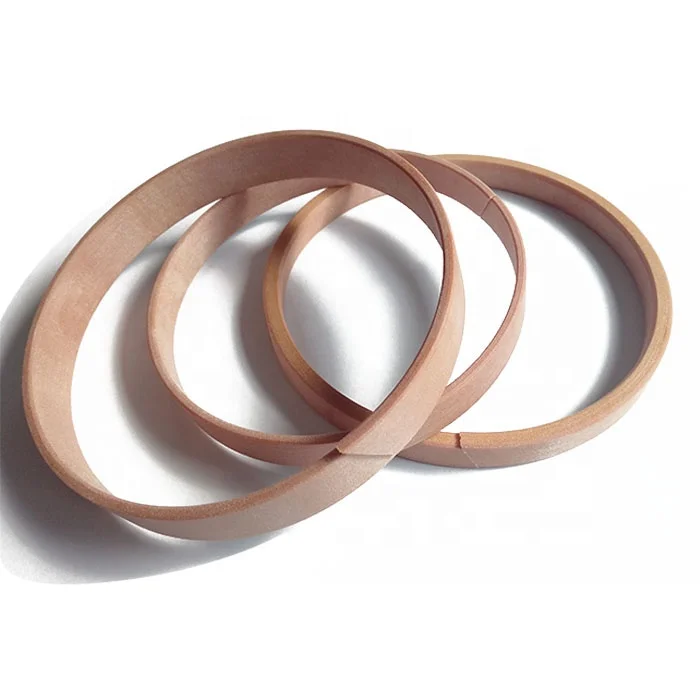
Drawing Analysis
The customization process for phenolic rod manufacturing begins with a comprehensive drawing analysis. At Suzhou Baoshida Trading Co., Ltd., engineering teams evaluate technical blueprints provided by OEM partners to ensure dimensional accuracy, tolerance compliance, and functional alignment with end-use applications. Critical parameters such as diameter, length, concentricity, and surface finish are cross-referenced against industry standards and application-specific requirements. This phase also includes material compatibility assessment, where operating conditions—temperature range, mechanical load, and exposure to chemicals—are analyzed to inform downstream formulation decisions. All geometric and performance data are documented and verified through CAD-based simulation tools to preempt manufacturing deviations.
Formulation Development
Following drawing validation, the formulation stage is initiated to engineer a phenolic resin compound tailored to the application’s physical and thermal demands. Our rubber formula engineers select high-purity novolac resins and customize the curing system using hexamethylenetetramine (hexa) at precise stoichiometric ratios. Reinforcement is achieved through long-fiber cellulose or mineral fillers, which enhance mechanical strength and dimensional stability. Additives such as thermal stabilizers, release agents, and flame retardants are incorporated based on operational profiles. Each formulation is batch-coded and subjected to rheological testing, ensuring optimal flow characteristics during molding. The developed compound must meet UL 94 V-0 flammability ratings and continuous service temperatures up to 150°C, as required in electrical insulation and high-heat industrial environments.
Prototyping and Validation
A limited prototype run is conducted using hydraulic compression molding under controlled temperature and pressure profiles. Prototypes are machined to final dimensions and subjected to rigorous quality testing, including tensile strength, flexural modulus, arc resistance, and dielectric strength evaluations. Dimensional inspection is performed via coordinate measuring machines (CMM) to validate conformance to print specifications. Feedback from testing is used to refine both the formulation and process parameters. This iterative phase ensures full compliance with customer technical requirements before transitioning to volume production.
Mass Production and Quality Assurance
Upon prototype approval, the project advances to mass production. Continuous extrusion or hot molding processes are employed based on the rod’s cross-sectional complexity and order volume. In-line monitoring systems track temperature, pressure, and cure time to maintain batch consistency. Final products undergo 100% visual inspection and batch sampling per ASTM D2102 and IEC 60893 standards. All phenolic rods are serialized and shipped with material test reports (MTRs) and certificates of conformance (CoC).
Typical Physical and Electrical Properties of Custom Phenolic Rods
| Property | Test Method | Typical Value |
|---|---|---|
| Tensile Strength | ASTM D638 | ≥ 80 MPa |
| Flexural Strength | ASTM D790 | ≥ 140 MPa |
| Dielectric Strength | ASTM D149 | ≥ 14 kV/mm |
| Arc Resistance | ASTM D495 | ≥ 150 seconds |
| Continuous Use Temperature | UL 746B | 150°C |
| Flame Rating | UL 94 | V-0 |
| Specific Gravity | ASTM D792 | 1.35–1.45 |
Contact Engineering Team
Contact Suzhou Baoshida for Precision Phenolic Rod Solutions
Phenolic rods represent a critical thermoset polymer composite in demanding industrial applications where thermal stability, mechanical strength, and electrical insulation are non-negotiable. At Suzhou Baoshida Trading Co., Ltd., we engineer phenolic formulations to exacting OEM specifications, ensuring dimensional integrity and performance consistency under operational extremes. Our manufacturing process integrates rigorous raw material vetting, controlled cure profiling, and post-production metrology to eliminate batch variability. This precision is essential for clients in aerospace, electrical machinery, and semiconductor tooling, where component failure carries significant downstream risk. We do not offer generic off-the-shelf rods; every production run is defined by your technical parameters, from resin chemistry to fiber orientation and tolerance bands.
The table below outlines our standard phenolic rod capabilities, which serve as a baseline for customization. All values reflect in-house validation per ASTM D651 and ISO 178 protocols, with traceable certification available for each shipment.
| Property | Standard Grade Range | Customization Threshold | Testing Standard |
|---|---|---|---|
| Tensile Strength (MPa) | 85 – 110 | Down to 0.1 MPa increments | ASTM D638 |
| Heat Deflection Temp (°C) | 130 – 150 | Up to 180°C achievable | ASTM D648 |
| Dielectric Strength (kV/mm) | 15 – 22 | Optimized for high-frequency | IEC 60243-1 |
| Linear Dimensional Tolerance | ±0.1% of length | Held to ±0.05mm absolute | ISO 2768-m |
| Moisture Absorption (%) | ≤ 0.8% (24h immersion) | Reduced to ≤ 0.3% | ASTM D570 |
Partnering with Suzhou Baoshida means engaging directly with formulation scientists and process engineers who translate your application challenges into material solutions. Whether you require enhanced arc resistance for switchgear components, reduced outgassing for vacuum environments, or custom color coding for assembly line efficiency, our team develops proprietary resin systems that meet your functional requirements without compromising manufacturability. We maintain dedicated production lines for low-volume prototyping and high-volume OEM runs, with seamless scalability from 50 kg to 5,000 kg monthly allocations. Our quality management system is ISO 9001:2015 certified, with real-time SPC monitoring of critical process variables including press temperature uniformity and post-cure annealing cycles.
Initiate your phenolic rod project by contacting Mr. Boyce, our dedicated OEM Relationship Manager. Submit your technical documentation—including material specifications, dimensional drawings, volume forecasts, and environmental exposure conditions—to [email protected]. Include reference code PHR-2024 in the subject line to expedite engineering review. Mr. Boyce will coordinate a cross-functional team assessment within 48 business hours, providing a feasibility analysis, prototype timeline, and formal quotation. For urgent requirements, specify target dates to prioritize resource allocation. Do not rely on generic inquiry forms; direct technical engagement ensures your material challenges are addressed at the molecular level, not through catalog compromises.
Suzhou Baoshida operates at the intersection of polymer science and industrial reliability. We transform your performance criteria into certified phenolic components that endure. Contact Mr. Boyce today to establish a supply chain defined by precision, not probability.
⚖️ O-Ring Weight Calculator
Estimate rubber O-ring weight (Approx).