
Technical Contents
Engineering Guide: Phenolic Tube
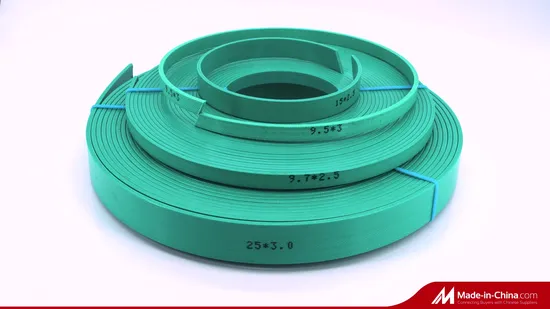
Engineering Insight: Phenolic Tube Material Selection Imperatives
Phenolic tubes represent a critical class of high-temperature composite components, predominantly utilized in aerospace, oil & gas, and industrial furnace applications where standard elastomers fail catastrophically. The core engineering challenge lies not merely in selecting a phenolic resin system, but in precisely tailoring the formulation, reinforcement architecture, and curing profile to the specific operational envelope. Off-the-shelf phenolic tubes frequently succumb to premature failure due to fundamental mismatches between generic material properties and application-specific stressors. Generic suppliers prioritize cost and broad marketability over the nuanced engineering required for extreme environments, resulting in formulations that lack the necessary thermal stability, chemical resistance, or mechanical resilience under cyclic loading.
Thermal degradation is the most common failure mode. Standard phenolic tubes, often formulated with lower-grade novolac resins and inadequate fillers, exhibit rapid char formation and embrittlement above 250°C. In contrast, mission-critical applications like jet engine insulation or downhole drilling tools demand continuous operation at 300–350°C. Off-the-shelf variants fail to incorporate high-purity resins, optimized catalyst systems, or specialized mineral fillers (e.g., silica flour, aramid pulp) that mitigate thermal oxidative degradation. This leads to microcracking, loss of structural integrity, and catastrophic seal failure. Similarly, chemical exposure in oilfield environments—particularly to aromatic hydrocarbons, sour gas (H₂S), or high-pH drilling muds—rapidly swells or degrades generic phenolics lacking tailored resin crosslink density and barrier-enhancing additives.
Mechanical fatigue under dynamic compression or vibration is another critical vulnerability. Generic tubes often utilize inconsistent fiber reinforcement (e.g., random glass mat) and suboptimal resin-fiber bonding, accelerating delamination and compression set. Precision-engineered phenolic tubes require unidirectional or braided reinforcement with silane coupling agents to maintain dimensional stability under sustained load. The table below quantifies key performance gaps:
| Property | Custom Formulation (Baoshida OEM) | Generic Equivalent | Failure Consequence in Critical Application |
|---|---|---|---|
| Continuous Service Temperature | 320°C | 250°C | Char formation, loss of insulation integrity |
| Aromatic Hydrocarbon Resistance (70°C, 72h) | <5% swell, no softening | >15% swell, surface tack | Seal extrusion, leakage paths |
| Compression Set @ 200°C (22h) | 12% | 35% | Permanent deformation, loss of sealing force |
Suzhou Baoshida Trading Co., Ltd. addresses these failure points through rigorous OEM co-engineering. We initiate projects with a deep analysis of the client’s thermal profile, chemical exposure matrix, and mechanical duty cycle. Our formulations leverage high-purity cresol-novolac resins, precisely metered hexamethylenetetramine curing agents, and functionally graded fillers to achieve target glass transition temperatures (Tg > 280°C) and low outgassing. Crucially, we validate performance via ASTM D638 tensile testing at elevated temperatures and ISO 1817 fluid resistance protocols specific to the client’s operational fluids—not generic industry benchmarks. This application-first approach ensures phenolic tubes function as engineered system components, not disposable consumables. Generic solutions cut corners on resin purity, filler homogeneity, and process control; our OEM methodology embeds reliability at the molecular level, preventing the costly downtime inherent in reactive procurement.
Material Specifications
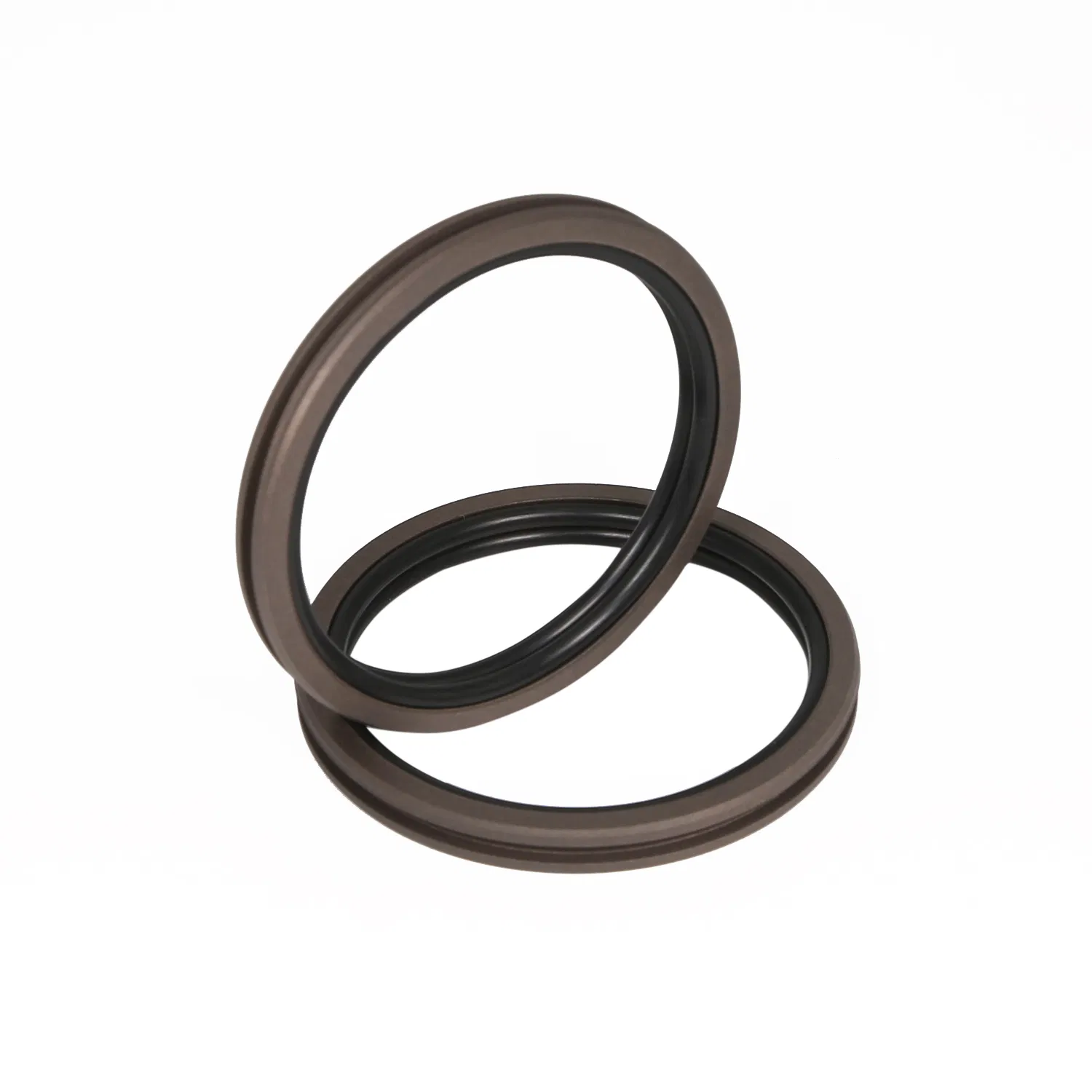
Material Specifications for Phenolic Tube Applications
Phenolic tubes are high-performance composite components widely used in industrial environments requiring exceptional mechanical strength, thermal stability, and resistance to chemical degradation. These tubes are often reinforced with materials such as cotton, paper, or glass fiber, and are commonly employed in electrical insulation, mechanical spacers, and high-temperature applications. When integrating elastomeric seals or connectors with phenolic tubes, material compatibility becomes critical to ensure long-term reliability. Suzhou Baoshida Trading Co., Ltd. provides precision-engineered rubber solutions compatible with phenolic systems, utilizing advanced elastomers including Viton, Nitrile, and Silicone. Each material offers distinct performance characteristics tailored to specific operational demands.
Viton, a fluorocarbon-based elastomer (FKM), delivers superior resistance to high temperatures, oils, fuels, and aggressive chemicals. With continuous service capabilities up to 200°C and intermittent resistance to 250°C, Viton is ideal for aerospace, automotive, and chemical processing applications where exposure to harsh environments is expected. Its low gas permeability and excellent aging properties ensure long-term sealing integrity when mated with phenolic components under extreme conditions.
Nitrile rubber (NBR) is a cost-effective solution for applications involving petroleum-based fluids, hydraulic oils, and aliphatic hydrocarbons. It exhibits good abrasion resistance and mechanical strength, with an operational temperature range of -30°C to 120°C. While not as thermally stable as Viton, Nitrile provides reliable performance in industrial machinery, fluid handling systems, and automotive assemblies where moderate temperatures and oil exposure are prevalent.
Silicone rubber (VMQ) excels in extreme temperature environments, functioning effectively from -60°C to 200°C. It offers excellent resistance to ozone, UV radiation, and weathering, making it suitable for outdoor and high-temperature electrical applications. Though less resistant to petroleum-based fluids than Viton or Nitrile, silicone provides superior flexibility and dielectric properties, supporting integration with phenolic tubes in electrical insulation and thermal management systems.
Selection of the appropriate elastomer must consider fluid compatibility, temperature profile, mechanical loading, and regulatory requirements. Suzhou Baoshida Trading Co., Ltd. supports OEMs with material testing, custom formulation, and precision molding to ensure optimal performance in demanding industrial applications.
Material Comparison Table
| Property | Viton (FKM) | Nitrile (NBR) | Silicone (VMQ) |
|---|---|---|---|
| Temperature Range (°C) | -20 to 200 (up to 250 intermittent) | -30 to 120 | -60 to 200 |
| Tensile Strength (MPa) | 15–20 | 10–25 | 5–8 |
| Elongation at Break (%) | 200–300 | 200–500 | 200–600 |
| Hardness (Shore A) | 60–90 | 50–90 | 30–80 |
| Fluid Resistance (Oil/Fuel) | Excellent | Good | Poor |
| Chemical Resistance | Excellent | Moderate | Moderate |
| Ozone/UV Resistance | Excellent | Good | Excellent |
| Electrical Insulation | Good | Fair | Excellent |
| Compression Set Resistance | Excellent | Good | Good |
Manufacturing Capabilities
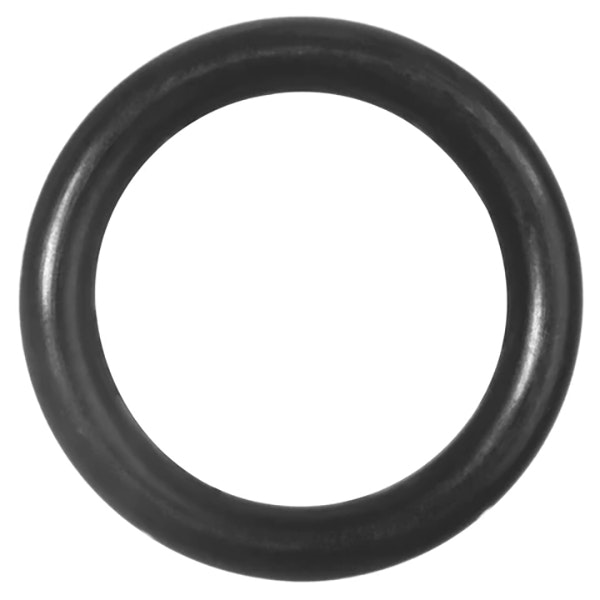
Engineering Capabilities for Precision Phenolic Tube Manufacturing
Suzhou Baoshida Trading Co., Ltd. leverages a dedicated team of seven specialized engineers—five focused on precision mold design and two on advanced rubber compounding—to deliver engineered phenolic tube solutions meeting rigorous industrial demands. Our integrated approach ensures seamless translation of client specifications into high-performance components, addressing critical challenges in thermal stability, chemical resistance, and structural integrity. This technical synergy between mold and formula engineering eliminates common production bottlenecks, such as uneven resin flow or premature curing, which compromise tube concentricity and layer adhesion in standard manufacturing processes.
Precision Formula Development
Our two in-house rubber formula engineers optimize phenolic resin systems at the molecular level, tailoring formulations for specific operational environments. Through controlled adjustment of catalyst concentrations, filler dispersion (e.g., aramid fibers or silica), and crosslink density, we achieve targeted properties including continuous service temperatures up to 300°C and resistance to hydraulic fluids, acids, and solvents. Each compound undergoes iterative lab validation using ASTM D2240 hardness testing, TGA thermal degradation analysis, and dynamic mechanical analysis (DMA) to verify performance under cyclic stress. This granular control prevents delamination in multi-ply constructions and ensures consistent electrical insulation properties critical for aerospace and energy applications.
Advanced Mold Engineering Execution
Complementing formula expertise, our five mold engineers deploy CAD/CAM-driven design protocols to fabricate tooling with micron-level tolerances. We utilize finite element analysis (FEA) to simulate resin flow dynamics during compression molding, optimizing venting patterns and cavity geometry to eliminate voids or knit lines. Specialized mandrel systems maintain concentricity within ±0.05 mm across tube lengths up to 2 meters, while temperature-gradient control algorithms in curing presses ensure uniform crosslinking—critical for preventing internal stresses that cause warpage post-demolding.
OEM Partnership Framework
As a certified OEM partner, we implement a structured co-development workflow: client requirements are converted into material specifications and DFM (Design for Manufacturing) feedback within 72 hours. Our engineers collaborate directly with client R&D teams to refine prototypes through 3–5 iterative cycles, incorporating real-world test data from our in-house hydraulic burst testers and environmental chambers. Full traceability is maintained via blockchain-secured batch records, with PPAP documentation compliant to IATF 16949 standards. This end-to-end ownership—from raw material sourcing to final validation—reduces time-to-market by 30% compared to fragmented supplier models.
Critical Phenolic Tube Performance Specifications
| Property | Test Standard | Typical Value Range | Industrial Significance |
|---|---|---|---|
| Continuous Service Temp | ASTM E1356 | -60°C to +300°C | Suitable for jet engine nacelles |
| Burst Pressure | ISO 1402 | 45–120 MPa (Ø10–50mm) | Meets SAE AS5956 hydraulic standards |
| Shore D Hardness | ASTM D2240 | 85–95 | Balances flexibility & abrasion resist |
| Dielectric Strength | ASTM D149 | ≥18 kV/mm | Critical for electrical insulation |
| Water Absorption (24h) | ASTM D570 | ≤0.8% | Prevents dimensional instability |
This engineering rigor positions Suzhou Baoshida as a strategic partner for OEMs requiring phenolic tubes where failure is not an option. We transform material science into mission-critical reliability through uncompromising technical ownership. Partner with us to co-engineer solutions that exceed ASME and NADCAP benchmarks.
Customization Process
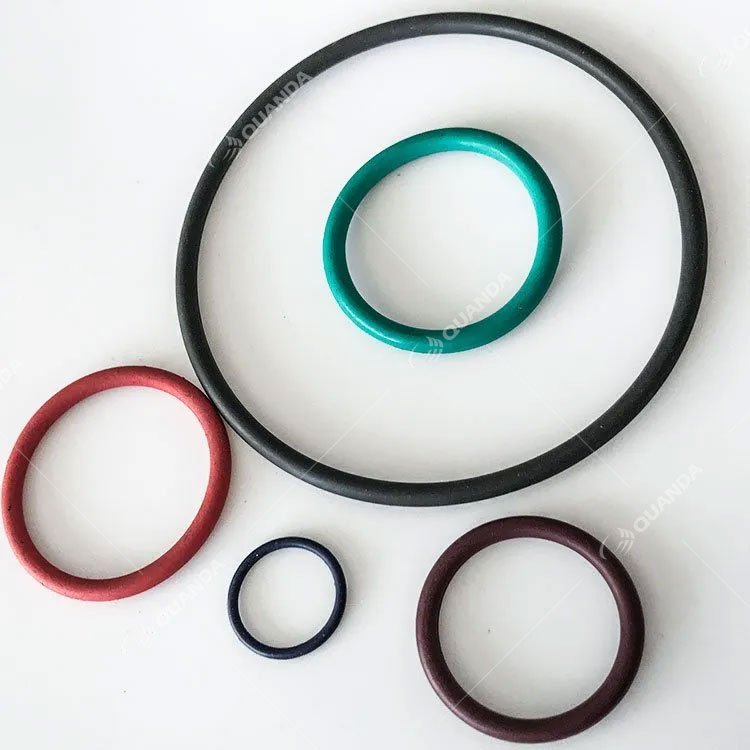
Customization Process for Phenolic Tubes at Suzhou Baoshida Trading Co., Ltd.
At Suzhou Baoshida Trading Co., Ltd., the customization of phenolic tubes follows a rigorous, science-driven process designed to meet exact OEM and industrial application requirements. Our approach integrates material science, precision engineering, and quality assurance to deliver high-performance phenolic composite solutions tailored to thermal, mechanical, and electrical demands.
The process begins with Drawing Analysis, where client-supplied technical drawings and specifications are evaluated by our engineering team. We assess dimensional tolerances, wall thickness, length, flange configurations, and surface finish requirements. Critical performance parameters such as operating temperature range, load-bearing capacity, and environmental exposure (e.g., moisture, chemical contact) are identified. This stage ensures alignment between design intent and manufacturability, minimizing deviations during production.
Following drawing validation, our Rubber Formula Engineers initiate the Formulation phase. Phenolic resins are compounded with reinforcing materials—typically cellulose, cotton, or synthetic fibers—to achieve the desired mechanical strength and thermal stability. The selection of filler type, resin concentration, and curing agents is optimized based on application stressors. For instance, electrical insulation applications require formulations with high dielectric strength, while mechanical components prioritize wear resistance and compressive strength. All formulations are documented and archived for batch traceability and repeatability.
Once the material formulation is finalized, we proceed to Prototyping. Using precision lathing and molding techniques, prototype phenolic tubes are manufactured from the formulated rods or tubes stock. Prototypes undergo dimensional verification via coordinate measuring machines (CMM) and are subjected to performance testing, including thermal cycling, dielectric strength testing, and compression analysis. Client feedback is incorporated at this stage, allowing for iterative refinements before tooling and scale-up.
Upon prototype approval, the project transitions to Mass Production. Our production line employs automated cutting, finishing, and inspection systems to ensure consistency across large volumes. Each batch is tested for dimensional accuracy and material integrity, with certification provided per ISO 9001 standards. Logistics and packaging are customized to prevent damage during transit, especially for long or thin-walled components.
Throughout the entire process, Suzhou Baoshida maintains transparent communication with clients, providing technical documentation, material test reports, and production updates. Our goal is to deliver phenolic tubes that not only meet specifications but exceed performance expectations in demanding industrial environments.
| Property | Standard Grade | High-Performance Grade | Test Method |
|---|---|---|---|
| Tensile Strength | 80 MPa | 110 MPa | ASTM D638 |
| Compressive Strength | 180 MPa | 250 MPa | ASTM D695 |
| Dielectric Strength | 14 kV/mm | 18 kV/mm | ASTM D149 |
| Continuous Use Temperature | 120°C | 150°C | UL 746B |
| Water Absorption (24h) | ≤ 0.5% | ≤ 0.3% | ASTM D570 |
This structured customization pathway ensures reliability, repeatability, and technical excellence in every phenolic tube produced.
Contact Engineering Team
Contact Suzhou Baoshida for Precision Phenolic Tube Solutions
Phenolic resin tubes represent a critical engineering component in demanding industrial applications where thermal stability, chemical resistance, and dimensional integrity under load are non-negotiable. At Suzhou Baoshida Trading Co., Ltd., our expertise transcends standard manufacturing; we specialize in formulating and producing phenolic tubes engineered to exact OEM specifications, ensuring optimal performance in aerospace seals, high-voltage insulation, furnace fixtures, and chemical processing systems. Generic solutions often fail under extreme operational parameters, leading to premature degradation, safety risks, and costly downtime. Our dedicated R&D team leverages advanced compounding techniques and rigorous quality control protocols to deliver phenolic tubes that consistently exceed ASTM D2103 and ISO 178 standards, providing unparalleled reliability in environments exceeding 300°C.
The table below outlines the core technical specifications achievable through our proprietary formulations, demonstrating the precision engineering capabilities central to our OEM partnership model.
| Material Grade | Continuous Service Temp (°C) | Tensile Strength (MPa) | Flexural Strength (MPa) | Dielectric Strength (kV/mm) | Water Absorption (24h, %) |
|---|---|---|---|---|---|
| BD-PH-100 | 280 | 85 | 140 | 18 | 0.8 |
| BD-PH-200 | 320 | 78 | 130 | 16 | 1.0 |
| BD-PH-300 | 350 | 70 | 120 | 14 | 1.2 |
These values reflect standardized test conditions; actual performance is tailored to your application’s unique thermal cycling, pressure, and chemical exposure profiles. We integrate material science with practical engineering insight, enabling customization of resin composition, filler systems, and curing processes to address specific failure modes observed in field deployments. Our ISO 9001-certified production facility utilizes CNC-machined molds and in-process spectrometric monitoring to guarantee batch-to-batch consistency, critical for high-reliability sectors like semiconductor manufacturing and power generation.
Initiate a technical dialogue with Mr. Boyce, our OEM Technical Manager, to transform your phenolic tube requirements into a validated solution. Mr. Boyce possesses 15 years of hands-on experience in thermoset polymer formulation and direct collaboration with Tier-1 industrial manufacturers. He will facilitate a structured engineering review covering material selection, geometric tolerancing (±0.05mm achievable), prototype validation, and scalable production planning. Provide your application’s operational parameters, failure history, and dimensional drawings to receive a targeted proposal within 24 business hours. Do not compromise on critical sealing or insulating components—partner with an engineering-driven supplier committed to solving complex material challenges.
Contact Mr. Boyce directly at [email protected] to schedule a technical consultation. Include your project reference number, target specifications, and priority timeline in your initial correspondence. Suzhou Baoshida Trading Co., Ltd. operates as your strategic extension in rubber science, delivering precision-engineered phenolic solutions that enhance system longevity and operational safety. Your next-generation application demands material integrity we are engineered to provide.
⚖️ O-Ring Weight Calculator
Estimate rubber O-ring weight (Approx).