
Technical Contents
Engineering Guide: Pinch Weld Blocks
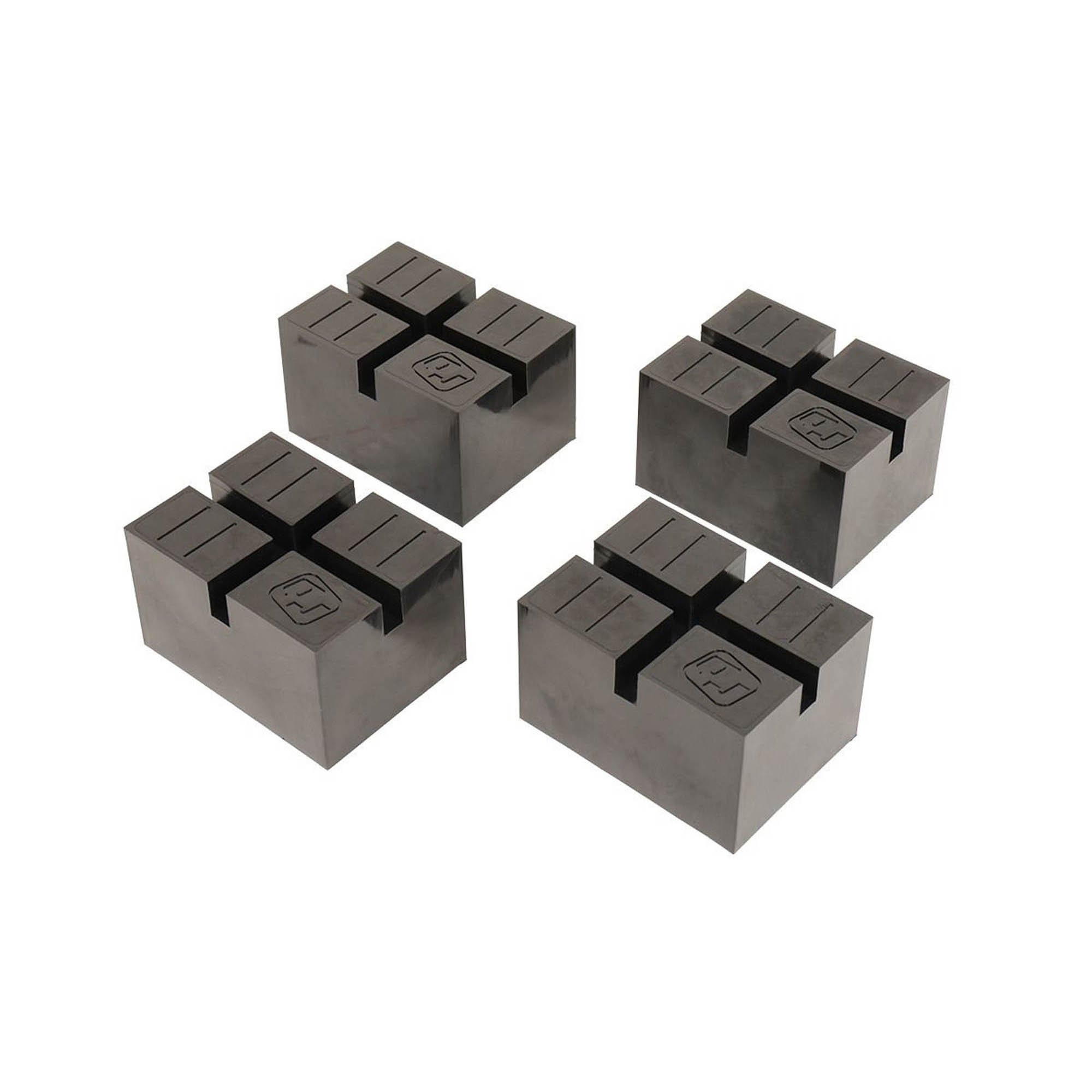
Engineering Insight: Pinch Weld Block Material Selection Imperatives
Pinch weld blocks are mission-critical components in automotive body-in-white assembly, directly influencing dimensional accuracy and production line efficiency. Their primary function—securing stamped metal panels during resistance welding—demands exceptional resistance to extreme localized heat (exceeding 200°C), repetitive mechanical compression, and exposure to metalworking fluids. Material selection is not merely a cost variable; it is the foundational determinant of functional longevity and process stability. Off-the-shelf generic rubber blocks consistently fail under these conditions due to inadequate formulation for the specific operational envelope, leading to costly unplanned downtime and compromised weld integrity.
Empirical evidence from Tier 1 assembly lines confirms that standard ethylene propylene diene monomer (EPDM) or styrene-butadiene rubber (SBR) blocks exhibit rapid degradation. These materials suffer from high compression set (>40% per ASTM D395), causing permanent deformation after 5,000–10,000 cycles. This loss of resilience directly compromises clamping force, permitting panel slippage during welding and inducing misalignment defects. Simultaneously, inadequate thermal stability triggers surface charring at weld zones, shedding particulates that contaminate electrodes and panels. Furthermore, poor resistance to ester-based lubricants and anti-rust oils (per ISO 1817) results in swelling and softening, reducing coefficient of friction below the critical 0.45 threshold required for secure panel retention. Such failures necessitate block replacement every 2–3 shifts, disrupting takt time and escalating operational costs by 18–25% annually versus engineered solutions.
The root cause lies in the misalignment between commodity rubber formulations and pinch weld block physics. Generic compounds prioritize low raw material cost over performance metrics essential for this application: rebound resilience, thermal conductivity, and extractable content control. In contrast, purpose-engineered formulations utilize peroxide-cured high-saturation nitrile butadiene rubber (HS-NBR) or specialty hydrogenated nitrile (HNBR) with reinforced polymer matrices. These deliver the necessary balance of properties, as quantified below:
| Property | Standard EPDM Block | Suzhou Baoshida Engineered HS-NBR Block | Test Standard |
|---|---|---|---|
| Compression Set (22h/150°C) | 42–48% | 12–15% | ASTM D395 |
| Max Continuous Temp | 135°C | 180°C | ISO 188 |
| Oil Resistance (IRM 903) | Swell: +28% | Swell: +8% | ISO 1817 |
| Coefficient of Friction | 0.38–0.42 | 0.52–0.58 | ASTM D1894 |
| Extractables (70°C/24h) | 4.2–5.1% | ≤0.8% | ISO 6405 |
Suzhou Baoshida’s OEM-grade pinch weld blocks integrate these material science principles with precision molding tolerances (±0.05mm). This engineered approach eliminates the thermal runaway and contamination cycles inherent in off-the-shelf alternatives, extending service life to 150,000+ cycles while maintaining consistent clamping force. Material selection must be treated as a core process parameter—not a commodity purchase—to ensure automotive manufacturing linearity and part quality. Our technical team collaborates with OEMs to validate compound performance against specific production variables, transforming pinch weld blocks from a failure point into a reliability asset.
Material Specifications
Material Specifications for Pinch Weld Blocks: Engineering Precision for Demanding Applications
Pinch weld blocks are critical components in automotive and industrial manufacturing processes, particularly in sealing, clamping, and joining operations. These blocks are exposed to extreme mechanical stress, variable temperatures, and aggressive chemical environments, necessitating the use of high-performance elastomeric materials. At Suzhou Baoshida Trading Co., Ltd., we specialize in industrial rubber solutions engineered for durability, resilience, and consistent performance. Our pinch weld blocks are fabricated using three premium elastomers: Viton (FKM), Nitrile (NBR), and Silicone (VMQ), each selected based on operational requirements and environmental exposure.
Viton (fluorocarbon rubber) is the material of choice for high-temperature and chemically aggressive applications. With continuous service capabilities up to 230°C and exceptional resistance to oils, fuels, acids, and ozone, Viton ensures long-term integrity in engine compartments and under-hood environments. Its low gas permeability and excellent aging characteristics make it ideal for applications where reliability cannot be compromised. However, Viton has lower flexibility at sub-zero temperatures and is generally more expensive than other elastomers, making it best suited for critical high-performance systems.
Nitrile rubber (NBR) offers an optimal balance of oil resistance, mechanical strength, and cost-efficiency. Commonly used in hydraulic systems, fuel handling, and industrial machinery, NBR performs reliably in temperatures ranging from -30°C to 100°C, with short-term excursions up to 120°C. It exhibits excellent abrasion resistance and tensile strength, making it suitable for dynamic sealing applications. While NBR is less effective in ozone and weathering environments compared to Viton or Silicone, its compatibility with petroleum-based fluids makes it a staple in automotive manufacturing.
Silicone rubber (VMQ) excels in extreme temperature applications, functioning effectively from -60°C to 200°C. It offers superior flexibility at low temperatures and outstanding resistance to UV radiation and weathering. Silicone is often selected for exterior applications and environments requiring high thermal cycling. While it has lower mechanical strength and poor resistance to oils and fuels compared to NBR and Viton, its biocompatibility and electrical insulation properties expand its utility across non-automotive sectors.
The selection of the appropriate elastomer directly impacts the performance, safety, and longevity of pinch weld blocks. Below is a comparative overview of the key material properties.
| Property | Viton (FKM) | Nitrile (NBR) | Silicone (VMQ) |
|---|---|---|---|
| Temperature Range (°C) | -20 to 230 | -30 to 100 (+120) | -60 to 200 |
| Tensile Strength (MPa) | 15–20 | 10–25 | 5–8 |
| Elongation at Break (%) | 200–300 | 250–500 | 200–600 |
| Hardness (Shore A) | 60–90 | 50–90 | 30–80 |
| Oil Resistance | Excellent | Excellent | Poor |
| Fuel Resistance | Excellent | Good | Poor |
| Ozone/Weathering Resistance | Excellent | Fair | Excellent |
| Compression Set Resistance | Excellent | Good | Good |
Each material offers distinct advantages, and the final selection should be guided by application-specific demands including temperature profile, chemical exposure, mechanical loading, and lifecycle requirements. Suzhou Baoshida Trading Co., Ltd. provides customized material recommendations and OEM support to ensure optimal performance in every industrial context.
Manufacturing Capabilities
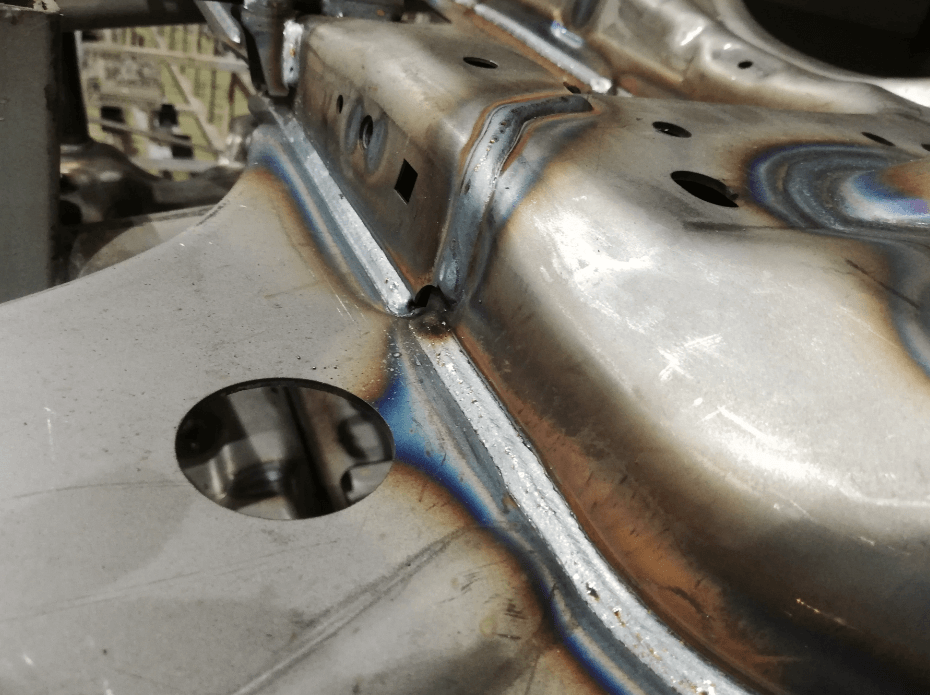
Engineering Capabilities for Precision Pinch Weld Block Manufacturing
Suzhou Baoshida Trading Co., Ltd. delivers mission-critical rubber components through integrated material science and precision engineering. Our specialization in pinch weld blocks for automotive and industrial sealing applications leverages a dedicated team of seven core engineering professionals: five advanced mold engineers and two rubber formulation experts. This structure ensures end-to-end control from molecular design to finished part validation, addressing complex challenges in thermal stability, compression set resistance, and dimensional accuracy under dynamic load conditions.
Our mold engineering cohort utilizes 3D CAD/CAM systems and mold flow simulation software to optimize cavity design, runner geometry, and venting for zero-defect production. Concurrently, our formula engineering team develops proprietary EPDM, silicone, and FKM compounds tailored to extreme operational environments—such as electric vehicle battery enclosures requiring -50°C to +180°C resilience and flame retardancy to UL 94 V-0 standards. This dual-engineering synergy eliminates traditional silos between material development and tooling, accelerating time-to-market while ensuring repeatability in high-volume OEM runs exceeding 500,000 units annually.
Material performance is non-negotiable in pinch weld applications where seal integrity prevents fluid ingress and structural compromise. Our formula engineers precisely modulate polymer crosslink density, filler dispersion, and antioxidant packages to achieve sub-15% compression set after 1,000 hours at 100°C—exceeding ISO 3386 benchmarks. Below are comparative specifications demonstrating our technical differentiation:
| Parameter | Standard Product | Custom OEM Solution |
|---|---|---|
| Hardness Range (Shore A) | 60–80 ±5 | 40–90 ±3 |
| Temp. Resistance (°C) | -40 to +150 | -60 to +220 |
| Compression Set (22h/100°C) | ≤25% | ≤12% |
| Tensile Strength (MPa) | 8.0–12.0 | 10.0–18.0 |
| Fluid Resistance | Standard oils/fuels | Custom electrolyte/coolant |
| Lead Time (Tooling) | 8–10 weeks | 6–8 weeks (accelerated) |
OEM partnerships benefit from our closed-loop development protocol. We initiate with joint DFMEA sessions to de-risk application-specific failure modes, followed by iterative prototyping using in-house 200T–1,000T hydraulic presses. All custom compounds undergo rigorous validation per ASTM D2000 and OEM-specific material specifications, with full traceability from raw material lot to finished part. Crucially, our formula engineers collaborate directly with client R&D teams to co-develop IP-protected compounds—such as low-outgassing variants for autonomous sensor housings—while maintaining strict confidentiality under ISO 27001 frameworks.
This engineering-centric approach transforms pinch weld blocks from passive components into engineered system interfaces. By embedding material science expertise within the manufacturing workflow, Suzhou Baoshida ensures every block delivers micron-level dimensional consistency, predictable stress relaxation, and lifecycle durability exceeding 15 years in service. For OEMs demanding zero-failure sealing in next-generation applications, our integrated engineering capability is the definitive manufacturing advantage.
Customization Process
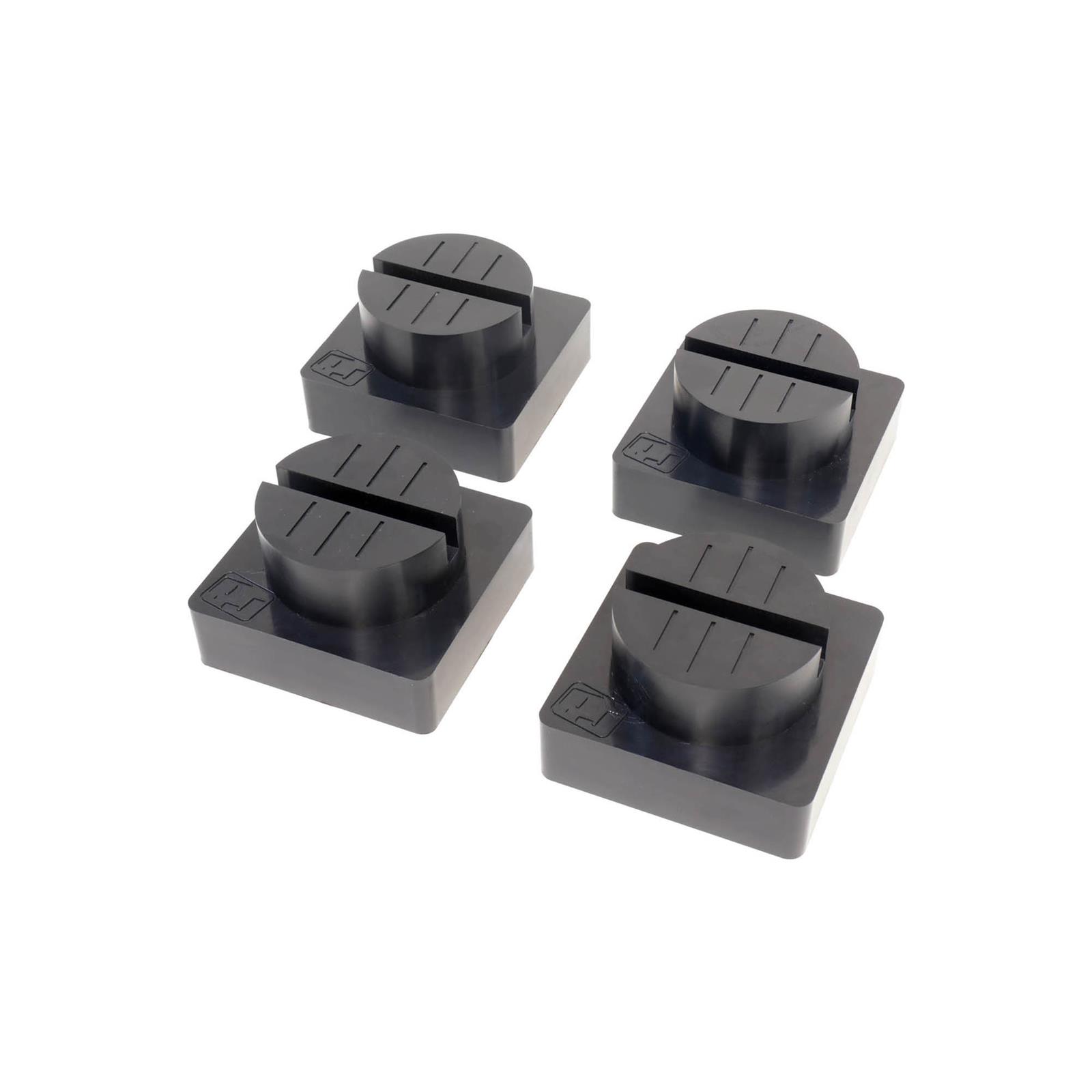
Drawing Analysis
The customization process for pinch weld blocks begins with a comprehensive drawing analysis, serving as the foundation for all subsequent development stages. At Suzhou Baoshida Trading Co., Ltd., our engineering team evaluates OEM-provided technical drawings to extract critical dimensional tolerances, load-bearing requirements, and installation environment data. This includes assessing mating component geometries, compression set expectations, and exposure conditions such as temperature extremes, UV radiation, and contact with automotive fluids like brake oil or antifreeze. Our engineers verify compliance with international standards including ISO 1307 for hose dimensions and ISO 3302 for rubber tolerance classes. Any discrepancies or optimization opportunities—such as draft angles, parting line placement, or flash control—are documented and discussed with the client prior to formulation.
Formulation Development
Following drawing validation, our rubber formulation engineers design a compound tailored to the functional demands of the pinch weld block. Utilizing a base polymer selection from EPDM, NBR, or silicone—depending on thermal stability and chemical resistance requirements—we integrate reinforcing fillers, plasticizers, vulcanizing agents, and anti-aging additives. Hardness is precisely calibrated within the 50–80 Shore A range to ensure adequate sealing force without compromising installability. Specialized testing, including thermogravimetric analysis (TGA) and dynamic mechanical analysis (DMA), verifies performance under simulated operational stress. Every formulation is documented under our internal material specification system, ensuring full traceability and batch consistency.
Prototyping and Validation
Once the compound is finalized, prototype tooling is manufactured using CNC-machined aluminum molds, enabling rapid iteration and dimensional accuracy. Initial samples are produced via precision compression or transfer molding, then subjected to rigorous physical and chemical testing. This includes tensile strength, elongation at break, compression set (ASTM D395), and fluid immersion resistance. Prototypes are also evaluated in functional test rigs that simulate vehicle assembly line conditions, verifying insertion force and retention integrity on actual pinch weld flanges. Client feedback is integrated into potential design refinements before final approval.
Mass Production
Approved designs transition into high-volume manufacturing using hardened steel molds and automated rubber molding lines. Our production process incorporates statistical process control (SPC) monitoring, with real-time checks on cure time, temperature profiles, and dimensional stability. Each batch undergoes final inspection per AQL Level II standards, including visual, dimensional, and hardness testing. All pinch weld blocks are packaged to prevent deformation and shipped with material compliance documentation, including RoHS and REACH declarations.
Typical Physical Properties of Custom Pinch Weld Block Compounds
| Property | Test Method | Typical Value Range |
|---|---|---|
| Hardness (Shore A) | ASTM D2240 | 55–75 |
| Tensile Strength | ASTM D412 | 8–15 MPa |
| Elongation at Break | ASTM D412 | 250–450% |
| Compression Set (22h, 70°C) | ASTM D395 | ≤25% |
| Operating Temperature Range | — | -40°C to +125°C |
| Fluid Resistance (Brake Oil) | ASTM D471 | Volume Swell ≤15% |
Contact Engineering Team
Technical Engagement: Precision Pinch Weld Block Solutions from Suzhou Baoshida
Suzhou Baoshida Trading Co., Ltd. operates at the forefront of industrial rubber engineering, specializing in mission-critical components for automotive manufacturing. Our pinch weld blocks represent the synthesis of advanced elastomer science and rigorous OEM validation protocols. These components are engineered to withstand extreme compressive forces, thermal cycling, and chemical exposure inherent in vehicle assembly lines, directly impacting structural integrity and production line efficiency. Standard off-the-shelf solutions often fail under sustained industrial loads, leading to costly downtime and compromised weld quality. Baoshida addresses this through proprietary rubber formulations and precision tooling, ensuring dimensional stability and repeatable performance across 50,000+ cycles.
Key technical specifications for our standard automotive pinch weld blocks are detailed below. All parameters undergo SGS-certified validation per ISO 188 and ASTM D2000 standards.
| Specification Parameter | Value | Test Standard |
|---|---|---|
| Material Grade | Custom Nitrile (NBR) | ASTM D2000 AA |
| Hardness (Shore A) | 70 ± 5 | ASTM D2240 |
| Tensile Strength | ≥ 20 MPa | ASTM D412 |
| Elongation at Break | ≥ 300% | ASTM D412 |
| Compression Set (22h/70°C) | ≤ 25% | ASTM D395 Method B |
| Operating Temperature Range | -40°C to +120°C | ISO 188 |
| Oil Resistance (IRM 903) | Volume Swell ≤ 25% | ASTM D471 |
Our engineering process begins with collaborative analysis of your press line dynamics, weld geometry, and environmental stressors. Unlike generic suppliers, Baoshida implements finite element analysis (FEA) to simulate real-world deformation under 15-30 ton loads, optimizing durometer gradients and internal reinforcement layers. This eliminates premature extrusion or permanent set—common failure modes that cause misaligned weld seams and body-in-white defects. We maintain ISO 9001:2015-certified production with real-time statistical process control (SPC), guaranteeing ±0.1mm tolerance on critical contact surfaces. Material traceability is embedded via laser-etched batch codes, meeting IATF 16949 audit requirements.
For immediate technical consultation or custom pinch weld block prototyping, contact Mr. Boyce, our dedicated OEM Engineering Manager. Mr. Boyce holds 14 years of experience in automotive rubber compounding and will coordinate material selection, GD&T review, and accelerated life testing within your project timeline. Provide your press specifications and weld joint diagrams to receive a formal quotation with validation data within 72 hours.
Contact Mr. Boyce Directly
Email [email protected] with subject line: PINCH WELD TECH QUERY
Include your company name, production volume requirements, and critical dimensional drawings. For urgent RFQs, call +86 512 6288 7510 (Suzhou HQ). All technical inquiries receive a documented response within 4 business hours. Suzhou Baoshida does not utilize distributors for OEM projects—your specifications are handled exclusively by our in-house engineering team to ensure IP security and technical accuracy. Partner with us to eliminate weld-line variability and achieve zero-defect assembly targets.
⚖️ O-Ring Weight Calculator
Estimate rubber O-ring weight (Approx).