
Technical Contents
Engineering Guide: Pinch Weld Jack Stand

Engineering Insight: Material Selection in Pinch Weld Jack Stand Applications
In industrial maintenance and automotive manufacturing environments, the pinch weld jack stand serves as a critical interface between heavy lifting equipment and vehicle structural components. Despite its seemingly simple function, long-term performance and safety depend heavily on precise engineering—particularly in material selection. Off-the-shelf jack stand pads often utilize generic rubber compounds or thermoplastic elastomers optimized for cost, not performance under dynamic load and environmental exposure. This leads to premature compression set, surface cracking, and loss of grip—failures that compromise operational safety and increase downtime.
The pinch weld area of a vehicle chassis is designed for structural integrity, not load distribution. When a jack stand engages this zone, the contact area is minimal, resulting in high localized stress. A compliant yet resilient interface material is required to distribute load without deforming permanently. Standard rubber pads made from natural rubber (NR) or low-grade SBR (styrene-butadiene rubber) lack the necessary compression resistance and aging stability. These materials exhibit rapid degradation under repeated loading cycles, especially in environments exposed to oil, UV radiation, or temperature extremes common in production or service bays.
At Suzhou Baoshida Trading Co., Ltd., our engineered rubber solutions for pinch weld applications are formulated using high-density NBR (nitrile butadiene rubber) and reinforced EPDM (ethylene propylene diene monomer) compounds. These materials offer superior resistance to oils, ozone, and thermal cycling—key factors in maintaining pad integrity. More importantly, they are compounded with controlled Shore A hardness and tailored elongation at break to balance grip, load distribution, and recovery. The result is a pad that maintains dimensional stability over thousands of load cycles, reducing the risk of slippage or structural damage to the pinch weld flange.
Another often-overlooked factor is surface texture engineering. A homogeneous rubber pad, even with optimal material properties, may fail due to inadequate friction. Our formulations integrate micro-textured surface profiles during vulcanization, enhancing coefficient of friction without increasing hardness. This ensures secure engagement with painted or galvanized steel surfaces while minimizing galling or marking.
Below is a comparative analysis of common materials used in pinch weld jack stand pads:
| Material | Shore A Hardness | Compression Set (22h @ 70°C) | Tensile Strength (MPa) | Oil Resistance | Service Temperature Range |
|---|---|---|---|---|---|
| Natural Rubber (NR) | 55–65 | 25–35% | 18–25 | Poor | –50°C to +80°C |
| SBR | 60–70 | 30–40% | 15–22 | Fair | –40°C to +90°C |
| Standard NBR | 70–80 | 20–25% | 12–20 | Good | –30°C to +100°C |
| High-Density NBR (Baoshida) | 85–90 | <15% | 24–28 | Excellent | –30°C to +120°C |
| Reinforced EPDM | 80–85 | <18% | 20–25 | Excellent | –50°C to +150°C |
Generic solutions fail not because of design flaws alone, but because they prioritize manufacturability over functional durability. In high-frequency industrial use, material performance is not a secondary consideration—it is the foundation of reliability. At Baoshida, we treat rubber not as a passive component, but as an engineered system integral to operational safety and efficiency.
Material Specifications
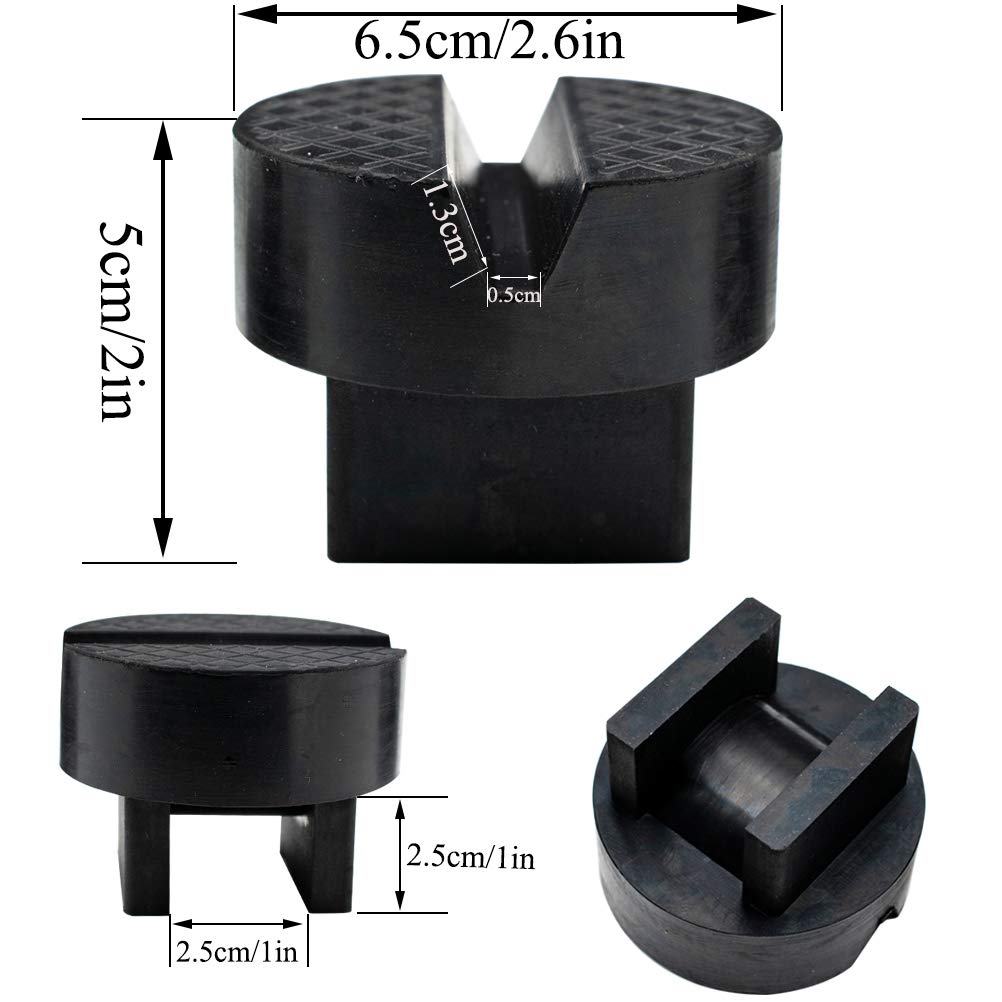
Material Specifications for Pinch Weld Jack Stand Applications
Selecting optimal elastomer compounds for pinch weld jack stands demands rigorous evaluation of operational stressors including sustained compressive loads, exposure to automotive fluids, and extreme temperature fluctuations. Suzhou Baoshida Trading Co., Ltd. prioritizes material integrity to ensure structural reliability during vehicle elevation. Our OEM-engineered solutions undergo ASTM D2000 and ISO 37 testing protocols to validate performance under simulated service conditions. Below we detail critical specifications for three industry-standard compounds: Viton, Nitrile, and Silicone.
Nitrile rubber (NBR) remains the predominant choice for pinch weld applications due to its exceptional balance of cost efficiency and functional performance. Our high-acrylonitrile formulations (45-50% ACN) deliver superior resistance to petroleum-based fluids, hydraulic oils, and greases encountered in automotive environments. Standard operating temperature ranges span -40°C to +120°C, with short-term excursions to 150°C permissible. NBR compounds achieve Shore A hardness values of 70-85, optimizing load distribution across pinch weld flanges while maintaining 15-25% compression set after 70 hours at 100°C. This material provides optimal value for 95% of light-to-medium duty jack stand applications.
Viton (FKM) is specified for extreme environments where prolonged exposure to aggressive chemicals or elevated temperatures exceeds NBR capabilities. Our base-resistant FKM grades withstand continuous service at 200°C and intermittent peaks to 250°C. Critical advantages include near-immunity to brake fluids, transmission fluids, and synthetic lubricants that rapidly degrade hydrocarbon rubbers. Compression set remains below 30% after 70 hours at 200°C, preserving sealing force under sustained load. While material costs are 3-4x higher than NBR, Viton is indispensable for heavy-duty commercial vehicle maintenance or facilities using aggressive cleaning solvents.
Silicone rubber (VMQ) offers unique benefits in non-lubricant-exposed scenarios requiring extreme low-temperature flexibility down to -60°C. However, its poor resistance to oils and fuels limits applicability in pinch weld contexts unless shielded from fluid contact. Shore A hardness typically ranges 40-70, resulting in higher compression set (35-50% at 150°C) that compromises long-term load retention. Silicone is primarily recommended for indoor facilities with controlled environments where thermal cycling exceeds -40°C but fluid exposure is minimal.
The following comparative analysis summarizes key performance metrics for informed material selection
| Material | Temperature Range (°C) | Oil/Fuel Resistance | Compression Set (70h) | Hardness Range (Shore A) | Primary Application Limitation |
|---|---|---|---|---|---|
| Nitrile (NBR) | -40 to +120 | Excellent | 15-25% @ 100°C | 70-85 | Degrades above 120°C continuous |
| Viton (FKM) | -20 to +200 | Exceptional | <30% @ 200°C | 65-80 | High cost; poor low-temp flexibility |
| Silicone (VMQ) | -60 to +180 | Poor | 35-50% @ 150°C | 40-70 | Unsuitable for oil/fuel exposure |
Material selection must align with specific operational parameters including vehicle weight class, facility environmental controls, and fluid exposure profiles. Suzhou Baoshida Trading Co., Ltd. mandates OEM validation through our application engineering team to confirm compound suitability prior to production release. All formulations comply with ISO 1817 fluid immersion standards and undergo 10,000-cycle fatigue testing per SAE J2527 protocols. Partner with our technical team to implement the precise elastomer solution for your pinch weld jack stand requirements.
Manufacturing Capabilities
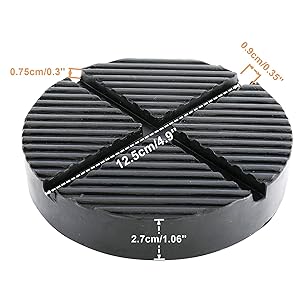
Engineering Excellence in Industrial Rubber Solutions
At Suzhou Baoshida Trading Co., Ltd., our engineering capabilities form the backbone of our industrial rubber manufacturing expertise, particularly in high-performance applications such as pinch weld jack stands. With a dedicated team of 5 mould engineers and 2 specialized rubber formula engineers, we ensure precision, durability, and compliance at every stage of development and production. Our integrated engineering approach enables us to deliver OEM solutions that meet exacting automotive and industrial standards.
Our mould engineering team possesses deep experience in designing complex rubber-to-metal bonded components, a critical requirement for pinch weld jack stands used in vehicle lifting systems. These components demand precise dimensional control, consistent material performance, and long-term resistance to mechanical stress and environmental exposure. Our engineers utilize advanced CAD/CAM software and finite element analysis (FEA) to simulate real-world loading conditions, optimizing part geometry and metal substrate integration before prototyping. This proactive design validation reduces development cycles and ensures first-time-right tooling, accelerating time-to-market for our OEM partners.
Complementing our mould design expertise are two in-house rubber formulation engineers who specialize in custom elastomer development. These engineers formulate rubber compounds tailored to specific load-bearing, compression set, temperature resistance, and aging requirements. For pinch weld applications, we develop EPDM, NBR, and hydrogenated nitrile (HNBR) compounds that maintain structural integrity under repeated stress and exposure to oils, ozone, and temperature extremes from -40°C to +120°C. Our formulation process includes rigorous laboratory testing for tensile strength, elongation, hardness, and dynamic fatigue, ensuring each compound meets or exceeds OEM specifications.
We maintain full control over the production process, from raw material selection to vulcanization and post-cure finishing. Our ISO-certified manufacturing facility supports low-volume prototyping and high-volume production, making us a flexible partner for global OEMs and Tier-1 suppliers. All rubber-to-metal bonding processes use proprietary adhesion primers and surface treatment techniques to achieve bond strengths exceeding 12 kN, critical for safety-critical lifting components.
The following table outlines key technical specifications achievable for pinch weld jack stand rubber components:
| Property | Test Standard | Typical Value |
|---|---|---|
| Hardness (Shore A) | ASTM D2240 | 60–80 ±5 |
| Tensile Strength | ASTM D412 | ≥12 MPa |
| Elongation at Break | ASTM D412 | ≥250% |
| Compression Set (22 hrs, 70°C) | ASTM D395 | ≤20% |
| Bond Strength (Rubber-to-Metal) | Internal Test Method | ≥12 kN |
| Operating Temperature Range | — | -40°C to +120°C |
| Fluid Resistance (Oil, Brake Fluid) | ASTM D471 | Volume Swell <15% after 70 hrs |
Our engineering team works in close collaboration with client R&D departments to co-develop solutions that enhance performance while reducing total cost of ownership. This OEM-centric model, backed by technical depth and manufacturing agility, positions Suzhou Baoshida as a trusted partner in advanced industrial rubber applications.
Customization Process
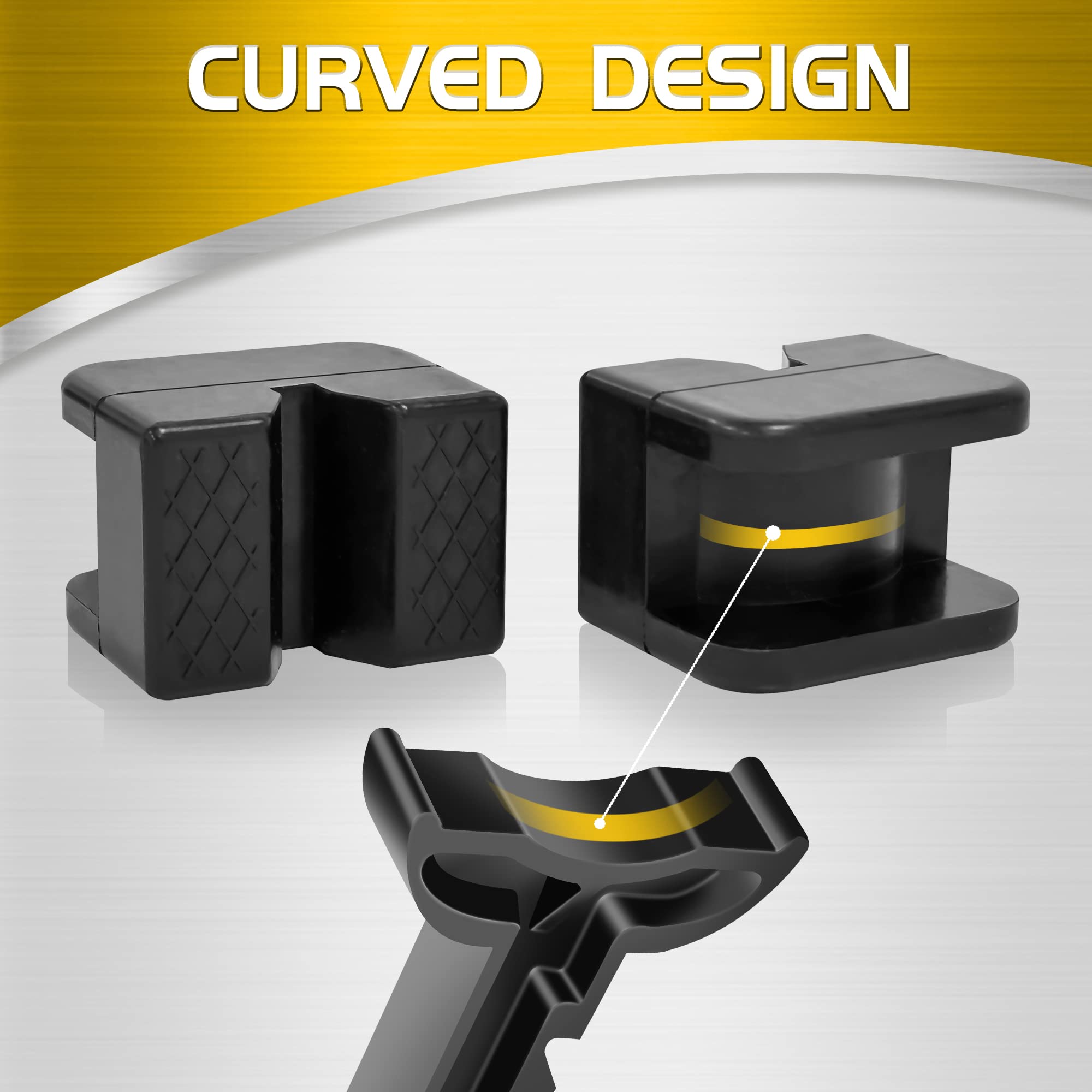
Customization Process for Pinch Weld Jack Stand Rubber Components
Suzhou Baoshida Trading Co., Ltd. employs a rigorous, science-driven methodology to engineer rubber solutions for pinch weld jack stands, ensuring optimal performance under extreme automotive service conditions. Our process begins with comprehensive Drawing Analysis, where engineering teams dissect client CAD specifications to identify critical parameters. This includes evaluating compression ratios, load distribution profiles, chemical exposure zones, and dimensional tolerances against ASTM D2000 standards. Finite element analysis (FEA) validates stress points at the pinch weld interface, confirming rubber geometry compatibility with vehicle chassis metallurgy. Material thickness and durometer gradients are optimized to prevent deformation under 5–15 ton loads while maintaining slip resistance on painted steel surfaces.
The Formulation phase translates engineering requirements into precise polymer chemistry. Our rubber technologists select base polymers—typically EPDM for ozone resistance or hydrogenated nitrile (HNBR) for oil/fuel exposure—tailored to the vehicle’s operating environment. Reinforcing fillers (e.g., silica or carbon black) and specialty additives (antioxidants, processing aids) are quantified to achieve target Shore A hardness, tensile strength, and compression set. Key properties are calibrated to withstand -40°C to +120°C thermal cycles and resist degradation from brake fluids or road salts. Below outlines critical compound specifications:
| Property | Standard Requirement | Baoshida Customization Range | Test Standard |
|---|---|---|---|
| Hardness (Shore A) | 60–70 | 55–85 | ASTM D2240 |
| Tensile Strength (MPa) | ≥10 | 12–25 | ASTM D412 |
| Compression Set (%) | ≤25 @ 70°C/22h | 15–22 | ASTM D395 |
| Temperature Range (°C) | -40 to +100 | -50 to +150 | ISO 188 |
| Fluid Resistance (Brake) | Volume Swell ≤15% | ≤8% | ASTM D471 |
Prototyping executes physical validation using client-approved materials. Components are molded via precision hydraulic presses under controlled vulcanization parameters (time, temperature, pressure). Each prototype undergoes accelerated life testing: 50,000 compression cycles at 10-ton loads, salt spray exposure (ASTM B117), and adhesion peel tests against OEM chassis coatings. Dimensional conformity is verified via CMM scanning against original CAD data, with deviations corrected through iterative compound adjustments. Clients receive test reports and physical samples for field validation prior to sign-off.
Mass Production integrates stringent quality protocols across Suzhou Baoshida’s ISO 9001-certified facility. Raw materials undergo spectrometric verification, while in-process checks monitor batch consistency via Mooney viscosity and cure rheometry. Every production run includes first-article inspection and statistical process control (SPC) tracking of critical dimensions. Final parts are 100% visually inspected for voids or flash, with random samples subjected to destructive testing per client-specified AQL levels. Full traceability—from polymer lot numbers to operator IDs—ensures accountability for automotive safety-critical components. This closed-loop system guarantees rubber parts that maintain structural integrity through 10,000+ jack stand deployments, directly supporting OEM durability targets.
Contact Engineering Team
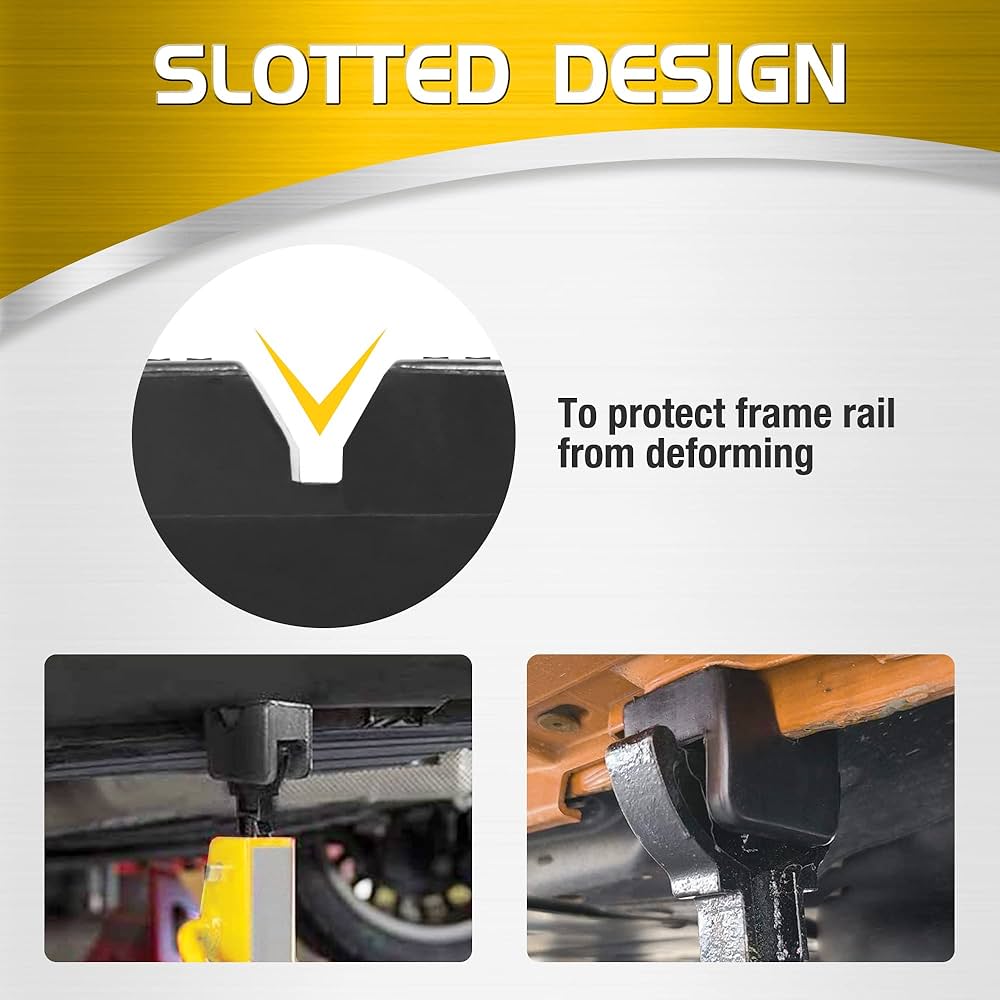
For precision-engineered industrial rubber solutions tailored to automotive and manufacturing applications, Suzhou Baoshida Trading Co., Ltd. stands as a trusted partner in high-performance material development and OEM production. Specializing in custom rubber formulations and tooling systems, we support global manufacturers in achieving durability, safety, and repeatability in critical components such as the pinch weld jack stand. Our expertise spans material science, mechanical testing, and application-specific design, ensuring that every rubber component meets or exceeds operational demands under real-world stress conditions.
The pinch weld jack stand requires a rubber interface that balances compressive resilience with surface friction, dimensional stability, and resistance to environmental aging. At Suzhou Baoshida, we formulate proprietary EPDM, NBR, and silicone-based compounds optimized for load-bearing support, anti-slip performance, and long-term UV and ozone resistance. Our rubber pads are engineered to maintain structural integrity across temperature ranges from -40°C to +150°C, ensuring reliable performance in diverse climatic and industrial environments. Each compound is validated through accelerated aging, compression set testing, and Shore hardness profiling to guarantee consistency in production batches.
We support clients through every phase of development—from initial material selection and prototype molding to final validation and mass production. Our in-house testing laboratory enables rapid iteration and compliance with international standards including ISO 9001, RoHS, and ASTM D2000 for rubber properties. Whether adapting to specific durometer requirements or customizing geometry for unique vehicle pinch weld profiles, our engineering team delivers solutions that enhance safety, reduce slippage, and extend service life.
For technical collaboration or sourcing inquiries, contact Mr. Boyce, OEM Manager and Rubber Formula Engineer at Suzhou Baoshida Trading Co., Ltd. Mr. Boyce oversees material development and client technical integration, ensuring that each solution is scientifically grounded and industrially viable. Reach out directly via email at [email protected] to discuss application parameters, request sample submissions, or initiate a joint development project.
Below are representative technical specifications for our standard high-grip rubber formulation used in pinch weld jack stand applications:
| Property | Test Method | Value |
|---|---|---|
| Hardness (Shore A) | ASTM D2240 | 70 ± 5 |
| Tensile Strength | ASTM D412 | ≥12 MPa |
| Elongation at Break | ASTM D412 | ≥250% |
| Compression Set (22 hrs at 70°C) | ASTM D395 | ≤20% |
| Operating Temperature Range | — | -40°C to +150°C |
| Friction Coefficient (vs. steel) | ASTM D1894 | ≥0.9 (dry), ≥0.7 (wet) |
| Color | — | Black or custom |
| Material Type | — | NBR/EPDM blend |
Partner with Suzhou Baoshida to integrate scientifically formulated rubber solutions into your manufacturing workflow. Initiate your project today by contacting Mr. Boyce at [email protected].
⚖️ O-Ring Weight Calculator
Estimate rubber O-ring weight (Approx).