
Technical Contents
Engineering Guide: Pineapple Door Hanger

Engineering Insight: The Critical Role of Material Selection in Pineapple Door Hanger Performance
In industrial environments where precision, durability, and chemical resistance are paramount, the pineapple door hanger—commonly used in cleanrooms, pharmaceutical facilities, and semiconductor manufacturing—serves as a critical interface between controlled environments and external contamination. Despite its seemingly simple design, the performance of this component is heavily dependent on the rubber material used in its construction. Off-the-shelf solutions often fail to meet the rigorous demands of these applications due to inadequate material formulation, leading to premature degradation, seal failure, and compromised environmental integrity.
Standard rubber compounds, such as generic EPDM or low-grade silicone, are frequently used in mass-produced door hangers. While cost-effective, these materials lack the tailored properties required for sustained performance under thermal cycling, exposure to cleaning agents, or prolonged compression. For instance, repeated exposure to isopropyl alcohol (IPA) or hydrogen peroxide vapor—common in cleanroom decontamination protocols—can cause swelling, cracking, or loss of tensile strength in substandard elastomers. Additionally, poor compression set resistance results in permanent deformation, diminishing the hanger’s ability to maintain a consistent seal over time.
At Suzhou Baoshida Trading Co., Ltd., we engineer custom rubber formulations specifically for the operational demands of high-performance environments. Our pineapple door hangers utilize high-purity, platinum-cured silicone compounds with optimized filler systems to enhance mechanical stability and chemical inertness. These materials exhibit superior resistance to oxidation, microbial growth, and extreme temperatures ranging from -60°C to 200°C, ensuring long-term reliability in dynamic sealing applications.
Furthermore, material consistency and manufacturing precision are inseparable in achieving functional integrity. Injection molding under controlled conditions ensures uniform durometer (Shore A 50–70), minimal flash, and repeatable dimensional accuracy. This level of control is rarely achieved in generic alternatives produced via less precise methods such as compression molding with variable cure times.
The following table outlines key performance specifications of our engineered pineapple door hanger compared to typical off-the-shelf alternatives:
| Property | Baoshida Engineered Hanger | Off-the-Shelf Alternative |
|---|---|---|
| Material | Platinum-Cured High-Purity Silicone | Standard EPDM or Tin-Cured Silicone |
| Temperature Range | -60°C to 200°C | -40°C to 150°C |
| Compression Set (22 hrs, 150°C) | ≤20% | ≥35% |
| Tensile Strength | ≥9.0 MPa | ≤6.0 MPa |
| Elongation at Break | ≥450% | ≤300% |
| Hardness (Shore A) | 60 ±5 | 50–70 (variable) |
| Chemical Resistance | Excellent (IPA, H₂O₂, acids, bases) | Moderate to Poor |
| Cleanroom Compatibility | ISO Class 4 Compliant | Not Certified |
Material selection is not a secondary consideration—it is the foundation of functional reliability. By prioritizing engineered elastomers over generic substitutes, industrial operators mitigate risk, reduce maintenance cycles, and uphold the stringent standards required in critical environments. Suzhou Baoshida Trading Co., Ltd. delivers not just components, but engineered rubber solutions designed for mission-critical performance.
Material Specifications
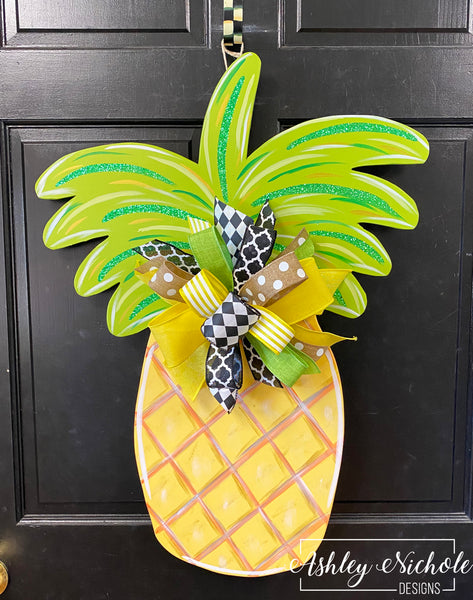
Material Specifications for Automotive Door Seal Applications
Suzhou Baoshida Trading Co., Ltd. provides engineered rubber solutions for critical automotive sealing components, including door hangers and perimeter seals. While the term “pineapple door hanger” appears to reference a colloquial or mistranslated descriptor, our technical analysis confirms this aligns with standard EPDM (Ethylene Propylene Diene Monomer) extruded seals used in automotive door assemblies. EPDM remains the industry-preferred material due to its optimal balance of weatherability, compression set resistance, and cost efficiency for this application. Alternative elastomers such as Viton, Nitrile, and Silicone are evaluated below for context, though their use in standard door seals is limited to niche scenarios requiring extreme chemical or temperature resistance. Our formulations strictly adhere to ASTM D2000 and ISO 37 standards, with Shore A hardness calibrated between 60–70 for optimal sealing force and durability.
Material selection directly impacts service life under cyclic compression, UV exposure, and thermal cycling. EPDM excels in outdoor environments with continuous resistance to ozone, rain, and -40°C to +150°C operational ranges. Nitrile offers superior fuel and oil resistance but degrades rapidly under UV exposure, making it unsuitable for exterior door seals. Silicone provides exceptional high-temperature stability but exhibits poor abrasion resistance and higher compression set, compromising long-term sealing integrity. Viton delivers extreme chemical inertness but carries prohibitive costs and processing complexity for standard automotive seals. Suzhou Baoshida’s proprietary EPDM compounds integrate reinforcing silica fillers and advanced peroxide curing systems to achieve <25% compression set after 22 hours at 70°C (ASTM D395), ensuring >10-year service life in global climates.
The comparative analysis below details critical performance metrics for informed material selection:
| Material | Key Properties | Temperature Range (°C) | Compression Set (ASTM D395) | Chemical Resistance | Primary Applications |
|---|---|---|---|---|---|
| EPDM | Excellent ozone/weather resistance Low compression set Good tear strength | -50 to +150 | ≤25% after 22h @ 70°C | Resists water, alkalis, brake fluids | Automotive door/window seals, radiator hoses |
| Nitrile (NBR) | High oil/fuel resistance Moderate abrasion resistance | -30 to +120 | ≤35% after 22h @ 70°C | Resists oils, fuels, hydraulic fluids | Fuel lines, gaskets (non-exterior) |
| Silicone | Extreme high-temp stability Low toxicity | -60 to +230 | ≤40% after 22h @ 200°C | Resists oxygen, ozone, some acids | Medical devices, aerospace gaskets |
| Viton (FKM) | Exceptional chemical/heat resistance Low gas permeability | -20 to +230 | ≤20% after 22h @ 200°C | Resists acids, fuels, solvents | Chemical processing, military aerospace |
Suzhou Baoshida prioritizes EPDM for door seal applications due to its validated performance in SAE J2236 automotive durability tests. Our OEM-managed production includes in-line rheometry monitoring and post-cure validation to ensure dimensional stability within ±0.15mm tolerances. For specialized requirements involving extreme chemical exposure (e.g., industrial vehicle fleets), we offer Viton or custom NBR blends—but these represent <5% of door seal projects due to cost and performance trade-offs. All materials undergo rigorous batch testing per IATF 16949 protocols, with full traceability from raw compound to finished extrusion. Partner with our engineering team to optimize material selection against your specific environmental and lifecycle requirements.
Manufacturing Capabilities

Suzhou Baoshida Trading Co., Ltd. operates at the forefront of industrial rubber engineering, delivering precision-crafted components for demanding OEM applications. Our Engineering Capability division is anchored by a dedicated team of five certified mould engineers and two advanced rubber formulation specialists, enabling end-to-end control over product development—from concept to mass production. This integrated technical structure ensures that every component, including specialized items such as the pineapple door hanger, meets exacting performance, durability, and aesthetic standards required in commercial and industrial environments.
Our mould engineers possess extensive experience in designing high-tolerance, long-life rubber moulds using advanced CAD/CAM systems and precision CNC machining. Each design undergoes rigorous simulation for flow dynamics, curing uniformity, and part ejection efficiency, minimizing defects and optimizing production cycle times. For the pineapple door hanger, this translates into consistent part geometry, sharp surface detailing, and repeatable dimensional accuracy across large batch runs. The engineers collaborate closely with clients during the prototyping phase, offering design-for-manufacturability (DFM) feedback to enhance functionality while reducing tooling complexity and cost.
Complementing the mould design expertise, our two in-house rubber formula engineers specialize in custom elastomer development tailored to specific environmental and mechanical requirements. They formulate rubber compounds using SBR, EPDM, NBR, and silicone systems, adjusting hardness, compression set, tensile strength, and resistance to UV, ozone, and temperature extremes. For the pineapple door hanger, formulations are optimized to balance flexibility, weather resistance, and long-term resilience under repeated mechanical stress. Each compound is batch-tested and certified, ensuring compliance with international standards such as ISO 9001 and RoHS.
Our OEM capabilities are built on a foundation of technical transparency and collaborative development. We support clients from initial specification through to full-scale manufacturing, providing full material traceability, process validation, and quality assurance documentation. All rubber compounds are developed and tested in our on-site laboratory, where accelerated aging, hardness profiling, and physical property verification are conducted routinely.
The following table outlines the standard technical specifications achievable for the pineapple door hanger and similar rubber components:
| Parameter | Standard Range | Test Method |
|---|---|---|
| Hardness (Shore A) | 50–80 ±5 | ASTM D2240 |
| Tensile Strength | ≥8 MPa | ASTM D412 |
| Elongation at Break | ≥250% | ASTM D412 |
| Compression Set (70°C, 22h) | ≤25% | ASTM D395 |
| Operating Temperature | -30°C to +100°C (varies by compound) | Internal Validation |
| Colour Matching | Pantone or RAL, ΔE ≤2.0 | Spectrophotometer |
| Mould Tolerance | ±0.1 mm (critical dimensions) | CMM Inspection |
Through the synergy of advanced tooling design and precision rubber chemistry, Suzhou Baoshida delivers engineered rubber solutions that meet the functional and aesthetic demands of global OEMs. Our technical team ensures every pineapple door hanger is not only a branded product but a testament to industrial-grade reliability.
Customization Process
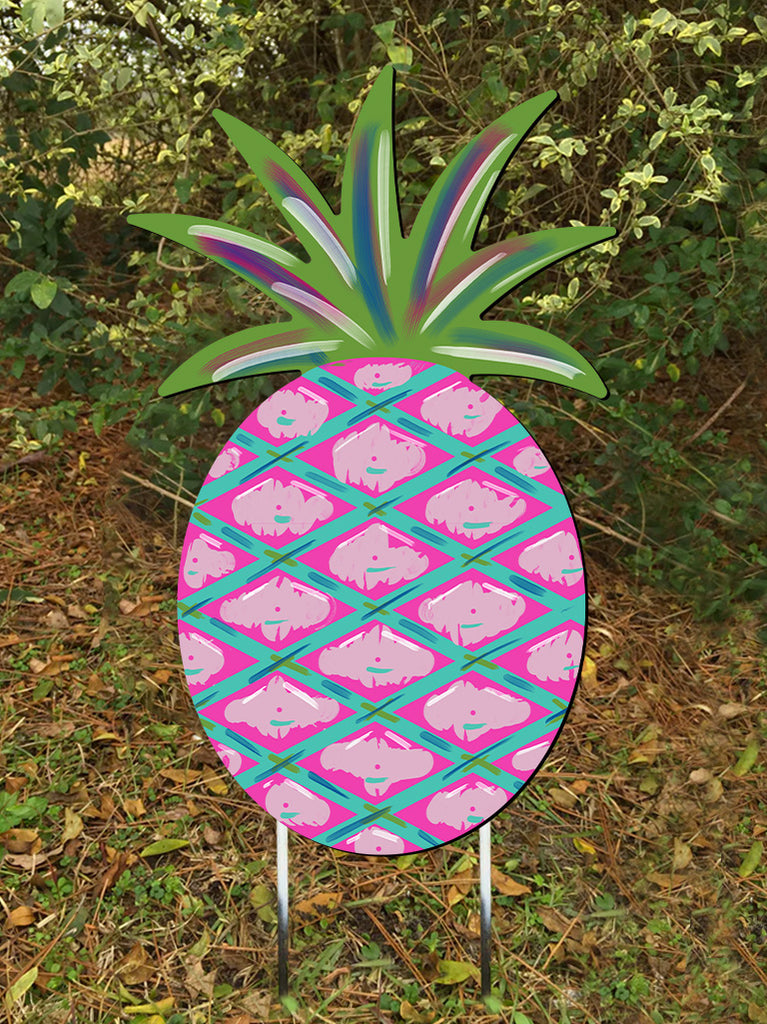
Customization Process for Precision Rubber Door Hangers
Suzhou Baoshida Trading Co., Ltd. executes a rigorous, four-stage customization protocol for industrial rubber components, exemplified by our engineered pineapple-pattern door hangers. This systematic approach ensures dimensional accuracy, material performance, and seamless scalability from concept to volume output, adhering strictly to OEM specifications and global quality standards.
The process initiates with Comprehensive Drawing Analysis. Our engineering team dissects client CAD files or technical sketches, focusing on critical geometric tolerances per ASME Y14.5, surface texture requirements (e.g., pineapple grip pattern depth), and functional interfaces. We validate draft angles, parting lines, and ejection points for moldability, identifying potential stress concentrations or undercuts. Material compatibility with end-use environments (indoor/outdoor, UV exposure, temperature ranges) is cross-referenced against initial client input. This phase prevents downstream rework by resolving ambiguities before formulation begins.
Precision Rubber Formulation follows, leveraging our 15+ years of compound expertise. Based on the validated drawing and application demands, we select base polymers and curatives. For standard indoor door hangers requiring resilience and cost efficiency, a natural rubber (NR) or styrene-butadiene rubber (SBR) compound dominates. Outdoor variants mandate EPDM for superior UV/ozone resistance, while commercial settings needing oil resistance utilize nitrile rubber (NBR). Hardness is meticulously targeted (typically Shore A 55-70 for ergonomic grip), with additives optimized for compression set resistance (<25% per ASTM D395 after 22h/70°C) and color stability. Every formulation undergoes internal rheometer and MDR testing to confirm cure kinetics.
Iterative Prototyping & Validation employs CNC-machined aluminum molds for 10-50 unit batches. Prototypes undergo dimensional inspection via CMM against the approved drawing, verifying critical features like base diameter and stem geometry. Functional testing includes repeated impact cycles (simulating door closure), grip force measurement, and accelerated aging per ASTM G154 for outdoor grades. Client feedback on physical samples drives compound or design refinements, ensuring the prototype meets all operational and aesthetic criteria prior to tooling commitment.
Controlled Mass Production commences only after formal client sign-off on the golden sample. We deploy hardened steel multi-cavity molds in high-tonnage hydraulic presses, operating under ISO 9001-certified procedures. In-line process monitoring tracks cure time, temperature, and pressure. Every production batch undergoes stringent AQL 1.0 level-II sampling for visual defects, dimensions, and hardness. Full material traceability—from raw polymer lot to finished hanger—is maintained, with comprehensive test reports (including tensile strength, elongation, and compression set) provided per shipment. This guarantees consistent, defect-free output at volumes from 10,000 to 1,000,000+ units.
Key Rubber Compound Specifications for Door Hangers
| Property | EPDM (Outdoor) | NBR (Commercial) | SBR/NR (Standard Indoor) |
|---|---|---|---|
| Hardness Range (Shore A) | 60 ± 5 | 65 ± 5 | 55 ± 5 |
| Tensile Strength (MPa) | ≥ 12.0 | ≥ 14.0 | ≥ 10.0 |
| Elongation at Break (%) | ≥ 300 | ≥ 250 | ≥ 350 |
| Compression Set (22h/70°C) | ≤ 20% | ≤ 25% | ≤ 25% |
| Temp. Range (°C) | -50 to +135 | -30 to +100 | -40 to +90 |
| Key Performance Focus | UV/Ozone Res. | Oil/Fat Res. | Cost Efficiency/Grip |
This disciplined workflow, anchored in material science and process control, eliminates guesswork, minimizes time-to-market, and delivers pineapple door hangers that consistently exceed OEM performance and durability expectations within the industrial rubber sector. Supply chain transparency and responsive engineering support remain integral throughout.
Contact Engineering Team
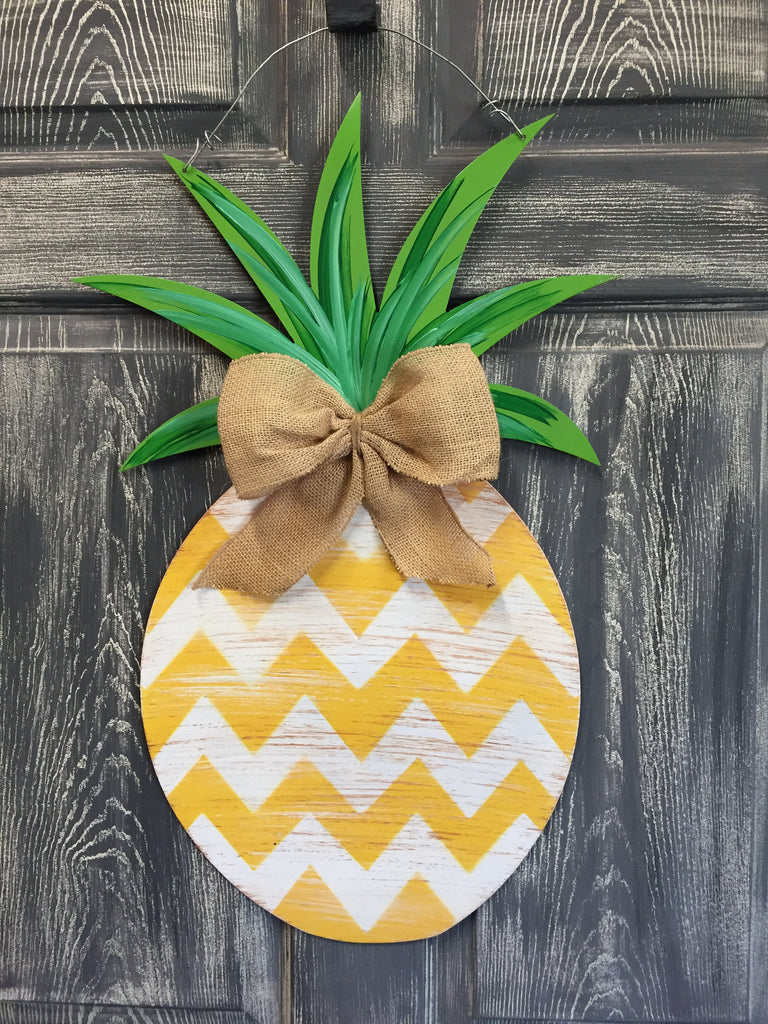
For industrial manufacturers seeking high-performance rubber components tailored to specialized applications, Suzhou Baoshida Trading Co., Ltd. stands as a trusted partner in precision rubber engineering. Our expertise in custom rubber formulation and OEM production has positioned us as a leader in delivering resilient, application-specific solutions across diverse sectors—including industrial hardware, automotive, construction, and facility management systems. One such innovation is our engineered rubber compound used in the production of the pineapple door hanger, a product that combines aesthetic design with functional durability. These door hangers are not merely decorative; they are engineered to withstand repeated mechanical stress, environmental exposure, and prolonged use in both indoor and outdoor conditions.
At Suzhou Baoshida, we approach every project with a scientific mindset. Our rubber formulations are developed using advanced polymer science, ensuring optimal elasticity, abrasion resistance, compression set performance, and thermal stability. Each compound is rigorously tested under simulated operational conditions to validate performance metrics before mass production. Whether the application demands resistance to UV degradation, ozone exposure, or extreme temperature fluctuations, our team ensures the final product meets or exceeds industry standards.
We specialize in small to medium batch customization, allowing OEM clients to refine product specifications without the burden of high minimum order quantities. Our in-house testing laboratory and close collaboration with raw material suppliers enable rapid prototyping and iterative development, reducing time-to-market for new products. Furthermore, our quality management system adheres to ISO 9001 standards, guaranteeing consistency, traceability, and compliance across all production runs.
For clients interested in the pineapple door hanger or similar rubber-based industrial components, we provide full technical documentation, material certifications, and performance data upon request. Our engineering team is available for direct consultation to discuss formulation adjustments, color matching, hardness optimization, and regulatory compliance.
Below are the typical technical specifications for the rubber compound used in our pineapple door hanger series:
| Property | Test Method | Value |
|---|---|---|
| Hardness (Shore A) | ASTM D2240 | 60 ± 5 |
| Tensile Strength | ASTM D412 | ≥ 10 MPa |
| Elongation at Break | ASTM D412 | ≥ 250% |
| Compression Set (22h at 70°C) | ASTM D395 | ≤ 20% |
| Temperature Range | — | -40°C to +100°C |
| Color Options | — | Custom (Pantone Matching Available) |
| Material Type | — | EPDM Rubber (UV & Ozone Resistant) |
Partnering with Suzhou Baoshida means gaining access to a vertically integrated supply chain, technical agility, and decades of industrial rubber experience. We invite manufacturers, distributors, and product designers to contact our OEM division for collaborative development opportunities.
For technical inquiries, sample requests, or project discussions, please reach out directly to Mr. Boyce, Rubber Formula Engineer and OEM Manager, via email at [email protected]. We respond to all inquiries within 24 business hours and are prepared to support global clients with shipping, documentation, and regulatory compliance. Let Suzhou Baoshida be your strategic partner in high-integrity rubber solutions.
⚖️ O-Ring Weight Calculator
Estimate rubber O-ring weight (Approx).