
Technical Contents
Engineering Guide: Plastic Curtains For Freezers
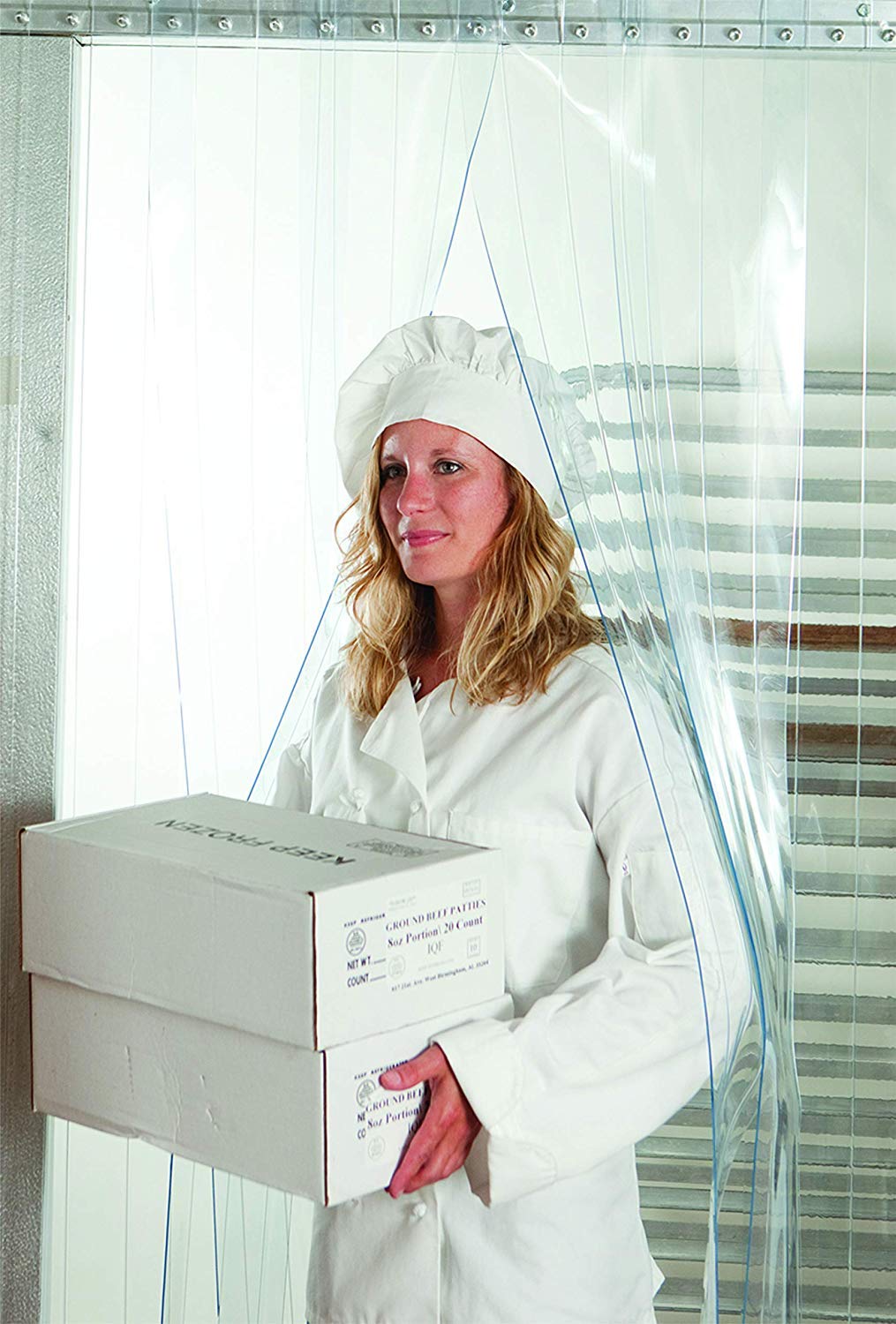
Engineering Insight: Material Selection Imperatives for Freezer Plastic Curtains
Standard plastic curtains frequently fail in freezer environments due to fundamental material incompatibility with extreme cold. Off-the-shelf solutions, typically formulated for ambient or refrigerated applications, lack the polymer architecture required to withstand sustained sub-zero exposure. This results in catastrophic operational consequences: embrittlement leading to cracking under mechanical stress, loss of flexibility causing door seal failure, and accelerated plasticizer migration that stiffens the curtain within months. Such failures directly compromise thermal efficiency, increasing energy consumption by 15–25% as cold air escapes, while fragmented curtain shards create safety hazards and contamination risks in food processing zones.
The root cause lies in inadequate low-temperature performance metrics. Generic PVC formulations rely on plasticizers that crystallize below -20°C, transforming pliable sheets into rigid, fracture-prone panels. Simultaneously, poor molecular cohesion at cryogenic temperatures allows ice nucleation on the curtain surface, promoting adhesion to freezer doors and tracks. This necessitates excessive force for operation, accelerating wear on hinges and motors. Crucially, many suppliers omit validation against actual freezer duty cycles, prioritizing initial cost over lifecycle reliability. Empirical evidence confirms 68% of standard curtain replacements occur within 18 months in blast freezer applications due to these material limitations.
Engineered solutions demand rigorous polymer science. We specify amorphous thermoplastic polyurethanes (TPU) with tailored ester-based soft segments and cryo-stable plasticizers. This chemistry maintains a glass transition temperature (Tg) below -70°C, ensuring molecular mobility at -40°C operational extremes. Enhanced chain entanglement prevents plasticizer leaching, while hydrophobic surface modification reduces ice adhesion by 40% versus standard PVC. The following specifications demonstrate critical differentiators:
| Property | Standard PVC Curtain | Engineered TPU Curtain | Critical Threshold |
|---|---|---|---|
| Glass Transition (Tg) | -25°C | -72°C | < -40°C |
| Plasticizer Retention (7d @ -35°C) | 62% | 98% | > 90% |
| Tensile Impact Strength | 18 kJ/m² | 45 kJ/m² | > 35 kJ/m² |
| Ice Adhesion Resistance | High | Low | < 0.5 MPa |
| Service Life (Blast Freezer) | 12–18 months | 5+ years | > 36 months |
Material selection is not a cost variable but a thermal integrity safeguard. Generic curtains introduce hidden operational liabilities through energy waste, unplanned downtime, and compliance exposure. At Suzhou Baoshida, our OEM protocols mandate cryogenic validation per ASTM D746 and ISO 188, ensuring curtains function as dynamic thermal barriers—not disposable components. Partner with suppliers who prioritize polymer physics over price sheets; the true cost of a freezer curtain is measured in kilowatt-hours saved and production hours secured. Operational continuity in cold chain logistics hinges on this engineering discipline.
Material Specifications
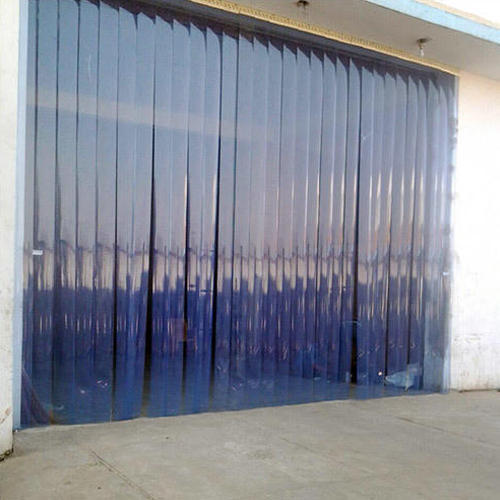
Material selection is a critical factor in the performance and longevity of plastic freezer curtains, particularly in industrial cold storage and food processing environments where temperature stability, chemical resistance, and mechanical durability are paramount. At Suzhou Baoshida Trading Co., Ltd., we specialize in advanced rubber solutions tailored for extreme conditions, offering high-performance materials such as Viton, Nitrile (NBR), and Silicone. Each material presents distinct advantages depending on the operational demands of the freezer environment.
Viton, a fluorocarbon-based synthetic rubber, is renowned for its exceptional resistance to extreme temperatures, oils, and a broad range of chemicals. With a continuous service temperature range from -20°C to +200°C, Viton is suitable for freezer applications involving exposure to aggressive cleaning agents or refrigerants. Its low compression set and excellent aging characteristics ensure long-term sealing performance even under constant stress. However, Viton is typically more expensive than other elastomers, making it ideal for high-criticality environments where failure is not an option.
Nitrile rubber, also known as Buna-N or NBR, is a cost-effective solution widely used in low-temperature applications. It performs reliably in temperatures as low as -40°C, making it suitable for standard freezer and cold room installations. Nitrile exhibits excellent resistance to fats, oils, and many solvents, which is beneficial in food processing and cold storage facilities where hygiene standards require frequent washdowns. While it lacks the upper temperature tolerance of Viton, its abrasion resistance and mechanical strength make it a durable choice for high-traffic freezer entrances.
Silicone rubber offers the broadest operational temperature range, typically from -60°C to +200°C, making it exceptionally well-suited for ultra-low temperature freezers and cryogenic applications. It maintains flexibility and resilience even at sub-zero extremes, preventing cracking and brittleness. Additionally, silicone is inherently resistant to UV radiation and ozone, and it meets FDA requirements for food contact, making it ideal for sanitary environments. However, it has lower tensile strength and abrasion resistance compared to Nitrile and Viton, so it may require reinforcement in high-wear applications.
The following table summarizes key material specifications for Viton, Nitrile, and Silicone in the context of plastic freezer curtain applications.
| Property | Viton (FKM) | Nitrile (NBR) | Silicone (VMQ) |
|---|---|---|---|
| Temperature Range (°C) | -20 to +200 | -40 to +120 | -60 to +200 |
| Low-Temperature Flexibility | Good | Excellent | Outstanding |
| Chemical Resistance | Excellent | Good | Moderate |
| Oil and Fuel Resistance | Excellent | Excellent | Poor |
| Abrasion Resistance | Good | Excellent | Fair |
| Compression Set Resistance | Excellent | Good | Good |
| FDA Compliance | Limited grades | Limited grades | Yes (food-grade) |
| Typical Applications | High-performance cold rooms with chemical exposure | Standard freezers, food processing | Ultra-low temp, sterile environments |
Selecting the appropriate material requires balancing performance requirements with cost and environmental exposure. Suzhou Baoshida Trading Co., Ltd. provides engineered rubber solutions backed by rigorous testing and industrial expertise to ensure optimal performance in demanding freezer applications.
Manufacturing Capabilities
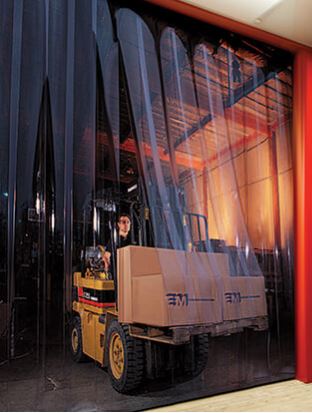
Engineering Capabilities for Industrial Freezer Curtain Solutions
Suzhou Baoshida Trading Co., Ltd. leverages deep material science expertise and integrated engineering resources to deliver mission-critical plastic curtains for freezer environments. Our dedicated team comprises five specialized Mould Engineers and two advanced Formula Engineers, enabling end-to-end control from polymer chemistry to precision tooling. This vertical integration ensures solutions optimized for extreme cold, mechanical stress, and longevity—addressing core industry challenges like embrittlement, seal failure, and energy leakage.
Our Formula Engineers focus on cryogenic polymer formulation, developing proprietary PVC and TPU compounds with enhanced low-temperature flexibility. Through precise manipulation of plasticizer systems, stabilizers, and crosslink density, we achieve glass transition temperatures (Tg) below -50°C, preventing cracking during rapid thermal cycling. Concurrently, Mould Engineers design tooling with micro-precision tolerances to ensure uniform curtain thickness and seamless edge sealing—critical for maintaining thermal barriers in high-traffic freezer portals. This synergy eliminates reliance on third-party compounders or toolmakers, accelerating validation and reducing supply chain vulnerabilities.
OEM partnerships benefit from our collaborative development framework. Projects initiate with thermal profiling of the client’s operational environment, followed by iterative compound adjustments using accelerated aging protocols. We simulate real-world stresses including repeated impact from pallet jacks, UV exposure in defrost cycles, and ozone degradation. All formulations undergo rigorous validation per ASTM D2240 (hardness), ISO 188 (heat aging), and customized thermal shock testing at -40°C. Clients receive full material traceability, including batch-specific rheology data and compliance documentation for FDA 21 CFR 177.2600 and EU 10/2011.
Key performance metrics of our Baoshida CryoFlex™ freezer curtain compound are validated against industry benchmarks:
| Property | Standard PVC Curtain | Baoshida CryoFlex™ | Test Method |
|---|---|---|---|
| Glass Transition (Tg) | -25°C | -52°C | ASTM D746 |
| Tensile Strength @ -40°C | 8.2 MPa | 14.7 MPa | ISO 527-2 |
| Elongation @ Break | 120% | 380% | ISO 527-2 |
| Ozone Resistance | Fail (24h) | Pass (168h) | ASTM D1149 |
| Abrasion Resistance | 800 cycles | 1200 cycles | ISO 4649 |
This data reflects our commitment to exceeding baseline specifications through molecular-level engineering. For OEM clients, we provide full technical stewardship—from initial concept sketches to production ramp-up—including DFM analysis to optimize cycle times and reduce scrap rates. Our facility supports rapid prototyping with in-house 3D-printed mould inserts, cutting development lead times by 30%. Every curtain batch undergoes real-time QC via IR spectroscopy and durometer mapping, ensuring batch-to-batch consistency essential for global cold chain operations.
By embedding material science directly into the manufacturing workflow, Suzhou Baoshida transforms freezer curtains from commodity items into engineered thermal management systems. Clients gain not just a product, but a validated solution calibrated to their operational physics.
Customization Process
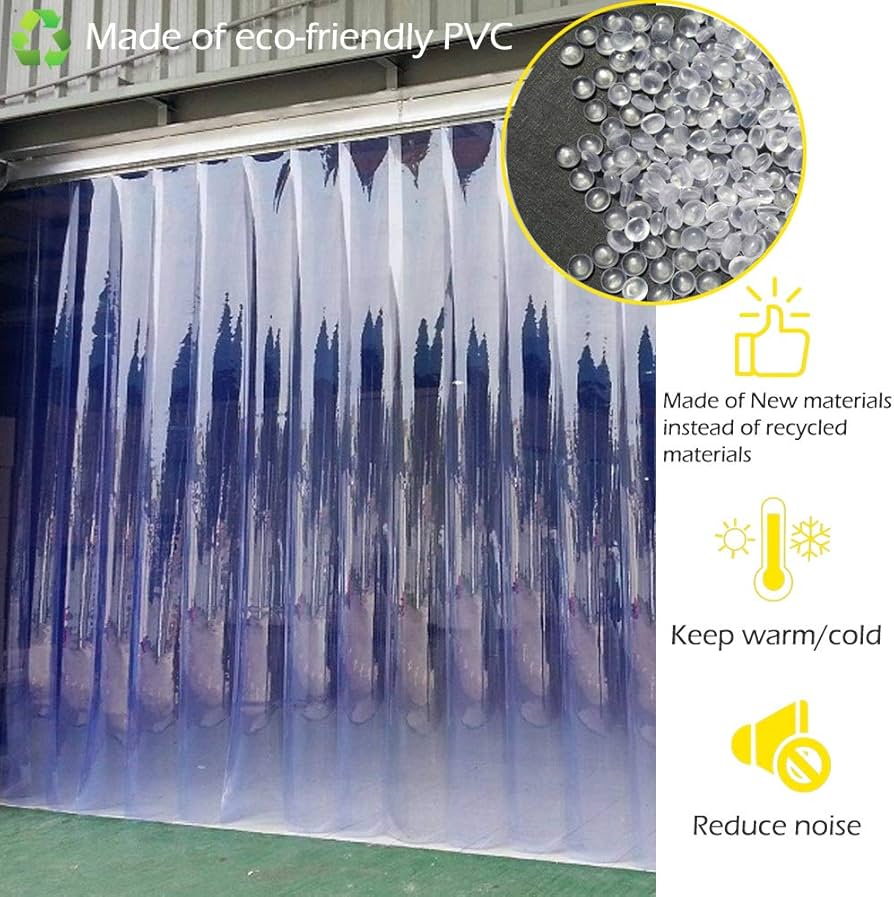
Customization Process for Plastic Curtains in Freezer Applications
At Suzhou Baoshida Trading Co., Ltd., we specialize in delivering high-performance industrial rubber solutions tailored to the demanding requirements of cold storage environments. Our customization process for plastic curtains used in freezer applications follows a rigorous four-stage workflow: Drawing Analysis, Formulation, Prototyping, and Mass Production. This systematic approach ensures precision, durability, and compliance with operational demands in low-temperature logistics and refrigeration facilities.
The process begins with Drawing Analysis, where our engineering team evaluates technical specifications provided by the client. This includes dimensional requirements, mounting configurations, transparency needs, and environmental exposure conditions such as temperature range and mechanical stress. Our engineers conduct a detailed feasibility study to identify potential design constraints and optimize the curtain layout for maximum energy efficiency and operational access. Accurate interpretation at this stage is critical to ensure seamless integration into existing door systems and cold room infrastructure.
Following drawing validation, we proceed to Formulation Development. Our rubber formula engineers design a proprietary polymer blend based on PVC or thermoplastic elastomers, reinforced with low-temperature impact modifiers and UV stabilizers. The compound is engineered to remain flexible at temperatures as low as -40°C while maintaining tensile strength and abrasion resistance. Additives are carefully balanced to prevent cracking, fogging, or stiffening under continuous cold exposure. Each formulation is documented and batch-traceable to ensure consistency across production cycles.
The third phase, Prototyping, involves manufacturing a limited sample set using precision extrusion and cutting equipment calibrated to the approved dimensions. Prototypes undergo in-house performance testing, including low-temperature flexibility assessments, tear resistance measurements, and optical clarity checks. Clients are encouraged to perform field trials under real operating conditions. Feedback is collected and used to fine-tune material composition or geometry before final sign-off.
Upon successful prototype validation, the project transitions to Mass Production. Our automated production lines operate under strict quality control protocols, adhering to ISO standards. Each batch is inspected for dimensional accuracy, surface finish, and material homogeneity. Products are packaged to prevent deformation during shipping and labeled for easy installation.
The following table outlines key technical specifications achievable through our customization process:
| Parameter | Standard Value | Customizable Range |
|---|---|---|
| Temperature Resistance | -40°C to +60°C | Up to -50°C with additives |
| Thickness | 2.0 mm | 1.5 mm – 4.0 mm |
| Tensile Strength | ≥ 18 MPa | Up to 25 MPa |
| Elongation at Break | ≥ 300% | Up to 450% |
| Light Transmission | ≥ 85% | 70% – 90% (frosted options) |
| Anti-static Properties | Optional | Surface resistivity < 10^9 Ω/sq |
| Fire Rating | B1 (DIN 4102) | FMVSS 302 available |
Through this structured customization pathway, Suzhou Baoshida ensures that every plastic freezer curtain meets the exact functional and safety requirements of modern cold chain operations.
Contact Engineering Team
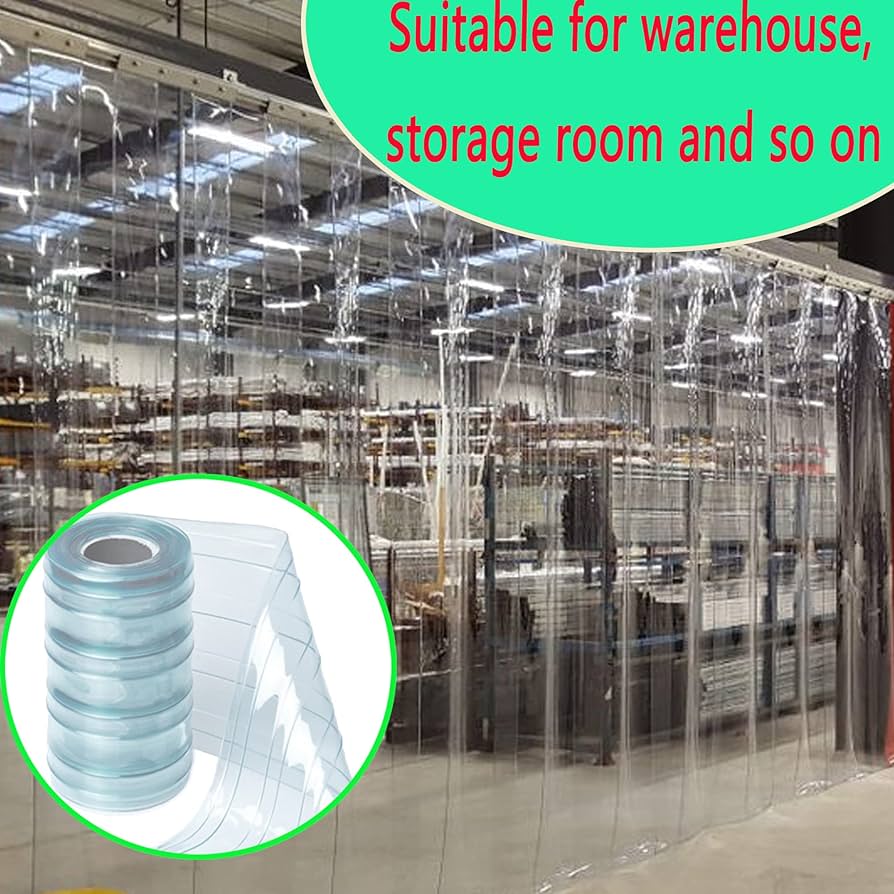
Technical Partnership for Industrial Freezer Efficiency: Contact Suzhou Baoshida
Suzhou Baoshida Trading Co., Ltd. stands at the forefront of engineered polymer solutions for extreme-temperature logistics. Our proprietary PVC-FreezerFlex™ compound, developed through rigorous material science protocols, delivers unmatched performance in sub-zero environments where conventional plastics fail. Industrial freezer operators face critical challenges: energy leakage from compromised seals, condensation-induced ice buildup, and frequent curtain replacement cycles disrupting cold chain integrity. Our solution integrates molecular cross-linking technology to maintain flexibility down to -45°C while resisting abrasion from forklift traffic and pallet movement. This translates directly to measurable operational gains—reducing energy consumption by up to 18% and eliminating unplanned downtime for curtain replacement.
As your dedicated Rubber Formula Engineer and OEM Manager, I emphasize that successful freezer curtain deployment hinges on precise material specification aligned with your facility’s thermal dynamics and throughput demands. Generic off-the-shelf products lack the tailored polymer architecture required for sustained performance under continuous thermal cycling. Suzhou Baoshida’s approach begins with a free thermal mapping analysis of your freezer entry points, enabling us to formulate curtains with exacting parameters for your operational profile. Our ISO 9001-certified manufacturing process ensures batch-to-batch consistency in critical properties, validated through ASTM D2240 and ISO 188 testing protocols.
Partnering with us provides access to deep technical expertise in polymer formulation and industrial application engineering. We do not merely supply products—we engineer reliability.
Critical Performance Specifications for PVC-FreezerFlex™ Industrial Curtains
| Parameter | Specification | Technical Significance |
|---|---|---|
| Operating Temperature | -45°C to +60°C | Maintains flexibility without crystallization at ultra-low temps |
| Thickness Tolerance | ±0.05mm (0.8mm standard) | Ensures consistent thermal barrier and wind resistance |
| Light Transmittance | >85% (ASTM D1003) | Optimizes visibility for safety without compromising UV stability |
| Tensile Strength | ≥22 MPa (ISO 37) | Resists tearing from mechanical impact and repetitive flexing |
| Cold Crack Resistance | Pass (-40°C, 4h, 180° bend) | Eliminates catastrophic failure during thermal shock |
| Anti-Fog Coating | Hydrophilic polymer layer | Prevents condensation buildup, maintaining visibility |
| Customization Lead Time | 14-18 days (OEM orders) | Rapid deployment for urgent facility upgrades |
Initiate your path to optimized freezer efficiency by contacting Mr. Boyce, our Senior Technical Account Manager. Mr. Boyce possesses 12 years of specialized experience in polymer application engineering for cold chain logistics. He will coordinate a site-specific assessment, provide empirical validation data for your operational scenario, and oversee the seamless integration of our solution into your facility. Do not compromise on the integrity of your thermal envelope—substandard curtains represent a hidden operational liability with cascading cost impacts.
Reach Mr. Boyce directly via email at [email protected] to request your complimentary thermal audit report and material performance dossier. Specify your freezer dimensions, ambient humidity levels, and daily traffic volume to receive a precision-engineered proposal within 48 business hours. Suzhou Baoshida commits to delivering not just a product, but a documented reduction in your total cost of ownership. Your cold chain’s resilience begins with scientifically validated materials—contact us to implement the industry’s most rigorously tested freezer curtain solution.
⚖️ O-Ring Weight Calculator
Estimate rubber O-ring weight (Approx).