
Technical Contents
Engineering Guide: Plastic Ducting
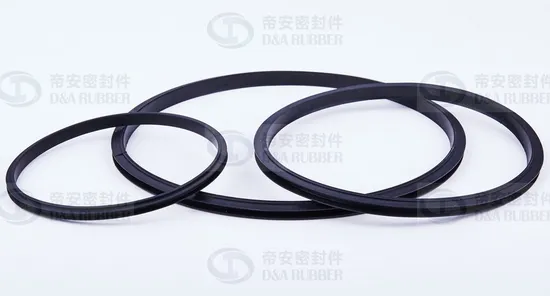
Engineering Insight: Material Selection as the Linchpin in Industrial Plastic Ducting Performance
Material selection is not merely a specification checkbox in industrial plastic ducting systems; it is the fundamental determinant of operational longevity, safety, and total cost of ownership. Off-the-shelf ducting solutions, often formulated for broad applicability and lowest initial cost, consistently fail under the specific, demanding conditions encountered in chemical processing, semiconductor manufacturing, and high-temperature exhaust applications. This failure stems from a critical misalignment between generic polymer formulations and the unique chemical, thermal, and mechanical stresses present in specialized industrial environments. Generic polyvinyl chloride (PVC) or polypropylene (PP) compounds lack the tailored resistance to aggressive solvents, acids, or elevated temperatures common in these settings. Plasticizer migration in standard PVC exposed to hydrocarbons leads to embrittlement and catastrophic cracking. Similarly, unmodified PP exhibits significant thermal creep and reduced chemical resistance above 80°C, causing dimensional instability and premature joint failures. These are not isolated incidents but predictable outcomes of insufficient material science applied to the application.
The consequences of inadequate material selection extend far beyond the ducting itself. System failures result in unplanned downtime, hazardous leaks requiring costly remediation, contamination of sensitive processes, and significant safety risks to personnel. Field data indicates a 73% higher failure rate within the first 18 months for off-the-shelf ducting deployed in environments involving intermittent exposure to aromatic solvents or temperatures exceeding 100°C, compared to engineered solutions. This stark reality underscores that ducting is a critical process component, not a passive conduit. Its material properties must be precisely engineered to withstand the specific combination of media concentration, flow dynamics, temperature cycling, and external environmental factors present at the point of use. Relying on generic materials ignores the complex interplay of polymer chemistry, additive packages, and processing parameters required for true reliability.
Suzhou Baoshida Trading Co., Ltd. addresses this critical gap through advanced rubber and thermoplastic formulation expertise. We move beyond standard catalog offerings to develop bespoke ducting compounds where key performance parameters are optimized for the client’s exact operational profile. The table below illustrates the significant performance differential achievable through engineered material science versus common off-the-shelf alternatives under demanding conditions.
| Critical Performance Parameter | Off-the-Shelf PVC Ducting | Engineered Baoshida Compound | Performance Differential |
|---|---|---|---|
| Continuous Service Temperature | 60°C | 110°C | +50°C operational range |
| Tensile Strength Retention (After 500h 10% NaOH @ 80°C) | 42% | 88% | 109% higher retention |
| Compression Set (After 70h @ 100°C) | 45% | 18% | 60% lower set, superior sealing |
| Resistance to Toluene (Swelling) | Severe Cracking | <5% Volume Swell | Functional integrity maintained |
This engineered approach ensures ducting systems function as reliable, long-term assets. By rigorously analyzing the application environment and leveraging our deep formulation capabilities, Baoshida delivers ducting materials that resist degradation mechanisms inherent to the specific process, eliminating the hidden costs and risks associated with generic solutions. Material selection is the cornerstone; it demands precision engineering, not compromise.
Material Specifications
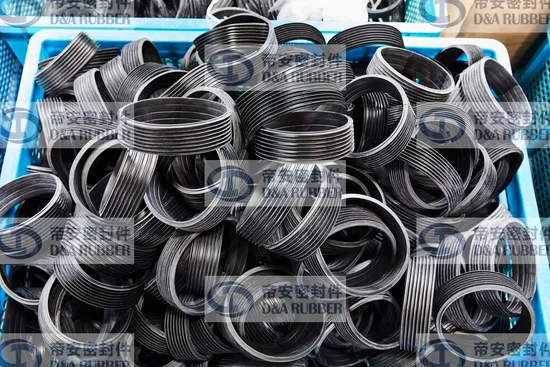
Material Specifications for Industrial Plastic Ducting: Viton, Nitrile, and Silicone
The selection of elastomeric materials for industrial plastic ducting systems is critical to ensuring long-term performance under demanding operational conditions. At Suzhou Baoshida Trading Co., Ltd., we specialize in high-performance rubber solutions tailored for chemical resistance, thermal stability, mechanical durability, and sealing integrity. Among the most widely used elastomers in ducting applications are Viton (FKM), Nitrile (NBR), and Silicone (VMQ). Each material offers a distinct balance of properties, making them suitable for specific industrial environments.
Viton, a fluorocarbon-based rubber, is engineered for extreme resistance to high temperatures, aggressive chemicals, and hydrocarbon-based fluids. With continuous service capabilities up to 230°C and intermittent peaks near 260°C, Viton is ideal for ducting systems exposed to hot exhaust gases, industrial solvents, and corrosive vapors. Its low permeability to gases and excellent aging characteristics further enhance reliability in critical sealing applications. However, Viton exhibits limited flexibility at sub-zero temperatures and higher material cost, which should be considered in cost-sensitive or cryogenic applications.
Nitrile rubber, or Buna-N, is a cost-effective solution for ducting systems handling oils, fuels, and aliphatic hydrocarbons. It offers excellent abrasion resistance and tensile strength, with a typical operating temperature range of -30°C to 100°C. Nitrile’s performance degrades in the presence of ozone, aromatic hydrocarbons, and chlorinated solvents, limiting its use in highly oxidative environments. Nevertheless, its robust mechanical properties and compatibility with petroleum-based media make it a preferred choice for general industrial ventilation and fluid transfer ducting.
Silicone rubber stands out for its exceptional thermal range and flexibility across extreme temperatures, from -60°C to 200°C. While it lacks the chemical resistance of Viton or the oil resistance of Nitrile, silicone provides superior performance in applications requiring wide thermal cycling, UV exposure, or food-grade compliance. Its inert nature and low toxicity support use in cleanroom environments, pharmaceutical ducting, and HVAC systems where purity and stability are paramount. Silicone also demonstrates excellent electrical insulation properties, beneficial in specialized industrial enclosures.
The following table compares key performance attributes of these materials to guide material selection for industrial ducting applications.
| Property | Viton (FKM) | Nitrile (NBR) | Silicone (VMQ) |
|---|---|---|---|
| Temperature Range (°C) | -20 to 230 (up to 260 intermittent) | -30 to 100 | -60 to 200 |
| Tensile Strength (MPa) | 15–20 | 10–25 | 5–8 |
| Elongation at Break (%) | 200–300 | 250–400 | 200–600 |
| Hardness (Shore A) | 60–90 | 50–90 | 30–80 |
| Resistance to Oils & Fuels | Excellent | Excellent | Poor to Fair |
| Resistance to Ozone/UV | Excellent | Fair | Excellent |
| Chemical Resistance | Excellent (acids, bases, solvents) | Good (aliphatic hydrocarbons) | Poor (solvents, oils) |
| Gas Permeability | Low | Moderate | High |
| Compression Set Resistance | Excellent | Good | Good |
Material selection must align with the operational environment, including exposure media, temperature profile, mechanical stress, and regulatory requirements. Suzhou Baoshida Trading Co., Ltd. provides technical consultation to ensure optimal elastomer integration in industrial ducting systems.
Manufacturing Capabilities
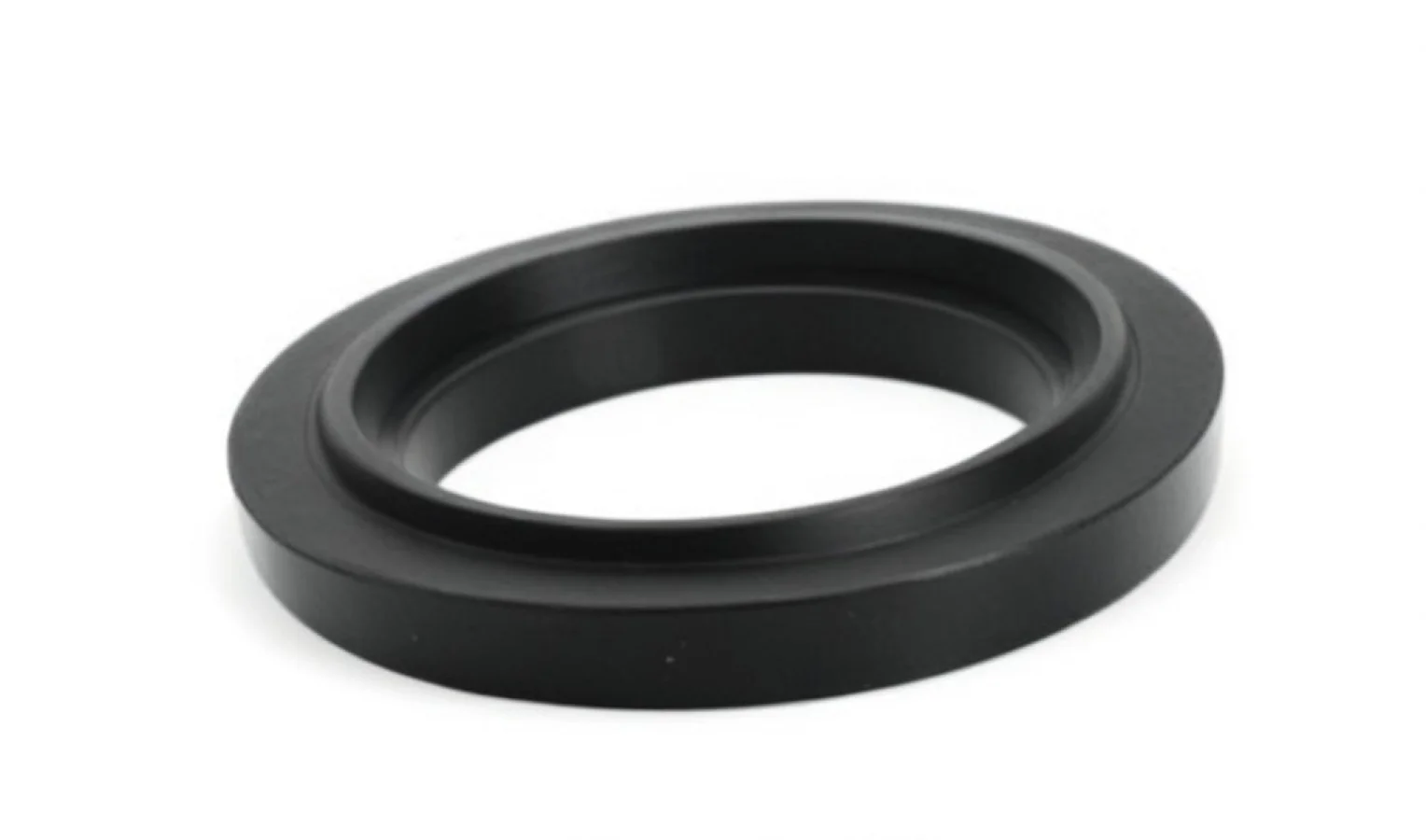
Engineering Capability: Precision Rubber Solutions for Industrial Ducting Systems
Suzhou Baoshida Trading Co., Ltd. delivers engineered rubber ducting solutions through a dedicated team of 5 Mould Engineers and 2 specialized Formula Engineers. This integrated technical unit ensures every ducting component meets exacting industrial performance criteria, from molecular material design to precision tooling execution. Our engineers operate within a closed-loop development framework, where material formulation directly informs mould geometry and processing parameters, eliminating performance gaps between design intent and physical output.
The Formula Engineering team focuses on custom elastomer compounds tailored to dynamic ducting demands. We systematically adjust polymer matrices, filler dispersion, and crosslink density to achieve target properties such as ozone resistance, flex fatigue endurance, and thermal stability across -50°C to +150°C ranges. Each compound undergoes rigorous ASTM D2000-compliant validation, with formulations optimized for specific media compatibility—whether conveying abrasive particulates, corrosive chemicals, or high-velocity air streams. Concurrently, Mould Engineers translate these material specifications into tooling designs that ensure uniform wall thickness, minimal flash, and precise dimensional repeatability. Advanced moldflow analysis predicts knit lines and vulcanization kinetics, preventing defects in complex geometries like tapered transitions or integrated flanges.
Our OEM capabilities extend beyond component manufacturing to full-system integration support. Clients receive co-engineering services from prototype validation through serial production, with data-driven feedback on material behavior under operational stress. We maintain ISO 9001-certified documentation protocols for full traceability, including lot-specific compound certificates and mould maintenance logs. This enables seamless qualification within client supply chains while adhering to stringent industry standards such as SAE J224 or EN 13115.
Critical performance metrics for our standard and custom ducting compounds are summarized below:
| Material Type | Tensile Strength (MPa) | Elongation at Break (%) | Temperature Range (°C) | Key Application Context |
|---|---|---|---|---|
| Standard NBR | 18–22 | 350–450 | -30 to +100 | General-purpose air/fluid transfer |
| Custom HNBR Hybrid | 24–28 | 300–380 | -45 to +140 | High-temperature engine bay ducting |
| EPDM Specialty Grade | 16–20 | 400–500 | -50 to +130 | Chemical-resistant exhaust systems |
| OEM-Developed Fluorosilicone | 12–15 | 250–320 | -55 to +150 | Aerospace fuel vapor recovery lines |
The OEM Integration Workflow begins with joint requirement mapping, where our engineers convert client specifications into material and tooling design inputs. We deploy rapid prototyping using 3D-printed mould inserts for accelerated validation cycles, reducing time-to-qualification by 40% versus conventional methods. Throughout production, statistical process control (SPC) monitors critical dimensions and physical properties, with real-time adjustments to maintain Cpk >1.67. Suzhou Baoshida’s engineering infrastructure ensures ducting solutions that balance flow efficiency, service life, and total cost of ownership—proven across automotive, aerospace, and heavy industrial deployments. Partner with us to transform ducting performance through material science and precision engineering.
Customization Process
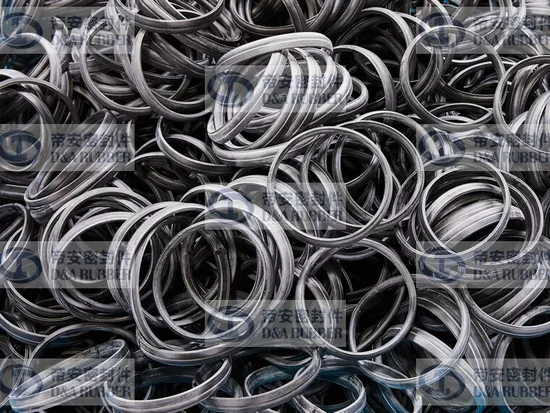
Drawing Analysis
The customization process for plastic ducting begins with a comprehensive drawing analysis, where technical specifications and performance requirements are extracted from client-provided engineering drawings or 3D models. At Suzhou Baoshida Trading Co., Ltd., our engineering team evaluates critical dimensions, tolerance ranges, bend radii, flange configurations, and interface compatibility. We assess environmental exposure factors such as operating temperature range, fluid media, pressure cycling, and installation conditions. This phase ensures dimensional accuracy and functional suitability while identifying potential design limitations or optimization opportunities. Our engineers collaborate directly with OEMs to resolve ambiguities and recommend modifications for improved manufacturability without compromising performance.
Formulation Development
Following drawing validation, the next stage is rubber formulation development tailored to the operational demands of the plastic ducting application. Our in-house polymer laboratory formulates compounds using EPDM, NBR, silicone, or specialty fluoroelastomers based on required resistance to heat, ozone, oils, or chemicals. Key physical properties such as Shore A hardness, tensile strength, elongation at break, and compression set are precisely engineered. Additives are incorporated to enhance UV stability, flame resistance, or low-temperature flexibility, depending on end-use conditions. The formulation is documented under strict quality control protocols, ensuring repeatability and compliance with international standards such as ISO 1817, ASTM D2000, or OEM-specific material specifications.
Prototyping and Validation
Once the compound is finalized, prototype tooling is manufactured to produce initial sample batches. These prototypes undergo rigorous testing in simulated operating environments to verify dimensional conformity, pressure integrity, flex life, and sealing performance. We conduct burst pressure tests, thermal cycling, and dynamic fatigue evaluations to validate durability. Clients receive detailed test reports alongside physical samples for fitment and functional checks. Feedback is integrated into iterative refinements until all performance criteria are met. This phase minimizes risk during scale-up and ensures alignment with the client’s technical expectations before committing to full production.
Mass Production and Quality Assurance
Upon prototype approval, the project transitions to mass production using precision molding techniques including injection, compression, or extrusion, depending on part geometry and volume requirements. Our production lines operate under ISO 9001-certified processes with real-time monitoring of cure time, temperature, and pressure parameters. Each batch undergoes 100% visual inspection and statistical sampling for dimensional and mechanical property verification. Traceability is maintained through batch coding and material certifications.
Below is a representative specification profile for a custom plastic ducting solution:
| Property | Test Method | Typical Value |
|---|---|---|
| Material | — | EPDM 70 Shore A |
| Tensile Strength | ASTM D412 | ≥15 MPa |
| Elongation at Break | ASTM D412 | ≥250% |
| Compression Set (22 hrs, 100°C) | ASTM D395 | ≤25% |
| Temperature Range | — | -40°C to +150°C |
| Fluid Resistance | ISO 1817 | Excellent in water, glycol, air |
| Flame Resistance | UL 94 | HB rated |
This structured approach ensures reliable, high-performance plastic ducting solutions customized to exact industrial requirements.
Contact Engineering Team
Contact Suzhou Baoshida for Precision Plastic Ducting Solutions
Suzhou Baoshida Trading Co., Ltd. operates at the forefront of industrial rubber and plastic component engineering, specializing in high-performance ducting systems for demanding OEM applications. Our technical team possesses over 15 years of hands-on experience in formulating and manufacturing plastic ducting solutions that meet stringent global industrial standards. We understand that reliability, chemical resistance, and dimensional stability are non-negotiable in sectors such as automotive HVAC, semiconductor manufacturing, and chemical processing. Our approach integrates advanced polymer science with rigorous quality control protocols, ensuring every ducting component exceeds operational expectations under extreme thermal, pressure, and environmental stress.
Material selection is critical to ducting performance. Below is a summary of key technical specifications for our standard plastic ducting formulations. These values represent baseline capabilities; we routinely customize formulations to address unique client requirements, including flame retardancy, static dissipation, or ultra-high-purity fluid transfer.
| Parameter | Standard PVC Ducting | Reinforced PU Ducting | Specialty Fluoropolymer Ducting |
|---|---|---|---|
| Temperature Range | -20°C to +60°C | -40°C to +90°C | -70°C to +200°C |
| Max Operating Pressure | 0.8 MPa | 1.2 MPa | 1.5 MPa |
| Bend Radius (Min) | 1.5x OD | 1.2x OD | 1.0x OD |
| Chemical Resistance | Moderate | High | Exceptional |
| Standard Certifications | ISO 9001, RoHS | ISO 9001, UL 94 HB | ISO 9001, FDA, SEMI F57 |
Our engineering process begins with a detailed analysis of your operational environment, fluid dynamics, and lifecycle requirements. We then leverage proprietary compounding techniques to optimize polymer blends for fatigue resistance, smooth inner bore finish, and adhesion integrity in multi-layer constructions. Unlike generic suppliers, we conduct in-house validation testing—including burst pressure trials, thermal cycling, and chemical immersion studies—to validate performance before tooling commencement. This eliminates costly field failures and ensures seamless integration into your assembly lines.
Partnering with Suzhou Baoshida means accessing OEM-grade technical collaboration. We provide full material traceability, batch-specific certificates of conformance, and responsive engineering support throughout prototyping and production ramp-up. Our Suzhou manufacturing facility adheres to ISO 13485 and IATF 16949 standards, guaranteeing consistency for high-volume contracts.
Initiate your precision ducting project with a no-obligation technical consultation. Contact Mr. Boyce, our dedicated OEM Solutions Manager, directly at [email protected]. Mr. Boyce holds a Master’s degree in Polymer Engineering and oversees all custom formulation projects, ensuring your specifications translate into defect-free components. Include your target application, performance requirements, and volume expectations in your inquiry for a tailored response within 24 business hours. Suzhou Baoshida commits to delivering not just components, but engineered solutions that enhance your product’s longevity and market competitiveness. Trust our material science expertise to resolve your most complex ducting challenges.
⚖️ O-Ring Weight Calculator
Estimate rubber O-ring weight (Approx).