
Technical Contents
Engineering Guide: Plastic Pvc Board
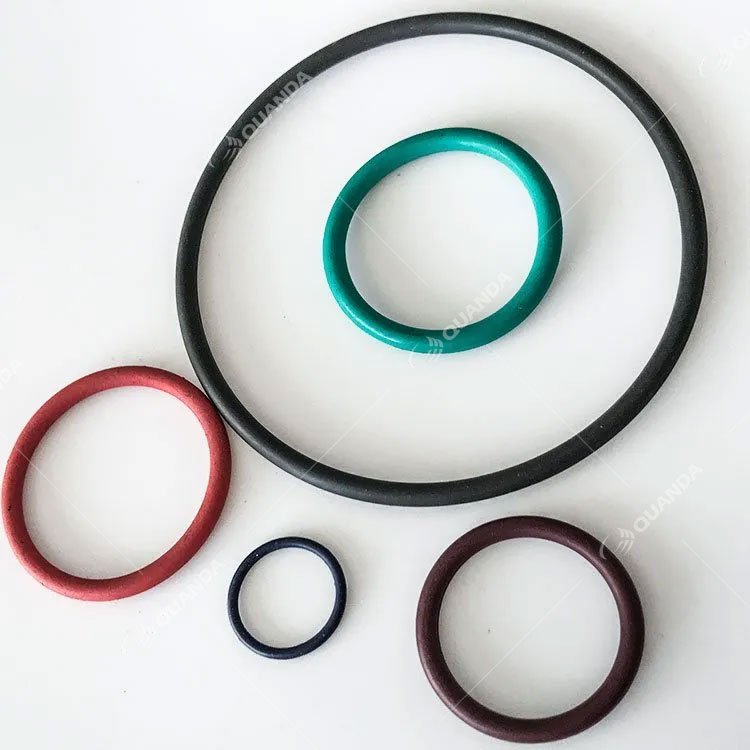
Engineering Insight: The Critical Role of Material Selection in Plastic PVC Board Applications
In industrial environments where performance, durability, and chemical resistance are non-negotiable, the selection of plastic PVC board materials cannot be treated as a commodity decision. Off-the-shelf PVC boards, while readily available and often cost-attractive, frequently fail to meet the rigorous demands of specialized manufacturing, chemical containment, or high-stress structural applications. These failures stem not from inherent flaws in PVC as a polymer, but from inappropriate material formulation and processing methods that disregard application-specific engineering parameters.
Polyvinyl chloride (PVC) exists in multiple formulations—rigid (RPVC), flexible, and chlorinated (CPVC)—each exhibiting distinct mechanical, thermal, and chemical behaviors. Standard-grade rigid PVC boards, commonly used in signage or light-duty construction, lack the reinforcing additives, UV stabilizers, and controlled molecular weight distribution required for industrial service. When deployed in aggressive environments—such as chemical processing enclosures, cleanroom partitions, or electrical insulation panels—these generic materials degrade prematurely due to plasticizer migration, hydrolytic breakdown, or thermal deformation.
The root cause of failure lies in the absence of engineered compounding. At Suzhou Baoshida Trading Co., Ltd., we emphasize that true industrial-grade PVC board must be formulated with precision. This includes controlled filler loading (e.g., calcium carbonate or titanium dioxide for opacity and stiffness), impact modifiers for fracture resistance, and thermal stabilizers to prevent degradation during both service and fabrication. Additionally, processing conditions—such as extrusion temperature profiles and cooling rates—directly influence crystallinity and internal stress, which in turn affect long-term dimensional stability and creep resistance.
A critical oversight in off-the-shelf procurement is the assumption of uniformity across suppliers. In reality, batch-to-batch variability in recycled content, pigment dispersion, and wall thickness tolerance can compromise sealing integrity, mounting accuracy, and regulatory compliance. For OEMs integrating PVC boards into sealed systems or safety-critical housings, such inconsistencies introduce unacceptable risk.
To illustrate the performance gap, consider the comparative specifications below between standard commercial PVC board and engineered industrial-grade PVC board:
| Property | Standard PVC Board | Engineered Industrial PVC Board |
|---|---|---|
| Tensile Strength (MPa) | 40–45 | 55–62 |
| Heat Distortion Temperature (°C) | 60–65 | 85–95 |
| Chemical Resistance (HCl 10%, 24h) | Moderate swelling | No visible change |
| Impact Strength (kJ/m², notched) | 2.5–3.0 | 6.0–7.5 |
| Dimensional Tolerance (mm) | ±0.3 | ±0.1 |
| UV Stability (1000h QUV) | Severe yellowing | Minimal color shift |
Material selection is not a downstream cost-saving lever—it is an upstream engineering imperative. At Suzhou Baoshida, we collaborate with OEMs to define service conditions, stress profiles, and lifecycle expectations before recommending or formulating a PVC board solution. Only through such a system-level approach can long-term reliability be assured.
Material Specifications
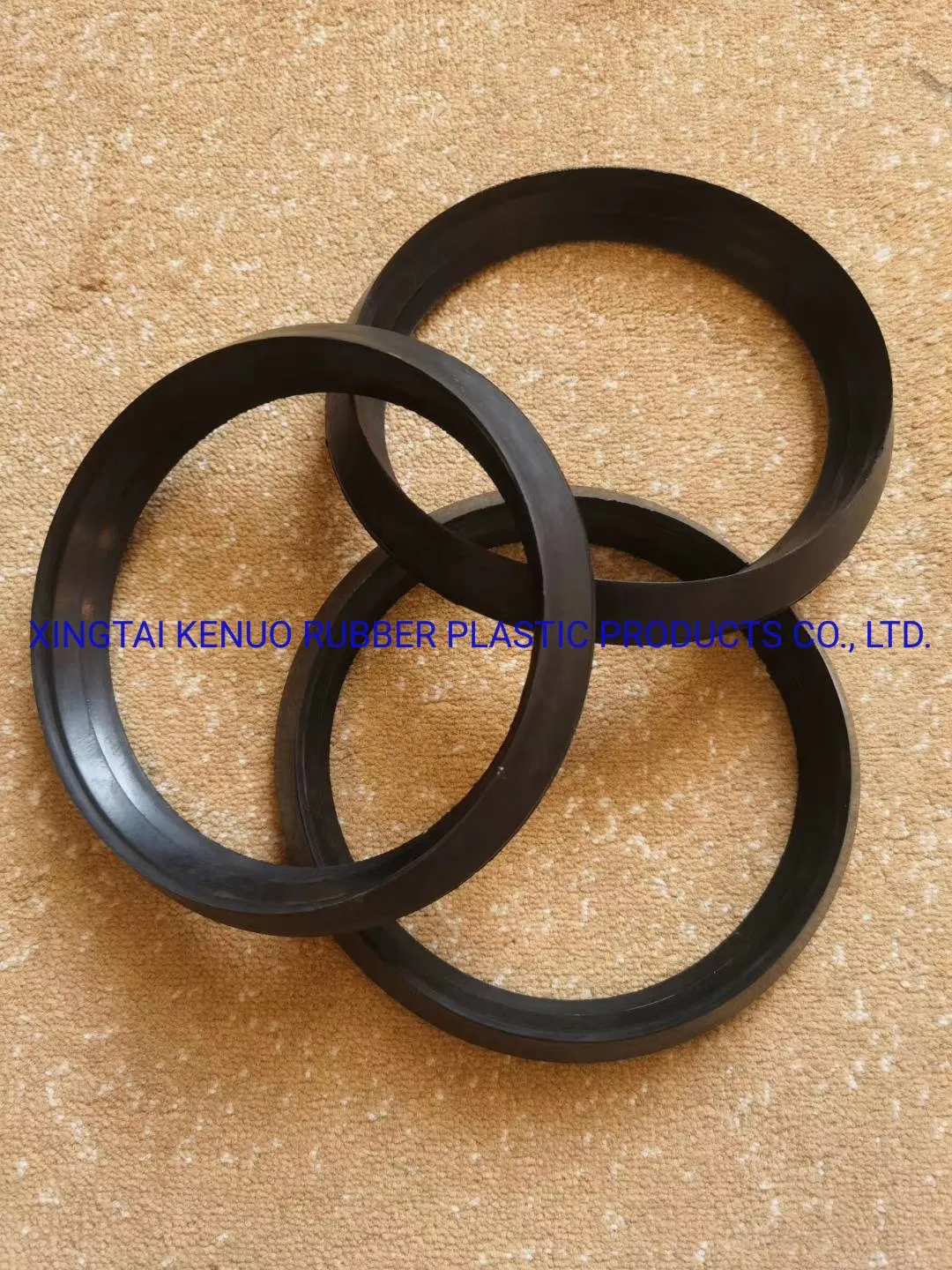
Material Specifications for Industrial PVC Board Applications
Suzhou Baoshida Trading Co., Ltd. provides precision-engineered rubber solutions for industrial PVC board systems, where material integrity directly impacts performance in demanding environments. PVC boards often integrate elastomeric components for sealing, vibration damping, or chemical barriers, necessitating rigorous material selection. This section details critical specifications for Viton, Nitrile, and Silicone rubbers, emphasizing compatibility with PVC substrates under thermal, chemical, and mechanical stress. Each material undergoes stringent QC protocols per ASTM D2000 and ISO 37 standards to ensure dimensional stability and longevity in B2B manufacturing contexts.
Viton fluoroelastomers deliver exceptional resistance to aggressive chemicals, including hydrocarbons, acids, and high-temperature oils. Operating effectively from -20°C to 230°C, Viton maintains structural integrity where PVC boards face fuel or solvent exposure. Its tensile strength ranges 10–15 MPa with 150–250% elongation, making it ideal for aerospace and automotive gaskets requiring zero permeability. However, higher costs necessitate justified application-specific deployment.
Nitrile rubber (NBR) balances affordability with robust resistance to oils, greases, and aliphatic hydrocarbons. With a functional range of -40°C to 120°C, NBR exhibits 15–20 MPa tensile strength and 200–400% elongation. Its compatibility with plasticized PVC formulations prevents swelling in hydraulic seals or industrial rollers. While inferior to Viton in extreme heat, NBR’s abrasion resistance and low compression set suit high-cycle machinery interfaces.
Silicone rubber excels in extreme temperature resilience (-60°C to 200°C) and UV/ozone stability, critical for outdoor PVC board assemblies. Its 6–8 MPa tensile strength and 400–700% elongation accommodate thermal expansion mismatches, though tear resistance is moderate. Food-grade and medical certifications make silicone suitable for sterile PVC enclosures, though organic solvent vulnerability requires careful fluid exposure assessment.
The following table summarizes key comparative metrics for OEM integration:
| Material | Temperature Range (°C) | Tensile Strength (MPa) | Elongation at Break (%) | Key Fluid Resistance | Primary Industrial Applications |
|---|---|---|---|---|---|
| Viton | -20 to 230 | 10–15 | 150–250 | Fuels, acids, synthetic oils | Aerospace seals, chemical processing |
| Nitrile | -40 to 120 | 15–20 | 200–400 | Mineral oils, greases, water | Automotive gaskets, hydraulic systems |
| Silicone | -60 to 200 | 6–8 | 400–700 | Water, steam, ozone | Medical enclosures, outdoor electronics |
Material selection must align with PVC board’s operational parameters, including plasticizer migration risks and thermal expansion coefficients. Suzhou Baoshida’s engineering team validates all rubber-PVC interfaces through accelerated aging tests and finite element analysis, ensuring compliance with ISO 188 and ASTM D573 standards. Clients receive certified material datasheets with Shore A hardness, compression set, and specific gravity data for seamless OEM integration. Precise formulation adjustments mitigate adhesion challenges, guaranteeing optimal service life in critical infrastructure.
Manufacturing Capabilities
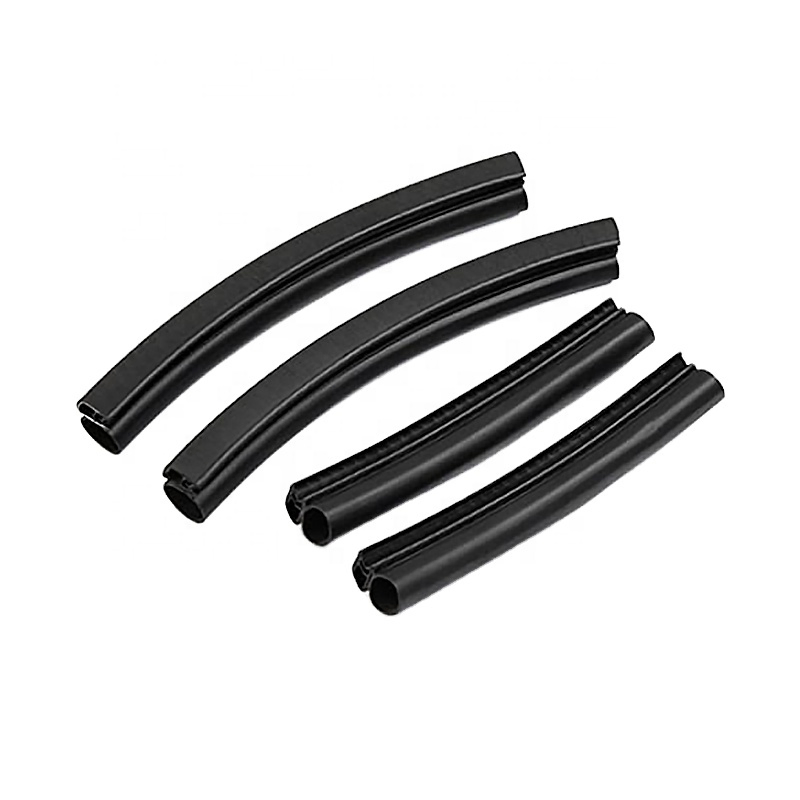
Engineering Capability
At Suzhou Baoshida Trading Co., Ltd., our engineering capability forms the backbone of our industrial rubber solutions, ensuring precision, performance, and reliability in every product we deliver. Our dedicated team comprises five experienced mould engineers and two specialized rubber formula engineers, enabling us to provide comprehensive OEM services tailored to the exact requirements of our clients. This integrated technical team allows us to control both the physical design and material composition of our plastic PVC board products, ensuring optimal functionality under diverse industrial conditions.
Our mould engineers bring over a decade of combined experience in precision tooling design and manufacturing process optimization. They utilize advanced CAD/CAM software to develop high-tolerance moulds that ensure dimensional accuracy and surface consistency in PVC board production. From prototyping to large-scale manufacturing, our engineers conduct rigorous simulations and feasibility analyses to minimize defects, reduce cycle times, and enhance production efficiency. Their expertise supports complex geometries and custom profiles, making us a preferred partner for clients requiring non-standard board dimensions or integrated functional features.
Complementing our mould engineering strength, our two in-house rubber formula engineers specialize in polymer science and material compounding. They formulate custom PVC-based compounds that meet specific mechanical, thermal, and chemical resistance requirements. By adjusting plasticizer content, stabilizers, fillers, and UV inhibitors, we produce PVC boards with tailored properties such as enhanced flexibility, flame retardancy, weather resistance, or anti-static performance. This level of formulation control ensures that our products perform reliably in demanding environments, including industrial enclosures, cleanrooms, and outdoor construction applications.
Our OEM capabilities are built on this dual expertise in tooling and material science. We work closely with clients from concept to commercialization, offering full technical support including design validation, material selection, and performance testing. Whether producing standard-grade PVC boards or high-performance variants for specialized sectors, we maintain strict quality control in accordance with ISO standards. This end-to-end engineering approach reduces time-to-market and ensures product consistency across production batches.
The following table outlines key technical specifications achievable through our engineering platform:
| Property | Standard PVC Board | Custom-Engineered PVC Board |
|---|---|---|
| Density (g/cm³) | 0.55 – 0.70 | 0.45 – 1.20 (adjustable) |
| Tensile Strength (MPa) | ≥ 20 | Up to 35 (formulation-dependent) |
| Flexural Strength (MPa) | ≥ 25 | Up to 45 |
| Operating Temperature Range | -10°C to +60°C | -40°C to +80°C (stabilized grades) |
| Flame Retardancy (UL94) | HB | V-0 available |
| Custom Colors & Textures | Yes | Yes (OEM-specific) |
| Electrical Resistivity | 10¹² – 10¹⁴ Ω·cm | Adjustable (anti-static options: 10⁶ – 10⁹ Ω·cm) |
Through the synergy of advanced mould design and precise rubber formulation, Suzhou Baoshida delivers engineered PVC board solutions that meet the highest industrial standards. Our technical team ensures that every OEM project is executed with scientific rigor and manufacturing excellence.
Customization Process
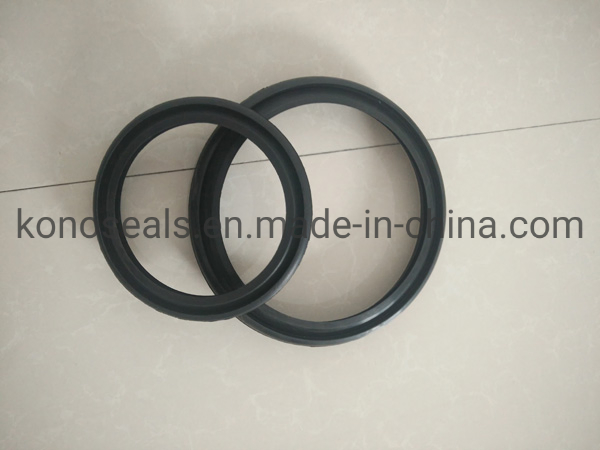
Customization Process for Industrial PVC Board Manufacturing
At Suzhou Baoshida Trading Co., Ltd., our PVC board customization workflow integrates rigorous polymer science with precision engineering to meet exacting industrial specifications. This process ensures optimal performance in demanding applications such as chemical containment, cleanroom construction, and heavy-duty signage. We execute four sequential phases: Drawing Analysis, Formulation Development, Prototyping Validation, and Mass Production. Each stage is governed by ISO 9001 protocols and leverages our 15 years of OEM polymer expertise.
Drawing Analysis initiates the project. Our engineering team conducts dimensional validation against client CAD files, scrutinizing critical parameters including thickness tolerance, edge geometry, and surface finish requirements. We cross-reference these with the intended operational environment—assessing exposure to UV radiation, chemical agents, temperature extremes, and mechanical stress. This phase identifies potential manufacturability conflicts, such as wall thickness inconsistencies that could induce warpage during extrusion. Only after confirming feasibility against our production capabilities do we proceed.
Formulation Development follows, where our rubber compound specialists translate engineering requirements into material science solutions. Standard PVC homopolymers are modified with proprietary blends of impact modifiers, thermal stabilizers, and UV inhibitors. For instance, applications requiring chemical resistance above 80°C necessitate calcium-zinc stabilizers over lead-based alternatives, while outdoor signage mandates 2.5 phr of hindered amine light stabilizers (HALS). Hardness is precisely tuned via dioctyl phthalate (DOP) plasticizer ratios, ranging from 45 Shore D (rigid structural panels) to 75 Shore D (semi-flexible ducting).
Prototyping Validation bridges formulation to volume production. We fabricate 3–5 sample batches using pilot-scale extrusion lines, replicating mass-production shear rates and cooling profiles. Each prototype undergoes ASTM D638 tensile testing, ISO 179 impact assessment, and chemical immersion trials per client-specified reagents. Dimensional accuracy is verified via CMM scanning against the original CAD model. Client feedback on prototype performance triggers iterative formulation refinements—typically 1–2 cycles—until all KPIs are satisfied.
Mass Production commences only after formal client sign-off. Our 20,000m² facility deploys Siemens-controlled extrusion lines with real-time rheology monitoring. Batch traceability is maintained through blockchain-logged material lots, while inline spectrophotometers ensure color consistency within ΔE ≤0.5. Final inspection includes 100% surface defect screening and statistical tolerance verification per ASME Y14.5.
Key PVC Board Specification Comparison
| Parameter | Standard Grade | Custom Grade (Baoshida OEM) | Test Standard |
|---|---|---|---|
| Thickness Tolerance | ±0.3 mm | ±0.1 mm | ISO 1133-1 |
| Hardness Range | 65–75 Shore D | 45–85 Shore D (adjustable) | ASTM D2240 |
| Impact Strength | 8 kJ/m² | ≥15 kJ/m² (tailored) | ISO 179-1 |
| Max Continuous Temp | 60°C | 85°C (stabilizer-optimized) | UL 746B |
| Chemical Resistance | Limited acids/bases | Customized per fluid exposure | ASTM D543 |
This structured approach eliminates guesswork in PVC board customization. By anchoring decisions in material science data and industrial validation, Suzhou Baoshida delivers boards that consistently exceed OEM durability and compliance requirements—reducing field failures by up to 40% versus generic alternatives. All custom formulations include full RoHS/REACH documentation and 5-year performance warranties.
Contact Engineering Team
Contact Suzhou Baoshida for Premium Plastic PVC Board Solutions
At Suzhou Baoshida Trading Co., Ltd., we specialize in delivering high-performance industrial rubber and polymer-based materials, including precision-engineered plastic PVC boards tailored for demanding manufacturing environments. As a trusted OEM manager and rubber formula engineer, we understand that material consistency, durability, and chemical resistance are critical to your production success. Whether your application involves chemical containment, cleanroom construction, or industrial signage, our PVC boards are formulated to meet exacting technical standards while offering superior processability and long-term reliability.
Our plastic PVC boards are manufactured under strict quality control protocols, ensuring dimensional accuracy, uniform density, and resistance to moisture, acids, alkalis, and UV exposure. These properties make our boards ideal for use in semiconductor fabrication, pharmaceutical processing, wastewater treatment, and electrical insulation systems. We offer both rigid and semi-rigid formulations, with customizable thickness, color, and surface finish options to align with your engineering requirements.
To ensure seamless integration into your supply chain, we provide comprehensive technical documentation, including material safety data sheets (MSDS), compliance certifications (RoHS, REACH), and batch-specific test reports. Our team supports global logistics with efficient shipping solutions and just-in-time delivery models, minimizing downtime and inventory overhead for our partners.
For direct technical consultation or material sampling, we invite you to contact Mr. Boyce, our dedicated OEM and technical liaison. With extensive experience in rubber and polymer formulation, Mr. Boyce provides expert guidance on material selection, performance optimization, and custom compounding to meet unique industrial challenges. His role ensures that every client receives not only a product but a fully supported engineering solution.
Reach out via email at [email protected] to discuss your PVC board specifications, request a quotation, or schedule a technical review. We respond to all inquiries within 24 business hours and offer virtual or on-site support for high-volume or strategic partnerships. At Suzhou Baoshida, we are committed to advancing industrial performance through precision materials and responsive engineering collaboration.
Below are key technical specifications of our standard plastic PVC board offerings:
| Property | Value (Typical) | Test Method |
|---|---|---|
| Density | 1.35 – 1.45 g/cm³ | ASTM D792 |
| Tensile Strength | ≥ 45 MPa | ASTM D638 |
| Flexural Strength | ≥ 80 MPa | ASTM D790 |
| Heat Deflection Temperature | 75°C @ 1.82 MPa | ASTM D648 |
| Water Absorption (24 hrs) | ≤ 0.15% | ASTM D570 |
| Dielectric Strength | ≥ 35 kV/mm | ASTM D149 |
| Thickness Range | 1 mm – 50 mm | Custom Availability |
| Available Colors | White, Gray, Black, Custom | RAL/Pantone Matching |
Initiate your next material upgrade by contacting Mr. Boyce today.
⚖️ O-Ring Weight Calculator
Estimate rubber O-ring weight (Approx).