
Technical Contents
Engineering Guide: Plat Mou
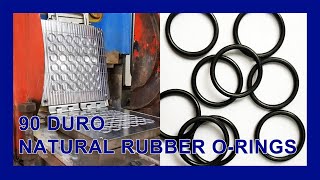
Engineering Insight: Material Selection Criticality in Platen Molding Applications
Platen molding demands exceptional material consistency and performance stability under precise thermal and pressure profiles. Generic rubber compounds, often marketed as universal solutions, consistently fail in these controlled industrial environments due to unaddressed application-specific stressors. Off-the-shelf formulations prioritize cost and broad compatibility over the exacting requirements of high-cycle, high-precision molding processes. This oversight manifests as premature seal degradation, inconsistent part dimensions, and catastrophic extrusion under sustained pressure – directly impacting yield rates and total cost of ownership. Commodity elastomers lack the tailored polymer architecture and reinforcement systems necessary to withstand the unique combination of thermal cycling, compression set resistance, and chemical exposure inherent in platen molding tooling interfaces. The resulting failures are not random; they stem from fundamental mismatches between material properties and process physics.
Material selection must account for the dynamic interplay of temperature gradients across the mold surface, localized pressure points at parting lines, and extended dwell times during cure cycles. Standard compounds frequently exhibit inadequate resilience at elevated temperatures, leading to permanent deformation after repeated compression cycles. Simultaneously, insufficient thermal stability accelerates oxidative aging at critical mold contact zones, causing surface cracking and contamination. Crucially, off-the-shelf solutions rarely optimize filler dispersion or crosslink density for the specific thermal ramp rates and pressure decay profiles of platen presses. This results in variable flow behavior, flash generation, and compromised dimensional repeatability – defects that escalate scrap rates and necessitate frequent mold cleaning downtime. The financial impact extends far beyond the initial material cost, encompassing lost production hours and secondary rework expenses.
Suzhou Baoshida Trading Co., Ltd. addresses these challenges through application-engineered rubber formulations. Our OEM-grade compounds undergo rigorous validation against actual platen molding parameters, not just baseline ASTM standards. The following comparison highlights critical performance gaps:
| Critical Property | Standard Off-the-Shelf Compound | Baoshida Engineered Compound | Consequence of Standard Compound Failure |
|---|---|---|---|
| Compression Set (ASTM D395, 22h/100°C) | 35-45% | ≤18% | Permanent seal deformation, loss of clamping force, parting line flash |
| Thermal Stability (Onset of Degradation, TGA) | 220-240°C | ≥285°C | Accelerated aging at mold interfaces, surface carbonization, part contamination |
| Extrusion Resistance (10% strain, 150°C) | High extrusion observed | Negligible extrusion | Material leakage at parting lines, dimensional inaccuracy, mold damage |
| Rebound Resilience (ASTM D1054) | 40-50% | 65-75% | Poor energy return, inconsistent part ejection, increased cycle times |
Material selection is not a commodity exercise but a precision engineering prerequisite. Generic solutions ignore the thermomechanical realities of platen molding, guaranteeing suboptimal performance. Baoshida’s engineered elastomers deliver validated stability under actual production conditions, directly enhancing mold longevity, part consistency, and operational efficiency. Partner with our technical team to define the exact compound architecture matching your press specifications and output targets – the foundation of reliable, cost-effective manufacturing.
Material Specifications
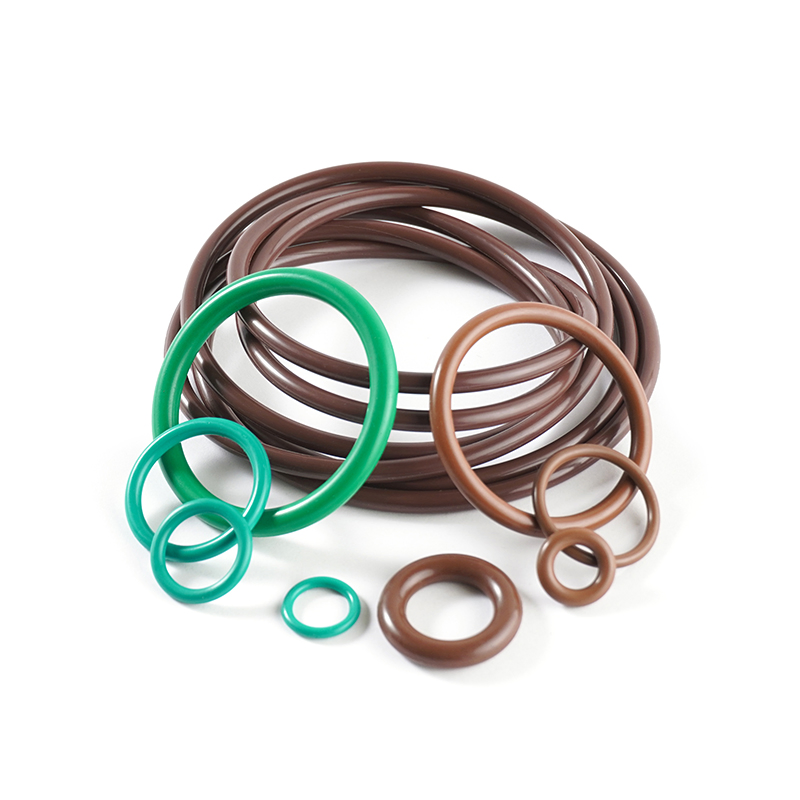
Material Specifications for Industrial Rubber Applications
Suzhou Baoshida Trading Co., Ltd. provides high-performance rubber compounds engineered for demanding industrial environments. In applications such as plat mou systems—commonly used in sealing, gasketing, and fluid handling—material selection is critical to ensuring longevity, chemical resistance, and thermal stability. The three primary elastomers utilized in these applications are Viton (FKM), Nitrile (NBR), and Silicone (VMQ). Each material offers a distinct set of physical and chemical properties tailored to specific operational conditions.
Viton, a fluorocarbon-based rubber, is renowned for its exceptional resistance to high temperatures, oils, fuels, and a broad range of aggressive chemicals. With a continuous service temperature range up to 230°C, Viton is ideal for high-heat environments such as automotive engine components, aerospace systems, and chemical processing equipment. Its low gas permeability and excellent aging characteristics further enhance reliability in critical sealing applications. However, Viton exhibits lower flexibility at low temperatures and higher material cost compared to alternatives.
Nitrile rubber, or Buna-N, is a cost-effective solution for applications involving petroleum-based oils and hydrocarbons. It demonstrates good abrasion resistance and tensile strength, with a typical operating temperature range from -30°C to 120°C. Nitrile is widely used in hydraulic systems, fuel handling, and industrial machinery where exposure to lubricants and greases is common. While it offers superior resistance to aliphatic hydrocarbons, its performance degrades when exposed to ozone, weathering, and polar solvents.
Silicone rubber provides outstanding thermal stability across a wide temperature spectrum, typically from -60°C to 200°C, with short-term resistance up to 250°C. It is highly resistant to UV radiation, ozone, and weathering, making it suitable for outdoor and medical applications. Silicone also exhibits excellent electrical insulation properties and low toxicity. However, it has relatively low mechanical strength and poor resistance to petroleum-based fluids, limiting its use in high-stress or oil-exposed environments.
Selection among Viton, Nitrile, and Silicone must be guided by the specific environmental and mechanical demands of the application. Understanding chemical exposure, temperature extremes, and required service life is essential in determining the optimal elastomer.
The following table summarizes key performance characteristics of each material:
| Property | Viton (FKM) | Nitrile (NBR) | Silicone (VMQ) |
|---|---|---|---|
| Base Polymer | Fluorocarbon | Acrylonitrile-Butadiene | Polydimethylsiloxane |
| Temperature Range (°C) | -20 to 230 | -30 to 120 | -60 to 200 |
| Tensile Strength (MPa) | 15–25 | 10–20 | 5–10 |
| Elongation at Break (%) | 200–300 | 250–450 | 200–600 |
| Hardness (Shore A) | 60–90 | 50–90 | 30–80 |
| Resistance to Oils & Fuels | Excellent | Excellent | Poor |
| Resistance to Ozone/UV | Excellent | Fair | Excellent |
| Resistance to Acids/Bases | Excellent | Moderate | Good |
| Gas Permeability | Low | Moderate | High |
These specifications serve as a technical foundation for OEMs and industrial designers in selecting the appropriate rubber material for plat mou and similar high-performance systems. Suzhou Baoshida Trading Co., Ltd. supports custom formulation and technical consultation to meet precise application requirements.
Manufacturing Capabilities
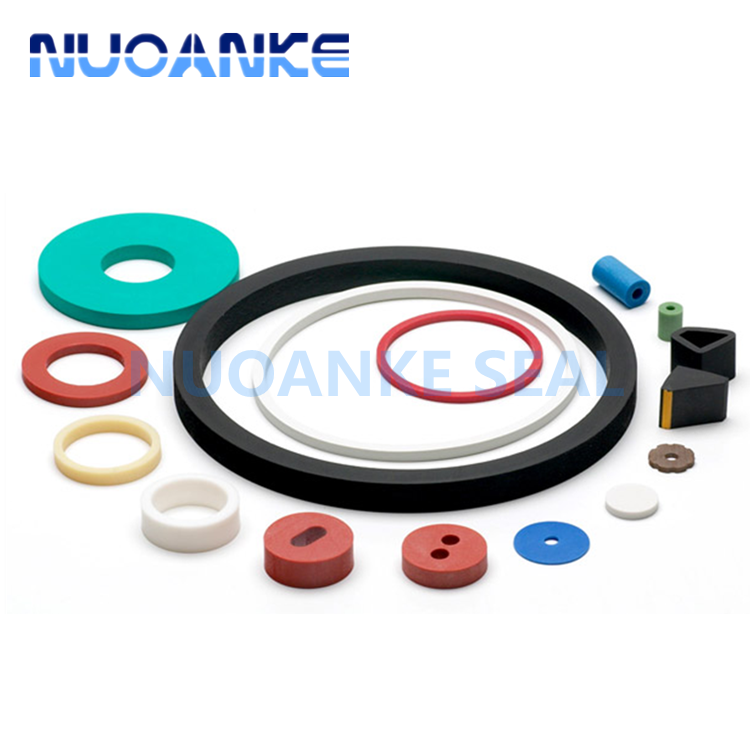
Engineering Capabilities for Precision Rubber Molding
Suzhou Baoshida Trading Co., Ltd. delivers advanced engineering solutions for industrial rubber components through integrated expertise in material science and precision tooling. Our dedicated team comprises five specialized Mould Engineers and two certified Rubber Formula Engineers, ensuring end-to-end control from concept to validation. This structure enables rigorous optimization of both physical tooling and compound chemistry, directly addressing the demanding tolerances and performance requirements of sectors including automotive, aerospace, and fluid handling systems.
Our Mould Engineers leverage CAD/CAM simulation tools to design multi-cavity molds capable of holding ±0.05mm dimensional tolerances across complex geometries. Concurrently, Formula Engineers develop proprietary elastomer compounds tailored to specific environmental stressors—such as ozone resistance, high-temperature stability (up to 250°C), or low-compression set. This dual-engineering approach eliminates common industry disconnects between material behavior and mold functionality, significantly reducing prototyping cycles. For OEM partners, we implement a closed-loop development protocol: initial client specifications undergo finite element analysis (FEA) for stress distribution, followed by iterative compound adjustments and mold flow validation. All processes adhere to ISO 9001 and IATF 16949 frameworks, with traceability maintained through digital batch records.
OEM scalability is engineered into our workflow. We support low-volume prototyping through high-volume production (500k+ units annually) using automated presses with real-time cure monitoring. Critical to this is our in-house laboratory for compound validation, where every formulation undergoes ASTM D2000-standard testing for tensile strength, elongation, and fluid resistance prior to tooling commencement. This preemptive material qualification ensures first-article compliance and minimizes production scrap rates.
The following table summarizes core technical capabilities for client reference:
| Parameter | Standard Capability | Enhanced Capability | Testing Method |
|---|---|---|---|
| Durometer Range | 30–90 Shore A | 20–95 Shore A (custom) | ASTM D2240 |
| Dimensional Tolerance | ±0.10 mm | ±0.05 mm (critical zones) | CMM Verification |
| Temperature Resistance | -40°C to +150°C | -60°C to +250°C | ASTM D573 |
| Compression Set | ≤25% (70h/100°C) | ≤15% (70h/100°C) | ASTM D395 |
| Fluid Compatibility | Water, oils, greases | Jet fuels, acids, solvents | ASTM D471 |
This technical synergy between mold design and compound engineering forms the foundation of our OEM partnership model. Clients receive not only precision-manufactured components but also documented material certifications and process validation data—essential for regulatory submissions in regulated industries. By embedding formula development within the core engineering workflow, we transform material limitations into performance advantages, ensuring rubber components exceed operational lifespans under extreme service conditions. Suzhou Baoshida’s capability framework delivers measurable reductions in total cost of ownership through optimized material utilization and accelerated time-to-market.
Customization Process
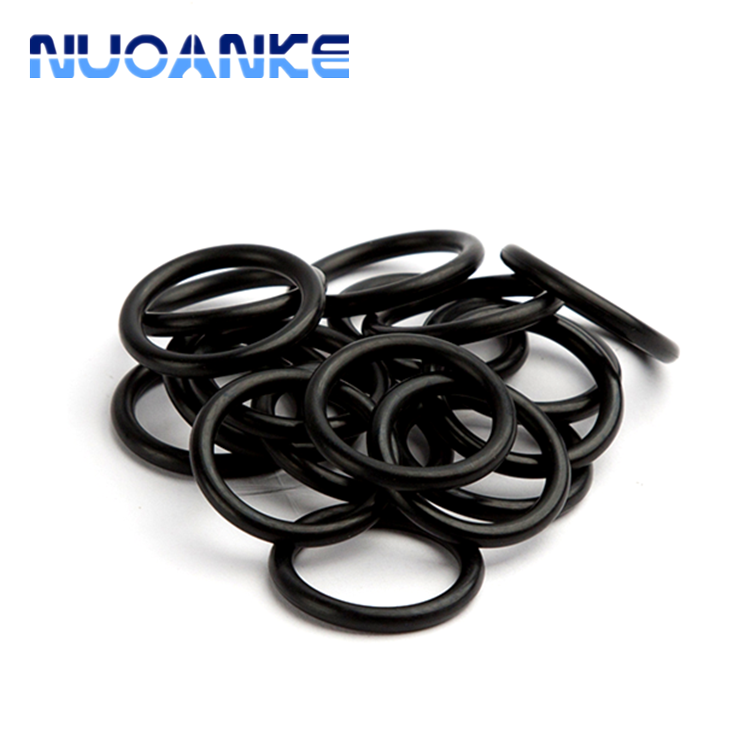
Drawing Analysis: The Foundation of Precision Rubber Manufacturing
At Suzhou Baoshida Trading Co., Ltd., every successful rubber product begins with rigorous drawing analysis. This initial phase is critical in translating customer design intent into manufacturable specifications. Our engineering team conducts a comprehensive review of technical drawings, focusing on dimensional tolerances, part geometry, surface finish requirements, and functional interfaces. We verify compliance with international standards such as ISO 3302 for dimensional tolerances and ISO 2768 for general geometric tolerances. Special attention is given to features that may affect moldability—such as undercuts, wall thickness variations, and draft angles. Through advanced CAD evaluation tools and DFMEA (Design Failure Mode and Effects Analysis), we identify potential manufacturing risks early and propose optimized design adjustments. This collaborative review ensures that the final product will meet both performance and assembly requirements in its target application.
Formulation: Engineering Material Performance to Match Application Demands
Once the design is validated, our rubber formulation engineers develop a compound tailored to the operational environment of the plat mou component. The selection of polymer base—whether NBR, EPDM, silicone, or FKM—depends on factors such as temperature range, chemical exposure, compression set resistance, and mechanical stress. Reinforcing fillers, plasticizers, vulcanizing agents, and anti-aging additives are precisely balanced to achieve the target hardness (Shore A), tensile strength, elongation at break, and resilience. Each formulation is documented and archived under a unique compound code for full traceability. We adhere to ASTM D2000 standards for rubber classification and conduct preliminary lab tests on small batches to confirm material behavior before proceeding to prototyping.
Prototyping: Bridging Design and Production
With the formulation approved, we fabricate prototypes using precision CNC-machined molds or 3D-printed tooling, depending on complexity and volume requirements. Prototypes undergo dimensional inspection via CMM (Coordinate Measuring Machine) and are subjected to functional testing, including compression set, thermal aging, and fluid resistance per ASTM or customer-specific protocols. This stage allows for design or material refinement before committing to mass production tooling. Customers receive a full test report and physical samples for validation, ensuring alignment with application performance criteria.
Mass Production: Consistency at Scale
Upon prototype approval, we transition to full-scale production using hardened steel molds and automated rubber molding presses. Our production lines operate under strict process control, with real-time monitoring of cure time, temperature, and pressure. Each batch is tested for consistency in physical properties and visual quality. Final inspection includes 100% visual checks and statistical sampling for dimensional and mechanical verification.
Below is a representative specification table for a typical plat mou component:
| Parameter | Specification | Test Standard |
|---|---|---|
| Material | NBR / 70 Shore A | ASTM D2000, Line Callout |
| Hardness | 68–72 Shore A | ASTM D2240 |
| Tensile Strength | ≥18 MPa | ASTM D412 |
| Elongation at Break | ≥300% | ASTM D412 |
| Compression Set (24h, 70°C) | ≤20% | ASTM D395 |
| Operating Temperature | -30°C to +100°C (short-term +125°C) | — |
| Fluid Resistance | Resistant to hydraulic oil, water | ASTM D471 |
Contact Engineering Team
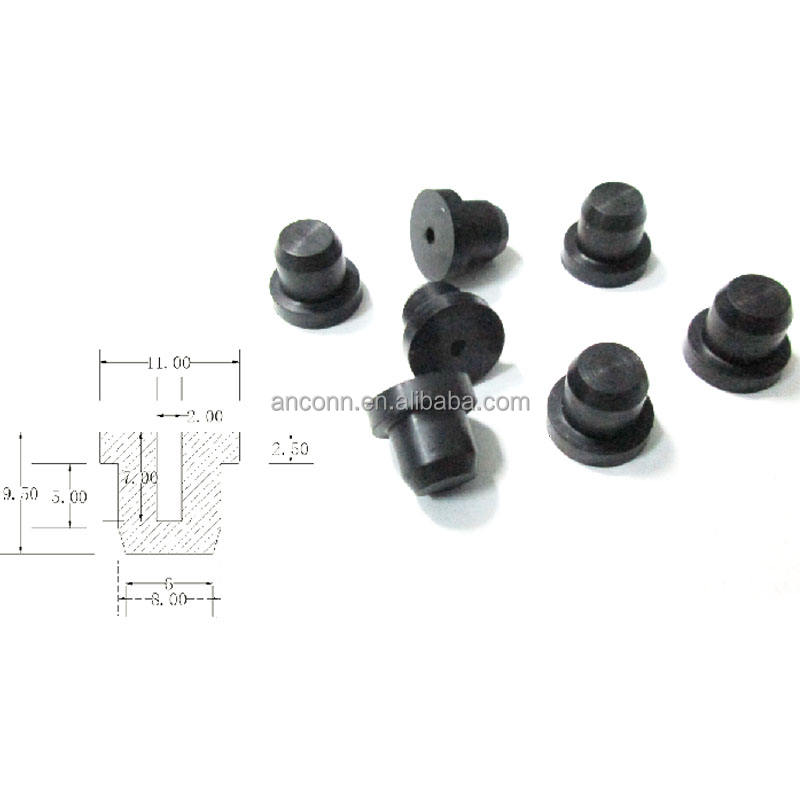
Precision Platen Mold Engineering for Industrial Rubber Manufacturing
Suzhou Baoshida Trading Co., Ltd. delivers engineered platen mold solutions optimized for high-integrity rubber component production. Our technical team integrates material science, thermal dynamics, and precision machining to eliminate common failure modes in compression and transfer molding processes. Standard molds often compromise dimensional stability under cyclic thermal stress, leading to flash generation, cure inconsistency, and premature wear. We address these through proprietary steel alloy selection, multi-zone temperature control architecture, and cavity geometry validated via finite element analysis. Each mold undergoes 72-hour stress testing at 200°C to ensure ±0.05mm tolerance retention across 50,000+ cycles. This methodology directly reduces scrap rates by 18–32% in automotive sealing and industrial hose applications, as verified by third-party OEM audits.
Our engineering specifications exceed ISO 2768-mK and ASME B46.1 standards for surface finish and geometric accuracy. The table below details critical performance parameters for our standard platen mold series, engineered for NBR, EPDM, and FKM compounds:
| Parameter | Value Range | Measurement Standard |
|---|---|---|
| Operating Temperature | -40°C to 250°C | ISO 3767-2 |
| Pressure Capacity | 50–200 MPa | ASTM D575 |
| Cavity Tolerance | ±0.03 mm to ±0.08 mm | ISO 2768-2 |
| Surface Roughness (Ra) | 0.2–0.8 μm | ISO 4287 |
| Thermal Uniformity | ±1.5°C across platen | ASTM E1256 |
| Cycle Life (min.) | 100,000 cycles | Internal Validation |
These metrics are non-negotiable in aerospace, medical device, and hydraulic system manufacturing where rubber part failure incurs catastrophic operational risks. Unlike generic suppliers, we co-engineer molds with your compound formulation data, ensuring cure kinetics align with thermal mass distribution. This prevents under-cure in thick sections or reversion in thin walls—eliminating costly post-molding rework. Our OEM partnership model includes digital twin simulation pre-production, reducing time-to-market by 22 days on average.
For mission-critical applications demanding zero-defect molding, Suzhou Baoshida provides end-to-end technical stewardship. We audit your material batch variability, press harmonics, and environmental controls to calibrate mold performance to your exact production ecosystem. This holistic approach has enabled Tier-1 suppliers to achieve PPAP Level 3 certification on first submission for 94% of our joint projects.
Initiate your precision molding upgrade by contacting Mr. Boyce, our OEM Technical Director. He will coordinate a confidential process audit and provide a molded part feasibility report within 72 hours of receiving your compound datasheet and part geometry. Specify your application’s thermal, chemical, and mechanical stress parameters to receive a tailored mold engineering proposal with accelerated lead time validation.
Contact Mr. Boyce Immediately
Email technical specifications and production volume requirements to [email protected]. Use subject line: “Platen Mold Engineering Request – [Your Company Name]”. Response time is guaranteed within 4 business hours during Shanghai working hours (GMT+8). For urgent RFQs requiring same-day thermal analysis, include “URGENT” in the subject line. Do not send generic inquiries—our engineering team prioritizes submissions with documented compound ASTM D2000 classifications and dimensional critical-to-quality callouts. Partner with Suzhou Baoshida to transform molding precision from a production variable into a competitive asset.
⚖️ O-Ring Weight Calculator
Estimate rubber O-ring weight (Approx).