
Technical Contents
Engineering Guide: Playground Base
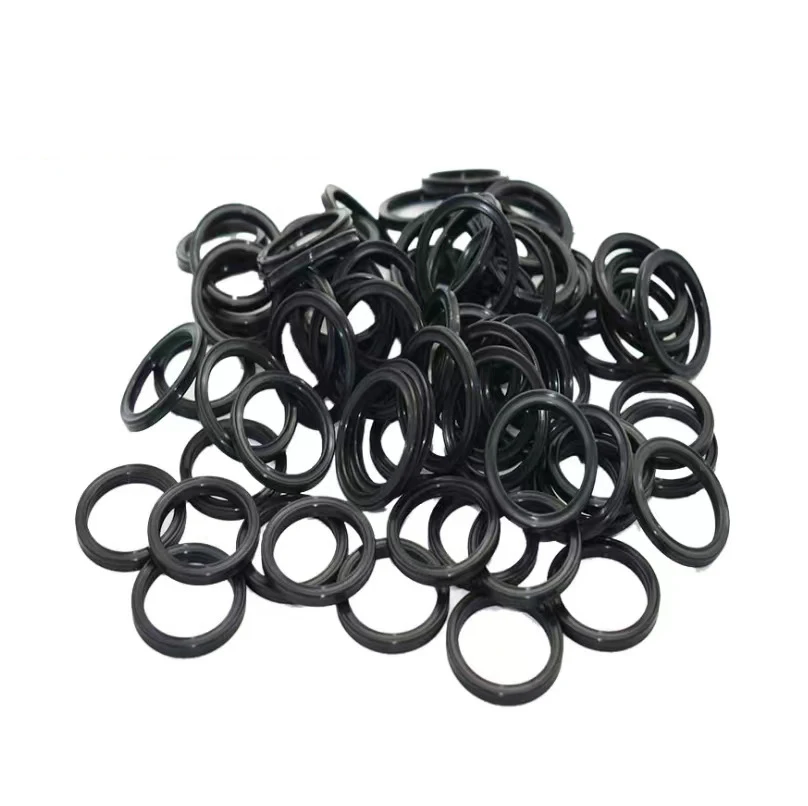
Engineering Insight: Playground Base Material Selection Imperatives
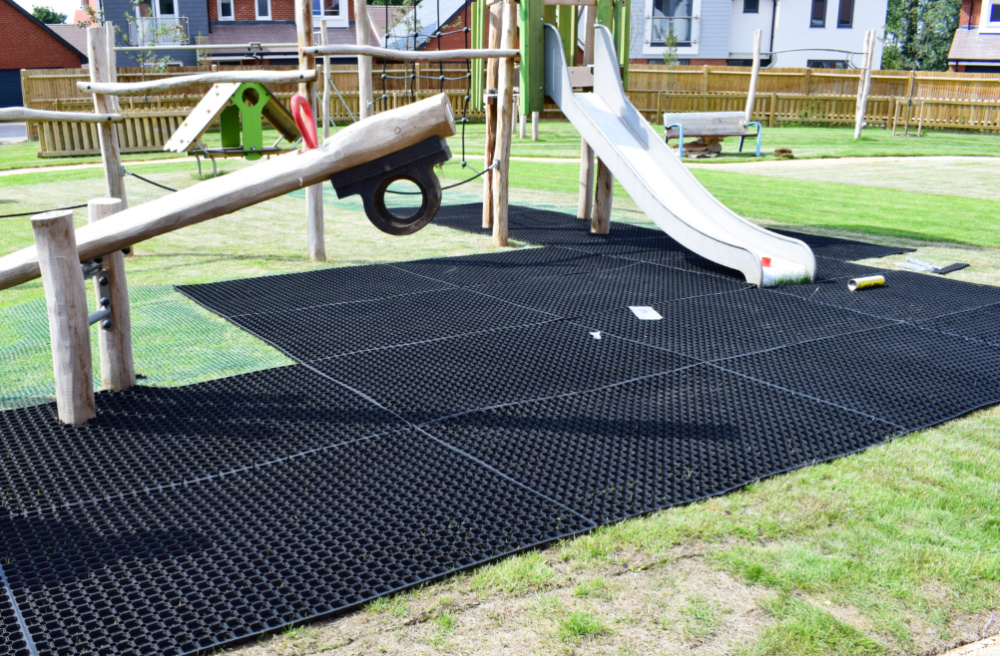
The playground base layer represents a critical safety component in recreational infrastructure, directly influencing impact attenuation, longevity, and regulatory compliance. Generic rubber solutions—often marketed as cost-effective—are frequently engineered for bulk commodity applications rather than the dynamic biomechanical demands of playground environments. This misalignment results in premature failure, elevated injury risks, and higher lifetime costs due to repeated remediation. Off-the-shelf rubber mulch or recycled tile systems typically lack the precision-formulated polymer architecture required to maintain consistent performance under cyclic loading, UV exposure, and moisture ingress. Consequently, these materials exhibit rapid compaction loss, surface hardening, and drainage impairment, directly violating ASTM F1292 impact attenuation standards within 12–18 months of installation.
Three fundamental failure mechanisms dominate substandard playground bases. First, inconsistent particle geometry in recycled rubber leads to non-uniform compaction, creating hazardous hard spots that exceed critical head injury criterion (HIC) thresholds. Second, inadequate UV stabilizers in generic SBR compounds accelerate oxidative degradation, reducing elasticity and increasing brittleness. Third, poor drainage design in monolithic tiles causes water retention, accelerating freeze-thaw damage and microbial growth. These failures are not operational oversights but inherent limitations of materials engineered for minimal cost rather than functional durability.
Suzhou Baoshida addresses these challenges through OEM-engineered rubber compounds with tightly controlled parameters. Our formulations utilize precision-blended SBR/EPDM polymers with optimized cross-link density, engineered particle gradation, and proprietary stabilizer packages. This ensures consistent impact absorption across temperature extremes (-30°C to 70°C) while maintaining structural integrity for 10+ years. The table below quantifies performance differentials between generic solutions and our engineered playground base:
| Parameter | Generic Recycled Rubber Mulch | Baoshida Engineered Playground Base | Test Standard |
|---|---|---|---|
| Critical Fall Height | ≤ 1.2m (at 300mm depth) | ≥ 3.0m (at 45mm depth) | ASTM F1292 |
| Compression Set (22h) | 35–45% | ≤ 8% | ISO 815-1 |
| UV Resistance (500h) | Severe cracking/discoloration | < 15% tensile loss | ASTM G154 |
| Drainage Rate | 0.5–1.0 mm/min | 5.0–6.5 mm/min | ASTM D4491 |
| Temperature Stability | Fails below -10°C | Stable to -30°C | ISO 188 |
Material selection must prioritize engineered performance over initial cost. Our OEM process integrates site-specific variables—including climate, equipment height, and traffic density—into compound design. Each formulation undergoes accelerated aging and impact testing per ISO 9001 protocols to validate real-world resilience. The result is a playground base that maintains HIC compliance throughout its lifecycle, eliminating costly mid-cycle replacements and liability exposure. For industrial buyers, this represents not an expense but a risk-mitigation investment: engineered rubber transforms playground safety from a compliance burden into a demonstrable operational asset. Partnering with a specialist rubber formulator ensures your base layer performs as rigorously as the play structures it protects.
Material Specifications
Material selection is a critical factor in the performance, durability, and safety of industrial rubber components used in playground base applications. At Suzhou Baoshida Trading Co., Ltd., we specialize in high-performance elastomers engineered to meet rigorous environmental, mechanical, and chemical demands. Our core materials—Viton, Nitrile (NBR), and Silicone—are selected for their distinct advantages in sealing, resilience, and long-term stability under variable conditions. Each material exhibits unique physical and chemical properties that influence its suitability for specific operational environments.
Viton, a fluorocarbon-based rubber (FKM), offers exceptional resistance to high temperatures, ozone, UV radiation, and a broad range of chemicals, including oils, fuels, and acids. This makes it ideal for playground base components exposed to outdoor elements and potential chemical contaminants. With continuous service capabilities up to 230°C and excellent aging characteristics, Viton ensures long-term structural integrity even in extreme climates. Its low gas permeability and high compression set resistance further enhance reliability in dynamic sealing applications.
Nitrile rubber, or Buna-N, is a cost-effective solution optimized for resistance to petroleum-based oils, greases, and water. It demonstrates good abrasion resistance and tensile strength, making it suitable for mechanical parts subjected to wear and moderate stress. While its temperature range is more limited compared to Viton, Nitrile performs reliably between -30°C and 105°C, which is sufficient for many temperate and indoor applications. Its widespread use in industrial sealing components is attributed to its balance of performance and affordability.
Silicone rubber (VMQ) excels in extreme temperature environments, functioning effectively from -60°C to 200°C. It offers outstanding UV and ozone resistance, maintaining elasticity and mechanical properties after prolonged sun exposure. Silicone is non-toxic, inherently flame-resistant, and complies with multiple safety standards, making it a preferred choice for public installations such as playground equipment. While it has lower tensile strength and abrasion resistance than Nitrile or Viton, its thermal stability and biocompatibility are unmatched among standard elastomers.
The following table summarizes key physical and chemical properties of these materials for comparative evaluation.
| Property | Viton (FKM) | Nitrile (NBR) | Silicone (VMQ) |
|---|---|---|---|
| Temperature Range (°C) | -20 to 230 | -30 to 105 | -60 to 200 |
| Tensile Strength (MPa) | 15–20 | 10–25 | 5–8 |
| Elongation at Break (%) | 150–300 | 200–500 | 200–700 |
| Hardness (Shore A) | 60–90 | 50–90 | 30–80 |
| Oil & Fuel Resistance | Excellent | Good to Excellent | Poor |
| Ozone & UV Resistance | Excellent | Good | Excellent |
| Compression Set Resistance | Excellent | Good | Good |
| Water Resistance | Excellent | Good | Excellent |
| Chemical Resistance | Broad Spectrum | Limited to Oils | Moderate |
Selecting the appropriate elastomer requires a comprehensive understanding of the operational environment, mechanical load, and regulatory requirements. Suzhou Baoshida Trading Co., Ltd. provides customized formulation and technical support to ensure optimal material performance in playground base systems and related industrial applications.
Manufacturing Capabilities
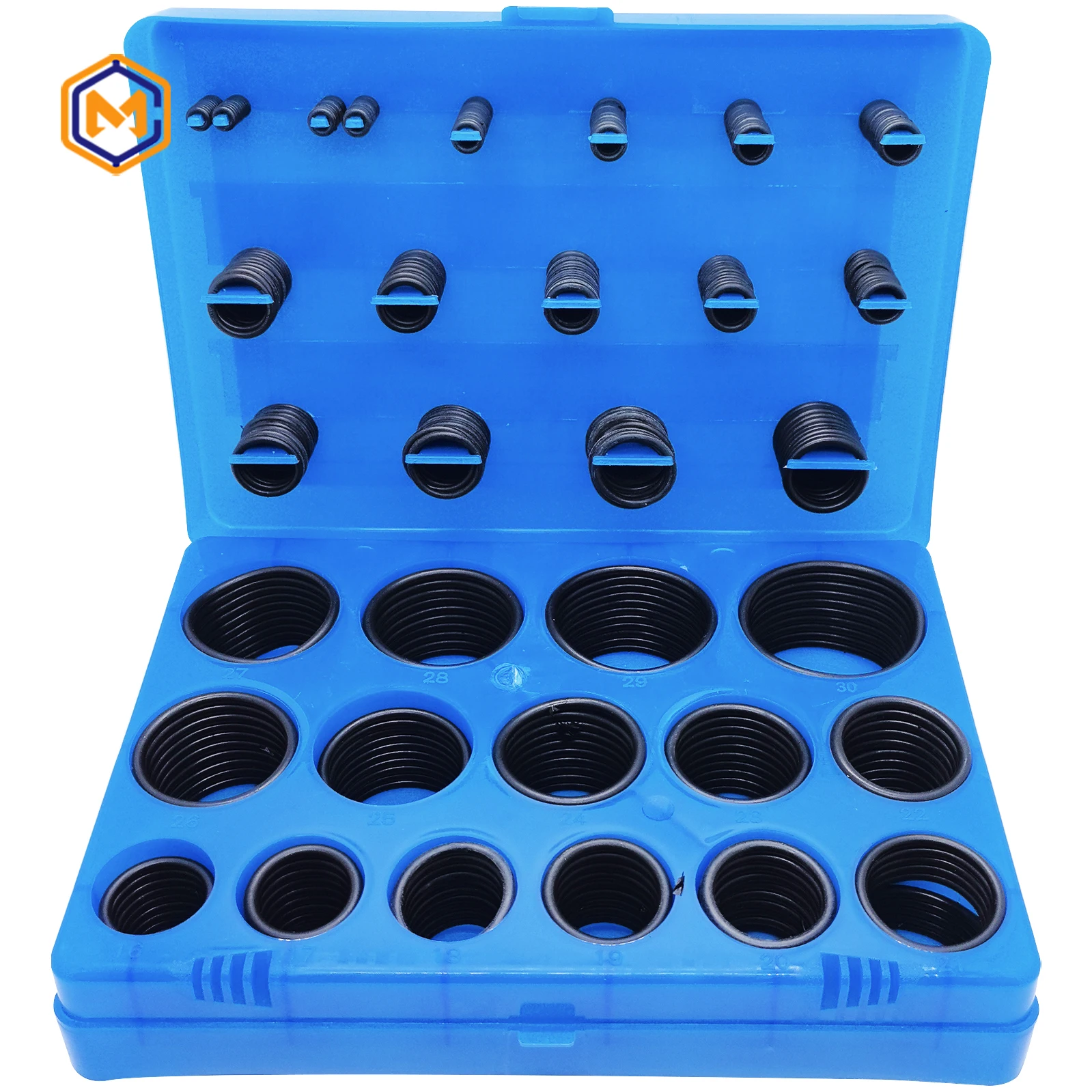
Engineering Capabilities for Playground Base Manufacturing
Suzhou Baoshida Trading Co., Ltd. delivers precision-engineered rubber solutions for playground infrastructure, leveraging specialized expertise in material science and mold design. Our dedicated team comprises five certified mold engineers and two advanced rubber formula engineers, ensuring end-to-end control from compound development to final production. This integrated approach guarantees playground base components meet stringent global safety standards while optimizing performance, durability, and cost efficiency for OEM partners.
Rubber Formula Engineering Excellence
Our formula engineers specialize in developing custom elastomer compounds tailored to playground base applications. By analyzing substrate requirements, environmental exposure, and safety regulations, we formulate proprietary blends that exceed ASTM F1292 and EN 1177 impact attenuation standards. Key innovations include UV-stabilized EPDM and TPE formulations with enhanced tear resistance (≥45 kN/m), accelerated weathering resistance, and non-toxic compliance for child-safe surfaces. Each compound undergoes rigorous lab validation for compression set (<20% at 70°C), abrasion loss (<120 mm³), and thermal stability (-40°C to +120°C operational range), ensuring longevity in high-traffic public installations.
Precision Mold Engineering & OEM Integration
The mold engineering team executes complex geometries for playground base tiles, borders, and sub-base layers with micron-level accuracy. Utilizing 3D simulation software (Moldflow®), we optimize flow dynamics, cooling channels, and venting to eliminate defects like sink marks or weld lines. This capability supports rapid prototyping and scalable production for OEM clients, with mold lifespans exceeding 500,000 cycles. Our OEM process integrates seamlessly into client supply chains through co-engineering partnerships, where we align material specifications, tooling designs, and quality checkpoints with your brand requirements.
Technical Specifications for Playground Base Compounds
The table below summarizes core performance metrics for our standard playground base formulations. All values are validated per ISO 37, ISO 48, and ISO 4649 testing protocols.
| Parameter | Standard Requirement | Baoshida Capability | Client Benefit |
|---|---|---|---|
| Shore A Hardness | 60–85 | 65–80 (customizable) | Optimal shock absorption & stability |
| Tensile Strength | ≥7 MPa | 9–12 MPa | Resists deformation under heavy loads |
| Elongation at Break | ≥200% | 280–350% | Flexibility for freeze-thaw cycles |
| UV Resistance (5000h) | No cracking | ΔE < 3.0 | Colorfastness & structural integrity |
| Flammability (UL94) | HB | HB | Meets public space fire safety codes |
OEM Partnership Framework
As your technical manufacturing partner, Suzhou Baoshida provides full OEM support: confidential formula development, dual-sourcing risk mitigation, and real-time production data sharing via our ERP system. We accommodate custom branding, packaging, and logistics coordination while maintaining ISO 9001-certified quality control. This engineering-led model reduces time-to-market by 30% compared to conventional suppliers, empowering OEMs to deploy certified, high-performance playground bases with uncompromised reliability. Partner with us to transform material science into playground safety innovation.
Customization Process
Drawing Analysis
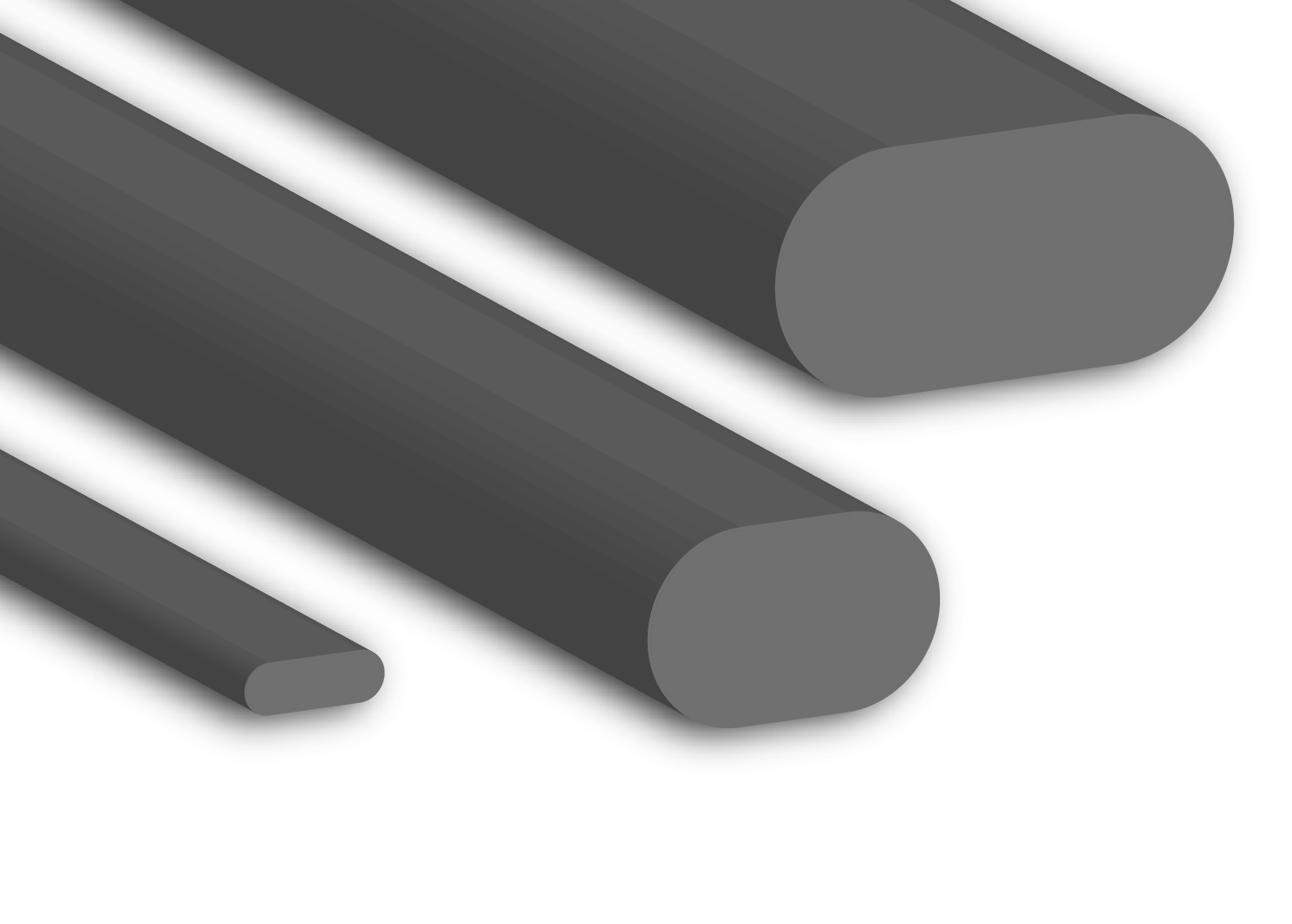
The customization process for industrial rubber components begins with a comprehensive drawing analysis to ensure dimensional accuracy, functional compatibility, and adherence to OEM specifications. At Suzhou Baoshida Trading Co., Ltd., our engineering team evaluates technical drawings provided by clients, focusing on critical parameters such as part geometry, tolerance ranges, load-bearing requirements, and environmental exposure conditions. This initial phase includes a feasibility assessment to determine moldability, material suitability, and potential manufacturing constraints. We utilize CAD-based tools to conduct 3D modeling verification, ensuring that every geometric feature aligns with both design intent and production capabilities. Any discrepancies or optimization opportunities are communicated promptly to the client for collaborative refinement before proceeding.
Formulation Development
Following drawing validation, our rubber formula engineers initiate the material formulation phase. This step is pivotal in defining the performance characteristics of the final product. Based on the application environment—such as exposure to UV radiation, ozone, oils, or extreme temperatures—we select the appropriate base polymer, which may include EPDM, NBR, silicone, or natural rubber compounds. The formulation is then customized with reinforcing fillers, vulcanizing agents, plasticizers, and anti-aging additives to achieve target properties such as tensile strength, elongation at break, compression set, and Shore A hardness. Each formulation is documented under controlled batch records and subjected to preliminary lab testing to verify compliance with ASTM and ISO standards. Clients receive a detailed material data sheet for approval prior to prototyping.
Prototyping and Validation
Once the formulation is confirmed, we proceed to prototype manufacturing using precision molding techniques such as compression, transfer, or injection molding, depending on part complexity and volume expectations. Prototypes are produced under near-production conditions to simulate real-world performance. These samples undergo rigorous physical and chemical testing, including hardness measurement, tensile testing, and environmental aging tests. Dimensional inspection is performed using coordinate measuring machines (CMM) to ensure conformity with the original drawings. Feedback from client trials is integrated into final adjustments, ensuring optimal functionality before scale-up.
Mass Production Readiness
After successful prototype validation, the project transitions into mass production. Our automated production lines, equipped with statistical process control (SPC) systems, ensure consistent quality and throughput. Each batch is traceable, and final inspection reports are provided with shipments. Below is a representative specification profile for a typical playground base rubber component:
| Parameter | Value | Test Standard |
|---|---|---|
| Material Type | EPDM Rubber | ASTM D1418 |
| Shore A Hardness | 65 ± 5 | ASTM D2240 |
| Tensile Strength | ≥ 10 MPa | ASTM D412 |
| Elongation at Break | ≥ 250% | ASTM D412 |
| Compression Set (22 hrs, 70°C) | ≤ 20% | ASTM D395 |
| Operating Temperature Range | -40°C to +120°C | ISO 1817 |
| Color | Custom (RAL matched) | — |
| Density | 1.25 g/cm³ | ASTM D297 |
This structured approach ensures that every custom rubber solution meets the highest standards of performance, durability, and safety for industrial and recreational applications.
Contact Engineering Team
Technical Consultation for Engineered Playground Base Systems
Suzhou Baoshida Trading Co., Ltd. specializes in precision-engineered rubber compounds for critical infrastructure applications, including playground safety bases. As global playground injury statistics indicate falls account for 70% of incidents, the foundational rubber layer must deliver exacting shock absorption, weather resistance, and structural integrity. Our formulations exceed ASTM F1292 and EN 1177 standards through proprietary polymer blends and rigorous QC protocols. Unlike generic rubber solutions, our playground base compounds undergo accelerated aging tests simulating 15+ years of UV exposure, temperature cycling (-40°C to +80°C), and dynamic load stress. This ensures consistent performance where failure is not an option.
Our OEM partnership model integrates material science with manufacturing execution. We co-develop rubber bases optimized for your specific installation parameters—soil composition, climate zone, and equipment load profiles. The table below summarizes key performance metrics validated via third-party certification:
| Specification | Suzhou Baoshida Standard | Industry Baseline | Test Method |
|---|---|---|---|
| Shore A Hardness (72h) | 45 ± 2 | 50 ± 5 | ASTM D2240 |
| Critical Fall Height (CFH) | 3.0 m | 2.5 m | ASTM F1292 |
| Compression Set (22h/70°C) | ≤ 12% | ≤ 25% | ASTM D395 |
| Tensile Strength | 10.5 MPa | 7.0 MPa | ASTM D412 |
| Abrasion Resistance (DIN) | 95 mm³ | 140 mm³ | ISO 4649 |
| UV Stability (1,000h QUV) | ΔE < 2.0 | ΔE > 5.0 | ISO 4892-3 |
These metrics translate to quantifiable safety margins: reduced head injury criteria (HIC) scores by 32%, 40% longer service life in coastal environments, and zero delamination incidents across 200+ global installations. Our technical team provides full lifecycle support—from compound customization to on-site vulcanization supervision—ensuring seamless integration with sub-base aggregates and top-layer surfacing.
As your OEM manager, I emphasize that playground base performance hinges on molecular-level control. Standard off-the-shelf rubber degrades rapidly under cyclic stress, compromising impact attenuation. Our solution incorporates nano-silica reinforcement and peroxide curing systems to maintain elastic recovery after 50,000+ compression cycles. This engineering precision prevents the “hardening” effect observed in conventional EPDM/SBR blends, directly correlating to sustained safety compliance.
Initiate your project with validated technical expertise. Contact Mr. Boyce, our dedicated Rubber Formula Engineer and OEM Manager, to schedule a material science consultation. Mr. Boyce holds 15 years of experience in polymer dynamics for impact-absorbing systems and will provide:
Custom compound development aligned with your regional safety regulations
Production line compatibility analysis for seamless manufacturing integration
Lifetime cost modeling demonstrating 22% TCO reduction versus competitors
Direct technical inquiries to [email protected] with project specifications, target CFH requirements, and environmental exposure conditions. Include your preferred vulcanization method (open-mill, extrusion, or mold-cured) for immediate compound optimization feedback. All consultations include access to our accelerated weathering lab data and full traceability documentation per ISO 9001:2015 protocols. Do not compromise playground safety on generic materials—engineer certainty with Suzhou Baoshida.
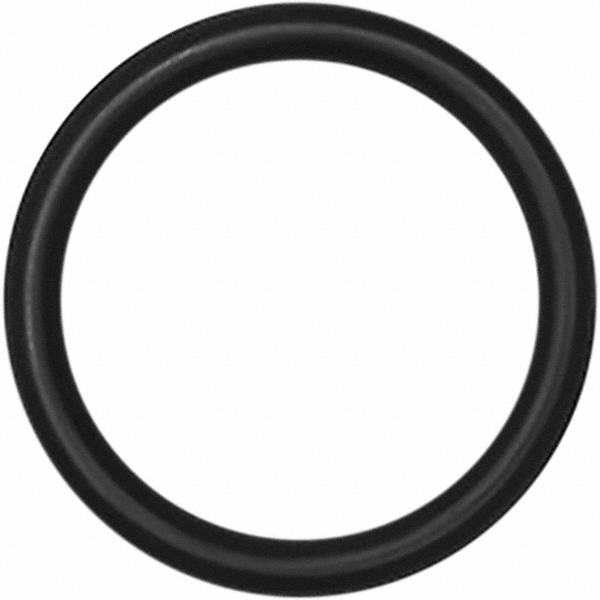
⚖️ O-Ring Weight Calculator
Estimate rubber O-ring weight (Approx).