
Technical Contents
Engineering Guide: Playground Base Materials
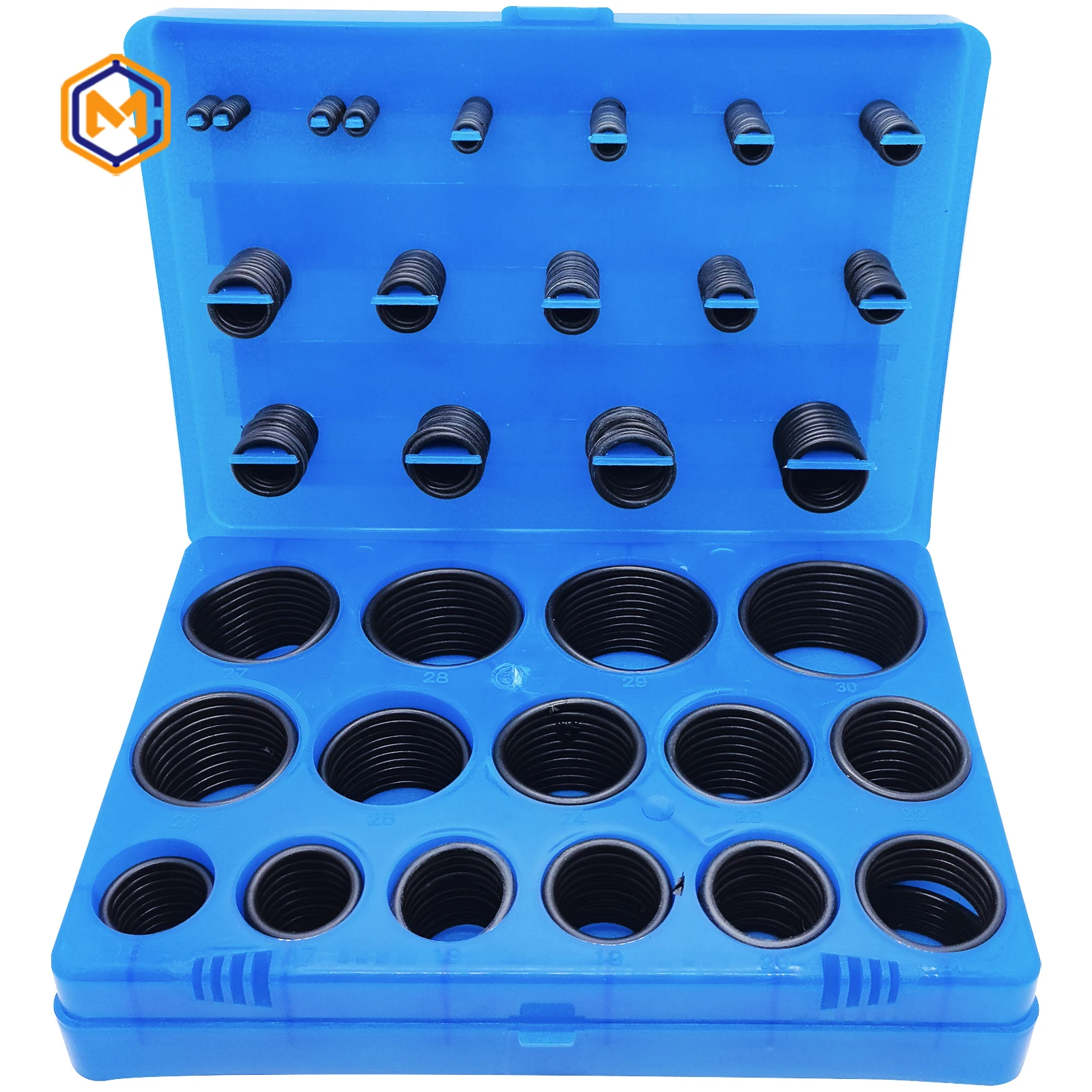
Engineering Insight: Playground Base Material Selection Criticality
Material science dictates playground safety performance far more than aesthetic considerations. At Suzhou Baoshida Trading Co., Ltd., we observe recurring field failures directly traceable to inadequate polymer formulation for base substrates. Off-the-shelf rubber solutions—typically repurposed industrial waste streams or generic recycled compounds—lack the engineered resilience required for dynamic playground environments. These materials prioritize cost reduction over functional integrity, leading to premature degradation under cyclic mechanical stress, UV exposure, and moisture ingress.
The core failure mechanism lies in uncontrolled polymer chain scission. Standard recycled rubber granules exhibit inconsistent crosslink density due to variable feedstock origins and insufficient devulcanization control. This results in progressive loss of elasticity under foot traffic, manifesting as surface hardening within 18–24 months. Hardened zones exceed ASTM F1292 critical fall height thresholds, converting impact energy into traumatic injury risks. Simultaneously, inadequate antioxidant packages accelerate ozone cracking in unstabilized EPDM blends, creating tripping hazards from fragmented granule edges. Crucially, poor substrate adhesion in non-engineered binders causes delamination from polyurethane matrices, permitting water entrapment and microbial growth beneath impact-absorbing layers.
Suzhou Baoshida’s OEM-engineered solutions address these failure vectors through precision molecular design. Our proprietary SBR/EPDM hybrid compounds integrate controlled devulcanization with targeted antioxidant synergists (Hindered Amine Light Stabilizers + Phosphites) to maintain Shore A 45–55 hardness tolerance across 5,000+ hours of QUV accelerated weathering. This ensures consistent impact attenuation per EN 1177 standards throughout the 10-year design lifecycle. Below is a comparative specification analysis:
| Property | Off-the-Shelf Recycled Rubber | Baoshida Engineered Compound | Field Consequence of Deficiency |
|---|---|---|---|
| Shore A Hardness Range | 30–70 (inconsistent) | 45–55 (±2 tolerance) | Unpredictable fall protection; localized hard spots exceed g-max limits |
| UV Resistance (QUV-B) | <1,000 hours | >5,000 hours | Rapid surface embrittlement; granule fragmentation within 24 months |
| Compression Set (ASTM D395) | 45–65% | ≤22% | Permanent deformation under load; loss of impact absorption capacity |
| Binder Adhesion (ASTM D429) | 0.2–0.5 MPa | ≥1.8 MPa | Delamination; water pooling; substrate erosion |
Material selection is not a commodity decision but a biomechanical engineering imperative. Generic solutions ignore the complex interplay between polymer morphology, environmental stressors, and pediatric impact dynamics. Suzhou Baoshida’s OEM partnership model integrates application-specific compound development with lifecycle validation testing, eliminating the false economy of substandard base materials. We collaborate with manufacturers to calibrate formulations against regional climate data and usage intensity metrics—transforming playground surfaces from liability risks into engineered safety systems. Precision in polymer architecture directly correlates with child safety outcomes; there are no acceptable compromises in this critical interface.
Material Specifications
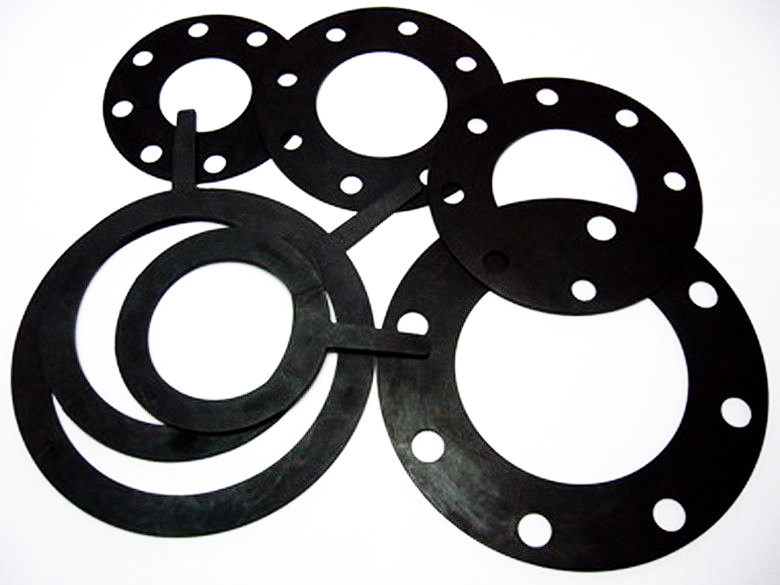
Suzhou Baoshida Trading Co., Ltd. provides high-performance industrial rubber solutions tailored for demanding applications, including playground base materials where durability, safety, and environmental resistance are critical. In such environments, selecting the appropriate elastomer is essential to ensure long-term performance under variable thermal, mechanical, and chemical exposure. Viton, Nitrile (NBR), and Silicone represent three of the most widely used synthetic rubbers in industrial applications due to their distinct chemical structures and performance characteristics. Each material offers unique advantages depending on the operational requirements of the playground infrastructure, such as impact absorption, UV resistance, and service life.
Viton, a fluorocarbon-based rubber, exhibits exceptional resistance to high temperatures, oils, fuels, and a broad range of chemicals. With a continuous service temperature range up to 230°C, Viton is ideal for environments where thermal degradation is a concern. Its low gas permeability and excellent aging resistance make it suitable for long-term installations exposed to aggressive substances or extreme weather conditions. However, Viton is typically more expensive than other elastomers, which may influence material selection for cost-sensitive applications.
Nitrile rubber, or acrylonitrile butadiene rubber (NBR), is renowned for its excellent resistance to petroleum-based oils and fuels. It performs reliably in temperature ranges from -40°C to 108°C, making it a practical choice for moderate climates. Nitrile offers good abrasion resistance and mechanical strength, which are beneficial in high-traffic playground zones. While it lacks the high-temperature stability of Viton, its cost-effectiveness and robust physical properties make it a preferred option for general-purpose rubber bases.
Silicone rubber stands out for its outstanding thermal stability, functioning effectively from -60°C to 200°C. It maintains flexibility across extreme temperatures and demonstrates superior resistance to UV radiation and ozone, making it highly suitable for outdoor applications. Silicone is also inert and non-toxic, which enhances safety in children’s play areas. Although it has lower tensile strength compared to Nitrile and limited resistance to hydrocarbon oils, its environmental resilience and safety profile are advantageous in public installations.
The following table compares key physical and chemical properties of these materials to guide optimal selection for playground base applications.
| Property | Viton (FKM) | Nitrile (NBR) | Silicone (VMQ) |
|---|---|---|---|
| Temperature Range (°C) | -20 to 230 | -40 to 108 | -60 to 200 |
| Tensile Strength (MPa) | 15–20 | 10–25 | 5–8 |
| Elongation at Break (%) | 200–300 | 250–500 | 200–600 |
| Hardness (Shore A) | 60–90 | 50–90 | 30–80 |
| Resistance to Oils & Fuels | Excellent | Excellent | Poor |
| Resistance to UV/Ozone | Excellent | Good | Excellent |
| Compression Set Resistance | Excellent | Good | Good |
| Typical Density (g/cm³) | 1.85 | 1.05 | 1.15 |
Material selection should be based on a comprehensive evaluation of environmental exposure, mechanical demands, and lifecycle costs. Suzhou Baoshida Trading Co., Ltd. supports OEM partners with technical data, sample testing, and formulation customization to ensure optimal performance in playground safety applications.
Manufacturing Capabilities
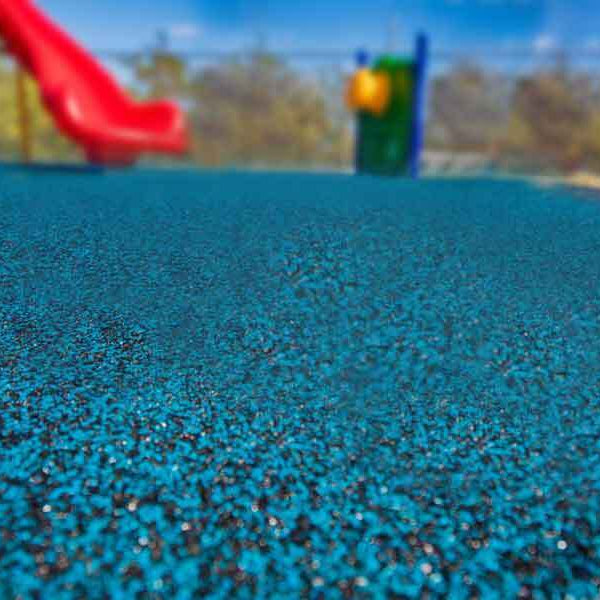
Engineering Capability: Precision Rubber Solutions for Playground Safety Surfaces
Suzhou Baoshida Trading Co., Ltd. delivers engineered rubber solutions for playground base materials through integrated technical expertise and OEM-centric processes. Our dedicated team of five Mould Engineers and two Formula Engineers operates at the intersection of polymer science and industrial manufacturing, ensuring every product meets stringent safety, durability, and performance benchmarks. This synergy enables us to translate complex client specifications into optimized, production-ready formulations and tooling, minimizing time-to-market while maximizing lifecycle value for critical safety infrastructure.
Mould Engineering Precision defines our manufacturing foundation. Our five engineers specialize in designing multi-cavity steel moulds with micron-level tolerance control, specifically calibrated for playground surfacing applications. This expertise ensures consistent geometric accuracy across high-volume production runs, critical for interlocking tile systems and poured-in-place substrates requiring exact dimensional stability. Advanced simulation software predicts material flow and curing dynamics, eliminating defects like sink marks or flash that compromise impact attenuation. Each mould undergoes rigorous validation against ASTM F1292 fall height requirements, guaranteeing uniform shock absorption across the entire surface area.
Formula Engineering drives material performance at the molecular level. Our two polymer scientists develop proprietary EPDM and SBR compounds engineered for extreme environmental resilience. Key innovations include optimized cross-link density for balanced rebound resilience and permanent deformation resistance, UV-stabilized pigments preventing surface degradation, and controlled porosity for drainage without compromising structural integrity. Every formulation undergoes accelerated aging tests simulating 10+ years of playground exposure, validating performance against abrasion, ozone, and temperature extremes from -40°C to +80°C. This scientific approach ensures compliance with global standards while extending service life beyond industry averages.
As an OEM partner, we implement a closed-loop development protocol from concept to certification. Clients provide performance targets; our engineers translate these into material specifications and tooling designs within 15 business days. Full-scale pilot production occurs in our ISO 9001-certified facility, with real-time data monitoring of cure kinetics, hardness, and tensile properties. We manage all regulatory documentation, including ASTM F1951 accessibility compliance and EN 1177 impact attenuation certification. This turnkey capability reduces client R&D overhead by 30–40% while guaranteeing seamless scalability from prototype to 500-ton monthly production volumes.
The table below summarizes critical performance parameters achieved through our engineering workflow:
| Parameter | Industry Standard | Baoshida Performance | Testing Method |
|---|---|---|---|
| Impact Attenuation (HIC) | ≤1000 (ASTM F1292) | ≤850 (600mm fall height) | Triaxial Accelerometer |
| Tensile Strength | ≥7.0 MPa | 9.2–10.5 MPa | ISO 37 Type 2 |
| Abrasion Resistance | ≤120 mm³ loss | ≤85 mm³ loss | DIN 53516 |
| UV Stability (2000h) | ≤30% color shift | ≤18% color shift | ISO 4892-2 Q-SUN |
| Drainage Rate | ≥0.5 L/m²/s | 0.8–1.2 L/m²/s | ASTM F2772 |
This engineering rigor positions Suzhou Baoshida as a strategic partner for municipalities, contractors, and global playground OEMs seeking scientifically validated rubber base materials. We transform safety requirements into engineered reality through relentless attention to polymer chemistry and precision manufacturing.
Customization Process
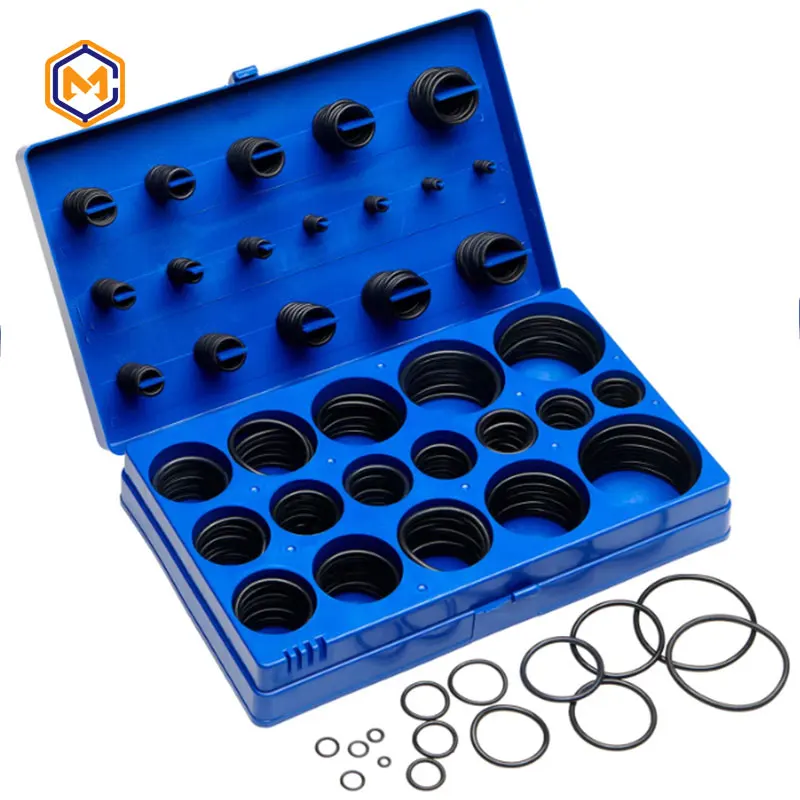
Drawing Analysis: Precision Engineering for Playground Base Materials
At Suzhou Baoshida Trading Co., Ltd., the customization process begins with rigorous drawing analysis. This foundational step ensures that every dimension, tolerance, and structural requirement of the playground base material is evaluated against industrial and safety standards. Our engineering team conducts a comprehensive review of CAD drawings provided by clients, verifying load-bearing zones, impact absorption zones, and interface geometries. We assess material thickness, surface texture requirements, and installation compatibility to ensure seamless integration into existing playground systems. This phase includes cross-referencing international standards such as ASTM F1292 and EN 1177 for impact attenuation, ensuring compliance from the outset. Any discrepancies or optimization opportunities are communicated directly to the client for alignment before proceeding.
Rubber Formulation: Tailored Material Science
Following drawing validation, our Rubber Formula Engineers develop a proprietary elastomer formulation optimized for the specific application. Playground base materials demand a balance of shock absorption, weather resistance, UV stability, and long-term durability. We utilize a blend of SBR, EPDM, or TPE depending on performance needs, incorporating reinforcing fillers, antioxidants, and vulcanizing agents to achieve target physical properties. Hardness is precisely calibrated within the 40–70 Shore A range to ensure safety under fall conditions while maintaining structural integrity. The formulation is also engineered to resist mold, mildew, and temperature extremes from -30°C to +80°C, ensuring performance across diverse climates. All compounds are tested in-house for tensile strength, elongation at break, compression set, and abrasion resistance prior to prototyping.
Prototyping: Validation Through Real-World Simulation
Once the formulation is finalized, we produce a pilot batch of prototype samples for physical testing. These samples are subjected to drop tests using calibrated impact testing equipment to verify head injury criteria (HIC) values. We also conduct slip resistance, drainage performance, and long-term compression testing under accelerated aging conditions. Prototypes are reviewed for dimensional accuracy and surface finish consistency. Clients receive detailed test reports and physical samples for independent evaluation. Feedback is integrated into a final design iteration, ensuring full alignment with functional and regulatory expectations.
Mass Production: Scalable Precision Manufacturing
Upon client approval, we transition to mass production using automated rubber molding and curing systems. Our facility supports both compression and injection molding techniques, ensuring high repeatability and minimal variance across large batches. Each production run undergoes strict quality control, including real-time hardness monitoring, visual inspection, and batch sampling for mechanical testing. All materials are traceable through our quality management system, compliant with ISO 9001 standards.
| Property | Standard Requirement | Test Method |
|---|---|---|
| Shore A Hardness | 45–65 | ASTM D2240 |
| Tensile Strength | ≥7 MPa | ASTM D412 |
| Elongation at Break | ≥200% | ASTM D412 |
| Compression Set (22h, 70°C) | ≤25% | ASTM D395 |
| HIC (Head Injury Criterion) | <1000 | ASTM F1292 |
| Slip Resistance (DCST) | ≥80 | EN 13899 |
Contact Engineering Team
Technical Engagement for Playground Base Material Specifications
Suzhou Baoshida Trading Co., Ltd. operates at the forefront of industrial rubber compounding, delivering engineered playground base materials that meet stringent global safety and performance benchmarks. Our formulations are not merely elastomeric products but precision-calibrated systems designed to mitigate impact forces, ensure longevity under UV exposure, and maintain structural integrity across diverse climatic conditions. For OEMs and municipal contractors, the margin for error in playground surfacing is zero; our solutions eliminate compromise through polymer matrix optimization and rigorous batch validation.
Compliance with ASTM F1292 and EN 1177 standards is non-negotiable in playground safety engineering. Our rubber granules and bonded tiles undergo dynamic impact testing at certified third-party laboratories, with critical fall height (CFH) metrics validated to 3.0 meters. Unlike generic recycled rubber suppliers, we control vulcanization kinetics and filler dispersion at the molecular level, ensuring consistent energy absorption without surface hardening or particle degradation. This technical rigor translates to reduced liability exposure and extended service life—critical factors in public infrastructure procurement.
The following table details core performance specifications for our flagship playground base materials, reflecting our commitment to quantifiable engineering outcomes:
| Performance Parameter | Test Standard | Baoshida Specification | Industry Baseline |
|---|---|---|---|
| Critical Fall Height (CFH) | ASTM F1292 | 3.0 meters | 1.8–2.4 meters |
| G-Max (Peak Deceleration) | ASTM F355 | ≤ 180 | ≤ 200 |
| HIC (Head Injury Criterion) | ASTM F1292 | ≤ 700 | ≤ 1000 |
| Rebound Resilience | ISO 4662 | 45–50% | 30–40% |
| UV Resistance (5,000 hrs) | ISO 4892-2 | ΔE < 3.0 | ΔE > 8.0 |
| Tensile Strength | ISO 37 | 8.5 MPa | 6.0 MPa |
These metrics underscore our differentiation: playground surfacing is not a commodity but a engineered safety system. Our R&D team collaborates directly with OEM partners to adjust durometer, particle gradation, and binder ratios for site-specific requirements—whether extreme-temperature regions or high-traffic urban parks. We provide full material traceability, including REACH/ROHS compliance certificates and accelerated aging reports, ensuring seamless integration into your quality assurance protocols.
For manufacturers seeking to elevate playground safety beyond minimum standards, Suzhou Baoshida offers end-to-end technical partnership. We support rapid prototyping, batch-scale production with ISO 9001-controlled processes, and on-site technical audits to align with your operational workflows. Our formulations reduce installation complexity through optimized particle interlock and moisture management, directly lowering your total project costs.
Initiate a technical dialogue to transform your playground surfacing specifications. Contact Mr. Boyce, our dedicated OEM Solutions Manager, to discuss material certification packages, custom formulation trials, or production scalability. Email [email protected] with your project parameters, required CFH thresholds, and volume projections. Mr. Boyce will coordinate a 48-hour technical response including preliminary compound recommendations and third-party test data. Precision-engineered safety begins with a validated material foundation—partner with Suzhou Baoshida to eliminate performance uncertainty in public play environments.
⚖️ O-Ring Weight Calculator
Estimate rubber O-ring weight (Approx).