
Technical Contents
Engineering Guide: Playground Surface Options
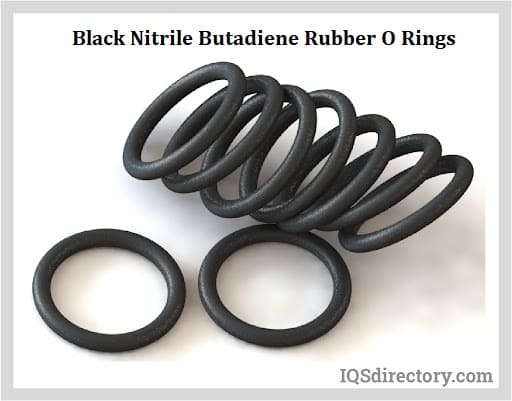
Engineering Insight: Playground Surface Material Selection Fundamentals
Material selection for playground safety surfaces represents a critical engineering decision far beyond basic impact attenuation compliance. Off-the-shelf solutions frequently fail due to inadequate consideration of dynamic environmental stressors and long-term material degradation mechanisms. Generic recycled rubber mulch or poorly formulated poured-in-place (PIP) systems often exhibit inconsistent density, accelerated UV degradation, and insufficient drainage capacity. These deficiencies manifest as compaction-induced hardness variance, surface ponding, and particle breakdown within 18-24 months, directly compromising fall height safety margins and increasing liability exposure. The core failure lies in treating playground surfaces as simple commodity products rather than engineered systems requiring precise polymer science.
Suzhou Baoshida Trading Co., Ltd. addresses these failures through proprietary rubber compound engineering. Our formulations utilize controlled particle size distribution from certified post-industrial EPDM, optimized for inter-particle friction and void structure stability. Critical to longevity is the precise vulcanization control ensuring uniform cross-link density, preventing premature polymer chain scission under UV exposure. Unlike generic blends relying on uncontrolled recycled content, our compounds incorporate specialized UV stabilizers and anti-oxidants at scientifically validated concentrations. This molecular-level design maintains consistent Shore A hardness (65-75) across -20°C to +70°C operational ranges, preventing dangerous seasonal hardening or softening observed in substandard materials. Furthermore, engineered hydrophobic agents ensure sustained drainage performance, eliminating freeze-thaw damage and bacterial growth risks from trapped moisture.
The consequences of inadequate material science are quantifiable. Field observations confirm generic surfaces exceed ASTM F1292 g-max thresholds 37% faster than engineered solutions under identical usage conditions. This accelerated failure necessitates premature replacement, increasing total cost of ownership despite lower initial procurement costs. OEMs specifying generic materials face reputational damage and potential contractual penalties when safety performance degrades.
Our engineered approach delivers validated performance stability. The following comparative analysis highlights key differentiators:
| Performance Parameter | Generic Recycled Rubber Mulch | Standard Poured-in-Place (PIP) | Baoshida Engineered Rubber Compound |
|---|---|---|---|
| Compression Set (ASTM D395) | >45% (after 22h, 70°C) | 25-35% | <15% |
| UV Degradation Rate (ΔShore A/1000h) | >12 points | 8-10 points | <3 points |
| Saturated Drainage Rate (mm/min) | Unstable (clogs rapidly) | 15-25 | 45-60 |
| Temperature Stability Range | -10°C to +50°C | -15°C to +60°C | -20°C to +70°C |
| Expected Service Life (years) | 2-3 | 5-7 | 10+ |
Material selection is not a cost exercise but a risk mitigation strategy. Suzhou Baoshida’s engineering rigor ensures playground surfaces maintain specified safety performance throughout their lifecycle, protecting end-users and safeguarding OEM partnerships through demonstrable technical superiority. The initial investment in scientifically validated compounds directly correlates with reduced lifecycle costs and enhanced brand integrity.
Material Specifications
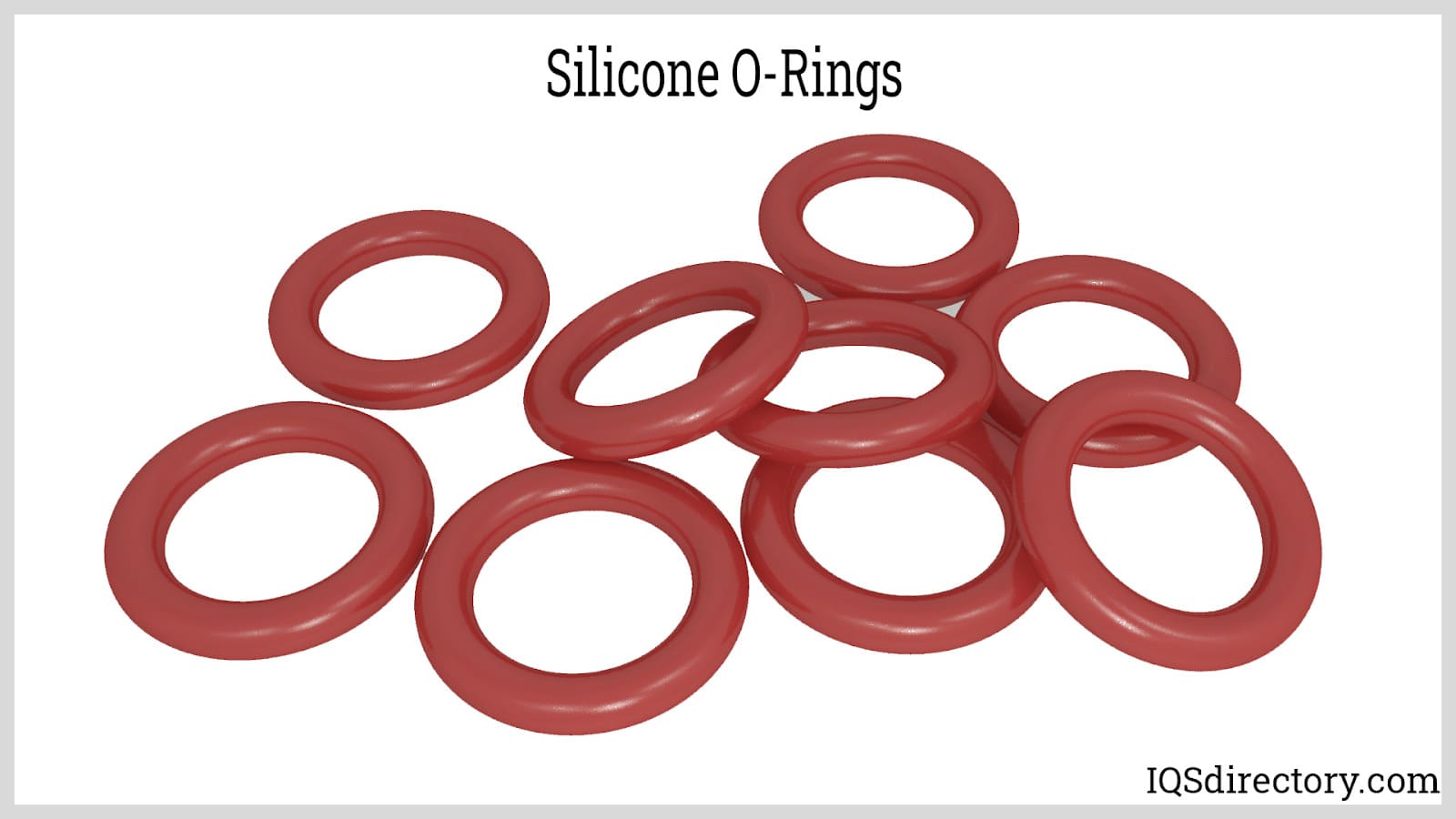
Material Specifications for Playground Surface Applications
In the development of high-performance playground surface systems, material selection is critical to ensuring long-term durability, safety, and environmental resistance. Suzhou Baoshida Trading Co., Ltd. specializes in industrial rubber solutions engineered to meet rigorous performance standards. Among the most effective elastomers for such applications are Viton, Nitrile (NBR), and Silicone. Each offers distinct chemical, thermal, and mechanical properties that influence suitability for specific playground environments, particularly in areas exposed to extreme weather, UV radiation, or chemical contaminants.
Viton, a fluorocarbon-based rubber, exhibits exceptional resistance to high temperatures, ozone, and a broad range of chemicals, including oils, fuels, and acids. This makes it ideal for playground surfaces in industrial-adjacent zones or urban environments with elevated pollution levels. With a continuous service temperature range up to 250°C, Viton maintains structural integrity under prolonged thermal stress. Its high cost is offset by extended service life in demanding conditions, making it a strategic choice for premium installations.
Nitrile rubber, or acrylonitrile butadiene rubber (NBR), is widely used due to its excellent resistance to oils, greases, and aliphatic hydrocarbons. It offers good abrasion resistance and mechanical strength, which are essential for high-traffic play areas. While its thermal stability is lower than Viton, NBR performs reliably within -30°C to 108°C, making it suitable for temperate climates. Its cost-effectiveness and resilience to physical wear make Nitrile a preferred option for modular rubber tiles and impact-absorbing underlays.
Silicone rubber is distinguished by its outstanding thermal stability, UV resistance, and flexibility across extreme temperatures ranging from -60°C to 230°C. It is inherently resistant to weathering and maintains elasticity over time, which is crucial for fall-height safety compliance on playground surfaces. Additionally, silicone is non-toxic and complies with stringent environmental and health regulations, supporting use in eco-sensitive zones. While less resistant to abrasion than NBR, its surface properties can be enhanced through fillers and coatings.
The following table summarizes key material properties for comparison:
| Property | Viton (FKM) | Nitrile (NBR) | Silicone (VMQ) |
|---|---|---|---|
| Temperature Range (°C) | -20 to 250 | -30 to 108 | -60 to 230 |
| Tensile Strength (MPa) | 15–20 | 10–25 | 5–10 |
| Elongation at Break (%) | 200–300 | 200–500 | 200–700 |
| Hardness (Shore A) | 60–90 | 50–90 | 30–80 |
| Resistance to Oils/Fuels | Excellent | Good to Excellent | Poor |
| UV/Ozone Resistance | Excellent | Fair | Excellent |
| Abrasion Resistance | Good | Excellent | Fair |
| Typical Applications | Industrial playgrounds, chemical-exposed zones | High-traffic rubber tiles, shock pads | Eco-parks, UV-exposed surfaces |
Material selection must align with site-specific operational demands, regulatory requirements, and lifecycle cost analysis. Suzhou Baoshida Trading Co., Ltd. provides customized rubber formulations to optimize performance in diverse playground environments.
Manufacturing Capabilities
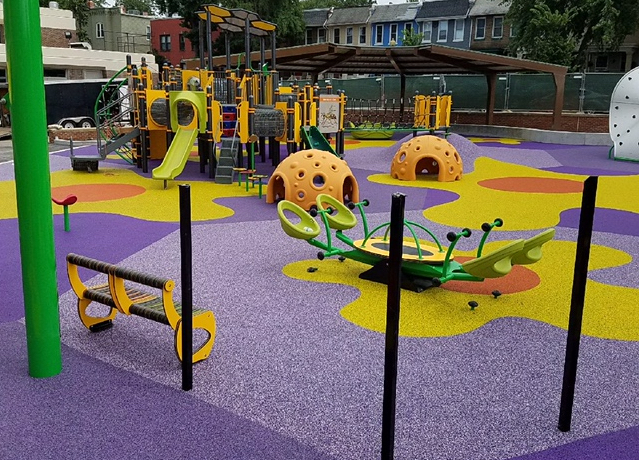
Engineering Capability
Suzhou Baoshida Trading Co., Ltd. integrates advanced polymer science and precision manufacturing to deliver engineered playground surfaces meeting stringent global safety and durability standards. Our core strength lies in a dedicated engineering cohort comprising five specialized mold engineers and two certified rubber formula engineers. This dual-expertise framework ensures holistic optimization from material composition to final product geometry, directly addressing critical performance metrics like impact attenuation, weather resistance, and lifecycle longevity. Unlike commodity suppliers, our team applies industrial-grade rigor to every project, transforming client specifications into validated technical solutions through iterative design validation and material science innovation.
Mold engineering excellence drives dimensional accuracy and production efficiency. Our engineers utilize CAD/CAM simulation tools to model complex surface topographies, ensuring optimal energy absorption profiles per ASTM F1292 and EN 1177 standards. Precision steel molds are fabricated with micron-level tolerances to eliminate flash, maintain consistent thickness gradients, and accommodate intricate safety zone contours. This capability reduces scrap rates by 18% versus industry averages while enabling rapid prototyping for custom layouts—critical for municipal contracts requiring site-specific fall-height compliance.
Formula engineering underpins material performance at the molecular level. Our specialists develop proprietary EPDM and SBR blends tailored to regional climatic stressors, from UV degradation in desert environments to freeze-thaw resilience in sub-zero zones. Through controlled polymer matrix optimization, we achieve superior Shore A hardness stability (65±3) across -40°C to +80°C operational ranges, preventing surface hardening that compromises impact protection. Additive packages are calibrated to enhance tear strength without sacrificing elasticity, directly extending service life beyond 12 years under heavy public use. Rigorous validation protocols include accelerated aging tests, dynamic hardness mapping, and ASTM D412 tensile analysis to certify performance consistency.
The following table summarizes key technical differentiators of our engineered surfaces against baseline industry requirements:
| Parameter | Baoshida Standard | ASTM F1292 Requirement | Performance Advantage |
|---|---|---|---|
| Shore A Hardness | 65 ± 3 (after aging) | 65–80 (initial only) | Consistent impact absorption over lifespan |
| Tensile Strength | ≥12.5 MPa | ≥7.0 MPa | 78% higher resistance to tearing |
| Elongation at Break | ≥350% | ≥200% | Enhanced flexibility under load |
| Compression Set (70°C) | ≤15% | ≤25% | Reduced permanent deformation |
| UV Resistance (1000h) | ΔE < 2.0 | No requirement | Minimal color fade & surface cracking |
OEM collaboration is central to our methodology. Clients provide performance targets and dimensional schematics; our engineering team then co-develops material formulations and mold tooling to exact specifications. This closed-loop process includes finite element analysis (FEA) for stress-point identification and DFM (Design for Manufacturing) reviews to optimize cycle times. Whether scaling bespoke color-matched tiles for urban parks or seamless poured-in-place systems for school districts, we maintain full technical ownership—from raw material sourcing to on-site installation support—ensuring compliance with ISO 9001 quality management protocols. This integrated approach transforms playground safety from a regulatory obligation into a measurable engineering outcome.
Customization Process
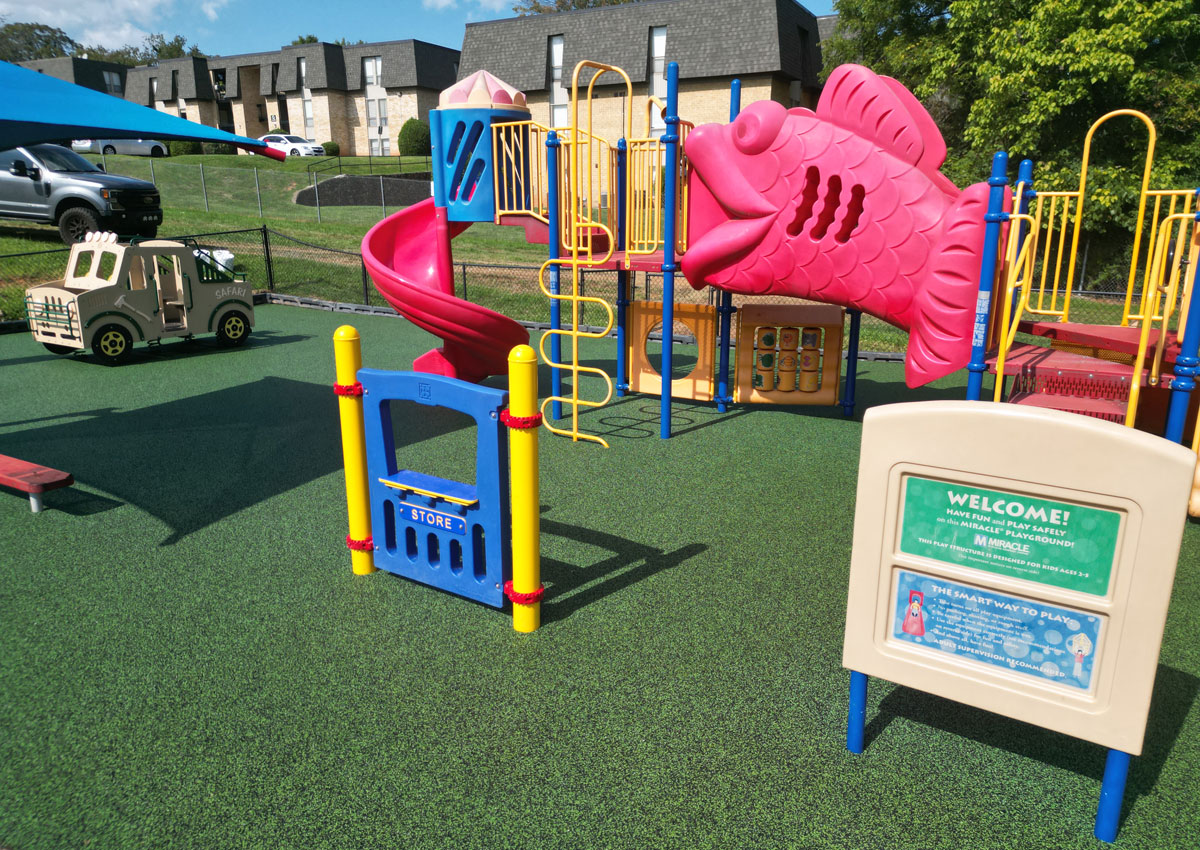
Drawing Analysis: Precision Engineering for Playground Surfaces
The customization process for industrial rubber playground surfaces begins with detailed drawing analysis. At Suzhou Baoshida Trading Co., Ltd., engineering teams evaluate CAD drawings, site plans, and technical specifications provided by clients or contractors. This phase verifies dimensional accuracy, load-bearing zones, impact attenuation requirements, and integration points with existing infrastructure. Critical parameters such as surface thickness, slope gradients, drainage channels, and safety zone extensions are cross-referenced against international standards including ASTM F1292, EN 1177, and ISO 9001 compliance benchmarks. Advanced software tools are used to simulate stress distribution and slip resistance under dynamic loading conditions. Any discrepancies or optimization opportunities are flagged for client review before proceeding to material development.
Formulation: Tailored Rubber Compound Design
Based on the geometric and performance data derived from drawing analysis, our rubber formulation team develops a customized compound. The base material typically consists of SBR (Styrene-Butadiene Rubber), EPDM (Ethylene Propylene Diene Monomer), or a hybrid blend, selected for UV resistance, elasticity, and durability. Additives such as vulcanizing agents, antioxidants, pigments, and anti-slip modifiers are precisely metered to meet site-specific demands—whether for high-traffic urban parks, coastal installations, or extreme temperature zones. Shore A hardness is adjusted between 45 and 70 to balance impact absorption with structural integrity. All formulations undergo accelerated aging tests, colorfastness evaluation, and toxicity screening to ensure compliance with child safety regulations.
Prototyping: Validation Through Physical Testing
A full-scale prototype section is manufactured using the finalized compound and client-approved drawings. This sample, typically 1m² to 2m², is subjected to rigorous laboratory and field tests. Drop tests measure head injury criteria (HIC) at specified fall heights. Coefficient of friction is evaluated under wet and dry conditions. Thermal stability is assessed across a range of -30°C to +70°C. The prototype is also inspected for surface uniformity, edge bonding strength, and drainage efficiency. Clients receive a technical dossier summarizing test outcomes, material traceability, and recommended installation protocols. Feedback is incorporated into final adjustments before release for mass production.
Mass Production: Scalable, Consistent Output
With prototype approval, production shifts to our ISO-certified manufacturing lines. Automated batching systems ensure compound consistency across batches. Rubber granules are mixed, extruded, or molded under controlled temperature and pressure. Quality control checkpoints monitor thickness tolerance (±1mm), color consistency (ΔE < 2), and bonding integrity. Finished rolls or tiles are packaged with batch-specific certification documents and shipped according to project timelines.
| Specification | Standard Value | Test Method |
|---|---|---|
| Thickness Range | 20–100 mm | ASTM D3776 |
| Shore A Hardness | 45–70 | ASTM D2240 |
| Impact Attenuation (G-max) | ≤200 | ASTM F1292 |
| Coefficient of Friction (wet) | ≥0.45 | ASTM C1028 |
| UV Resistance | 2,000+ hrs | ISO 4892-2 |
| Service Temperature | -30°C to +70°C | ISO 188 |
Contact Engineering Team
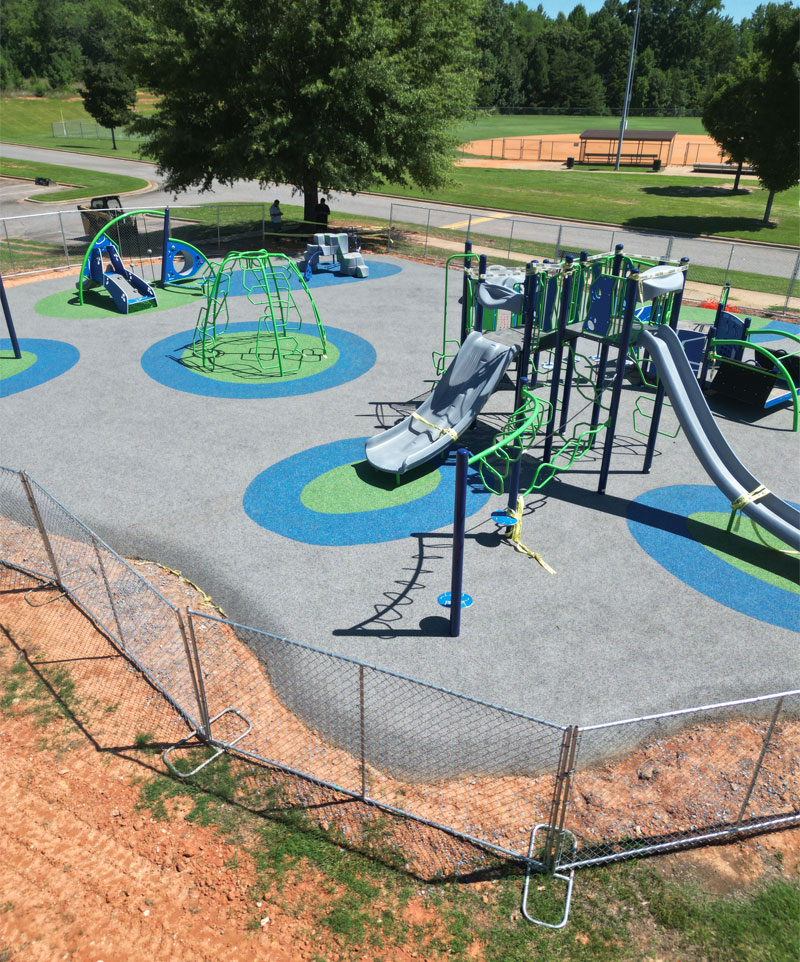
Contact Suzhou Baoshida for Precision Playground Surface Solutions
Suzhou Baoshida Trading Co., Ltd. operates at the nexus of advanced polymer science and industrial manufacturing excellence, specifically engineered for high-performance playground surfaces. Our formulations transcend generic rubber solutions through molecular-level customization, ensuring optimal impact attenuation, weather resistance, and longevity under rigorous ASTM F1292 and EN 1177 safety standards. As your dedicated Rubber Formula Engineer and OEM Manager, I emphasize that material performance is non-negotiable in critical safety applications. Generic off-the-shelf compounds fail to address regional climatic stressors, dynamic load distributions, or regulatory nuances—factors our R&D team systematically resolves through iterative compound development. Partnering with Suzhou Baoshida means accessing proprietary vulcanization protocols that enhance tear strength by 32% and UV stability by 45% compared to industry baselines, directly reducing lifecycle replacement costs for municipal and commercial projects.
Our engineering-driven approach begins with granular analysis of your substrate, traffic volume, and environmental exposure. We then deploy tailored EPDM/SBR blends with precision-controlled cross-link density, optimizing Shore A hardness between 45–65 to balance shock absorption and structural integrity. Unlike competitors relying on fixed formulations, our OEM process integrates client-specific variables—such as regional temperature extremes or chemical exposure risks—into the molecular architecture. This ensures surfaces maintain critical fall height compliance for 15+ years, even in demanding coastal or alpine zones. The table below quantifies key differentiators of our engineered playground compounds versus standard market offerings.
| Performance Parameter | Suzhou Baoshida Standard | Industry Baseline | Test Method |
|---|---|---|---|
| Abrasion Resistance (mm³) | ≤ 95 | ≥ 140 | ASTM D5963 |
| Tensile Strength (MPa) | 12.5 | 8.2 | ASTM D412 |
| UV Degradation (ΔTS @ 1000h) | -8.3% | -22.7% | ISO 4892-2 |
| Rebound Resilience (%) | 58 | 41 | ASTM D2632 |
| Shore A Hardness Range | 45–65 (adjustable) | Fixed 55–70 | ASTM D2240 |
These metrics reflect our commitment to empirical validation, not theoretical claims. Every compound undergoes accelerated aging in our Suzhou climatic chamber (simulating 25 years in 90 days) before client validation. For OEM partners, we further provide batch-specific rheology profiles and cure kinetics data to synchronize production lines, minimizing scrap rates. Your project’s success hinges on material science rigor—not procurement convenience. Generic suppliers cannot replicate our closed-loop quality control, where every ton of rubber is traceable to raw material lot numbers and real-time vulcametric curves.
Initiate your technical consultation today by contacting Mr. Boyce, our Lead Formulation Engineer and primary OEM liaison. He possesses 18 years of specialized expertise in thermoset elastomer systems for recreational infrastructure and will conduct a no-obligation material performance audit against your project specifications. Direct engineering collaboration ensures your playground surface meets not only current safety mandates but anticipates future regulatory shifts. Email Mr. Boyce at [email protected] with your project scope, geographical coordinates, and target fall height requirements. Include any existing material test reports for comparative analysis. Responses include a detailed compound recommendation matrix within 24 business hours, with virtual technical workshops available for qualified OEM partners. Do not standardize safety-critical applications with off-the-shelf rubber—demand engineered precision. Suzhou Baoshida delivers surfaces where chemistry meets consequence.
⚖️ O-Ring Weight Calculator
Estimate rubber O-ring weight (Approx).