
Technical Contents
Engineering Guide: Plug Seal Ring
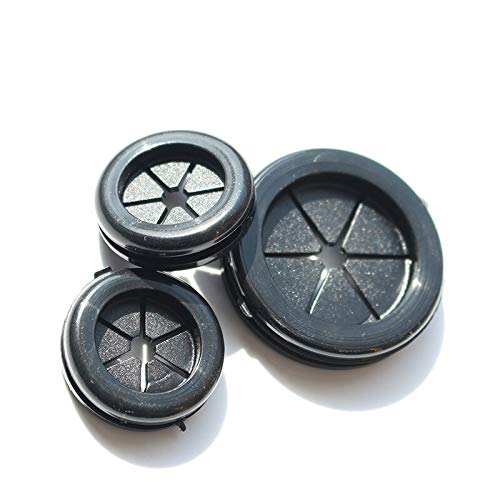
Engineering Insight: Material Selection in Plug Seal Ring Performance
The performance and longevity of a plug seal ring in industrial applications are fundamentally determined by material selection. While many manufacturers default to off-the-shelf elastomeric solutions for cost or convenience, this approach frequently leads to premature failure, system leakage, and unplanned downtime. The inherent complexity of sealing environments—characterized by fluctuating temperatures, aggressive media exposure, mechanical stress, and dynamic pressure cycles—necessitates a precision-engineered approach to elastomer selection.
Standard rubber compounds such as generic NBR (nitrile butadiene rubber) or basic silicone may appear functionally adequate under laboratory conditions, but real-world operational profiles often exceed their chemical and thermal tolerances. For example, exposure to automotive transmission fluids, hydraulic esters, or sour gas environments in oilfield equipment can cause chain scission, swelling, or embrittlement in non-optimized materials. These degradation mechanisms compromise sealing force, reduce compression set resistance, and ultimately breach the integrity of the joint.
At Suzhou Baoshida Trading Co., Ltd., we emphasize application-specific material engineering. Our plug seal rings are formulated using advanced elastomers including FKM (fluoroelastomer), EPDM (ethylene propylene diene monomer), HNBR (hydrogenated nitrile), and specialty silicones tailored to meet the exact chemical, thermal, and mechanical demands of the end use. Each compound is validated through accelerated aging tests, fluid immersion studies, and dynamic compression set analysis per ASTM and ISO standards.
A critical oversight in off-the-shelf selection is the failure to account for compound hardness (Shore A), filler content, and crosslink density—all of which influence resilience, extrusion resistance, and recovery behavior. For instance, a plug seal in a high-pressure hydraulic manifold requires a high-durometer FKM with reinforced fillers to resist extrusion, whereas a low-temperature sensor housing may demand a low-modulus EPDM with superior cold-flex properties.
The following table outlines key material properties and their functional implications in plug seal ring applications:
| Material | Temperature Range (°C) | Key Chemical Resistance | Typical Applications | Shore A Hardness Range |
|---|---|---|---|---|
| NBR | -30 to +100 | Aliphatic oils, water, hydraulic fluids | General industrial, pneumatic systems | 60–90 |
| FKM | -20 to +200 | Aromatic fuels, acids, silicone oils | Automotive, aerospace, chemical processing | 70–90 |
| EPDM | -50 to +150 | Water, steam, alkalis, brake fluids | HVAC, water treatment, electrical enclosures | 50–80 |
| HNBR | -40 to +150 | Oils, ozone, hot water, sour gas | Oil & gas downhole tools, industrial drives | 60–90 |
| Silicone | -60 to +200 | UV, oxygen, hot air, water | Medical devices, food processing, electronics | 40–80 |
Material selection is not a secondary consideration—it is the cornerstone of reliable sealing performance. Off-the-shelf solutions, while expedient, lack the tailored formulation required to endure specific service conditions. At Baoshida, we collaborate with OEMs to analyze fluid compatibility, thermal profiles, and mechanical loads, ensuring each plug seal ring is engineered for mission-critical reliability.
Material Specifications
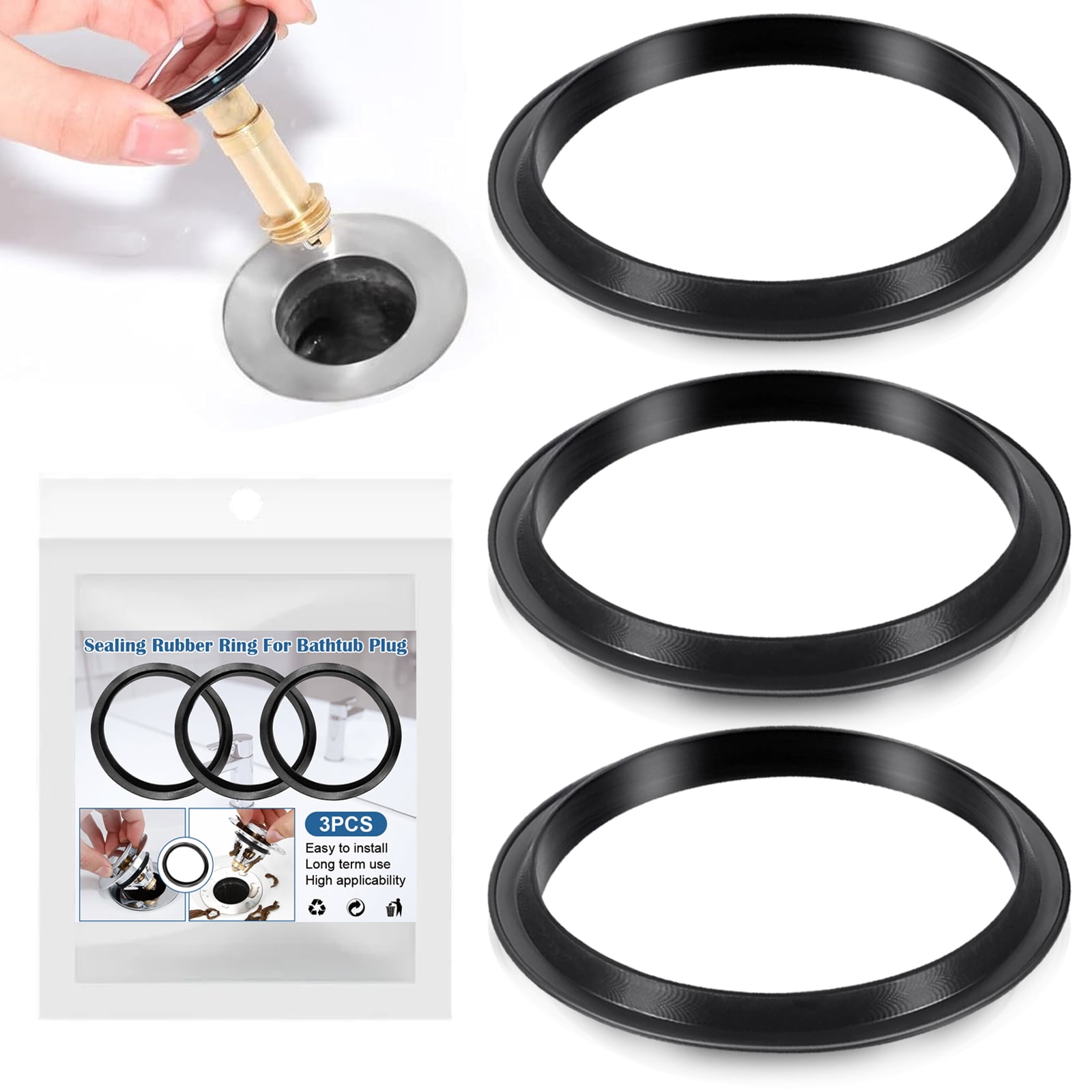
Material Specifications for Precision Plug Seal Rings
Material selection is critical for plug seal ring performance in demanding industrial applications. At Suzhou Baoshida Trading Co., Ltd. we engineer rubber compounds to exacting OEM standards ensuring optimal sealing integrity under pressure thermal stress and chemical exposure. Our precision plug seal rings leverage three primary elastomers each tailored for specific operational environments. Understanding the nuanced properties of Viton fluorocarbon Nitrile butadiene rubber and Silicone is essential for reliable system functionality and longevity.
Viton fluorocarbon rubber offers unparalleled resistance to aggressive chemicals high temperatures and aerospace fuels. Its molecular stability maintains sealing force in continuous service up to 230°C with intermittent peaks at 260°C. Viton excels in automotive fuel systems chemical processing equipment and semiconductor manufacturing where exposure to oils acids and halogenated solvents occurs. Compression set resistance remains below 25% after 70 hours at 200°C per ASTM D395 ensuring long-term elastic recovery. Nitrile butadiene rubber provides an optimal balance of cost efficiency and resilience against petroleum-based fluids. Operating effectively from -40°C to +120°C NBR demonstrates exceptional abrasion resistance and tensile strength exceeding 20 MPa. It is the standard choice for hydraulic systems transmission seals and industrial machinery handling mineral oils greases and water-based fluids. However NBR exhibits limited ozone resistance and degrades above 125°C requiring careful environmental assessment. Silicone rubber delivers extreme temperature versatility from -60°C to +200°C with specialized grades reaching +300°C. Its inert biocompatible structure resists oxidation UV radiation and microbial growth making it ideal for medical devices food processing and high-temperature electrical insulation. Silicone maintains flexibility at cryogenic temperatures but possesses lower tensile strength approximately 7–9 MPa and reduced resistance to petroleum derivatives compared to NBR or Viton.
The comparative analysis below details critical performance parameters for informed material selection. All compounds meet ISO 3601 flange standard tolerances and undergo rigorous batch testing per ASTM D2000 classification.
| Material | Key Properties | Temperature Range (°C) | Chemical Resistance Profile | Typical Applications |
|---|---|---|---|---|
| Viton (FKM) | High thermal stability low gas permeability | -20 to +230 (260 intermittent) | Excellent: Acids fuels oils solvents halogens | Aerospace fuel systems chemical valves |
| Nitrile (NBR) | High abrasion resistance good oil swell | -40 to +120 | Excellent: Petroleum oils greases water | Hydraulic cylinders transmissions |
| Silicone (VMQ) | Extreme flexibility low toxicity | -60 to +200 (+300 special grades) | Good: Water ozone UV Poor: Petroleum oils | Medical devices food processing lighting |
Suzhou Baoshida Trading Co., Ltd. rigorously validates all formulations through dynamic compression testing fluid immersion analysis and accelerated aging per OEM protocols. Material recommendations derive from comprehensive operational profiling including pressure cycles media compatibility and regulatory requirements. Our technical team collaborates directly with clients to match compound specifications to application demands ensuring leak-free performance across automotive industrial and specialty equipment sectors. Precision in material science translates directly to system reliability and reduced lifecycle costs.
Manufacturing Capabilities
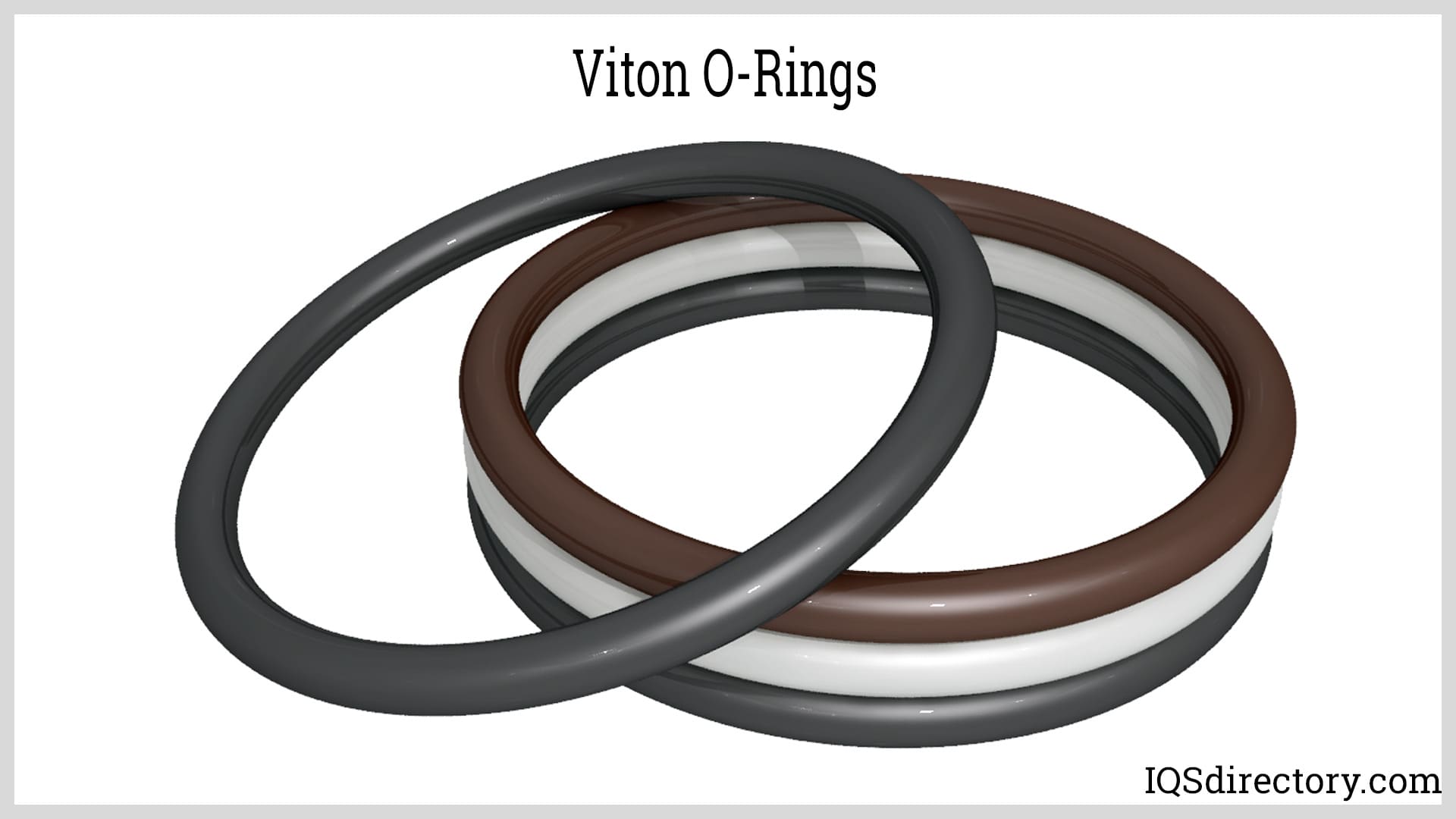
Engineering Capability
At Suzhou Baoshida Trading Co., Ltd., our engineering capability in precision rubber seal manufacturing is anchored in deep technical expertise and advanced material science. We maintain a dedicated team of five specialized mould engineers and two certified rubber formulation engineers, enabling full in-house control from concept to production. This integrated engineering structure ensures rapid prototyping, precise tooling development, and optimized material performance tailored to demanding industrial applications.
Our mould engineers bring over 15 years of cumulative experience in precision rubber and silicone mould design, utilizing state-of-the-art CAD/CAM systems and simulation software to develop high-tolerance tooling for plug seal rings. Each design undergoes rigorous validation for parting lines, gate placement, venting, and ejection systems to minimize flash, ensure uniform curing, and maintain dimensional stability across production batches. We specialize in multi-cavity and family moulds, supporting both low-volume prototyping and high-volume manufacturing with consistent repeatability.
Complementing our tooling expertise, our two rubber formulation engineers focus on material performance optimization. They develop and refine custom elastomer compounds to meet specific application requirements such as chemical resistance, temperature range, compression set, and sealing force. By controlling the formulation process in-house, we eliminate dependency on third-party material suppliers and ensure consistent batch-to-batch quality. Our formulation capabilities span NBR, EPDM, FKM, VMQ, and specialty compounds including fluorosilicone and hydrogenated nitrile (HNBR), all tested under real-world service conditions.
We offer full OEM support with strict confidentiality and IP protection. Our engineering team collaborates directly with clients to interpret technical drawings, perform DFM analysis, and deliver functional prototypes within 15–20 days. With ISO 9001-certified processes and a zero-defect mindset, we ensure every plug seal ring meets exact dimensional, material, and performance specifications.
The following table outlines key technical specifications achievable through our engineering and manufacturing platform:
| Parameter | Capability Range |
|---|---|
| Mould Tolerance | ±0.02 mm |
| Part Dimensions (OD) | 10 mm – 200 mm |
| Hardness Range (Shore A) | 40 – 90 |
| Operating Temperature | -60°C to +300°C (material-dependent) |
| Compression Set (ASTM D395) | ≤15% (at 100°C, 22 hrs) |
| Tensile Strength | Up to 18 MPa (compound-dependent) |
| Elongation at Break | Up to 600% |
| Lead Time (Prototype) | 15–20 days |
| Production Volume Capacity | 10,000 – 500,000 units/month per mould |
Our engineering-first approach ensures that every plug seal ring is not just a component, but a precision-engineered solution designed for reliability, longevity, and seamless integration into the client’s assembly.
Customization Process
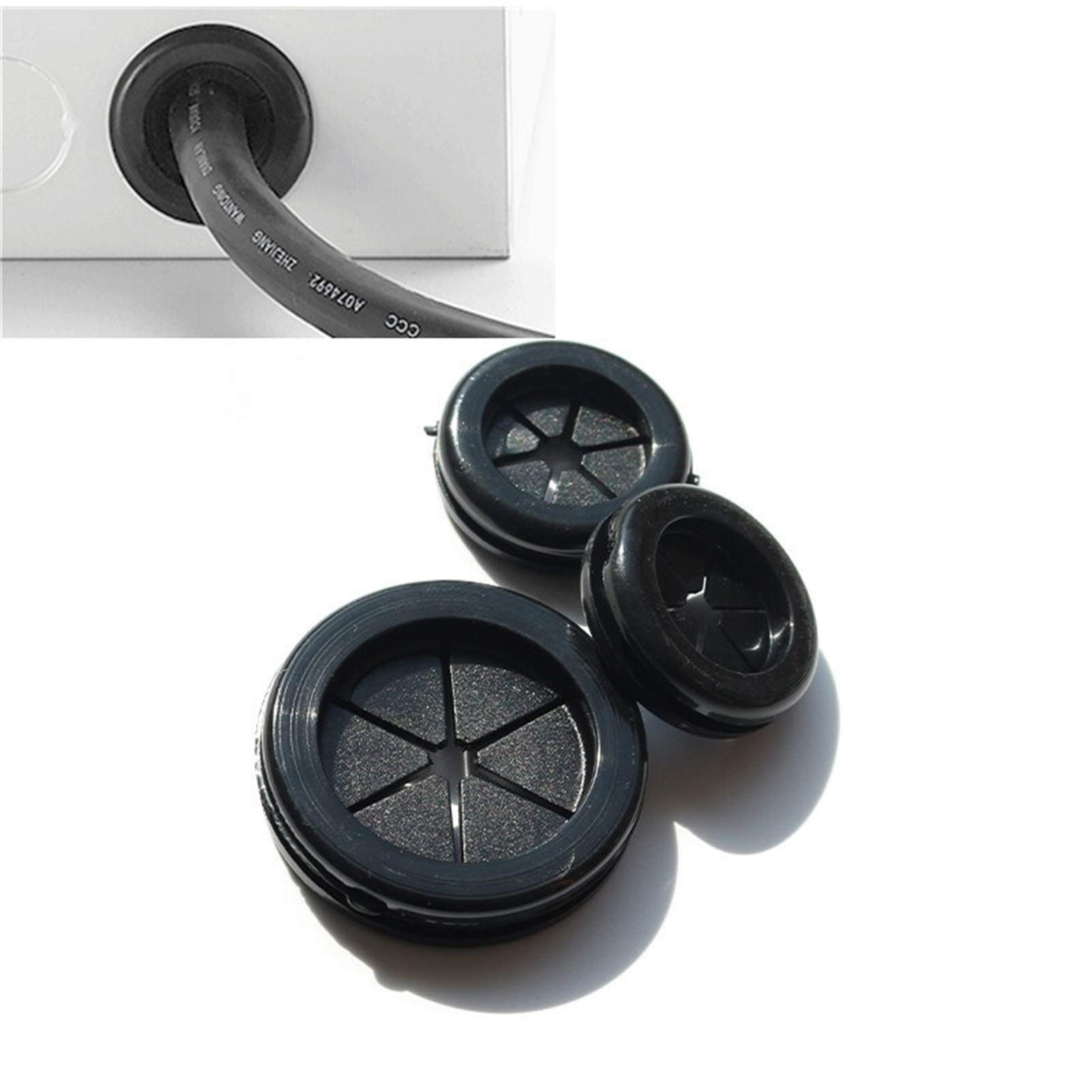
Plug Seal Ring Customization: Precision Engineering Workflow
At Suzhou Baoshida Trading Co., Ltd., our plug seal ring customization process integrates material science with industrial manufacturing rigor to deliver application-specific sealing solutions. This structured workflow ensures dimensional accuracy, chemical resistance, and longevity under operational stress. The sequence begins with rigorous drawing analysis, where our engineering team dissects client-provided specifications against ISO 3601 standards. Critical parameters—including groove geometry, tolerance stack-up, and surface finish requirements—are validated using CAD cross-referencing and GD&T protocols. Ambiguities or non-compliant features trigger immediate technical dialogue to prevent downstream deviations.
Material formulation follows dimensional validation, leveraging our 15+ years of compound development expertise. We select base polymers (NBR, FKM, EPDM) based on fluid compatibility, temperature exposure, and pressure differentials. Each formulation undergoes iterative lab-scale mixing to optimize cure kinetics, compression set resistance, and tensile strength. Accelerated aging tests simulate 5,000+ hours of service life within 72 hours, ensuring the compound meets ASTM D2000 classifications. Below is a representative material specification matrix for common plug seal applications:
| Material Grade | Hardness (Shore A) | Temp Range (°C) | Fluid Resistance | Compression Set (70h/100°C) |
|---|---|---|---|---|
| NBR-70 | 68–72 | -30 to +120 | Oils, Fuels | ≤25% |
| FKM-75 | 73–77 | -20 to +230 | Acids, Jet Fuel | ≤18% |
| EPDM-60 | 58–62 | -50 to +150 | Water, Steam | ≤20% |
Prototyping executes validated designs via CNC-machined molds or 3D-printed tooling, depending on complexity and urgency. We produce 5–10 units per iteration for client validation, subjecting samples to burst pressure testing (per SAE AS568), leakage rate measurement (ISO 3601-3), and thermal cycling. Dimensional reports with ±0.05mm tolerance verification accompany each batch. Client feedback on fit/functionality drives mold adjustments before final sign-off.
Mass production initiates only after prototype approval, utilizing OEM-managed facilities with ISO 9001-certified processes. We implement statistical process control (SPC) on injection/compression molding lines, monitoring cavity pressure, cure time, and post-mold shrinkage in real time. Every 500th unit undergoes destructive testing for crosslink density (via Mooney Viscometer) and fluid immersion validation. Final inspection includes 100% visual checks for flash or voids and automated vision systems verifying critical diameters. Shipments include traceability logs linking batches to raw material mill certificates and process parameters.
This closed-loop methodology eliminates guesswork, reducing time-to-market by 30% while guaranteeing seals perform identically across 100,000+ units. Suzhou Baoshida’s engineering oversight from compound design to production ensures your plug seal rings meet the exact physics of your application—not just industry averages.
Contact Engineering Team
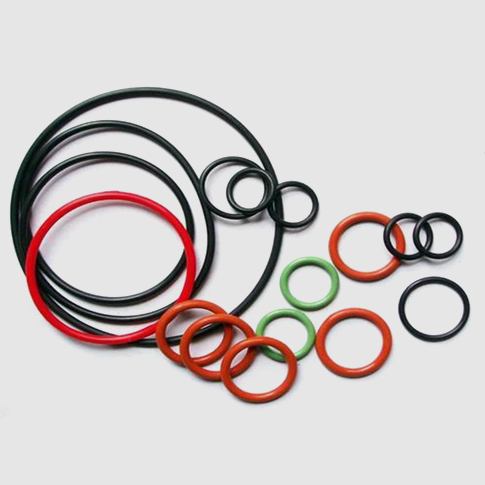
Contact Suzhou Baoshida for Precision Plug Seal Ring Solutions
At Suzhou Baoshida Trading Co., Ltd., we specialize in the engineering and supply of high-performance rubber seals designed for critical industrial applications. Our plug seal rings are manufactured to exacting standards, ensuring reliable sealing performance under demanding conditions across automotive, aerospace, oil & gas, and industrial machinery sectors. When precision, durability, and material compatibility are non-negotiable, our engineered rubber solutions deliver consistent results.
We understand that every application presents unique challenges—whether it’s resistance to extreme temperatures, exposure to aggressive media, or the need for tight tolerance sealing in confined spaces. That’s why we work closely with OEMs and Tier suppliers to develop customized plug seal rings tailored to your functional requirements. From material selection and hardness optimization to dimensional accuracy and compression set resistance, our team ensures every specification is met with scientific rigor.
Our manufacturing process integrates advanced compounding techniques, precision molding, and stringent quality control protocols. We utilize a broad range of elastomers including NBR, EPDM, FKM (Viton), Silicone, and HNBR, allowing us to match the ideal compound to your operational environment. Each plug seal ring undergoes comprehensive testing for durometer, tensile strength, elongation, and fluid resistance to guarantee compliance with international standards such as ISO 3601, AS568, and DIN 3869.
If you are sourcing high-integrity sealing components for serial production or prototype development, Suzhou Baoshida offers scalable manufacturing capacity with consistent quality and on-time delivery. Our global supply chain network supports just-in-time logistics and long-term supply agreements, providing stability and cost-efficiency for your procurement strategy.
To ensure seamless collaboration, we assign a dedicated technical account manager to every client. For immediate assistance with plug seal ring specifications, custom design support, or quotation requests, please contact Mr. Boyce, our OEM Manager and Rubber Formula Engineer. With deep expertise in elastomer science and industrial sealing applications, Mr. Boyce will guide you through material selection, performance validation, and production planning to ensure optimal integration into your systems.
| Property | Value Range | Test Standard |
|---|---|---|
| Hardness (Shore A) | 50–90 ±5 | ASTM D2240 |
| Operating Temperature | -40°C to +230°C (material-dependent) | — |
| Tensile Strength | ≥10 MPa (min) | ASTM D412 |
| Elongation at Break | ≥200% | ASTM D412 |
| Compression Set (24h @ 100°C) | ≤25% | ASTM D395 |
| Fluid Resistance | Custom formulation available for oils, fuels, water, acids, and hydraulic fluids | ASTM D471 |
For technical inquiries, sample requests, or to initiate a project collaboration, reach out directly to Mr. Boyce at [email protected]. We respond to all inquiries within 24 business hours and offer virtual or on-site technical consultations upon request. Partner with Suzhou Baoshida for engineered rubber sealing solutions built to perform.
⚖️ O-Ring Weight Calculator
Estimate rubber O-ring weight (Approx).