
Technical Contents
Engineering Guide: Pneumatic Air Hoses
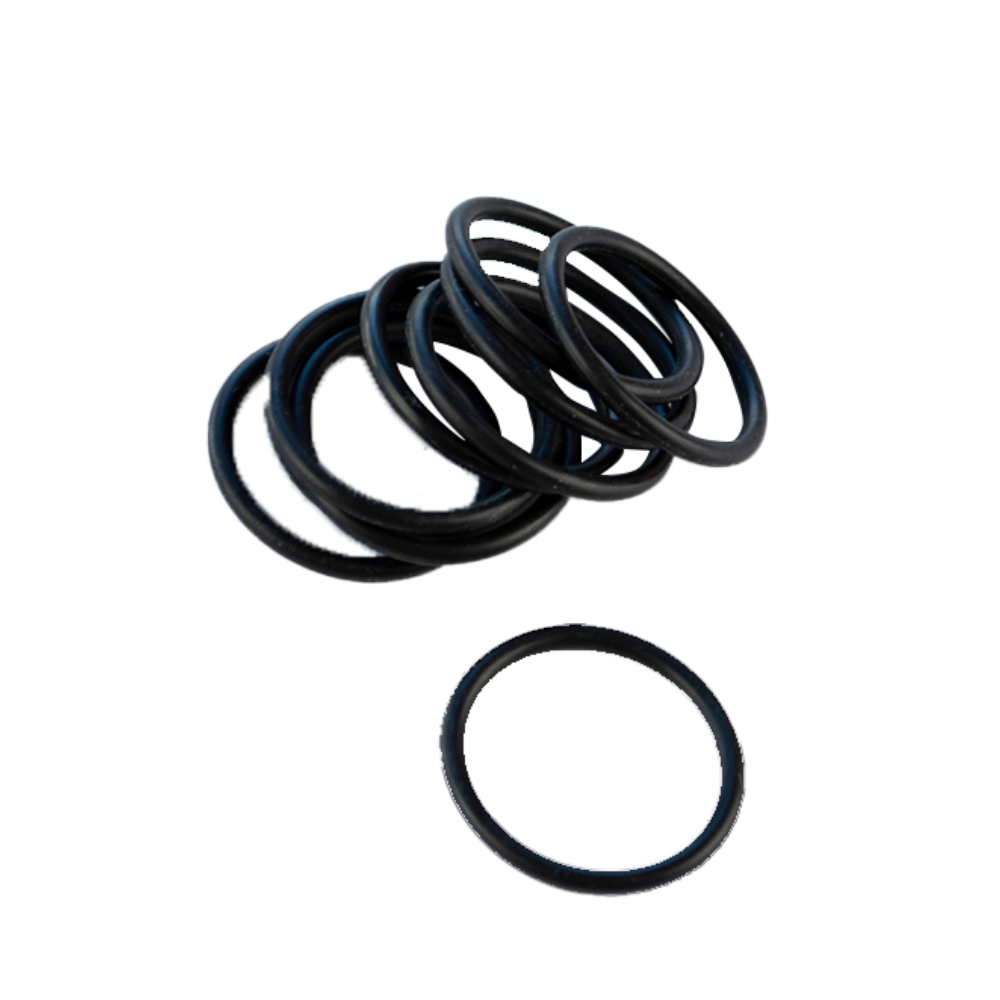
Engineering Insight: Material Selection in Pneumatic Air Hoses
In industrial environments where reliability and performance are non-negotiable, the selection of appropriate materials for pneumatic air hoses is a foundational engineering decision. While off-the-shelf pneumatic hoses may appear cost-effective and readily available, their generic construction often leads to premature failure under real-world operating conditions. This stems from an inadequate alignment between hose material composition and the specific demands of the application, including pressure cycling, environmental exposure, and chemical compatibility.
Standard pneumatic air hoses are typically manufactured using general-purpose synthetic rubber compounds such as SBR (Styrene-Butadiene Rubber) or low-grade PVC. These materials offer acceptable performance in mild, indoor environments with stable temperatures and minimal exposure to oils, ozone, or UV radiation. However, in demanding industrial settings—such as automotive manufacturing, heavy machinery operations, or outdoor construction—these materials degrade rapidly. Cracking, softening, or embrittlement occurs due to oxidative aging, leading to leaks, pressure loss, and unplanned downtime.
At Suzhou Baoshida Trading Co., Ltd., we emphasize engineered material solutions tailored to operational stressors. For instance, nitrile rubber (NBR) is preferred in oil-rich environments due to its excellent resistance to petroleum-based hydraulic fluids and lubricants. Similarly, thermoplastic polyurethane (TPU) offers superior abrasion resistance and flexibility at low temperatures, making it ideal for mobile equipment and robotic systems where constant flexing occurs. For high-temperature applications exceeding 100°C, fluorocarbon-based elastomers or silicone rubber provide thermal stability and long-term resilience.
Another critical factor is reinforcement layer compatibility. The inner tube material must bond effectively with braided or spiral-wound reinforcement (typically polyester, nylon, or steel) to maintain structural integrity under high cyclic pressures. Mismatched material systems can lead to delamination, a common failure mode in substandard hoses.
Below is a comparison of common pneumatic hose materials and their performance characteristics:
| Material | Temperature Range (°C) | Pressure Rating (Bar) | Abrasion Resistance | Oil/Fluid Resistance | Flexibility |
|---|---|---|---|---|---|
| SBR Rubber | -20 to +70 | 15–20 | Low | Poor | Moderate |
| PVC | -10 to +60 | 12–18 | Moderate | Fair | High |
| NBR (Nitrile) | -30 to +100 | 20–30 | High | Excellent | Moderate |
| TPU | -40 to +90 | 25–35 | Excellent | Good | High |
| Silicone Rubber | -60 to +200 | 15–20 | Low | Poor | Very High |
The data illustrates that material choice directly influences operational envelope and service life. Selecting a hose based solely on diameter and length, without considering material properties, is a short-sighted approach that compromises system efficiency and safety.
Suzhou Baoshida Trading Co., Ltd. provides application-specific pneumatic hose solutions engineered for durability, chemical resistance, and pressure stability. Our technical team collaborates with OEMs and end-users to analyze operating conditions and recommend formulations that exceed standard performance benchmarks, ensuring long-term reliability in mission-critical systems.
Material Specifications
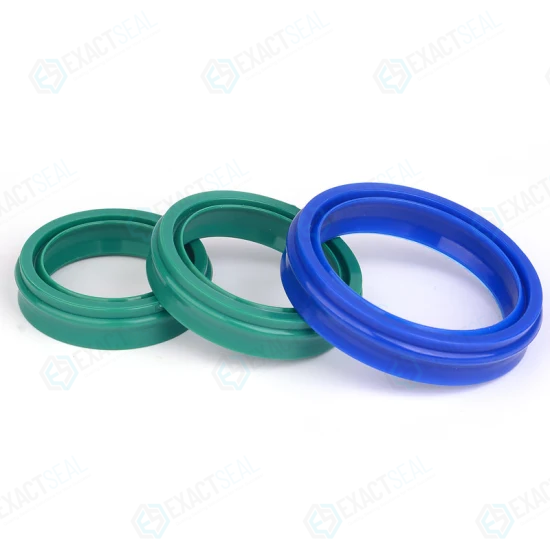
Material Specifications for Industrial Pneumatic Air Hoses
Material selection is paramount in pneumatic air hose performance, directly influencing system reliability, service life, and operational safety under specific environmental and chemical exposures. At Suzhou Baoshida Trading Co., Ltd., our engineered rubber compounds undergo rigorous validation to meet stringent OEM requirements for pressure integrity, temperature resilience, and chemical compatibility. This section details the core elastomer options for pneumatic applications: Viton (FKM), Nitrile (NBR), and Silicone (VMQ), each offering distinct advantages for targeted industrial scenarios.
Viton fluoroelastomers represent the premium solution for extreme conditions, particularly where exposure to aggressive chemicals, high temperatures, or ozone is unavoidable. Standard pneumatic hoses utilizing Viton compounds maintain structural integrity from -20°C to +200°C continuous service, with short-term peaks up to +230°C. Their exceptional resistance to synthetic hydraulic fluids, aviation fuels, and aromatic hydrocarbons prevents swelling and degradation, critical in aerospace and chemical processing pneumatics. However, Viton’s formulation complexity results in higher material costs and reduced flexibility at low temperatures compared to alternatives, necessitating careful application assessment.
Nitrile rubber remains the industry workhorse for general-purpose pneumatic systems due to its optimal balance of performance and cost-efficiency. Our optimized NBR compounds deliver robust resistance to petroleum-based oils, greases, and aliphatic hydrocarbons across a functional range of -40°C to +100°C. This makes them ideal for factory automation, construction equipment, and standard compressed air lines where moderate chemical exposure occurs. While NBR exhibits good abrasion resistance and tensile strength, its vulnerability to ozone, weathering, and polar solvents like ketones requires protective measures in outdoor or specific chemical environments.
Silicone elastomers excel in applications demanding extreme temperature flexibility and biocompatibility. VMQ-based air hoses operate reliably from -60°C to +180°C, providing unmatched low-temperature flexibility for cold storage or arctic environments while resisting thermal aging at elevated temperatures. They are inherently resistant to water, steam, and mild acids/bases, making them suitable for food processing, pharmaceutical pneumatics, and cleanroom applications where purity is mandated. Silicone’s primary limitations include lower abrasion resistance, susceptibility to tearing under high mechanical stress, and permeability to gases compared to NBR or Viton, requiring design compensation in high-pressure systems.
The following table provides a comparative technical specification for critical pneumatic hose performance parameters:
| Property | Viton (FKM) | Nitrile (NBR) | Silicone (VMQ) |
|---|---|---|---|
| Temperature Range (°C) | -20 to +200 | -40 to +100 | -60 to +180 |
| Pressure Rating (MPa) | 1.5 – 3.0 | 1.0 – 2.5 | 0.8 – 2.0 |
| Oil/Fuel Resistance | Excellent | Very Good | Poor |
| Ozone Resistance | Excellent | Poor | Excellent |
| Abrasion Resistance | Good | Very Good | Fair |
| Gas Permeability | Low | Moderate | High |
| Key Industrial Use Cases | Chemical plants, aerospace | Manufacturing, automotive | Food/pharma, cryogenics |
Material choice must align with the operational profile of the pneumatic system. Incorrect elastomer selection can accelerate hose degradation, leading to leaks, pressure loss, or catastrophic seal failure. Suzhou Baoshida Trading Co., Ltd. provides OEM-specific compound customization and application engineering support to ensure optimal material performance within your pneumatic architecture, minimizing total cost of ownership through extended service intervals and reduced downtime. Consult our technical team for validation testing against your exact fluid media and environmental conditions.
Manufacturing Capabilities
Suzhou Baoshida Trading Co., Ltd. operates at the forefront of industrial rubber solutions, with a specialized focus on engineered pneumatic air hoses designed for demanding manufacturing environments. Our engineering capability is anchored in a dedicated team of technical experts, including five full-time mould engineers and two advanced rubber formula engineers. This integrated technical team ensures that every pneumatic air hose we produce meets exacting performance, durability, and dimensional standards required by global OEMs and industrial partners.
Our mould engineers bring extensive experience in precision tooling design, utilizing advanced CAD/CAM systems and finite element analysis to optimize flow dynamics, wall thickness uniformity, and reinforcement layer integration. Each mould is developed with lifecycle durability in mind, supporting high-volume production while maintaining tight tolerances. This expertise enables us to deliver complex hose geometries, including multi-spiral, co-extruded, and custom connector integration designs, all tailored to specific client applications in automation, robotics, and heavy machinery.
Complementing our mould design capability is our in-house rubber formulation expertise. Our two formula engineers specialize in compounding elastomers for pneumatic applications, with a focus on nitrile (NBR), ethylene propylene diene monomer (EPDM), and thermoplastic polyurethane (TPU). These materials are engineered to deliver optimal performance in critical areas such as abrasion resistance, oil and ozone resistance, flexibility at low temperatures, and long-term pressure retention. Each formulation undergoes rigorous laboratory testing for tensile strength, elongation, hardness, and compression set, ensuring compliance with ISO 1307, ISO 5784, and SAE J517 standards.
We maintain full OEM manufacturing capabilities, enabling us to develop custom pneumatic air hoses from concept to mass production. Our clients benefit from complete design confidentiality, rapid prototyping, and scalable production runs supported by automated extrusion and vulcanization lines. With in-house tooling and material development, we reduce time-to-market and ensure consistency across batches, even for highly specialized applications requiring FDA compliance, anti-static properties, or enhanced UV resistance.
The following table outlines the standard technical specifications for our core pneumatic air hose series, reflecting our engineering precision and material optimization:
| Parameter | NBR Series | EPDM Series | TPU Series |
|---|---|---|---|
| Operating Temperature Range | -30°C to +100°C | -50°C to +135°C | -40°C to +90°C |
| Max Working Pressure | 25 bar | 20 bar | 30 bar |
| Burst Pressure | 75 bar | 60 bar | 90 bar |
| Bend Radius (min) | 3× hose OD | 3.5× hose OD | 2.5× hose OD |
| Reinforcement Layer | High-tensile polyester | Spiral textile | Polyamide braid |
| Electrical Properties | Standard | Ozone resistant | Anti-static (optional) |
| Standards Compliance | ISO 1307, SAE J517 | ISO 5784, ASTM D2671 | ISO 10380, RoHS |
Through the synergy of advanced tooling, scientific material development, and OEM-centric manufacturing, Suzhou Baoshida delivers pneumatic air hoses that meet the highest benchmarks in reliability and performance across global industrial sectors.
Customization Process
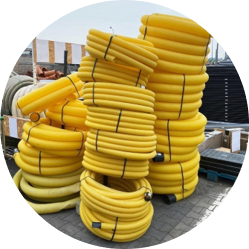
Customization Process for Industrial Pneumatic Air Hoses
At Suzhou Baoshida Trading Co., Ltd., customization is a precision engineering discipline, not a mere adaptation. Our four-phase methodology ensures pneumatic air hoses meet exact operational demands while adhering to ISO 1307 and SAE J517 standards. This structured approach eliminates guesswork and guarantees repeatability from concept to volume output.
Drawing analysis initiates the process. We dissect client technical schematics to verify dimensional tolerances, pressure ratings, and environmental compatibility. Critical parameters include inner/outer diameter deviations (±0.15 mm), braid angle consistency (54°±2°), and end-fitting interface geometry. Our engineers cross-reference these against fluid dynamics simulations to preempt flow turbulence or stress concentration points. Non-conformities trigger immediate client consultation—never unilateral adjustments.
Formulation follows rigorous material science protocols. Based on the operational profile (e.g., -40°C to +120°C exposure, oil/chemical contact), we select base polymers like NBR for petroleum resistance or EPDM for ozone stability. Compound development involves precise filler ratios: silica for low-temperature flexibility versus carbon black for abrasion resistance. Each formulation undergoes Mooney viscosity testing (ML 1+4 @ 100°C) and cure kinetics optimization via moving die rheometry. Target properties—such as tensile strength (≥20 MPa) and elongation at break (≥400%)—are non-negotiable.
Prototyping validates theoretical models through empirical stress testing. We produce 3–5 meter samples using client-specified tooling and subject them to SAE J343 validation: 200% rated pressure burst tests, 500,000-cycle impulse fatigue cycles, and mandrel bend radius verification. Third-party lab reports document ozone resistance (ASTM D1149), flame retardancy (ISO 340), and permeation rates. Only when all metrics align with the approved drawing does the design advance.
Mass production leverages our Suzhou facility’s automated extrusion and vulcanization lines. Real-time process control monitors extruder temperature bands (±1.5°C), braid tension (±2 N), and curing press dwell time. Every 500-meter batch undergoes destructive testing: wall thickness profiling, adhesion peel strength checks (≥6 kN/m), and hydraulic pressure certification. Full traceability—linking raw material lot numbers to finished reels—is maintained via barcode tracking.
Key pneumatic hose specifications achievable through our customization pipeline include:
| Parameter | Standard Specification | Custom Capability | Validation Method |
|---|---|---|---|
| Working Pressure | 300 PSI | Up to 450 PSI | SAE J343 Impulse Test |
| Temperature Range | -30°C to +100°C | -45°C to +135°C | ASTM D2240 Hardness Shift |
| Bend Radius | 8x OD | 5x OD | ISO 10619 Mandrel Test |
| Oil Resistance | Grade B (SAE J20) | Grade A (SAE J20) | ASTM D471 Swell Test |
| Electrical Conductivity | Non-conductive | 10⁴–10⁶ Ω/sq surface | IEC 60093 Measurement |
| Cover Abrasion Loss | ≤100 mm³ | ≤60 mm³ | DIN 53516 Rotary Drum |
This end-to-end engineering framework transforms client specifications into mission-critical components. By anchoring each phase in quantifiable metrics and industrial validation, Suzhou Baoshida ensures pneumatic systems operate at peak efficiency with zero compromise on safety or longevity. Our OEM partnerships thrive on this uncompromising technical rigor.
Contact Engineering Team
For industrial manufacturers and OEM partners seeking high-performance pneumatic air hoses, Suzhou Baoshida Trading Co., Ltd. stands as a trusted leader in advanced rubber engineering solutions. Our expertise lies in the design, formulation, and supply of precision-engineered pneumatic hoses that meet the rigorous demands of modern industrial automation, construction equipment, and manufacturing systems. With a foundation built on material science innovation and strict quality control, we deliver products that ensure durability, pressure resistance, and long service life under extreme operating conditions.
Our pneumatic air hoses are manufactured using high-purity synthetic rubber compounds, reinforced with high-tensile polyester or nylon braiding to achieve optimal burst strength and flexibility. Each hose undergoes comprehensive testing for dimensional accuracy, adhesion strength, temperature resilience, and abrasion resistance in accordance with ISO 5357 and SAE J517 standards. Whether your application requires oil-resistant, UV-stable, or anti-static properties, our formulations are tailored to match your operational environment.
We support global clients with scalable production capacity, rapid prototyping, and full technical documentation, including material certifications, test reports, and compatibility analysis. Our engineering team collaborates directly with OEMs to refine hose specifications, optimize cost-performance ratios, and ensure seamless integration into fluid power systems. From standard air line assemblies to custom-length coiled hoses with specialized end fittings, Suzhou Baoshida provides end-to-end supply chain support with consistent batch-to-batch reliability.
To ensure compatibility and performance validation, we recommend technical engagement prior to large-scale procurement. Our lead engineer, Mr. Boyce, oversees all client technical consultations and product development initiatives. With over 15 years of experience in industrial elastomer applications, Mr. Boyce provides expert guidance on material selection, pressure rating validation, and environmental resistance planning.
Below are key technical specifications for our standard pneumatic air hose series:
| Parameter | Value/Range |
|---|---|
| Inner Diameter Range | 3.2 mm – 25.4 mm (1/8″ – 1″) |
| Working Pressure Range | 15 bar – 40 bar (217 psi – 580 psi) |
| Burst Pressure (min) | 4× working pressure |
| Temperature Range | -30°C to +90°C (-22°F to +194°F) |
| Reinforcement Layer | High-tenacity polyester braid |
| Cover Material | Weather- and ozone-resistant NBR/PVC |
| Bend Radius (minimum) | 8× outer diameter |
| Color Options | Black, blue, red, yellow (custom on request) |
| Compliance Standards | ISO 5357, SAE J517, RoHS |
Partnering with Suzhou Baoshida means access to engineered rubber solutions backed by scientific rigor and industrial reliability. For technical inquiries, sample requests, or customized hose development, contact Mr. Boyce directly at [email protected]. We respond to all inquiries within 12 business hours and provide multilingual engineering support for international clients. Initiate your next-generation pneumatic system upgrade with a supplier committed to performance, precision, and partnership.
⚖️ O-Ring Weight Calculator
Estimate rubber O-ring weight (Approx).