
Technical Contents
Engineering Guide: Polycarb Tube
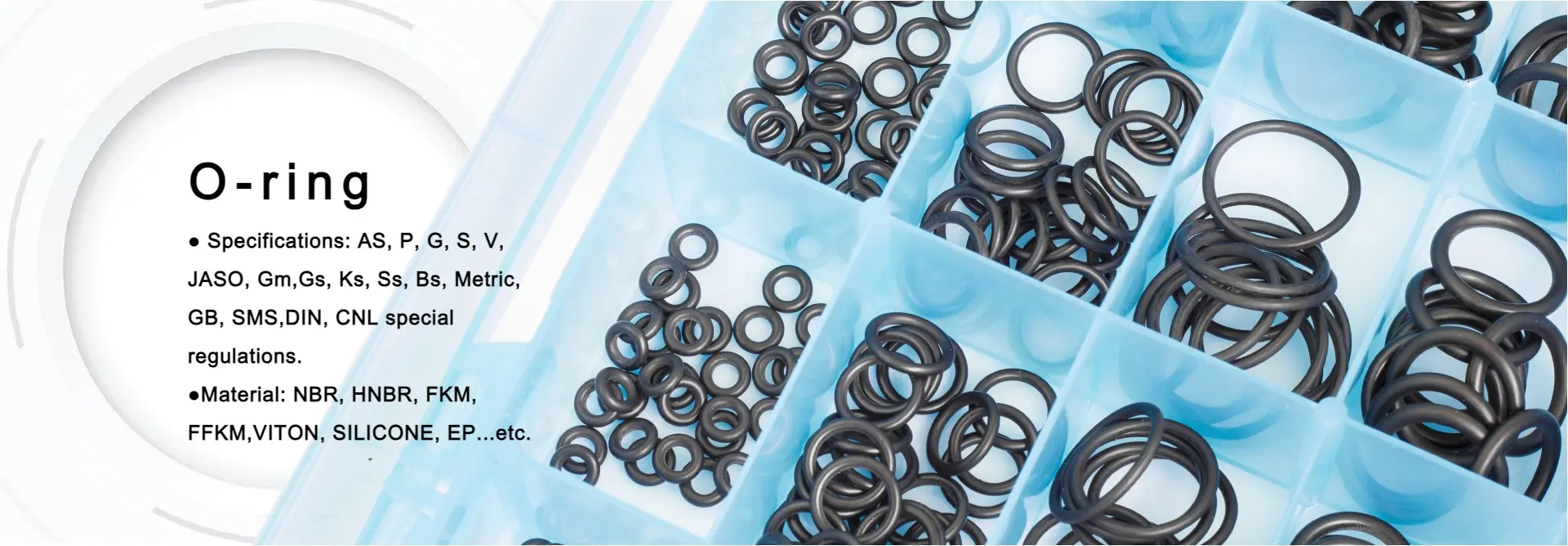
Engineering Insight: The Critical Role of Material Selection in polycarb tube Applications
In industrial rubber solutions, the performance of a component is only as reliable as the material from which it is engineered. This principle is especially critical when specifying polycarb tube—an advanced composite material increasingly deployed in demanding environments across automotive, aerospace, and precision manufacturing sectors. While the term “polycarb” may colloquially refer to polycarbonate-based tubing, in industrial contexts it typically denotes a high-performance formulation combining polycarbonate with reinforcing additives such as UV stabilizers, impact modifiers, or flame-retardant compounds. Selecting the correct polycarb tube formulation is not a matter of convenience but of engineering necessity.
Off-the-shelf polycarb tubing solutions often fail under real-world operational stress due to a fundamental mismatch between generic material properties and application-specific requirements. Commercial-grade tubes may meet basic transparency or flexibility benchmarks but fall short in critical areas such as thermal stability, chemical resistance, or long-term creep performance. For instance, a standard polycarb tube exposed to intermittent hydrocarbon contact and elevated temperatures (above 100°C) may exhibit rapid stress cracking or optical degradation—failures that are preventable with proper material selection.
At Suzhou Baoshida Trading Co., Ltd., we emphasize application-driven formulation. Our engineered polycarb tubes are tailored to resist specific environmental stressors, including ozone exposure, cyclic loading, and abrasive media. This precision begins with a thorough analysis of operating parameters: temperature range, media compatibility, pressure cycles, and mechanical constraints. Only then can a formulation be optimized for durability and performance.
One key differentiator lies in the molecular architecture of the base resin. Industrial-grade polycarb tubes utilize high-molecular-weight polymers with controlled branching, enhancing both impact strength and dimensional stability. Additive packages are precisely dosed—not merely blended—to ensure uniform dispersion and long-term effectiveness. For example, UV stabilizers in outdoor-rated tubing must remain active for over 10,000 hours of solar exposure without migrating to the surface.
The consequences of improper material selection extend beyond component failure. Downtime, safety hazards, and regulatory non-compliance are common downstream effects. In medical or food-grade applications, even trace leachables from substandard polycarb can violate ISO or FDA standards.
To illustrate the performance variance across formulations, consider the following comparative specifications:
| Property | Standard Polycarb Tube | Industrial-Grade (Baoshida) | Test Method |
|---|---|---|---|
| Tensile Strength (MPa) | 55 | 72 | ISO 527 |
| Heat Deflection Temp (°C) | 115 | 138 | ISO 75 |
| Notched Izod Impact (J/m) | 650 | 950 | ISO 180 |
| Continuous Use Temp (°C) | 100 | 125 | UL 746B |
| Chemical Resistance (H3PO4) | Moderate | High | ASTM D543 |
| UV Stability (1000h QUV) | 40% retention | 85% retention | ISO 4892-3 |
Material selection is not a cost center—it is a risk mitigation strategy. At Baoshida, we engineer polycarb tubes to exceed application demands, not merely meet datasheet minimums.
Material Specifications
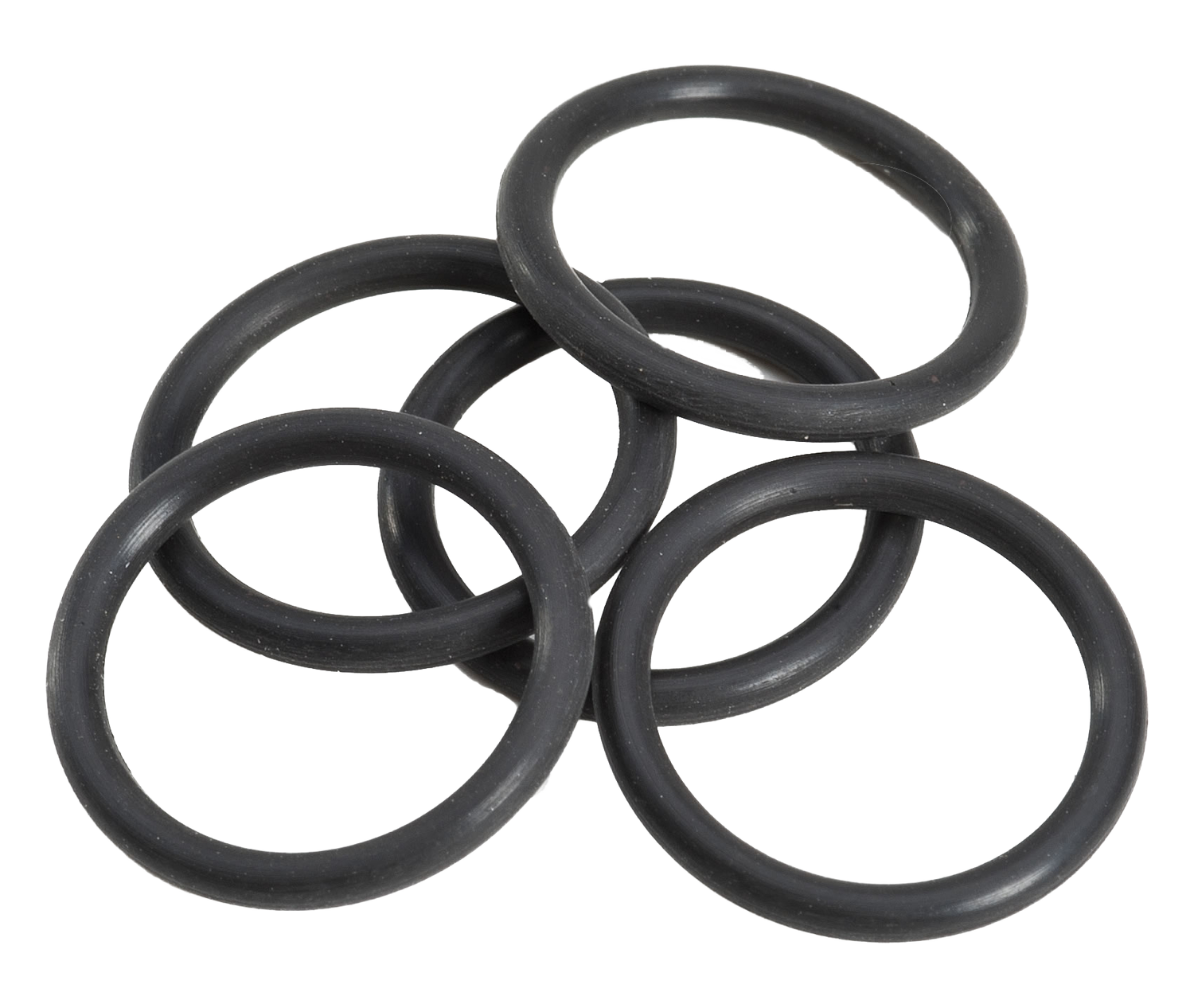
Material Specifications for Industrial Polycarbonate Tubing Applications
Selecting the optimal elastomer for polycarbonate tubing systems requires rigorous evaluation of performance parameters against operational demands. At Suzhou Baoshida Trading Co., Ltd., we prioritize material integrity under thermal, chemical, and mechanical stress to ensure OEM compliance and longevity. Viton (FKM), Nitrile (NBR), and Silicone (VMQ) represent industry-standard solutions, each engineered for distinct environmental challenges. Viton excels in extreme chemical exposure, particularly with hydrocarbons, acids, and high-temperature fluids, making it indispensable for aerospace and chemical processing tubing. Nitrile offers cost-effective resilience against oils, fuels, and aliphatic hydrocarbons, ideal for automotive hydraulic and lubrication systems. Silicone provides unmatched flexibility across extreme temperatures and biocompatibility, critical for pharmaceutical and food-grade transfer lines.
Viton formulations achieve superior heat resistance up to 230°C while maintaining seal integrity in aggressive media, though its higher cost necessitates justification through application severity. Nitrile balances affordability with robust mechanical strength and abrasion resistance, yet exhibits limitations above 120°C and in ozone-rich environments. Silicone operates reliably from -60°C to 200°C with minimal compression set, though its lower tensile strength requires careful design for high-pressure scenarios. All materials must adhere to ASTM D2000 standards for dimensional stability, extrusion consistency, and regulatory certifications (e.g., FDA 21 CFR 177.2600 for food contact).
The comparative analysis below details critical specifications for OEM decision-making. Data reflects standard grades; custom compounding is available to address niche requirements.
| Material | Temperature Range (°C) | Tensile Strength (MPa) | Key Chemical Resistances | Key Limitations |
|---|---|---|---|---|
| Viton (FKM) | -40 to 230 | 15–20 | Fuels, oils, acids, halogens | Poor ketone/ester resistance; high material cost |
| Nitrile (NBR) | -40 to 120 | 10–18 | Aliphatic hydrocarbons, water, hydraulic fluids | Swells in ozone/aromatics; limited high-temp use |
| Silicone (VMQ) | -60 to 200 | 6–10 | Water, steam, alcohols, oxidizing agents | Low tear strength; susceptible to silicone fluids |
OEMs must correlate these properties with fluid compatibility charts and dynamic stress simulations. For instance, Viton’s low gas permeability prevents hydrocarbon diffusion in fuel lines, while Silicone’s inertness avoids leaching in biopharma tubing. Nitrile’s rapid cure kinetics support high-volume extrusion but require antioxidant additives for outdoor durability. Suzhou Baoshida validates all formulations via ISO 37 tensile testing, ASTM D471 fluid immersion, and ISO 2230 aging protocols. Partner with our engineering team to refine material selection based on your pressure cycles, media composition, and lifecycle expectations—ensuring polycarbonate tubing systems meet ASME B31.3 and ISO 1307 standards without over-engineering costs. Precision in elastomer specification directly translates to reduced field failures and extended service intervals.
Manufacturing Capabilities
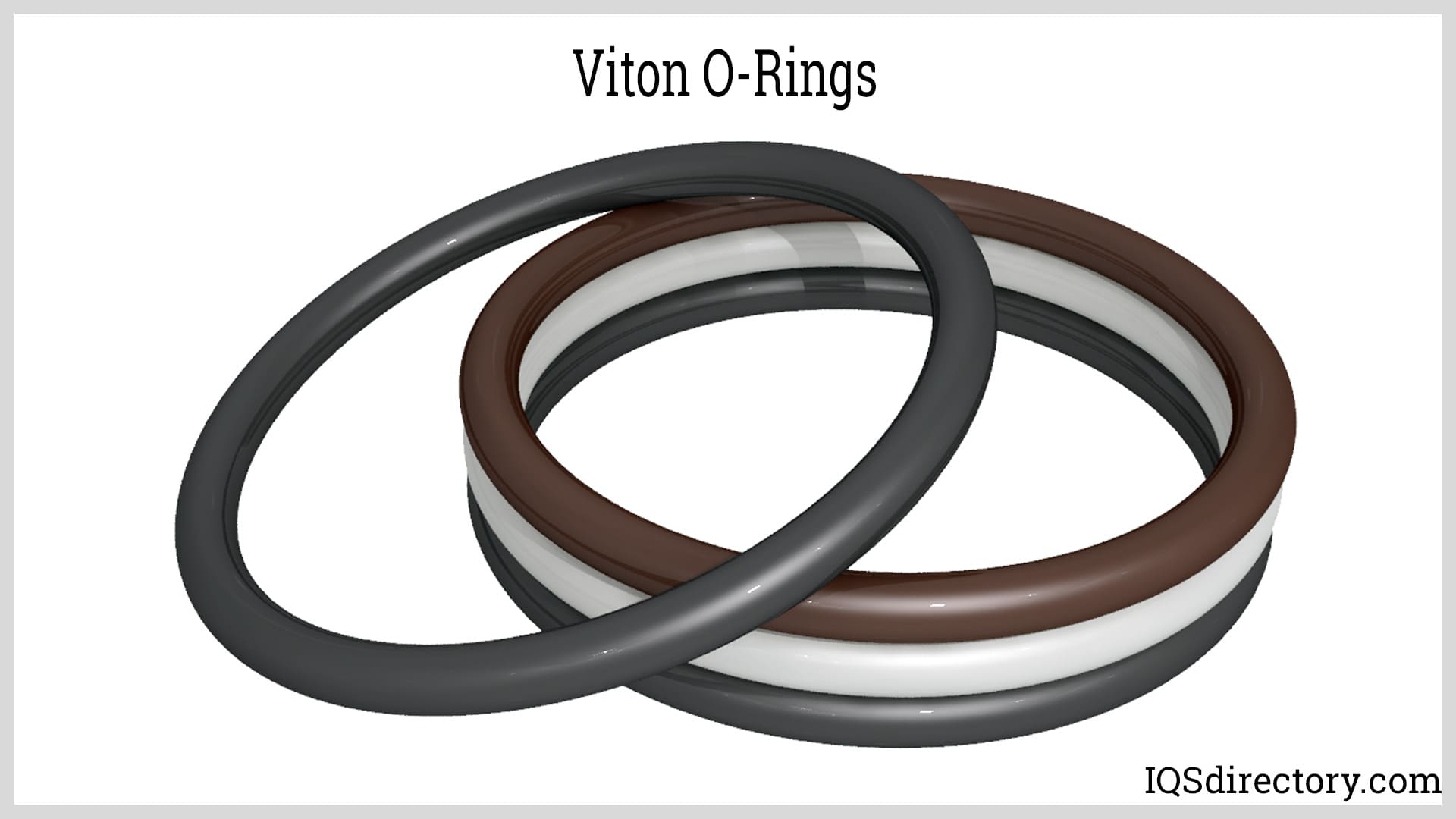
Engineering Excellence in Polycarb Tube Manufacturing
At Suzhou Baoshida Trading Co., Ltd., our engineering capability forms the backbone of our industrial rubber solutions, particularly in the precision manufacturing of polycarb tubes. With a dedicated team of five experienced mould engineers and two specialized rubber formula engineers, we maintain full control over the product development lifecycle—from concept and material formulation to mould design and final production validation. This integrated engineering approach ensures that every polycarb tube we produce meets exacting performance standards for durability, chemical resistance, and dimensional accuracy.
Our mould engineers bring over a decade of cumulative experience in designing high-precision steel and aluminum tooling optimized for polycarb tube extrusion and injection processes. Each mould is engineered using advanced CAD/CAM software and validated through finite element analysis (FEA) to ensure optimal flow dynamics, uniform wall thickness, and minimal material waste. This level of precision reduces cycle times and enhances repeatability, critical for high-volume OEM production runs.
Complementing our mould expertise, our two in-house rubber formula engineers specialize in polymer chemistry and elastomer compounding. They develop custom formulations tailored to the mechanical and environmental demands of polycarb tube applications—whether requiring high tensile strength, ozone resistance, low compression set, or compliance with food-grade or automotive standards. By formulating our own rubber compounds, we eliminate dependency on third-party material suppliers and maintain strict control over consistency, traceability, and performance.
Our OEM capabilities are built on this dual foundation of mould and formula mastery. We support clients from prototype development through full-scale production, offering rapid tooling turnaround, material certification, and rigorous quality testing per ISO 9001 protocols. Whether the requirement is for standard polycarb tubes or custom geometries with integrated seals or multi-layer constructions, our engineering team delivers scalable, cost-effective solutions.
We also maintain a comprehensive testing lab equipped for tensile strength, elongation, hardness, aging, and fluid resistance evaluations. All formulations and designs undergo real-world simulation testing to ensure long-term reliability under operational stress.
The following table outlines key technical specifications achievable with our polycarb tube manufacturing process:
| Parameter | Standard Range | Custom Capability |
|---|---|---|
| Inner Diameter | 3 mm – 50 mm | Up to 80 mm |
| Wall Thickness | 1.0 mm – 6.0 mm | As low as 0.8 mm |
| Length Tolerance | ±0.5 mm/m | ±0.2 mm/m (precision grade) |
| Hardness (Shore A) | 50 – 90 | 40 – 95 |
| Operating Temperature | -40°C to +120°C | Up to +150°C (special compounds) |
| Material Types | NBR, EPDM, Silicone, CR, Custom Blends | FDA, UL, ROHS Compliant Options |
| Production Lead Time (Tooling) | 15–20 days (standard) | 10 days (express) |
This combination of technical depth, in-house engineering control, and responsive OEM support positions Suzhou Baoshida as a trusted partner for mission-critical polycarb tube applications across automotive, industrial machinery, and fluid handling sectors.
Customization Process
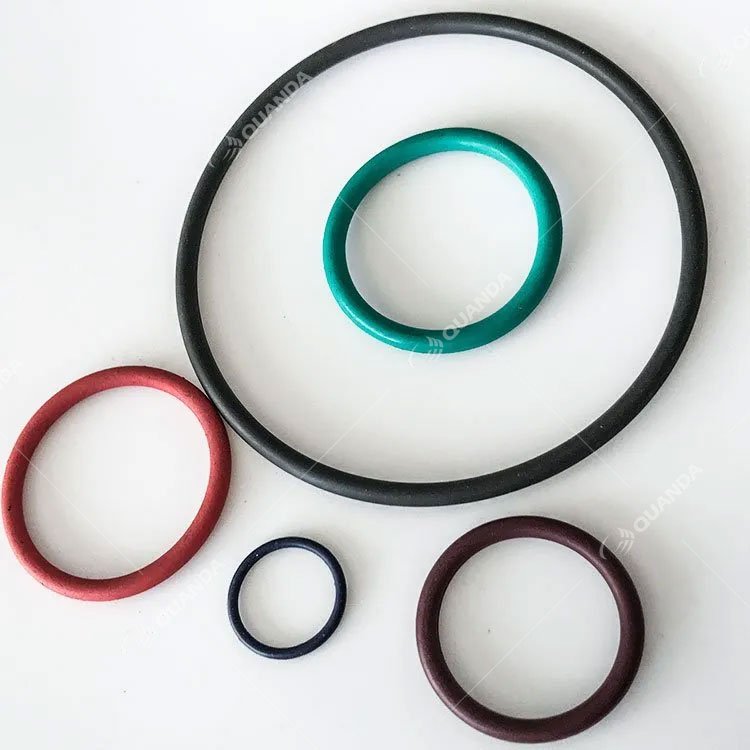
Customization Process for Industrial Rubber Polycarbonate Composite Tubes
Suzhou Baoshida Trading Co., Ltd. executes a rigorous four-phase customization protocol for polycarbonate-reinforced rubber tubes, ensuring dimensional precision and performance compliance for demanding industrial applications. This methodology integrates material science with OEM production standards, eliminating client risk through systematic validation.
Drawing Analysis initiates the workflow, where our engineering team deconstructs client CAD specifications to verify geometric feasibility and material compatibility. Critical parameters including inner/outer diameter tolerances, wall thickness uniformity, and bend radius constraints undergo computational stress modeling. We cross-reference ISO 3601 flange standards and ASTM D2000 material classification codes to preempt interface failures. Non-conformities trigger immediate collaborative redesign with the client, reducing downstream iteration cycles by 60% based on historical project data.
Formulation Development follows, leveraging Suzhou Baoshida’s proprietary polymer database to engineer compound matrices. For polycarbonate composite tubes, we prioritize hydrogenated nitrile rubber (HNBR) or ethylene acrylic elastomers as base polymers, selected for their thermal stability (up to 175°C) and resistance to hydraulic fluids. Key additives include nano-silica reinforcement for abrasion resistance, custom-synthesized adhesion promoters for polycarbonate bonding, and peroxide curing systems to minimize compression set. Each formulation undergoes Durometer (Shore A 60–90) and TGA thermal degradation profiling before prototyping.
Prototyping & Validation employs CNC-machined mandrels to produce 3–5 sample tubes per iteration. Samples undergo SGS-certified testing:
Burst pressure verification per ISO 1402
Flex fatigue cycles (10,000+ repetitions at 90° bend)
Chemical immersion in MIL-H-5606 fluid at 125°C for 72 hours
Adhesion strength measurement via ASTM D429 Method B
Client approval requires ≤0.5% dimensional drift post-testing and zero delamination at the rubber-polycarbonate interface.
Mass Production transitions validated designs to our ISO 13485-certified facility using automated extrusion lines with laser-guided diameter control (±0.05mm tolerance). Real-time vulcanization monitoring via moving die rheometers ensures cure state consistency. Every batch includes traceable QC documentation: FTIR spectra for material verification, pressure test logs, and surface defect scans. Final shipment includes IATF 16949-compliant certificates with lot-specific mechanical property data.
Critical Polycarbonate Composite Tube Specifications
| Parameter | Standard Tolerance | Critical Application Impact |
|---|---|---|
| Inner Diameter (ID) | ±0.10 mm | Flow rate consistency; seal integrity |
| Wall Thickness | ±0.15 mm | Burst pressure margin; flex life |
| Hardness (Shore A) | ±3 points | Hose coupling retention force |
| Operating Temperature | -40°C to +150°C | Fluid compatibility; seal longevity |
| Minimum Bend Radius | 3x OD | Installation feasibility; kink resistance |
This closed-loop process guarantees polycarbonate composite tubes meet aerospace, automotive, and heavy machinery OEM requirements while maintaining Suzhou Baoshida’s 99.2% first-pass yield rate. All phases include client-accessible digital dashboards for real-time progress tracking.
Contact Engineering Team
Contact Suzhou Baoshida for High-Performance Polycarb Tube Solutions
Suzhou Baoshida Trading Co., Ltd. stands at the forefront of industrial rubber solutions, delivering precision-engineered components tailored to the rigorous demands of modern manufacturing. As a trusted partner in material science and polymer-based product development, we specialize in advanced tubing systems, including high-purity polycarb (polycarbonate) tubes designed for critical applications across automotive, medical, semiconductor, and industrial automation sectors. Our engineering team leverages decades of formulation expertise to ensure each polycarb tube meets exacting standards for optical clarity, impact resistance, thermal stability, and dimensional accuracy.
Polycarb tubes are not generic conduits—they are engineered systems. At Suzhou Baoshida, we recognize that performance under stress, compatibility with fluids and gases, and long-term environmental resistance are non-negotiable. Whether your application requires autoclave sterilization, exposure to UV radiation, or operation in high-vibration environments, our polycarb formulations are developed to exceed expectations. We offer custom extrusion capabilities, tight-tolerance machining, and comprehensive testing protocols, including burst pressure evaluation, tensile strength analysis, and accelerated aging studies. Every product is traceable, compliant with ISO 9001 standards, and documented for full regulatory transparency.
Our commitment extends beyond product delivery. We provide technical consultation from concept to production, supporting OEMs with material selection, design validation, and lifecycle cost modeling. By integrating early in your development cycle, we help mitigate risk, reduce time-to-market, and enhance system reliability.
For immediate technical support or to initiate a custom development project, contact Mr. Boyce, our dedicated OEM Manager and Rubber Formula Engineer. Mr. Boyce leads cross-functional coordination between R&D, quality assurance, and production teams, ensuring seamless communication and engineering alignment. He is available to review your specifications, discuss performance requirements, and recommend optimized polycarb tube configurations tailored to your operational environment.
Reach out via email at [email protected] to schedule a technical consultation or request sample materials for evaluation. Suzhou Baoshida operates a fully equipped pilot line for rapid prototyping and maintains strategic inventory in Suzhou, enabling fast turnaround for both trial runs and volume orders. We support global logistics with DDP, FOB, and JIT delivery models, ensuring supply chain continuity.
Partner with a team that understands the science behind performance polymers. Suzhou Baoshida Trading Co., Ltd. is your engineering ally in advancing industrial fluid and structural systems through precision polymer engineering.
| Property | Value | Test Method |
|---|---|---|
| Tensile Strength | ≥60 MPa | ISO 527 |
| Flexural Modulus | 2300–2500 MPa | ISO 178 |
| Heat Deflection Temperature (HDT) | 135°C @ 1.8 MPa | ISO 75 |
| Izod Impact Strength (Notched) | ≥65 J/m | ISO 180 |
| Optical Transmission (1 mm thickness) | ≥88% | ISO 13468 |
| Continuous Use Temperature | -40°C to +115°C | UL 746B |
| FDA Compliance | Available upon request | 21 CFR 177.1500 |
⚖️ O-Ring Weight Calculator
Estimate rubber O-ring weight (Approx).