
Technical Contents
Engineering Guide: Polyimide Foam
Engineering Insight: The Critical Role of Material Selection in polyimide foam Applications
In high-performance industrial environments, the selection of polymer-based thermal and acoustic insulation materials is not a matter of convenience—it is a cornerstone of system integrity, longevity, and operational safety. Among advanced cellular materials, polyimide foam stands out for its exceptional thermal stability, low outgassing, and fire resistance. However, despite its superior intrinsic properties, field failures remain common when off-the-shelf polyimide foam products are deployed without rigorous application-specific evaluation. This discrepancy underscores a fundamental principle: material selection must transcend catalog specifications and align with the dynamic conditions of real-world operation.
Polyimide foam is inherently engineered for extreme environments—capable of withstanding continuous exposure to temperatures exceeding 250°C and short-term peaks beyond 400°C. Its aromatic imide structure provides resistance to oxidative degradation, hydrolysis, and ultraviolet radiation, making it suitable for aerospace, rail transit, and industrial process systems. Yet, performance in controlled laboratory testing does not always translate to field reliability. The root cause often lies in the misalignment between standardized product offerings and the nuanced demands of the application.
Off-the-shelf polyimide foams are typically optimized for mass-market parameters: cost, ease of fabrication, and general compliance with industry norms such as ASTM E84 or FAR 25.853. While these benchmarks are essential, they do not capture service-specific stressors such as cyclic thermal loading, mechanical compression set under prolonged stress, or chemical exposure to hydraulic fluids and cleaning agents. For instance, a foam that passes flammability tests may still degrade when exposed to intermittent contact with phosphate ester-based hydraulic fluids, leading to embrittlement and loss of insulation efficiency.
Furthermore, dimensional stability under thermal cycling is frequently underestimated. Standard-grade polyimide foams may exhibit unacceptable levels of shrinkage or cell structure collapse after repeated exposure to thermal transients, particularly in confined or high-vibration environments. This degradation compromises both thermal performance and mechanical fit, potentially leading to system overheating or noise transmission issues.
At Suzhou Baoshida Trading Co., Ltd., we emphasize application-driven material engineering. Our technical collaborations begin with a comprehensive assessment of operational parameters—temperature profiles, mechanical constraints, environmental exposure, and regulatory requirements. This enables the selection or development of polyimide foam formulations tailored to the precise demands of the end-use, ensuring long-term performance where generic solutions fail.
Below is a comparative overview of key performance indicators for standard versus engineered-grade polyimide foam:
| Property | Standard-Grade polyimide foam | Engineered-Grade polyimide foam |
|---|---|---|
| Continuous Use Temperature | 250°C | 280°C |
| Peak Temperature Resistance | 400°C | 450°C |
| Compression Set (200h @ 200°C) | 18% | 8% |
| Tensile Strength | 120 kPa | 180 kPa |
| Outgassing (TML) | <0.5% | <0.2% |
| Fluid Resistance (Skydrol) | Moderate | High |
Material selection is not a procurement decision—it is an engineering imperative. In polyimide foam applications, the difference between success and failure often lies in the precision of this selection.
Material Specifications
Material Specifications: Critical Elastomer Selection for Industrial Applications
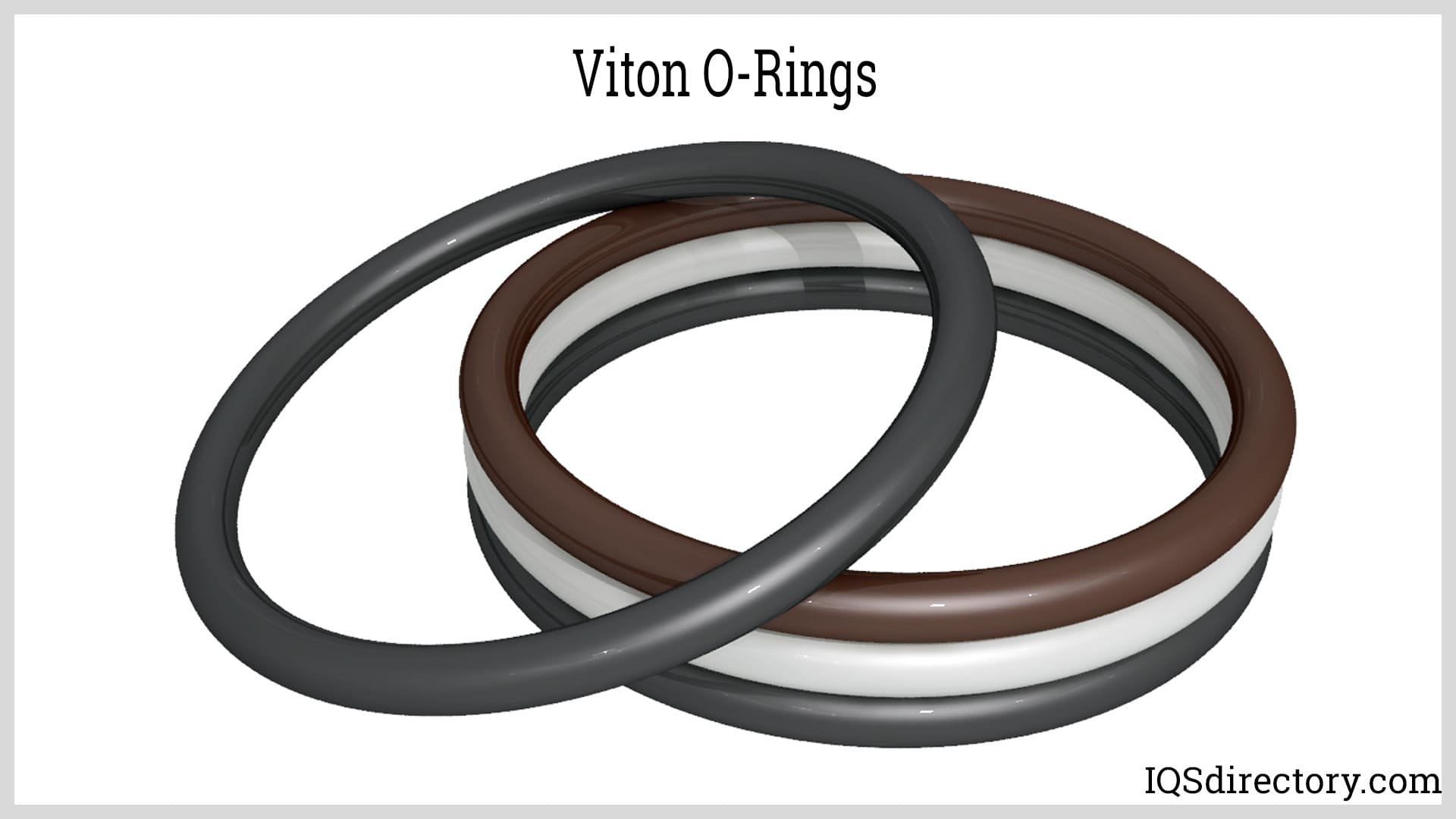
Suzhou Baoshida Trading Co., Ltd. emphasizes precision in elastomer selection for demanding industrial environments. While polyimide foam serves niche thermal insulation roles, this guide focuses on core rubber solutions within our OEM portfolio: Viton (FKM), Nitrile (NBR), and Silicone (VMQ). These materials address distinct operational challenges, particularly in fluid resistance, temperature stability, and mechanical integrity. Misapplication risks premature failure, making rigorous specification adherence non-negotiable. Below, we detail key parameters validated per ASTM D2000 and ISO 37 standards, reflecting our in-house testing protocols for automotive, aerospace, and fluid-handling systems.
Material performance hinges on balancing chemical compatibility, thermal limits, and dynamic stress resistance. Viton excels in high-temperature fuel and oil exposure but incurs higher material costs. Nitrile offers optimal cost efficiency for petroleum-based fluids yet degrades in ozone-rich settings. Silicone provides unparalleled flexibility across extreme temperatures but exhibits lower tensile strength and limited fuel resistance. Compression set—a critical metric for sealing longevity—must be prioritized; values exceeding 30% typically indicate unsuitability for static seal applications per SAE AS568 standards.
The following comparative analysis distills essential specifications for rapid OEM decision-making:
| Material | Temperature Range (°C) | Key Properties | Typical Applications | Fluid Resistance | Compression Set (22h, 150°C) |
|---|---|---|---|---|---|
| Viton (FKM) | -20 to +230 | High heat/ozone resistance, excellent chemical inertness | Fuel systems, aerospace seals, chemical processing | Exceptional vs. oils, fuels, acids | ≤ 25% |
| Nitrile (NBR) | -40 to +120 | High abrasion resistance, cost-effective | Hydraulic seals, O-rings, gaskets | Excellent vs. petroleum oils, water | ≤ 20% |
| Silicone (VMQ) | -60 to +200 | Superior low-temp flexibility, biocompatible | Medical devices, food-grade seals, electronics | Poor vs. fuels; good vs. water, alcohols | ≤ 35% |
Processing parameters significantly influence final part performance. Viton requires precise cure monitoring (typically 10–15 min at 170°C) to avoid scorching, while Nitrile tolerates broader molding windows (10–20 min at 150°C). Silicone demands specialized platinum-catalyzed injection molding to ensure consistent cross-linking. All compounds undergo post-cure stabilization per AMS 7254 to minimize volatile emissions in vacuum environments.
OEM validation must include application-specific fluid immersion testing per ASTM D471. For instance, NBR swells >15% in Skydrol hydraulic fluid—rendering it unsuitable for aviation hydraulics—whereas Viton maintains <5% volume change. Similarly, silicone’s permeability to gases necessitates thickness adjustments in vacuum seals. Suzhou Baoshida provides batch-specific certificates of conformance, including durometer (Shore A), tensile strength, and elongation data traceable to NIST standards. Partner with our engineering team to align material specs with your operational lifecycle requirements, avoiding field failures through data-driven selection.
Manufacturing Capabilities
Engineering Capability: Precision-Driven Development for Polyimide Foam Applications
At Suzhou Baoshida Trading Co., Ltd., our engineering capability in polyimide foam manufacturing is anchored in deep material science expertise and advanced mold design proficiency. With a dedicated team of five certified mold engineers and two specialized rubber formula engineers, we deliver fully integrated OEM solutions tailored to the demanding requirements of high-performance industrial sectors. Our cross-functional engineering unit operates at the intersection of polymer chemistry and precision tooling, enabling seamless transition from concept to high-volume production.
Our formula engineers possess extensive experience in thermoset polymer systems, with a focused emphasis on modifying polyimide resin matrices to achieve targeted thermal stability, compressive strength, and acoustic damping properties. Through iterative lab-scale formulation and DSC/TGA/FTIR characterization, we optimize curing kinetics, foam cell structure, and crosslink density to meet exact customer specifications. Whether the application requires ultra-low thermal conductivity for aerospace insulation or flame resistance for mass transit components, our formulations are engineered for reproducibility and compliance with international standards such as UL 94 V-0 and FAR 25.853.
Complementing our chemical expertise, our five mold engineers specialize in precision tooling for low-expansion, high-viscosity polyimide foam systems. We design and fabricate injection and compression molds with controlled venting, temperature zoning, and cavity pressure monitoring to ensure uniform cell nucleation and dimensional accuracy. Utilizing CAD/CAM workflows and mold flow simulation software, we minimize defects such as voids, shrinkage, and incomplete fill, particularly in complex geometries. This synergy between material formulation and mold engineering allows us to produce net-shape foam components with tolerances as tight as ±0.15 mm.
We offer full OEM service integration, including design for manufacturing (DFM) reviews, rapid prototyping via 3D-printed sacrificial molds, and process validation under ISO 9001-controlled conditions. Our facility supports batch and continuous production modes, with traceability systems for lot tracking and mechanical property trending.
The following table outlines key engineering specifications and capabilities for our polyimide foam manufacturing platform:
| Parameter | Specification |
|---|---|
| Density Range | 0.03 – 0.25 g/cm³ |
| Thermal Conductivity (25°C) | 0.028 – 0.042 W/m·K |
| Operating Temperature Range | -269°C to +300°C (continuous), up to +400°C (peak) |
| Compression Strength (10% def) | 80 – 450 kPa |
| Flame Resistance | UL 94 V-0, LOI ≥ 38% |
| Mold Tolerance Capability | ±0.15 mm (standard), ±0.08 mm (precision) |
| Tooling Materials | P20, H13, Stainless Steel (S136) |
| Lead Time (Prototype Molds) | 15–25 days |
| Production Cycle Time | 12–45 minutes per cycle (depending on thickness) |
Through rigorous process control and engineering integration, Suzhou Baoshida ensures that every polyimide foam component meets the highest benchmarks in performance, consistency, and manufacturability.
Customization Process
Polyimide Foam Customization Process: Precision Engineering for Demanding Applications
Suzhou Baoshida Trading Co., Ltd. executes a rigorous, four-phase customization workflow for polyimide foam components, ensuring alignment with OEM performance and dimensional requirements. This process leverages our expertise in advanced polymer engineering to transform conceptual designs into high-integrity industrial solutions.
Drawing Analysis initiates the engagement. Our engineering team conducts a granular review of client-provided technical drawings, focusing on critical tolerances, geometric complexity, and environmental exposure parameters. We assess material callouts against operational stressors—such as continuous temperature exposure, chemical resistance needs, and mechanical load profiles—to identify potential manufacturability risks. This phase includes collaborative dialogue with the client to refine specifications, ensuring the design accommodates polyimide foam’s unique processing behavior, including thermal expansion characteristics during imidization.
Formulation Development follows, where our rubber formula engineering team tailors the polyimide precursor chemistry. We optimize monomer ratios, catalyst systems, and solvent compositions to achieve target properties without compromising process stability. Key adjustments address density gradients, closed-cell structure integrity, and adhesion compatibility for multi-material assemblies. Each formulation undergoes predictive modeling for thermal decomposition kinetics and outgassing behavior, validated against ASTM E595 for aerospace-grade applications. This stage is critical for balancing flame resistance (meeting FAR 25.853) with mechanical resilience under cyclic thermal stress.
Prototyping employs precision-controlled batch foaming in ISO Class 7 cleanrooms. We fabricate functional samples using client-specified tooling or our rapid-turn molds, with real-time monitoring of imidization temperature ramps and pressure profiles. Dimensional validation via CMM and SEM analysis confirms cellular morphology consistency. Clients receive comprehensive test reports including thermal conductivity (ASTM C177), compression set (ASTM D3574), and dynamic mechanical analysis data. Iterative refinements occur within 15 business days until all KPIs are met.
Mass Production transitions validated prototypes to high-yield manufacturing. Our Suzhou facility utilizes automated pour systems with ±0.5°C thermal control and inline density sensors to maintain batch uniformity. Every production run undergoes 100% visual inspection and statistical sampling for critical dimensions. We implement lot traceability from raw materials to finished goods, with PPAP documentation provided per AIAG standards. Typical lead times for volume orders range from 25–35 days, supported by our strategic inventory of key monomers to mitigate supply chain volatility.
Key Polyimide Foam Performance Specifications
| Property | Test Method | Standard Range | Baoshida Custom Range |
|————————-|—————–|——————–|————————|
| Density | ASTM D1622 | 30–150 kg/m³ | 25–200 kg/m³ |
| Continuous Use Temp | UL 746B | -269°C to +300°C | -269°C to +350°C |
| Thermal Conductivity | ASTM C177 | 0.022–0.035 W/m·K | 0.018–0.040 W/m·K |
| Compression Strength | ASTM D1621 | 0.1–1.5 MPa | 0.05–2.0 MPa |
| LOI (Flame Resistance) | ASTM D2863 | ≥38% | ≥45% |
This structured methodology ensures polyimide foam components meet the exacting demands of aerospace, semiconductor, and energy sectors, where material failure is not an option. Suzhou Baoshida’s integration of formula science and precision manufacturing delivers OEMs a zero-defect supply chain for mission-critical polymer systems.
Contact Engineering Team
Contact Suzhou Baoshida for Advanced Polyimide Foam Solutions
Suzhou Baoshida Trading Co., Ltd. stands at the forefront of industrial rubber and polymer-based thermal and acoustic insulation materials, offering precision-engineered polyimide foam products tailored for high-performance applications. As a trusted OEM manager and rubber formula engineer, we specialize in delivering customized polyimide foam solutions that meet stringent aerospace, automotive, electronics, and industrial equipment standards. Our expertise ensures consistent material performance under extreme temperatures, chemical exposure, and mechanical stress—critical for mission-critical environments.
Polyimide foam is a closed-cell, lightweight polymer foam renowned for its exceptional thermal stability, low outgassing, and flame resistance. Unlike conventional foams, it maintains structural integrity from -269°C to +275°C, making it ideal for cryogenic systems, spacecraft insulation, and high-temperature engine bays. At Suzhou Baoshida, we control the full formulation and processing chain, enabling precise tuning of density, compressive strength, and dielectric properties to match your technical specifications.
We invite engineers, procurement managers, and R&D teams to contact Mr. Boyce, our dedicated technical liaison, to discuss your polyimide foam requirements. Whether you are developing next-generation thermal protection systems or seeking alternatives to traditional insulation materials, Mr. Boyce will provide expert guidance on material selection, sample provisioning, and scalable manufacturing options. Our facility supports both prototype development and high-volume production, with ISO-compliant quality control and full traceability.
To ensure seamless integration into your supply chain, we offer technical data sheets, material certifications (including ASTM E84, NASA low outgassing, and RoHS compliance), and collaborative formulation adjustments. Our team works directly with OEMs to overcome material challenges such as thermal cycling fatigue, weight reduction targets, and fire safety compliance.
Below are key technical specifications of our standard polyimide foam product line:
| Property | Value / Range | Test Standard |
|---|---|---|
| Density | 0.08 – 0.32 g/cm³ | ASTM D1622 |
| Operating Temperature Range | -269°C to +275°C | ISO 22007-2 |
| Compressive Strength (10%) | 0.15 – 0.6 MPa | ASTM D575 |
| Thermal Conductivity (25°C) | 0.028 – 0.035 W/m·K | ASTM C518 |
| Flame Spread Index | <10 | ASTM E84 |
| Smoke Density (DS-4) | <15 | ASTM E662 |
| Outgassing (TML) | <0.5% | ASTM E595 |
| Dielectric Strength | 20 – 30 kV/mm | IEC 60243-1 |
Partner with Suzhou Baoshida to leverage advanced polymer science for your most demanding applications. Initiate your project with confidence—contact Mr. Boyce directly at [email protected] for technical consultation, sample requests, or custom formulation support.
⚖️ O-Ring Weight Calculator
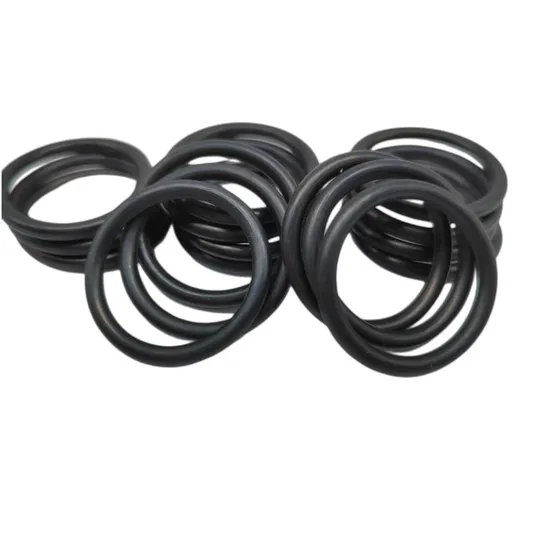
Estimate rubber O-ring weight (Approx).