
Technical Contents
Engineering Guide: Polylift Foam
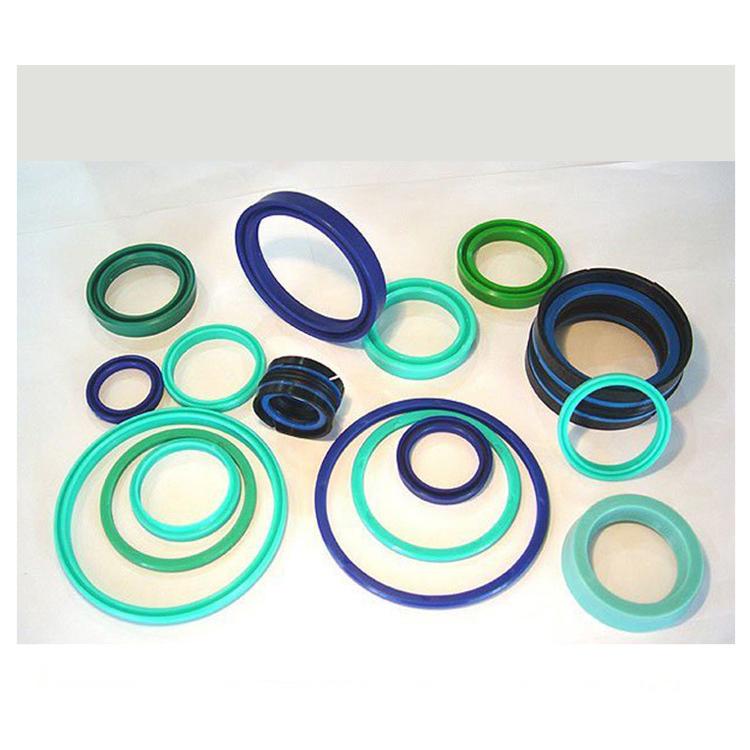
Engineering Insight: The Critical Role of Material Selection in polylift Foam Applications
In industrial rubber solutions, polylift foam is increasingly specified for its unique balance of compressibility, resilience, and long-term load retention. However, despite its widespread availability, off-the-shelf polylift foam formulations frequently underperform in demanding environments. This failure is not inherent to the material class but stems from inadequate alignment between the foam’s engineered properties and the specific mechanical, thermal, and chemical conditions of the application.
Material selection for polylift foam must be treated as a precision engineering decision rather than a commodity procurement exercise. Standard-grade foams are typically formulated for general-purpose use—optimized for cost and ease of processing rather than performance under stress. In dynamic sealing, vibration damping, or load-bearing insulation applications, these generic foams exhibit premature compression set, reduced recovery rates, and susceptibility to environmental degradation. For example, exposure to UV radiation, ozone, or industrial fluids can accelerate surface cracking and loss of structural integrity in non-formulated grades.
At Suzhou Baoshida Trading Co., Ltd., we emphasize application-specific customization. Our engineering team evaluates key parameters such as operating temperature range, compression-deflection behavior, density gradients, and fluid resistance before recommending a polylift foam variant. This approach ensures that the cellular structure, cross-link density, and additive package are tailored to the end-use environment. For instance, a polylift foam deployed in outdoor construction equipment sealing requires enhanced UV stabilizers and hydrophobic modifiers, while one used in HVAC gasketing must maintain performance across wide thermal cycles without outgassing or embrittlement.
The performance gap between standard and engineered polylift foams is quantifiable. Below is a comparative analysis of key physical properties in typical off-the-shelf versus custom-formulated polylift foam solutions.
| Property | Off-the-Shelf polylift Foam | Custom-Engineered polylift Foam (Baoshida) |
|---|---|---|
| Density (kg/m³) | 80–100 | 75–120 (application-adjusted) |
| Compression Set (22 hrs @ 70°C) | 35–50% | ≤20% |
| Tensile Strength (MPa) | 0.15–0.25 | 0.30–0.50 |
| Elongation at Break (%) | 120–180 | 200–300 |
| Operating Temperature Range | -20°C to +80°C | -40°C to +110°C |
| Fluid Resistance (IRMOG, 7d) | Moderate swelling | Minimal change (<5% volume increase) |
| Closed-Cell Content (%) | 70–80% | ≥90% |
These specifications illustrate how targeted formulation directly influences reliability and service life. The higher closed-cell content, for example, reduces moisture absorption and improves thermal insulation—critical in outdoor and sub-zero applications.
Material selection is not a secondary consideration—it is foundational to system performance. At Baoshida, we reject the one-size-fits-all model, delivering polylift foam solutions engineered for mission-critical durability.
Material Specifications
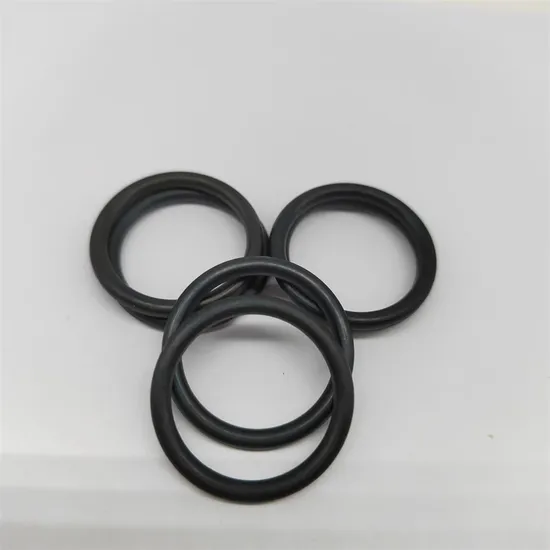
Material Specifications for Industrial Sealing Applications
Polylift foam systems utilize crosslinked polyurethane chemistry to deliver controlled density, compression set resistance, and thermal stability for dynamic sealing applications. While Polylift formulations address specific foam performance requirements, complementary solid elastomer components often interface with these systems in industrial assemblies. Suzhou Baoshida Trading Co., Ltd. provides precision-engineered Viton, Nitrile, and Silicone compounds to ensure system integrity under demanding operational conditions. These materials undergo rigorous OEM validation for compatibility with Polylift foam substrates, maintaining seal functionality across thermal cycles and chemical exposures. Understanding the distinct properties of each elastomer is critical for optimal material selection in hydraulic, pneumatic, and fluid-handling systems.
Viton fluorocarbon rubber excels in extreme environments with continuous service temperatures from -20°C to 250°C. Its molecular structure provides exceptional resistance to aromatic hydrocarbons, chlorinated solvents, and jet fuels, making it indispensable for aerospace and chemical processing OEMs. Nitrile butadiene rubber (NBR) offers cost-effective performance in -30°C to 120°C ranges, with superior resistance to aliphatic hydrocarbons, lubricants, and water-based fluids. This balance of resilience and affordability suits automotive and general industrial applications. Silicone rubber provides unmatched flexibility from -60°C to 200°C, featuring excellent ozone resistance and biocompatibility per USP Class VI standards, though it exhibits lower tensile strength and limited hydrocarbon resistance. All compounds are formulated to ASTM D2000 standards with precise control over durometer (Shore A 50-90), compression set, and tensile properties.
Material performance must align with fluid media, temperature profiles, and mechanical stresses. Viton withstands aggressive chemicals but requires careful evaluation against ketones and amines. Nitrile provides robust mechanical properties yet degrades in polar solvents like acetone. Silicone maintains elasticity at cryogenic temperatures but necessitates reinforcement for high-pressure dynamic seals. Suzhou Baoshida’s technical team collaborates with OEMs to validate material compatibility through accelerated aging tests per ASTM D573 and fluid immersion protocols per ISO 1817.
The following comparative analysis details critical specifications for informed material selection:
| Material | Temperature Range (°C) | Key Chemical Resistances | Hardness Range (Shore A) | Standard ASTM References |
|---|---|---|---|---|
| Viton (FKM) | -20 to 250 | Aromatic hydrocarbons, acids, jet fuels, hydraulic fluids | 60–90 | D1418, D2000, D395 |
| Nitrile (NBR) | -30 to 120 | Aliphatic hydrocarbons, oils, greases, water | 50–85 | D2000, D412, D471 |
| Silicone (VMQ) | -60 to 200 | Ozone, water, steam, alcohols, brake fluids | 40–80 | D2000, D2240, D573 |
Suzhou Baoshida emphasizes traceable lot documentation and ISO 9001-certified production for all elastomer compounds. Material datasheets include full cure profiles, FDA/USP compliance details, and OEM-specific performance validation data. Contact our engineering team for application-specific formulation adjustments or compatibility testing protocols to ensure seamless integration with Polylift foam systems in your manufacturing process.
Manufacturing Capabilities
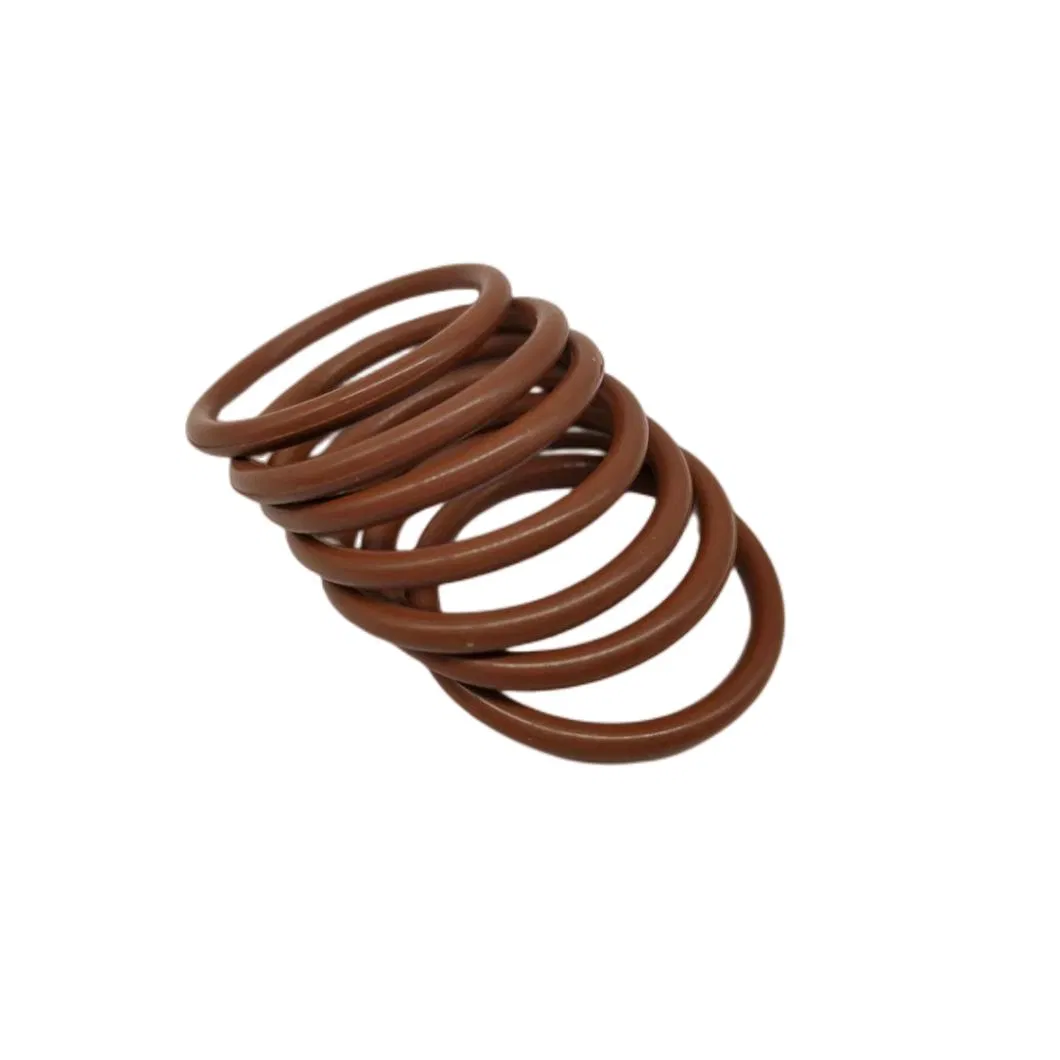
Engineering Capability: Precision-Driven Rubber Solutions for Industrial Applications
At Suzhou Baoshida Trading Co., Ltd., our engineering capability forms the backbone of our service excellence in industrial rubber solutions. With a dedicated team of five experienced mould engineers and two specialized rubber formula engineers, we deliver technically advanced, application-specific polylift foam products tailored to meet the exacting demands of global OEMs. Our integrated engineering approach ensures seamless development from concept to production, combining material science expertise with precision tooling design.
Our mould engineering team brings over 70 combined years of experience in designing and optimizing rubber compression and transfer moulds. Each engineer specializes in finite element analysis (FEA), dimensional tolerance control, and cycle time optimization, ensuring that every mould produces consistent, high-integrity polylift foam components. Utilizing advanced CAD/CAM platforms such as SolidWorks and UG NX, our engineers simulate material flow, curing behavior, and part ejection dynamics to preempt defects and reduce time-to-market. This proactive design validation is critical in applications where load distribution, compression set, and long-term resilience are performance determinants.
Complementing our mould expertise is our in-house rubber formulation capability. Our two formula engineers hold advanced degrees in polymer science and have led the development of over 120 custom EPDM, NBR, and silicone-based compounds. For polylift foam, we have engineered proprietary closed-cell formulations that achieve optimal balance between compressive strength, density, and thermal stability. These formulations are designed to withstand dynamic loading, UV exposure, and temperature extremes from -40°C to +120°C, making them ideal for automotive suspension systems, industrial lifting pads, and heavy equipment leveling solutions.
Our OEM partnership model is built on co-engineering and confidentiality. We support clients from initial specification review through prototype validation and serial production. All formulations and tooling designs are developed under strict IP protection protocols, with full documentation provided for traceability and compliance. Our facility is equipped with Mooney viscometers, rheometers, and environmental aging chambers to validate every batch against OEM technical data sheets.
The following table outlines the standard technical specifications achievable with our polylift foam formulations under controlled manufacturing conditions:
| Property | Test Method | Typical Value |
|---|---|---|
| Density | ASTM D3574 | 0.45–0.65 g/cm³ |
| Hardness (Shore A) | ASTM D2240 | 40–70 |
| Tensile Strength | ASTM D412 | 3.5–6.0 MPa |
| Elongation at Break | ASTM D412 | 150–280% |
| Compression Set (22h, 70°C) | ASTM D395 | ≤25% |
| Operating Temperature Range | — | -40°C to +120°C |
| Cell Structure | Microscopy Analysis | Closed-cell, uniform distribution |
By integrating material innovation with precision engineering, Suzhou Baoshida delivers polylift foam solutions that meet the mechanical and environmental challenges of modern industrial systems. Our engineering team stands ready to collaborate with OEMs on next-generation product development, ensuring performance, reliability, and manufacturing efficiency.
Customization Process
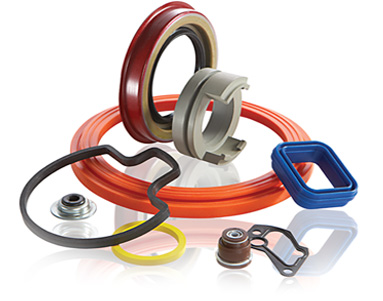
Polylift Foam Customization Workflow: From Concept to Volume Production
Precision customization of Polylift foam begins with rigorous Drawing Analysis. Our engineering team conducts dimensional audits against client-provided CAD files or technical sketches, verifying critical tolerances, cross-sectional geometries, and interface requirements. This phase identifies potential molding challenges such as undercuts, wall thickness variations, or draft angle deficiencies. Material compatibility with end-use environments (e.g., UV exposure, chemical contact, temperature extremes) is assessed alongside regulatory constraints (ISO 10993, FDA 21 CFR 177). Non-conformities trigger collaborative redesign proposals to optimize manufacturability without compromising functional intent.
Formulation development follows strict polymer science protocols. Based on performance targets, our lab synthesizes bespoke polyurethane or silicone-based compounds. Key variables include isocyanate index tuning, catalyst selection, and additive integration (e.g., flame retardants, conductive fillers). Each formula undergoes accelerated aging simulations and dynamic mechanical analysis (DMA) to predict long-term behavior. Critical properties like compression set resistance and hysteresis loss are modeled using proprietary algorithms, ensuring the final compound meets exact load-deflection curves and energy absorption profiles specified in the initial drawing review.
Prototyping employs CNC-machined aluminum molds for rapid validation. Three functional samples per iteration are subjected to ASTM D3574 compression testing, tear strength evaluation, and environmental chamber cycling (-40°C to +120°C). Real-time data from servo-hydraulic testers quantifies resilience decay and permanent set. Client feedback on physical samples drives micro-adjustments to cure kinetics or cell structure morphology. Only after achieving ≤5% deviation from target specifications across 10 sequential test cycles do we approve the prototype for tooling sign-off.
Mass production leverages our ISO 13485-certified facility with full traceability. Each batch undergoes in-line rheometry checks and post-cure durometer verification. Statistical process control (SPC) monitors critical dimensions via automated optical comparators, with real-time adjustments to injection pressure and temperature profiles. Finished rolls or molded parts receive 100% visual inspection and random destructive testing per AQL 1.0 standards. Comprehensive documentation—including material certificates, process validation reports, and lot-specific test data—is provided with every shipment to ensure regulatory compliance and supply chain transparency.
Key Polylift Foam Performance Specifications
| Property | Test Standard | Typical Range | Target Tolerance |
|---|---|---|---|
| Density | ASTM D3574 | 30–120 kg/m³ | ±2 kg/m³ |
| Compression Set (50%) | ASTM D3574 | 5–15% (70°C/22h) | ≤12% |
| Tensile Strength | ASTM D412 | 0.8–3.5 MPa | ±0.2 MPa |
| Hardness (Shore 00) | ASTM D2240 | 15–80 | ±3 points |
| Rebound Resilience | ASTM D3574 | 45–75% | ±5% |
This structured workflow eliminates guesswork in custom foam manufacturing. Suzhou Baoshida Trading Co., Ltd. guarantees repeatability through closed-loop material science and process control, transforming engineering drawings into high-performance Polylift components with zero compromise on industrial reliability.
Contact Engineering Team
For industrial manufacturers seeking high-performance sealing and cushioning solutions, Polylift foam represents a critical advancement in closed-cell rubber technology. At Suzhou Baoshida Trading Co., Ltd., we specialize in engineered rubber materials designed for durability, compression resistance, and long-term reliability under dynamic operational conditions. Our Polylift foam formulations are tailored for applications requiring consistent load distribution, thermal insulation, and resilience in harsh environments—making them ideal for automotive, rail transit, construction, and industrial equipment sectors.
Polylift foam is distinguished by its microcellular structure, which delivers superior energy absorption and recovery characteristics compared to conventional rubber foams. This unique cellular architecture ensures minimal permanent deformation after prolonged compression, maintaining seal integrity over extended service life. Additionally, the material exhibits excellent resistance to water, UV exposure, ozone, and a broad range of industrial fluids, enhancing its suitability for outdoor and high-stress applications.
We understand that performance requirements vary significantly across industries and individual use cases. That is why Suzhou Baoshida offers fully customizable Polylift foam solutions—adjustable in density, hardness, thickness, and surface treatment—to meet exact OEM specifications. Whether you require flame-retardant grades compliant with UL94 or low-outgassing variants for sensitive environments, our technical team works closely with clients to develop formulations that align precisely with functional and regulatory demands.
To ensure consistency and quality, all Polylift foam products are manufactured under strict ISO 9001-certified processes, with full traceability and batch testing. Our production capabilities include continuous vulcanization lines, precision calendering, and automated slitting and sheeting systems, enabling us to support both high-volume supply contracts and low-volume prototype development with equal efficiency.
Below are representative technical specifications for standard Polylift foam formulations:
| Property | Test Method | Value |
|---|---|---|
| Density | ASTM D3574 | 0.08–0.15 g/cm³ |
| Hardness (IRHD) | ISO 48-4 | 25–45° |
| Tensile Strength | ASTM D412 | ≥0.8 MPa |
| Elongation at Break | ASTM D412 | ≥150% |
| Compression Set (22h, 70°C) | ASTM D395B | ≤35% |
| Closed Cell Content | ASTM D2856 | ≥90% |
| Temperature Range | — | -40°C to +100°C (intermittent to +120°C) |
| Flame Resistance | UL94 | HB rated (customizable to V-0) |
For engineering teams and procurement managers evaluating next-generation sealing and lifting solutions, engaging with an experienced material supplier is essential. Mr. Boyce, our OEM Account Manager, leads technical client relations at Suzhou Baoshida and serves as the primary liaison for global industrial partners. With over 15 years in rubber formulation and industrial supply chain management, Mr. Boyce provides expert guidance on material selection, compliance documentation, and scalable production planning.
To discuss your specific application requirements, request samples, or obtain a technical datasheet, contact Mr. Boyce directly at [email protected]. We respond to all inquiries within 12 business hours and offer virtual technical consultations for international clients. Partner with Suzhou Baoshida to integrate Polylift foam into your next-generation industrial systems with confidence in performance, consistency, and supply chain reliability.
⚖️ O-Ring Weight Calculator
Estimate rubber O-ring weight (Approx).