
Technical Contents
Engineering Guide: Polyurethane Foam Pad
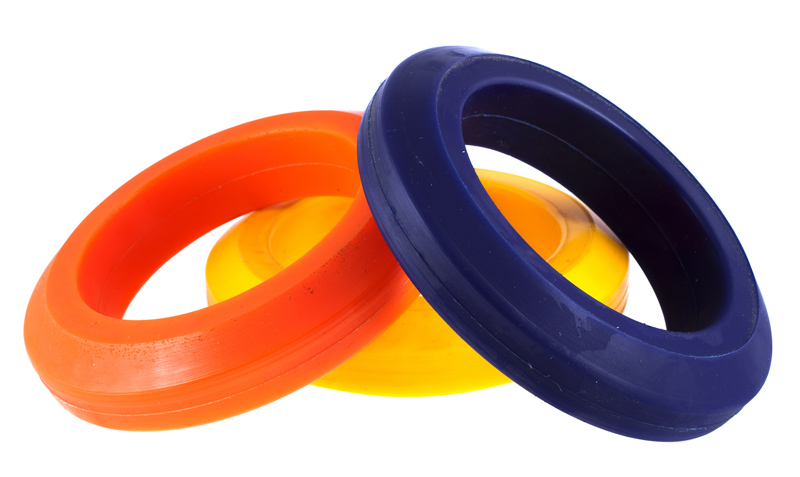
Engineering Insight: The Critical Role of Material Selection in Polyurethane Foam Pads
In industrial applications, polyurethane foam pads are frequently employed for cushioning, vibration damping, sealing, and impact absorption. While they may appear functionally interchangeable at first glance, the performance and longevity of these components are deeply rooted in precise material selection. Off-the-shelf polyurethane foam pads often fail to meet the rigorous demands of industrial environments due to a one-size-fits-all approach that disregards operational variables such as load profiles, temperature exposure, chemical environment, and dynamic stress cycles.
Polyurethane, as a polymer, offers a broad design latitude in terms of hardness, density, and resilience. However, this versatility demands exact formulation tuning. Standard commercial foams are typically engineered for consumer or light industrial use, where mechanical loads and environmental exposure are minimal. In contrast, industrial applications—such as machinery isolation pads, automotive gaskets, or conveyor line bumpers—require customized cellular structure, cross-link density, and additive packages to resist compression set, UV degradation, oil mist, or repeated impact.
A common failure mode observed with generic foam pads is premature compression set. This occurs when the foam loses its ability to rebound after sustained loading, leading to permanent deformation and loss of function. This is often due to insufficient cross-linking in the polymer matrix or inadequate cell wall thickness, both of which are controlled during the formulation stage. Similarly, exposure to industrial lubricants, ozone, or elevated temperatures can accelerate oxidative breakdown in non-formulated foams, resulting in cracking, embrittlement, or delamination.
Another critical factor is the anisotropy of mechanical properties in foam structures. Many off-the-shelf pads exhibit inconsistent cell distribution due to non-optimized foaming processes, leading to directional weaknesses. In contrast, engineered polyurethane foams from specialized manufacturers undergo controlled rise, curing, and post-processing to ensure isotropic behavior and predictable load-deflection characteristics.
At Suzhou Baoshida Trading Co., Ltd., we emphasize application-specific engineering. Each polyurethane foam pad is developed in collaboration with the end-user to align material properties with functional requirements. This includes selecting appropriate isocyanate and polyol systems, adjusting catalyst levels, incorporating stabilizers, and validating performance through accelerated life testing.
The following table outlines key performance parameters that differentiate engineered polyurethane foam pads from generic alternatives:
| Property | Generic Foam Pad | Engineered Foam Pad (Baoshida) |
|---|---|---|
| Hardness (Shore A) | 30–60 (variable) | 40–90 (precisely controlled) |
| Density (kg/m³) | 80–120 | 100–200 |
| Compression Set (22h @ 70°C) | >30% | <15% |
| Tensile Strength (MPa) | 0.8–1.5 | 2.0–4.0 |
| Elongation at Break (%) | 150–250 | 300–500 |
| Oil Resistance | Poor to moderate | Excellent (custom additive pack) |
| Operating Temperature Range | -10°C to +70°C | -30°C to +100°C |
In conclusion, the failure of off-the-shelf polyurethane foam pads in industrial settings is not a flaw of the material itself, but of inadequate engineering alignment. True performance is achieved not by selection from a catalog, but by co-engineering a solution grounded in material science and application data.
Material Specifications
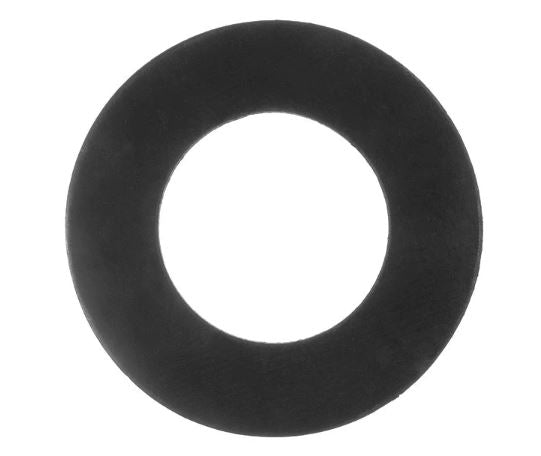
Material Specifications for Industrial Elastomeric Components
Suzhou Baoshida Trading Co., Ltd. clarifies a critical distinction for technical accuracy: polyurethane (PU) foam pads are distinct from solid elastomeric compounds such as Viton, Nitrile, and Silicone. PU foam is a cellular thermoset polymer formed by reacting polyols with isocyanates, yielding compressible, energy-absorbing structures. Conversely, Viton (FKM), Nitrile (NBR), and Silicone (VMQ) are dense, non-porous elastomers engineered for sealing, gasketing, and dynamic applications requiring chemical resistance, temperature stability, and mechanical integrity. This section details specifications for solid rubber components, as PU foam pads do not utilize these fluorocarbon or silicone-based formulations.
Industrial clients must select elastomers based on operational parameters. Viton excels in extreme chemical and thermal environments but carries higher material costs. Nitrile offers optimal resistance to oils and fuels at moderate temperatures, making it cost-effective for hydraulic and automotive systems. Silicone provides unparalleled flexibility across wide temperature ranges and biocompatibility but exhibits lower tensile strength and abrasion resistance. All compounds require precise formulation adjustments—such as filler loading, cross-link density, and additive packages—to meet OEM performance thresholds. Suzhou Baoshida’s engineering team tailors Shore A hardness, compression set, and fluid compatibility to client blueprints, ensuring adherence to ASTM D2000 or ISO 3601 standards.
The comparative analysis below outlines baseline properties for standard grades. Note that custom formulations may extend or modify these ranges.
| Property | Viton (FKM) | Nitrile (NBR) | Silicone (VMQ) |
|---|---|---|---|
| Temperature Range (°C) | -20 to +230 | -30 to +120 | -60 to +200 |
| Tensile Strength (MPa) | 10–20 | 15–25 | 5–12 |
| Hardness Range (Shore A) | 60–90 | 50–90 | 30–80 |
| Compression Set (22h/150°C) | ≤25% | ≤30% | ≤20% |
| Key Chemical Resistance | Acids, fuels, aromatics | Oils, aliphatic hydrocarbons | Ozone, UV, water |
| Limitations | Poor steam resistance; high cost | Swells in polar solvents; ozone sensitive | Low tear strength; permeable to gases |
Suzhou Baoshida emphasizes that material selection cannot rely solely on generic data sheets. Real-world performance depends on compound-specific variables, including polymer grade, cure system, and service environment interactions. For instance, standard NBR degrades rapidly above 120°C, while hydrogenated NBR (HNBR) extends thermal tolerance to 150°C. Similarly, Viton’s resistance to ketones or esters requires specialty grades. Our OEM formulation services optimize these elastomers for fatigue life, extrusion quality, and adhesion to substrates—critical for automotive, aerospace, and fluid handling systems.
Clients must provide detailed application profiles, including media exposure, dynamic load cycles, and regulatory requirements (e.g., FDA, NSF). Suzhou Baoshida’s laboratory validates prototypes against ISO 1817 fluid immersion tests and ASTM D395 compression set protocols, ensuring reliability before scale-up. This precision engineering approach minimizes field failures and aligns with global manufacturing excellence standards.
Manufacturing Capabilities
Engineering Excellence in Polyurethane Foam Pad Development
At Suzhou Baoshida Trading Co., Ltd., our engineering capability forms the backbone of our leadership in industrial rubber solutions, particularly in the design and production of high-performance polyurethane foam pads. With a dedicated team of five specialized mould engineers and two advanced formula engineers, we deliver precision-engineered products tailored to the exacting demands of global OEMs. Our integrated approach combines material science with precision tooling to ensure consistency, durability, and functional superiority across every production batch.
Our formula engineers possess deep expertise in polyurethane chemistry, enabling precise control over foam density, compression set, resilience, and thermal stability. By formulating custom polyol and isocyanate blends, we can engineer foam pads that meet specific performance criteria such as vibration damping, load distribution, or thermal insulation. Each formulation is rigorously tested under simulated operational conditions to ensure long-term reliability in industrial environments. This scientific approach allows us to support clients across automotive, electronics, and heavy machinery sectors with application-specific solutions.
Complementing our material expertise, our five mould engineers bring extensive experience in tool design, cavity optimization, and production efficiency. Utilizing advanced CAD/CAM software and CNC machining, we develop high-tolerance moulds that ensure dimensional accuracy and surface consistency. Our in-house tooling capability shortens development cycles and enables rapid prototyping, allowing for fast validation and time-to-market acceleration. Mould flow analysis and iterative testing are standard practices to eliminate defects such as voids, shrinkage, or uneven cell structure in the final foam product.
Our OEM capabilities are built on a foundation of technical agility and strict quality control. We support full turnkey manufacturing, from concept and material selection to mass production and logistics. Every project follows a structured development process, including Design for Manufacturing (DFM) reviews, First Article Inspection (FAI), and PPAP documentation where required. Our production lines are equipped with precision metering machines and climate-controlled curing chambers to ensure batch-to-batch repeatability.
The following table outlines key technical specifications achievable with our polyurethane foam pad solutions:
| Property | Typical Range | Test Standard |
|---|---|---|
| Density | 30 – 200 kg/m³ | ISO 845 |
| Hardness (Shore 00) | 10 – 80 | ISO 868 |
| Compression Set (22h, 70°C) | ≤ 15% | ISO 1856 |
| Tensile Strength | 80 – 300 kPa | ISO 1798 |
| Elongation at Break | 100 – 300% | ISO 1798 |
| Operating Temperature | -30°C to +110°C | Internal Testing |
Through the synergy of formula innovation and precision engineering, Suzhou Baoshida delivers polyurethane foam pads that meet the highest industrial standards. Our engineering team is fully equipped to support OEM partners in co-developing next-generation components with optimized performance, cost-efficiency, and manufacturability.
Customization Process
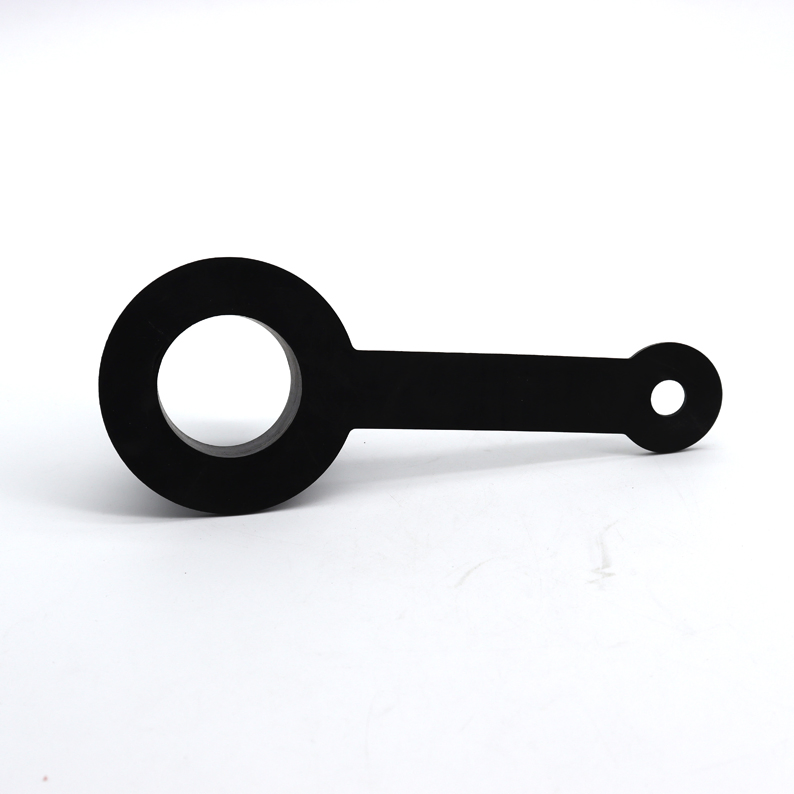
Polyurethane Foam Pad Customization Process: Precision Engineering from Concept to Volume
At Suzhou Baoshida Trading Co., Ltd., our polyurethane foam pad customization follows a rigorously defined engineering sequence to ensure optimal performance in demanding industrial applications. This four-stage workflow—Drawing Analysis, Formulation Development, Prototyping Validation, and Mass Production—guarantees material properties align precisely with client specifications while maintaining manufacturability and cost efficiency.
Drawing Analysis initiates the process. Our engineering team conducts a comprehensive review of client-provided technical drawings, focusing on dimensional tolerances, load distribution requirements, environmental exposure conditions (e.g., temperature range, chemical contact), and functional stress profiles. Critical parameters such as compression deflection, shear resistance, and thermal stability are quantified against industry standards. This phase identifies potential design conflicts early, such as inadequate wall thickness for high-load scenarios or incompatible material choices for ozone-rich environments, enabling proactive resolution before resource commitment.
Formulation Development leverages Suzhou Baoshida’s proprietary compound library and advanced rheological modeling. Based on the drawing analysis, our rubber formula engineers select base polyols and isocyanates, then calibrate catalyst ratios, chain extenders, and functional additives (e.g., flame retardants, UV stabilizers). Each formulation is optimized for target properties: closed-cell structure for moisture resistance, open-cell for acoustic damping, or hybrid architectures for multi-functional pads. Computational fluid dynamics simulations predict flow behavior during molding, ensuring uniform density distribution and eliminating voids. Material safety data sheets (MSDS) and regulatory compliance (REACH, RoHS) are validated at this stage.
Prototyping Validation bridges design and production. Using CNC-machined molds, we produce functional prototypes under controlled process parameters. These undergo accelerated life testing per ASTM D3574, including 24-hour compression set analysis, tensile strength verification, and dynamic fatigue cycles. Client feedback on physical samples—evaluating fit, damping characteristics, and surface finish—triggers iterative refinements. Only when prototypes consistently meet all performance metrics (±5% tolerance) does the design advance to full-scale production.
Mass Production deploys Suzhou Baoshida’s ISO 9001-certified manufacturing ecosystem. Automated metering-mixing systems ensure batch-to-batch consistency, while inline sensors monitor temperature, pressure, and cure time in real time. Every production run includes rigorous quality checkpoints: density verification, hardness testing (Shore 00 scale), and visual inspection for surface defects. Statistical process control (SPC) data is documented for full traceability, with client-accessible certificates of conformance.
Key polyurethane foam pad specifications achievable through this process include:
| Property | Standard Range | Customization Limit | Test Method |
|---|---|---|---|
| Density | 30–300 kg/m³ | ±5 kg/m³ | ASTM D3574 |
| Hardness (Shore 00) | 10–90 | ±2 points | ASTM D2240 |
| Compression Set (22h) | ≤15% @ 50% deflection | ≤10% achievable | ASTM D3574 |
| Tensile Strength | 1.0–5.0 MPa | Up to 7.0 MPa | ASTM D3574 |
| Operating Temperature | -40°C to +120°C | -60°C to +150°C | ISO 188 |
This systematic approach ensures Suzhou Baoshida delivers polyurethane foam pads that exceed OEM performance expectations while minimizing time-to-market. Our closed-loop engineering process transforms complex industrial requirements into reliable, high-volume solutions.
Contact Engineering Team
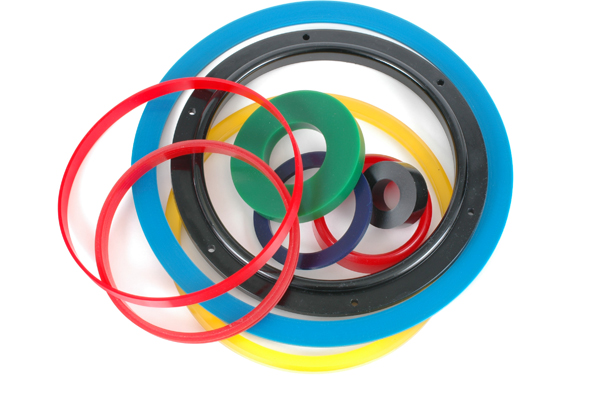
Contact Suzhou Baoshida for Premium Polyurethane Foam Pad Solutions
At Suzhou Baoshida Trading Co., Ltd., we specialize in delivering high-performance industrial rubber solutions tailored to the exacting demands of modern manufacturing. As a trusted OEM partner in the field of elastomeric materials, we provide engineered polyurethane foam pads designed for durability, resilience, and precision performance across automotive, electronics, medical devices, and industrial assembly applications. Our products are developed under strict quality controls to ensure consistency, dimensional accuracy, and long-term functional reliability.
Our polyurethane foam pads are formulated to meet specific mechanical and environmental requirements, including resistance to compression set, thermal stability, and controlled cell structure for optimal cushioning and sealing performance. Whether you require low-density foams for lightweight insulation or high-density variants for load-bearing cushioning, our R&D team works closely with clients to customize formulations, durometers, and geometries. All materials are compliant with international standards, including RoHS and REACH, and are produced in ISO-certified facilities with full traceability.
To ensure seamless integration into your production lines, we offer comprehensive technical support—from material selection and prototyping to batch validation and logistics coordination. Our global supply network enables reliable delivery timelines, while our in-house testing laboratory validates every critical parameter before shipment.
For immediate assistance with your polyurethane foam pad requirements, contact Mr. Boyce, OEM Manager and Rubber Formula Engineer at Suzhou Baoshida Trading Co., Ltd. With over 15 years of experience in elastomer formulation and industrial application engineering, Mr. Boyce leads technical client engagements, ensuring that every solution is scientifically optimized for performance and cost-efficiency. He is available to discuss custom specifications, provide sample materials, and support your engineering team through every phase of development.
Reach out via email at [email protected] to initiate a technical consultation. Please include details such as required dimensions, hardness (Shore A or C), density, temperature range, and intended application to accelerate the evaluation process. Our team responds to all inquiries within 24 business hours.
Below are standard technical specifications for our most commonly requested polyurethane foam pad grades. Custom modifications outside these ranges are available upon request.
| Property | Test Method | Grade PU-FP20 | Grade PU-FP40 | Grade PU-FP60 |
|---|---|---|---|---|
| Density (kg/m³) | ISO 845 | 200 | 400 | 600 |
| Hardness (Shore C) | ISO 7619-1 | 25 | 45 | 60 |
| Tensile Strength (MPa) | ISO 37 | 1.8 | 3.2 | 4.5 |
| Elongation at Break (%) | ISO 37 | 180 | 160 | 140 |
| Compression Set (22h, 70°C) | ISO 1856 | ≤15% | ≤18% | ≤20% |
| Operating Temperature Range | — | -30°C to 90°C | -30°C to 100°C | -20°C to 110°C |
| Cell Structure | Microscopy | Closed-cell | Semi-closed | Closed-cell |
Partner with Suzhou Baoshida to leverage advanced rubber science and precision manufacturing for your next-generation industrial components.
⚖️ O-Ring Weight Calculator
Estimate rubber O-ring weight (Approx).