
Technical Contents
Engineering Guide: Polyurethane Molding
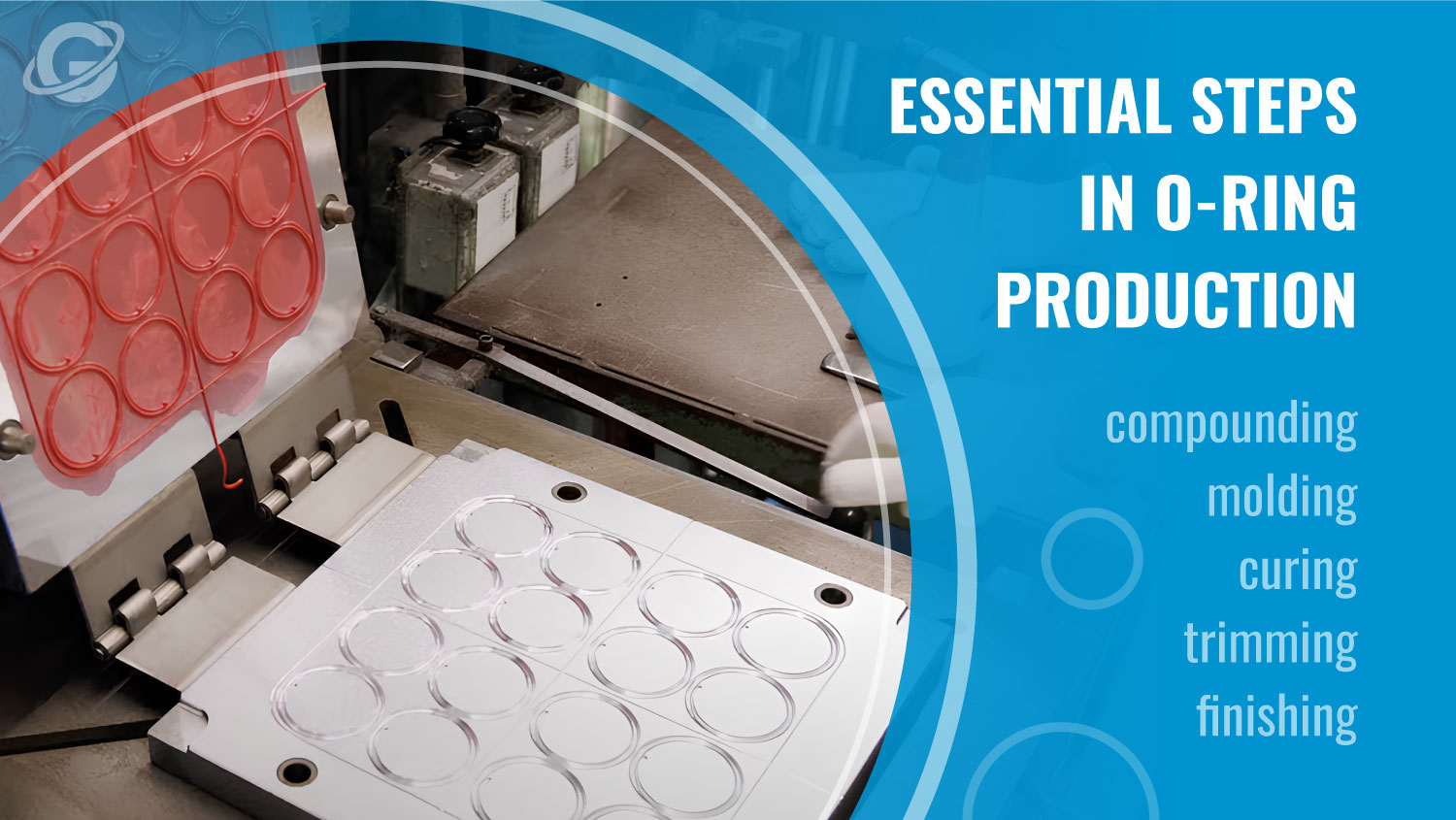
Engineering Insight: Material Selection in Polyurethane Molding
In the precision-driven field of custom molded rubber parts, polyurethane (PU) stands out for its exceptional mechanical properties, including high abrasion resistance, excellent load-bearing capacity, and superior elasticity. However, the performance of a polyurethane component is not inherent to the material class alone—it is critically dependent on the specific formulation and grade selected during the design phase. Off-the-shelf polyurethane solutions, while convenient, often fail in demanding industrial applications due to mismatched material characteristics. This underscores the necessity of engineered material selection tailored to operational conditions.
Polyurethane is not a monolithic material. It exists in a broad spectrum of formulations, primarily differentiated by their isocyanate and polyol chemistries—aromatic versus aliphatic, polyester versus polyether. Each combination imparts distinct performance attributes. For example, polyester-based polyurethanes offer superior oil and abrasion resistance but are prone to hydrolysis in humid environments. Conversely, polyether-based variants exhibit excellent resistance to hydrolysis and microbial growth, making them ideal for outdoor or marine applications, though they may underperform in high-oil environments.
Aromatic systems, while cost-effective and mechanically robust, degrade under UV exposure, limiting their use in exterior applications. Aliphatic polyurethanes, though more expensive, retain color and mechanical integrity under sunlight, making them suitable for visible components in automotive or architectural systems. Selecting the wrong chemistry can result in premature cracking, surface degradation, or loss of load-bearing performance—failures often misattributed to molding defects when the root cause lies in material incompatibility.
Furthermore, hardness (Shore A/D), tensile strength, elongation, and compression set must align with the functional requirements of the part. A seal operating under dynamic compression demands low compression set and high resilience, whereas a wear pad requires maximum abrasion resistance and high load support. Generic polyurethane stocks rarely optimize all these parameters simultaneously.
At Suzhou Baoshida Trading Co., Ltd., we prioritize application-specific material engineering. Our technical team collaborates with clients to analyze environmental exposure, mechanical loads, and lifecycle expectations before recommending a polyurethane formulation. This proactive approach prevents field failures and extends service life, delivering measurable cost savings over time.
Below is a comparative overview of common polyurethane types and their performance characteristics:
| Property | Polyester Aromatic | Polyether Aromatic | Polyester Aliphatic | Polyether Aliphatic |
|---|---|---|---|---|
| Tensile Strength (MPa) | 40–60 | 30–50 | 35–55 | 30–45 |
| Elongation at Break (%) | 400–600 | 500–700 | 450–650 | 550–750 |
| Abrasion Resistance | Excellent | Good | Very Good | Good |
| Hydrolysis Resistance | Poor | Excellent | Fair | Excellent |
| UV Stability | Poor | Poor | Excellent | Excellent |
| Oil/Fuel Resistance | Excellent | Good | Very Good | Good |
| Typical Applications | Industrial rollers, wear strips | Seals, dampers, marine components | Exterior seals, automotive trim | Medical devices, outdoor seals |
Material selection is not a secondary consideration—it is foundational to the success of any polyurethane molding project. Relying on off-the-shelf compounds risks functional failure, increased downtime, and higher total cost of ownership. Precision engineering begins with chemistry.
Material Specifications
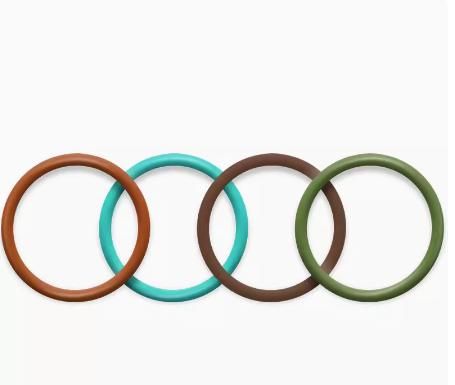
Material Specifications for Custom Molded Rubber Components
Suzhou Baoshida Trading Co., Ltd. provides precision-engineered rubber solutions for demanding industrial applications. While polyurethane molding is a specialized process, this section details critical specifications for three primary elastomers used in custom molded parts: Viton (FKM), Nitrile (NBR), and Silicone (VMQ). Each material exhibits distinct chemical, thermal, and mechanical properties essential for OEM part selection. It is imperative to note that polyurethane (PU) constitutes a separate polymer category; the following focuses exclusively on fluorocarbon, nitrile, and silicone rubbers due to their prevalence in high-integrity sealing and dynamic applications.
Viton (FKM) delivers exceptional resistance to high temperatures, aggressive chemicals, and fuels. Its molecular structure maintains integrity in continuous service up to 250°C, with short-term exposure tolerance reaching 300°C. Viton formulations are standard in aerospace, automotive fuel systems, and semiconductor manufacturing where exposure to oils, acids, and chlorinated solvents occurs. Compression set resistance remains superior above 150°C, though low-temperature flexibility is limited to -20°C. Processing requires strict control of cure kinetics to avoid scorch during molding.
Nitrile (NBR) remains the industry benchmark for oil and fuel resistance in cost-sensitive applications. With a typical hardness range of 40–90 Shore A, it balances abrasion resistance with moderate elasticity. NBR withstands continuous service from -30°C to 120°C, making it suitable for hydraulic seals, O-rings, and gaskets in automotive and industrial machinery. Its acrylonitrile content directly correlates with oil resistance but inversely affects low-temperature performance. Specialized hydrogenated NBR (HNBR) variants extend thermal stability to 150°C while improving ozone resistance.
Silicone (VMQ) excels in extreme temperature applications requiring biocompatibility and electrical insulation. It operates reliably from -60°C to 230°C, with specialty grades enduring 300°C intermittently. Silicone’s inertness meets FDA, USP Class VI, and ISO 10993 standards for medical and food-processing components. Though inherently lower in tensile strength than NBR or Viton, its consistent performance across thermal cycles and resistance to UV/ozone degradation make it ideal for outdoor seals, medical tubing, and electronic encapsulation. Platinum-cured formulations ensure ultra-low extractables for critical applications.
The comparative specifications below guide material selection based on operational parameters. All values represent standard compound ranges; custom formulations may extend performance boundaries.
| Material | Hardness Range (Shore A) | Continuous Temp Range (°C) | Key Chemical Resistances | Primary Industrial Applications |
|---|---|---|---|---|
| Viton (FKM) | 50–90 | -20 to 250 | Fuels, oils, acids, solvents, steam | Aerospace seals, chemical pump parts, semiconductor tooling |
| Nitrile (NBR) | 40–90 | -30 to 120 | Aliphatic hydrocarbons, oils, water, hydraulic fluids | Automotive O-rings, fuel hoses, industrial gaskets |
| Silicone (VMQ) | 30–80 | -60 to 230 | Ozone, UV, water, alcohols, weak acids | Medical devices, food processing seals, electrical insulation |
OEMs must evaluate dynamic stress, media compatibility, and regulatory requirements alongside these baseline properties. Suzhou Baoshida’s engineering team collaborates with clients to optimize compound formulation—adjusting filler systems, cure chemistry, and polymer grades—to meet exacting performance criteria. Accelerated aging tests per ASTM D2000 and application-specific fluid immersion protocols are recommended prior to production validation. Material selection directly impacts part longevity, safety margins, and total cost of ownership in mission-critical systems.
Manufacturing Capabilities
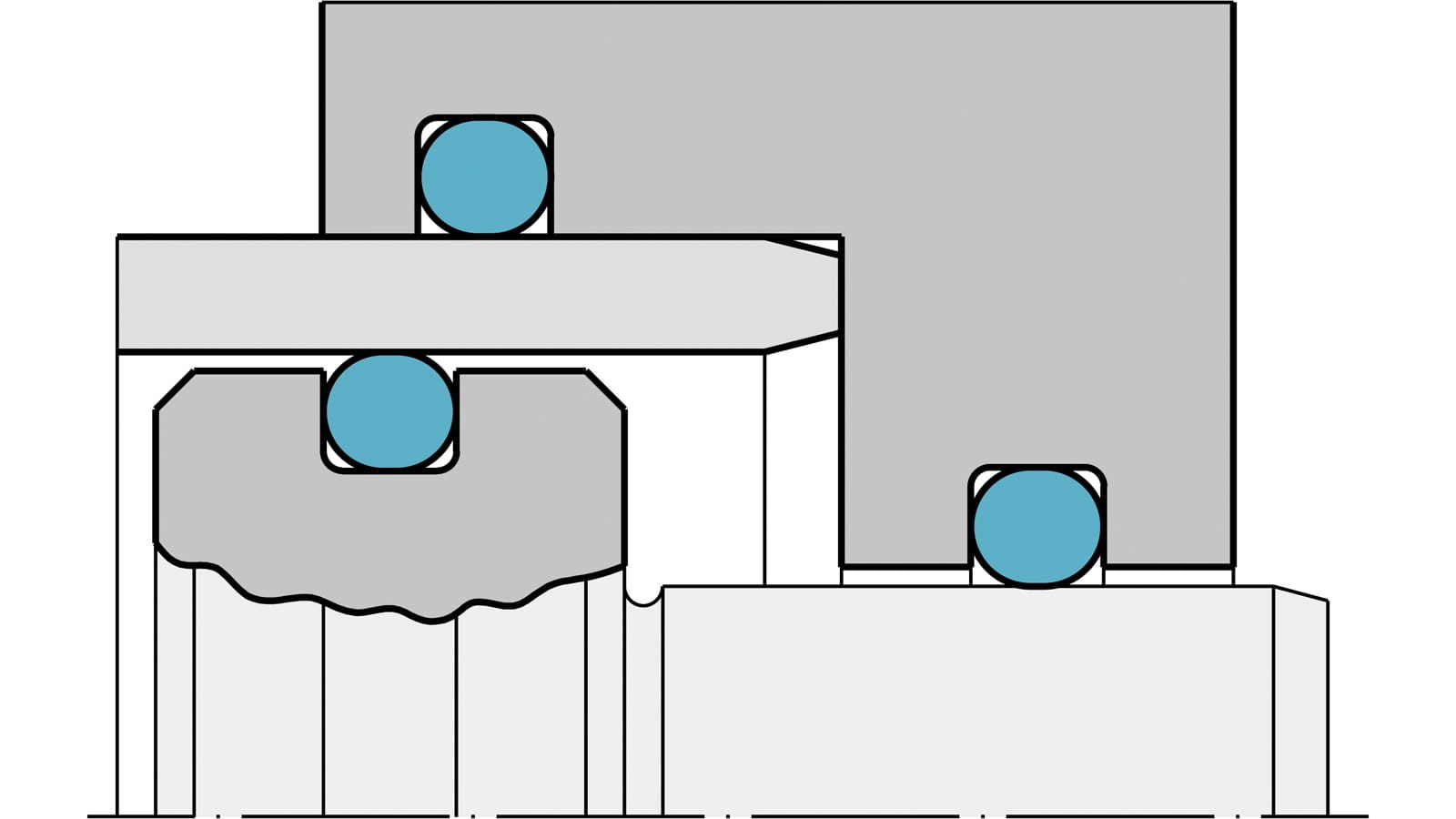
Engineering Capability
At Suzhou Baoshida Trading Co., Ltd., our engineering capability in polyurethane molding is anchored in a dedicated team of five experienced mold design engineers and two specialized rubber formula engineers. This integrated technical team ensures end-to-end control over the development and production of custom molded rubber parts, delivering precision, performance, and consistency tailored to OEM requirements. Our engineers apply deep domain knowledge in material science and mold flow dynamics to optimize both part geometry and material formulation for real-world application demands.
Our mold engineers utilize advanced CAD/CAM software, including SolidWorks, AutoCAD, and UG NX, to develop high-precision molds that support complex geometries, tight tolerances, and long service life. Each mold design undergoes rigorous simulation analysis to predict material behavior during curing, minimizing defects such as voids, flash, or incomplete filling. This proactive engineering approach reduces trial iterations, accelerates time-to-market, and enhances process repeatability—critical advantages for high-volume OEM production.
Complementing mold design is our in-house rubber formulation expertise. Our two formula engineers specialize in polyurethane chemistry, enabling custom compound development that meets specific physical, thermal, and chemical resistance requirements. Whether the application demands high abrasion resistance, low-temperature flexibility, or oil and solvent resistance, we formulate polyurethane systems (including polyester and polyether-based) to match exact performance criteria. This dual capability—mold engineering and material formulation—ensures that every component is optimized not only in shape but also in substance.
We support full OEM collaboration from concept to量产 (mass production), offering Design for Manufacturability (DFM) reviews, prototype development, and process validation. Our facility is equipped for low-pressure casting, compression molding, and transfer molding of polyurethane parts, accommodating part weights from 5 grams to 5 kilograms. With ISO 9001-certified processes and in-process quality checks, we ensure every batch meets stringent OEM standards.
The following table outlines our core technical specifications and capabilities in polyurethane molding:
| Parameter | Specification |
|---|---|
| Part Weight Range | 5 g – 5,000 g |
| Tolerance | ±0.1 mm (standard), up to ±0.05 mm (precision) |
| Hardness Range (Shore A/D) | 30A to 90D |
| Molding Processes | Compression, Transfer, Low-Pressure Casting |
| Material Types | Polyether PU, Polyester PU, Flame-Retardant PU, UV-Resistant PU |
| Mold Materials | P20, 718H, S136, H13 (stainless and hardened steels) |
| Tooling Lead Time | 15–25 days (depending on complexity) |
| Production Capacity | 200,000 pcs/month (average) |
| Quality Standards | ISO 9001:2015, PPAP, FAI, SPC |
This combination of human expertise, technical infrastructure, and OEM-focused development processes positions Suzhou Baoshida as a reliable engineering partner for mission-critical polyurethane components across automotive, industrial machinery, medical devices, and electronics sectors.
Customization Process
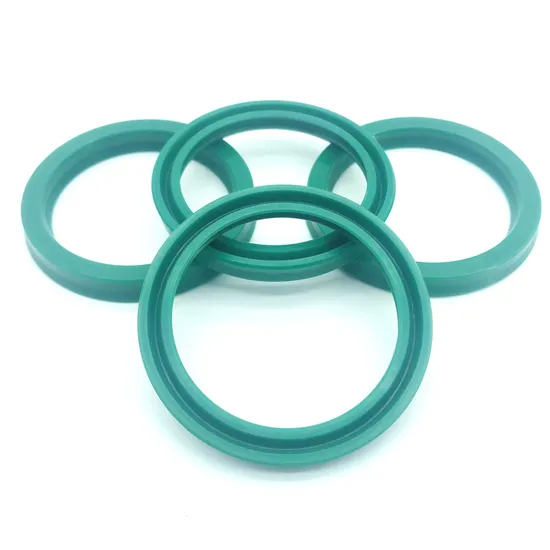
Polyurethane Molding Customization Process: Precision Engineering from Concept to Volume
At Suzhou Baoshida Trading Co., Ltd., our polyurethane molding customization process integrates rigorous scientific analysis with industrial-scale execution to deliver mission-critical rubber components. This structured workflow ensures dimensional accuracy, material performance, and production reliability for demanding OEM applications across automotive, medical, and industrial sectors.
The process initiates with Drawing Analysis, where our engineering team conducts a comprehensive review of client CAD files and technical specifications. We assess geometric complexity, wall thickness uniformity, draft angles, and critical tolerances per ISO 2768 or client-specific GD&T standards. This phase identifies potential molding challenges such as air entrapment zones or sink marks, enabling proactive design modifications. Material compatibility with operating environments (e.g., temperature range, chemical exposure) is cross-referenced against our proprietary polyurethane database to prevent field failures.
Subsequent Formulation Development leverages our in-house compounding expertise. Based on the application requirements, we engineer custom polyurethane systems by modulating isocyanate indices, polyol molecular weights, and additive packages. Catalyst selection directly influences phase separation morphology, while fillers like silica or carbon black enhance abrasion resistance or electrical properties. Each formulation undergoes predictive simulation for flow behavior and cure kinetics, ensuring optimal mold filling and crosslink density. Critical parameters are validated against client-specified performance thresholds before prototyping.
Prototyping utilizes rapid tooling techniques with aluminum or steel CNC-machined molds to produce functional samples within 15–20 days. Samples undergo stringent validation testing per ASTM or ISO protocols, including dimensional inspection (CMM reports), hardness profiling (Shore A/D), and application-specific trials (e.g., compression set at 70°C for 72 hours). Client feedback drives iterative refinements to both geometry and material composition, with full traceability of all process variables.
Upon approval, Mass Production commences in our ISO 9001-certified facility using hydraulic or servo-driven molding presses with ±0.5°C temperature control. Statistical Process Control (SPC) monitors shot weight consistency, cure time, and clamp force in real-time. Every batch includes certified material test reports, and 100% automated vision inspection ensures defect-free parts. Our lean manufacturing system guarantees on-time delivery of 5,000–500,000+ units monthly while maintaining ±0.1 mm dimensional repeatability.
Material performance specifications for common polyurethane grades are summarized below:
| Material Property | Test Standard | Typical Range | Application Impact |
|---|---|---|---|
| Shore A Hardness | ASTM D2240 | 60–95 A | Sealing force, wear resistance |
| Tensile Strength | ASTM D412 | 35–65 MPa | Load-bearing capacity |
| Elongation at Break | ASTM D412 | 300–550% | Flexibility in dynamic seals |
| Compression Set (22h/70°C) | ASTM D395 | 10–25% | Long-term sealing integrity |
| Abrasion Loss (Taber) | ASTM D4060 | 30–80 mg/1000 cycles | Component lifespan in sliding contact |
Suzhou Baoshida transforms polyurethane’s versatility into engineered solutions through this disciplined, data-driven methodology. Our commitment to material science excellence and process control ensures your custom parts meet the highest industrial reliability standards, reducing total cost of ownership through extended service life and zero-defect delivery. Partner with us to convert your design intent into high-performance reality.
Contact Engineering Team
For precision-critical industries relying on high-performance polyurethane molding, Suzhou Baoshida Trading Co., Ltd. stands as a trusted partner in the development and production of custom molded rubber parts. With advanced formulation expertise and a deep understanding of industrial application requirements, we deliver engineered elastomeric solutions that meet exacting performance standards. Whether your project demands extreme abrasion resistance, dynamic load-bearing capabilities, or resilience under variable thermal and chemical conditions, our team is equipped to design and manufacture polyurethane components tailored to your operational environment.
Our polyurethane molding process integrates scientific material selection with precision tooling and rigorous quality control. We specialize in compression, transfer, and injection molding techniques, enabling us to produce parts ranging from low-volume prototypes to high-volume production runs with consistent repeatability. Each formulation is developed in-house, allowing us to fine-tune mechanical properties such as hardness, elongation, tensile strength, and tear resistance to match your functional requirements. From mining and automotive to medical devices and industrial automation, our molded polyurethane components are engineered for reliability and longevity.
To ensure optimal part performance, we work closely with clients during the design phase to evaluate material compatibility, stress distribution, and environmental exposure. Our engineering team supports mold flow analysis, tolerance verification, and prototyping to minimize risk and accelerate time-to-market. All manufacturing is conducted under ISO-compliant procedures, with full traceability and documentation available upon request.
Below are typical physical properties of our standard polyurethane formulations, commonly used in custom molding applications:
| Property | Test Method | 80A Shore | 90A Shore | 95A Shore | 70D Shore |
|---|---|---|---|---|---|
| Hardness (Shore A/D) | ASTM D2240 | 80A | 90A | 95A | 70D |
| Tensile Strength | ASTM D412 | 45 MPa | 52 MPa | 56 MPa | 60 MPa |
| Elongation at Break | ASTM D412 | 480% | 400% | 350% | 280% |
| Tear Strength | ASTM D624 | 110 kN/m | 130 kN/m | 145 kN/m | 160 kN/m |
| Compression Set (22 hrs, 70°C) | ASTM D395 | ≤15% | ≤18% | ≤20% | ≤22% |
| Abrasion Loss (Taber, mg) | ASTM D1044 | 35 mg | 30 mg | 28 mg | 25 mg |
These values represent standard benchmarks; custom formulations can be developed to exceed these metrics based on application demands.
For technical collaboration or to initiate a custom polyurethane molding project, contact Mr. Boyce, Rubber Formula Engineer and OEM Manager at Suzhou Baoshida Trading Co., Ltd. Direct your inquiries to [email protected]. Include detailed specifications such as application environment, performance requirements, dimensional drawings, and expected production volumes to facilitate rapid evaluation and quotation. Our team responds promptly to all technical submissions, offering material recommendations, design feedback, and sample production timelines. Partner with Suzhou Baoshida to transform your engineering challenges into durable, high-performance elastomeric solutions.
⚖️ O-Ring Weight Calculator
Estimate rubber O-ring weight (Approx).