
Technical Contents
Engineering Guide: Polyurethane Moulding Rubber
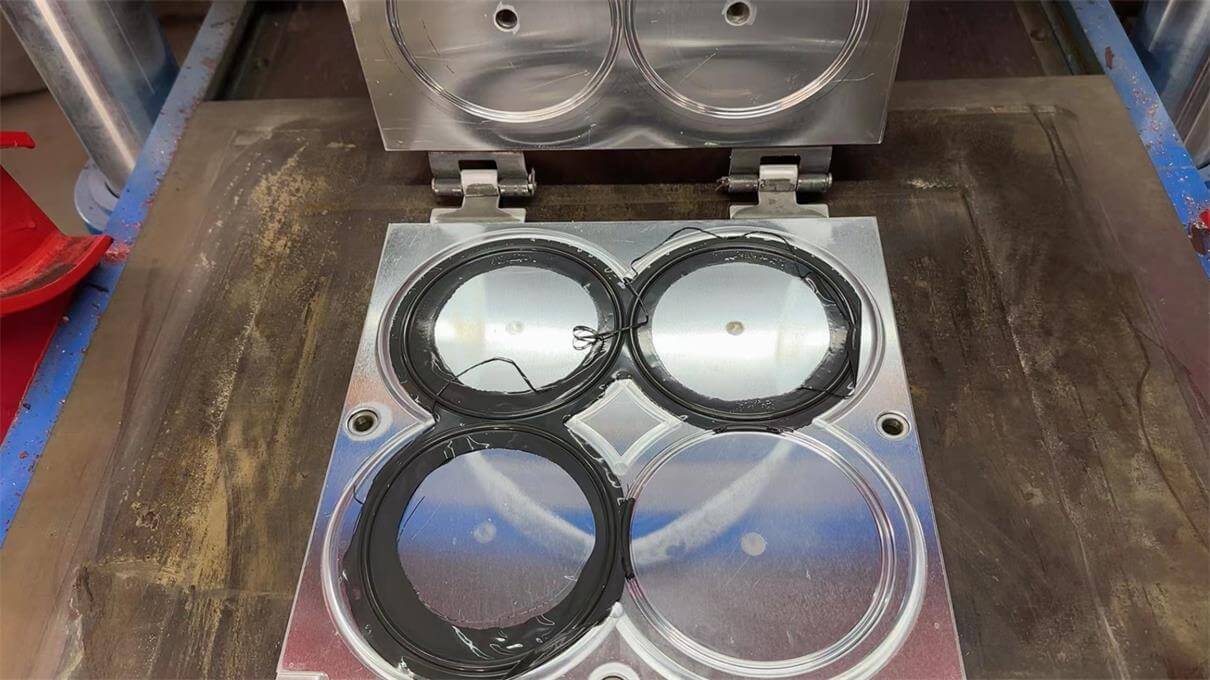
Engineering Insight: Polyurethane Moulding Rubber Material Selection Imperatives
Generic polyurethane moulding compounds frequently underperform in demanding industrial applications, leading to premature part failure, assembly line disruptions, and significant warranty costs. This stems from a fundamental misconception: polyurethane is not a monolithic material but a chemically tunable system where performance is dictated by precise formulation. Off-the-shelf solutions prioritize broad market appeal over application-specific physics, ignoring critical environmental and mechanical variables inherent to OEM use cases.
The core limitation lies in polyurethane’s sensitivity to raw material selection and processing parameters. Variations in isocyanate type (MDI vs. TDI), polyol molecular weight, chain extender chemistry, and additive packages dramatically alter the final polymer’s crystallinity, phase separation, and crosslink density. A seal operating in offshore hydraulic systems requires exceptional hydrolysis resistance and sustained low-temperature flexibility, while a conveyor belt liner demands abrasion resistance exceeding 100 mm³ loss per DIN 53516 and rebound resilience >65%. Generic formulations cannot simultaneously optimize these antagonistic properties. Field failures commonly manifest as catastrophic compression set in static seals due to inadequate thermal stability, or rapid wear in dynamic components from insufficient tear strength.
Suzhou Baoshida Trading Co., Ltd. addresses this through OEM-centric material engineering. We initiate projects with rigorous application profiling—quantifying dynamic loads, fluid exposure, temperature cycling, and lifetime expectations—before selecting base polymers. For instance, polyester-based polyurethanes offer superior oil resistance but poor hydrolysis stability; polyether variants solve hydrolysis but exhibit lower abrasion resistance. Our formulations integrate proprietary stabilizer packages and nano-reinforcements to bridge these gaps, validated through accelerated life testing replicating actual service conditions. The cost of inadequate material selection far exceeds the R&D investment for a tailored compound, considering downtime and reputational damage from field failures.
Critical performance differentiators between generic and engineered polyurethane moulding rubber are summarized below:
| Property | Generic Off-the-Shelf PU | Engineered OEM Solution (Suzhou Baoshida) |
|---|---|---|
| Shore Hardness Range | Narrow (e.g., 70A-85A only) | Customizable (40A-95A with stability) |
| Tensile Strength (MPa) | 30-40 (degrades rapidly in oil) | 45-60 (maintains >85% after 70h @ 100°C) |
| Compression Set (B) | 25-35% @ 70°C/22h | <15% @ 100°C/70h (critical for seals) |
| Hydrolysis Resistance | <500 hrs (polyester types) | >2000 hrs (polyether-modified) |
| Abrasion Loss (mm³) | 80-120 | 40-60 (optimized for dynamic surfaces) |
| Low-Temp Flexibility (°C) | -30°C | -50°C (critical for arctic applications) |
Material selection is not a procurement decision but an engineering prerequisite. Suzhou Baoshida Trading Co., Ltd. partners with OEMs to transform polyurethane from a commodity risk into a performance advantage through chemistry-driven customization. Our process ensures the moulded rubber component achieves its functional lifespan under real-world stresses, eliminating the hidden costs of generic material compromises.
Material Specifications
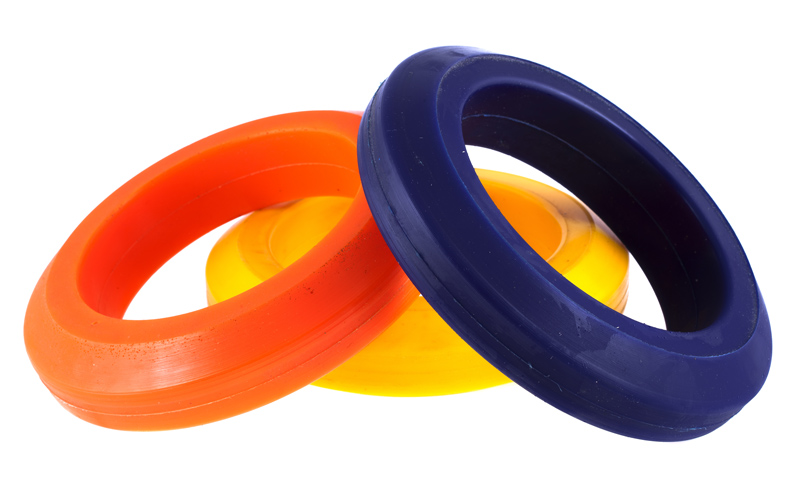
Material Specifications for Polyurethane Moulding Rubber Applications
In the production of custom molded rubber parts, selecting the appropriate elastomer is critical to ensuring performance, longevity, and compatibility with operational environments. At Suzhou Baoshida Trading Co., Ltd., we specialize in precision polyurethane moulding rubber components engineered for industrial reliability. While polyurethane offers excellent abrasion resistance and mechanical strength, integration with complementary elastomers such as Viton, Nitrile, and Silicone allows for optimized performance across diverse service conditions. Each material exhibits distinct chemical, thermal, and physical characteristics, making proper selection essential for application-specific success.
Viton, a fluorocarbon-based synthetic rubber, delivers outstanding resistance to high temperatures, oils, fuels, and a broad range of chemicals. It maintains integrity in extreme environments up to 250°C, making it ideal for aerospace, automotive, and chemical processing applications. Its low gas permeability and excellent aging properties ensure long-term sealing performance under pressure and thermal cycling. However, Viton is less flexible at low temperatures and carries a higher material cost compared to alternatives.
Nitrile rubber (NBR) is widely used for its superior resistance to petroleum-based oils, fuels, and hydraulic fluids. It performs reliably within a temperature range of -30°C to 120°C, offering good abrasion resistance and tensile strength. Nitrile is a cost-effective solution for dynamic and static sealing applications in automotive, manufacturing, and hydraulic systems. While it lacks the high-temperature stability of Viton, its balance of performance and affordability makes it one of the most commonly specified elastomers in industrial settings.
Silicone rubber excels in extreme temperature environments, functioning effectively from -60°C to 200°C. It offers excellent resistance to ozone, UV radiation, and weathering, along with high biocompatibility and electrical insulation properties. Silicone is frequently selected for medical devices, food processing, and outdoor electrical applications. However, it has relatively low tensile strength and poor resistance to petroleum-based fluids, limiting its use in high-stress mechanical environments.
Understanding these material differences enables precise matching of elastomer properties to application demands. Below is a comparative summary of key performance metrics.
| Property | Viton (FKM) | Nitrile (NBR) | Silicone (VMQ) |
|---|---|---|---|
| Temperature Range (°C) | -20 to 250 | -30 to 120 | -60 to 200 |
| Tensile Strength (MPa) | 15–25 | 10–20 | 5–10 |
| Elongation at Break (%) | 200–300 | 250–500 | 200–600 |
| Hardness Range (Shore A) | 60–90 | 50–90 | 30–80 |
| Resistance to Oils/Fuels | Excellent | Excellent | Poor |
| Resistance to Ozone/UV | Excellent | Good | Excellent |
| Compression Set Resistance | Excellent | Good | Fair |
| Electrical Insulation | Good | Fair | Excellent |
| Cost Level | High | Low to Medium | Medium |
Selection of the appropriate material must consider fluid exposure, thermal profile, mechanical stress, and regulatory requirements. At Suzhou Baoshida Trading Co., Ltd., we support OEMs with material consultation, prototyping, and scalable production to ensure optimal component performance.
Manufacturing Capabilities
Engineering Excellence in Polyurethane Moulding Rubber Production
Suzhou Baoshida Trading Co., Ltd. delivers precision-engineered polyurethane moulding rubber solutions through integrated material science and advanced mould design. Our core strength lies in the seamless collaboration between dedicated Formula Engineers and Mould Engineers, ensuring every custom part meets stringent industrial performance criteria. With five specialized Mould Engineers and two certified Formula Engineers, we address complex challenges from molecular formulation to cavity geometry optimization. This dual-expertise framework eliminates traditional silos between material development and production tooling, directly translating client specifications into reliable, high-yield components.
Our Formula Engineers possess deep expertise in polyurethane chemistry, including isocyanate selection, polyol blending, catalyst systems, and additive integration. They develop bespoke formulations targeting specific mechanical properties, thermal stability, chemical resistance, and processing characteristics. Concurrently, our Mould Engineers apply computational fluid dynamics (CFD) and finite element analysis (FEA) to optimize gate placement, venting, cooling channels, and ejection systems. This synergy minimizes defects such as voids, sink marks, or inconsistent durometer readings—critical for applications in automotive seals, industrial rollers, and medical device components.
As an OEM partner, we implement rigorous process validation protocols aligned with ISO 9001 standards. Each project undergoes Design Failure Mode and Effects Analysis (DFMEA) to preempt risks, followed by iterative tool trials with real-time rheological monitoring. We maintain full traceability from raw material lot numbers to final part certification, supporting PPAP submissions for Tier-1 automotive and aerospace clients. Our facility houses multi-axis CNC mould fabrication, vacuum degassing systems, and climate-controlled curing ovens, enabling tight tolerances of ±0.15 mm and surface finishes to Ra 0.8 µm.
The table below summarizes standard polyurethane properties achievable through our engineered processes, with custom formulations extending beyond these ranges:
| Property | Standard Range | Custom Capability | Test Method |
|---|---|---|---|
| Hardness (Shore A/D) | 40A to 95A / 30D to 85D | 30A to 98A / 25D to 90D | ASTM D2240 |
| Tensile Strength (MPa) | 15 to 55 | 10 to 65 | ASTM D412 |
| Elongation at Break (%) | 300 to 700 | 200 to 800 | ASTM D412 |
| Tear Strength (kN/m) | 45 to 120 | 35 to 150 | ASTM D624 |
| Compression Set (%) | ≤ 20 (70°C, 22h) | ≤ 15 (custom profiles) | ASTM D395 |
Our OEM workflow begins with joint design reviews to validate manufacturability, followed by prototype validation using client-specified test fixtures. We prioritize rapid iteration—reducing time-to-market by 22% compared to industry averages—while maintaining scrap rates below 0.8% in serial production. Suzhou Baoshida’s engineering ecosystem ensures polyurethane components perform predictably under extreme load, temperature, or chemical exposure, transforming material science into operational reliability for global industrial clients.
Customization Process
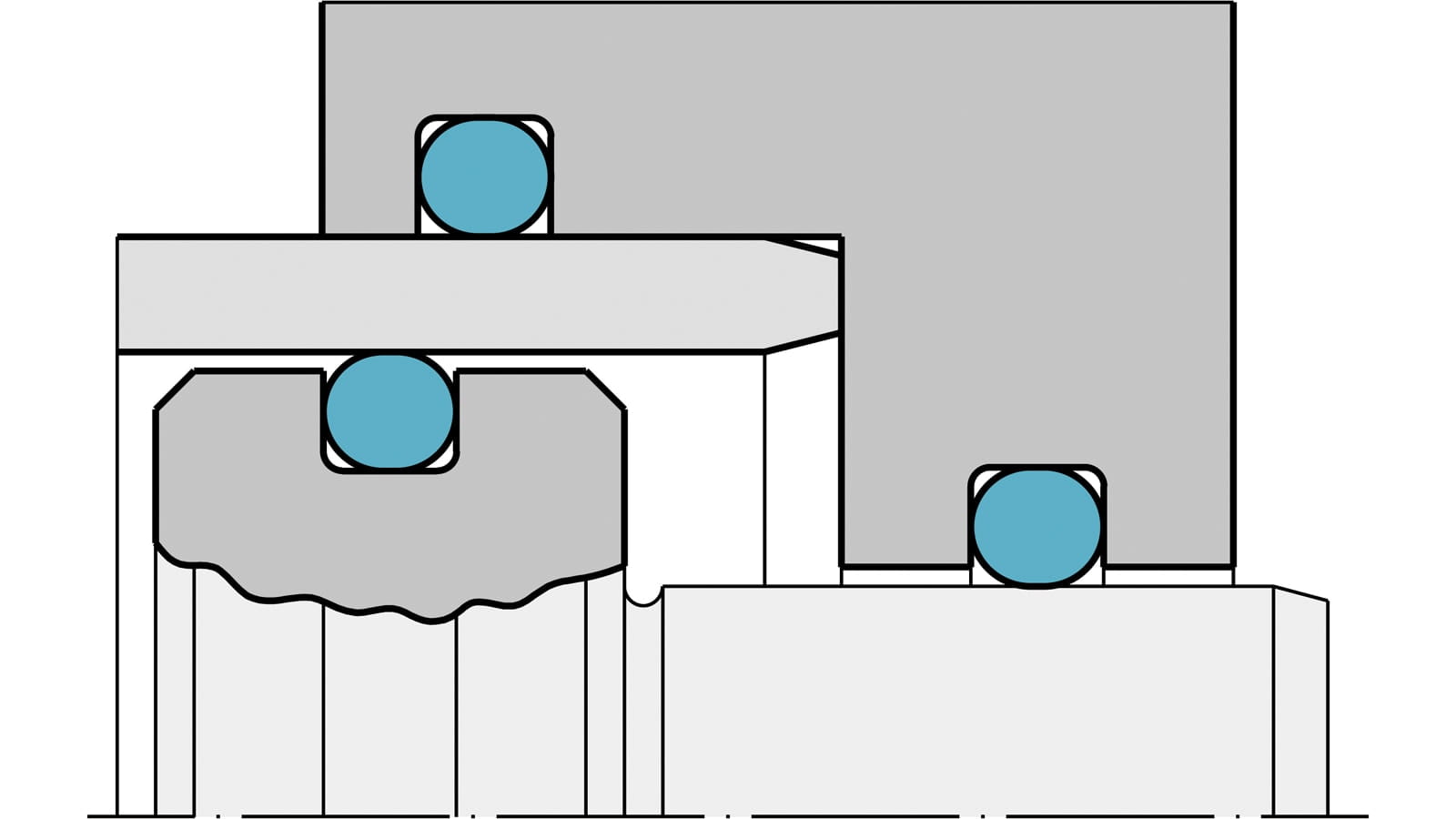
Customization Process for Polyurethane Moulding Rubber at Suzhou Baoshida Trading Co., Ltd.
At Suzhou Baoshida Trading Co., Ltd., the customization of polyurethane moulding rubber is a precision-driven process that ensures each component meets exact functional and environmental demands. Our methodology integrates engineering analysis, material science, and advanced manufacturing to deliver high-performance rubber parts tailored to industrial applications.
The process begins with Drawing Analysis, where technical blueprints and 3D models provided by the client are rigorously evaluated. Our engineering team assesses geometric complexity, dimensional tolerances, surface finish requirements, and intended operational conditions. This stage includes feasibility studies for mold design, parting lines, draft angles, and potential undercuts. We also verify compliance with international standards such as ISO 3302 for dimensional accuracy and ISO 2768 for general tolerances. Close collaboration with the client ensures alignment on performance expectations and design optimization.
Following drawing validation, we proceed to Formulation Development. Polyurethane offers exceptional versatility through tunable properties via chemical composition. Our rubber formula engineers select the appropriate isocyanate and polyol systems—aliphatic or aromatic, polyester or polyether-based—based on required resistance to abrasion, oil, ozone, UV, or hydrolysis. Hardness is precisely controlled within the Shore A 60 to Shore D 75 range, while elongation at break and tensile strength are optimized for dynamic or static loading. Additives such as UV stabilizers, flame retardants, or fillers may be incorporated to meet specialized operational environments. Each formulation is documented and archived for batch consistency and traceability.
The next phase is Prototyping, where small-batch samples are produced using pre-series molds. These prototypes undergo rigorous physical and chemical testing, including compression set (ASTM D395), tear strength (ASTM D624), and dynamic fatigue analysis. Dimensional inspection is performed using coordinate measuring machines (CMM) to ensure conformity to print specifications. Client feedback is incorporated at this stage, allowing for iterative refinement before full-scale production.
Upon approval, we transition to Mass Production, leveraging automated casting and curing systems for high repeatability and throughput. In-process quality checks, statistical process control (SPC), and final inspection ensure every batch meets defined quality benchmarks. All parts are traceable via lot numbering, and comprehensive material test reports (MTRs) are provided.
The following table summarizes key customizable parameters and performance ranges:
| Parameter | Range / Options | Test Standard |
|---|---|---|
| Hardness (Shore Scale) | Shore A 60 – Shore D 75 | ASTM D2240 |
| Tensile Strength | 20 – 50 MPa | ASTM D412 |
| Elongation at Break | 300% – 600% | ASTM D412 |
| Compression Set (22h, 70°C) | ≤ 20% | ASTM D395 |
| Tear Strength | 40 – 120 kN/m | ASTM D624 |
| Temperature Resistance | -40°C to +100°C (short-term up to +120°C) | ISO 188 |
| Base Chemistry | Polyester, Polyether, Aliphatic, Aromatic | Custom Formulation |
Suzhou Baoshida Trading Co., Ltd. ensures seamless transition from concept to volume supply, delivering engineered polyurethane rubber components with consistent quality and performance.
Contact Engineering Team
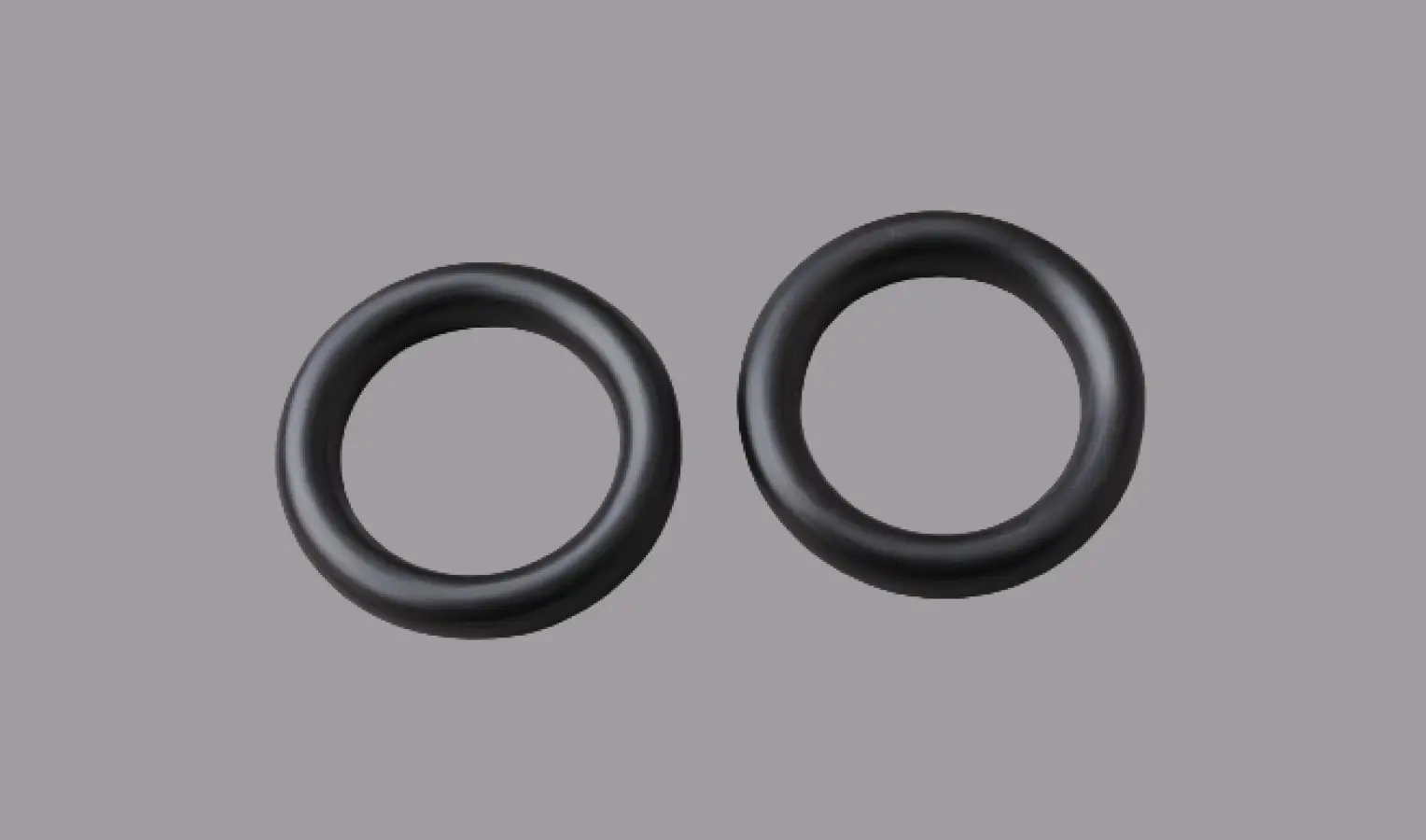
Technical Partnership for Precision Polyurethane Moulding Solutions
Suzhou Baoshida Trading Co., Ltd. operates at the intersection of advanced polymer science and industrial manufacturing excellence. For OEMs and Tier-1 suppliers demanding uncompromising performance in custom polyurethane moulded rubber components, our engineered solutions address critical challenges in durability, chemical resistance, and dimensional stability. Standard off-the-shelf elastomers frequently fail under dynamic operational stresses—abrasion in mining equipment seals, hydrolysis in marine hydraulic systems, or thermal degradation in automotive under-hood applications. Our proprietary formulation protocols, validated through ISO 17025-accredited testing, transform these failure points into competitive advantages. By integrating real-time rheological monitoring during cure cycles and leveraging finite element analysis for mold flow optimization, we achieve ±0.05mm tolerances consistently across production runs exceeding 50,000 units. This precision engineering directly impacts your product lifecycle costs, reducing field failures by up to 37% compared to conventional PU compounds.
Our technical capabilities span the full spectrum of polyurethane chemistry, from rigid microcellular foams for vibration damping to ultra-soft translucent gels for medical device interfaces. The table below summarizes core performance parameters for our most deployed formulations under ASTM D2240 and ISO 37 standards:
| Property | Polyether-Based PU | Polyester-Based PU | Hybrid Aromatic/Aliphatic | Test Standard |
|---|---|---|---|---|
| Shore Hardness Range | 10A–95A | 30A–98A | 20A–90A | ASTM D2240 |
| Tensile Strength (MPa) | 25–55 | 35–65 | 30–60 | ISO 37 |
| Elongation at Break (%) | 450–750 | 400–700 | 500–720 | ISO 37 |
| Tear Resistance (kN/m) | 65–110 | 80–130 | 75–120 | ASTM D624 |
| Compression Set (70°C/22h) | ≤18% | ≤22% | ≤20% | ASTM D395 |
| Hydrolysis Resistance | Excellent | Moderate | Good | ISO 188 |
This data reflects baseline capabilities; actual specifications are dynamically adjusted per project requirements using our closed-loop formulation system. Unlike commodity suppliers, we initiate every engagement with material forensic analysis of your existing components to identify molecular-level weaknesses—whether plasticizer migration in low-temperature environments or surface tack caused by incomplete crosslinking. Our R&D team then develops bespoke catalyst packages and pre-polymer architectures, validated through accelerated aging tests simulating 10+ years of service in 8 weeks.
To initiate a diagnostic consultation for your polyurethane moulding challenge, contact Mr. Boyce directly at [email protected]. As Suzhou Baoshida’s dedicated OEM Engineering Manager, Mr. Boyce holds a Master’s in Polymer Science from Tongji University and 14 years of hands-on experience resolving complex failure modes in automotive, energy, and industrial automation sectors. He will coordinate a technical deep dive within 24 business hours of your inquiry, including:
Free material compatibility assessment against your operational environment
Mold design feasibility review with DFMEA documentation
Prototype timeline with first-article inspection report
Do not compromise on elastomer performance when system integrity is at stake. Mr. Boyce’s engineering-led approach ensures your polyurethane components meet not only current specifications but anticipate future regulatory and operational demands. Email [email protected] with your component drawings and application parameters to receive a formal technical proposal within 72 hours. Suzhou Baoshida—where molecular precision drives industrial reliability.
⚖️ O-Ring Weight Calculator
Estimate rubber O-ring weight (Approx).