
Technical Contents
Engineering Guide: Polyurethane Pad
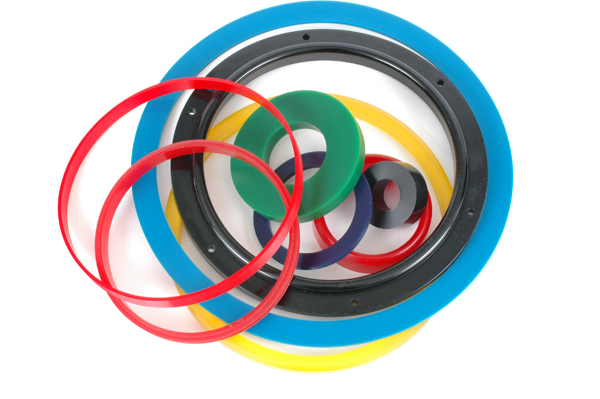
Engineering Insight: The Critical Role of Material Selection in Polyurethane Pad Performance
In industrial applications, polyurethane pads are frequently deployed for their exceptional load-bearing capacity, abrasion resistance, and resilience under dynamic stress. However, the assumption that all polyurethane formulations are functionally equivalent leads to frequent performance failures in real-world environments. Off-the-shelf polyurethane pads often fail because they are designed for generalized applications, not the specific mechanical, thermal, or chemical conditions present in precision machinery or heavy-duty systems.
Material selection is not merely a matter of hardness or size. It involves a deep understanding of polymer chemistry, cross-link density, and the balance between elasticity and rigidity. Polyurethane is a segmented copolymer composed of hard and soft segments, and the ratio between these governs key performance attributes. For instance, a pad intended for high-impact damping in mining equipment requires a different hard-segment content than one used in a cleanroom automation guide. Using a standard-grade pad in either case risks premature wear, deformation, or loss of functional integrity.
Moreover, environmental exposure plays a decisive role. Standard polyurethanes may degrade rapidly when exposed to ozone, UV radiation, or industrial oils. Ester-based polyurethanes, commonly used in generic pads, are particularly vulnerable to hydrolysis in humid conditions. In contrast, ether-based formulations offer superior moisture resistance, making them essential for outdoor or marine applications. Similarly, operating temperature ranges must be evaluated: many commercial pads begin to soften above 80°C or become brittle below -30°C, leading to catastrophic failure in thermal extremes.
Another overlooked factor is dynamic loading behavior. Off-the-shelf pads are rarely tested under cyclic stress profiles that simulate actual service conditions. This can result in internal heat buildup due to hysteresis, accelerating material fatigue. Custom-engineered polyurethane compounds can be formulated to minimize hysteresis, ensuring stable performance over extended duty cycles.
At Suzhou Baoshida Trading Co., Ltd., we emphasize application-specific formulation. Our industrial rubber solutions are developed through rigorous analysis of load profiles, environmental exposure, and lifecycle requirements. This approach ensures that each polyurethane pad delivers optimal performance, longevity, and cost-efficiency.
The following table outlines key performance parameters across common polyurethane types used in industrial pads:
| Property | Ester-Based PU | Ether-Based PU | Aromatic | Aliphatic | High-Resilience Custom Blend |
|---|---|---|---|---|---|
| Hardness (Shore A) | 70–95 | 70–95 | 80–98 | 75–90 | 75–95 |
| Tensile Strength (MPa) | 30–45 | 28–40 | 35–50 | 25–35 | 40–55 |
| Elongation at Break (%) | 400–600 | 500–700 | 450–650 | 400–550 | 500–750 |
| Heat Resistance (°C) | -40 to 85 | -50 to 90 | -30 to 100 | -40 to 80 | -50 to 110 |
| Hydrolysis Resistance | Poor | Excellent | Moderate | Good | Excellent |
| UV/Ozone Resistance | Poor | Moderate | Poor | Excellent | Excellent |
| Typical Applications | General industrial | Wet environments | High-load rollers | Optical equipment | Precision automation, mining |
Selecting the correct polyurethane compound is a scientific decision, not a commodity choice. Relying on generic solutions risks system downtime, increased maintenance, and higher total cost of ownership. Precision engineering demands precision materials.
Material Specifications

Material Specifications for Industrial Elastomeric Pads
Selecting the optimal elastomer for industrial pad applications requires rigorous evaluation of operational parameters including temperature extremes, chemical exposure, mechanical stress, and longevity requirements. At Suzhou Baoshida Trading Co., Ltd., our OEM engineering team prioritizes material science precision to ensure pads deliver consistent performance under demanding conditions. While polyurethane offers distinct advantages in abrasion resistance and load-bearing capacity, alternative elastomers such as Viton, Nitrile, and Silicone become critical when specific environmental challenges arise. Each material exhibits unique molecular properties that dictate suitability for targeted industrial scenarios, directly impacting seal integrity, damping efficiency, and service life.
Viton (Fluoroelastomer, FKM) represents the premium solution for extreme chemical and thermal environments. Its fluorocarbon backbone provides exceptional resistance to fuels, oils, acids, and aromatic hydrocarbons, maintaining structural integrity from -20°C to +230°C continuous service. Viton pads excel in aerospace, semiconductor, and chemical processing applications where exposure to aggressive solvents or high-temperature ozone would degrade conventional elastomers. However, its high raw material cost and specialized compounding requirements necessitate precise formulation control to balance performance with economic viability.
Nitrile (NBR, Acrylonitrile Butadiene Rubber) remains the industry standard for cost-effective resistance to petroleum-based fluids and moderate temperatures. With an operational range of -30°C to +120°C, NBR pads deliver robust performance in hydraulic systems, automotive gaskets, and industrial machinery seals. The acrylonitrile content directly correlates with oil resistance; formulations exceeding 40% ACN provide superior protection against mineral oils and greases. While NBR exhibits good tensile strength and abrasion resistance, its vulnerability to ozone, weathering, and polar solvents requires careful application vetting.
Silicone (VMQ, Polysiloxane) dominates applications demanding extreme temperature stability and biocompatibility. Silicone pads function reliably from -60°C to +200°C, with specialty grades enduring brief excursions to +300°C. Their inert composition ensures compliance with FDA and USP Class VI standards, making them indispensable in medical device pads, food processing equipment, and high-precision electronics. Despite excellent electrical insulation and UV resistance, silicone’s relatively low tear strength and susceptibility to compression set under prolonged load necessitate design compensation in high-stress installations.
The comparative analysis below details critical performance metrics for informed material selection. All values reflect standard ASTM test methods for cured compounds at 73°F unless specified.
| Property | Viton (FKM) | Nitrile (NBR) | Silicone (VMQ) |
|---|---|---|---|
| Hardness (Shore A) | 60–90 | 50–90 | 30–80 |
| Temp Range (°C) | -20 to +230 | -30 to +120 | -60 to +200 |
| Tensile Strength (MPa) | 8–15 | 10–25 | 4–10 |
| Elongation at Break (%) | 150–300 | 200–500 | 100–700 |
| Compression Set (22h/150°C) | 15–30% | 10–25% | 20–40% |
| Key Fluid Resistance | Fuels, Acids, Ozone | Oils, Greases | Water, Steam |
| Key Limitations | Cost, Low-T Flex | Ozone, Weathering | Tear Strength |
Suzhou Baoshida Trading Co., Ltd. leverages decades of OEM formulation expertise to tailor these base elastomers with proprietary additives, enhancing specific properties such as thermal stability or dynamic fatigue resistance. Our quality-controlled manufacturing processes ensure every pad meets stringent dimensional tolerances and performance specifications, directly supporting our clients’ operational reliability and total cost of ownership objectives. Material selection is not merely a technical decision but a strategic partnership in industrial system optimization.
Manufacturing Capabilities
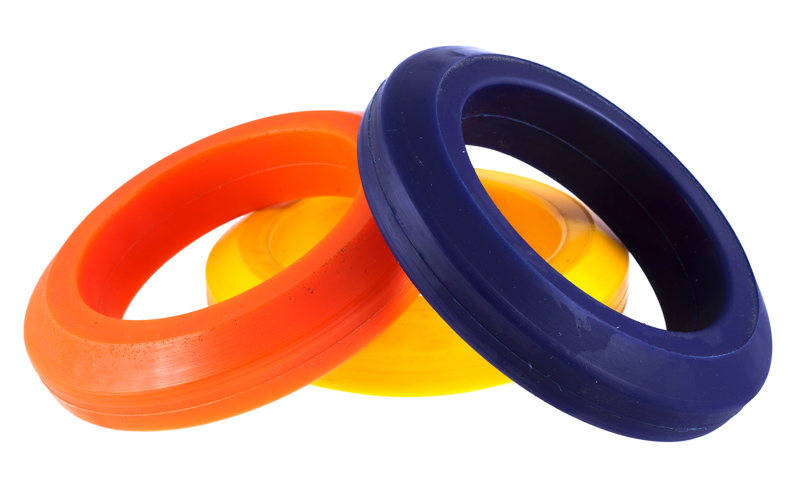
Engineering Capability: Precision-Driven Development for Industrial Polyurethane Pads
At Suzhou Baoshida Trading Co., Ltd., our engineering capability forms the backbone of our reputation in the industrial rubber solutions sector. Specializing in high-performance polyurethane pads, we combine advanced material science with precision manufacturing to deliver customized, OEM-grade components that meet stringent operational demands across automotive, machinery, and heavy equipment industries.
Our technical team comprises five dedicated mould engineers and two specialized rubber formula engineers, each with over a decade of experience in polymer technology and industrial tooling design. This integrated team structure allows us to control both the physical geometry and chemical composition of every polyurethane pad we produce. Unlike standard manufacturers who rely on off-the-shelf materials, our formula engineers develop proprietary polyurethane compounds tailored to specific requirements—such as load-bearing capacity, abrasion resistance, temperature stability, and dynamic compression set.
The synergy between our mould and formula engineering teams ensures seamless transition from concept to production. Mould engineers utilize 3D CAD/CAM systems and finite element analysis (FEA) to optimize cavity design, gate placement, and cooling channels, minimizing internal stress and ensuring consistent part quality. Simultaneously, our formula engineers adjust isocyanate-to-polyol ratios, select chain extenders, and incorporate reinforcing fillers to achieve target mechanical properties. This dual-engineering approach is critical in applications where failure is not an option.
We are fully equipped for OEM partnerships, offering end-to-end development from prototype to mass production. Our clients provide performance specifications or application environments, and we respond with engineered solutions—complete with material certification, durability testing reports, and lifecycle analysis. Whether the requirement is a custom durometer range, oil-resistant formulation, or high-rebound elasticity, our team iterates rapidly using in-house lab testing and pilot runs.
Our facility supports small-batch customization as well as large-scale serial production, with strict adherence to ISO 9001 quality standards. All polyurethane pads undergo rigorous quality control, including hardness testing, tensile strength measurement, and dimensional inspection via coordinate measuring machines (CMM).
Below is a representative specification range for our standard and custom polyurethane pads:
| Property | Standard Range | Custom Capability |
|---|---|---|
| Hardness (Shore A/D) | 60 Shore A to 85 Shore D | Up to 95 Shore D |
| Tensile Strength | 20–45 MPa | Up to 60 MPa |
| Elongation at Break | 300–600% | Up to 750% |
| Compression Set (22 hrs, 70°C) | ≤ 15% | ≤ 8% (formulation optimized) |
| Operating Temperature | -30°C to +90°C | -50°C to +120°C (specialty) |
| Abrasion Resistance (DIN) | ≤ 80 mm³ loss | ≤ 50 mm³ loss |
| OEM Customization Lead Time | N/A | 15–25 days (prototype) |
This technical depth enables Suzhou Baoshida to serve as a true engineering partner—not just a supplier. By aligning material formulation with precision tooling and OEM-focused development, we deliver polyurethane pads that perform reliably under real-world industrial stress.
Customization Process
Polyurethane Pad Customization Process: Precision Engineering from Concept to Volume
At Suzhou Baoshida Trading Co., Ltd., our polyurethane pad customization process is engineered for industrial reliability and OEM integration. We execute a stringent four-phase workflow ensuring final components meet exact mechanical, environmental, and dimensional requirements. This systematic approach minimizes risk and accelerates time-to-market for critical applications.
Drawing Analysis: Translating Design Intent into Manufacturable Reality
Initial engagement centers on rigorous technical drawing review. Our engineering team validates all geometric dimensioning and tolerancing (GD&T) per ISO 2768-mK standards, confirming critical features like parallelism, flatness, and load-bearing surface profiles. We cross-reference material specifications against operational parameters—dynamic load cycles, temperature exposure ranges, and chemical contact environments. Finite element analysis (FEA) may be employed to simulate stress distribution under anticipated forces, identifying potential failure points before material commitment. This phase concludes with formal sign-off on manufacturability and tolerance feasibility, establishing the baseline for formulation development.
Formulation: Tailoring Material Science to Application Demands
Based on validated requirements, our rubber chemists develop a proprietary polyurethane compound. Key properties are precisely balanced through isocyanate selection, polyol chain length modulation, and additive integration. The target performance envelope dictates critical variables, as summarized below:
| Property | Typical Range (Shore A) | Test Standard | Industrial Relevance |
|---|---|---|---|
| Hardness | 60 – 95 | ASTM D2240 | Load distribution & deflection control |
| Tensile Strength | 25 – 45 MPa | ASTM D412 | Structural integrity under stress |
| Tear Strength | 80 – 150 kN/m | ASTM D624 | Resistance to edge damage |
| Abrasion Loss (Taber) | 25 – 60 mg | ASTM D4060 | Longevity in sliding/wear contact |
| Operating Temp Range | -40°C to +100°C | ISO 188 | Thermal stability in service |
Compounds are optimized for processing characteristics—gel time, viscosity, and demold stability—to ensure replication fidelity during molding. Accelerated aging tests validate long-term property retention against UV, ozone, and fluid exposure per OEM specifications.
Prototyping: Validating Performance Through Iterative Refinement
Prototype molds produce initial samples for comprehensive validation. We conduct first-article inspection against all drawing callouts using coordinate measuring machines (CMM). Functional testing includes compression set analysis per ASTM D395, dynamic fatigue cycling, and application-specific trials such as vibration damping coefficient measurement. Any deviations trigger immediate root-cause analysis; formulation or process adjustments are implemented within 72 hours. Three consecutive successful prototype batches are required before progression, with full material traceability maintained.
Mass Production: Sustaining Precision at Scale
Transition to volume production leverages Suzhou Baoshida’s ISO 9001-certified manufacturing ecosystem. Automated mixing systems ensure batch-to-batch compound consistency with real-time viscosity monitoring. Precision hydraulic presses with closed-loop temperature control maintain ±1.5°C thermal uniformity. Every production lot undergoes 100% visual inspection and statistical process control (SPC) charting of critical dimensions. Full material certifications, including lot-specific hardness and tensile reports, accompany shipments. Our integrated supply chain guarantees raw material continuity, while dedicated production cells prevent cross-contamination for mission-critical OEM programs. This end-to-end control delivers polyurethane pads meeting the most demanding industrial performance criteria consistently.
Contact Engineering Team

For industrial manufacturers seeking high-performance polyurethane pads tailored to demanding applications, Suzhou Baoshida Trading Co., Ltd. stands as a trusted partner in precision rubber engineering. With years of expertise in industrial rubber solutions, our team is equipped to deliver custom polyurethane components that meet exact technical requirements, ensuring durability, resilience, and operational efficiency across diverse environments.
Our polyurethane pads are engineered for superior load-bearing capacity, abrasion resistance, and consistent performance under dynamic stress. Whether used in material handling systems, vibration damping assemblies, or industrial automation equipment, our products are formulated to outperform standard rubber alternatives. At Suzhou Baoshida, we combine advanced material science with rigorous quality control to produce pads that maintain dimensional stability and mechanical integrity across wide temperature ranges and prolonged usage cycles.
To ensure compatibility with your specific application, we offer comprehensive material customization. Our formulations include a range of hardness levels, cellular structures (both solid and microcellular), and specialized additives for oil resistance, UV stability, or low-temperature flexibility. Every polyurethane pad is manufactured under ISO-compliant processes, with full traceability and batch testing to guarantee repeatability and compliance with international industrial standards.
Below are representative specifications for our standard polyurethane pad offerings:
| Property | Value | Test Method |
|---|---|---|
| Hardness (Shore A) | 60–95 | ASTM D2240 |
| Tensile Strength | 30–50 MPa | ASTM D412 |
| Elongation at Break | 400–600% | ASTM D412 |
| Tear Strength | 90–130 kN/m | ASTM D624 |
| Compression Set (22 hrs, 70°C) | ≤15% | ASTM D395 |
| Operating Temperature Range | -40°C to +90°C | Internal Testing |
| Abrasion Loss (DIN 53516) | ≤60 mm³ | DIN 53516 |
These values serve as a baseline; actual performance can be adjusted based on customer requirements. We welcome inquiries for non-standard geometries, tight-tolerance machining, or integration with metal inserts or mounting hardware.
For technical consultation, sample requests, or custom formulation development, direct engagement with our engineering team is recommended. Mr. Boyce, OEM Manager and Rubber Formula Engineer at Suzhou Baoshida Trading Co., Ltd., leads client collaboration efforts and is available to support your project from concept to production. His expertise in polyurethane chemistry and industrial application integration ensures that your performance criteria are met with scientific precision.
Contact Mr. Boyce directly at [email protected] to initiate a technical discussion. Include details such as operating environment, load conditions, required lifespan, and dimensional specifications to facilitate rapid evaluation and proposal development. Our team responds to all inquiries within 24 business hours and supports global logistics with reliable lead times and documentation for import compliance.
Choose Suzhou Baoshida for engineered polyurethane solutions backed by data, durability, and direct access to technical mastery. Partner with us to enhance your product performance through advanced elastomer technology.
⚖️ O-Ring Weight Calculator
Estimate rubber O-ring weight (Approx).