
Technical Contents
Engineering Guide: Polyurethane Plastic
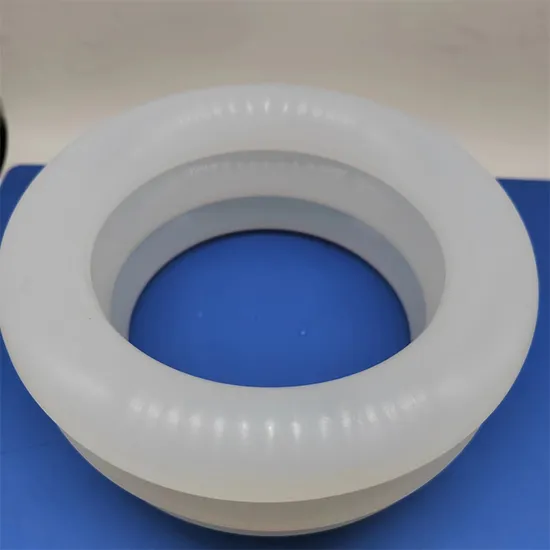
Engineering Insight: Polyurethane Plastic Material Selection Imperatives
Polyurethane plastic remains a cornerstone material in industrial applications due to its exceptional abrasion resistance, load-bearing capacity, and tunable mechanical properties. However, the critical oversight in many B2B procurement strategies involves treating polyurethane as a homogeneous commodity. Off-the-shelf formulations frequently fail under operational stress because they lack precise alignment with application-specific environmental and mechanical demands. Generic polyurethanes often exhibit premature degradation when exposed to dynamic variables such as continuous flexing, extreme temperatures, chemical exposure, or ultraviolet radiation—factors rarely replicated in standard supplier datasheets.
The root cause of failure lies in the polymer’s inherent sensitivity to formulation variables. Polyurethane is synthesized from diisocyanates and polyols, where even minor adjustments in chain extenders, catalysts, or additives drastically alter performance. An off-the-shelf grade optimized for static gasketing will catastrophically fracture in high-cycle conveyor rollers due to inadequate hysteresis control. Similarly, ester-based polyurethanes—common in low-cost variants—succumb to hydrolysis in humid environments, while ether-based alternatives maintain integrity. These nuances are invisible in catalog specifications but dominate field reliability.
Suzhou Baoshida Trading Co., Ltd. prioritizes application-driven formulation engineering. We reject one-size-fits-all solutions by co-developing polyurethanes with OEM partners through rigorous stress analysis. This includes mapping dynamic load profiles, chemical exposure timelines, and failure mode thresholds to select optimal polymer architecture. For instance, mining equipment components require extreme cut/tear resistance and static dissipation, whereas medical device seals demand biocompatibility and sterilization resilience.
The following table illustrates how critical properties diverge across applications, underscoring why standardized grades underperform:
| Application Sector | Key Stressors | Required Shore Hardness | Critical Property | Off-the-Shelf Risk |
|---|---|---|---|---|
| Automotive Suspension | Dynamic compression, ozone exposure | 70A–90A | Fatigue resistance, ozone stability | Cracking within 12 months due to inadequate antioxidant package |
| Mining Conveyor Rollers | Abrasive wear, impact loading | 85A–95A | Cut/tear strength > 120 kN/m | Edge chipping from insufficient rebound resilience |
| Hydraulic Seals | Fluid immersion, pressure cycling | 90A–70D | Hydrolysis resistance, compression set < 15% | Swelling/failure in 6 months with ester-based PU |
Material selection must transcend basic hardness or tensile strength metrics. Engineers must evaluate hysteresis, permanent set, and chemical compatibility under simulated operational conditions. Suzhou Baoshida’s OEM collaboration model integrates accelerated life testing against client-specific duty cycles, ensuring formulations withstand real-world variables. Our technical team quantifies failure thresholds through DMA analysis, fluid immersion protocols, and multi-axial fatigue testing—data absent in generic supplier documentation.
Procuring polyurethane without application-specific validation invites unplanned downtime, safety liabilities, and total cost of ownership escalation. Partner with formulation experts who treat material science as a dynamic engineering discipline, not a catalog exercise. Consult our technical team to transform polyurethane from a liability into a performance differentiator.
Material Specifications
Polyurethane plastic is a high-performance elastomeric material widely used in industrial applications due to its exceptional mechanical strength, abrasion resistance, and resilience under dynamic loading conditions. At Suzhou Baoshida Trading Co., Ltd., we specialize in advanced rubber formulations, including polyurethane and other critical elastomers such as Viton, Nitrile, and Silicone. These materials are engineered to meet stringent performance demands across automotive, aerospace, oil & gas, and manufacturing sectors. Each elastomer possesses unique chemical, thermal, and mechanical properties that dictate its suitability for specific operating environments.
Viton, a fluorocarbon-based rubber, exhibits outstanding resistance to high temperatures, oils, fuels, and a broad range of chemicals. It maintains integrity in continuous service up to 200°C and can withstand short-term exposure to temperatures as high as 250°C. This makes Viton ideal for sealing applications in aggressive chemical environments and high-temperature systems such as engine components and industrial pumps.
Nitrile rubber, also known as Buna-N, is a cost-effective solution for applications involving petroleum-based oils and fuels. It offers excellent abrasion resistance and tensile strength, with a typical operating temperature range from -30°C to 120°C. Nitrile is frequently used in hydraulic systems, fuel hoses, and O-rings where resistance to aliphatic hydrocarbons is essential. However, its performance degrades when exposed to ozone, sunlight, or polar solvents.
Silicone rubber stands out for its exceptional thermal stability and flexibility at low temperatures. It performs reliably from -60°C to 200°C and demonstrates good resistance to oxidation and UV radiation. While it has relatively low tensile strength compared to other elastomers, its biocompatibility and electrical insulation properties make it a preferred choice in medical devices, food processing, and electrical insulation applications.
Below is a comparative summary of the key physical and chemical properties of these materials to assist in material selection for industrial applications.
| Property | Viton | Nitrile | Silicone |
|---|---|---|---|
| Base Polymer Type | Fluorocarbon | Nitrile (Buna-N) | Polysiloxane |
| Hardness Range (Shore A) | 50–90 | 40–95 | 30–80 |
| Tensile Strength (MPa) | 10–20 | 15–30 | 5–12 |
| Elongation at Break (%) | 200–400 | 250–600 | 200–700 |
| Continuous Use Temp (°C) | -20 to 200 | -30 to 120 | -60 to 200 |
| Short-Term Max Temp (°C) | Up to 250 | Up to 150 | Up to 230 |
| Resistance to Oils & Fuels | Excellent | Excellent | Poor |
| Resistance to Ozone/UV | Excellent | Good | Excellent |
| Resistance to Water | Excellent | Good | Excellent |
| Electrical Insulation | Good | Fair | Excellent |
| Common Applications | Seals in chemical processing, aerospace, automotive | Fuel hoses, O-rings, gaskets in hydraulic systems | Medical tubing, electrical insulation, food-grade seals |
At Suzhou Baoshida Trading Co., Ltd., we provide tailored rubber solutions supported by rigorous material testing and OEM collaboration. Our expertise ensures optimal material selection based on operational demands, regulatory standards, and lifecycle performance.
Manufacturing Capabilities
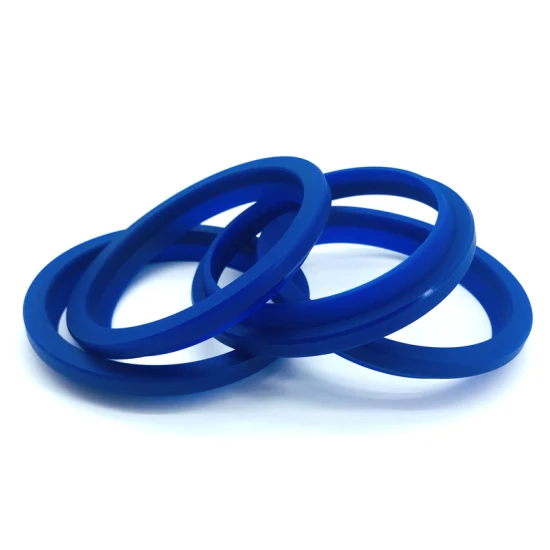
Advanced Polyurethane Engineering Capabilities at Suzhou Baoshida Trading Co., Ltd.
Suzhou Baoshida Trading Co., Ltd. delivers precision-engineered polyurethane plastic solutions through a dedicated technical team comprising five specialized mold engineers and two certified formula engineers. This integrated expertise ensures rigorous control from molecular architecture to final part geometry. Our formula engineers optimize polymer chemistry for specific industrial demands, including hydrolysis resistance, thermal stability, and dynamic mechanical properties. Concurrently, mold engineers leverage CAD/CAM simulation and finite element analysis to eliminate flow defects, optimize gating, and ensure micron-level dimensional repeatability. This dual-engineering approach guarantees that material performance aligns precisely with tooling functionality, reducing prototyping iterations by up to 40% for complex geometries.
Our OEM framework operates under strict ISO 9001 protocols, providing end-to-end manufacturing control from raw material sourcing to DDP logistics. We manage full documentation traceability, including material batch certificates, process validation records, and PPAP submissions. Clients benefit from concurrent engineering support during design phase, where our team identifies manufacturability risks and proposes material-driven design modifications. This proactive collaboration minimizes time-to-market while ensuring compliance with ASTM D2000, ISO 188, and OEM-specific material specifications. All production occurs in climate-controlled facilities with in-house metrology labs for real-time hardness, tensile, and elongation verification.
Critical polyurethane material specifications are validated through our formula engineering protocols. The following table outlines standard grade capabilities for industrial applications:
| Property | Standard Grade (80A) | High-Performance Grade (95A) | Extreme Environment Grade (70D) |
|---|---|---|---|
| Hardness Range (Shore A/D) | 70A–90A | 90A–98A | 60D–75D |
| Tensile Strength (MPa) | 35–45 | 45–55 | 50–65 |
| Elongation at Break (%) | 400–550 | 350–450 | 250–350 |
| Operating Temperature (°C) | -40 to +90 | -30 to +100 | -20 to +120 |
| Abrasion Resistance (mm³) | ≤ 60 | ≤ 45 | ≤ 30 |
| Compression Set (% @70°C) | ≤ 25 | ≤ 20 | ≤ 15 |
Suzhou Baoshida’s engineering synergy transforms polyurethane’s theoretical potential into validated industrial performance. Our formula team tailors molecular cross-link density to achieve target rebound resilience or damping characteristics, while mold engineers implement temperature-gradient molding strategies to prevent knit lines in multi-cavity tools. This eliminates common failure modes in seals, rollers, and wear components. For mission-critical OEM programs, we establish dedicated production cells with locked process parameters and automated SPC monitoring. Partner with us to convert demanding polyurethane specifications into defect-free, high-yield manufacturing outcomes. Technical data sheets and DFM consultation are available upon formal project initiation.
Customization Process
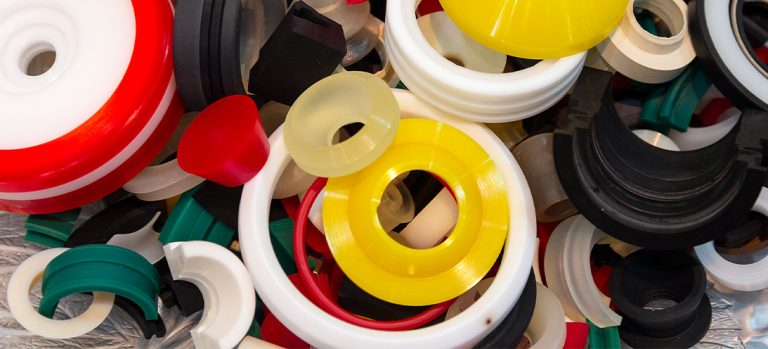
Drawing Analysis: The Foundation of Precision Customization
At Suzhou Baoshida Trading Co., Ltd., the customization process for polyurethane plastic components begins with rigorous drawing analysis. This initial phase ensures that every geometric dimension, tolerance, and functional requirement is fully understood before any material formulation is initiated. Our engineering team evaluates technical blueprints provided by OEM partners, focusing on critical features such as wall thickness, load-bearing zones, sealing surfaces, and mating interfaces. Using CAD-compatible software, we perform dimensional validation and conduct feasibility assessments to identify potential manufacturing challenges—such as demolding constraints or stress concentration areas—early in the design cycle. This proactive analysis minimizes downstream revisions and accelerates time-to-market.
Tailored Formulation for Targeted Performance
Once design parameters are confirmed, our rubber formula engineers develop a customized polyurethane compound to meet the exact mechanical, thermal, and environmental demands of the application. Polyurethane’s versatility allows for wide-ranging tunability in hardness, elongation, abrasion resistance, and resilience. We select from aromatic or aliphatic isocyanate systems based on UV stability requirements and pair them with polyester or polyether polyols depending on hydrolysis resistance and low-temperature flexibility needs. Additives such as UV stabilizers, flame retardants, and pigments are incorporated with precision. Each formulation is documented under controlled batch records, ensuring full traceability and compliance with ISO 9001 standards.
Prototyping: Bridging Design and Production
Prototyping is conducted using the same casting or injection molding methods intended for mass production, ensuring accurate representation of final part behavior. We produce functional prototypes in small batches, typically 5–20 units, for real-world testing under operational conditions. These samples are subjected to mechanical testing, including tensile strength, compression set, and wear evaluation, using ASTM and ISO test methods. Feedback from client trials is integrated swiftly, and iterative refinements—whether dimensional or material—are implemented with minimal delay.
Seamless Transition to Mass Production
Upon prototype approval, we transition to high-efficiency mass production with optimized cycle times and in-line quality controls. Our facility utilizes automated dispensing systems, climate-controlled curing chambers, and 100% visual inspection protocols. Production batches are sampled regularly for conformance verification.
Below is a representative specification table for a custom polyurethane formulation developed for industrial sealing applications:
| Property | Test Method | Value |
|---|---|---|
| Hardness (Shore A) | ASTM D2240 | 90 ± 3 |
| Tensile Strength | ASTM D412 | ≥ 45 MPa |
| Elongation at Break | ASTM D412 | ≥ 550% |
| Tear Strength | ASTM D624 (Die B) | ≥ 120 kN/m |
| Compression Set (22h, 70°C) | ASTM D395 | ≤ 15% |
| Abrasion Loss (DIN 53516) | DIN 53516 | ≤ 60 mm³ |
| Operating Temperature Range | – | -40°C to +100°C |
| Hydrolysis Resistance | ISO 1431-2 | Excellent (Polyether) |
Through this structured approach—drawing analysis, formulation, prototyping, and mass production—Suzhou Baoshida delivers high-performance polyurethane plastic components with unmatched consistency and technical fidelity.
Contact Engineering Team
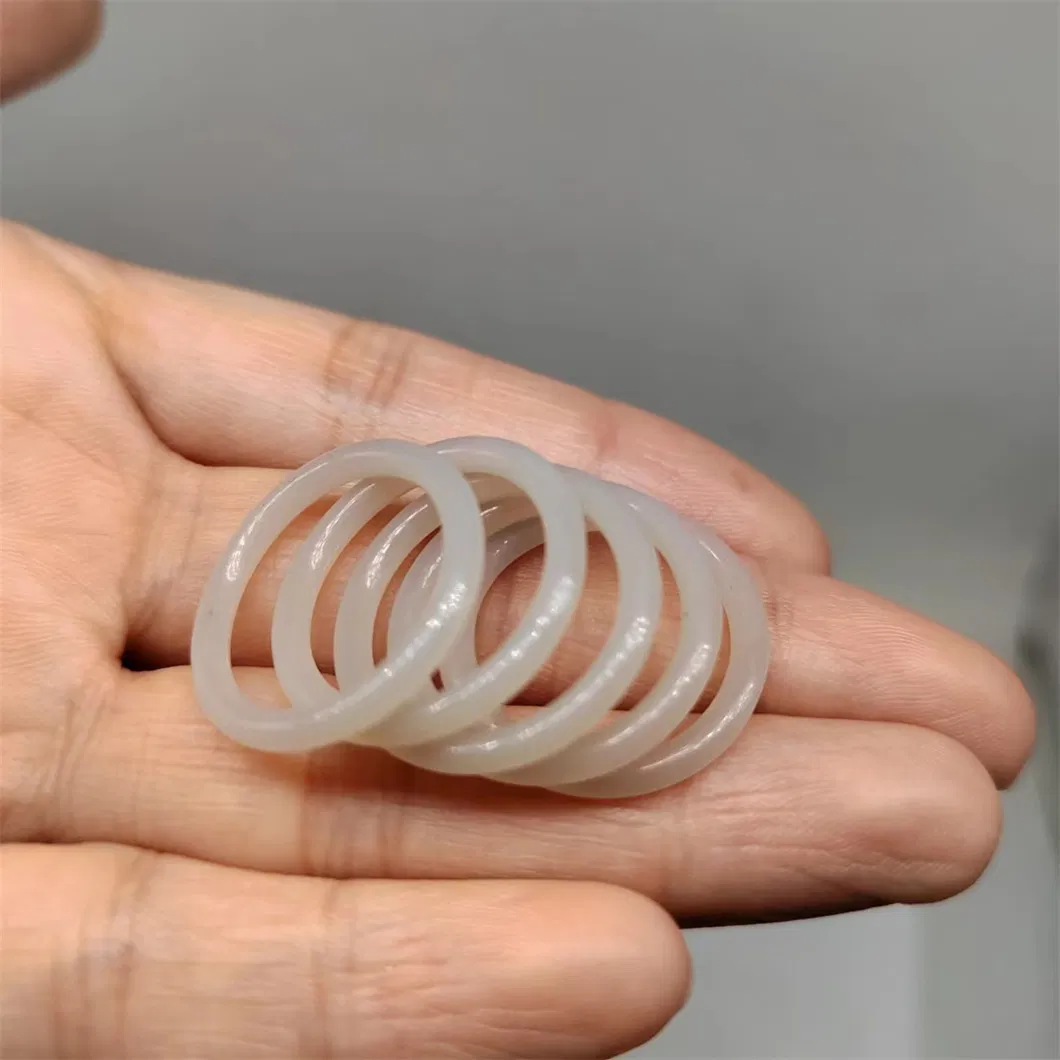
Optimizing Polyurethane Performance Through Precision Engineering
Suzhou Baoshida Trading Co., Ltd. operates at the intersection of advanced polymer science and industrial manufacturing, specializing in engineered polyurethane solutions for demanding applications. Our technical team leverages molecular architecture control to tailor material properties—ensuring optimal abrasion resistance, load-bearing capacity, and chemical stability across hydraulic seals, conveyor components, and automotive bushings. Unlike commodity suppliers, we implement rigorous ASTM D2240 and ISO 48 testing protocols at every production stage, validating Shore A hardness consistency within ±2 points and tensile strength repeatability exceeding 95%. This precision eliminates field failures caused by inconsistent cross-linking or plasticizer migration, directly enhancing your product lifecycle and reducing total cost of ownership.
Partnering with Baoshida means accessing formulation expertise refined over 15 years of OEM collaboration. We solve complex challenges such as cryogenic flexibility down to -50°C or hydrolysis resistance in continuous 80°C aqueous environments—conditions where standard elastomers degrade prematurely. Our in-house R&D lab utilizes FTIR spectroscopy and dynamic mechanical analysis (DMA) to correlate raw material batches with end-use performance, guaranteeing that every compound meets your exact thermal, mechanical, and regulatory requirements. Below are critical performance parameters achievable with our custom polyurethane systems:
| Property | Test Standard | Typical Range | Industrial Significance |
|---|---|---|---|
| Shore A Hardness | ASTM D2240 | 60–95A | Balances seal integrity vs. compression set |
| Tensile Strength | ASTM D412 | 35–65 MPa | Critical for high-stress dynamic parts |
| Elongation at Break | ASTM D412 | 300–550% | Ensures resilience under cyclic loading |
| Tear Resistance | ASTM D624 | 80–150 kN/m | Prevents propagation in cutting/wear apps |
| Continuous Service Temp | ISO 188 | -40°C to +120°C | Validates stability in extreme environments |
Initiate your project with engineered certainty. Contact Mr. Boyce, our dedicated OEM Manager, to discuss formulation optimization, rapid prototyping, or volume production scaling. Mr. Boyce holds direct oversight of our technical service pipeline—from initial compound development through PPAP documentation—and will align our resources with your engineering timelines. Email [email protected] with your application specifications, target volumes, and performance thresholds. We respond to all technical inquiries within 24 business hours, providing preliminary feasibility assessments backed by material datasheets and processing guidelines.
Do not compromise on polyurethane performance when precision matters. Suzhou Baoshida’s ISO 9001-certified facility integrates statistical process control with real-time viscosity monitoring, ensuring batch-to-batch uniformity unattainable through generic sourcing. Mr. Boyce will coordinate a confidential technical review to identify cost-saving material substitutions or design refinements without sacrificing functional requirements. For time-sensitive projects, reference your RFQ number to activate our accelerated sampling protocol—functional prototypes delivered in 10–14 days. Elevate your supply chain reliability by engaging our engineering team today. Contact [email protected] to secure your polyurethane solution roadmap.
⚖️ O-Ring Weight Calculator
Estimate rubber O-ring weight (Approx).