
Technical Contents
Engineering Guide: Polyurethane Sheet Material
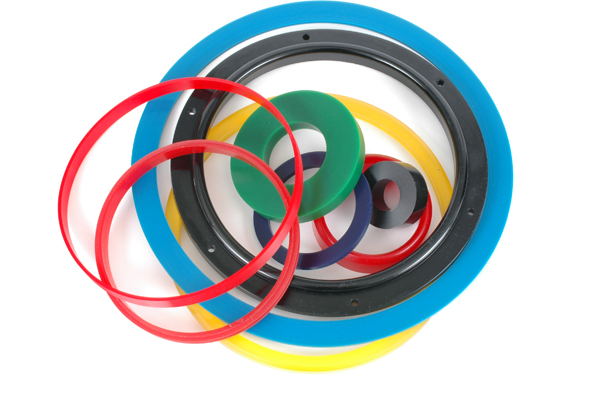
Engineering Insight: Polyurethane Sheet Material Selection Criticality
Industrial applications demand polyurethane sheet materials engineered beyond generic specifications. Off-the-shelf polyurethane sheets frequently fail under real-world operational stresses due to unaddressed compound formulation and processing parameters. Standard commercial grades prioritize cost and broad compatibility over the precise mechanical, thermal, and chemical resistance profiles required in demanding environments like heavy machinery seals, high-wear conveyor liners, or dynamic hydraulic components. This mismatch leads to premature degradation, including catastrophic seal failure from compression set, accelerated abrasive wear in material handling systems, or catastrophic hydrolysis in humid environments. Such failures incur significant costs through unplanned downtime, replacement part expenses, and potential collateral damage to adjacent systems. The root cause lies in the oversimplified assumption that all polyurethanes perform equally; hardness (Shore A/D) alone is an insufficient selection criterion.
Material failure manifests when critical properties like tear strength, rebound resilience, low-temperature flexibility, or resistance to specific oils and solvents are not optimized for the application’s exact duty cycle. A conveyor belt sheet exposed to sharp aggregate requires exceptional cut growth resistance and abrasion performance far exceeding a static gasket material. Similarly, a hydraulic accumulator bladder demands near-zero compression set and exceptional fatigue resistance under cyclic pressure, properties not prioritized in general-purpose sheeting. Standard formulations often utilize base polymers and additive packages designed for moderate conditions, lacking the tailored stabilizers, reinforcing fillers, or specialized isocyanate chemistries needed for extreme service. Suzhou Baoshida Trading Co., Ltd. addresses this through application-specific compound development, leveraging deep OEM collaboration to define precise performance envelopes before formulation begins.
The following table illustrates key performance differentiators between standard commercial polyurethane sheet and engineered solutions developed for critical industrial use:
| Property | Standard PU Sheet | Engineered PU Sheet (Baoshida OEM Solution) |
|---|---|---|
| Hardness Range (Shore A) | 60A – 95A | 55A – 98A (Precisely controlled ±2A) |
| Tensile Strength (MPa) | 30 – 40 | 45 – 65+ |
| Elongation at Break (%) | 350 – 450 | 400 – 600 |
| Abrasion Loss (DIN, mm³) | 100 – 140 | 35 – 60 |
| Compression Set (B, 22h) | 15% – 25% | 5% – 10% |
| Operating Temp Range (°C) | -30°C to +80°C | -45°C to +110°C (Customizable) |
Selecting polyurethane sheet material requires rigorous analysis of the specific mechanical loads, environmental exposures, and lifecycle expectations. Generic solutions represent a false economy, inevitably compromising operational continuity. Suzhou Baoshida Trading Co., Ltd. provides OEMs with scientifically validated material solutions where compound architecture is intrinsically linked to application physics. This engineering-first approach transforms polyurethane from a commodity component into a reliable, high-performance system element, directly enhancing equipment longevity and reducing total cost of ownership. Material selection is not a procurement decision; it is a fundamental engineering control point for industrial system integrity.
Material Specifications
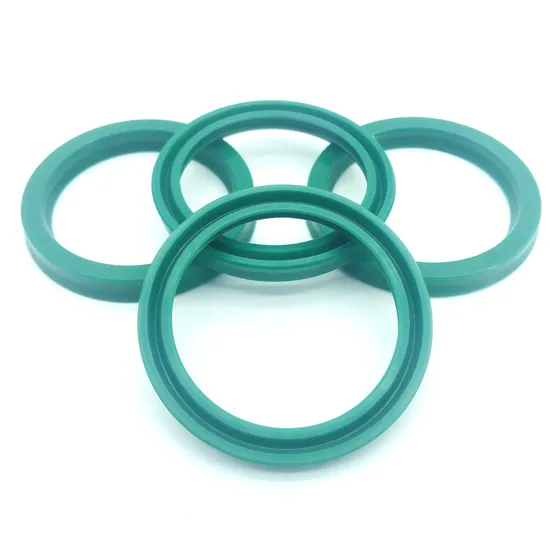
Polyurethane sheet material is a high-performance industrial elastomer widely used in demanding mechanical and sealing applications due to its excellent abrasion resistance, tensile strength, and resilience. At Suzhou Baoshida Trading Co., Ltd., we specialize in precision-engineered polyurethane sheets tailored for OEM and industrial clients across automotive, aerospace, hydraulics, and manufacturing sectors. Our formulations are optimized to deliver consistent physical properties, dimensional stability, and long service life under dynamic stress conditions. In addition to standard polyurethane grades, we offer specialized variants enhanced with additives for UV resistance, flame retardancy, and anti-static performance, ensuring compliance with international industrial standards.
When selecting elastomeric materials for critical applications, engineers must evaluate performance parameters such as temperature range, chemical resistance, mechanical strength, and compression set. Viton, Nitrile (NBR), and Silicone are three of the most widely specified elastomers in industrial environments, each offering distinct advantages depending on operational demands. Viton demonstrates superior resistance to high temperatures and aggressive chemicals, including oils, fuels, and acids, making it ideal for aerospace and petrochemical applications. Nitrile provides excellent resistance to petroleum-based fluids and is cost-effective for general-purpose sealing in automotive and hydraulic systems. Silicone excels in extreme temperature environments, maintaining flexibility at low temperatures and stability at elevated heat, though it exhibits lower tensile strength and abrasion resistance compared to polyurethane or Nitrile.
To facilitate material selection, the following table compares key physical and chemical properties of Viton, Nitrile, and Silicone rubber sheets. All values are based on standard ASTM test methods and represent typical performance for each material class. Custom formulations may yield variations within controlled tolerances.
| Property | Viton (FKM) | Nitrile (NBR) | Silicone (VMQ) |
|---|---|---|---|
| Hardness Range (Shore A) | 60–90 | 50–90 | 30–80 |
| Tensile Strength (MPa) | 15–25 | 10–20 | 5–12 |
| Elongation at Break (%) | 200–400 | 250–500 | 200–600 |
| Continuous Service Temperature | -20°C to +250°C | -30°C to +120°C (up to +150°C intermittent) | -60°C to +200°C |
| Compression Set (22 hrs, 150°C) | Excellent | Good | Moderate |
| Resistance to Oils & Fuels | Excellent | Excellent | Poor |
| Resistance to Ozone & UV | Excellent | Good | Excellent |
| Electrical Insulation | Good | Fair | Excellent |
Understanding these material characteristics enables precise matching of elastomer properties to application requirements. For high-wear environments requiring load-bearing durability, polyurethane remains the preferred choice, while Viton, Nitrile, and Silicone serve as complementary solutions where chemical or thermal stability is paramount. Suzhou Baoshida Trading Co., Ltd. supports clients with technical data sheets, sample testing, and formulation customization to ensure optimal performance in real-world industrial conditions.
Manufacturing Capabilities
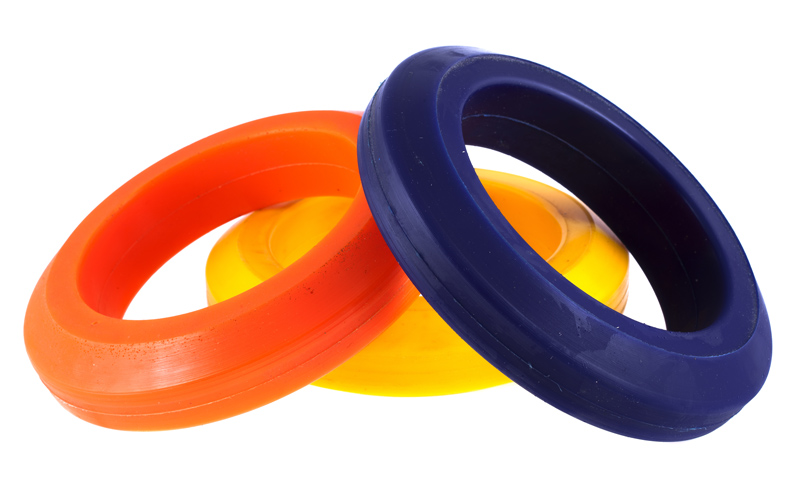
Engineering Capabilities for Precision Polyurethane Sheet Manufacturing
Suzhou Baoshida Trading Co., Ltd. leverages deep technical expertise to deliver engineered polyurethane sheet solutions for demanding industrial applications. Our integrated team of five dedicated Mold Engineers and two specialized Formula Engineers forms the backbone of our precision manufacturing capability. This structure ensures seamless alignment between material science, tooling design, and production execution, eliminating silos that compromise quality in conventional supply chains.
Our Mold Engineering team utilizes advanced CAD/CAM systems and mold flow simulation software to optimize cavity design, gating, and cooling channels. This precision engineering minimizes internal stresses, ensures uniform durometer distribution, and achieves tight tolerances down to ±0.05mm across large-format sheets. Rapid prototyping capabilities allow validation of complex geometries—including embedded inserts or multi-durometer zones—within 15 business days, accelerating time-to-market for client innovations.
The Formula Engineering team focuses on bespoke polyurethane chemistry development. We formulate systems to meet exact performance criteria across hardness ranges (Shore A 40 to Shore D 75), thermal stability (-40°C to +120°C continuous), and chemical resistance profiles. Every compound undergoes rigorous validation per ASTM D412 (tensile), D2240 (hardness), and D395 (compression set) standards. Our proprietary additive packages enhance critical properties such as abrasion resistance (Taber loss < 50 mg/1000 cycles) or flame retardancy (UL94 HB/V-0), tailored to client operational environments.
OEM integration is central to our workflow. Clients collaborate directly with both engineering teams through defined development gates: concept feasibility, material validation, mold trials, and PPAP documentation. This co-engineering model ensures manufacturability is embedded from the design phase, reducing NRE costs and preventing late-stage rework. We maintain full traceability from raw material lot codes to finished sheet certifications, supporting stringent automotive and industrial compliance requirements.
Key polyurethane sheet specifications achievable through our engineered process include:
| Property | Standard Range | Custom Capability | Test Standard |
|---|---|---|---|
| Hardness | Shore A 60–95 | Shore A 40–D 75 | ASTM D2240 |
| Tensile Strength | 30–50 MPa | Up to 65 MPa | ASTM D412 |
| Elongation at Break | 300–500% | 200–700% | ASTM D412 |
| Compression Set (22h/70°C) | ≤ 15% | ≤ 8% | ASTM D395 |
| Thickness Tolerance | ±0.1 mm (up to 10mm) | ±0.05 mm | ISO 2768-m |
| Roll Width | Up to 1500 mm | Up to 2000 mm | Custom Tooling |
This engineering synergy enables Suzhou Baoshida to solve complex material challenges where off-the-shelf polyurethane sheets fail. From mining conveyor components requiring extreme abrasion resistance to medical device gaskets demanding biocompatibility, our team delivers validated solutions with documented performance data. We operate under IATF 16949 protocols, ensuring consistent repeatability across volumes from 50 kg samples to annual contracts exceeding 200 metric tons. Partnering with us guarantees polyurethane sheet material engineered not just to specifications, but to operational longevity.
Customization Process
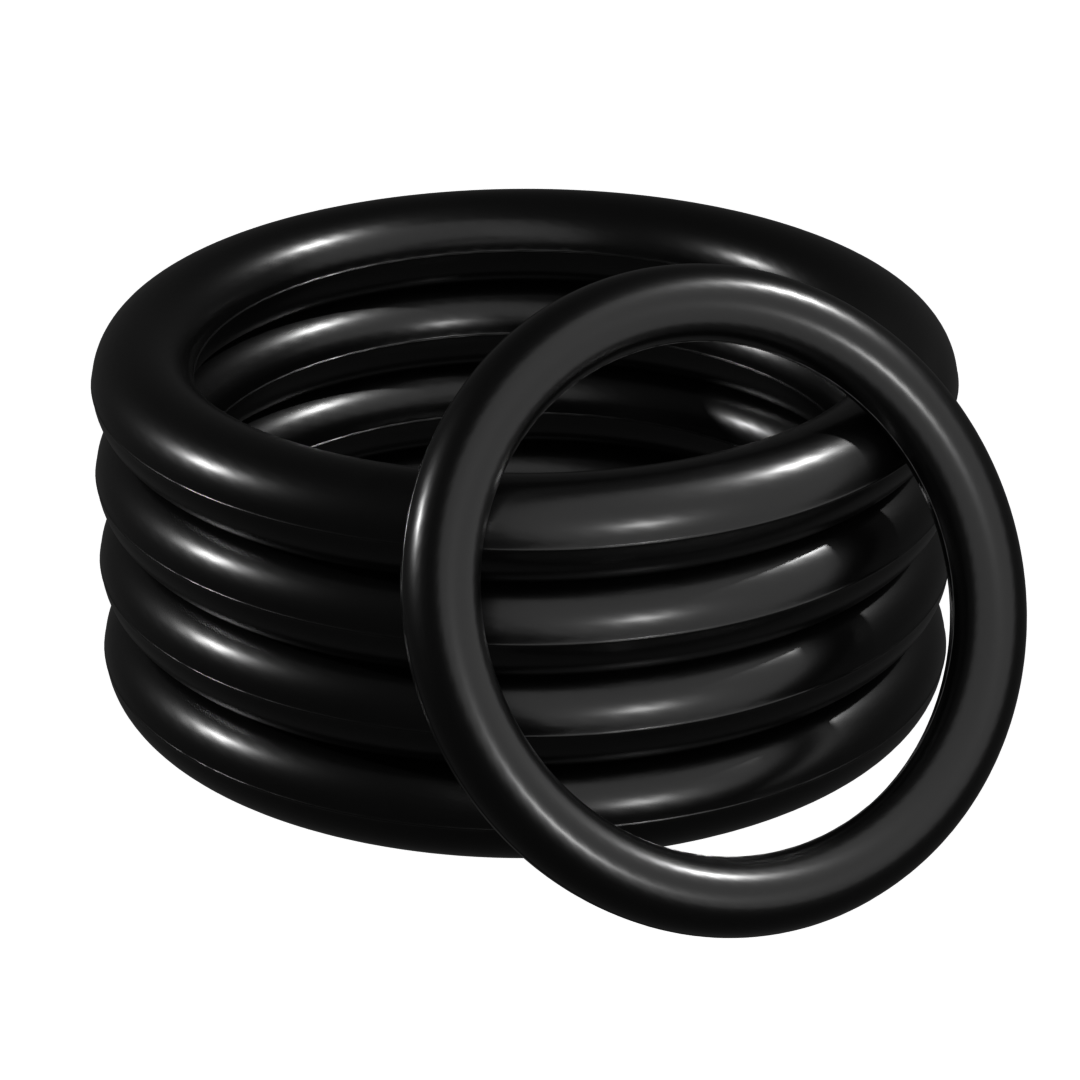
Customization Process for Polyurethane Sheet Material
At Suzhou Baoshida Trading Co., Ltd., our industrial rubber solutions are engineered to meet exacting performance standards across diverse applications. The customization of polyurethane sheet material follows a rigorous four-stage process: Drawing Analysis, Formulation, Prototyping, and Mass Production. This structured workflow ensures dimensional accuracy, material integrity, and compliance with OEM specifications.
The process begins with Drawing Analysis, where technical blueprints or CAD files are reviewed for critical dimensions, tolerances, surface finishes, and application environment. Our engineering team evaluates load-bearing requirements, temperature exposure, chemical resistance, and mechanical stress factors. Any discrepancies or optimization opportunities are flagged and discussed with the client prior to material development. This phase establishes the foundation for a functionally robust product.
Next, Formulation is conducted in our R&D laboratory. Based on the drawing analysis, we select the appropriate polyurethane chemistry—either polyester-based for superior mechanical strength and oil resistance, or polyether-based for enhanced hydrolysis resistance and low-temperature flexibility. Additives such as UV stabilizers, flame retardants, or pigments are incorporated as needed. Hardness is tailored within the 70 Shore A to 95 Shore A range, and color matching is performed to meet client standards. The formulation is documented and archived for batch consistency.
Once the compound is finalized, Prototyping commences. Small-batch sheets are produced using precision casting or extrusion methods, depending on thickness and dimensional complexity. Prototypes undergo preliminary testing for tensile strength, elongation at break, tear resistance, and hardness. Dimensional verification is performed using calibrated gauges and optical measurement systems. Prototype samples are submitted to the client for functional evaluation. Feedback is integrated into final adjustments before scaling.
Upon client approval, the project transitions to Mass Production. Full-scale manufacturing is executed under strict ISO-compliant quality controls. Raw material traceability, environmental curing conditions, and real-time process monitoring ensure uniformity across batches. Final products are inspected for surface defects, thickness variation, and physical properties. Packaging is customized for logistics safety and handling efficiency.
Throughout the process, Suzhou Baoshida maintains transparent communication and technical documentation, ensuring reliability and repeatability in every polyurethane sheet produced.
Key Technical Specifications of Custom Polyurethane Sheets
| Property | Standard Range | Test Method |
|---|---|---|
| Hardness (Shore A) | 70–95 | ASTM D2240 |
| Tensile Strength | 30–55 MPa | ASTM D412 |
| Elongation at Break | 400–700% | ASTM D412 |
| Tear Resistance | 80–150 kN/m | ASTM D624 |
| Thickness Tolerance | ±0.1 mm (up to 10 mm) | ISO 23529 |
| Operating Temperature | -40°C to +90°C | Internal Protocol |
| Available Colors | Black, White, Blue, Green, Custom | RAL/Pantone Match |
Contact Engineering Team
Technical Engagement for Polyurethane Sheet Material Solutions
Suzhou Baoshida Trading Co., Ltd. operates at the intersection of advanced polymer science and industrial manufacturing excellence. As your dedicated Rubber Formula Engineer and OEM Manager, I emphasize that our polyurethane sheet materials are engineered to resolve critical challenges in high-wear, precision-dependent applications. Standard off-the-shelf solutions often fail under extreme mechanical stress, chemical exposure, or thermal cycling—conditions where our formulations deliver measurable performance gains. Our facility in Suzhou integrates raw material traceability, in-house compounding, and ASTM/ISO-certified testing to ensure every sheet meets the exact mechanical and environmental demands of your production line.
The following table summarizes key specifications where our polyurethane sheets outperform generic alternatives. These values reflect our baseline industrial-grade formulations; all parameters are adjustable via OEM collaboration to match your operational thresholds.
| Property | Industrial Significance | Our Standard Range | Customizable Range |
|---|---|---|---|
| Hardness (Shore A) | Wear resistance vs. flexibility | 60–95 | 45–98 |
| Tensile Strength (MPa) | Load-bearing durability | 35–65 | 25–75 |
| Elongation at Break (%) | Impact absorption capacity | 350–550 | 300–600 |
| Abrasion Loss (mm³) | Service life in frictional apps | ≤60 | ≤45 |
| Temperature Range (°C) | Operational stability | -40 to +120 | -55 to +135 |
These metrics translate directly to reduced downtime and extended component lifecycles. For instance, our abrasion-resistant sheets (loss ≤45 mm³) in conveyor systems cut replacement frequency by 30–40% versus conventional rubber. Similarly, sheets formulated for hydraulic seals maintain tensile integrity above 60 MPa after 500 hours of continuous oil exposure—exceeding ISO 2230 standards. We achieve this through proprietary isocyanate selection, precise catalyst dosing, and post-cure stabilization protocols unavailable in commodity materials.
When your application demands sheets resistant to ozone degradation in outdoor machinery, or low-temperature flexibility for Arctic-rated equipment, our engineering team initiates a three-phase technical dialogue: (1) Failure mode analysis of your current material, (2) Computational modeling of stress points using ANSYS® simulations, and (3) Prototype validation under your specified load/chemical conditions. This eliminates guesswork in material selection.
Initiate this precision-engineering process by contacting Mr. Boyce, our OEM Technical Liaison. Provide your target specifications, environmental stressors, and volume requirements to receive a data-driven formulation proposal within 72 hours. Mr. Boyce holds direct oversight of our compounding lab and production scheduling, ensuring seamless transition from prototype to batch manufacturing. His technical authority eliminates procurement bottlenecks common with generic suppliers.
Contact Mr. Boyce Immediately for Application-Specific Solutions
Email: [email protected] (Suzhou Baoshida Technical Division)
Required Information: Material hardness range, critical performance thresholds, annual volume, and application environment.
Do not compromise production efficiency with suboptimal elastomers. Suzhou Baoshida’s polyurethane sheets are validated under real-world industrial conditions—not just laboratory benchmarks. Engage our engineering team to transform your material challenges into competitive advantages. Response to technical inquiries occurs within one business day; urgent production line crises receive same-day engineering support. Your next-generation component lifecycle begins with a scientifically rigorous material foundation.
⚖️ O-Ring Weight Calculator
Estimate rubber O-ring weight (Approx).