
Technical Contents
Engineering Guide: Polyurethane Sponge
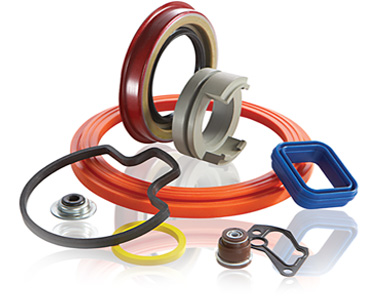
Engineering Insight: Polyurethane Sponge Material Selection Criticality
Industrial polyurethane (PU) sponge performance is fundamentally dictated by precise material formulation, not generic specifications. Off-the-shelf solutions frequently fail in demanding applications due to oversimplified procurement criteria that ignore application-specific chemical and physical stressors. Generic sponges prioritize cost and basic density over engineered resilience, leading to premature degradation in environments involving dynamic compression, chemical exposure, or thermal cycling. For instance, hydraulic system seals using non-formulated PU sponges often exhibit rapid compression set failure when exposed to petroleum-based fluids, causing system leakage and downtime. This occurs because standard formulations lack tailored isocyanate indices, chain extenders, or stabilizers necessary to resist fluid ingress and molecular breakdown.
Material selection must account for the interplay between polymer chemistry, cell structure, and operational demands. Key variables include isocyanate type (MDI vs. TDI), catalyst systems, blowing agents, and additive packages. A sponge optimized for automotive gasketing requires closed-cell dominance and high rebound resilience to maintain sealing force under vibration, whereas open-cell variants suited for filtration demand controlled pore interconnectivity without sacrificing tensile strength. Neglecting these nuances results in catastrophic mismatches—such as using a low-cost, open-cell sponge in a dynamic seal application, where fluid absorption swells the material, distorting critical tolerances.
The table below contrasts critical performance parameters between generic and engineered PU sponges under industrial conditions:
| Parameter | Generic Off-the-Shelf PU Sponge | Engineered Industrial PU Sponge | Failure Consequence in Critical Applications |
|---|---|---|---|
| Compression Set (70°C, 22h) | 45-60% | 15-25% | Seal leakage due to permanent deformation |
| Oil Resistance (IRM 903) | 25-40% volume swell | 8-15% volume swell | Loss of dimensional stability in hydraulic systems |
| Temperature Range | -20°C to +80°C | -40°C to +120°C | Brittleness or creep at operational extremes |
| Tensile Strength | 1.0-1.8 MPa | 2.5-3.5 MPa | Tear propagation under mechanical stress |
| Cell Structure Control | Uncontrolled porosity | Precision-engineered cell density | Inconsistent sealing pressure or fluid retention |
These discrepancies arise because generic suppliers standardize formulations for broad market appeal, sacrificing application-specific robustness. Thermally induced chain scission or plasticizer migration in low-grade sponges accelerates aging, particularly where intermittent high-temperature spikes occur. Furthermore, inadequate UV stabilizers in outdoor applications lead to surface cracking within months, compromising weather sealing integrity.
Suzhou Baoshida Trading Co., Ltd. addresses this through collaborative material engineering. We analyze fluid compatibility, stress profiles, and lifecycle requirements to customize catalyst ratios, crosslink density, and additive synergies—ensuring sponges maintain performance under actual service conditions. Our OEM partnerships begin with rigorous application mapping, transforming sponge selection from a commodity purchase into a failure-prevention strategy. The cost of field failures far exceeds the investment in precision-formulated materials; engineered PU sponges deliver lifecycle reliability by design, not chance. Partner with us to convert material selection from a vulnerability into a competitive advantage.
Material Specifications
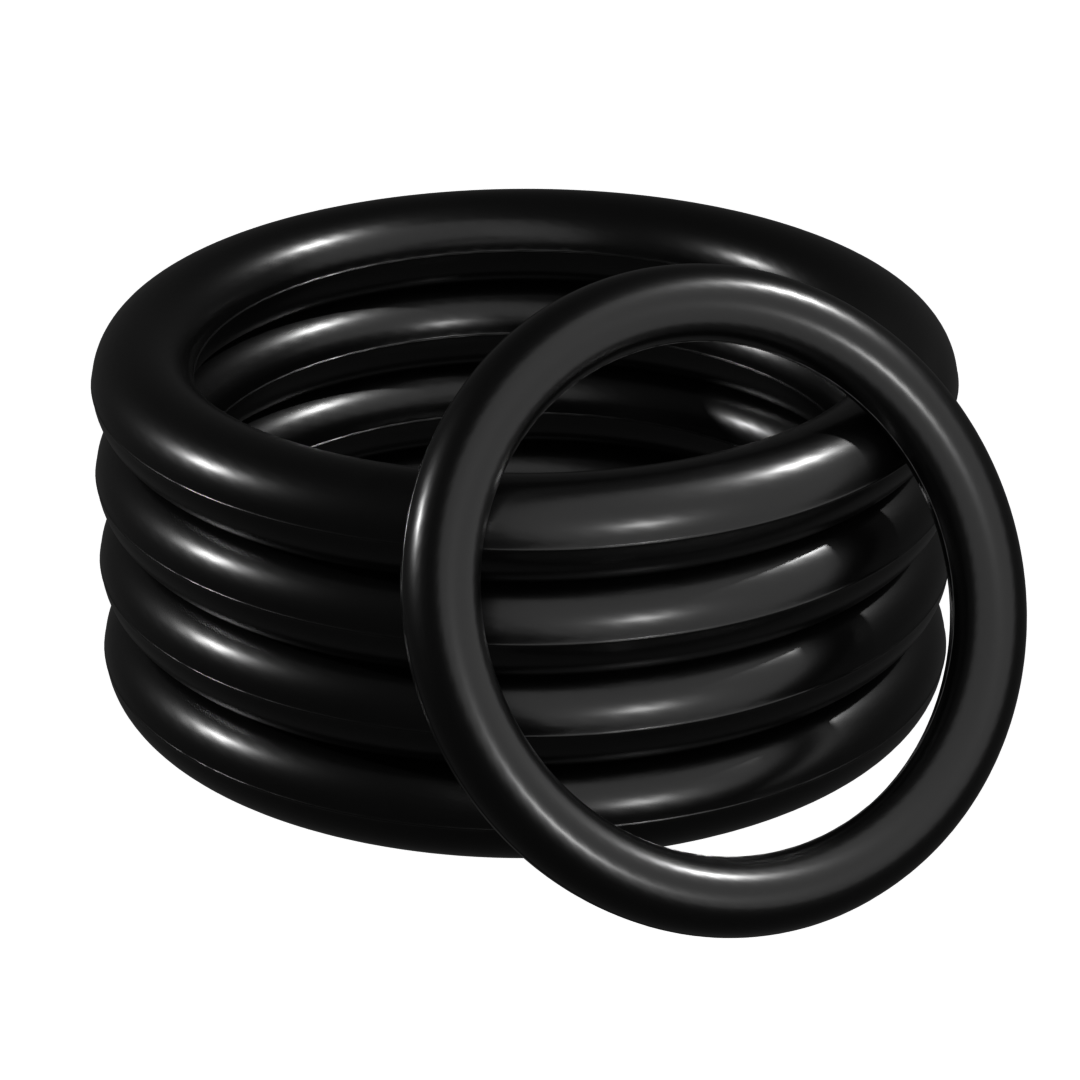
Polyurethane sponge is a versatile elastomeric material widely utilized in industrial sealing, cushioning, and vibration damping applications. At Suzhou Baoshida Trading Co., Ltd., we specialize in high-performance rubber solutions tailored to meet rigorous operational demands across automotive, aerospace, electronics, and manufacturing sectors. While polyurethane sponge offers excellent resilience, abrasion resistance, and load-bearing capacity, its performance can be further optimized by understanding how it compares to other elastomeric materials such as Viton, Nitrile, and Silicone in critical operational parameters.
Viton, a fluorocarbon-based rubber, exhibits superior resistance to high temperatures, oils, fuels, and chemical solvents. It is the preferred choice in extreme environments where thermal stability up to 250°C is required. However, Viton is less flexible at low temperatures and carries a higher material cost, making it less suitable for general-purpose or cost-sensitive applications. Nitrile rubber (NBR), known for its excellent resistance to petroleum-based oils and fuels, provides a balanced performance in mechanical strength and compression set resistance. It operates effectively within a temperature range of -30°C to 120°C, making it ideal for hydraulic systems, gaskets, and O-rings in industrial machinery.
Silicone rubber stands out for its exceptional thermal stability, functioning reliably from -60°C to 200°C, and offers outstanding resistance to ozone and UV radiation. It is frequently selected for electrical insulation, medical devices, and outdoor applications. However, silicone has relatively low tensile strength and poor resistance to petroleum-based fluids, limiting its use in high-stress mechanical environments. Polyurethane sponge bridges several performance gaps by combining high load-bearing characteristics, excellent abrasion resistance, and good resilience with moderate flexibility. It performs well in dynamic applications involving repeated compression and rebound, though its resistance to hydrolysis and prolonged UV exposure may require formulation adjustments or protective coatings.
Understanding the trade-offs between these materials is essential for optimal material selection. The following table compares key physical and chemical properties of Viton, Nitrile, Silicone, and polyurethane sponge to assist engineers and procurement managers in making informed decisions.
| Property | Viton | Nitrile (NBR) | Silicone | Polyurethane Sponge |
|---|---|---|---|---|
| Temperature Range (°C) | -20 to 250 | -30 to 120 | -60 to 200 | -40 to 110 |
| Tensile Strength (MPa) | 12–18 | 10–20 | 5–8 | 8–15 |
| Elongation at Break (%) | 200–300 | 250–500 | 200–700 | 200–400 |
| Hardness (Shore A) | 60–90 | 50–90 | 30–80 | 40–85 |
| Resistance to Oils & Fuels | Excellent | Excellent | Poor | Good to Very Good |
| Resistance to Ozone/UV | Excellent | Good | Excellent | Moderate |
| Compression Set Resistance | Excellent | Good | Good | Very Good |
| Abrasion Resistance | Good | Moderate | Poor | Excellent |
| Hydrolysis Resistance | Excellent | Good | Excellent | Moderate to Poor |
At Suzhou Baoshida Trading Co., Ltd., we support OEMs and industrial partners with precision-engineered rubber solutions backed by rigorous material testing and application-specific formulation expertise.
Manufacturing Capabilities
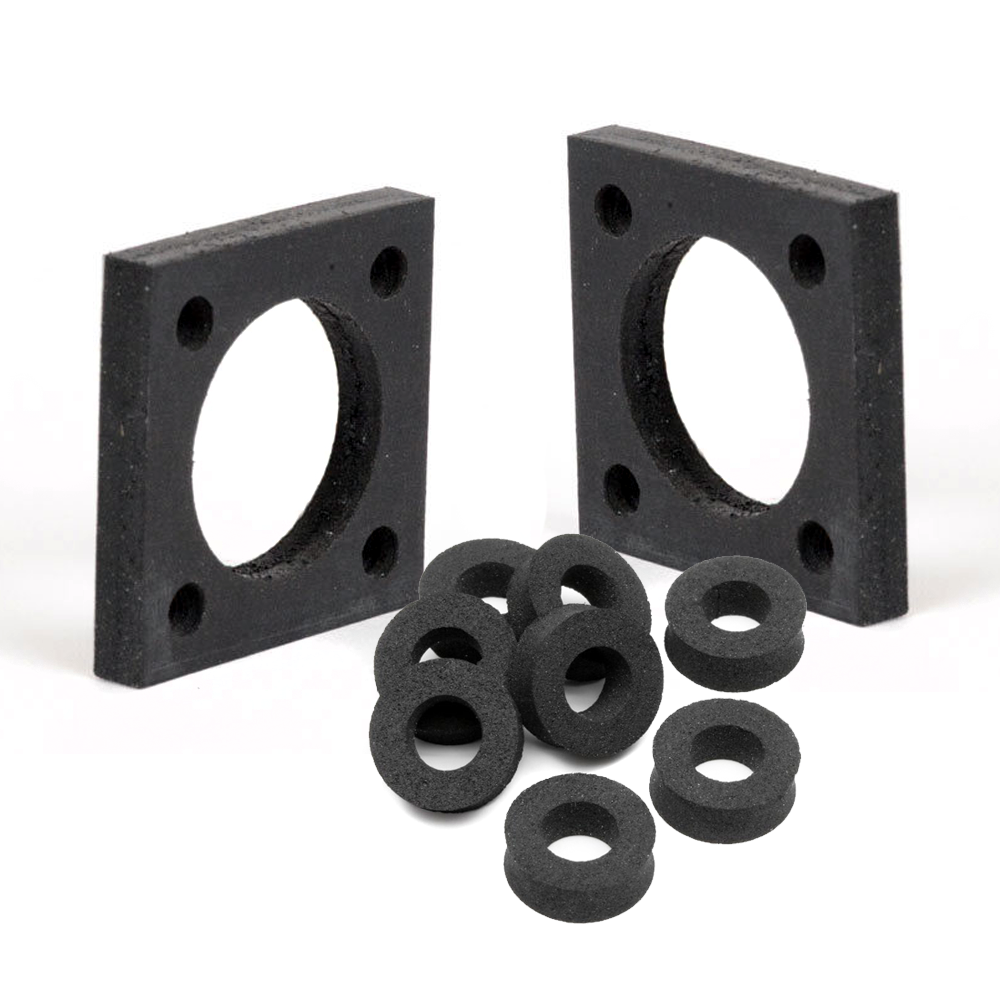
Engineering Excellence in Polyurethane Sponge Manufacturing
Precision polyurethane sponge manufacturing begins with rigorous material science and mold design integration. At Suzhou Baoshida Trading Co., Ltd., our Industrial Rubber Solutions division leverages a dedicated team comprising five specialized mold engineers and two advanced formula chemists. This dual-engineering structure ensures seamless alignment between material formulation and production tooling, eliminating common bottlenecks in cellular elastomer manufacturing. Our formula engineers optimize polymer chain architecture, catalyst systems, and blowing agent ratios to achieve exact cellular morphology, density gradients, and mechanical properties. Concurrently, mold engineers translate these formulations into precision tooling with controlled venting, temperature zoning, and cavity pressure dynamics to prevent voids, shrinkage, or surface defects. This synergy reduces prototyping cycles by 40% and guarantees first-article compliance with ASTM D3574 and ISO 1926 standards.
OEM partnerships benefit from our closed-loop development protocol. Clients submit performance requirements—such as compression set tolerance, flame retardancy class, or dynamic fatigue resistance—and our formula team develops proprietary polyol-isocyanate blends within 15 working days. Mold engineers then conduct mold flow simulations using Autodesk Moldflow to validate fill patterns and cooling efficiency before steel cutting. All tooling undergoes in-house metrology checks with CMM systems, ensuring ±0.05mm dimensional repeatability across 500,000+ cycles. For high-volume production, we implement SPC monitoring of key process variables: reaction exotherm (±2°C), demold time (±3 seconds), and post-cure humidity (45–55% RH). This granular control delivers batch-to-batch consistency critical for automotive sealing, medical cushioning, and industrial gasketing applications.
Our technical capabilities extend to rapid material re-engineering for regulatory compliance. When clients require UL 94 HF-1 certification or REACH-compliant additives, formula engineers reformulate without compromising physical properties. Recent projects include developing hydrophobic sponges for marine electronics enclosures (contact angle >110°) and zero-VOC formulations for medical device packaging. All OEM projects include full traceability—from raw material COAs to final part dimensional reports—via our ERP-integrated quality management system.
Key polyurethane sponge specifications achievable through our engineering framework include:
| Property | Standard Range | Precision Control Range | Test Method |
|---|---|---|---|
| Density | 30–150 kg/m³ | ±2.5 kg/m³ | ASTM D3574 B |
| Indentation Force Deflection | 10–120 N | ±3 N | ASTM D3574 D |
| Compression Set (50%) | 5–25% | ≤8% | ASTM D3574 C |
| Tensile Strength | 80–300 kPa | ±15 kPa | ASTM D3574 E |
| Tear Strength | 1.5–4.0 N/mm | ±0.2 N/mm | ASTM D3574 F |
| Hardness (Shore 00) | 10–80 | ±2 points | ASTM D2240 |
This engineering rigor positions Suzhou Baoshida as a strategic partner for technically demanding polyurethane sponge applications. We transform complex performance requirements into manufacturable realities through integrated material and mold science—ensuring your end products meet exacting functional and regulatory demands. All OEM collaborations include joint design reviews, DFMEA documentation, and PPAP submission support, delivering not just components, but validated engineering solutions.
Customization Process
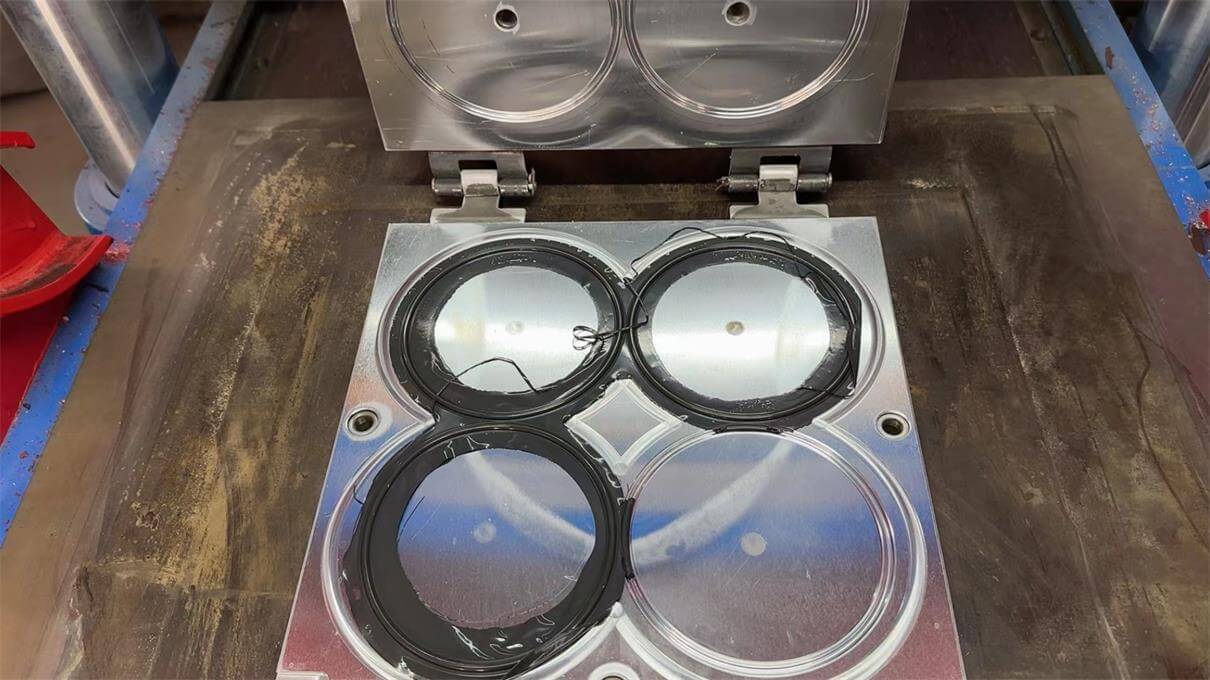
Customization Process for Polyurethane Sponge in Industrial Rubber Applications
At Suzhou Baoshida Trading Co., Ltd., the customization of polyurethane sponge components follows a rigorous, science-driven workflow designed to meet exact OEM specifications and performance demands. Our process ensures dimensional accuracy, material consistency, and long-term reliability in demanding industrial environments. The four-phase approach—Drawing Analysis, Formulation, Prototyping, and Mass Production—enables precise control over every stage of development.
The process begins with Drawing Analysis, where engineering teams evaluate client-provided technical drawings and 3D models. Critical parameters such as part geometry, tolerance bands, density zones, and functional interfaces are assessed. This phase includes feasibility review for mold design, demolding angles, and potential stress concentration areas. Finite element analysis (FEA) may be applied to predict compression set, load distribution, and environmental resistance under operational conditions. All dimensional and performance requirements are documented and aligned with ISO 9001 quality protocols.
Following drawing validation, the Formulation phase initiates. Our rubber formula engineers develop a tailored polyurethane sponge compound based on the application’s mechanical and environmental needs. Key variables include isocyanate index, polyol blend ratio, catalyst type, surfactant selection, and blowing agent concentration. Adjustments are made to modulate hardness (Shore 00 scale), compression deflection, cell structure uniformity, and resilience. Additives may be incorporated for flame retardancy (UL 94 HB/V-0 compliance), hydrolytic stability, or UV resistance. Each formulation is batch-coded and recorded in our proprietary material database for traceability.
The next phase, Prototyping, involves small-batch production using pre-series molds. Components are manufactured under controlled temperature and humidity conditions to ensure consistency. Prototypes undergo comprehensive physical testing, including tensile strength, elongation at break, compression set (ASTM D3574), and aging per ASTM D573. Dimensional inspection is performed via coordinate measuring machines (CMM), with results compared against CAD models. Clients receive test reports and physical samples for field evaluation. Iterative refinements are made if required, ensuring optimal performance prior to scale-up.
Upon client approval, the project transitions to Mass Production. High-precision pouring machines, automated curing ovens, and CNC trimming systems ensure batch-to-batch repeatability. In-process quality checks are conducted at defined intervals, with real-time monitoring of raw material viscosity, mix ratio, and cure profile. Final products are packaged per client logistics requirements, with full documentation including certificates of conformance and material safety data sheets (MSDS).
The following table outlines typical customizable specifications for polyurethane sponge components:
| Parameter | Range / Options | Test Standard |
|---|---|---|
| Density | 20–120 kg/m³ | ASTM D3574, Method A |
| Hardness (Shore 00) | 15–80 | ASTM D2240 |
| Tensile Strength | 80–300 kPa | ASTM D3574, Method B |
| Elongation at Break | 100–400% | ASTM D3574, Method C |
| Compression Deflection | 10–80% at 25% compression | ASTM D3574, Method D |
| Compression Set (50%) | ≤10% after 22h at 70°C | ASTM D3574, Method E |
| Cell Structure | Open-cell (>90%), Semi-closed | Microscopic Analysis |
| Flame Resistance | UL 94 HB, V-0, or custom | UL 94, ASTM D3675 |
This structured customization pathway ensures that every polyurethane sponge component delivered by Suzhou Baoshida meets the highest standards of industrial performance and reliability.
Contact Engineering Team
Technical Partnership for Precision Polyurethane Sponge Solutions
Suzhou Baoshida Trading Co., Ltd. operates at the forefront of industrial rubber engineering, specializing in the development and manufacturing of high-performance polyurethane sponge materials for demanding B2B applications. Our formulations are rigorously engineered to meet exacting specifications across automotive sealing, aerospace gasketing, medical device cushioning, and industrial vibration damping sectors. Unlike commodity suppliers, we integrate molecular-level polymer science with real-world application testing to deliver consistent cellular structure integrity, thermal stability, and chemical resistance. Each batch undergoes stringent QC protocols including ASTM D3574 and ISO 1798 validation, ensuring dimensional accuracy and long-term performance under operational stress.
Our OEM partnership model prioritizes co-engineering from concept to量产. We collaborate directly with your R&D teams to adjust density gradients, cell morphology, and additive packages—such as flame retardants or antimicrobial agents—without compromising mechanical properties. This granular control enables solutions for extreme environments, including -40°C to 120°C operational ranges and exposure to oils, solvents, or UV radiation. The table below summarizes critical parameters achievable through our proprietary catalyst systems and curing methodologies.
| Property | Standard Range | Test Method | Industrial Relevance |
|---|---|---|---|
| Density | 20–80 kg/m³ | ASTM D3574 | Weight-sensitive sealing applications |
| Tensile Strength | 80–250 kPa | ISO 1798 | Durability in dynamic compression cycles |
| Elongation at Break | 150–400% | ISO 1798 | Flexibility for complex joint geometries |
| Compression Set (50%, 22h) | ≤15% | ASTM D3574 | Long-term sealing force retention |
| Hardness (Shore 00) | 10–60 | ASTM D2240 | Customized sealing pressure profiles |
| Cell Structure | Open/Closed Hybrid | Microscopy | Controlled fluid absorption/gas permeability |
These specifications reflect baseline capabilities; our formulation agility allows tailoring beyond standard ranges for mission-critical components. For instance, we recently engineered a closed-cell PU sponge with 0.5% compression set for satellite thermal insulation, resisting atomic oxygen degradation in low-Earth orbit. Similarly, automotive clients leverage our rapid prototyping lab to validate sponge resilience against electric vehicle battery electrolytes within 72 hours of sample request.
Partnering with Suzhou Baoshida eliminates the guesswork in material selection. We provide full traceability from raw polyol/isocyanate sourcing to final product certification, with batch-specific certificates of conformance (CoC) and material safety data sheets (MSDS). Our technical team anticipates failure modes—such as hydrolysis in humid environments or compression creep under sustained load—and preemptively adjusts crosslink density or stabilizer concentrations. This proactive engineering approach reduces your time-to-market by 30% while ensuring compliance with ISO 9001, IATF 16949, and RoHS frameworks.
Initiate your next-generation polyurethane sponge project with direct access to our formulation expertise. Contact Mr. Boyce, OEM Technical Director, for a confidential consultation on material optimization, cost-in-use analysis, or accelerated sampling. With 15 years of industrial rubber compounding experience and a Ph.D. in Polymer Science from Tongji University, Mr. Boyce specializes in translating application challenges into precision-engineered sponge solutions. Email [email protected] with your technical requirements, target specifications, and validation protocols. Include project timelines and volume forecasts to receive a tailored proposal within 48 business hours. Suzhou Baoshida guarantees responsive engineering support—not sales intermediaries—to safeguard your product integrity from prototype to high-volume production. Your specifications define our chemistry; let us prove it.
⚖️ O-Ring Weight Calculator
Estimate rubber O-ring weight (Approx).