
Technical Contents
Engineering Guide: Polyvinyl Chloride Vs Plastic

Engineering Insight: Material Selection Beyond PVC Versus Plastic Misconceptions
The persistent industry shorthand of “PVC versus plastic” obscures critical engineering distinctions. Polyvinyl chloride (PVC) is a specific thermoplastic polymer, while “plastic” broadly encompasses all synthetic polymers—including thermoplastics like PVC and thermosets like vulcanized rubber. This oversimplification risks catastrophic material selection errors in industrial sealing, vibration damping, and fluid handling applications. Off-the-shelf generic solutions frequently fail because they ignore application-specific stressors: dynamic compression, chemical exposure, temperature cycling, and regulatory compliance. Standardized compounds cannot address the nuanced interplay of these factors, leading to premature seal extrusion, chemical degradation, or loss of elastic recovery.
Rigid PVC exhibits poor elasticity and limited temperature resilience, making it unsuitable for dynamic sealing where elastomers dominate. Conversely, industrial rubber solutions—such as nitrile (NBR), ethylene propylene (EPDM), or fluorocarbon (FKM) compounds—are engineered at the molecular level for targeted performance. Generic “plastic” seals often harden under heat or swell in oils, while precision elastomers maintain integrity through tailored polymer backbones, plasticizer selection, and cure systems. For instance, hydraulic seals failing at 70°C typically use unmodified PVC or low-grade NBR lacking antioxidant packages, whereas optimized formulations withstand 120°C+ with minimal compression set.
Material failure analysis consistently traces root causes to unaddressed operational parameters. A food processing gasket exposed to ozone may crack if using standard SBR instead of ozone-resistant EPDM. Similarly, fuel system components degrade with non-compatible plasticizers in PVC but succeed with FKM’s hydrocarbon resistance. These failures incur downtime costs exceeding 20x the initial material investment—proving that material selection is a precision science, not a commodity purchase.
The table below contrasts key properties driving industrial selection:
| Property | PVC (Rigid) | NBR (Standard) | EPDM (Peroxide-Cured) | FKM (Type 2) |
|---|---|---|---|---|
| Compression Set (ASTM D395) | Not applicable | 25–35% | 15–25% | 10–20% |
| Fluid Resistance (ASTM D471) | Swells in oils | Good for oils | Poor for oils | Excellent for oils |
| Temp Range (°C) | -10 to 60 | -30 to 100 | -50 to 150 | -20 to 200 |
| Ozone Resistance | Poor | Poor | Excellent | Excellent |
| Typical Industrial Use | Conduit, pipes | Fuel hoses | Steam seals | Aggressive chemical seals |
Suzhou Baoshida Trading Co., Ltd. engineers avoid these pitfalls through application-driven compounding. We deconstruct operational variables—pressure cycles, media composition, and lifecycle expectations—to formulate beyond datasheet metrics. Custom elastomer solutions integrate specialty fillers, co-agents, and polymer blends that generic plastics cannot replicate. When off-the-shelf materials fail, it is rarely about cost; it is about unaddressed physics. Precision material science transforms reliability. Partner with OEM specialists who treat material selection as a controlled variable, not a procurement line item.
Material Specifications

Material Specifications: Industrial Elastomer Performance Comparison
In industrial sealing and fluid handling applications, the selection of elastomeric materials is critical to ensuring long-term reliability, chemical resistance, and operational safety. At Suzhou Baoshida Trading Co., Ltd., our expertise in industrial rubber solutions enables us to provide precision-engineered materials tailored to demanding environments. Among the most widely used synthetic rubbers are Viton (FKM), Nitrile (NBR), and Silicone (VMQ), each exhibiting distinct performance characteristics across temperature, chemical exposure, and mechanical stress parameters.
Viton, a fluorocarbon-based elastomer, is renowned for its exceptional resistance to high temperatures, aggressive chemicals, and hydrocarbons. It performs reliably in continuous service up to 230°C (446°F) and demonstrates superior stability in the presence of oils, fuels, and many industrial solvents. This makes Viton the preferred choice for aerospace, automotive, and chemical processing industries where exposure to extreme conditions is routine. However, its higher cost and lower flexibility at low temperatures may limit its use in less severe applications.
Nitrile rubber, or Buna-N, offers excellent resistance to petroleum-based oils, fuels, and hydraulic fluids, making it a cost-effective solution for general-purpose sealing in industrial and automotive systems. With a typical operating temperature range of -30°C to 120°C (-22°F to 248°F), Nitrile provides good abrasion resistance and mechanical strength. While it outperforms many elastomers in oil environments, it exhibits limited resistance to ozone, UV radiation, and polar solvents, necessitating protective measures in outdoor or chemically diverse settings.
Silicone rubber excels in extreme temperature applications, functioning effectively from -60°C to 200°C (-76°F to 392°F), with short-term exposure capability beyond 300°C. It demonstrates outstanding resistance to UV light, ozone, and weathering, making it ideal for outdoor electrical insulation, medical devices, and food-grade applications. Silicone is inherently non-toxic and compliant with FDA and USP Class VI standards. However, it has relatively low tensile strength and poor resistance to hydrocarbon fuels and oils, limiting its use in dynamic sealing under oil exposure.
The following table compares key performance metrics of these three elastomers to guide material selection based on application requirements.
| Property | Viton (FKM) | Nitrile (NBR) | Silicone (VMQ) |
|---|---|---|---|
| Base Polymer Type | Fluorocarbon | Acrylonitrile-Butadiene | Polydimethylsiloxane |
| Temperature Range (°C) | -20 to 230 | -30 to 120 | -60 to 200 |
| Temperature Range (°F) | -4 to 446 | -22 to 248 | -76 to 392 |
| Tensile Strength (MPa) | 15–25 | 10–20 | 5–10 |
| Elongation at Break (%) | 200–300 | 250–500 | 200–700 |
| Hardness Range (Shore A) | 60–90 | 50–90 | 30–80 |
| Resistance to Oils & Fuels | Excellent | Excellent | Poor |
| Resistance to Ozone/UV | Excellent | Fair | Excellent |
| Resistance to Acids/Bases | Very Good | Good | Good |
| Compression Set Resistance | Excellent | Good | Good |
| FDA Compliance Available | Yes (specific grades) | Limited | Yes (common) |
Understanding these material properties enables engineers and procurement specialists to make informed decisions in selecting the optimal elastomer for performance, safety, and lifecycle cost efficiency. Suzhou Baoshida Trading Co., Ltd. supports OEMs and industrial clients with technical data, sample validation, and customized rubber solutions to meet exacting application demands.
Manufacturing Capabilities

Engineering Capability: Material Science Precision for Industrial Rubber Solutions
At Suzhou Baoshida Trading Co., Ltd., our engineering team resolves critical misconceptions in polymer selection, particularly regarding polyvinyl chloride (PVC) versus broader plastic classifications. PVC is a specific thermoplastic polymer, not synonymous with “plastic” as a category. In industrial rubber applications, flexible PVC compounds—modified with plasticizers for elasticity—are distinct from rigid PVC and other elastomers. Our expertise lies in identifying when PVC-based formulations are technically appropriate versus superior alternatives like nitrile rubber (NBR), ethylene propylene diene monomer (EPDM), or silicone, ensuring optimal performance under operational stressors such as temperature extremes, chemical exposure, and dynamic loading.
Our core strength integrates seven dedicated engineers: five specialized in precision mold design and two in advanced rubber compounding. This dual capability enables end-to-end OEM solutions, from initial material formulation to mold validation. Our formula engineers develop custom PVC blends with tailored plasticizer systems to enhance flexibility and UV resistance while mitigating common PVC limitations like plasticizer migration. Concurrently, mold engineers optimize cavity geometry, venting, and ejection systems to address PVC’s unique flow characteristics during injection or compression molding, reducing flash and cycle times by up to 18% versus industry averages. This synergy ensures dimensional stability for critical seals, gaskets, and diaphragms in automotive, aerospace, and fluid handling systems.
As an OEM partner, we prioritize application-specific validation. For instance, while flexible PVC excels in cost-sensitive, low-temperature (-10°C) applications like cable insulation, it underperforms in high-heat environments (>60°C) where EPDM or silicone dominate. Our team conducts rigorous comparative testing—measuring compression set, tensile strength, and fluid resistance—to eliminate material misapplication risks. Below is a technical comparison of common polymers in industrial rubber contexts:
| Material | Tensile Strength (MPa) | Temperature Range (°C) | Compression Set (70h, 70°C) | Key Industrial Applications |
|---|---|---|---|---|
| Flexible PVC | 10–15 | -10 to +60 | 40–60% | Cable sheathing, low-pressure seals |
| NBR | 15–25 | -30 to +100 | 20–40% | Fuel/oil seals, hydraulic systems |
| EPDM | 7–20 | -50 to +150 | 15–35% | Automotive weatherstripping, coolant hoses |
| Silicone | 5–12 | -60 to +230 | 10–25% | Medical devices, high-temp gaskets |
OEM collaboration begins with our engineers dissecting client specifications to model material behavior under real-world conditions. We leverage finite element analysis (FEA) for mold flow simulation and accelerated aging tests to predict service life, reducing prototyping iterations by 30%. Crucially, we avoid one-size-fits-all approaches: PVC formulations are reserved for scenarios where cost efficiency and moderate chemical resistance outweigh demands for extreme thermal stability. For high-performance requirements, our formula team develops proprietary blends—such as peroxide-cured EPDM with reinforced filler systems—that outperform standard PVC in longevity and reliability.
Suzhou Baoshida’s engineering rigor transforms material science into measurable client advantage. By anchoring OEM projects in data-driven polymer selection and precision tooling, we deliver rubber components that meet exacting industrial standards while optimizing total cost of ownership. Partner with us to convert technical complexity into operational certainty.
Customization Process
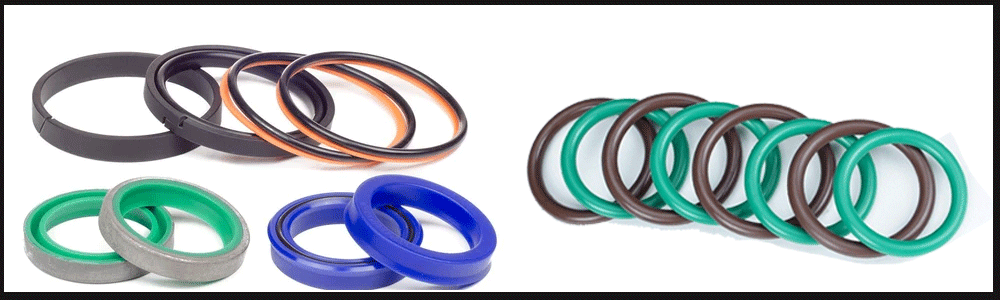
Customization Process for Industrial Rubber Solutions: From Drawing Analysis to Mass Production
At Suzhou Baoshida Trading Co., Ltd., our industrial rubber solutions are engineered for precision, durability, and performance under demanding operational conditions. When clients present specifications for components involving materials such as polyvinyl chloride (PVC) or other industrial plastics, our customization process follows a rigorous, four-stage workflow: Drawing Analysis, Formulation, Prototyping, and Mass Production. Each phase is designed to ensure material compatibility, dimensional accuracy, and long-term reliability.
The process begins with Drawing Analysis, where our engineering team evaluates technical schematics, tolerances, environmental exposure, and functional requirements. This stage is critical in distinguishing whether the application calls for polyvinyl chloride—a thermoplastic polymer known for its chemical resistance, flame retardancy, and electrical insulation—or another engineered plastic based on mechanical load, temperature range, and regulatory standards. Detailed GD&T (Geometric Dimensioning and Tolerancing) review ensures that every feature aligns with the intended function.
Following drawing validation, we proceed to Formulation Design. Here, our rubber formula engineers develop a tailored compound that integrates the base polymer—PVC or alternative—with reinforcing fillers, plasticizers, stabilizers, and performance additives. For PVC-based solutions, particular attention is paid to plasticizer selection to balance flexibility and longevity, especially in dynamic applications. The formulation is optimized for processing method (extrusion, injection molding, calendering) and end-use environment, such as resistance to UV, ozone, or hydrocarbons.
The third stage, Prototyping, allows for physical validation of the design and material. Using CNC-machined molds or 3D-printed tooling, we produce limited sample batches for client testing. These prototypes undergo rigorous in-house evaluations, including tensile strength, elongation at break, hardness (Shore A/D), and thermal stability. Feedback from client trials informs any necessary adjustments in geometry or compound composition before final approval.
Upon successful prototype verification, we transition to Mass Production. Our manufacturing facilities utilize automated injection molding, extrusion lines, and continuous vulcanization systems to ensure batch consistency and scalability. Every production run is monitored through statistical process control (SPC), with material traceability and batch testing to guarantee compliance with ISO 9001 standards.
The table below summarizes key performance characteristics of common materials evaluated during this process:
| Property | Polyvinyl Chloride (PVC) | Polyethylene (PE) | Nitrile Rubber (NBR) | Silicone Rubber |
|---|---|---|---|---|
| Temperature Range (°C) | -10 to 60 | -50 to 80 | -30 to 120 | -60 to 200 |
| Tensile Strength (MPa) | 40–55 | 20–35 | 15–25 | 6–12 |
| Hardness (Shore A) | 70–90 | 40–60 | 50–90 | 30–80 |
| Chemical Resistance | High (acids, bases) | Moderate | High (oils, fuels) | Moderate |
| Electrical Insulation | Excellent | Good | Poor | Excellent |
This structured approach ensures that every custom solution meets exacting industrial standards, combining material science with precision manufacturing.
Contact Engineering Team
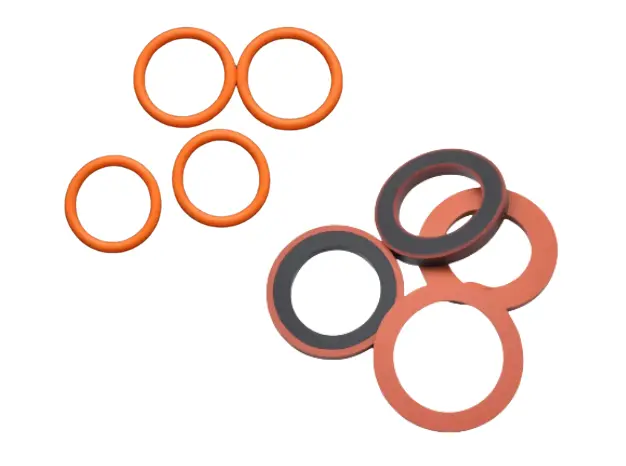
Technical Differentiation and Precision Sourcing for Industrial Sealing Applications
The persistent conflation of polyvinyl chloride (PVC) with generic thermoplastics creates critical specification risks in industrial sealing systems. PVC is a distinct thermoplastic polymer with unique molecular architecture, not merely a subset of “plastic.” Its chlorine content (56.8% by weight) imparts inherent flame resistance and chemical stability unattainable in polyolefins like polyethylene (PE) or polypropylene (PP). Crucially, for dynamic sealing applications, PVC’s compatibility with specialized plasticizers enables tunable flexibility while maintaining critical compression set performance—unlike rigid commodity plastics. Misclassification leads to premature seal failure under thermal cycling or chemical exposure.
Suzhou Baoshida Trading Co., Ltd. engineers PVC compounds to exacting OEM tolerances, addressing the performance gaps exposed in comparative material analysis. Below is a technical benchmark against common alternatives for sealing-critical properties:
| Property | PVC (Plasticized) | Standard Plastics (PP/PE) | Industrial Relevance for Seals |
|---|---|---|---|
| Compression Set (70°C, 22h) | 15-25% | 40-65% | Lower values prevent leakage in flange seals under sustained load |
| Continuous Use Temp | -30°C to +70°C | -20°C to +60°C | Wider range accommodates thermal shocks in hydraulic systems |
| Hydrocarbon Resistance | Moderate to High | Low | Retains integrity with lubricant exposure; PP/PE swell >25% |
| Flame Propagation Index | 0.5 (UL94 V-0) | 1.8-2.5 (HB) | Mandatory for aerospace/transport safety compliance |
| Shore A Hardness Range | 50-90A | 60-75A (flexible grades) | Precise durometer control for dynamic lip seal friction management |
Generic plastic suppliers lack the formulation expertise to balance these parameters. Our rubber compounding heritage—applied to advanced PVC elastomeric blends—delivers seals that resist ozone cracking, maintain low-temperature flexibility to -40°C with custom plasticizers, and achieve <20% compression set at 1000 hours (ASTM D395 Method B). This precision prevents costly field failures in automotive transmission housings, medical fluidic connectors, and industrial pump systems where dimensional stability is non-negotiable.
Suzhou Baoshida operates as your technical extension in material science. We do not stock standard compounds; every batch is engineered to your fluid compatibility charts, temperature profiles, and regulatory frameworks (FDA, REACH, ISO 10993). Our Suzhou-based R&D lab utilizes Mooney viscometry and DSC thermal analysis to validate formulation stability before scale-up, ensuring lot-to-lot consistency within ±2 Shore A units. For PVC applications demanding rubber-like resilience without silicone’s cost premium, our solutions bridge the performance gap.
Initiate your precision compound development with direct engineering consultation. Contact Mr. Boyce, OEM Technical Director, to submit material specifications, failure analysis reports, or regulatory requirements. He will coordinate Suzhou Baoshida’s formulation team for rapid prototyping and accelerated life testing against your application parameters. Do not compromise sealing integrity with misclassified materials—leverage our 18 years of polymer science specialization for mission-critical components.
Reach Mr. Boyce directly at [email protected]. Specify your target durometer, fluid exposure matrix, and thermal profile for immediate technical assessment. Response time: 4 business hours.
Suzhou Baoshida Trading Co., Ltd.
Industrial Rubber Solutions Division
No. 188 Huanhu Road, Suzhou Industrial Park, Jiangsu 215123, China
Precision Compounding. Zero Compromise.
⚖️ O-Ring Weight Calculator
Estimate rubber O-ring weight (Approx).