
Technical Contents
Engineering Guide: Pond Membrane
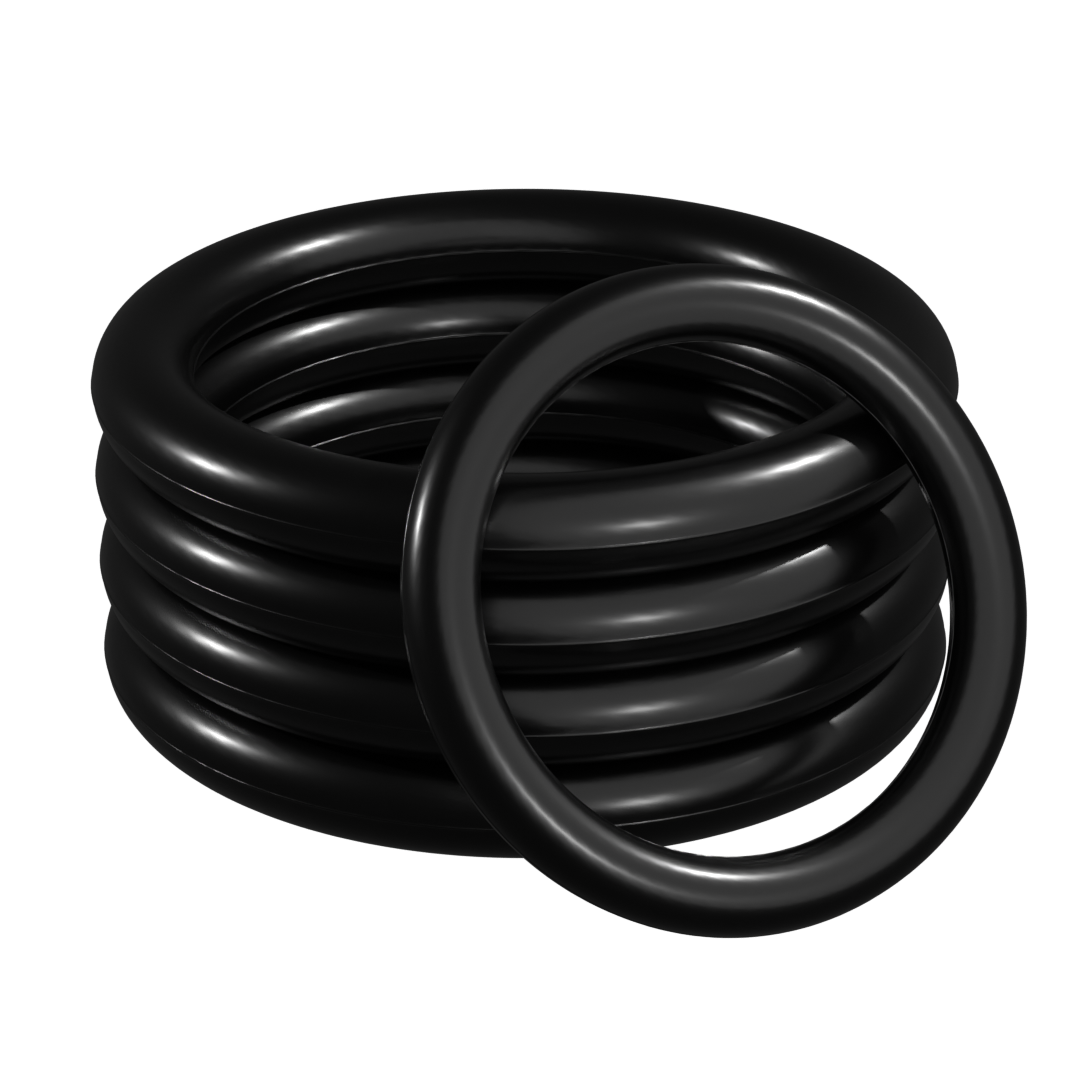
Engineering Insight: Material Selection for Pond Membranes – Beyond Generic Solutions
Material selection constitutes the absolute cornerstone of durable, long-term pond membrane performance. Generic, off-the-shelf geomembranes frequently fail prematurely in demanding aquatic containment applications due to fundamental mismatches between standard polymer formulations and the complex, dynamic environmental stresses encountered. These failures manifest as leaks, reduced service life, and costly remediation, directly stemming from inadequate consideration of site-specific chemical exposure, ultraviolet radiation intensity, mechanical loading, and biological factors during the specification phase. Understanding the precise degradation mechanisms is non-negotiable for reliable infrastructure.
Standard polyethylene (PE) or polyvinyl chloride (PVC) membranes often lack the tailored polymer architecture and additive packages required for sustained pond integrity. Ultraviolet radiation initiates photo-oxidative degradation, causing embrittlement and cracking; standard formulations may utilize insufficient UV stabilizers or incorrect types for the local solar flux. Chemical exposure, particularly from fluctuating pH levels, organic acids in decaying matter, or agricultural runoff, can induce hydrolytic degradation or plasticizer migration in PVC, leading to loss of flexibility and integrity. Furthermore, standard membranes frequently exhibit inadequate resistance to root penetration, puncture from substrate shifts, or long-term stress cracking under constant hydraulic load. The antioxidant package in commodity grades is typically optimized for shelf life, not decades of field exposure under combined stressors, resulting in accelerated polymer chain scission.
Suzhou Baoshida Trading Co., Ltd. emphasizes that successful pond membrane engineering requires bespoke formulation. We rigorously analyze the intended water chemistry, local climate (including UV index and temperature extremes), substrate composition, and expected mechanical stresses. This data drives the selection of base polymer (e.g., high-density polyethylene with specific melt index and density, or specialized ethylene copolymer alloys), the precise concentration and synergy of UV absorbers and hindered amine light stabilizers (HALS), robust antioxidant systems designed for long-term thermal-oxidative stability, and critical enhancements for stress crack resistance and puncture tolerance. Off-the-shelf solutions apply a one-size-fits-all approach, inevitably compromising on one or more critical performance parameters essential for the specific site.
The following table highlights key performance differentiators between standard commodity membranes and engineered solutions developed through our OEM partnership process:
| Performance Parameter | Standard Commodity Membrane | Suzhou Baoshida Engineered Solution |
|---|---|---|
| UV Resistance (ASTM G154) | Moderate (2000-3000 hrs QUV-B) | High (5000+ hrs QUV-B) |
| Chemical Resistance | Limited pH range (6-9) | Broad pH tolerance (3-12) |
| Stress Crack Resistance (ASTM D5397) | Poor (F50 < 100 hrs) | Excellent (F50 > 1000 hrs) |
| Puncture Strength (ASTM D4833) | Standard (300-500 N) | Enhanced (600-900 N) |
| Antioxidant System | Basic (Short-term stability) | Multi-stage (Decadal stability) |
| Root Penetration Resistance | Low | High (Integrated barrier) |
Generic membranes represent a false economy. The initial cost savings are rapidly eroded by premature failure, environmental liability, and the significant expense of drainage, liner replacement, and ecosystem remediation. Suzhou Baoshida Trading Co., Ltd. partners with OEMs and end-users to move beyond compromise. Our technical team leverages deep polymer science expertise to formulate precision-engineered pond membranes where material properties are explicitly matched to the operational envelope, ensuring decades of reliable, leak-free containment and true lifecycle cost optimization. Material selection is not procurement; it is foundational engineering.
Material Specifications
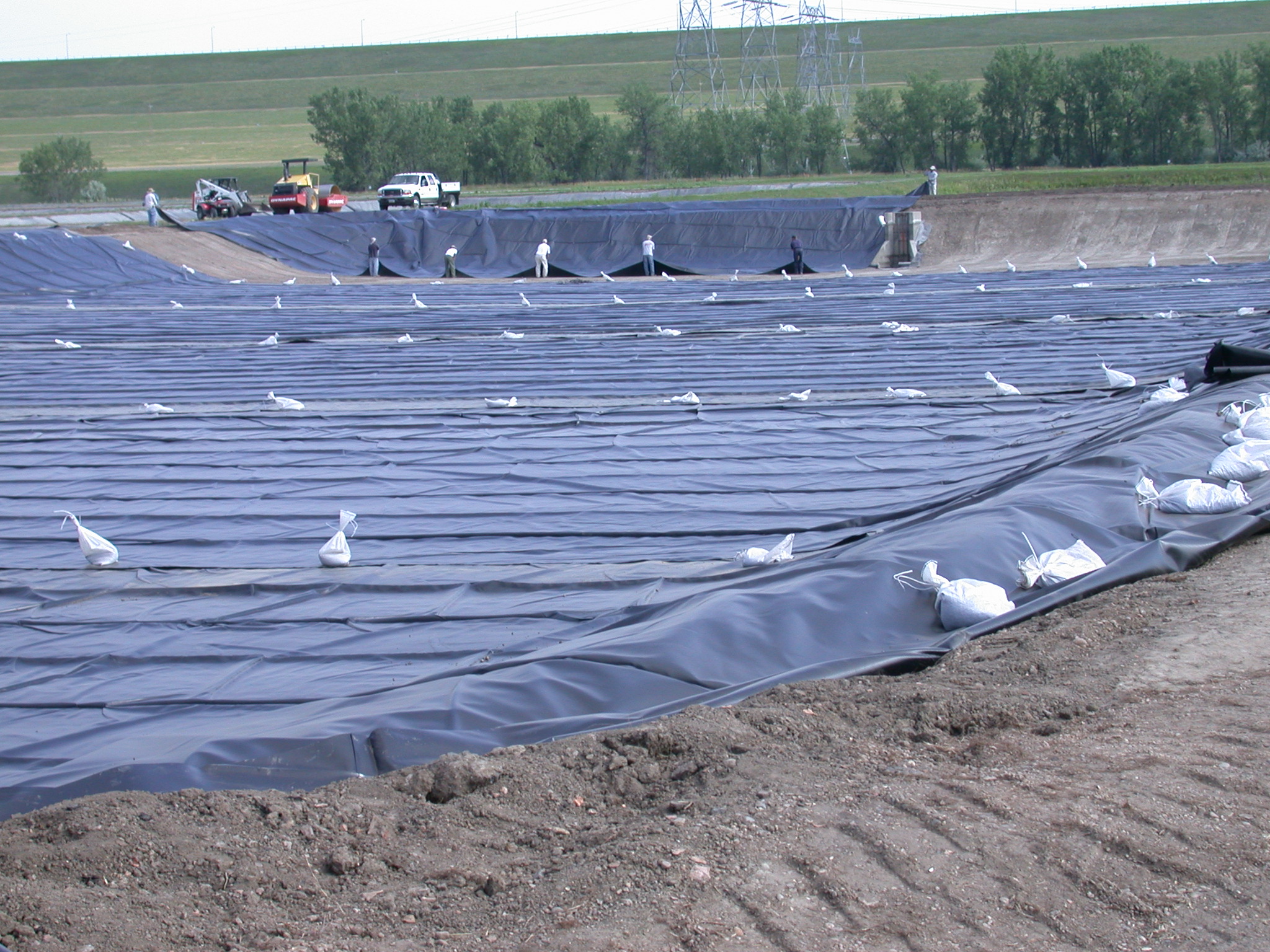
Industrial rubber membranes for pond applications require precise material selection to ensure long-term durability, chemical resistance, and performance under variable environmental conditions. At Suzhou Baoshida Trading Co., Ltd., we specialize in high-performance elastomeric solutions tailored to demanding industrial environments. Our engineered pond membranes utilize advanced synthetic rubbers—Viton, Nitrile (NBR), and Silicone—each offering distinct advantages depending on operational parameters such as temperature range, exposure to contaminants, and mechanical stress.
Viton, a fluorocarbon-based elastomer, delivers exceptional resistance to a broad spectrum of chemicals, including hydrocarbons, acids, and solvents. This makes it ideal for industrial pond systems where exposure to aggressive substances is expected. With continuous service temperature capabilities ranging from -20°C to +200°C, Viton maintains structural integrity under extreme thermal cycling. Its low permeability and outstanding aging characteristics further enhance its suitability for long-term sealing applications in contaminated water retention systems.
Nitrile rubber, or Buna-N, is a cost-effective solution optimized for resistance to oils, greases, and aliphatic hydrocarbons. It performs reliably in temperature ranges from -30°C to +100°C, making it suitable for moderate environmental conditions. Nitrile exhibits excellent abrasion resistance and tensile strength, critical for pond membranes subjected to physical wear during installation and operation. While less resistant to ozone and UV degradation compared to other elastomers, NBR can be compounded with protective additives to improve outdoor durability when properly shielded.
Silicone rubber offers superior thermal stability, operating effectively from -60°C to +230°C, and demonstrates excellent resistance to UV radiation and ozone. Although it has limited resistance to petroleum-based fluids, silicone excels in pure water and environmentally sensitive pond applications where inertness and non-toxicity are paramount. Its high flexibility at low temperatures and biocompatibility make it a preferred choice for ecological containment systems and potable water storage environments.
Selection of the appropriate material must balance chemical exposure, temperature extremes, mechanical demands, and lifecycle cost. Below is a comparative overview of key performance attributes for Viton, Nitrile, and Silicone in pond membrane applications.
| Property | Viton (FKM) | Nitrile (NBR) | Silicone (VMQ) |
|---|---|---|---|
| Temperature Range (°C) | -20 to +200 | -30 to +100 | -60 to +230 |
| Chemical Resistance | Excellent | Good (oils, fuels) | Fair (poor vs oils) |
| Oil and Fuel Resistance | Outstanding | Excellent | Poor |
| Ozone and UV Resistance | Excellent | Fair | Excellent |
| Tensile Strength (MPa) | 15–20 | 10–25 | 6–10 |
| Elongation at Break (%) | 150–250 | 200–500 | 200–600 |
| Water Resistance | Excellent | Good | Excellent |
| Compression Set Resistance | Excellent | Good | Good |
| Typical Applications | Industrial effluent ponds, chemical containment | Fuel storage ponds, industrial runoff | Eco-sensitive ponds, potable water |
Material selection directly impacts service life, maintenance frequency, and compliance with environmental regulations. Suzhou Baoshida Trading Co., Ltd. provides technical consultation to match membrane material to your specific pond system requirements, ensuring optimal performance and reliability in industrial rubber solutions.
Manufacturing Capabilities
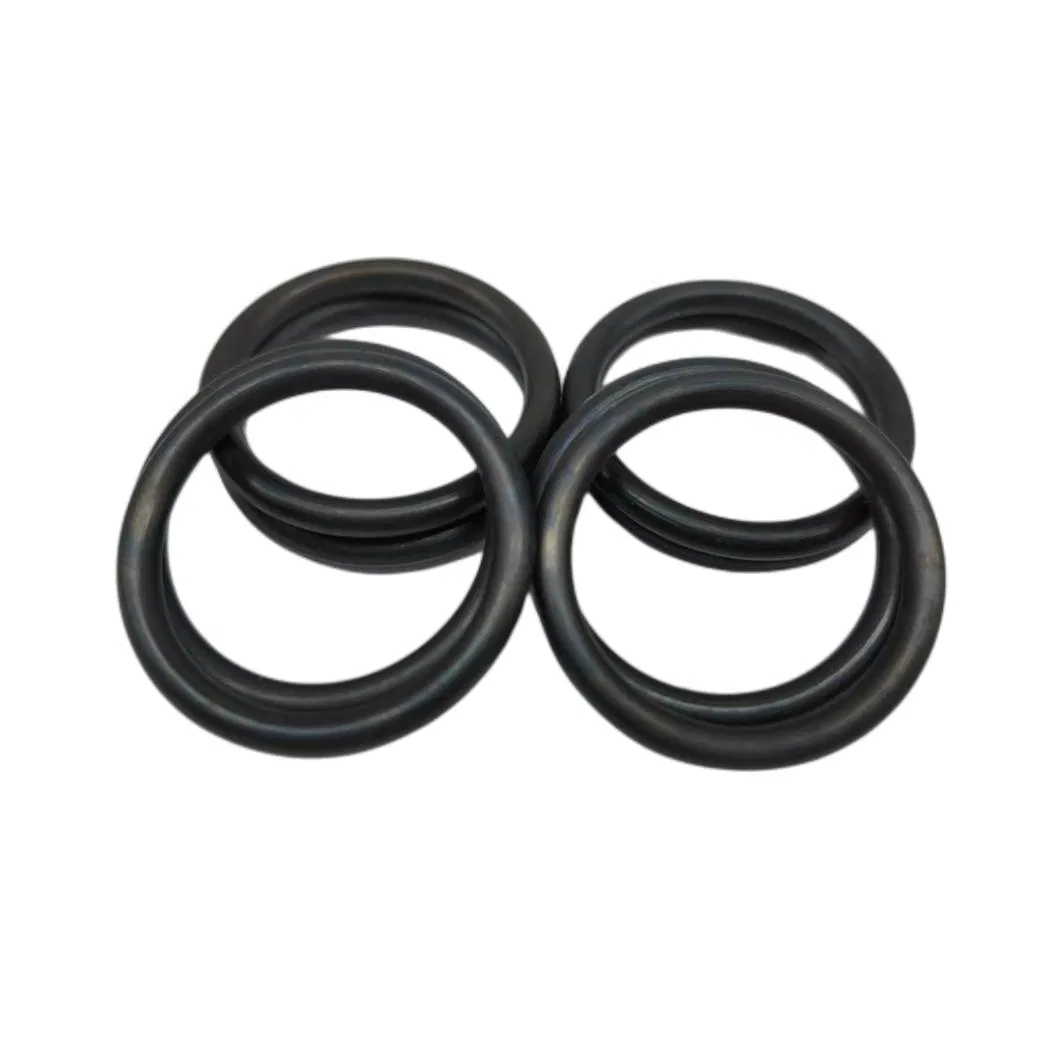
Engineering Capability: Precision Development for Industrial Pond Membranes
Suzhou Baoshida Trading Co., Ltd. leverages deep technical expertise to deliver engineered pond membrane solutions meeting stringent industrial demands. Our core strength lies in the integration of advanced rubber chemistry and precision tooling, driven by a dedicated team of seven specialized engineers: five Mold Engineers and two Formula Engineers. This dual-discipline approach ensures every membrane achieves optimal performance, longevity, and cost efficiency for critical containment applications.
Precision Mold Engineering
Our Mold Engineering team utilizes finite element analysis (FEA) and 3D simulation software to design tooling that eliminates weld-line weaknesses and ensures uniform material distribution. This capability is critical for large-format pond liners where seam integrity directly impacts leak resistance. We develop custom molds accommodating complex geometries—such as integrated anchor trenches or tapered edges—while maintaining ±0.15mm thickness tolerance across surfaces exceeding 50m². This precision minimizes field installation errors and extends service life in aggressive environments, including chemical leachate ponds and mining tailings containment.
Advanced Rubber Formulation Science
Formula Engineers focus on tailoring elastomer molecular architecture for extreme exposure conditions. Through controlled peroxide vulcanization and nano-reinforced filler systems, we enhance resistance to UV degradation, hydrocarbon permeation, and thermal cycling. Each formulation undergoes accelerated aging per ASTM D4329 and ISO 4892-3, with iterative adjustments to balance elongation, tensile strength, and low-temperature flexibility. Our proprietary EPDM and CSPE compounds achieve 25+ years of predicted service life in harsh climates, validated by third-party immersion testing in pH 2–12 solutions at 80°C for 500 hours.
OEM Partnership Excellence
As a certified OEM manufacturer, we provide end-to-end scalability from prototype to mass production. Clients benefit from dedicated production cells isolating proprietary compounds, ensuring batch-to-batch consistency (±3% property deviation). Our facility supports co-engineering of custom specifications—including flame-retardant grades (UL 94 V-0) or conductive variants—while maintaining ISO 9001 traceability. Intellectual property protection is enforced through encrypted formulation databases and segregated manufacturing zones, enabling seamless white-label partnerships with global infrastructure developers.
Key Material Performance Specifications
| Property | Standard EPDM Membrane | Custom CSPE Formulation | Test Method |
|---|---|---|---|
| Tensile Strength (MPa) | ≥12.0 | ≥15.5 | ASTM D412 |
| Elongation at Break (%) | ≥450 | ≥380 | ASTM D412 |
| Tear Resistance (kN/m) | ≥50 | ≥65 | ASTM D624 |
| Ozone Resistance (200pphm) | No cracks (100h) | No cracks (300h) | ASTM D1149 |
| Low-Temperature Flexibility | -40°C (no cracking) | -50°C (no cracking) | ASTM D2137 |
| Hydrostatic Resistance | 1.5 bar (72h) | 2.0 bar (120h) | ISO 11093-2 |
This engineering-to-manufacturing continuum enables Suzhou Baoshida to solve complex containment challenges where standard membranes fail. By aligning molecular design with precision tooling, we deliver pond liners that reduce lifecycle costs through superior durability and installation reliability—proven in 200+ global infrastructure projects. Partner with us to transform technical requirements into field-proven performance.
Customization Process
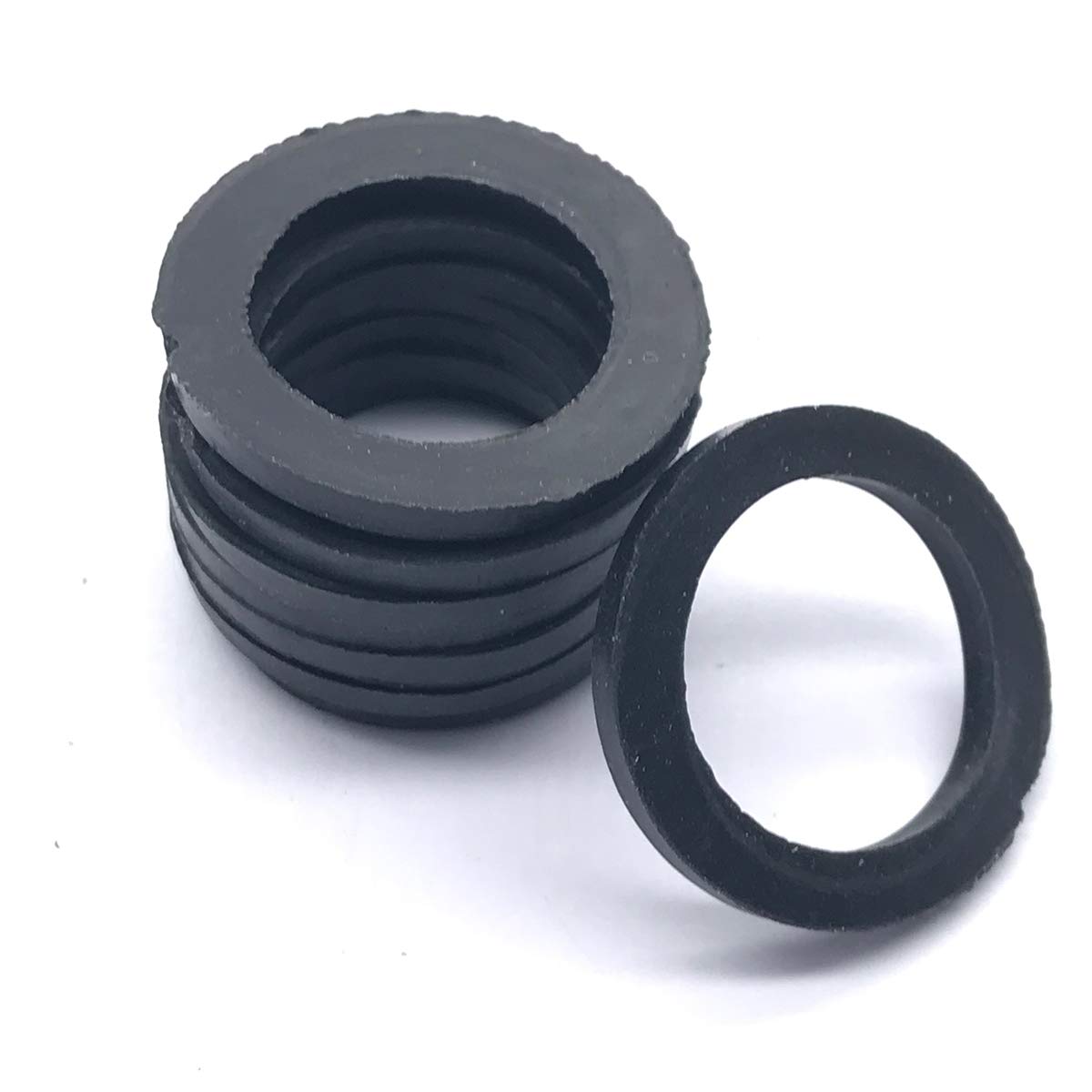
Drawing Analysis and Technical Evaluation
The customization process for industrial pond membranes begins with rigorous drawing analysis. At Suzhou Baoshida Trading Co., Ltd., engineering teams conduct a comprehensive review of customer-provided technical drawings, focusing on dimensional accuracy, structural integrity, and environmental exposure conditions. This phase includes evaluation of substrate compatibility, expected mechanical stress, UV resistance requirements, and chemical exposure profiles. Our engineers verify seam placement, edge reinforcement needs, and anchoring configurations to ensure optimal performance under real-world conditions. Any discrepancies or design inefficiencies are flagged and discussed with the client to refine specifications before material development commences.
Rubber Formulation and Material Engineering
Following drawing validation, our rubber formulation team develops a compound tailored to the operational environment of the pond membrane. Utilizing advanced polymer science, we select base elastomers such as EPDM, SBR, or butyl rubber depending on thermal stability, ozone resistance, and flexibility requirements. Additives including anti-oxidants, UV stabilizers, and reinforcing fillers are precisely blended to achieve target physical properties. The formulation is optimized for long-term submersion resistance, low permeability, and resistance to biological degradation. Each compound batch is traceable and tested for consistency in tensile strength, elongation at break, and hardness. This stage ensures the final product will maintain structural integrity over extended service life in demanding outdoor and aquatic environments.
Prototyping and Performance Validation
A functional prototype is produced using the approved formulation and design parameters. Prototyping allows for real-scale validation of weld integrity, seam strength, and deployment characteristics. The sample undergoes accelerated aging tests, hydrostatic pressure checks, and flex durability cycles in our in-house laboratory. Clients are provided with test data and physical samples for field evaluation. Feedback is incorporated into final adjustments, ensuring complete alignment with performance expectations. This phase minimizes risk and confirms manufacturability prior to full-scale production.
Mass Production and Quality Assurance
Once the prototype is approved, the project transitions to mass production. Our manufacturing facility employs automated calendering and vulcanization lines to ensure uniform thickness and consistent cross-linking density across large membrane sheets. Every production batch undergoes 100% visual inspection and random sampling for mechanical testing. Products are rolled, labeled, and packaged according to shipping and installation requirements, with full documentation provided for quality traceability.
Typical Physical Properties of Custom Pond Membranes
| Property | Test Method | Typical Value |
|---|---|---|
| Tensile Strength | ASTM D412 | ≥12 MPa |
| Elongation at Break | ASTM D412 | ≥450% |
| Hardness (Shore A) | ASTM D2240 | 55–65 |
| Tear Resistance | ASTM D624 | ≥40 kN/m |
| Water Vapor Transmission | ASTM E96 | ≤0.1 g/mm·m²·day |
| Low-Temperature Flexibility | ASTM D1329 | Pass at -40°C |
| Ozone Resistance | ASTM D1149 | No cracking after 100 hrs @ 50 pphm |
Contact Engineering Team
Technical Consultation for Industrial Pond Membrane Solutions
Suzhou Baoshida Trading Co., Ltd. specializes in engineered rubber formulations for critical containment applications, including high-performance pond membranes. Our industrial-grade solutions address the demanding requirements of water retention, chemical resistance, and structural integrity in agricultural, mining, and environmental remediation projects. Unlike generic liners, our membranes leverage proprietary polymer matrix optimization to withstand extreme UV exposure, temperature fluctuations, and substrate abrasion while maintaining impermeability over decades. As your OEM partner, we integrate material science with rigorous production protocols to deliver membranes that meet ASTM D5888, ISO 17357, and GRI-GM13 standards. This ensures compliance with global environmental regulations and minimizes lifecycle costs through extended service life.
Key Performance Specifications
The following table details the technical benchmarks of our flagship EPDM and HDPE-reinforced pond membranes, validated through third-party testing:
| Property | Test Standard | EPDM Membrane | HDPE-Reinforced Membrane |
|---|---|---|---|
| Tensile Strength (MPa) | ASTM D412 | ≥18.5 | ≥32.0 |
| Elongation at Break (%) | ASTM D412 | ≥550 | ≥450 |
| Puncture Resistance (N) | ASTM D4833 | ≥1,200 | ≥1,800 |
| Ozone Resistance (hrs) | ASTM D1149 | >300 | N/A |
| Chemical Resistance | ISO 175 | Excellent | Excellent |
| Service Temperature (°C) | ASTM D2136 | -45 to +135 | -60 to +80 |
These specifications reflect our commitment to precision engineering. The EPDM variant excels in flexibility and weathering resistance for irregular topographies, while the HDPE-reinforced option provides superior tensile stability for high-stress installations. Both formulations undergo 100% electrical spark testing and seam integrity verification per GRI GM-17, eliminating field failure risks. Our manufacturing facility in Suzhou operates under ISO 9001-certified processes, enabling batch traceability and custom thickness adjustments from 1.0mm to 3.0mm without compromising material homogeneity.
Partnering with Suzhou Baoshida means accessing end-to-end technical collaboration—from initial site assessment to post-installation support. We analyze your specific hydrological, chemical, and mechanical stressors to refine membrane composition, ensuring optimal adhesion to substrates and compatibility with ancillary components like geotextiles or anchoring systems. Our OEM framework accommodates volume scalability for large-scale infrastructure projects while maintaining consistent quality through automated extrusion lines and real-time rheological monitoring.
For immediate technical consultation or custom formulation development, contact Mr. Boyce, our dedicated OEM Manager and Rubber Formula Engineering Lead. With 15 years of experience in polymer chemistry for containment systems, Mr. Boyce will coordinate material testing, prototype validation, and seamless integration into your supply chain. Reach him directly at [email protected] to submit project specifications or request ASTM-compliant test reports. Include your target application parameters (e.g., pond depth, chemical exposure, installation climate) to accelerate solution design. Suzhou Baoshida guarantees a 24-hour technical response window for all engineering inquiries, ensuring your project timelines remain uncompromised. Trust our scientific rigor to transform containment challenges into engineered reliability.
⚖️ O-Ring Weight Calculator
Estimate rubber O-ring weight (Approx).