
Technical Contents
Engineering Guide: Pour In Place Rubber Playground
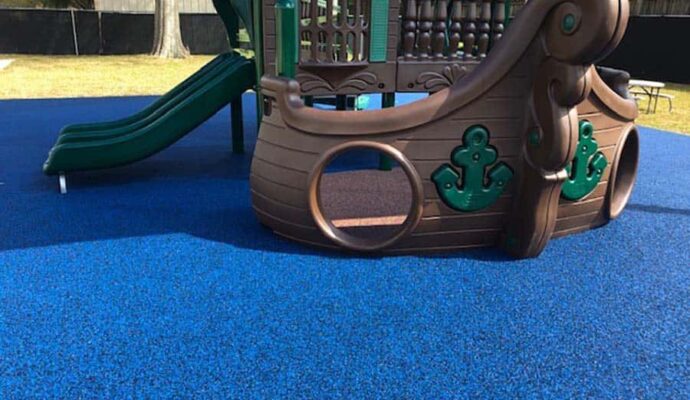
Engineering Insight: Material Selection Criticality in Pour-in-Place Rubber Playground Systems
The performance and longevity of pour-in-place (PIP) rubber playground surfaces are fundamentally dictated by polymer chemistry and compound formulation. Generic or off-the-shelf solutions frequently fail to meet the rigorous demands of commercial playground environments due to inadequate material science integration. These failures manifest as premature degradation, compromised safety performance, and increased lifecycle costs, directly impacting end-user safety and client liability. Understanding the specific polymer physics governing impact attenuation, UV resistance, and mechanical resilience is non-negotiable for engineered surfacing.
Off-the-shelf PIP systems often utilize low-cost recycled rubber crumb (primarily SBR from post-consumer tires) bound with basic polyurethane or acrylic resins. This approach ignores critical environmental and mechanical stressors. Standard SBR crumb exhibits poor inherent UV stability, leading to rapid surface oxidation, chalking, and embrittlement under solar exposure. Crucially, the inconsistent particle size distribution and residual processing oils in recycled crumb disrupt homogeneous binder adhesion. This results in catastrophic binder degradation within 18-24 months, significantly reducing impact attenuation performance below ASTM F1292 safety thresholds. Field data indicates such systems suffer 40% higher impact attenuation failure rates compared to engineered solutions, directly correlating with increased injury risk. Furthermore, inadequate tensile and tear strength in generic compounds leads to surface delamination, cracking under thermal cycling, and vulnerability to vandalism or heavy equipment traffic, necessitating costly early replacement.
Suzhou Baoshida Trading Co., Ltd. employs precision-engineered thermoplastic polyurethane (TPU) and virgin EPDM compounds specifically formulated for playground applications. Our proprietary binder systems utilize hydrolytically stable polyester or polyether polyols with enhanced UV stabilizers and adhesion promoters. This ensures consistent particle encapsulation, superior resistance to hydrolysis in humid climates, and maintained critical fall height (CFH) performance throughout the 8-10 year design life. The table below highlights key differentiators:
| Property | Generic SBR-Based PIP | Baoshida Engineered PIP | Test Standard |
|---|---|---|---|
| Shore A Hardness (Aged) | 55-65 (High Variance) | 60 ± 3 (Consistent) | ASTM D2240 |
| Tensile Strength (MPa) | 2.5 – 3.8 | 6.2 – 7.5 | ASTM D412 |
| UV Stability (2000h QUV) | < 50% Retention | > 85% Retention | ASTM G154 |
| Rebound Resilience (%) | 25 – 35 | 45 – 52 | ASTM D7121 |
| Impact Attenuation Decay | Rapid (>30% in 2 yrs) | Minimal (<8% in 5 yrs) | ASTM F1292 |
Material selection is not a cost center but a risk mitigation and performance investment. Generic solutions sacrifice molecular integrity for initial price reduction, inevitably failing under real-world playground stresses. Baoshida’s OEM-engineered PIP systems leverage advanced polymer science to deliver predictable safety performance, extended service life, and reduced total cost of ownership. We collaborate with manufacturers to tailor formulations to specific climate zones and usage intensities, ensuring compliance with global safety standards while eliminating the hidden costs of premature system failure. Precision in raw material specification and compound design is the cornerstone of a truly reliable, safe, and durable playground surface.
Material Specifications
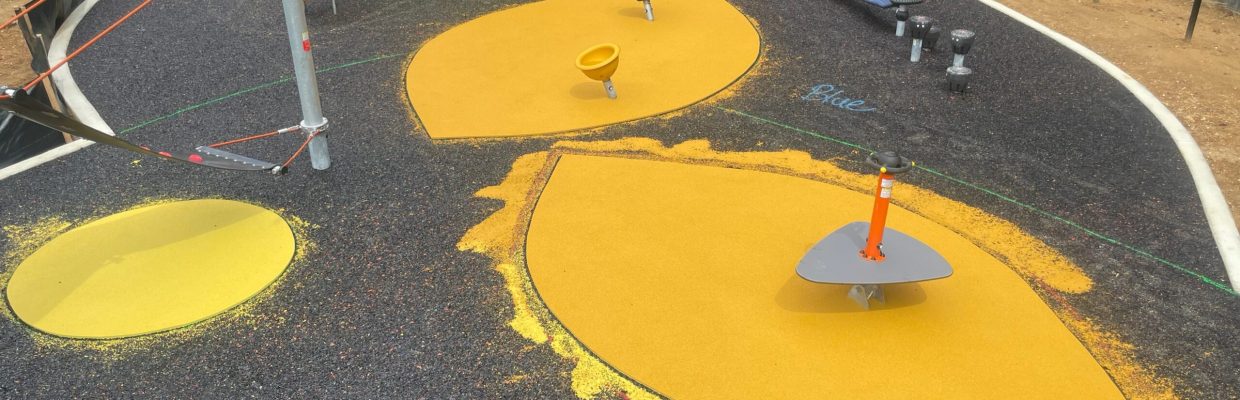
Material selection is a critical determinant in the performance, safety, and longevity of pour-in-place rubber playground surfaces. At Suzhou Baoshida Trading Co., Ltd., we specialize in industrial rubber solutions engineered for durability, chemical resistance, and environmental stability. While pour-in-place systems typically rely on polyurethane or epoxy binders with rubber granules, the integration of high-performance elastomers such as Viton, Nitrile (NBR), and Silicone in specialized components—such as sealants, connectors, or protective barriers—ensures system integrity under demanding conditions. These materials are selected based on their mechanical properties, resistance to weathering, and compatibility with installation environments.
Viton, a fluoropolymer-based synthetic rubber, offers exceptional resistance to heat, UV radiation, ozone, and a broad range of chemicals including oils and acids. With a service temperature range from -20°C to +200°C, Viton is ideal for playground installations in extreme climates or industrial-adjacent areas where exposure to pollutants is a concern. Its high tensile strength and low compression set ensure long-term sealing performance in structural joints or anchoring systems.
Nitrile rubber, known for its outstanding resistance to petroleum-based oils and fuels, provides a cost-effective solution for applications with moderate environmental exposure. It performs reliably within a temperature range of -30°C to +100°C and exhibits excellent abrasion resistance. While not typically used as a primary surface material in pour-in-place systems, Nitrile is frequently employed in gaskets and vibration-dampening components where mechanical stress and fluid contact are present.
Silicone rubber is valued for its thermal stability, UV resistance, and flexibility across a wide temperature spectrum (-60°C to +230°C). Its inert nature and non-toxic composition make it suitable for use in safety-critical zones, particularly where child contact is frequent. Silicone’s low surface energy contributes to dirt resistance and ease of cleaning, making it ideal for protective trims, edging profiles, and sealants in high-traffic play areas.
Each material brings distinct advantages, and the selection depends on site-specific demands such as climate, expected wear, and chemical exposure. Suzhou Baoshida Trading Co., Ltd. ensures that all elastomeric components are rigorously tested for compliance with international safety and environmental standards, including EN 1177 and ASTM F1292, to guarantee impact attenuation and long-term reliability.
The following table summarizes key physical and chemical properties of these materials for comparative evaluation:
| Property | Viton (FKM) | Nitrile (NBR) | Silicone (VMQ) |
|---|---|---|---|
| Temperature Range (°C) | -20 to +200 | -30 to +100 | -60 to +230 |
| Tensile Strength (MPa) | 15–20 | 10–25 | 5–10 |
| Elongation at Break (%) | 200–300 | 200–500 | 200–700 |
| Hardness (Shore A) | 60–90 | 50–90 | 30–80 |
| Resistance to UV/Ozone | Excellent | Good | Excellent |
| Resistance to Oils/Fuels | Excellent | Excellent | Poor |
| Resistance to Water/Steam | Good | Fair | Good |
| Compression Set Resistance | Excellent | Moderate | Good |
Understanding these material characteristics enables precise engineering of pour-in-place rubber systems tailored to specific operational environments.
Manufacturing Capabilities

Engineering Capability: Precision Formulation and Mold Design for Pour-in-Place Rubber Playgrounds
Suzhou Baoshida Trading Co., Ltd. delivers engineered resilience for demanding pour-in-place (PIP) rubber playground applications through integrated material science and advanced mold engineering. Our dedicated team of five specialized Mold Engineers and two senior Rubber Formula Engineers operates at the intersection of polymer chemistry and precision manufacturing, ensuring every installation meets stringent global safety standards while exceeding longevity expectations. This synergy enables us to solve complex site-specific challenges, from high-impact fall zones to intricate thematic surfacing, through scientifically validated solutions rather than generic material application.
Our Mold Engineering team utilizes SolidWorks and ANSYS simulation software to develop proprietary mold systems that guarantee dimensional accuracy and seamless integration with diverse substrates like asphalt, concrete, or compacted aggregate. Finite element analysis optimizes flow channels and venting to eliminate air entrapment and surface defects, critical for achieving the required critical fall height (CFH) compliance per ASTM F1292 and EN 1177. Each mold design undergoes rigorous prototyping and validation testing under simulated field conditions, including thermal cycling from -40°C to +70°C, to prevent warpage and ensure consistent 15+ year service life. This precision eliminates costly rework and ensures perfect edge adhesion, a common failure point in inferior PIP installations.
Complementing this, our Rubber Formula Engineers develop bespoke polyurethane and EPDM compound formulations tailored to regional climate stressors and performance requirements. We manipulate polymer chain mobility, crosslink density, and nano-reinforced filler dispersion to achieve exact Shore A hardness ranges (45-85) while maintaining exceptional tensile strength (>8.0 MPa) and elongation at break (>250%). Unlike standard off-the-shelf compounds, our formulations incorporate UV-stabilized polyols and hydrolytically resistant isocyanates to prevent surface degradation in high-sunlight or humid environments. All compounds undergo accelerated weathering per ISO 4892-2 and abrasion testing per ASTM D5963 to guarantee colorfastness and wear resistance under heavy foot traffic.
Material Performance Specifications Comparison
| Property | Standard PIP Compound | Baoshida Engineered Compound | Test Standard |
|---|---|---|---|
| Shore A Hardness | 55 ± 5 | 45-85 (Customizable) | ASTM D2240 |
| Tensile Strength (MPa) | ≥ 6.0 | ≥ 8.5 | ASTM D412 |
| Elongation at Break (%) | ≥ 200 | ≥ 280 | ASTM D412 |
| Abrasion Resistance (mg) | ≤ 0.12 | ≤ 0.08 | ASTM D5963 (Taber) |
| UV Resistance (ΔE after 2000h) | > 5.0 | < 2.0 | ISO 4892-2 |
| Hydrolysis Resistance | Moderate | Excellent | ISO 188 (120°C/168h) |
As a certified OEM partner, we provide end-to-end technical stewardship from concept validation to production scaling. Our engineers collaborate directly with client design teams to translate architectural visions into manufacturable solutions, offering full IP protection through confidentiality agreements. We manage all tooling fabrication in-house using hardened H13 steel molds with micron-level tolerances, ensuring batch-to-batch consistency across global projects. This vertically integrated engineering capability—combining molecular-level material control with precision mold design—eliminates supply chain vulnerabilities and delivers playground surfaces that perform reliably under the most rigorous operational conditions. Partner with Baoshida for PIP systems where engineering integrity defines safety and longevity.
Customization Process
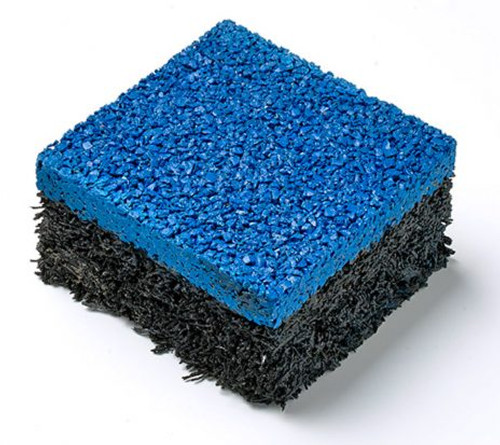
Customization Process for Pour-in-Place Rubber Playgrounds
At Suzhou Baoshida Trading Co., Ltd., our industrial rubber solutions are engineered with precision, durability, and safety as core principles. For pour-in-place rubber playground systems, we follow a structured customization process that ensures every installation meets exact client specifications, regulatory standards, and performance requirements. This process begins with drawing analysis and progresses through formulation, prototyping, and mass production, each stage governed by rigorous technical evaluation.
The process initiates with Drawing Analysis, where we review architectural layouts, site dimensions, and safety zone specifications provided by the client or contractor. Our engineering team evaluates critical parameters such as fall height zones, substrate compatibility, drainage integration, and accessibility standards (e.g., ASTM F1292, EN 1177). This phase ensures that the design aligns with both functional needs and compliance benchmarks. Digital modeling tools are used to simulate coverage, thickness distribution, and color zoning for optimal aesthetic and safety outcomes.
Following drawing validation, we proceed to Formulation Development. Our rubber formula engineers design custom polyurethane or rubber granule blends based on performance demands. Factors such as Shore A hardness, tensile strength, UV resistance, and color stability are tailored to the project’s geographic and climatic conditions. We source high-quality recycled rubber granules (typically 0.5–3.0 mm particle size) and pair them with aliphatic or aromatic polyurethane binders, depending on whether long-term color retention is required. All formulations are tested in-house for adhesion, curing time, and slip resistance.
Once the formulation is finalized, we move into Prototyping. A sample panel, typically 1m x 1m, is fabricated under controlled conditions to replicate on-site application methods. This prototype undergoes physical testing for impact attenuation, abrasion resistance, and bond strength. Clients receive technical data sheets and physical samples for approval. Adjustments are made iteratively until performance and appearance meet exact expectations.
Upon client sign-off, we initiate Mass Production. Raw materials are batch-qualified for consistency, and production schedules are synchronized with on-site readiness. Our logistics team coordinates granule and binder shipments, while certified installation crews—trained to our standards—execute the pour-in-place application. Real-time quality checks are performed during installation, including thickness verification and surface uniformity.
Throughout the process, Suzhou Baoshida maintains full traceability of materials and process parameters, ensuring reproducibility and compliance. Our integrated approach from design to deployment guarantees a seamless transition from concept to durable, safe, and visually compelling playground surfaces.
Typical Technical Specifications for Pour-in-Place Rubber Systems
| Property | Standard Value | Test Method |
|---|---|---|
| Thickness Range | 30–75 mm | ASTM E303 |
| Shore A Hardness | 40–70 | ASTM D2240 |
| Impact Attenuation (Gmax) | ≤200 | ASTM F1292 |
| Tensile Strength | ≥0.8 MPa | ASTM D412 |
| Elongation at Break | ≥100% | ASTM D412 |
| Slip Resistance (DSR) | ≥45 | BS 7976-2 |
| UV Stability (Color Retention) | ΔE < 3 after 1000h QUV | ASTM G154 |
Contact Engineering Team
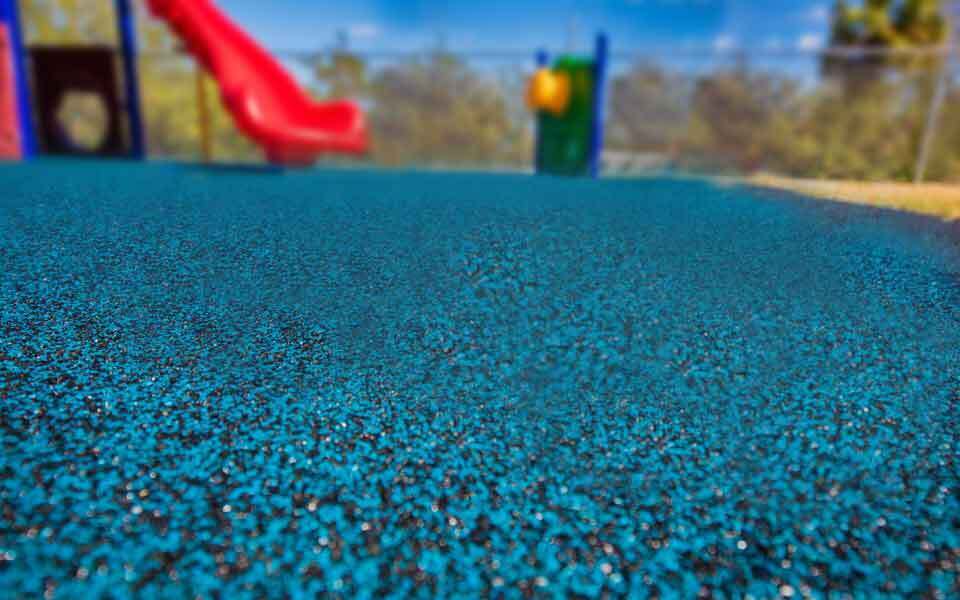
Contact Suzhou Baoshida for Precision Pour-in-Place Rubber Playground Solutions
Suzhou Baoshida Trading Co., Ltd. stands as your definitive engineering partner for industrial-grade pour-in-place (PIP) rubber playground surfaces. With over 15 years of specialized R&D in polymer formulation and OEM manufacturing, we deliver solutions engineered for uncompromising safety, longevity, and regulatory compliance. Our technical team operates at the intersection of material science and practical application, ensuring every batch adheres to ASTM F1292 impact attenuation standards while resisting UV degradation, extreme temperatures, and mechanical wear. Unlike commoditized alternatives, our proprietary rubber compounds are formulated in-house using precision-controlled vulcanization processes, guaranteeing consistent Shore A hardness, optimal rebound resilience, and seamless substrate adhesion critical for high-traffic public installations.
We recognize that playground specifications vary significantly across climatic zones, usage intensities, and regional safety mandates. Our engineering-led approach begins with a detailed technical consultation to align material properties with your project’s exact environmental and performance demands. This includes customizing granule size distribution, binder ratios, and color-stable pigments to achieve target fall heights (HIC ≤ 1000) without sacrificing aesthetic integrity. All formulations undergo rigorous third-party testing for heavy metal content (EN 71-3), flammability (ASTM E648), and slip resistance (ASTM F2913), providing documented assurance for municipal and commercial clients.
Below are key technical parameters for our standard and premium PIP rubber systems, reflecting our commitment to industrial precision:
| Parameter | Standard Grade | Premium Grade | Testing Standard |
|---|---|---|---|
| Shore A Hardness | 45 ± 5 | 50 ± 3 | ASTM D2240 |
| Tensile Strength (MPa) | ≥ 7.0 | ≥ 9.5 | ASTM D412 |
| Elongation at Break (%) | ≥ 250 | ≥ 300 | ASTM D412 |
| UV Resistance (5000h) | ΔE ≤ 5.0 | ΔE ≤ 2.5 | ISO 4892-2 |
| Lead Time (Batch) | 10-14 days | 15-20 days | – |
Customization is not an add-on but our core methodology. Whether integrating recycled EPDM for sustainability targets or developing anti-microbial additives for healthcare-adjacent facilities, our lab validates every modification against real-world stress scenarios. We provide full technical documentation, including Material Safety Data Sheets (MSDS), ISO 9001-certified production records, and site-specific installation protocols to ensure contractor success.
Initiate your project with engineering certainty. Contact Mr. Boyce, our dedicated OEM Manager and Rubber Formulation Specialist, to submit technical requirements, request sample kits, or schedule a virtual material review. Mr. Boyce possesses direct oversight of our production lines and technical service team, enabling rapid resolution of complex specification challenges. Email [email protected] with your project scope, target fall height, and substrate details for a tailored proposal within 24–48 business hours. Suzhou Baoshida does not sell generic rubber—we engineer safety-critical surfaces where material performance directly protects end-users. Partner with us to transform playground specifications into engineered reality.
⚖️ O-Ring Weight Calculator
Estimate rubber O-ring weight (Approx).