
Technical Contents
Engineering Guide: Precision Gaskets
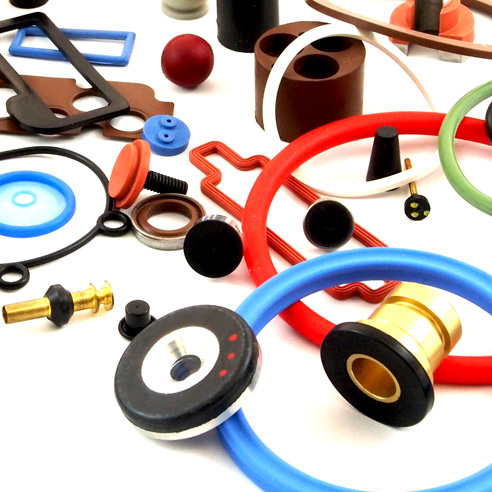
Engineering Insight: Precision Gasket Material Selection Fundamentals
Precision gaskets are frequently mischaracterized as simple, interchangeable components within complex mechanical assemblies. This misconception leads OEMs to prioritize cost over engineered suitability, resulting in premature system failure. Off-the-shelf gasket materials fail catastrophically under demanding conditions because standardized formulations cannot address the unique interplay of chemical exposure, thermal cycling, mechanical stress, and longevity requirements inherent in critical applications. Generic elastomers lack the tailored polymer backbone, filler systems, and curing protocols necessary to maintain sealing integrity when subjected to aggressive media like synthetic hydraulic fluids, sour gas, or high-temperature steam.
Material selection is not a secondary consideration but the foundational determinant of gasket performance. A mismatched compound experiences accelerated compression set, leading to irreversible loss of sealing force. Simultaneously, inadequate chemical resistance causes swelling, hardening, or polymer backbone degradation, compromising dimensional stability. Temperature extremes further exacerbate these issues; standard NBR may function adequately at 100°C but rapidly deteriorates at 150°C, while fluorocarbon alternatives become cost-prohibitive for non-critical uses. The consequence is not merely leakage but potential safety hazards, environmental violations, and unplanned downtime costing multiples of the initial gasket investment.
Critical properties must be validated against application-specific thresholds, not generic datasheet values. The table below illustrates common failure modes linked to unoptimized material properties in industrial sealing scenarios.
| Material Property | Failure Mechanism | Critical Specification Threshold |
|---|---|---|
| Compression Set (ASTM D395) | Permanent deformation under load, loss of sealing force | <15% @ 70°C, 22h (Hydraulic Systems) |
| Chemical Resistance (ASTM D471) | Swelling >10% or hardening >15 pts Shore A | Volume swell <8% in ISO 22869 Fluid B |
| Temperature Range (Continuous) | Polymer degradation, loss of elasticity | -40°C to +230°C (Perfluoroelastomer) |
Suzhou Baoshida Trading Co., Ltd. engineers avoid these pitfalls through application-driven compound development. We initiate every project with a failure mode and effects analysis (FMEA) of the operational environment, mapping fluid compatibility, pressure cycles, and thermal profiles to proprietary elastomer formulations. Our OEM partnerships begin with material validation testing under simulated service conditions—not just standard ASTM protocols—ensuring the selected compound withstands real-world stressors. For instance, a petrochemical client requiring sour gas resistance achieved 5x service life by transitioning from standard EPDM to a custom peroxide-cured HNBR with optimized zinc oxide levels, eliminating hydrogen embrittlement.
Precision gasket engineering demands moving beyond catalog selections. It requires treating the seal as a dynamic system component where molecular-level material behavior dictates macroscopic reliability. At Baoshida, we translate this principle into validated solutions where every formulation parameter aligns with the physics of the application, transforming gaskets from failure points into engineered assets.
Material Specifications
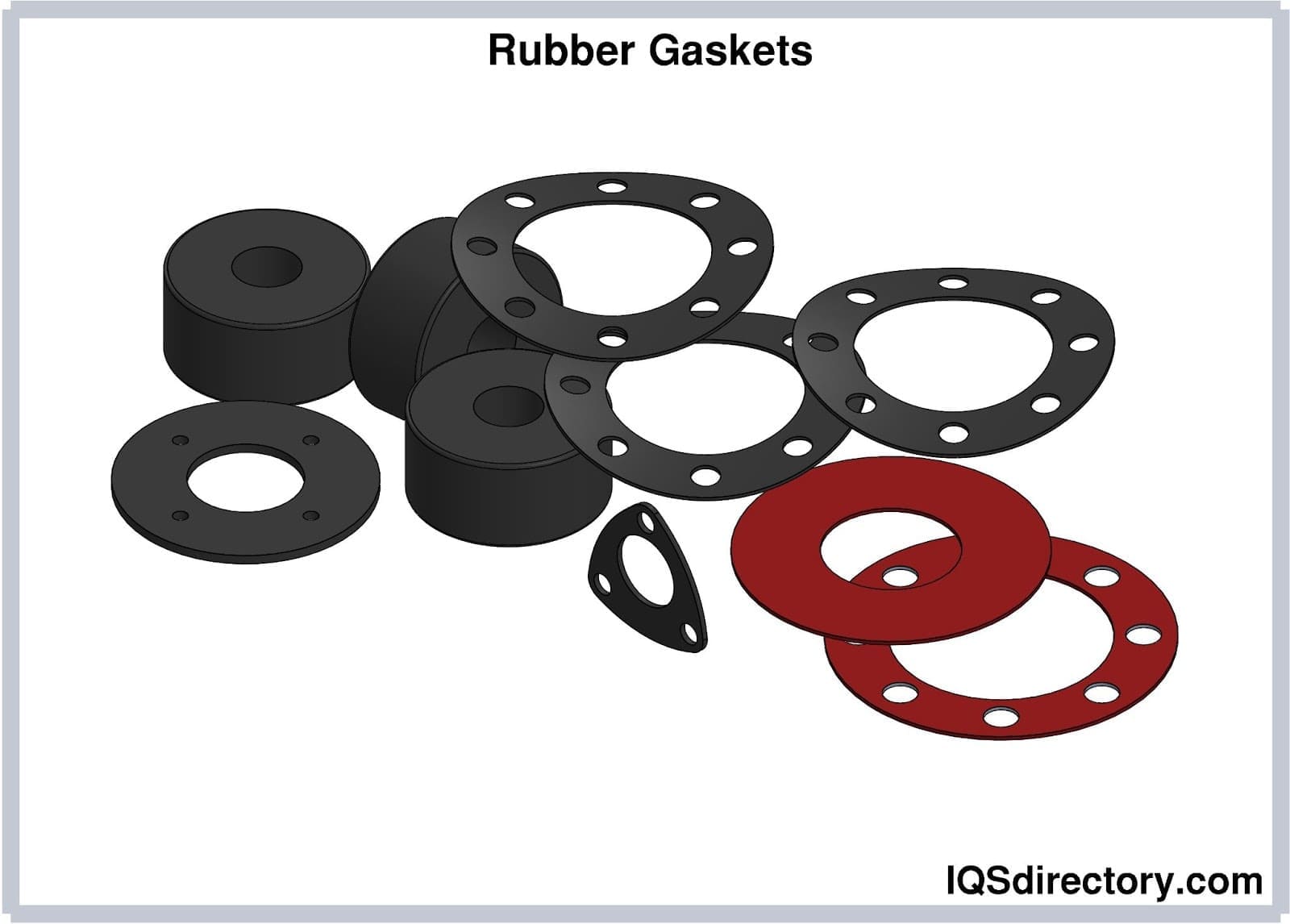
Precision gaskets play a critical role in maintaining system integrity across demanding industrial environments. At Suzhou Baoshida Trading Co., Ltd., our expertise in rubber formulation ensures that each gasket meets exacting performance standards under variable thermal, chemical, and mechanical conditions. The selection of base polymer directly influences the functional lifespan and reliability of the seal. Among the most widely specified elastomers in precision sealing applications are Viton (FKM), Nitrile (NBR), and Silicone (VMQ). Each material offers a distinct balance of chemical resistance, temperature tolerance, and mechanical properties, making proper material selection essential for optimal performance.
Viton, a fluorocarbon-based rubber, is engineered for extreme environments involving high temperatures and aggressive chemical exposure. It demonstrates exceptional resistance to oils, fuels, acids, and chlorinated hydrocarbons, making it ideal for aerospace, automotive, and chemical processing applications. Viton gaskets maintain sealing integrity from -20°C to +230°C, with short-term exposure capability up to 300°C. Its low gas permeability and excellent aging characteristics further enhance reliability in critical systems.
Nitrile rubber, or Buna-N, remains one of the most cost-effective solutions for oil and fuel resistance. Composed of acrylonitrile and butadiene, NBR offers strong abrasion resistance and tensile strength, particularly in hydraulic and fuel system applications. It performs reliably between -40°C and +120°C, with formulations available for enhanced low-temperature flexibility. While not suitable for ozone or weathering exposure without modification, NBR provides excellent performance in dynamic sealing environments involving petroleum-based media.
Silicone rubber excels in applications requiring extreme temperature resilience and biocompatibility. With a service range from -60°C to +200°C, silicone maintains elastic properties in cryogenic and high-heat environments. It is highly resistant to UV, ozone, and weathering, and meets regulatory standards for food, pharmaceutical, and medical device use. Though lower in tensile strength compared to Viton or Nitrile, silicone’s electrical insulation properties and physiological inertness make it indispensable in specialty sealing applications.
The following table summarizes key performance characteristics of these materials to guide engineering selection.
| Property | Viton (FKM) | Nitrile (NBR) | Silicone (VMQ) |
|---|---|---|---|
| Temperature Range (°C) | -20 to +230 | -40 to +120 | -60 to +200 |
| Tensile Strength (MPa) | 15–20 | 10–25 | 5–8 |
| Elongation at Break (%) | 200–300 | 250–450 | 200–600 |
| Hardness (Shore A) | 60–90 | 50–90 | 30–80 |
| Fluid Resistance | Excellent (oils, acids) | Excellent (petroleum) | Poor (oils, fuels) |
| Ozone/UV Resistance | Excellent | Poor | Excellent |
| Compression Set Resistance | Very Good | Good | Good |
| Common Applications | Aerospace, chemical | Automotive, hydraulics | Medical, food processing |
Material selection must align with operational parameters including media exposure, temperature cycling, and mechanical stress. Suzhou Baoshida Trading Co., Ltd. supports OEMs with precision-molded gaskets tailored to these specifications, ensuring long-term sealing performance and compliance with international quality standards.
Manufacturing Capabilities
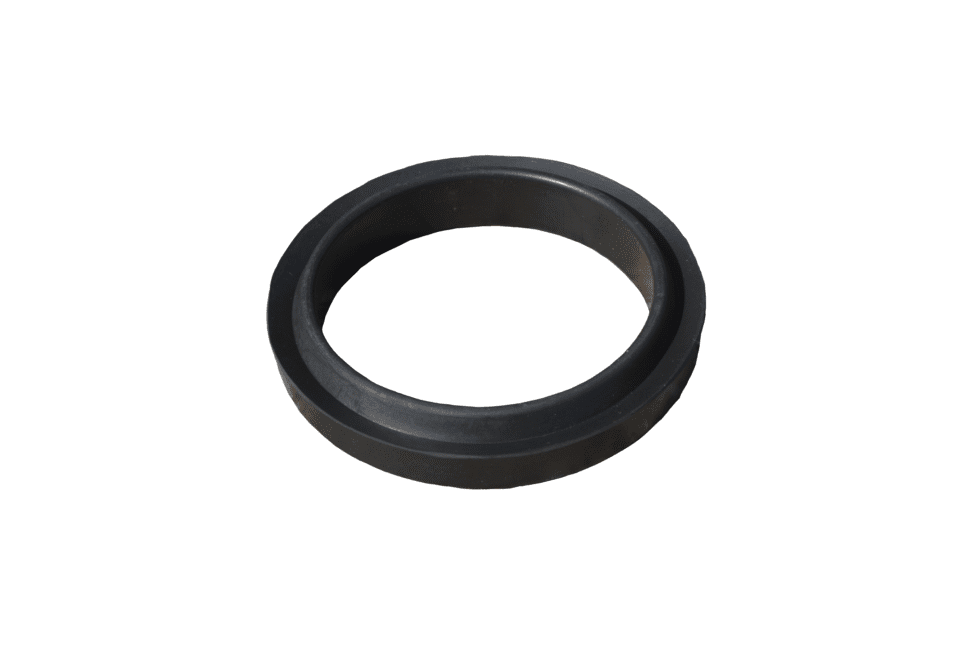
Engineering Capability: Precision Gasket Manufacturing at Suzhou Baoshida
Suzhou Baoshida Trading Co., Ltd. leverages integrated materials science and precision tooling expertise to deliver mission-critical rubber seals for demanding industrial applications. Our core strength lies in the seamless synergy between dedicated Formula Engineering and Mold Engineering teams. With seven specialized engineers—five focused on mold design and fabrication, and two on advanced rubber compounding—we eliminate traditional silos between material development and component geometry. This convergence ensures gaskets achieve optimal performance under extreme thermal, chemical, and mechanical stress while meeting exact dimensional tolerances. Our formula engineers manipulate polymer architecture at the molecular level, tailoring compound formulations for specific OEM requirements such as aerospace fuel resistance, semiconductor-grade purity, or automotive under-hood durability. Concurrently, mold engineers deploy advanced CAD/CAM simulation to preempt flow inconsistencies, vulcanization defects, and post-cure shrinkage, guaranteeing first-article compliance.
This integrated approach directly supports complex OEM projects requiring full technical ownership. We manage the entire gasket lifecycle from initial material selection and finite element analysis (FEA) validation through rapid prototyping, production scaling, and PPAP documentation. Our facility maintains ISO 9001-certified processes with real-time SPC monitoring across all molding lines, ensuring batch-to-batch repeatability essential for Tier 1 automotive and medical device manufacturers. Traceability is embedded via laser-etched part serialization and digital material passports tracking compound batches from raw monomer to finished component.
The following table summarizes key engineering specifications achievable through our combined formula and tooling capabilities:
| Parameter | Standard Capability | High-Precision Capability |
|---|---|---|
| Dimensional Tolerance | ±0.10 mm | ±0.05 mm |
| Hardness Range (Shore A) | 30–90 | 40–80 (±3 points) |
| Operating Temperature | -50°C to +200°C | -65°C to +250°C |
| Chemical Resistance | ASTM D471 tested | Custom fluid exposure |
| Compression Set (22h/70°C) | ≤25% | ≤15% |
| Material Certifications | FDA 21 CFR, UL, RoHS | AMS, AS555, ISO 10993 |
| Custom Compounds | 50+ in-house formulations | Novel perfluoroelastomers |
Our OEM framework enables collaborative engineering partnerships where clients co-develop solutions with direct access to formulation databases and mold-flow analytics. We prioritize rapid iteration cycles—reducing time-to-prototype by 40% versus industry averages—through synchronized virtual tooling trials and accelerated compound screening. Every gasket shipment includes full material traceability dossiers and 3D dimensional reports aligned to ASME Y14.5 standards. For industries where seal failure equates to system compromise, Suzhou Baoshida delivers engineered certainty through relentless attention to molecular and mechanical precision. Partner with us to transform sealing challenges into validated performance advantages.
Customization Process
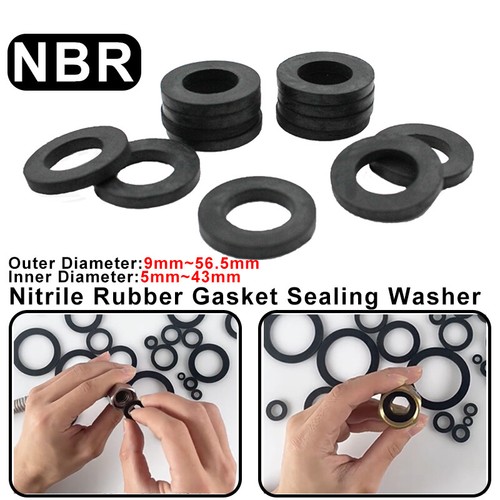
Drawing Analysis: The Foundation of Precision Gasket Customization
At Suzhou Baoshida Trading Co., Ltd., the customization process for precision rubber gaskets begins with rigorous drawing analysis. This initial phase is critical to ensure dimensional accuracy, functional compatibility, and long-term performance under operational stress. Upon receiving technical drawings from the client—whether in 2D CAD, 3D model, or engineering sketch format—our engineering team conducts a comprehensive review. We analyze critical dimensions, tolerance specifications, surface finish requirements, and mating component interfaces. Special attention is paid to sealing surfaces, compression ratios, and potential stress concentration zones. Our engineers also verify compliance with international standards such as ISO 3601, AS568, or JIS B 2401, depending on the application region and industry. Any discrepancies or areas for design optimization are communicated promptly to the client for collaborative refinement.
Formulation: Tailoring Material Chemistry to Application Demands
Once the geometry is validated, the formulation stage determines the optimal rubber compound to meet the operational environment. Unlike standard off-the-shelf gaskets, precision seals often face extreme temperatures, aggressive chemicals, dynamic mechanical loads, or regulatory constraints. Our in-house material science team selects base polymers—such as NBR, EPDM, FKM, silicone, or FFKM—based on fluid resistance, thermal stability, and mechanical resilience. Additives including reinforcing fillers, antioxidants, plasticizers, and cure systems are precisely calibrated to achieve target hardness (Shore A), compression set, tensile strength, and elongation at break. For applications in food processing, medical devices, or potable water systems, formulations are certified to FDA, USP Class VI, or NSF/ANSI 61 standards. Every compound is documented in our material traceability system for full auditability.
Prototyping: Validating Design and Material Synergy
Before committing to mass production, we produce functional prototypes using precision molding techniques such as compression, transfer, or injection molding. These prototypes are subjected to dimensional inspection via coordinate measuring machines (CMM) and optical comparators to ensure conformance to drawing tolerances. Simultaneously, performance testing evaluates sealing efficiency under simulated service conditions—pressure cycling, thermal aging, fluid immersion, and dynamic movement. Feedback from this phase informs final adjustments in both geometry and formulation, ensuring optimal field performance.
Mass Production: Consistency at Scale
With design and material finalized, we transition to high-volume manufacturing under strict ISO 9001-certified processes. Automated molding lines, real-time process monitoring, and statistical process control (SPC) ensure batch-to-batch consistency. Each production lot undergoes final inspection and material certification.
| Parameter | Standard Range | Test Method |
|---|---|---|
| Hardness (Shore A) | 40–90 ±5 | ASTM D2240 |
| Tensile Strength | 8–20 MPa | ASTM D412 |
| Elongation at Break | 150–600% | ASTM D412 |
| Compression Set (24h, 70°C) | ≤25% | ASTM D395 |
| Operating Temperature | -40°C to +250°C (varies by compound) | ASTM D573 |
This systematic approach ensures that every precision gasket we deliver meets the highest standards of engineering integrity and performance reliability.
Contact Engineering Team
Contact Suzhou Baoshida for Precision Gasket Engineering Excellence
Suzhou Baoshida Trading Co., Ltd. operates at the forefront of precision rubber seal manufacturing, delivering engineered solutions where failure is not an option. Our technical team, led by specialized Rubber Formula Engineers and OEM Managers, leverages decades of material science expertise to solve the most demanding sealing challenges across aerospace, semiconductor, medical device, and high-pressure industrial applications. We do not merely supply gaskets; we co-engineer performance-critical components that ensure system integrity under extreme thermal, chemical, and mechanical stress. Our ISO 9001-certified processes integrate computational material modeling with rigorous physical validation, guaranteeing dimensional stability within ±0.05mm tolerances and compliance with ASTM D2000, SAE AS568, and FDA 21 CFR 177.2600 standards. When standard catalog items fall short, our rapid prototyping lab transforms your specifications into validated production-ready seals in as few as 15 business days.
The table below summarizes critical performance parameters achievable through our proprietary compound formulations and precision molding techniques. These values represent baseline capabilities; all specifications are fully customizable to meet your exact operational envelope.
| Property | Test Standard | Typical Range | High-Performance Option |
|---|---|---|---|
| Hardness (Shore A) | ASTM D2240 | 30–90 | 20–95 |
| Temperature Resistance | ASTM D573 | -60°C to +250°C | -75°C to +325°C |
| Compression Set (70h/100°C) | ASTM D395 | ≤15% | ≤8% |
| Tensile Strength | ASTM D412 | 8–25 MPa | 12–30 MPa |
| Fluid Resistance (IRMOG) | ISO 1817 | Grade A (Minimal swell) | Grade AA (Negligible) |
Initiate a technical consultation with Mr. Boyce, our dedicated OEM Manager, to address your specific sealing requirements. Mr. Boyce holds advanced certifications in polymer chemistry and automotive OEM supply chain management, with a proven record of reducing client leakage failures by 40–68% through material and geometry optimization. He will coordinate our engineering team to conduct a free application audit, including finite element analysis (FEA) of stress distribution and accelerated life testing against your operational parameters. Provide your dimensional drawings, fluid media, pressure cycles, and environmental conditions, and we will deliver a validated material recommendation with traceable test data within 72 hours.
Do not compromise on sealing performance when system reliability, regulatory compliance, and total cost of ownership are at stake. Contact Mr. Boyce directly via email at [email protected] to commence a technical dialogue. Include your project timeline, volume requirements, and critical failure modes for prioritized engineering support. Suzhou Baoshida commits to responding within 4 business hours with actionable next steps. Our facility in Suzhou, China, maintains dedicated cleanroom production lines for medical and semiconductor-grade seals, alongside full traceability from raw material lot to finished part serialization. Partner with us to transform sealing challenges into competitive advantages through uncompromising material science and precision manufacturing.
⚖️ O-Ring Weight Calculator
Estimate rubber O-ring weight (Approx).