
Technical Contents
Engineering Guide: Protect Floor
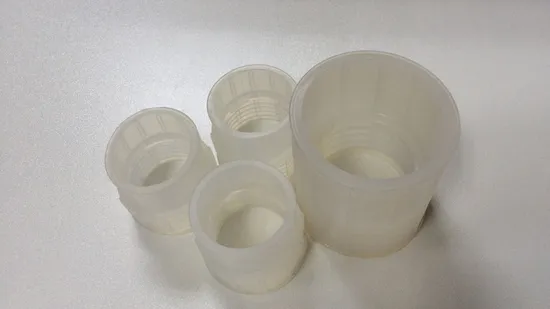
Engineering Insight: protect floor – The Critical Role of Material Selection in Industrial Floor Protection
In industrial environments, floor protection is not merely a matter of surface preservation—it is a strategic engineering decision that directly impacts operational safety, equipment longevity, and maintenance efficiency. At Suzhou Baoshida Trading Co., Ltd., we emphasize that material selection is the cornerstone of effective floor protection. Off-the-shelf rubber floor mats and generic protective sheets frequently fail under real-world industrial conditions due to a fundamental mismatch between material properties and operational demands.
Standard commercial-grade rubber products are typically formulated for light-duty applications such as gym floors or retail spaces. These materials lack the chemical resistance, mechanical strength, and thermal stability required in manufacturing plants, automotive workshops, or chemical processing units. When exposed to hydraulic oils, solvents, heavy rolling loads, or temperature fluctuations, conventional rubber degrades rapidly—leading to cracking, swelling, or delamination. This not only compromises floor integrity but also introduces slip hazards and increases downtime for replacement.
In contrast, engineered rubber solutions are designed with precise compound formulations tailored to specific industrial stressors. The selection of base polymers—such as EPDM, Nitrile (NBR), or Neoprene—dictates performance characteristics. For example, NBR is preferred in oil-rich environments due to its superior resistance to hydrocarbons, while EPDM excels in UV and ozone resistance, making it ideal for outdoor or high-exposure areas. Reinforcement with fabric or steel inserts further enhances tensile strength and dimensional stability under dynamic loads.
Another critical factor is hardness, measured on the Shore A scale. A material that is too soft will deform under heavy equipment, while one that is too rigid may crack under impact or fail to conform to uneven substrates. Optimal hardness must be balanced with elasticity to ensure long-term resilience.
Below is a comparison of key rubber materials used in industrial floor protection:
| Material | Hardness (Shore A) | Tensile Strength (MPa) | Oil Resistance | Temperature Range (°C) | Typical Application |
|---|---|---|---|---|---|
| Nitrile (NBR) | 60–75 | 12–18 | Excellent | -30 to +100 | Automotive, machinery areas |
| EPDM | 50–70 | 10–15 | Moderate | -50 to +130 | Outdoor, weather-exposed zones |
| Neoprene | 55–70 | 13–17 | Good | -40 to +120 | Electrical, moderate chemical zones |
| Natural Rubber | 45–65 | 18–25 | Poor | -20 to +80 | High-impact, non-chemical areas |
The failure of off-the-shelf solutions often stems from a one-size-fits-all approach that ignores these technical variables. True floor protection requires a diagnostic assessment of load type, chemical exposure, temperature cycles, and surface geometry. At Suzhou Baoshida, we apply OEM-level material science to deliver custom rubber flooring systems that perform reliably under exact operational conditions—ensuring protection that lasts, reduces lifecycle costs, and supports uninterrupted productivity.
Material Specifications
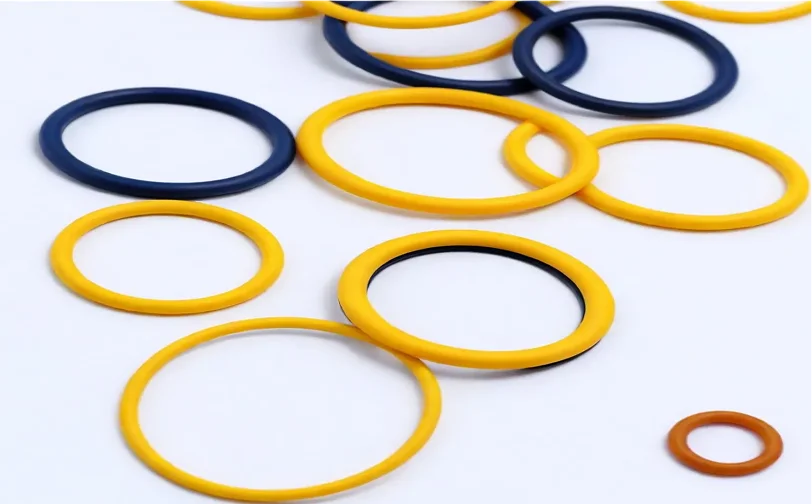
Material Specifications for Industrial Floor Protection Systems
Suzhou Baoshida Trading Co., Ltd. provides engineered rubber solutions for industrial floor protection, specifically designed to withstand chemical exposure, thermal stress, and mechanical wear in manufacturing environments. This section details critical specifications for Viton (FKM), Nitrile (NBR), and Silicone—three premier elastomers selected for their performance in demanding OEM applications. Clarification is essential: “protect floor” here refers to chemical/thermal barrier systems for industrial flooring substrates, not architectural flooring. These materials form resilient membranes or mats that prevent degradation from oils, solvents, acids, and extreme temperatures, ensuring facility safety and operational continuity.
Viton (Fluoroelastomer, FKM) delivers exceptional resistance to aggressive chemicals, including aromatic hydrocarbons, chlorinated solvents, and strong acids. Its molecular stability supports continuous service temperatures from -20°C to 250°C, with intermittent peaks up to 300°C. Viton maintains integrity in high-pressure steam and ozone-rich environments, making it ideal for semiconductor, aerospace, and chemical processing facilities. However, its high fluorine content increases material cost and limits flexibility at sub-zero temperatures. Standard hardness ranges from 60 to 90 Shore A, with tensile strength typically 10–15 MPa.
Nitrile (NBR) remains the industry standard for oil and fuel resistance due to its acrylonitrile-butadiene copolymer structure. It operates effectively between -40°C and 120°C, with specialty grades extending to 150°C. NBR excels in hydraulic systems, automotive plants, and machinery zones exposed to petroleum derivatives, offering abrasion resistance and moderate cost efficiency. Hardness spans 40–90 Shore A, while tensile strength reaches 15–20 MPa. Key limitations include poor resistance to ozone, ketones, and chlorinated solvents, necessitating protective coatings in outdoor or highly oxidative settings.
Silicone (VMQ) provides unmatched thermal stability from -60°C to 230°C and exceptional flexibility across this range. Its inorganic backbone ensures resilience against UV radiation, ozone, and steam, suiting cleanrooms, food processing, and high-heat assembly lines. Silicone’s biocompatibility meets FDA/USP Class VI standards, though its low tensile strength (5–8 MPa) and poor resistance to concentrated acids limit use in high-abrasion or aggressive chemical zones. Standard hardness is 30–80 Shore A, with formulations optimized for tear resistance in critical applications.
The following table summarizes comparative specifications for OEM selection:
| Property | Viton (FKM) | Nitrile (NBR) | Silicone (VMQ) |
|---|---|---|---|
| Temperature Range (°C) | -20 to 250 | -40 to 120 | -60 to 230 |
| Chemical Resistance | Aromatic hydrocarbons, acids, solvents | Oils, fuels, aliphatic hydrocarbons | Ozone, UV, steam, weak acids |
| Hardness Range (Shore A) | 60–90 | 40–90 | 30–80 |
| Tensile Strength (MPa) | 10–15 | 15–20 | 5–8 |
| Key Limitations | Poor low-temp flexibility; high cost | Degrades in ozone/ketones; limited acid resistance | Low abrasion resistance; weak against strong acids |
| OEM Application Notes | Semiconductor wet benches; chemical transfer lines | Hydraulic seals; oil-handling facilities | Cleanroom flooring; food-grade conveyor mats |
For optimal OEM integration, material selection must align with fluid exposure profiles, thermal cycles, and mechanical stress factors. Viton is recommended for extreme chemical duty despite cost premiums, NBR for cost-sensitive oil resistance, and Silicone for wide-temperature flexibility where chemical exposure is controlled. Suzhou Baoshida’s technical team validates all formulations against ASTM D2000 and ISO 37 standards to ensure compliance with global industrial safety protocols. Contact our engineering department for application-specific compound tailoring.
Manufacturing Capabilities
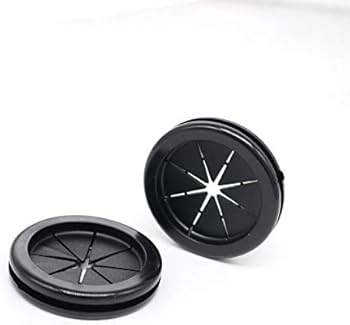
Engineering Capability: Precision-Driven Rubber Solutions for Industrial Floor Protection
At Suzhou Baoshida Trading Co., Ltd., our engineering capability forms the backbone of our industrial rubber solutions, specifically engineered for high-performance floor protection applications. With a dedicated team of five experienced mould engineers and two specialized rubber formula engineers, we deliver technically advanced, application-specific products that meet the rigorous demands of modern industrial environments. Our integrated engineering approach ensures that every component — from material composition to final mould design — is optimized for durability, load-bearing performance, and resistance to abrasion, chemicals, and impact.
Our mould engineering team employs advanced CAD/CAM software and finite element analysis (FEA) to design precision tooling that ensures dimensional accuracy and consistent part quality. Each mould is developed with lifecycle efficiency in mind, supporting high-volume production while minimizing wear and maintenance. This technical rigor is especially critical in floor protection systems, where uniform thickness, interlocking precision, and edge integrity directly influence performance under heavy machinery and dynamic loads.
Complementing our mould expertise, our two in-house rubber formula engineers specialize in elastomer science, focusing on custom compound development for industrial-grade resilience. They formulate rubber blends using natural rubber (NR), styrene-butadiene rubber (SBR), ethylene propylene diene monomer (EPDM), and nitrile rubber (NBR), tailored to specific client requirements such as oil resistance, UV stability, static dissipation, or extreme temperature tolerance. These formulations are validated through accelerated aging tests, Shore hardness calibration, and tensile strength analysis to ensure long-term performance in demanding environments.
Our OEM capabilities enable seamless collaboration with industrial partners seeking private-label or custom-engineered floor protection solutions. We support full project lifecycle management — from concept and material selection to prototyping, validation, and serial production. Clients benefit from our vertical integration, which allows rapid iteration and strict quality control across all stages of manufacturing.
The following table outlines key technical specifications achievable through our engineering and formulation expertise:
| Property | Standard Range | Test Method |
|---|---|---|
| Hardness (Shore A) | 40–90 | ASTM D2240 |
| Tensile Strength | 8–25 MPa | ASTM D412 |
| Elongation at Break | 200–600% | ASTM D412 |
| Compression Set (22 hrs, 70°C) | ≤25% | ASTM D395 |
| Operating Temperature Range | -40°C to +120°C | Internal Testing |
| Abrasion Loss (DIN 53516) | ≤120 mm³ | DIN 53516 |
| Oil Resistance (Volume Swell, IRM 903, 24 hrs, 23°C) | 10–50% | ASTM D471 |
Through the synergy of advanced mould design and scientific rubber formulation, Suzhou Baoshida delivers engineered floor protection systems that combine structural integrity with long-term environmental resistance. Our OEM framework ensures flexibility, confidentiality, and technical ownership for partners across logistics, manufacturing, and warehousing sectors.
Customization Process
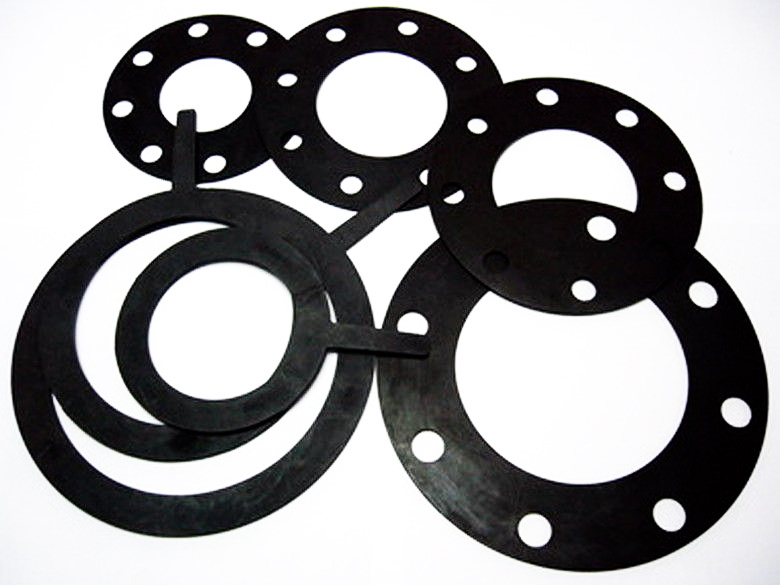
Customization Process for Industrial Floor Protection Solutions
At Suzhou Baoshida Trading Co., Ltd., our OEM customization process for industrial floor protection systems follows a rigorously defined sequence to ensure technical precision and operational reliability. This methodology transforms client specifications into high-performance rubber products capable of withstanding extreme mechanical stress, chemical exposure, and dynamic load conditions.
The process initiates with Drawing Analysis, where our engineering team conducts a granular review of client-provided technical schematics. We validate dimensional tolerances, surface texture requirements, and critical stress points using CAD cross-referencing and finite element analysis (FEA). This phase identifies potential design conflicts early—such as inadequate flex zones for heavy machinery movement or insufficient edge reinforcement—preventing costly revisions during production. All deviations are documented with ISO-compliant markup protocols before proceeding.
Subsequently, Formulation Engineering commences based on the validated design parameters and environmental exposure data. Our rubber compounding laboratory tailors polymer matrices using SBR, EPDM, or specialty nitrile blends, adjusting sulfur vulcanization systems, filler ratios (e.g., silica vs. carbon black), and anti-degradant packages. For instance, oil-resistant formulations for automotive workshops incorporate 35–40% acrylonitrile nitrile rubber with zinc oxide modifiers, while high-impact warehouse floors utilize peroxide-cured EPDM for tear strength exceeding 35 kN/m. Each compound undergoes predictive modeling for compression set, abrasion loss, and thermal stability per ASTM D2240/D412 standards.
Prototyping validates theoretical formulations through physical iteration. We produce 3–5 sample batches using client-specified tooling, subjecting them to accelerated aging protocols (70°C for 72 hours), dynamic load testing (250 kN/m² cyclic pressure), and chemical immersion trials. Critical metrics like Shore A hardness retention and elongation-at-break are measured against baseline targets. Client feedback on prototype performance triggers micro-adjustments—such as increasing paraffinic oil content by 2–3 phr to enhance low-temperature flexibility—before final sign-off.
Upon approval, Mass Production leverages our ISO 9001-certified facility with real-time process control. Rubber batches are mixed in Banbury systems with ±0.5°C temperature precision, while extrusion presses maintain ±0.3 mm dimensional accuracy. Every 500 units undergo automated inline testing for durometer consistency and visual defects. Final inspection includes batch traceability via laser-etched lot codes and third-party certification dossiers for CE, REACH, and OSHA compliance.
Key performance specifications for standard industrial floor protection mats are maintained across all production runs as follows:
| Parameter | Target Range | Test Standard | Critical Application Impact |
|---|---|---|---|
| Shore A Hardness | 65–75 | ASTM D2240 | Load distribution & slip resistance |
| Tensile Strength | ≥15 MPa | ASTM D412 | Resistance to tearing under equipment |
| Abrasion Loss | ≤120 mm³ | ISO 4649 | Longevity in high-traffic zones |
| Oil Resistance (IRMOG) | Volume swell ≤20% | ASTM D471 | Performance in lubricant exposure |
| Compression Set (22h) | ≤25% | ASTM D395 | Recovery after sustained heavy loads |
This end-to-end customization framework ensures Suzhou Baoshida delivers floor protection solutions engineered for exact operational demands—not merely manufactured to nominal specifications. Our OEM partnership model integrates client feedback loops at each phase, guaranteeing that final products achieve measurable reductions in workplace downtime and lifecycle costs.
Contact Engineering Team
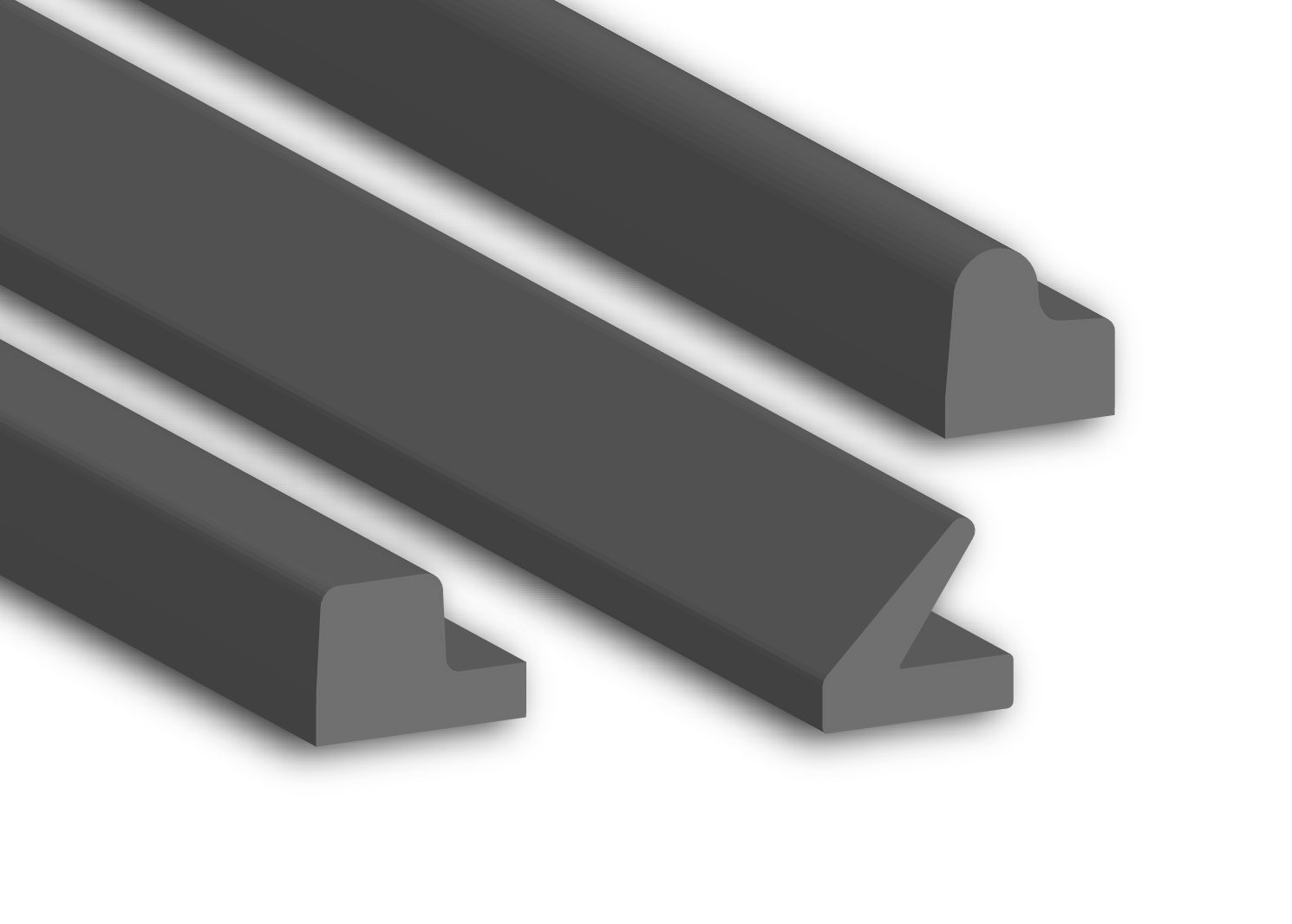
For industrial facilities where floor protection is critical to operational efficiency and safety, selecting the right rubber-based solution is not a matter of preference—it is a technical necessity. At Suzhou Baoshida Trading Co., Ltd., we specialize in high-performance industrial rubber products engineered to withstand extreme mechanical stress, chemical exposure, thermal fluctuations, and continuous wear. Our protect floor systems are developed using precision compounding techniques and tested under real-world industrial conditions to ensure longevity, resilience, and compliance with international standards.
Our engineered rubber flooring solutions are formulated for applications in heavy machinery zones, logistics hubs, automotive assembly lines, and chemical processing environments. Each product is tailored to meet specific load-bearing requirements, slip resistance ratings, and environmental compatibility. Whether you require anti-fatigue matting for operator stations or heavy-duty rubber rolls for equipment protection, our formulations deliver consistent performance across diverse operational parameters.
We understand that no two industrial environments are identical. That is why we offer fully customizable protect floor solutions, from Shore hardness adjustments and thickness variations to color coding and surface texture modifications. Our technical team works directly with OEMs, facility managers, and engineering consultants to assess site-specific challenges and deliver rubber systems optimized for durability, installation efficiency, and lifecycle cost reduction.
To ensure seamless integration into your existing infrastructure, we provide comprehensive technical documentation, material safety data sheets (MSDS), and performance validation reports. Our quality control protocols follow ISO 9001 standards, with batch traceability and third-party certification available upon request.
For immediate technical consultation or product specification support, contact Mr. Boyce, OEM Manager and Rubber Formula Engineer at Suzhou Baoshida Trading Co., Ltd. Mr. Boyce leads our industrial rubber solutions division and brings over 12 years of experience in elastomer formulation and industrial application engineering. He is available to review your project requirements, recommend optimal material configurations, and coordinate sample submissions or on-site evaluations.
Reach out directly via email at [email protected] to initiate a technical dialogue. Include details such as intended application, environmental conditions, expected load profiles, and dimensional requirements to accelerate the evaluation process. We respond to all inquiries within 4 business hours and offer multilingual support for global clients.
Below are key technical specifications for our standard protect floor product series:
| Property | Value | Test Method |
|---|---|---|
| Hardness (Shore A) | 60–85 | ASTM D2240 |
| Tensile Strength | ≥12 MPa | ASTM D412 |
| Elongation at Break | ≥250% | ASTM D412 |
| Compression Set (70°C, 22h) | ≤25% | ASTM D395 |
| Abrasion Loss | ≤120 mm³ | DIN 53516 |
| Operating Temperature Range | -40°C to +100°C | Internal Protocol |
| Slip Resistance (DIN 51130, R11) | Yes | DIN 51130 |
| Chemical Resistance | Oils, greases, weak acids/bases | ASTM F1448 |
Partner with Suzhou Baoshida for technically validated, industrially proven rubber floor protection systems. Initiate your project with expert formulation guidance—contact Mr. Boyce today.
⚖️ O-Ring Weight Calculator
Estimate rubber O-ring weight (Approx).