
Technical Contents
Engineering Guide: Protective Case With Foam
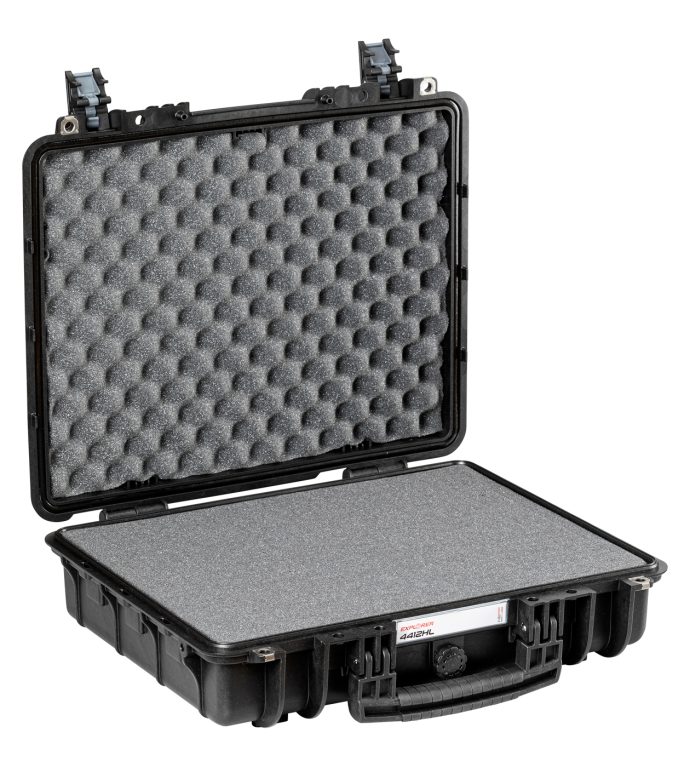
Engineering Insight: The Critical Role of Material Selection in Protective Cases with Foam
In industrial applications, protective cases with foam inserts are not merely containers—they are engineered systems designed to preserve the integrity of sensitive equipment during transport, storage, and operation. At Suzhou Baoshida Trading Co., Ltd., we emphasize that material selection is the cornerstone of performance, reliability, and longevity in these systems. Off-the-shelf solutions often fail because they prioritize cost and availability over the specific mechanical, thermal, and chemical demands of real-world environments.
Standard foam-in-case products typically utilize polyethylene (PE) or polyurethane (PU) foams with generic hardness and density values. While adequate for light-duty packaging, these materials lack the tailored resilience required for industrial instrumentation, medical devices, or aerospace components. For instance, low-density PE foam may compress permanently under repeated load, leading to inadequate shock absorption. Similarly, open-cell PU foams can absorb moisture, degrading both cushioning performance and hygiene compliance.
The failure of generic solutions becomes evident under dynamic stress conditions. Vibration, thermal cycling, and impact loads require foams with precise closed-cell structures, controlled compression set, and high energy return. At Baoshida, we utilize ethylene propylene diene monomer (EPDM), silicone rubber, and cross-linked polyethylene (XLPE) foams—materials selected for their stability across extreme temperatures (-40°C to +150°C), resistance to UV and ozone degradation, and minimal outgassing in sealed enclosures.
Equally critical is the interaction between foam and the housing material. Injection-molded polycarbonate or ABS cases must be paired with foams that bond securely and resist delamination. Poor interfacial adhesion leads to internal shifting, reducing protection efficiency. Our engineering approach integrates substrate compatibility testing, ensuring that adhesive primers and foam formulations are co-optimized.
Below is a comparison of common foam materials used in industrial protective cases, highlighting key performance parameters:
| Material | Density (kg/m³) | Compression Set (%) @ 50% Load, 22h, 70°C | Temperature Range (°C) | Key Advantages | Typical Use Cases |
|---|---|---|---|---|---|
| Polyethylene (PE) | 25–100 | 20–40 | -40 to +80 | Low cost, good impact resistance | General packaging, light tools |
| Polyurethane (PU) | 30–120 | 40–70 | -30 to +110 | High energy absorption | Electronics, consumer goods |
| Cross-linked PE (XLPE) | 30–150 | 10–25 | -40 to +110 | Excellent rebound, low water absorption | Automotive, military gear |
| EPDM Rubber Foam | 80–180 | 15–30 | -40 to +150 | Superior weather and heat resistance | Outdoor telecom, industrial sensors |
| Silicone Foam | 100–200 | 10–20 | -60 to +200 | Extreme temperature stability, low toxicity | Aerospace, medical devices |
Custom engineering of foam properties—cell structure, hardness (Shore 00 scale), and thickness—ensures optimal load distribution and vibration damping. This precision prevents micro-movement and fatigue failure in delicate components.
In conclusion, protective performance cannot be commoditized. Off-the-shelf cases fail because they ignore the physics of real-world stress. At Baoshida, we apply rubber science and OEM collaboration to deliver solutions where every material choice serves a functional purpose—protecting value, performance, and safety.
Material Specifications
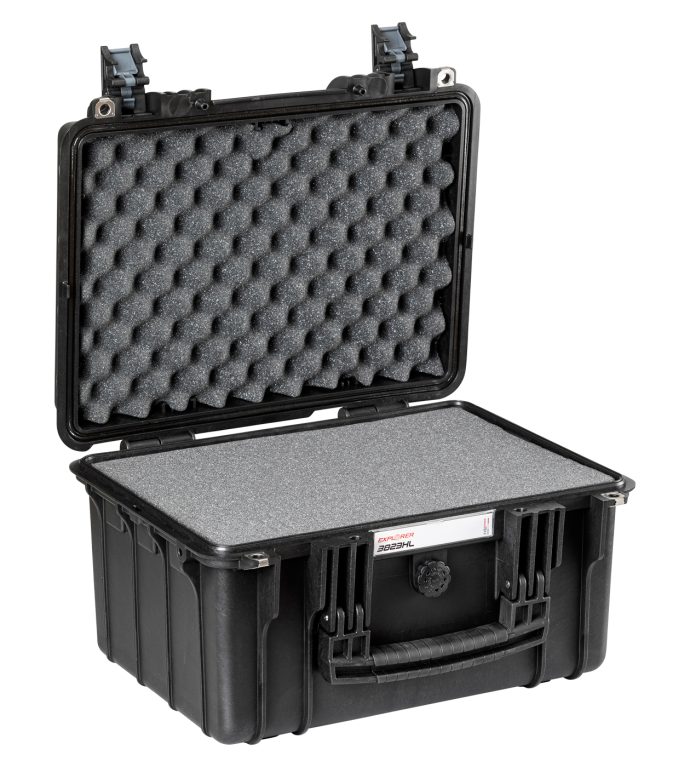
Material Specifications for Protective Cases with Foam Liners
Selecting the appropriate elastomer for protective case housings is critical when integrating foam liners for impact absorption and environmental sealing. At Suzhou Baoshida Trading Co., Ltd., we engineer solutions where the outer case material must synergize with the foam insert to withstand operational stresses while maintaining dimensional stability. Viton, Nitrile, and Silicone represent three high-performance elastomers with distinct properties for industrial applications. Each material’s chemical composition dictates its compatibility with oils, solvents, temperature extremes, and compression set behavior—all factors directly influencing the foam liner’s long-term efficacy.
Viton (FKM) excels in aerospace and chemical processing environments due to its exceptional resistance to aggressive fuels, acids, and chlorinated solvents. Its operating range spans -20°C to 230°C, maintaining integrity where lesser elastomers degrade. Viton’s low gas permeability ensures foam liners remain uncontaminated in vacuum or high-pressure scenarios. However, its high cost necessitates strategic deployment only where chemical exposure justifies the investment. Compression set values typically remain below 20% after 70 hours at 200°C, preserving seal force critical for foam retention.
Nitrile (NBR) offers optimal balance for cost-sensitive industrial applications involving petroleum-based fluids. With a functional range of -30°C to 120°C, it provides robust resistance to hydraulic oils, greases, and aliphatic hydrocarbons. Its moderate compression set (25–35% at 100°C) ensures adequate foam cavity sealing in tool cases or automotive component packaging. While inferior to Viton in extreme chemical resistance, NBR’s abrasion resistance and tensile strength (15–25 MPa) protect foam liners from mechanical damage during handling.
Silicone (VMQ) dominates applications requiring extreme temperature flexibility and biocompatibility. Operating from -60°C to 200°C, it prevents case brittleness in cryogenic storage or steam sterilization cycles. Its inert nature makes it ideal for medical device cases where foam must avoid leaching contaminants. Silicone’s high compression set (30–40% at 150°C) requires careful foam density calibration to maintain closure force, and its lower tear strength demands reinforced case geometries.
The following table quantifies key performance parameters for protective case housings:
| Material | Temperature Range (°C) | Key Strengths | Limitations | Typical Applications |
|---|---|---|---|---|
| Viton (FKM) | -20 to 230 | Exceptional chemical/fuel resistance; Low gas permeability; Low compression set | High cost; Poor ketone resistance | Aerospace fluid systems; Chemical reactor components |
| Nitrile (NBR) | -30 to 120 | Superior oil/grease resistance; High abrasion strength; Cost-effective | Limited high-temp stability; Ozone vulnerability | Automotive tooling; Hydraulic equipment cases |
| Silicone (VMQ) | -60 to 200 | Extreme temp flexibility; Biocompatible; UV/ozone resistant | High compression set; Low tear strength | Medical device packaging; Food processing equipment |
Material selection must account for the foam liner’s durometer, cell structure, and environmental exposure. At Suzhou Baoshida, our OEM process validates case-foam synergy through ASTM D395 compression set testing and fluid immersion protocols per ISO 1817. This ensures protective cases maintain structural integrity while optimizing foam performance across 10,000+ operational cycles. Consult our engineering team to match elastomer properties with your specific foam integration requirements.
Manufacturing Capabilities
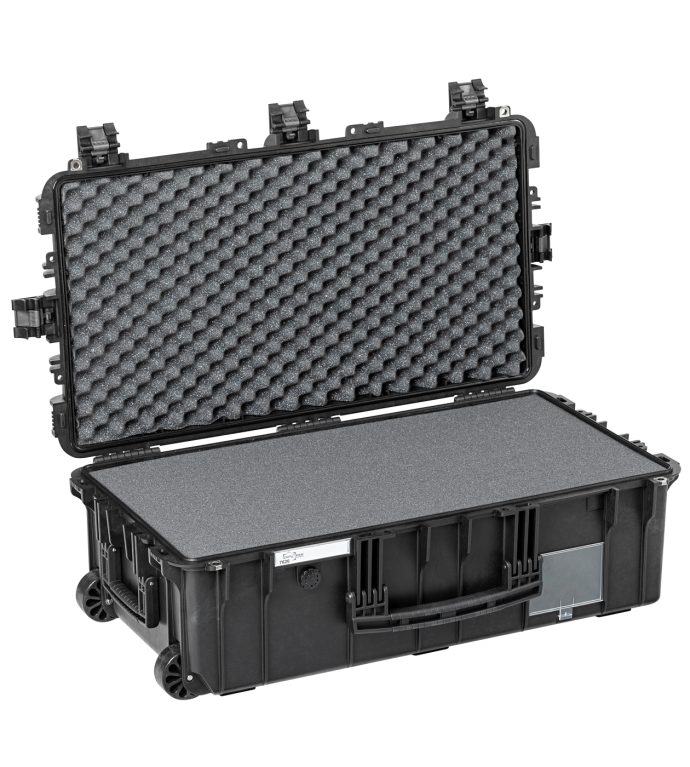
Engineering Capability
At Suzhou Baoshida Trading Co., Ltd., our engineering capability is anchored in deep technical expertise and a disciplined approach to industrial rubber formulation and mold design. Our team comprises five dedicated mold engineers and two specialized rubber formula engineers, enabling us to deliver precision-engineered protective cases with customized internal foam structures tailored to exact client specifications. This integrated team structure ensures seamless collaboration between material science and mechanical design, a critical advantage in the development of high-performance protective solutions for sensitive industrial, electronic, and medical equipment.
Our mold engineers bring extensive experience in designing robust, high-cycle molds capable of producing complex geometries with tight tolerances. Utilizing advanced CAD/CAM software and precision CNC machining, they develop molds that ensure dimensional stability, consistent part quality, and efficient production cycles. Each mold is rigorously tested for durability and performance, ensuring long-term reliability in high-volume manufacturing environments.
Complementing this mechanical precision is our in-house rubber formulation expertise. Our two formula engineers specialize in developing custom elastomeric compounds optimized for shock absorption, compression set resistance, temperature stability, and chemical inertness. By controlling the formulation process internally, we can fine-tune foam density, cell structure, and surface hardness to meet specific protection requirements. Whether the application demands closed-cell EVA, polyurethane foam, or nitrile rubber blends, our team formulates materials that deliver optimal cushioning and environmental resistance.
This synergy between mold engineering and material science allows us to offer comprehensive OEM services. We support clients from initial concept and 3D modeling through prototyping, material validation, and full-scale production. Our OEM process is built on a foundation of technical collaboration, ensuring that every protective case meets not only mechanical and environmental demands but also cost and scalability targets.
We maintain full control over critical process parameters such as vulcanization time, temperature profiles, and foam expansion ratios, ensuring batch-to-batch consistency. Our facility is equipped with state-of-the-art mixing, molding, and testing equipment, enabling rapid iteration and strict quality assurance.
The table below outlines key engineering specifications and capabilities relevant to our protective case with foam solutions.
| Parameter | Capability Range |
|---|---|
| Foam Density | 0.15 – 0.60 g/cm³ (adjustable) |
| Compression Set (22 hrs, 70°C) | ≤ 20% (custom formulations) |
| Hardness (Shore A) | 15 – 80 (adjustable per application) |
| Operating Temperature Range | -40°C to +120°C (material-dependent) |
| Mold Tolerance | ±0.1 mm (standard), ±0.05 mm (precision) |
| Lead Time (Prototype) | 15–25 days (from approved design) |
| Production Cycle Time | 60–180 seconds per unit (varies by size) |
This level of technical integration and process control positions Suzhou Baoshida as a trusted engineering partner for OEM clients requiring high-integrity protective enclosures with advanced foam cushioning systems.
Customization Process
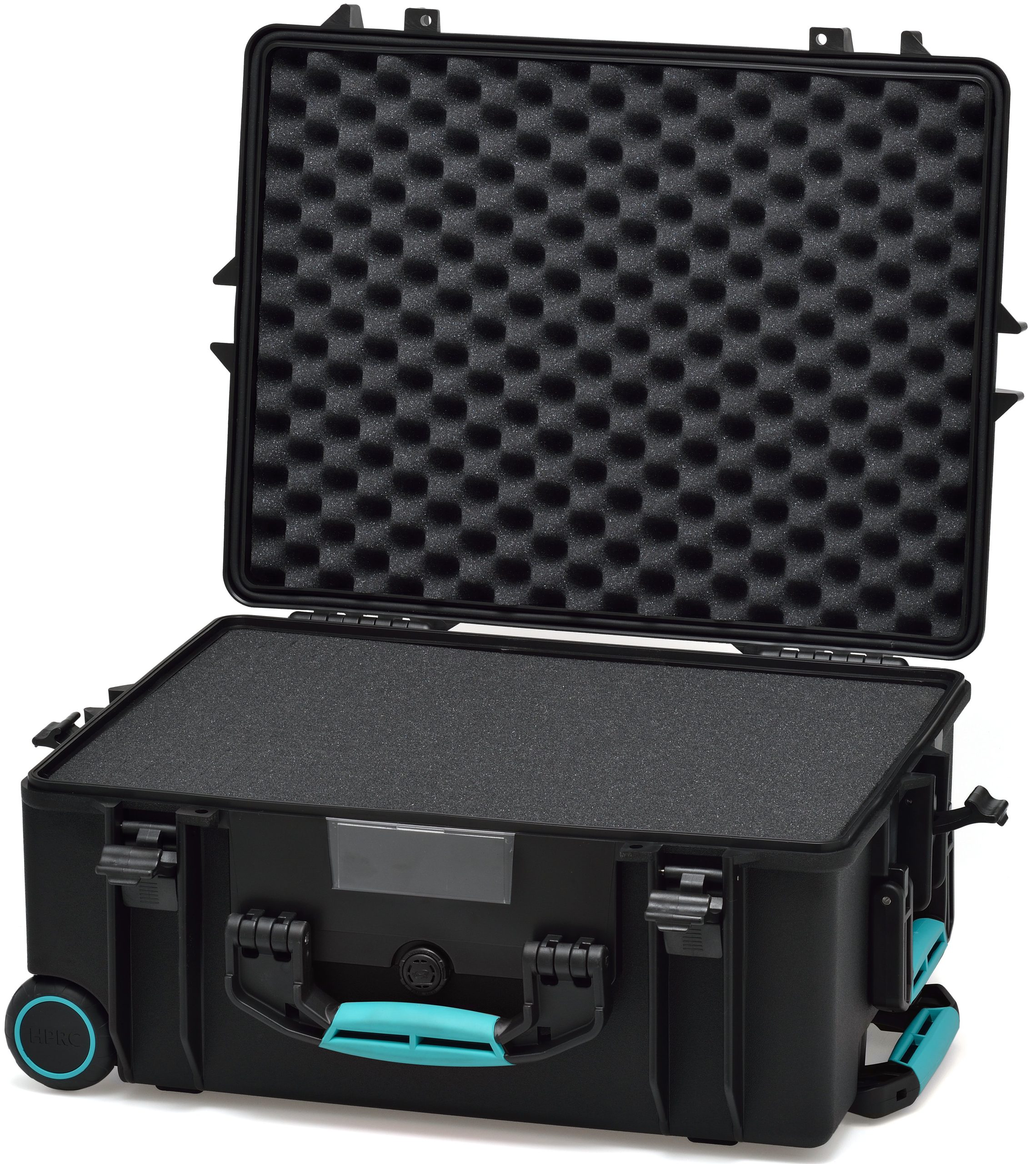
Customization Process for Protective Cases with Foam Inserts
At Suzhou Baoshida Trading Co., Ltd., our industrial rubber solutions prioritize precision engineering from concept to量产. The customization process for protective cases with foam inserts follows a rigorous four-stage workflow, ensuring alignment with client technical specifications and operational demands. This methodology minimizes iteration cycles while maximizing functional reliability in harsh industrial environments.
Drawing Analysis initiates the process. Our engineering team conducts a granular review of client CAD files and technical drawings, focusing on dimensional tolerances, load-bearing zones, and environmental exposure parameters. Critical factors include impact absorption vectors, chemical resistance requirements, and thermal stability thresholds. We cross-reference these against ISO 13071 standards for protective enclosures, identifying potential stress points and material compatibility risks. This phase concludes with a formal Design for Manufacturability (DFM) report, highlighting optimizations for production efficiency without compromising performance.
Formulation Development leverages Suzhou Baoshida’s proprietary rubber compounding expertise. Based on the DFM output, we select base polymers (e.g., EPDM for ozone resistance or silicone for extreme temperatures) and engineer closed-cell foam structures with tailored cell density. Key variables adjusted include crosslink density for rebound resilience, filler ratios for abrasion resistance, and flame-retardant additives per UL 94 V-0 standards. Each formulation undergoes computational material modeling to predict compression set behavior under sustained load, ensuring long-term shape retention.
Prototyping employs CNC-machined molds for initial foam inserts and rubber casings. We produce 3–5 functional units for client validation, subjecting them to accelerated lifecycle testing: 500+ compression cycles at 50% deflection, thermal cycling from -40°C to +120°C, and exposure to specified industrial fluids. Dimensional verification via CMM (Coordinate Measuring Machine) confirms tolerances within ±0.15 mm. Client feedback on ergonomics, assembly fit, and performance metrics triggers iterative refinements before tooling sign-off.
Mass Production commences only after prototype approval. We deploy automated injection molding lines with real-time rheological monitoring to maintain compound homogeneity. Every batch undergoes inline quality checks: durometer testing (Shore A 40–70 range), tear strength validation (≥25 kN/m per ASTM D624), and visual inspection for voids. Final units are packaged with traceability codes linking to raw material lot numbers and process parameters, ensuring full supply chain accountability.
Critical foam specifications for industrial protective cases are standardized as follows:
| Property | Standard Test Method | Target Range | Industrial Significance |
|---|---|---|---|
| Density | ASTM D3574 | 0.03–0.12 g/cm³ | Weight reduction vs. impact absorption trade-off |
| Compression Deflection | ASTM D575 | 10–50 psi @ 25% | Load distribution under static pressure |
| Compression Set (50%) | ASTM D395 | ≤15% after 22h/70°C | Long-term sealing integrity |
| Operating Temperature | ISO 188 | -50°C to +150°C | Performance stability in extreme conditions |
This structured workflow, anchored in material science and process control, guarantees that Suzhou Baoshida’s protective cases deliver consistent protection for sensitive equipment. Our OEM management framework ensures seamless scalability from prototype to high-volume production, with zero deviation from validated performance criteria. All deliverables comply with ISO 9001:2015 and IATF 16949 protocols, providing clients with auditable quality assurance for mission-critical applications.
Contact Engineering Team
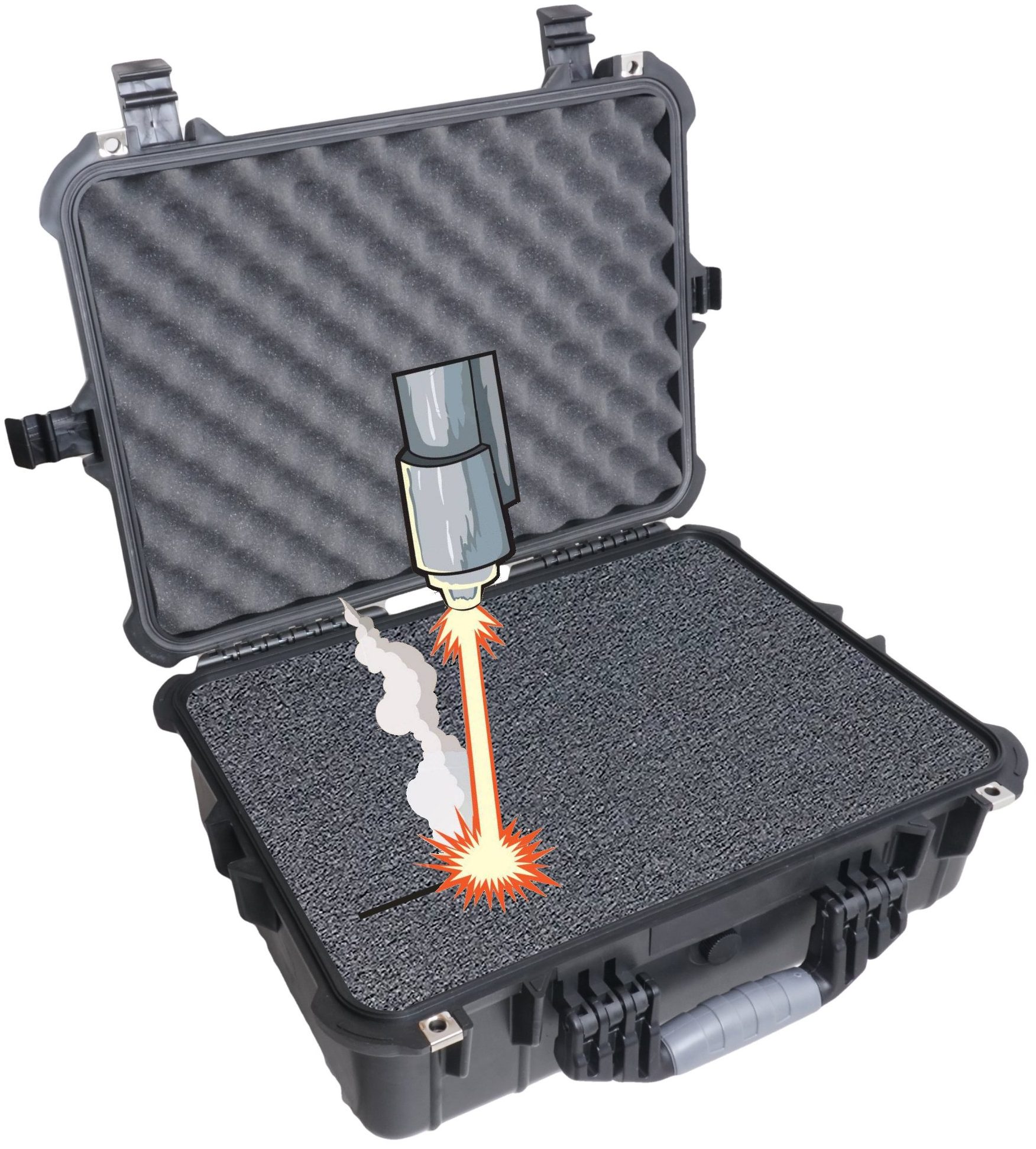
Contact Suzhou Baoshida for Custom Protective Cases with Precision Foam Insert Solutions
At Suzhou Baoshida Trading Co., Ltd., we specialize in high-performance industrial rubber solutions, with a focused expertise in engineered protective cases incorporating custom die-cut foam inserts. Our products are designed to meet the rigorous demands of industries requiring reliable shock absorption, vibration dampening, and environmental protection for sensitive equipment during storage and transport. Whether you are safeguarding precision instruments, medical devices, aerospace components, or industrial tooling, our protective case systems deliver unmatched reliability and customization.
Our engineering team works closely with OEMs and industrial manufacturers to develop tailored solutions that align precisely with your dimensional, mechanical, and environmental requirements. Utilizing advanced rubber and foam materials—including EVA, PE, PU, and closed-cell elastomers—we fabricate inserts that conform exactly to the contours of your components, minimizing movement and maximizing protection. Every case is evaluated for compressive strength, temperature resistance, moisture barrier performance, and long-term durability.
We understand that in industrial supply chains, consistency and precision are non-negotiable. That is why all our foam insert solutions undergo strict quality control protocols, including dimensional tolerance checks (±0.2 mm), material batch testing, and real-world drop and impact validation. Our manufacturing process integrates CNC die-cutting, hot compression molding, and multi-layer lamination techniques to ensure repeatability and performance across high-volume production runs.
Below are key technical specifications for our standard protective case with foam insert systems:
| Parameter | Specification |
|---|---|
| Foam Material Options | EVA, Polyethylene (PE), Polyurethane (PU), Neoprene, Closed-cell Rubber |
| Density Range | 25–200 kg/m³ |
| Hardness (Shore A) | 15–80 |
| Temperature Resistance | -40°C to +120°C (material-dependent) |
| Tolerance | ±0.2 mm (CNC die-cut) |
| Flame Resistance | UL94 HF-1, MVSS-302 (available on request) |
| Water Absorption | <0.5% (ASTM D3574) |
| Customization | 2D/3D profiling, multi-density layering, anti-static options |
All designs are developed using CAD integration and prototyping feedback loops to ensure seamless adoption into your assembly or logistics workflow. We support global OEMs with end-to-end documentation, including material compliance (RoHS, REACH), production traceability, and packaging certification.
For technical collaboration or to request a custom quote, contact Mr. Boyce, OEM Account Manager at Suzhou Baoshida Trading Co., Ltd. Direct your inquiries to [email protected]. Include your product dimensions, environmental requirements, and volume expectations to accelerate the design and sampling process. Our team responds to all technical requests within 24 business hours and can provide material samples, 3D renderings, and test reports upon request.
Partner with a trusted leader in industrial rubber solutions—where engineering precision meets manufacturing excellence.
⚖️ O-Ring Weight Calculator
Estimate rubber O-ring weight (Approx).