
Technical Contents
Engineering Guide: Protective Foam
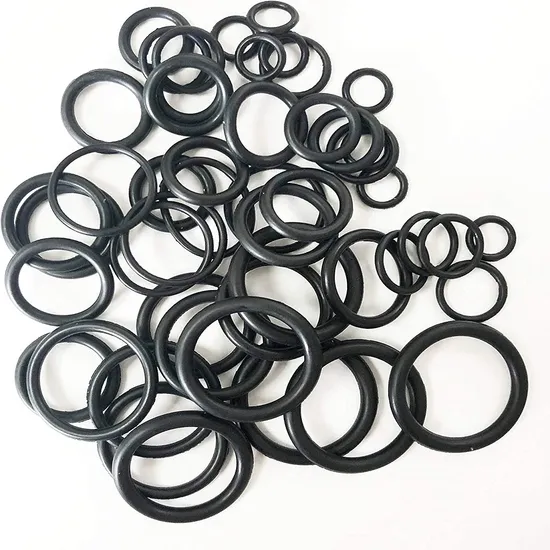
Engineering Insight: The Critical Role of Material Selection in Protective Foam
In industrial applications, protective foam is far more than a cushioning layer—it is a precision-engineered component designed to withstand mechanical stress, environmental exposure, and long-term degradation. At Suzhou Baoshida Trading Co., Ltd., we emphasize that material selection is the cornerstone of effective foam performance. Off-the-shelf foam solutions, while cost-attractive, often fail under real-world operational conditions due to mismatched physical properties, inadequate chemical resistance, or poor thermal stability. These failures can lead to equipment damage, safety hazards, and increased lifecycle costs.
The root cause lies in the assumption that all foams are functionally equivalent. In reality, protective foam must be tailored to specific engineering parameters including compression set, tensile strength, density, and resilience. For example, an open-cell polyurethane foam may perform well in low-stress acoustic damping applications but will degrade rapidly when exposed to oils or UV radiation. Conversely, closed-cell ethylene propylene diene monomer (EPDM) foam offers superior resistance to weathering and chemicals, making it ideal for outdoor enclosures or automotive sealing.
Another common failure point is thermal mismatch. Standard foams often exhibit significant dimensional instability at elevated temperatures, leading to loss of sealing force or mechanical interference. High-performance silicone or neoprene foams maintain integrity across a broader temperature range, ensuring consistent performance in extreme environments such as engine compartments or industrial ovens.
Additionally, compression set—the permanent deformation after prolonged compression—is a critical metric often overlooked in generic foam selection. A high compression set value indicates poor recovery, which compromises sealing and protective functionality over time. Industrial applications demand foams with low compression set to ensure long-term reliability.
At Suzhou Baoshida, we apply a systems-engineering approach, evaluating not only the foam’s mechanical properties but also its compatibility with adjacent materials, assembly methods, and service life expectations. This holistic assessment prevents premature field failures and optimizes total cost of ownership.
Below is a comparative analysis of common industrial foam materials used in protective applications:
| Material | Density (kg/m³) | Compression Set (%) | Temperature Range (°C) | Key Resistance Properties |
|---|---|---|---|---|
| Polyurethane (Open Cell) | 20–60 | 15–30 | -20 to 90 | Abrasion, sound transmission |
| EPDM (Closed Cell) | 40–120 | 10–20 | -40 to 135 | UV, ozone, water, alkalis |
| Neoprene | 60–150 | 12–25 | -30 to 120 | Oil, flame, moderate chemicals |
| Silicone | 30–100 | 8–18 | -60 to 230 | Extreme heat, UV, oxidation |
| EVA | 50–180 | 20–40 | -10 to 80 | Impact, moisture |
Material selection is not a commodity decision—it is an engineering imperative. By moving beyond off-the-shelf compromises and applying rigorous material science principles, manufacturers can ensure that protective foam performs as a reliable, long-term component of their industrial systems.
Material Specifications
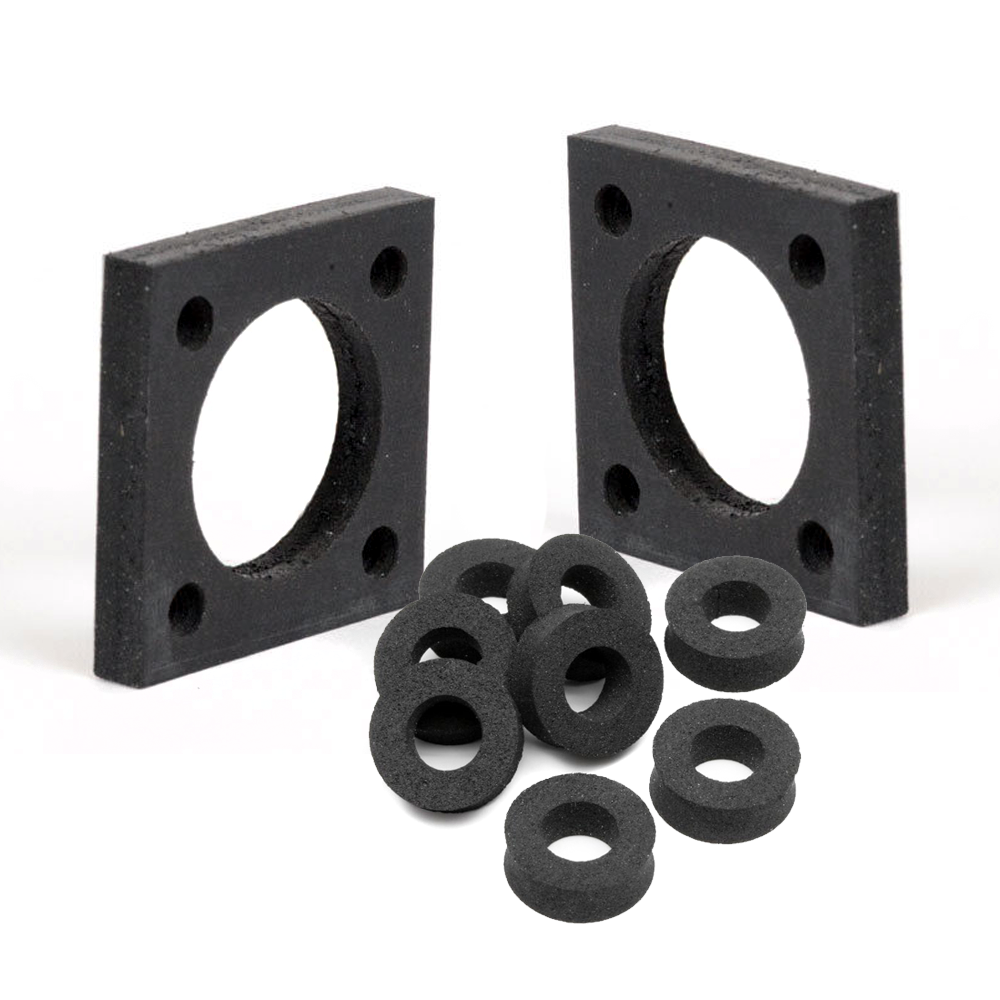
Material Specifications for Protective Foam Applications
Selecting the optimal elastomeric foam for protective industrial applications demands rigorous evaluation of chemical composition, thermal stability, and mechanical resilience. At Suzhou Baoshida Trading Co., Ltd., we engineer Viton (FKM), Nitrile (NBR), and Silicone (VMQ) foams to stringent OEM performance criteria. Each material exhibits distinct molecular architectures dictating suitability for specific environmental stressors. Viton fluoroelastomer foams leverage carbon-fluorine bonds to deliver unparalleled resistance against aggressive chemicals, fuels, and extreme temperatures. Nitrile butadiene rubber foams provide cost-effective hydrocarbon and oil resistance with robust tensile strength. Silicone foams excel in biocompatibility and ultra-wide thermal flexibility, maintaining integrity under repeated compression cycles. Material selection must prioritize the dominant operational hazard—chemical exposure, thermal cycling, or mechanical fatigue—to ensure service longevity.
Viton foam formulations withstand continuous exposure to 200–230°C while resisting oxidation, acids, and aromatic hydrocarbons. Its low gas permeability makes it indispensable for aerospace seals and semiconductor manufacturing gaskets where trace contamination is unacceptable. Nitrile foam operates effectively from -40°C to 120°C, offering superior abrasion resistance and compression set below 30% after 70 hours at 100°C. This balance suits automotive fuel system components and industrial hydraulic seals. Silicone foam maintains elasticity from -60°C to 200°C with minimal compression set (15–25%) and exceptional UV/ozone resistance. Medical device packaging and outdoor electronic enclosures leverage its non-toxic, flame-retardant properties. All foams are precision-cured to achieve uniform cell structure, critical for consistent sealing force and impact absorption.
The following table details comparative technical specifications for protective foam applications:
| Property | Viton (FKM) Foam | Nitrile (NBR) Foam | Silicone (VMQ) Foam |
|---|---|---|---|
| Temperature Range | -20°C to +230°C | -40°C to +120°C | -60°C to +200°C |
| Tensile Strength (MPa) | 8–12 | 10–15 | 5–9 |
| Compression Set (70h/100°C) | 15–25% | 25–35% | 15–25% |
| Hardness Range (Shore A) | 40–90 | 45–85 | 30–80 |
| Key Fluid Resistance | Fuels, acids, oils | Oils, greases, water | Water, alcohols, ozone |
| Primary Applications | Chemical processing, aerospace | Automotive, hydraulics | Medical, electronics |
Critical performance trade-offs necessitate application-specific validation. Viton’s chemical inertness justifies its premium cost in critical fluid-handling systems, whereas Nitrile delivers optimal value for general-purpose oil resistance. Silicone’s biostability and thermal range support regulated industries despite lower tensile strength. Suzhou Baoshida’s OEM partners receive material certification dossiers including ASTM D2000 classifications, FDA/USP Class VI documentation, and custom formulation data. We emphasize that foam density (typically 0.3–0.8 g/cm³) must be calibrated to required compression deflection force—underscoring the necessity of joint engineering review during the design phase. Protective efficacy hinges on matching these material fundamentals to the operational hazard profile.
Manufacturing Capabilities
Engineering Capability: Precision-Driven Development for Protective Foam Solutions
At Suzhou Baoshida Trading Co., Ltd., our engineering capability forms the backbone of our industrial rubber solutions, particularly in the design and production of high-performance protective foam. With a dedicated team of five certified mould engineers and two specialized rubber formula engineers, we deliver technically advanced, application-specific foam systems tailored to the rigorous demands of industrial, automotive, and electronic sectors. Our integrated engineering approach ensures seamless transition from concept to mass production, with full control over material formulation, tooling design, and process optimization.
Our formula engineers possess deep expertise in polymer chemistry and material behavior under dynamic environmental conditions. They develop custom rubber foam compounds based on EPDM, silicone, neoprene, and polyurethane systems, engineered for targeted properties such as compression set resistance, flame retardancy (UL94 HF-1, V-0), thermal stability (-40°C to +150°C), and chemical inertness. Each formulation is validated through accelerated aging tests, dynamic compression analysis, and outgassing evaluations to ensure long-term reliability in mission-critical applications.
Complementing material development, our five mould engineers bring precision to the manufacturing stage. They utilize advanced CAD/CAM software (SolidWorks, AutoCAD, UG NX) to design high-tolerance moulds optimized for low-pressure foaming processes. Their focus on uniform cell structure distribution, dimensional accuracy, and demoulding efficiency ensures consistent part quality across production runs. All tooling is fabricated in-house or through certified partners under strict quality supervision, enabling rapid prototyping and design iteration cycles.
We operate as a full-service OEM partner, providing end-to-end engineering support from initial concept sketches to serial production. Our OEM framework includes IP protection, DFMEA analysis, and full traceability documentation compliant with ISO 9001 and IATF 16949 standards. Clients benefit from scalable production capacity, with monthly output exceeding 500,000 units across automated and semi-automated lines.
The following table outlines key technical specifications achievable through our engineering and manufacturing platform:
| Property | Typical Range | Test Standard |
|---|---|---|
| Density | 0.3 – 0.8 g/cm³ | ASTM D3574 |
| Hardness (Shore A) | 15 – 60 | ASTM D2240 |
| Tensile Strength | 1.5 – 4.0 MPa | ASTM D412 |
| Elongation at Break | 120% – 300% | ASTM D412 |
| Compression Set (22h, 70°C) | ≤ 25% | ASTM D395 |
| Operating Temperature | -40°C to +150°C | ISO 188 |
| Flame Resistance | UL94 HF-1, V-0 | UL 94 |
Through the synergy of advanced material science and precision tooling engineering, Suzhou Baoshida delivers protective foam solutions that meet exacting performance benchmarks. Our engineering team is available for technical collaboration at every stage of product development, ensuring optimal functionality, durability, and cost-efficiency for OEM clients worldwide.
Customization Process
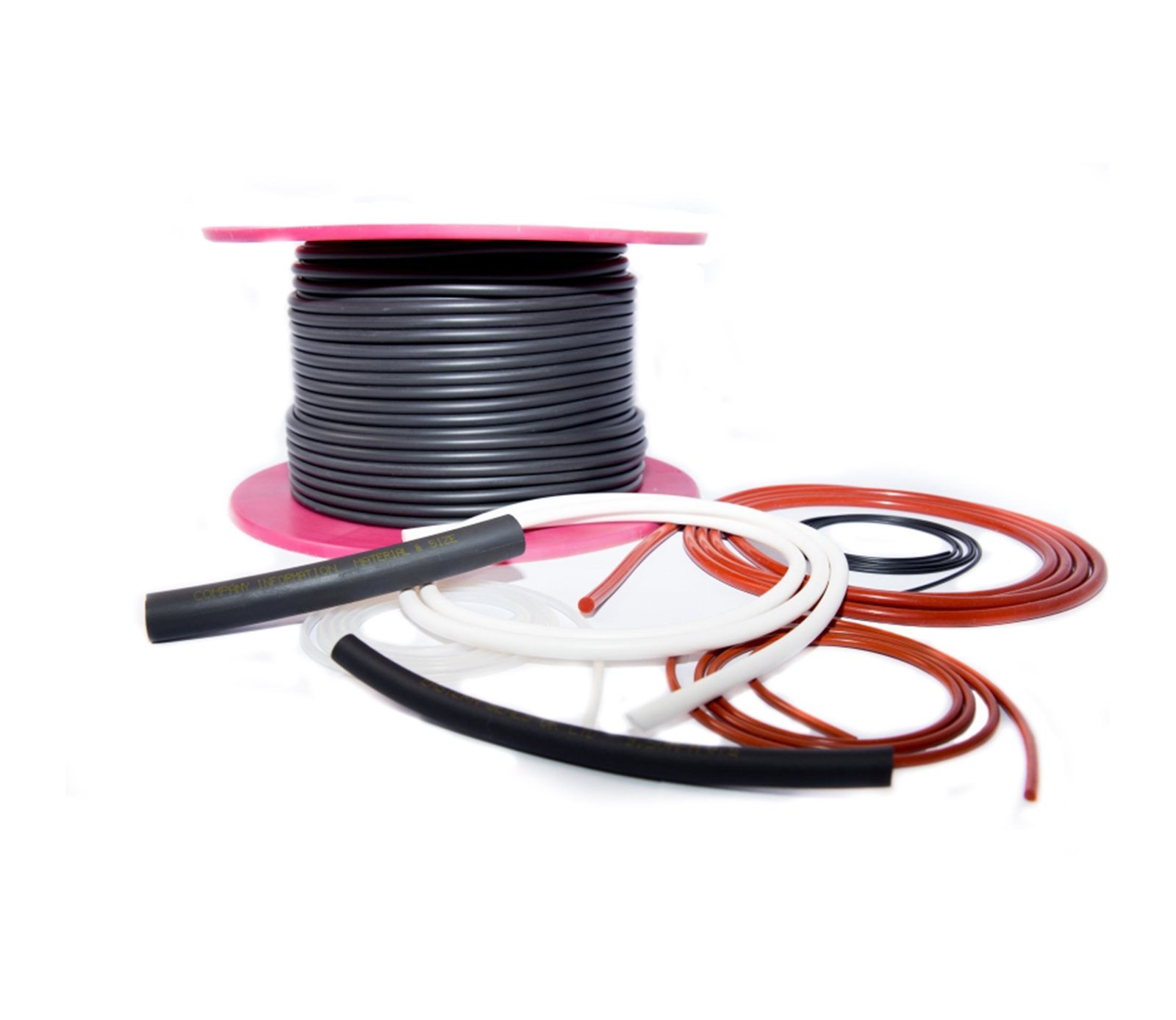
Customization Process for Protective Foam Solutions
At Suzhou Baoshida Trading Co., Ltd., our protective foam customization follows a rigorously defined sequence to ensure material performance aligns precisely with industrial application demands. This process eliminates guesswork and guarantees repeatability from concept to volume output. The workflow begins with Drawing Analysis, where engineering teams dissect client CAD files and technical specifications. We evaluate critical parameters including part geometry, tolerance requirements, environmental exposure conditions, and functional load profiles. This phase identifies potential manufacturing constraints early, such as undercuts affecting demolding or wall thickness variations influencing cell structure uniformity. Material compatibility with oils, chemicals, or extreme temperatures is cross-referenced against our polymer database to pre-select viable base compounds.
Formulation Development immediately follows, leveraging our proprietary compound library and 15+ years of OEM formulation expertise. Our rubber chemists adjust polymer blends (EPDM, silicone, nitrile, or TPE), crosslinking systems, and additive packages to achieve target properties. Key variables include density control via blowing agent ratios, compression set resistance through optimized cure kinetics, and flame retardancy using halogen-free synergists. Each formulation undergoes virtual simulation for foaming behavior and physical property prediction before lab-scale mixing. This data-driven approach minimizes trial iterations and ensures the compound meets ASTM D3574 or ISO 1798 standards at the prototype stage.
Prototyping utilizes precision CNC-machined molds or 3D-printed tooling for rapid physical validation. We produce 5–10 sample units under controlled vulcanization conditions, then subject them to client-specified tests: compression deflection force, thermal aging, fluid immersion, and dynamic fatigue cycles. Dimensional metrology verifies conformance to ±0.1mm tolerances. Client feedback on sample performance triggers micro-adjustments to the formulation or process parameters, documented in our traceability system. Only upon signed-off approval does the project advance.
Mass Production commences with full-scale mold fabrication and SPC-monitored processing. Our 200–3000T hydraulic presses operate under ISO 9001-certified protocols, with real-time monitoring of temperature, pressure, and cure time. Every production batch undergoes in-process checks for density consistency (±5%) and final inspection for surface defects. Statistical process control charts track critical-to-quality characteristics, ensuring lot-to-lot uniformity. Finished rolls or die-cut components ship with full material test reports and RoHS/REACH compliance documentation.
The table below summarizes how formulation variables directly influence protective foam performance metrics:
| Key Property | Standard Formulation | Custom High-Density Variant | Extreme Environment Variant |
|---|---|---|---|
| Density (kg/m³) | 80–120 | 150–200 | 60–100 |
| Compression Set (22h/70°C) | ≤35% | ≤25% | ≤15% |
| Tensile Strength (MPa) | 0.8–1.5 | 1.8–2.5 | 0.5–1.0 |
| Operating Temp Range | -40°C to +120°C | -30°C to +150°C | -60°C to +200°C |
This structured methodology ensures protective foam solutions deliver exact performance under operational stress, reducing client NPI timelines by 30% versus industry averages while maintaining Suzhou Baoshida’s zero-defect OEM delivery commitment.
Contact Engineering Team
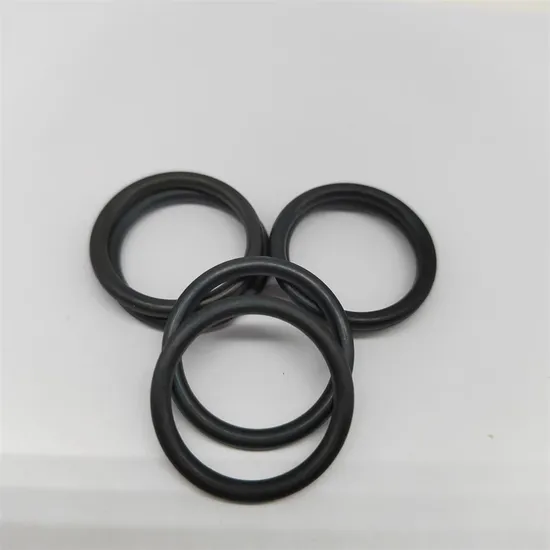
Contact Suzhou Baoshida for Advanced Protective Foam Solutions
At Suzhou Baoshida Trading Co., Ltd., we specialize in delivering high-performance industrial rubber solutions tailored to the rigorous demands of modern manufacturing, automotive, electronics, and packaging sectors. Our expertise in protective foam development ensures that your products remain safeguarded against impact, vibration, moisture, and environmental degradation throughout their lifecycle. As a trusted OEM partner, we combine material science precision with scalable production capabilities to offer customized foam solutions that meet exact technical and operational requirements.
Protective foam is not a one-size-fits-all material. Its performance hinges on precise formulation, density control, cell structure uniformity, and compatibility with end-use conditions. Whether you require closed-cell elastomeric foams for moisture resistance, open-cell polyurethane variants for acoustic damping, or custom-nitrile blends for oil-resistant cushioning, our engineering team formulates each batch to align with your application’s mechanical and environmental parameters. We work closely with clients to analyze stress points, compression needs, temperature exposure, and regulatory compliance, ensuring optimal protection and cost-efficiency.
Our manufacturing processes adhere to ISO 9001 standards, with in-house testing facilities that validate tensile strength, compression set, elongation, and aging resistance. This scientific approach allows us to deliver consistent, traceable, and repeatable foam performance across production runs. Furthermore, we support low-volume prototyping and high-volume JIT delivery, providing flexibility without compromising quality.
Below are representative technical specifications of our standard protective foam formulations. Custom variants are available upon engineering consultation.
| Property | Closed-Cell EPDM Foam | Polyurethane Open-Cell Foam | Nitrile Rubber Foam | Silicone Sponge |
|---|---|---|---|---|
| Density (kg/m³) | 80 – 120 | 25 – 50 | 100 – 150 | 300 – 400 |
| Hardness (Shore A) | 30 – 50 | 15 – 30 (ILD) | 40 – 60 | 40 – 70 |
| Temperature Range (°C) | -40 to +120 | -20 to +90 | -30 to +110 | -60 to +200 |
| Compression Set (%) | ≤ 20 | ≤ 15 | ≤ 25 | ≤ 20 |
| Water Absorption (%) | < 2 | 8 – 12 | < 3 | < 1 |
| Typical Applications | Automotive seals, HVAC insulation | Acoustic insulation, packaging | Oil-resistant gaskets, industrial padding | High-temp sealing, aerospace |
For technical collaboration or to initiate a project, contact Mr. Boyce, our dedicated OEM Solutions Manager. With over 15 years of experience in rubber formulation and industrial supply chain integration, Mr. Boyce serves as the primary liaison between client engineering teams and our R&D department. He ensures seamless translation of performance requirements into scalable foam manufacturing processes.
To discuss your protective foam needs, request samples, or obtain a technical datasheet, email Mr. Boyce directly at [email protected]. Include details such as application environment, dimensional constraints, regulatory standards (e.g., UL, RoHS, REACH), and volume expectations to accelerate the quoting and development process. Our team responds to all inquiries within 24 business hours and supports multilingual communication for global OEMs.
Partner with Suzhou Baoshida Trading Co., Ltd. — where material precision meets industrial reliability.
⚖️ O-Ring Weight Calculator
Estimate rubber O-ring weight (Approx).