
Technical Contents
Engineering Guide: Ptfe Gasket Rope
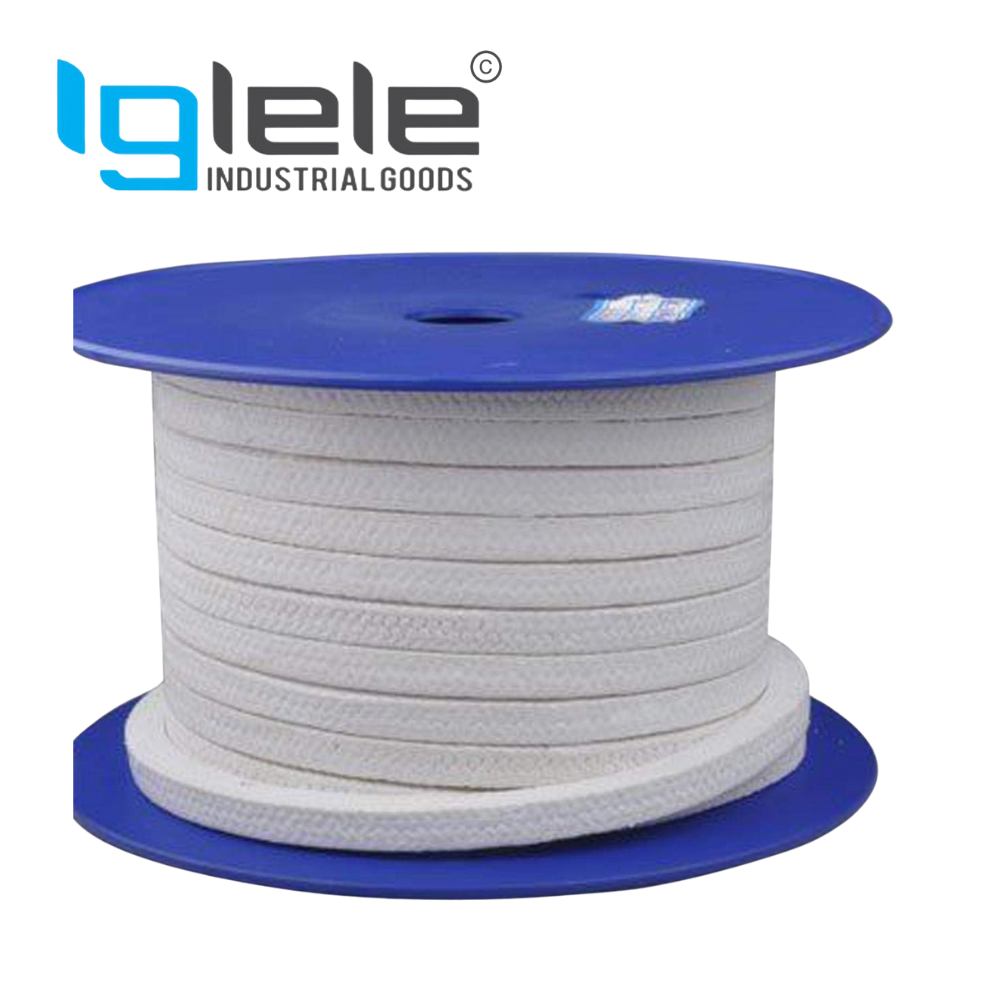
Engineering Insight: Material Selection Criticality in PTFE Gasket Rope Applications
Off-the-shelf PTFE gasket rope represents a significant risk in demanding industrial sealing environments. While polytetrafluoroethylene (PTFE) inherently offers exceptional chemical inertness and thermal stability, generic formulations frequently fail to address the nuanced operational stresses encountered in precision OEM applications. Material selection is not a commodity decision; it is a foundational engineering requirement directly impacting system integrity, lifecycle cost, and operational safety. Standard PTFE ropes often utilize reprocessed or non-optimized resins, introducing critical weaknesses such as inconsistent molecular weight distribution, elevated porosity, and insufficient filler homogeneity. These deficiencies manifest as accelerated creep relaxation under constant load, reduced resilience to thermal cycling, and compromised resistance to specific aggressive media beyond basic chemical compatibility charts. The consequence is premature seal degradation, leading to fugitive emissions, product contamination, unplanned downtime, and costly remediation – risks far exceeding any initial procurement savings.
The core failure mechanism lies in the inability of non-engineered PTFE to maintain sealing force integrity. Virgin PTFE homopolymer, processed under stringent controlled conditions, exhibits superior molecular chain alignment and crystallinity. This translates to lower cold flow (creep) rates and higher recovery after compression set – essential for maintaining seal force in flanges subjected to vibration or thermal transients. Filled PTFE variants, incorporating precisely calibrated additives like glass fiber, carbon, or graphite, further enhance specific properties: reducing permeability, improving thermal conductivity to mitigate hot spots, or increasing abrasion resistance in dynamic applications. Off-the-shelf alternatives rarely specify filler type, concentration, or dispersion quality, resulting in unpredictable performance. A generic rope may pass a basic chemical spot test but catastrophically fail under combined high temperature, pressure pulsation, and trace solvent exposure due to uncontrolled filler agglomeration or resin degradation.
Material specification must align precisely with the application’s operational envelope. Key parameters include maximum/minimum continuous service temperature, pressure differentials, media composition (including trace contaminants), cyclic frequency, and required service life. Relying on nominal PTFE composition without verifying these engineered properties invites failure. The table below illustrates critical performance differentiators between standard and engineered PTFE gasket rope formulations relevant to OEM seal design.
| Property | Standard PTFE Rope | Virgin PTFE Rope (OEM Spec) | Filled PTFE Rope (e.g., 15% Glass) |
|---|---|---|---|
| Continuous Temp Range (°C) | -200 to +230 | -200 to +260 | -200 to +280 |
| Creep Relaxation (24h, 30MPa, 100°C) | >35% | <25% | <15% |
| Compression Set (ASTM F36, 22h, 100°C) | 45-60% | 30-40% | 20-30% |
| Chemical Resistance (Concentrated H₂SO₄) | Good (Short Term) | Excellent | Excellent |
| Density (g/cm³) | 2.10-2.15 | 2.16-2.18 | 2.20-2.25 |
| Permeability (He, cm³·mm/m²·day·atm) | 0.8-1.2 | 0.5-0.7 | 0.3-0.5 |
Selecting PTFE gasket rope based solely on price or nominal material type ignores the complex interplay of polymer physics and application demands. Suzhou Baoshida Trading Co., Ltd. emphasizes engineered material solutions where resin grade, filler technology, and manufacturing process control are validated against the specific OEM operational profile. This precision approach ensures predictable sealing performance, minimizes lifecycle costs, and eliminates the hidden liabilities inherent in non-specification-driven procurement. Material selection is the first, non-negotiable engineering control point for reliable sealing.
Material Specifications
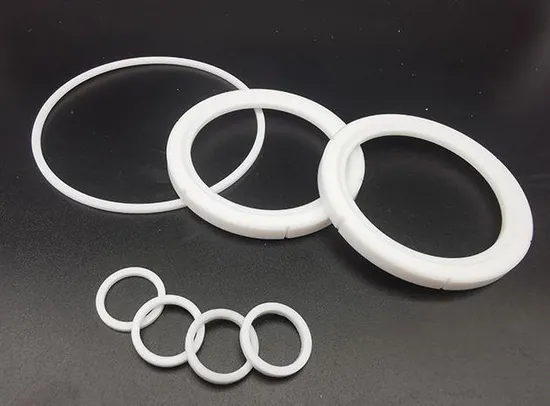
Material Specifications for PTFE Gasket Rope
PTFE gasket rope is widely used in industrial sealing applications due to its exceptional chemical resistance, thermal stability, and low coefficient of friction. When selecting PTFE gasket rope, it is essential to evaluate the base elastomer used for impregnation or jacketing, as this significantly influences performance under operational stress. At Suzhou Baoshida Trading Co., Ltd., we offer PTFE gasket ropes reinforced or combined with high-performance elastomers such as Viton (FKM), Nitrile (NBR), and Silicone (VMQ) to meet diverse industrial requirements. Each material exhibits distinct mechanical, thermal, and chemical characteristics, making them suitable for specific environments.
Viton, a fluorocarbon-based elastomer, provides outstanding resistance to high temperatures, oils, fuels, and a broad range of aggressive chemicals. It maintains integrity in continuous service temperatures up to 230°C, with short-term exposure tolerance even higher. This makes Viton-impregnated PTFE gasket rope ideal for aerospace, petrochemical, and automotive applications where reliability under extreme conditions is critical. Its low gas permeability and excellent aging resistance further enhance long-term sealing performance.
Nitrile rubber, also known as Buna-N, is a cost-effective solution for applications involving petroleum-based oils and hydraulic fluids. It performs reliably within a temperature range of -30°C to 120°C, offering excellent abrasion resistance and tensile strength. While not suitable for exposure to ozone, weathering, or polar solvents, Nitrile-reinforced PTFE gasket rope is widely used in machinery, manufacturing equipment, and hydraulic systems where oil resistance is paramount.
Silicone rubber is selected for its extreme temperature flexibility, operating effectively from -60°C to 200°C. It exhibits excellent resistance to ozone, UV radiation, and weathering, making it suitable for outdoor and high-purity applications such as food processing, pharmaceuticals, and medical devices. While Silicone has lower mechanical strength compared to Viton or Nitrile, its non-toxic nature and high biocompatibility are advantageous in regulated environments.
The choice of elastomer directly affects the sealing efficiency, service life, and safety of the gasket system. Below is a comparative summary of the key properties of these materials when used in conjunction with PTFE gasket rope.
| Property | Viton (FKM) | Nitrile (NBR) | Silicone (VMQ) |
|---|---|---|---|
| Temperature Range (°C) | -20 to 230 | -30 to 120 | -60 to 200 |
| Chemical Resistance | Excellent | Good (oils, fuels) | Fair to Good |
| Oil and Fuel Resistance | Outstanding | Excellent | Poor |
| UV/Ozone Resistance | Excellent | Fair | Excellent |
| Tensile Strength (MPa) | 15–20 | 10–25 | 5–8 |
| Elongation at Break (%) | 200–300 | 250–400 | 200–600 |
| Compression Set Resistance | Very Good | Good | Good |
| Common Applications | Petrochemical, Aerospace | Hydraulics, Machinery | Medical, Food, Outdoor |
Understanding these material properties enables precise selection for optimal sealing performance in demanding industrial environments.
Manufacturing Capabilities
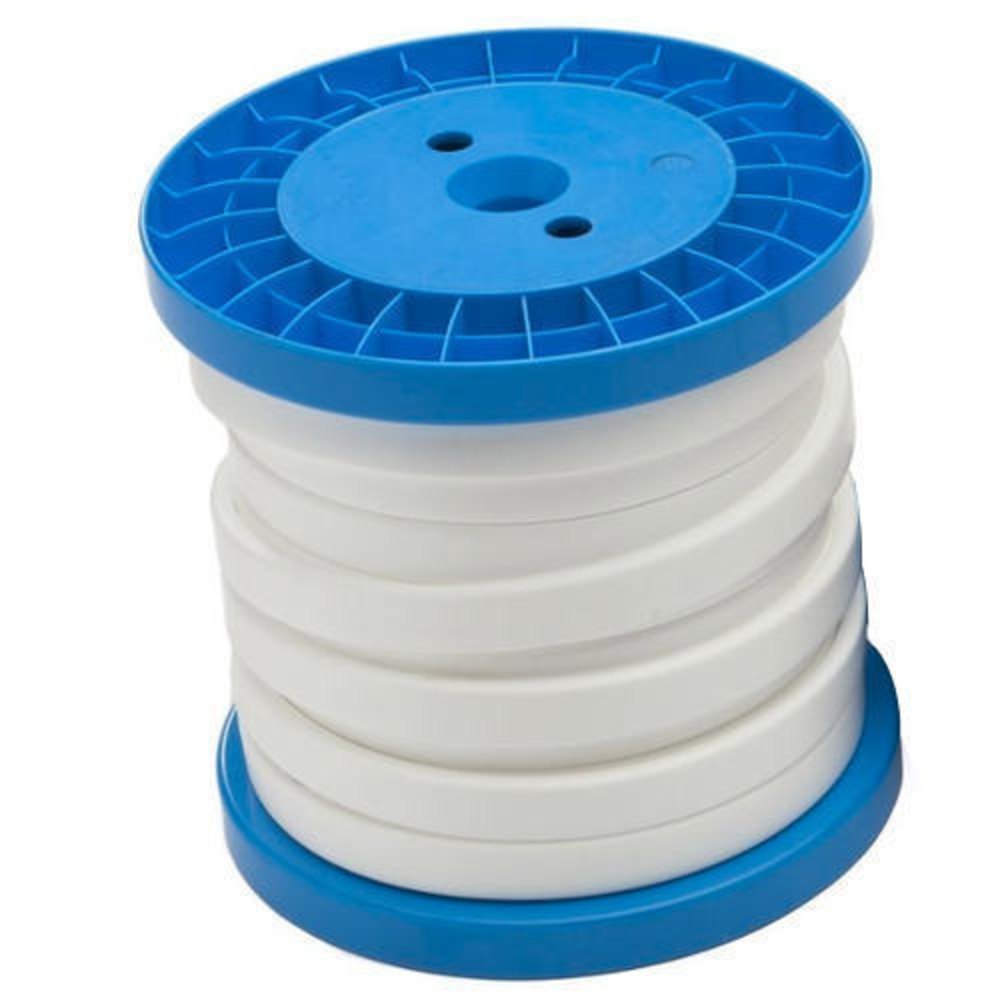
Engineering Excellence in PTFE Gasket Rope Manufacturing
Suzhou Baoshida Trading Co., Ltd. leverages deep material science and precision engineering expertise to deliver superior PTFE gasket rope solutions for demanding industrial sealing applications. Our core strength resides in the integrated capabilities of our dedicated engineering teams: five specialized Mold Engineers and two advanced Formula Engineers. This dual-discipline structure ensures optimal performance from molecular architecture through to final product geometry, directly addressing the critical interplay between material formulation and成型 precision inherent in high-performance PTFE sealing products.
Our Formula Engineers possess extensive mastery of polytetrafluoroethylene (PTFE) chemistry and compounding. They meticulously design formulations tailored to specific operational challenges, optimizing filler systems (such as glass fiber, graphite, or carbon) to enhance critical properties like creep resistance, thermal stability, chemical inertness, and compressibility. This scientific approach guarantees consistent material behavior under extreme conditions, whether facing aggressive chemicals at elevated temperatures or maintaining seal integrity under cyclic pressure loads. Precise control over molecular weight distribution and filler dispersion is paramount to achieving the requisite balance of flexibility and resilience in the final rope.
Complementing this material science foundation, our five Mold Engineers focus on the exacting demands of PTFE rope成型. PTFE processing presents unique challenges due to its high melt viscosity and sensitivity to processing parameters. Our engineers utilize advanced CAD/CAM tools and deep empirical knowledge to design and refine extrusion tooling and calendering systems. This ensures exceptional dimensional accuracy, uniform density, and optimal fiber alignment throughout the rope cross-section – factors directly impacting sealing efficiency, installation ease, and long-term reliability. Rigorous process validation protocols are implemented to eliminate variations in diameter, surface finish, and structural integrity across production batches.
This synergistic engineering capability forms the backbone of our robust OEM service. We partner with clients from initial concept through volume production, offering comprehensive support including material specification refinement, custom cross-sectional design, CAD modeling, DFM analysis, and full-scale production validation. Our facility operates under strict ISO 9001:2015 quality management, ensuring traceability and adherence to the most stringent industry standards. Clients benefit from a true co-development partnership where material science and precision manufacturing converge to solve complex sealing challenges.
The following table outlines key performance specifications achievable with our engineered PTFE gasket rope formulations:
| Property | Typical Value Range | Test Standard |
|---|---|---|
| Density | 1.5 – 2.2 g/cm³ | ASTM D792 |
| Tensile Strength (Min) | 10 – 25 MPa | ASTM D638 |
| Elongation at Break (Min) | 50% – 200% | ASTM D638 |
| Operating Temperature Range | -200°C to +260°C | Material Inherent |
| Compression Recovery (Min) | 40% – 60% | ASTM F36 |
| Fluid Resistance | Excellent (Most Chemicals) | Custom Testing |
| Creep Relaxation Resistance | High (Optimized Formulas) | Client Specific |
Suzhou Baoshida delivers not just PTFE rope, but engineered sealing performance validated by our integrated formula and mold engineering disciplines, ensuring optimal solution fit for critical OEM applications.
Customization Process
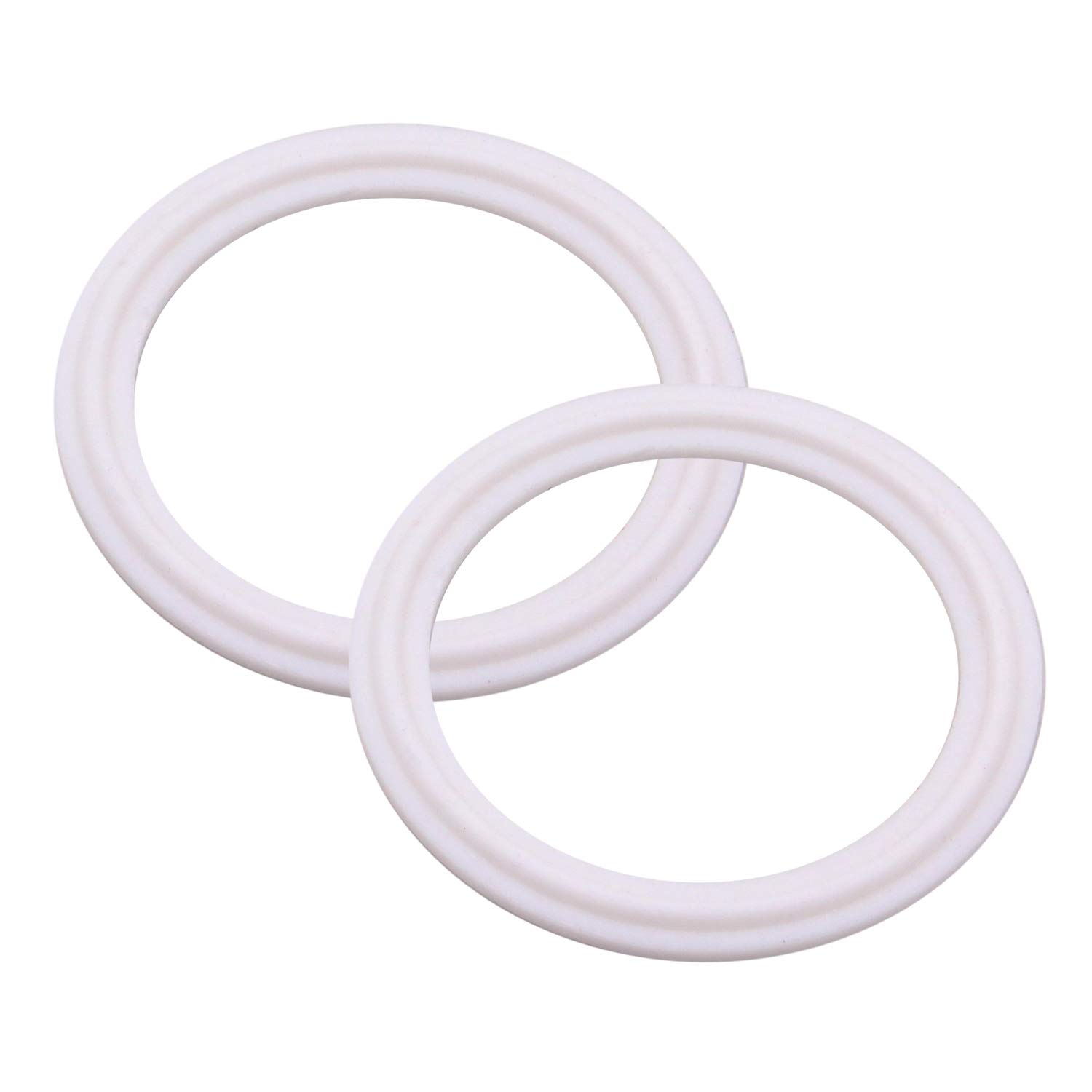
Drawing Analysis
The customization process for PTFE gasket rope begins with a comprehensive drawing analysis. At Suzhou Baoshida Trading Co., Ltd., engineering precision is paramount, and every customer-supplied technical drawing undergoes rigorous review by our rubber formula engineers and OEM specialists. We assess dimensional tolerances, cross-sectional profiles, installation environment, and sealing requirements. Critical parameters such as groove dimensions, compression set expectations, and mating surface finishes are cross-referenced with application conditions including temperature, pressure, and chemical exposure. This stage ensures that the final product will perform reliably under real-world operational stress. Our team collaborates directly with the client to resolve ambiguities, recommend design improvements for manufacturability, and confirm compliance with international standards such as ASTM F917, ISO 3601, or customer-specific OEM specifications.
Formulation Development
Following drawing validation, the formulation phase commences. PTFE gasket rope, while inherently chemically inert and thermally stable, can be compounded with fillers such as glass, carbon, graphite, or bronze to enhance mechanical strength, thermal conductivity, or wear resistance. The selection of filler type and concentration is determined by the operational environment. For instance, glass-filled PTFE is preferred in high-purity applications such as semiconductor manufacturing, whereas graphite-enhanced variants are optimal for dynamic seals in high-temperature steam systems. Our in-house material science laboratory conducts rheological and thermal analyses to ensure the compound maintains extrudability while achieving target performance metrics. Each formulation is documented under strict batch traceability protocols to support quality assurance and repeatable production.
Prototyping and Validation
A functional prototype is produced using precision extrusion and sintering techniques calibrated to the final design specifications. Prototypes undergo a battery of tests, including compression recovery, creep resistance, chemical immersion, and leak rate evaluation under simulated service conditions. Dimensional accuracy is verified using coordinate measuring machines (CMM) and laser micrometry. Clients receive a detailed test report alongside prototype samples for field evaluation. Feedback is integrated swiftly, and iterative adjustments are made if necessary, ensuring full alignment with performance expectations before transitioning to mass production.
Mass Production and Quality Control
Once approved, the project moves into high-volume manufacturing. Our automated extrusion lines and controlled sintering ovens ensure uniform density and microstructure across all production batches. Every meter of PTFE gasket rope is inspected for surface defects, diameter consistency, and sintering quality. Final products are packaged per client logistics requirements, with full material certifications (including RoHS and REACH compliance) provided.
| Property | Virgin PTFE | 15% Glass-Filled PTFE | 25% Graphite-Filled PTFE |
|---|---|---|---|
| Tensile Strength (MPa) | 20–30 | 25–35 | 22–32 |
| Elongation at Break (%) | 300–400 | 200–300 | 180–280 |
| Max Continuous Temp (°C) | 260 | 260 | 260 |
| Compression Set (22h, 23°C, 1000 psi) | 3–8% | 4–10% | 5–12% |
| Chemical Resistance | Excellent | Excellent | Excellent (except strong oxidizers) |
Contact Engineering Team
Engineering Precision for Demanding Sealing Applications
In critical industrial environments where chemical exposure, extreme temperatures, or high pressure compromise system integrity, the selection of gasketing materials directly impacts operational safety and longevity. PTFE gasket rope remains the benchmark for reliability in corrosive and high-purity applications, yet its performance hinges on precise formulation and manufacturing control. Generic alternatives often fail under sustained stress, leading to costly downtime, environmental hazards, or product contamination. At Suzhou Baoshida Trading Co., Ltd., we engineer PTFE gasket rope to exacting OEM specifications, leveraging 15 years of polymer science expertise to ensure zero-compromise sealing performance. Our in-house R&D laboratory validates every batch against real-world operational parameters, not merely baseline industry standards.
The following technical specifications reflect our standard high-purity PTFE gasket rope formulation, engineered for aerospace, semiconductor, and chemical processing applications. Custom modifications for enhanced tensile strength, reduced cold flow, or specialized filler integration are available through our OEM collaboration framework.
| Property | Value | Test Method |
|---|---|---|
| Density | 1.50–1.80 g/cm³ | ASTM D792 |
| Tensile Strength | ≥ 15 MPa | ASTM D638 |
| Elongation at Break | ≥ 250% | ASTM D638 |
| Operating Temperature | -200°C to +260°C | ASTM D1418 |
| Chemical Resistance | Inert to all solvents/acids | NACE TM0172 |
| Compression Recovery | ≥ 45% (24h @ 20MPa) | ASTM F36 |
| Permeation Rate (N₂) | ≤ 0.005 cc·mm/m²·day·atm | ASTM D1434 |
These metrics represent our baseline industrial-grade material. For mission-critical applications—such as ultra-high-vacuum systems or aggressive halogen environments—we deploy proprietary expanded PTFE (ePTFE) variants with reinforced molecular orientation. This structural optimization reduces creep relaxation by 37% compared to conventional ropes while maintaining Class VI biocompatibility for pharmaceutical use. Our quality assurance protocol includes real-time FTIR spectroscopy for raw material verification and helium leak testing at 10⁻⁹ mbar·L/s sensitivity, ensuring compliance with ASME B16.20 and ISO 9001:2015 frameworks.
As your OEM manufacturing partner, Suzhou Baoshida delivers more than components—we integrate with your engineering workflow. Our technical team collaborates from prototype validation through full-scale production, providing material traceability down to batch-level polymerization data. We accommodate low-volume specialty runs (minimum order: 50kg) with no tooling fees, alongside JIT logistics for global supply chains. This operational agility has enabled partnerships with Tier-1 semiconductor equipment manufacturers and nuclear facility contractors where failure is not an option.
Initiate a technical consultation to resolve your most complex sealing challenges. Contact Mr. Boyce, our dedicated OEM Solutions Manager, for immediate engineering support. He will coordinate material sampling, review application-specific stress simulations, and provide a formal quotation within 24 business hours. Specify your operational parameters—including media type, pressure cycles, and surface finish requirements—to receive a performance-optimized solution.
Reach Mr. Boyce directly via email at [email protected]. Include your company name, project timeline, and required specifications for prioritized handling. For urgent requests, reference ticket code PTFE-ROPE-2024 in all correspondence. Suzhou Baoshida Trading Co., Ltd. operates ISO 14001-certified production facilities in Jiangsu Province, with export compliance documentation available for all major industrial markets. Your next-generation sealing solution begins with precise engineering dialogue.
⚖️ O-Ring Weight Calculator
Estimate rubber O-ring weight (Approx).