
Technical Contents
Engineering Guide: Ptfe Piping
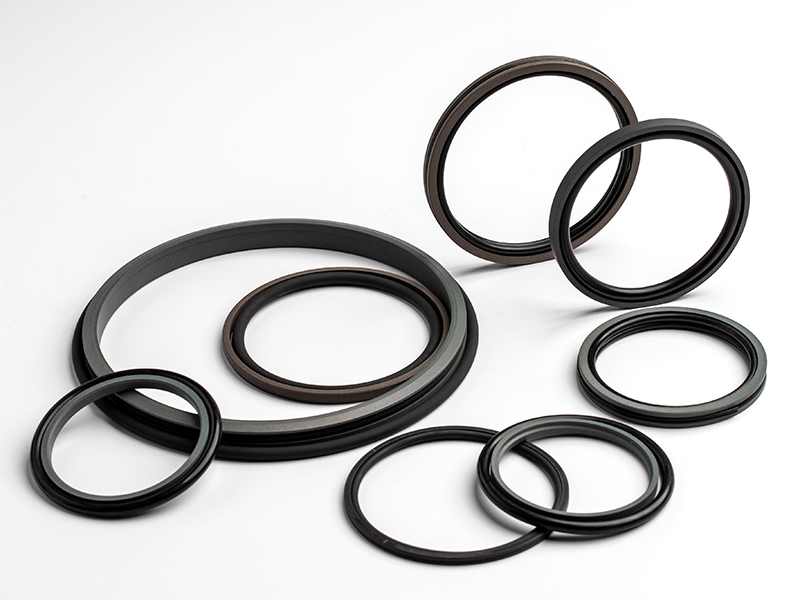
Engineering Insight: The Critical Role of Material Selection in PTFE Piping Systems
In industrial fluid handling applications, polytetrafluoroethylene (PTFE) piping systems are often selected for their exceptional chemical resistance, thermal stability, and low coefficient of friction. However, despite these advantages, field failures remain common—particularly when off-the-shelf PTFE piping solutions are implemented without rigorous engineering analysis. The root cause frequently lies in inadequate material selection, driven by a focus on initial cost rather than long-term performance under operational stress.
PTFE, while inherently inert to nearly all chemicals, exhibits unique mechanical behaviors that must be accounted for in system design. Its low creep resistance, high thermal expansion coefficient, and sensitivity to mechanical deformation under sustained load require careful integration with supporting materials such as stainless steel reinforcement or proper anchoring systems. Generic, mass-produced PTFE piping assemblies often neglect these factors, leading to premature joint failure, liner collapse, or permeation issues—especially in high-purity, high-temperature, or high-pressure environments.
Material purity is another overlooked variable. Industrial-grade PTFE may contain trace contaminants or exhibit inconsistent molecular weight distribution, compromising performance in semiconductor, pharmaceutical, or ultra-pure chemical transfer systems. At Suzhou Baoshida Trading Co., Ltd., we prioritize virgin-grade, high-molecular-weight PTFE resins sourced from certified suppliers, ensuring compliance with ASTM D1457 and ISO 13000 standards. This level of material control is rarely present in off-the-shelf alternatives, where batch traceability and resin specification are often undocumented.
Furthermore, the method of pipe fabrication—whether paste extrusion, ram extrusion, or isostatic molding—directly affects pore structure, density, and tensile strength. For example, paste extrusion yields thin-walled liners ideal for flexible hose assemblies, while isostatic molding produces dense, homogeneous liners suited for severe service. Selecting the wrong process for the application leads to microcracking, delamination, or accelerated aging.
Below is a comparison of key performance characteristics across common PTFE piping materials used in industrial applications:
| Property | Virgin PTFE (High MW) | Standard Industrial PTFE | Reinforced PTFE Composite |
|---|---|---|---|
| Continuous Use Temperature | 260°C | 260°C | 280°C |
| Tensile Strength (ASTM D4894) | 25–35 MPa | 20–25 MPa | 30–40 MPa |
| Elongation at Break | 300–400% | 200–300% | 150–250% |
| Permeation Resistance | Excellent | Moderate | Excellent |
| Creep Resistance | Low | Low | Moderate to High |
| Chemical Compatibility | Universal | Broad | Broad (with limitations) |
Custom-engineered PTFE piping systems from Suzhou Baoshida Trading Co., Ltd. integrate material science with application-specific design. We assess fluid chemistry, temperature cycling, pressure surges, and installation constraints to deliver solutions that outperform generic alternatives. In critical industrial environments, material selection is not a commodity decision—it is an engineering imperative.
Material Specifications
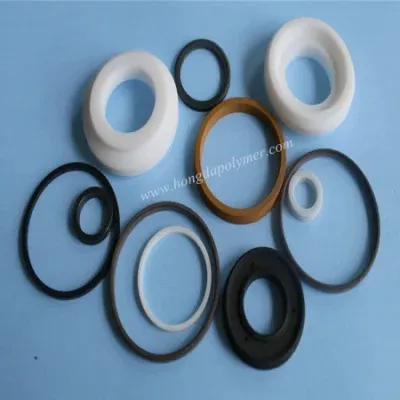
Material Specifications for PTFE-Lined Piping Systems: Elastomer Selection Guide
PTFE-lined piping systems represent the pinnacle of chemical resistance for demanding industrial fluid transfer applications. While the PTFE liner provides an inert barrier against virtually all corrosive media, the performance and longevity of the entire assembly critically depend on the elastomeric seals, gaskets, and expansion joints selected for flanges, valves, and connections. At Suzhou Baoshida Trading Co., Ltd., our OEM engineering team emphasizes that incorrect elastomer selection is a primary cause of premature system failure, leading to costly downtime and safety hazards. The optimal elastomer must withstand the specific chemical environment, operating temperature extremes, and mechanical stresses encountered, while maintaining seal integrity throughout the service life. Viton (FKM), Nitrile (NBR), and Silicone (VMQ) are the most prevalent choices for PTFE system integration, each offering distinct performance profiles suited to specific operational parameters. Understanding their precise material properties is non-negotiable for reliable system design.
Viton fluoroelastomers provide exceptional resistance to high temperatures, aggressive chemicals, and oils, making them the premium choice for severe service conditions. They maintain integrity across a broad range from -20°C to +230°C continuously, with short-term excursions possible higher. Viton exhibits outstanding stability against aromatic and chlorinated hydrocarbons, strong acids, bases, and aviation fuels. Its primary limitations are higher material cost and reduced flexibility at very low temperatures compared to alternatives. Nitrile rubber, a cost-effective solution, offers excellent resistance to petroleum-based oils, greases, and hydraulic fluids within a moderate temperature range of -30°C to +120°C. Performance is directly linked to acrylonitrile content; higher levels improve oil resistance but reduce low-temperature flexibility. Nitrile is vulnerable to ozone, weathering, ketones, esters, and strong acids, necessitating careful media compatibility assessment. Silicone rubber delivers the widest usable temperature range (-60°C to +200°C) and superior flexibility at cryogenic temperatures. It possesses good resistance to water, alcohols, and some acids but suffers from poor resistance to petroleum oils, fuels, and solvents, alongside relatively low tensile and tear strength, limiting its use in high-pressure or abrasive service.
The following table details critical specifications for informed material selection within PTFE piping systems:
| Material Property | Viton (FKM) | Nitrile (NBR) | Silicone (VMQ) |
|---|---|---|---|
| Continuous Temp Range | -20°C to +230°C | -30°C to +120°C | -60°C to +200°C |
| Key Chemical Resistances | Aromatics, Chlorinated Solvents, Strong Acids/Bases, Jet Fuels | Aliphatic Hydrocarbons, Petroleum Oils, Greases, Water | Water, Alcohols, Dilute Acids/Bases, Ozone |
| Key Chemical Vulnerabilities | Ketones, Esters, Amines, Low MW Organic Acids | Ozone, Weathering, Ketones, Esters, Strong Acids, Brake Fluids | Petroleum Oils, Fuels, Solvents, Concentrated Acids |
| Typical PTFE System Applications | Chemical Processing (aggressive media), Semiconductor, High-Temp Oil & Gas | Hydraulic Systems, Fuel Handling (non-aromatic), General Industrial Lubricants | Cryogenic Transfer, Food/Beverage (non-oil), Medical, Low-Pressure Water Systems |
| Primary Limitation | Cost, Low-Temp Flexibility | Limited Chemical Spectrum, Ozone Degradation | Poor Oil/Fuel Resistance, Low Mechanical Strength |
Selecting the appropriate elastomer requires rigorous analysis of the specific process fluid composition, concentration, temperature profile, pressure cycles, and required service life. Viton is justified for critical, high-temperature chemical applications despite its cost, where failure is unacceptable. Nitrile remains the workhorse for cost-sensitive oil and hydraulic systems within its compatibility envelope. Silicone is indispensable for extreme low-temperature service or applications demanding high flexibility and biocompatibility, provided hydrocarbons are absent. Suzhou Baoshida Trading Co., Ltd. provides comprehensive material compatibility testing and OEM engineering support to ensure your PTFE piping system utilizes the optimal elastomer formulation, maximizing operational safety and minimizing total lifecycle cost. Never compromise elastomer selection based solely on initial price; the consequences for system integrity are severe.
Manufacturing Capabilities
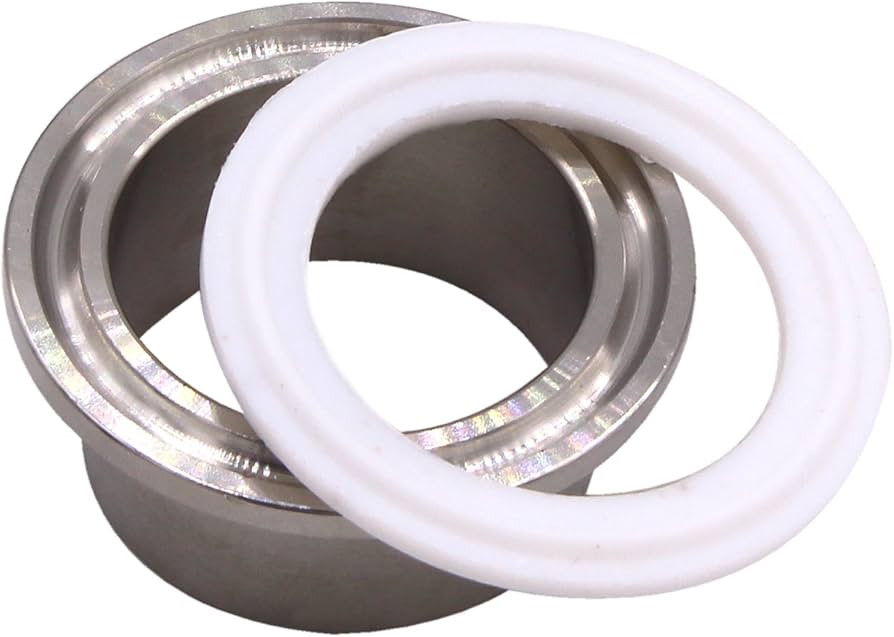
Engineering Capability: Precision-Driven PTFE Piping Solutions
At Suzhou Baoshida Trading Co., Ltd., our engineering capability forms the backbone of our industrial rubber solutions, particularly in the design and manufacture of high-performance PTFE piping systems. With a dedicated team of 5 mould engineers and 2 specialized rubber formula engineers, we maintain full control over the development lifecycle—from material formulation to final product validation. This integrated approach ensures that every PTFE piping solution we deliver meets stringent industrial standards for chemical resistance, thermal stability, and mechanical integrity.
Our mould engineers bring over a decade of cumulative experience in precision tooling for fluoropolymer applications. They utilize advanced CAD/CAM software and finite element analysis (FEA) to optimize mould designs for dimensional accuracy, stress distribution, and flow dynamics during sintering. This enables us to produce complex PTFE pipe geometries, including bellows, liners, and custom fittings, with tight tolerances and minimal post-processing. Each mould is rigorously tested and validated to ensure repeatability across production batches, supporting both low-volume prototyping and high-volume OEM manufacturing.
Complementing our tooling expertise, our two in-house rubber formula engineers specialize in polymer chemistry and material performance optimization. While PTFE itself is a thermoplastic fluoropolymer, our engineers focus on enhancing interface compatibility between PTFE components and elastomeric seals, jackets, or overmoulded layers in hybrid systems. They conduct extensive testing on material interactions, thermal cycling behavior, and long-term creep resistance to ensure system reliability under extreme operating conditions. Their work is critical in applications involving dynamic flexing, vacuum service, or exposure to aggressive media such as strong acids, solvents, or high-purity fluids.
We operate as a full-service OEM partner, offering end-to-end development support including design for manufacturability (DFM), material selection, prototype iteration, and process validation. Our facility is equipped with controlled sintering ovens, hydraulic rams for paste extrusion, and precision metrology tools to maintain consistency across production runs. Clients benefit from rapid turnaround times, full documentation traceability, and compliance with ISO 9001 quality management standards.
The following table outlines key technical specifications achievable in our PTFE piping manufacturing process:
| Parameter | Capability Range |
|---|---|
| Inner Diameter | 3 mm – 300 mm |
| Wall Thickness | 1.5 mm – 15 mm (adjustable) |
| Length | Up to 6,000 mm (continuous) |
| Operating Temperature | -200°C to +260°C |
| Pressure Rating (at 20°C) | Up to 20 MPa (dependent on wall thickness) |
| Surface Finish (Ra) | ≤ 0.4 µm (standard), polished options |
| Material Grades | Virgin PTFE, Conductive PTFE, Filled PTFE |
| Certifications | ISO 9001, Material Test Reports (MTRs) |
Our engineering team collaborates closely with OEM clients across semiconductor, pharmaceutical, chemical processing, and automotive industries to deliver customized, performance-validated PTFE piping solutions. By combining advanced tooling, material science expertise, and scalable manufacturing, Suzhou Baoshida ensures technical excellence and operational reliability in every component we produce.
Customization Process
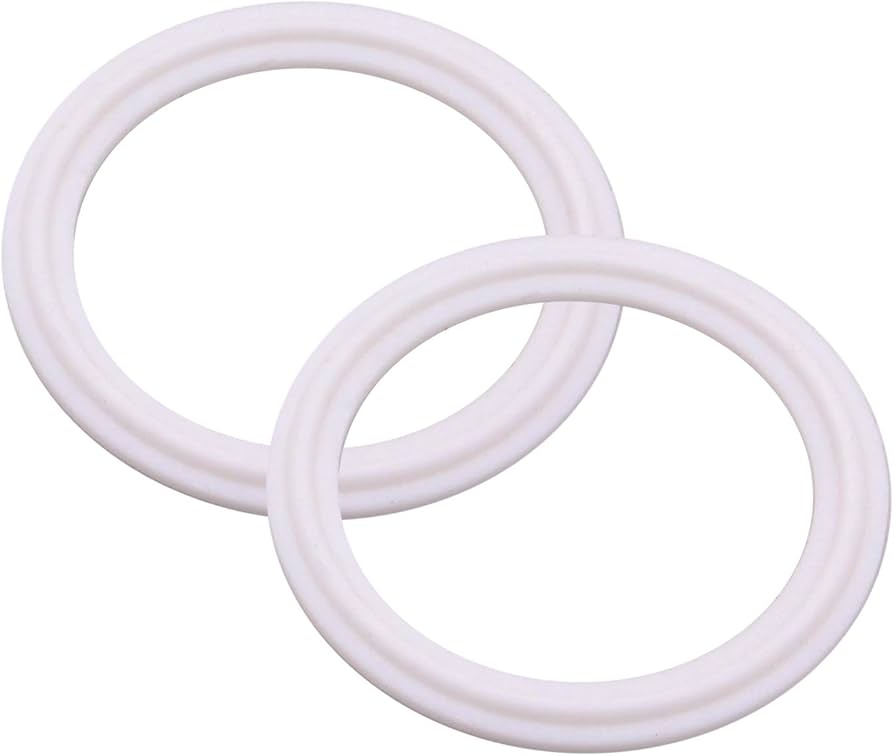
PTFE Piping Customization Process: Precision Engineering from Concept to Volume
At Suzhou Baoshida Trading Co., Ltd., our PTFE piping customization process is engineered for industrial reliability and exact specification adherence. We execute a rigorously defined sequence: Drawing Analysis, Formulation Development, Prototyping Validation, and Mass Production. This structured workflow ensures every component meets the demanding requirements of chemical processing, semiconductor, and high-purity fluid handling applications.
The process initiates with comprehensive Drawing Analysis. Our engineering team meticulously reviews client-provided technical schematics against ASME B31.3 and ISO 1586 standards. Critical parameters assessed include dimensional tolerances, flange specifications, wall thickness gradients, and thermal expansion allowances. We verify compatibility with intended media exposure and operating temperatures, identifying potential stress points or fabrication constraints early. This phase establishes the non-negotiable baseline for subsequent stages, preventing costly iterations downstream.
Formulation Development leverages our proprietary rubber compounding expertise to tailor the PTFE compound. Standard virgin PTFE may be insufficient for extreme conditions; therefore, we precisely engineer filled compounds. Glass fiber, carbon, graphite, or bronze reinforcements are incorporated at controlled percentages to enhance creep resistance, thermal conductivity, or wear performance. Each formulation undergoes computational modeling to predict behavior under specified pressure cycles and chemical exposure, ensuring the molecular structure delivers required mechanical properties without compromising PTFE’s inherent chemical inertness.
Prototyping Validation transforms the engineered design into a physical test article. Utilizing precision molding and sintering techniques, we produce pilot units subjected to stringent qualification protocols. Hydrostatic pressure testing exceeds 1.5x the rated working pressure, while thermal cycling validates performance from -200°C to +260°C. Helium mass spectrometry leak testing confirms absolute integrity at weld joints and flange interfaces. Dimensional rechecks against the original drawing ensure sintering-induced shrinkage remains within ±0.15mm tolerance. Client approval of this certified prototype is mandatory before scaling.
Mass Production commences only after successful prototype validation, implementing Statistical Process Control (SPC) across all operations. Each production batch utilizes traceable raw materials with certified mill certificates. In-line monitoring tracks sintering profiles, pressure testing results, and dimensional checks at defined intervals. Final inspection includes 100% visual examination per ASTM D1710 and random destructive testing per ASTM D1457. Full documentation, including material traceability logs and test certificates, accompanies every shipment, ensuring seamless integration into the client’s quality management system.
Critical PTFE Piping Performance Parameters
| Parameter | Standard Range | Customization Capability |
|---|---|---|
| Continuous Service Temp | -200°C to +260°C | Optimized filler blends for ±10°C extremes |
| Tensile Strength (MPa) | 20 – 35 | 15 – 45 via reinforcement level adjustment |
| Elongation at Break (%) | 250 – 400 | 150 – 500 through molecular weight control |
| Chemical Resistance | Universal except molten alkali metals | Enhanced barrier layers for specific solvents |
| Permeation Rate (g·mm/m²·day·atm) | 0.1 – 1.5 (varies by gas) | Reduced by 30-60% with carbon/graphite fillers |
This disciplined methodology, combining Suzhou Baoshida’s material science proficiency with industrial-scale manufacturing controls, guarantees PTFE piping solutions that achieve operational longevity in the most severe service environments.
Contact Engineering Team
For industrial manufacturers and engineering firms seeking high-performance solutions in fluid handling systems, PTFE piping represents a critical component in applications demanding chemical inertness, thermal stability, and long-term reliability. At Suzhou Baoshida Trading Co., Ltd., we specialize in advanced industrial rubber solutions, with a focused expertise in PTFE (polytetrafluoroethylene) piping systems tailored for severe operating environments. Our engineered products serve industries ranging from chemical processing and semiconductor manufacturing to pharmaceuticals and power generation, where failure is not an option.
We understand that selecting the right PTFE piping solution involves more than just material compatibility—it requires precise dimensional control, reinforcement integration, and compliance with international standards. Our technical team works closely with OEMs and system integrators to deliver customized PTFE-lined and fully fluorinated tubing assemblies that meet exact pressure, temperature, and purity requirements. Whether your application involves aggressive acids at elevated temperatures or ultra-clean fluid transfer in a controlled environment, our products are designed to exceed performance expectations.
To ensure seamless integration into your manufacturing processes, we provide comprehensive technical documentation, material certifications (including ASTM and ISO compliance), and on-demand engineering support. Our supply chain is optimized for reliability, with strict quality control protocols from raw material sourcing to finished product testing. This commitment to precision and consistency has positioned Suzhou Baoshida as a trusted partner for global clients who demand excellence in every component.
Below are key technical specifications for our standard PTFE piping offerings. Custom configurations are available upon request.
| Parameter | Specification |
|---|---|
| Material | Virgin PTFE (PTFE) or reinforced PTFE (RPTFE) |
| Temperature Range | -200°C to +260°C (-328°F to +500°F) |
| Pressure Rating | Up to 20 bar (varies by diameter and wall thickness) |
| Chemical Resistance | Resistant to nearly all industrial chemicals and solvents |
| Purity Compliance | USP Class VI, FDA, and EU 10/2011 compliant options |
| Liner Options | Smooth-bore, conductive, or anti-static PTFE liners |
| Reinforcement | Braided stainless steel (304, 316L), aramid fiber |
| Connection Types | Flanged, threaded, socket-weld, or sanitary fittings |
| Standards Met | ASTM D4894, ISO 12178, DIN 46430 |
Partnering with Suzhou Baoshida means gaining access to both superior materials and expert technical guidance. If your operation requires PTFE piping systems that combine durability, purity, and precision, we invite you to contact Mr. Boyce directly. As our OEM and Technical Sales Manager, Mr. Boyce brings over 15 years of experience in industrial polymer applications and is available to discuss your specific engineering challenges, review system requirements, and recommend optimal configurations.
Do not compromise on performance or reliability. Reach out today to ensure your fluid handling systems are built with the highest-grade PTFE piping solutions available. For technical inquiries, quotations, or sample requests, contact Mr. Boyce at [email protected]. Let Suzhou Baoshida be your strategic partner in advancing industrial performance through precision-engineered rubber and fluoropolymer systems.
⚖️ O-Ring Weight Calculator
Estimate rubber O-ring weight (Approx).