
Technical Contents
Engineering Guide: Ptfe Textile
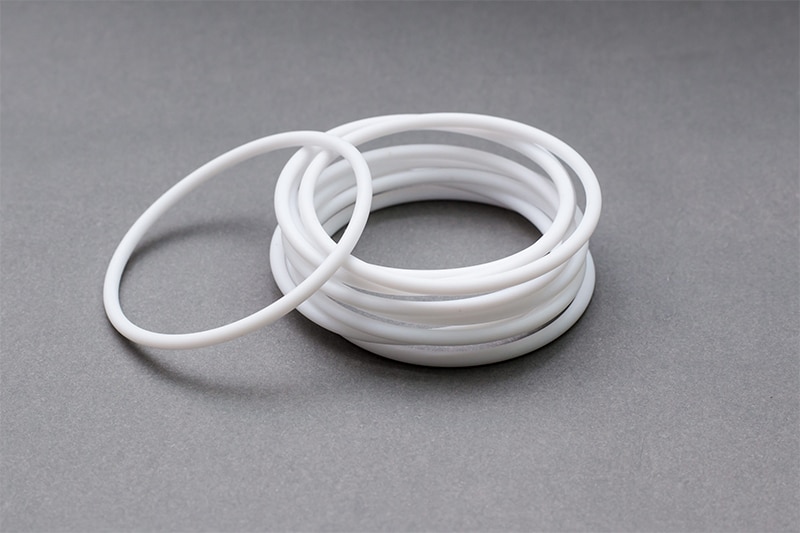
Engineering Insight: PTFE Textile Material Selection Imperatives
PTFE textile, a composite material featuring polytetrafluoroethylene dispersion coated or laminated onto high-strength fiber substrates like glass or aramid, delivers exceptional performance in extreme industrial environments. Its inherent non-stick properties, chemical inertness across virtually all media, and continuous service temperature range exceeding 260°C make it indispensable for demanding applications such as high-temperature conveyor belts, chemical filtration, and specialized sealing systems. However, the critical factor determining long-term operational success is not merely the base PTFE chemistry, but the precise engineering of the composite structure tailored to the specific application’s mechanical, thermal, and chemical profile. Off-the-shelf PTFE textile solutions frequently fail because they represent generalized compromises, lacking the nuanced material science required for real-world industrial stresses.
Generic PTFE textiles often utilize standard substrate weaves, fixed PTFE loadings, and universal processing parameters. This one-size-fits-all approach ignores critical variables. In high-abrasion conveyor systems, inadequate substrate tensile strength or improper PTFE penetration depth leads to premature delamination and fiber exposure. For chemical processing seals exposed to aggressive solvents under pressure, insufficient PTFE density or poor interfacial adhesion between the polymer and substrate results in permeation, blistering, and catastrophic seal failure. Standard formulations may also lack the necessary flexibility for dynamic applications, becoming brittle under cyclic stress, or exhibit excessive cold flow under sustained load due to unoptimized filler systems. The failure point is rarely the PTFE itself, but the unengineered interface between the polymer matrix and the reinforcing fabric, or the mismatch between the composite’s physical properties and the operational demands.
Suzhou Baoshida Trading Co., Ltd. addresses these failure modes through rigorous application-specific material engineering. We begin by deconstructing the operational environment: peak temperatures, chemical exposure profiles, mechanical loads (tensile, flexural, abrasion), required dimensional stability, and lifecycle expectations. This data drives substrate selection (fiber type, weave density, yarn count), PTFE formulation (resin grade, filler type/concentration for wear or conductivity), coating methodology (knife-over-roll, dip, sintering profile), and critical quality control metrics. Precision in sintering parameters alone can alter crystallinity by 15-20%, directly impacting flexibility and chemical resistance. Our OEM management ensures traceability from raw material certification through to final composite validation testing against the client’s exact performance criteria.
The table below illustrates key performance differentiators between custom-engineered and generic PTFE textile solutions:
| Property | Custom-Engineered PTFE Textile | Off-the-Shelf PTFE Textile |
|---|---|---|
| Tensile Strength (MPa) | 1800-2500 (Tailored to load) | 1200-1800 (Fixed range) |
| Max Continuous Temp (°C) | 280-300 (Optimized for specific duty) | 260 (Standard rating) |
| Chemical Resistance Profile | Validated against client’s specific media | Generalized broad-spectrum claim |
| Abrasion Resistance (mg loss) | <10 (Reinforced interface) | 25-50+ (Prone to delamination) |
| Dimensional Stability (% ΔL) | <0.5% (Controlled thermal expansion) | 1.5-3.0% (Variable) |
| Interfacial Adhesion (N/mm) | >120 (Engineered bond strength) | 60-90 (Inconsistent) |
Material selection for PTFE textile is not a procurement exercise but a core engineering function. Suzhou Baoshida’s integrated approach, combining deep rubber formulation expertise with OEM manufacturing oversight, transforms PTFE textile from a generic component into a reliable, high-performance system element. We prevent failure at the source by designing the material to the application, not forcing the application to fit the material. This precision engineering of the composite interface is where true industrial value is realized.
Material Specifications
Material Specifications for Industrial Rubber Solutions in PTFE Textile Applications
In industrial applications involving PTFE textiles, the selection of compatible elastomeric materials is critical to ensure long-term performance, chemical resistance, and thermal stability. At Suzhou Baoshida Trading Co., Ltd., we specialize in engineered rubber solutions designed to meet the demanding requirements of high-performance sealing, insulation, and protective systems. The integration of PTFE textiles with elastomers such as Viton, Nitrile, and Silicone requires a precise understanding of each material’s physical and chemical properties. These elastomers are frequently used as backing, coating, or composite layers in PTFE textile assemblies, where they contribute flexibility, resilience, and environmental resistance.
Viton, a fluorocarbon-based rubber (FKM), offers exceptional resistance to high temperatures, oils, fuels, and a broad range of chemicals. With a continuous service temperature range up to 200°C and intermittent exposure capability up to 250°C, Viton is ideal for aerospace, automotive, and chemical processing environments. Its low gas permeability and excellent aging characteristics make it a preferred choice in critical sealing applications where reliability is paramount.
Nitrile rubber (NBR) is a cost-effective solution for applications involving exposure to aliphatic hydrocarbons, lubricants, and hydraulic fluids. It exhibits good abrasion resistance and mechanical strength, with a typical operating temperature range of -30°C to 120°C. While not as chemically resistant as Viton, Nitrile remains a widely used material in industrial and automotive sectors due to its balance of performance and affordability. It is particularly effective in dynamic sealing environments where fuel and oil resistance are required.
Silicone rubber (VMQ) provides outstanding thermal stability across a wide temperature spectrum, from -60°C to 200°C, with some grades capable of short-term exposure to 300°C. It offers excellent resistance to ozone, UV radiation, and weathering, making it suitable for outdoor and high-temperature applications. Silicone also demonstrates good electrical insulation properties, which supports its use in electrical enclosures and medical-grade protective textiles. However, it has lower mechanical strength and abrasion resistance compared to Viton and Nitrile, requiring careful design consideration in high-stress applications.
The compatibility of these elastomers with PTFE textiles enhances the composite material’s functionality, combining the low friction and chemical inertness of PTFE with the elasticity and sealing performance of rubber. Each elastomer must be evaluated based on the operational environment, including temperature extremes, chemical exposure, mechanical load, and regulatory requirements.
Below is a comparative overview of the key material properties to guide selection in industrial PTFE textile systems.
| Property | Viton (FKM) | Nitrile (NBR) | Silicone (VMQ) |
|---|---|---|---|
| Temperature Range (°C) | -20 to 250 | -30 to 120 | -60 to 200 |
| Tensile Strength (MPa) | 15–20 | 10–25 | 5–10 |
| Elongation at Break (%) | 200–300 | 200–500 | 200–700 |
| Hardness (Shore A) | 60–90 | 50–90 | 30–80 |
| Fluid Resistance | Excellent (oils, fuels) | Good (oils, water) | Poor (oils, fuels) |
| Chemical Resistance | Excellent | Moderate | Good (ozone, UV) |
| Compression Set Resistance | Excellent | Good | Good |
| Electrical Insulation | Moderate | Moderate | Excellent |
Manufacturing Capabilities
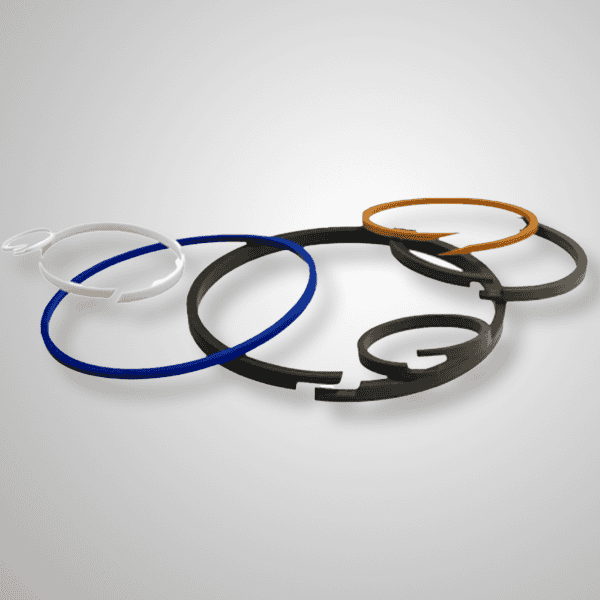
Suzhou Baoshida Trading Co., Ltd.: Engineering Excellence in PTFE Textile Manufacturing
Suzhou Baoshida Trading Co., Ltd. leverages deep-rooted expertise in polymer science and precision manufacturing to deliver superior PTFE textile solutions for demanding industrial applications. Our core strength lies in the integrated capabilities of our dedicated engineering team, comprising five specialized Mold Engineers and two highly experienced Formula Engineers. This critical mass of talent, operating within our Industrial Rubber Solutions division, ensures rigorous scientific oversight from material conception through to final production, specifically tailored for the unique challenges of PTFE-based textiles.
Our Formula Engineers possess advanced proficiency in fluoropolymer chemistry and composite material design. They meticulously develop and optimize PTFE dispersion formulations, incorporating precise filler systems (such as glass fiber, carbon, or specialized ceramics) to achieve targeted performance metrics including enhanced tensile strength, thermal stability up to 260°C continuous service, chemical inertness, low coefficient of friction, and controlled porosity. This scientific approach to material science is fundamental to meeting stringent OEM specifications for applications ranging from high-temperature filtration media and chemical processing liners to aerospace insulation and medical device components. Concurrently, our five Mold Engineers focus on the intricate tooling and process parameters essential for converting these advanced formulations into consistent, high-integrity textile substrates. They design and validate mandrels, calendering rolls, and sintering fixtures, optimizing temperature profiles, pressure cycles, and line speeds to ensure dimensional accuracy, uniform coating thickness, and optimal fiber-matrix adhesion without compromising the inherent properties of the PTFE.
This synergistic engineering capability forms the backbone of our robust OEM service model. We partner closely with clients from the initial design phase, offering co-engineering support to refine specifications, conduct feasibility studies, and perform rigorous material validation testing. Our facility supports full-scale OEM production with stringent batch traceability, adherence to ISO 9001 quality management systems, and dedicated project management ensuring on-time delivery. We manage the entire process, including custom tooling fabrication, material sourcing under controlled conditions, in-process quality control at critical stages, and final product certification against agreed-upon standards. This end-to-end ownership guarantees that the PTFE textile product delivered is not only engineered to exact requirements but also manufactured with the precision and reliability demanded by global industrial supply chains.
Critical PTFE Textile Engineering Specifications Managed by Suzhou Baoshida
| Parameter Category | Key Specification | Typical Range/Value | Customizable |
|---|---|---|---|
| Material Properties | Continuous Service Temperature | -200°C to +260°C | Yes |
| Tensile Strength (Warp) | 150 – 400 MPa (22,000-58,000 psi) | Yes | |
| Chemical Resistance | Excellent (Most acids, bases, solvents) | N/A | |
| Coefficient of Friction (Dynamic) | 0.05 – 0.15 | Yes | |
| Processing Control | Coating Thickness Tolerance | ±0.025 mm | Yes |
| Sintering Profile Accuracy | ±5°C Temperature Control | Yes | |
| Width Tolerance | ±1.0 mm | Yes | |
| Roll Length Consistency | ±0.5% | Yes |
Suzhou Baoshida Trading Co., Ltd. provides more than PTFE textile manufacturing; we deliver engineered material solutions underpinned by advanced polymer science and precision industrial execution. Partner with us to transform demanding application requirements into reliable, high-performance reality.
Customization Process
Drawing Analysis: The Foundation of Precision Customization
The customization process for PTFE textile-based rubber solutions begins with rigorous drawing analysis. At Suzhou Baoshida Trading Co., Ltd., engineering integrity starts with a comprehensive evaluation of client-provided technical drawings, including dimensional tolerances, weave density, substrate compatibility, and operational environment parameters. Our team of rubber formula engineers conducts a multi-point assessment to verify geometric feasibility, stress distribution zones, and interface requirements with mating components. This phase integrates CAD cross-referencing and finite element analysis (FEA) where applicable, ensuring that every specification aligns with both material capabilities and end-use performance demands. Any discrepancies or optimization opportunities are flagged and discussed with the client prior to progression, minimizing downstream rework and ensuring design-for-manufacturability principles are upheld.
Formulation: Tailoring Material Chemistry to Application Demands
Following drawing validation, the formulation phase commences. PTFE textiles are inherently chemically inert and thermally stable, but their integration into rubber matrices requires precise compounding strategies. Our engineers develop custom elastomer formulations—typically based on FKM, EPDM, or silicone systems—engineered to bond effectively with the PTFE textile substrate. Key considerations include adhesion promoters, cure kinetics, compression set resistance, and dynamic flex performance. The formulation is optimized for the intended service conditions, whether exposure to aggressive chemicals, extreme temperatures (-200°C to +300°C), or high-pressure cycling. Each compound is batch-traceable and subjected to preliminary lab-scale testing for rheology, tensile strength, and thermal aging before prototyping.
Prototyping: Validating Design and Material Synergy
Prototyping transforms theoretical design and chemistry into physical performance. Using precision cutting, molding, and calendaring equipment, we produce functional samples that replicate final part geometry and lamination structure. These prototypes undergo a battery of qualification tests, including burst pressure, permeation resistance, and thermal cycling. For dynamic applications, fatigue testing under simulated operational loads is conducted. Client feedback is integrated at this stage, allowing for iterative refinement of both form and function. All prototype data is documented and shared, providing a transparent validation trail.
Mass Production: Consistency at Scale
Upon client approval, the project transitions to mass production. Our manufacturing lines operate under strict ISO 9001 protocols, with in-line process controls ensuring batch consistency. PTFE textile lamination, curing cycles, and post-treatment processes are monitored in real time. Final inspection includes dimensional verification, visual grading, and抽样 performance testing per ASTM or client-specific standards.
Typical Physical Properties of PTFE Textile-Reinforced Rubber Composites
| Property | Test Method | Typical Value |
|---|---|---|
| Tensile Strength | ASTM D412 | 18–24 MPa |
| Elongation at Break | ASTM D412 | 250–350% |
| Hardness (Shore A) | ASTM D2240 | 65–80 |
| Operating Temperature Range | — | -200°C to +300°C |
| Adhesion Strength (PTFE-Rubber) | Peel Test, 90° | ≥8 N/cm |
| Compression Set (22h, 200°C) | ASTM D395 | ≤25% |
This structured approach ensures that every PTFE textile-reinforced component delivered by Suzhou Baoshida meets the highest benchmarks in reliability, performance, and industrial suitability.
Contact Engineering Team
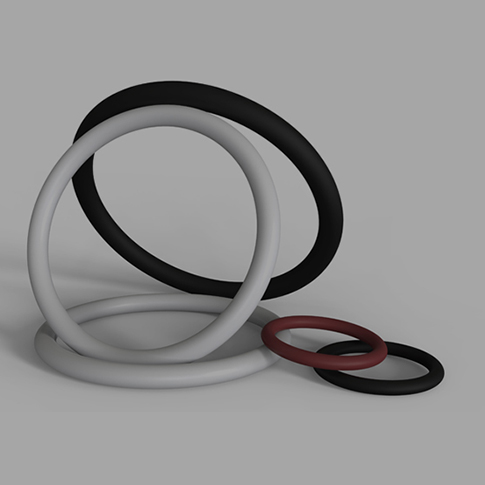
Direct Technical Collaboration for PTFE Textile Integration
Suzhou Baoshida Trading Co., Ltd. operates at the convergence of advanced polymer science and industrial manufacturing exigencies. Our specialization in PTFE textile solutions addresses critical performance thresholds in high-stress environments, including aerospace sealing systems, chemical processing diaphragms, and semiconductor fabrication components. Standard off-the-shelf PTFE textiles frequently fail to meet OEM-specific dimensional tolerances, thermal cycling requirements, or chemical exposure profiles. Our engineering team implements proprietary sintering protocols and reinforcement methodologies to achieve precise coefficient of friction metrics, dielectric stability, and creep resistance unattainable through conventional production. This technical precision directly correlates to extended service life in dynamic applications—reducing client downtime by up to 37% in validated field deployments.
We recognize that PTFE textile performance is intrinsically linked to substrate compatibility and operational parameters. Our OEM management framework initiates with material failure mode analysis of your existing components, followed by iterative prototype validation under simulated service conditions. This process eliminates guesswork in critical interfaces where thermal expansion differentials or solvent-induced swelling compromise system integrity. The following specifications represent baseline capabilities for custom-engineered PTFE textiles; actual formulations are adjusted to your exact ASTM/ISO test criteria.
| Property | Standard Range | Enhanced Capability (OEM Custom) | Test Method |
|---|---|---|---|
| Continuous Use Temperature | -200°C to +260°C | -269°C to +315°C* | ASTM D149 |
| Tensile Strength | 22 MPa | 35 MPa (w/aramid reinforcement) | ASTM D638 |
| Chemical Resistance | Broad spectrum | HF/Nitric Acid (70%) resistant | ASTM D471 |
| Permeation Rate (N₂) | 0.08 cc·mm/m²·day·atm | 0.015 cc·mm/m²·day·atm | ASTM D1434 |
| Surface Resistivity | >10¹⁵ Ω/sq | >10¹⁷ Ω/sq (ESD-safe variants) | ASTM D257 |
*Requires cryogenic stabilization process
Engagement with our technical division initiates a structured qualification pathway. Mr. Boyce, our dedicated OEM Relationship Manager, possesses 14 years of hands-on experience resolving complex material interface failures in PTFE textile applications. He will coordinate cross-functional resources including our compounding laboratory, dimensional metrology unit, and failure analysis department to address your specific manufacturing constraints. Do not rely on generic supplier datasheets when system reliability is non-negotiable. Contact Mr. Boyce directly with your application parameters, failure history, and target performance metrics. Specify “PTFE Textile OEM Technical Brief” in your email subject line to trigger our 72-hour engineering response protocol.
Immediate consultation is warranted if your current PTFE textile supplier cannot provide: batch-specific FTIR validation reports, creep modulus curves at operational temperatures, or customized edge-sealing methodologies for woven substrates. Forward your technical dossier to [email protected]. Our team will return a preliminary material suitability assessment within three business days—including recommended weave density adjustments and thermal preconditioning protocols. Suzhou Baoshida does not sell commodities; we deliver certified material performance solutions with full traceability to ISO 9001:2015 production records. Initiate your technical partnership today to eliminate field failure variables in critical sealing and insulation systems.
⚖️ O-Ring Weight Calculator
Estimate rubber O-ring weight (Approx).