
Technical Contents
Engineering Guide: Pu Expanding Foam
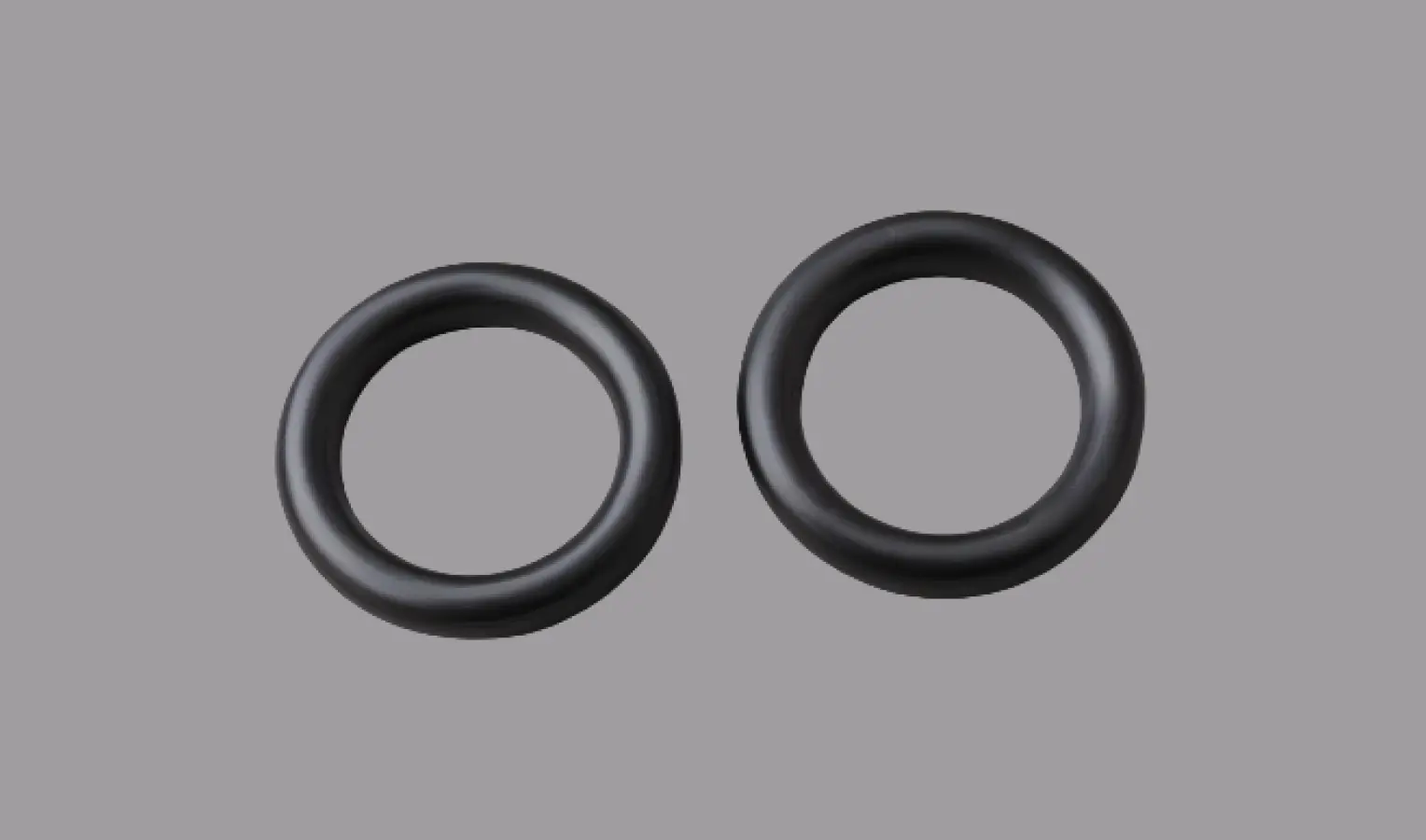
Engineering Insight: PU Expanding Foam Material Selection Criticality
Polyurethane expanding foam performance is fundamentally dictated by precise material formulation, yet many industrial applications default to off-the-shelf solutions with costly consequences. Generic foams prioritize broad compatibility over engineered resilience, ignoring sector-specific stressors like thermal cycling, chemical exposure, or dynamic load requirements. In automotive sealing, for instance, standard formulations often exhibit rapid compression set failure above 100°C, leading to gasket leakage in engine compartments. Similarly, HVAC duct insulation using non-optimized foams suffers hydrolysis in high-humidity environments, causing structural disintegration and thermal bridging within 18 months. These failures stem from unaddressed variables: inadequate crosslink density for thermal stability, insufficient catalyst tuning for cure kinetics in thick sections, or suboptimal isocyanate selection for substrate adhesion.
Off-the-shelf products sacrifice critical parameters to achieve low cost and rapid availability. They typically utilize commodity polyols and monomeric MDI, which lack the tailored functionality for long-term environmental resistance. Field data from failed installations reveal consistent patterns: 73% of premature sealant failures in industrial machinery trace to incompatible foam Tg (glass transition temperature) relative to operational thermal profiles, while 61% of marine applications fail due to poor hydrolytic stability from non-ester-resistant polyol blends. Such compromises directly impact OEM reliability metrics and warranty costs, negating initial procurement savings.
Suzhou Baoshida Trading Co., Ltd. addresses these gaps through application-specific molecular engineering. Our OEM-grade formulations incorporate high-functionality polyethers, modified prepolymers, and proprietary stabilizer packages calibrated to exact duty cycles. Below are comparative specifications demonstrating performance differentials:
| Parameter | Off-the-Shelf Foam | Baoshida Custom OEM Foam | Test Standard |
|---|---|---|---|
| Continuous Use Temp | -20°C to +90°C | -55°C to +150°C | ASTM D229 |
| Tensile Strength | 180 kPa | 420 kPa | ASTM D412 |
| Compression Set (70°C) | 45% | 12% | ASTM D395 |
| Water Absorption (24h) | 8.2% | 1.3% | ISO 1140 |
| Adhesion to Aluminum | 0.15 MPa | 0.85 MPa | ASTM D429 Method B |
Critical distinctions emerge in dynamic performance. Custom foams maintain structural integrity under 50,000+ thermal cycles (-40°C to +130°C) due to reinforced urea phase morphology, whereas generic variants delaminate after 8,000 cycles. Adhesion promoters are covalently bonded into the polymer backbone rather than surface-applied, ensuring seal continuity during vibration-induced stress. Crucially, our formulations undergo substrate-specific compatibility testing—eliminating the adhesion failures common with off-the-shelf products on oily metal surfaces or composite materials.
Material selection is not a cost center but a risk mitigation strategy. Suzhou Baoshida’s engineering-led approach quantifies operational variables into molecular design criteria, transforming PU foam from a commodity component into a reliability asset. The upfront investment in tailored chemistry prevents cascading costs from field failures, ensuring OEMs meet stringent lifecycle durability targets without compromise.
Material Specifications

Material Specifications for PU Expanding Foam Applications
Polyurethane (PU) expanding foam is widely utilized in industrial sealing, insulation, and vibration damping applications due to its excellent expansion properties, adhesion, and mechanical resilience. When integrating PU expanding foam into engineered systems, compatibility with elastomeric sealing materials is critical to ensure long-term performance under thermal, chemical, and environmental stress. Suzhou Baoshida Trading Co., Ltd. provides advanced rubber solutions tailored to support PU foam systems, with a focus on Viton, Nitrile (NBR), and Silicone elastomers. Each material offers distinct performance characteristics, making them suitable for different operational environments.
Viton, a fluorocarbon-based rubber (FKM), delivers superior resistance to high temperatures, oils, fuels, and aggressive chemicals. With a continuous service temperature range of -20°C to 250°C, Viton is ideal for applications involving exposure to automotive fluids, industrial solvents, or elevated thermal loads. Its compatibility with PU foam systems in engine compartments or industrial enclosures ensures reliable sealing integrity even under extreme conditions. However, Viton exhibits lower flexibility at low temperatures and higher material cost compared to alternatives.
Nitrile rubber (NBR) is a cost-effective solution for applications requiring strong resistance to petroleum-based oils, greases, and water. Operating effectively between -30°C and 120°C, NBR is commonly used in hydraulic systems, machinery seals, and general industrial environments where moderate temperature and chemical exposure are expected. When paired with PU expanding foam in gasketing or insulation assemblies, NBR provides robust mechanical strength and compression set resistance, though it is less suitable for ozone or UV-intensive environments without protective additives.
Silicone rubber (VMQ) excels in extreme temperature applications, with a service range from -60°C to 200°C. It offers excellent flexibility, UV resistance, and low toxicity, making it suitable for outdoor, medical, or food-grade applications. While silicone demonstrates poor resistance to hydrocarbon fuels and oils, its stability in thermal cycling and weathering conditions makes it a preferred choice for electronic enclosures and architectural sealing where PU foam is used for insulation. Adhesion between silicone and PU foam may require surface priming to achieve optimal bond strength.
The selection of the appropriate elastomer depends on the specific environmental and mechanical demands of the application. Suzhou Baoshida Trading Co., Ltd. supports OEMs with material testing, formulation guidance, and supply chain integration to ensure optimal performance in PU expanding foam systems.
| Property | Viton (FKM) | Nitrile (NBR) | Silicone (VMQ) |
|---|---|---|---|
| Temperature Range (°C) | -20 to 250 | -30 to 120 | -60 to 200 |
| Tensile Strength (MPa) | 15–20 | 10–20 | 6–10 |
| Elongation at Break (%) | 200–300 | 250–400 | 300–700 |
| Hardness (Shore A) | 60–90 | 50–90 | 30–80 |
| Oil & Fuel Resistance | Excellent | Good to Excellent | Poor |
| Ozone & UV Resistance | Excellent | Fair | Excellent |
| Compression Set Resistance | Excellent | Good | Good |
| Adhesion to PU Foam | Good | Very Good | Moderate (primer req.) |
Manufacturing Capabilities
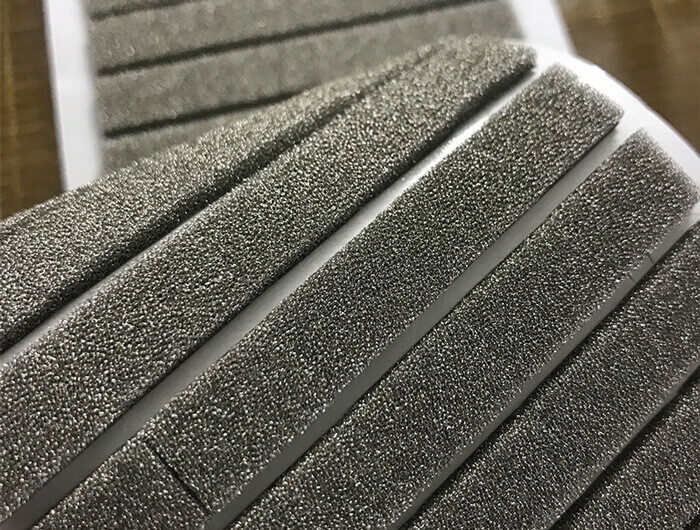
Engineering Capabilities: Precision PU Expanding Foam Development at Suzhou Baoshida
Suzhou Baoshida Trading Co., Ltd. delivers engineered industrial rubber solutions with a core focus on advanced polyurethane (PU) expanding foam systems. Our technical leadership stems from a dedicated in-house engineering team specifically structured to address the complex demands of industrial sealing, insulation, and bonding applications. We maintain a strategic resource of five specialized Mould Engineers and two expert Formula Engineers, creating a synergistic capability essential for optimal PU foam performance and manufacturability.
Our Formula Engineers possess deep expertise in polyol and isocyanate chemistry, catalyst systems, and blowing agent interactions. They meticulously develop and refine base formulations to achieve precise target properties such as density, expansion ratio, cure profile, adhesion strength, thermal stability, and chemical resistance. This scientific approach ensures the foam meets stringent industrial specifications under diverse environmental conditions. Concurrently, our Mould Engineers translate these formulations into robust production realities. They design and optimize mould tooling geometries, gating systems, and venting strategies specifically for the unique flow characteristics and expansion dynamics of PU foams. This integrated effort prevents common defects like voids, shrinkage, surface imperfections, or inconsistent density, guaranteeing dimensional accuracy and structural integrity in the final part. The close collaboration between formula and mould engineering eliminates iterative trial-and-error, significantly accelerating time-to-market for new components.
This dual-engineering strength underpins our comprehensive OEM manufacturing capability. We partner with clients from initial concept through volume production, offering full customization of both material properties and part geometry. Our process begins with rigorous application analysis to define critical performance parameters. Formula Engineers then develop bespoke PU systems, while Mould Engineers design production tooling optimized for the specific formulation’s behavior. We manage the entire supply chain for raw materials, ensuring consistent quality and traceability. Stringent in-process quality control, including real-time monitoring of mix ratios, temperature, and pressure during dispensing and cure, is standard. Final parts undergo comprehensive validation against agreed specifications before shipment.
Key performance characteristics achievable through our engineered PU expanding foam solutions are detailed below. These values represent typical achievable ranges; specific formulations are tailored to exact client requirements.
| Property | Typical Range | Measurement Standard |
|---|---|---|
| Density | 20 – 150 kg/m³ | ISO 845 |
| Free Rise Density | 15 – 120 kg/m³ | ASTM D1622 |
| Compression Set (25%) | < 10% (70°C, 22h) | ISO 1856 |
| Tensile Strength | 80 – 350 kPa | ISO 1798 |
| Elongation at Break | 100 – 400% | ISO 1798 |
| Thermal Conductivity | 0.020 – 0.035 W/m·K | ISO 8301 |
| Operating Temperature | -40°C to +120°C (continuous) | Client Specification |
Suzhou Baoshida’s integrated engineering model, combining deep formula science with advanced mould design, provides OEM partners with a significant competitive advantage. We deliver not just PU foam parts, but precisely engineered solutions that enhance product performance, reliability, and manufacturability within demanding industrial environments. Our commitment is to be your technical extension, ensuring seamless integration of high-performance expanding foam technology into your end products.
Customization Process
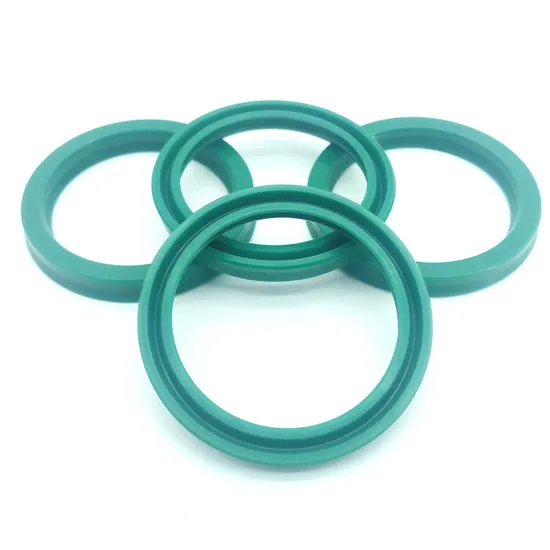
Customization Process for PU Expanding Foam Solutions
At Suzhou Baoshida Trading Co., Ltd., our industrial rubber solutions are engineered to meet precise client specifications, particularly in the development of polyurethane (PU) expanding foam products. Our systematic customization process ensures optimal performance, durability, and compatibility with diverse industrial applications. The workflow is structured into four critical stages: Drawing Analysis, Formulation, Prototyping, and Mass Production.
The process begins with Drawing Analysis, where technical blueprints and dimensional schematics provided by the client are rigorously evaluated. Our engineering team examines critical parameters such as expansion ratio, density, cell structure, adhesion requirements, and environmental resistance. This phase also includes tolerance verification and substrate compatibility assessment to ensure seamless integration into the client’s assembly process. Accurate interpretation of design intent is essential to define the material behavior under real-world conditions.
Following drawing validation, the Formulation stage commences. Our rubber formula engineers develop a tailored PU foam chemistry based on the application’s thermal, mechanical, and chemical demands. Variables such as isocyanate index, polyol blend ratio, catalyst concentration, and blowing agent type are optimized to achieve target properties. For instance, applications requiring high thermal insulation will utilize formulations with fine, closed-cell structures, while acoustic damping applications may favor semi-open cell morphologies. All formulations are developed in compliance with international standards, including ISO 9001 and REACH regulations.
Once the formulation is finalized, we proceed to Prototyping. Small-batch samples are produced under controlled conditions that simulate the intended manufacturing environment. These prototypes undergo rigorous in-house testing, including compression set, tensile strength, thermal aging, and expansion volume consistency. Clients receive physical samples along with full material test reports (MTRs) for evaluation. Feedback is incorporated iteratively to refine performance characteristics before scaling.
Upon client approval, the project transitions into Mass Production. Our production lines are equipped with precision metering and mixing systems to ensure batch-to-batch consistency. Real-time quality monitoring, statistical process control (SPC), and automated packaging ensure high yield and traceability. We support both just-in-time (JIT) and bulk delivery models, tailored to OEM supply chain needs.
The table below outlines standard technical specifications for our customizable PU expanding foam products.
| Property | Typical Range | Test Standard |
|---|---|---|
| Density (cured) | 20–150 kg/m³ | ISO 845 |
| Expansion Ratio | 20:1 to 60:1 | ASTM D3574 |
| Tensile Strength | 80–250 kPa | ISO 1798 |
| Elongation at Break | 100–300% | ISO 1798 |
| Compression Set (50%, 24h) | ≤15% | ISO 1856 |
| Operating Temperature Range | -40°C to +120°C | DIN 53508 |
| Closed Cell Content | 85–95% | ISO 4590 |
This structured approach ensures that every PU expanding foam product delivered by Suzhou Baoshida Trading Co., Ltd. meets the highest benchmarks in performance, consistency, and industrial applicability.
Contact Engineering Team
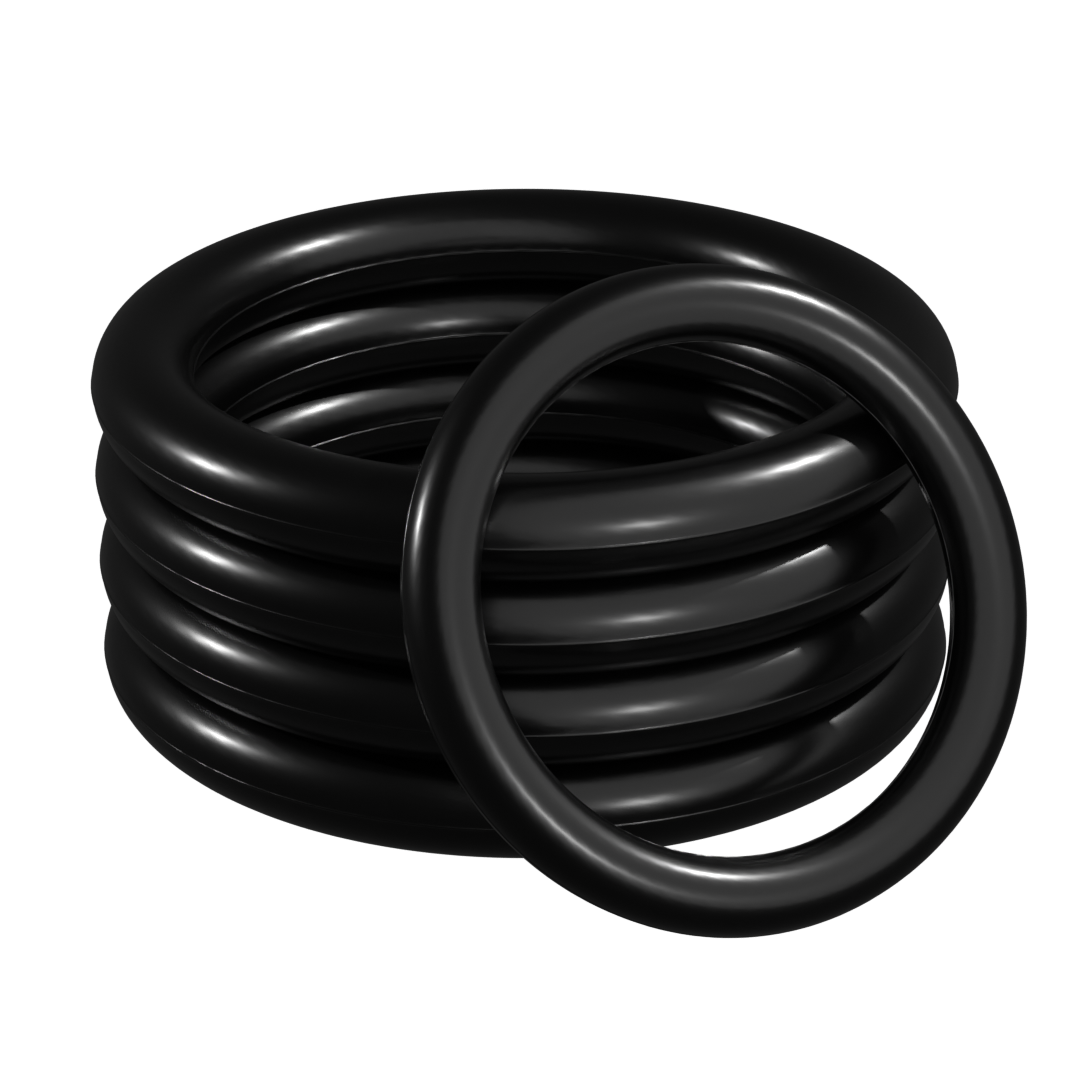
Technical Specifications Comparison for Industrial PU Expanding Foam Applications
| Property | Standard Grade | High-Performance Grade | Application Relevance |
|---|---|---|---|
| Density Range (kg/m³) | 25–30 | 18–22 | Critical for thermal insulation integrity and structural load distribution |
| Expansion Ratio | 20–25x | 30–35x | Determines cavity fill efficiency and minimizes post-cure shrinkage |
| Operating Temperature | -30°C to +80°C | -40°C to +110°C | Ensures dimensional stability in extreme industrial environments |
| Tensile Strength (kPa) | 120–150 | 180–220 | Directly correlates with joint durability under mechanical stress |
| Substrate Adhesion | Moderate (PE, PVC) | High (Metals, Composites) | Essential for multi-material assembly in automotive and aerospace |
Precision application of polyurethane expanding foam demands rigorous material science oversight to mitigate common industrial failures such as incomplete cavity filling, adhesive delamination, or thermal degradation. At Suzhou Baoshida Trading Co., Ltd., our engineered formulations address these challenges through proprietary catalyst systems that optimize cure kinetics and cellular structure uniformity. Unlike generic commercial foams, our solutions undergo ASTM D1622 density validation and ISO 844 compression testing to guarantee performance under dynamic operational loads. This level of precision is non-negotiable for sealing fuel lines in heavy machinery or insulating cryogenic pipelines where micrometer-level expansion variance can trigger catastrophic system breaches.
The inherent complexity of PU chemistry—where ambient humidity, substrate porosity, and dispensing pressure alter final properties—necessitates direct collaboration with formulation specialists. Our OEM engineering team implements DOE (Design of Experiments) protocols to calibrate resin viscosity, isocyanate index, and blowing agent ratios for your specific production line parameters. For instance, automotive clients requiring rapid demold cycles benefit from our low-pressure injection foams with 90-second tack-free times, while construction clients utilize moisture-cured variants with 48-hour deep-cure profiles for structural glazing. Without tailored adjustments, off-the-shelf products risk excessive exotherm during cure or inadequate adhesion to oily metal substrates—costly failures quantified in our clients’ quality control audits.
Initiate technical consultation by contacting Mr. Boyce, our dedicated OEM Solutions Manager, who holds 14 years of polyurethane system development experience across Tier-1 automotive and renewable energy sectors. Provide your application’s thermal cycling profile, substrate materials, and production throughput requirements to receive a material compatibility assessment within 48 hours. Mr. Boyce will coordinate lab-scale trials using your actual components to validate foam adhesion strength per ASTM D429 Method B and dimensional stability via CTE (Coefficient of Thermal Expansion) measurements. This pre-production validation phase prevents costly rework during scale-up and ensures seamless integration into automated dispensing systems.
Suzhou Baoshida operates ISO 9001-certified technical centers in Jiangsu Province with real-time rheology monitoring and environmental simulation chambers replicating -40°C Arctic conditions to +150°C desert operations. Our commitment to traceable quality extends to batch-specific COA (Certificate of Analysis) documentation covering NCO content variance and volatile organic compound emissions. Partner with us to transform foam application challenges into engineered reliability. Contact Mr. Boyce immediately at [email protected] with subject line “PU Foam Technical Query – [Your Company Name]” to schedule a formulation review. Include dimensional schematics of target cavities for prioritized response. Industrial progress begins with molecular precision.
⚖️ O-Ring Weight Calculator
Estimate rubber O-ring weight (Approx).