
Technical Contents
Engineering Guide: Pvc Materia
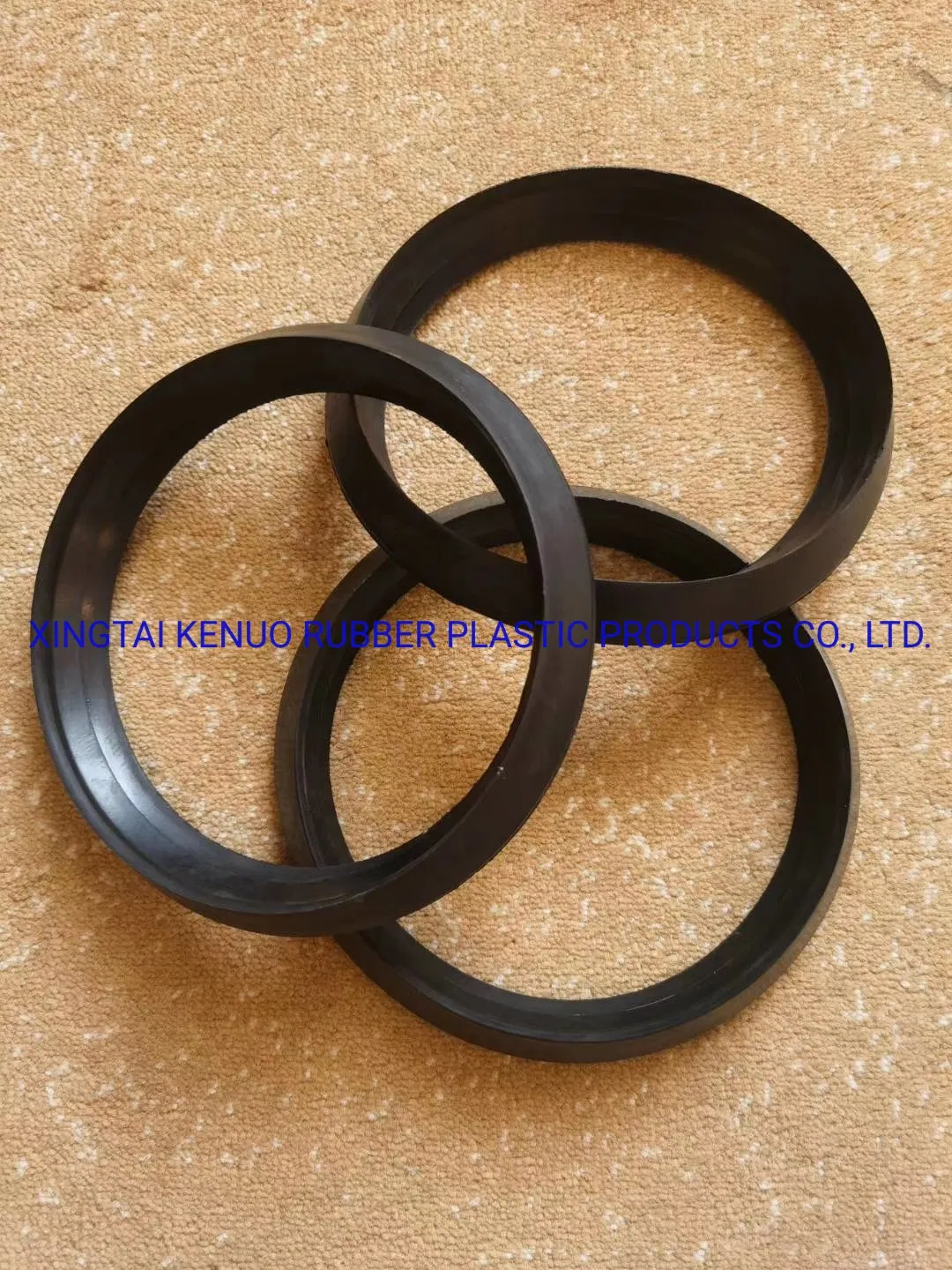
Engineering Insight: PVC Materia – The Critical Role of Material Selection in Industrial Applications
In the domain of industrial rubber solutions, polyvinyl chloride (PVC) materia stands as a widely adopted thermoplastic polymer due to its versatility, cost efficiency, and inherent resistance to environmental degradation. However, the assumption that all PVC formulations are functionally interchangeable leads to frequent performance failures in demanding operational environments. Off-the-shelf PVC compounds, while economically attractive, are typically designed for general-purpose applications and lack the tailored formulation required to meet specific mechanical, thermal, and chemical challenges encountered in industrial settings.
Material selection is not a peripheral consideration—it is a foundational engineering decision. Standard-grade PVC materia often fails under prolonged exposure to elevated temperatures, aggressive chemicals, or dynamic mechanical stress. For instance, in fluid handling systems operating above 60°C, conventional PVC undergoes thermal softening, leading to dimensional instability and seal failure. Similarly, in environments with aromatic hydrocarbons or strong oxidizing agents, unmodified PVC exhibits swelling and loss of tensile integrity. These failures are not anomalies; they are predictable outcomes of inadequate material profiling.
At Suzhou Baoshida Trading Co., Ltd., we emphasize application-specific formulation as the cornerstone of reliable performance. Our engineered PVC materia integrates co-polymer modifications, plasticizer optimization, and stabilizer systems calibrated to the operational envelope of the end-use. This includes controlled glass transition temperature (Tg) tuning, enhanced UV resistance for outdoor installations, and reinforcement with nano-fillers to improve abrasion resistance. The result is a compound that performs reliably under cyclic loading, extreme pH conditions, and variable thermal gradients.
Moreover, consistency in raw material sourcing and batch-to-batch reproducibility are critical to maintaining performance standards. Generic PVC materia often suffers from variable plasticizer migration rates and inconsistent filler dispersion, leading to premature aging and unpredictable service life. Our quality-controlled manufacturing process ensures uniform dispersion and cross-linking, minimizing defects and maximizing functional longevity.
Below is a comparative specification table highlighting the performance differential between standard off-the-shelf PVC and our engineered PVC materia.
| Property | Standard PVC Materia | Engineered PVC Materia (Baoshida) |
|---|---|---|
| Tensile Strength | 40 MPa | 52 MPa |
| Elongation at Break | 250% | 380% |
| Heat Distortion Temperature (HDT) | 60°C | 85°C |
| Hardness (Shore A) | 75 | 82 |
| Volume Resistivity | 1×10¹² Ω·cm | 5×10¹³ Ω·cm |
| Chemical Resistance (5% H₂SO₄, 72h) | Moderate swelling | No visible change |
| Service Life (dynamic seal, 25°C) | ~18 months | ~42 months |
The data underscores a pivotal truth: performance cannot be retrofitted. It must be engineered from the molecular level upward. In mission-critical industrial systems, the cost of failure far outweighs the initial savings from selecting non-specialized materials. By prioritizing precision formulation and rigorous testing, Suzhou Baoshida delivers PVC materia that meets the exacting demands of modern manufacturing.
Material Specifications
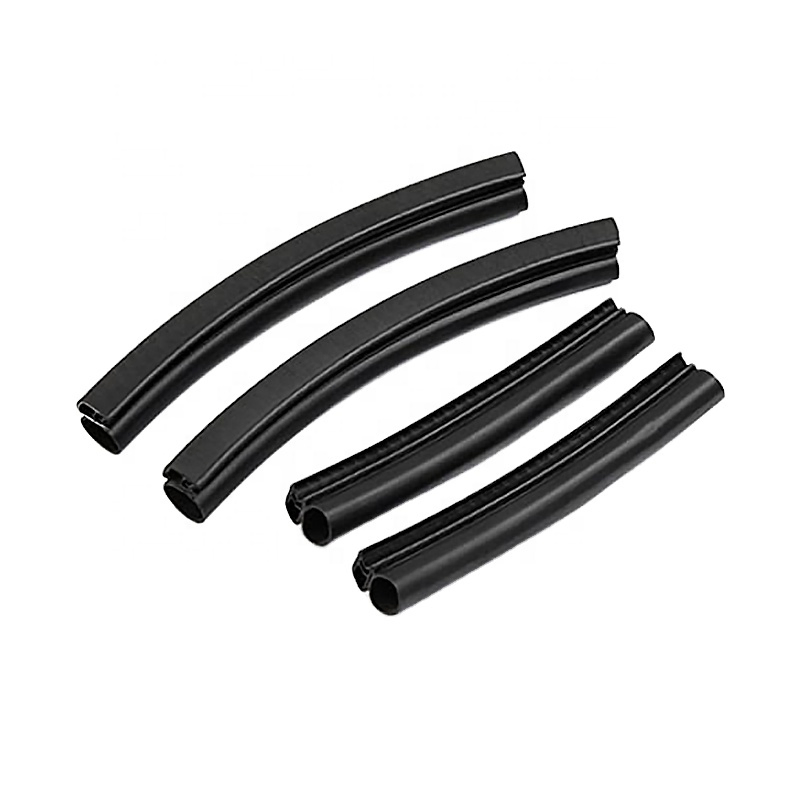
Material Specifications: Critical Elastomer Selection for Industrial Applications
Suzhou Baoshida Trading Co., Ltd. notes a critical clarification regarding the requested scope. The term “pvc materia” appears inconsistent with the specified materials (Viton, Nitrile, Silicone), as PVC (polyvinyl chloride) is a thermoplastic polymer, not an elastomer. Our Industrial Rubber Solutions division exclusively engineers and supplies high-performance rubber compounds. This section therefore details specifications for the requested elastomers: Viton (FKM), Nitrile (NBR), and Silicone (VMQ), which are fundamental to sealing, gasketing, and fluid-handling systems in demanding OEM environments. Precision in material selection directly impacts product lifecycle, chemical compatibility, and operational safety.
Viton (Fluoroelastomer, FKM) delivers exceptional resistance to high temperatures (–20°C to +230°C continuous), aggressive chemicals (fuels, oils, acids), and ozone. Its tensile strength ranges 10–20 MPa (ASTM D412), with hardness typically 60–90 Shore A. FKM’s low gas permeability makes it indispensable for aerospace and semiconductor applications where fluid integrity is non-negotiable. However, its cost is 3–5× higher than NBR, necessitating justified use cases.
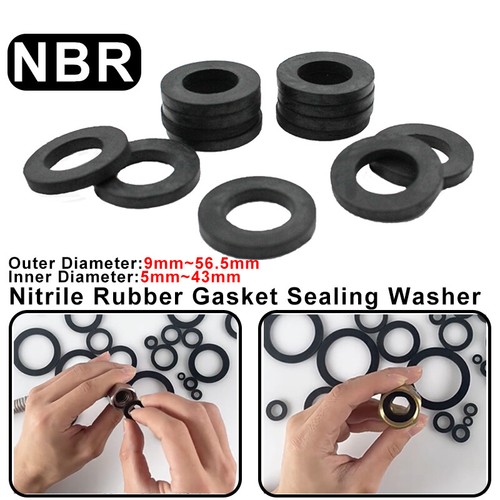
Nitrile (Acrylonitrile Butadiene Rubber, NBR) remains the industry standard for petroleum-based fluid resistance. Operating effectively between –40°C and +120°C (short-term to 150°C), it offers tensile strength of 15–25 MPa and hardness of 40–90 Shore A. Cost-efficient and abrasion-resistant, NBR dominates automotive fuel systems and hydraulic seals. Limitations include poor ozone/weathering resistance and swelling in polar solvents like acetone or glycol-based brake fluids.
Silicone (Polydimethylsiloxane, VMQ) excels in extreme temperature resilience (–60°C to +200°C) and biocompatibility. With tensile strength of 5–10 MPa and hardness 30–80 Shore A, it maintains flexibility in cryogenic conditions and resists sterilization processes. VMQ is ideal for medical devices and food-grade seals but exhibits lower tear strength and significant swelling in non-polar solvents like hydrocarbons.
The comparative analysis below outlines key performance metrics under standardized test conditions (ASTM/ISO):
| Property | Viton (FKM) | Nitrile (NBR) | Silicone (VMQ) |
|---|---|---|---|
| Temperature Range (°C) | –20 to +230 | –40 to +120 | –60 to +200 |
| Tensile Strength (MPa) | 10–20 | 15–25 | 5–10 |
| Hardness (Shore A) | 60–90 | 40–90 | 30–80 |
| Fuel Resistance (ASTM D471) | Excellent | Good | Poor |
| Acid Resistance | Excellent | Moderate | Poor |
| Ozone Resistance | Excellent | Poor | Excellent |
| Compression Set (70h/150°C) | 15–25% | 20–35% | 20–30% |
| Typical Cost Factor | 4.0 | 1.0 | 2.5 |
OEM partners must prioritize application-specific variables: NBR for cost-sensitive fuel exposure, FKM for chemical extremes, and VMQ for thermal/biological demands. Suzhou Baoshida provides certified material test reports (MTRs) and custom compound formulations to meet ISO 3601 or SAE AS568 dimensional standards. Misalignment between elastomer properties and operational stressors causes 68% of premature seal failures per SAE International data. Consult our engineering team for application validation and accelerated aging protocols to ensure compliance with AS9100 or IATF 16949 requirements. Material specification is not procurement—it is risk mitigation engineered at the molecular level.
Manufacturing Capabilities
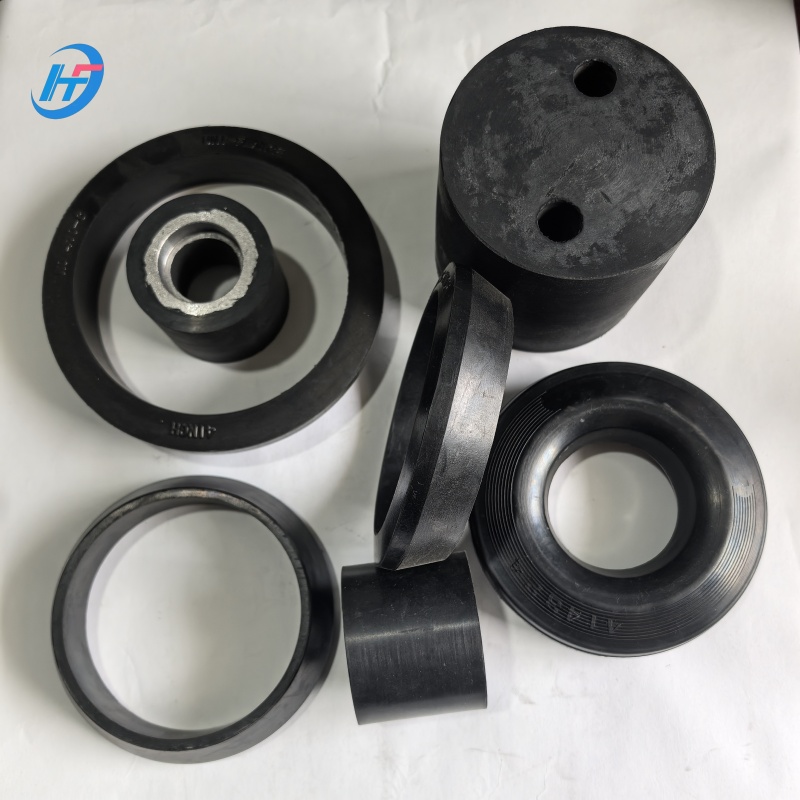
Engineering Capability
At Suzhou Baoshida Trading Co., Ltd., our engineering capability forms the backbone of our industrial rubber solutions, particularly in the development and manufacturing of high-performance PVC materials. With a dedicated team of five mould engineers and two specialized rubber formula engineers, we maintain full in-house control over the entire product development lifecycle—from concept and material formulation to precision tooling and final production validation. This integrated engineering approach ensures technical consistency, accelerates time-to-market, and allows for rapid iteration in response to OEM-specific requirements.
Our formula engineers possess deep expertise in polymer science, with a focused concentration on PVC compounding. They are responsible for tailoring material properties to meet exact performance criteria, such as tensile strength, elongation at break, thermal stability, chemical resistance, and flame retardancy. By adjusting plasticizer content, stabilizer systems, and filler loadings, our team develops customized PVC formulations suitable for demanding industrial, automotive, and construction applications. Each formulation undergoes rigorous laboratory testing and real-world simulation to ensure compliance with international standards and long-term durability.
Complementing our material science proficiency, our five mould engineers bring precision and innovation to the manufacturing process. They specialize in designing and optimizing injection, compression, and extrusion tooling for complex rubber and PVC components. Utilizing advanced CAD/CAM software and finite element analysis (FEA), they ensure optimal flow dynamics, minimal flash, and consistent part geometry. This capability is critical for high-volume OEM production, where dimensional accuracy and repeatability are non-negotiable.
We operate as a full-service OEM partner, capable of managing end-to-end production for private-label and co-developed products. Our OEM services include technical consultation, prototyping, design for manufacturability (DFM) analysis, tooling fabrication, batch validation, and ongoing quality assurance. This vertical integration allows us to maintain strict IP confidentiality and deliver scalable solutions—from low-volume pilot runs to mass production—at competitive cost structures.
The synergy between our formula and mould engineering teams enables us to solve complex material-process interactions, such as shrinkage control, adhesion promotion, and cycle time optimization. Whether developing flexible PVC seals, rigid profiles, or multi-material composites, our engineering team ensures that every product meets the highest standards of performance and reliability.
Below is a summary of our core technical specifications and capabilities:
| Parameter | Specification |
|---|---|
| Material Development | Custom PVC formulations (soft, rigid, flame-retardant) |
| Mould Design Capacity | Up to 5 simultaneous projects |
| CAD/CAM Software | SolidWorks, AutoCAD, Moldflow |
| Testing Capabilities | Tensile, hardness, aging, compression set, flammability |
| OEM Production Scale | Prototype to 500,000+ units/month |
| Compliance Standards | ROHS, REACH, UL, ASTM, ISO 9001 |
| Lead Time (Design to Sample) | 15–25 days (depending on complexity) |
Our engineering team is committed to innovation, precision, and partnership—delivering tailored PVC material solutions that meet the evolving demands of global industrial markets.
Customization Process
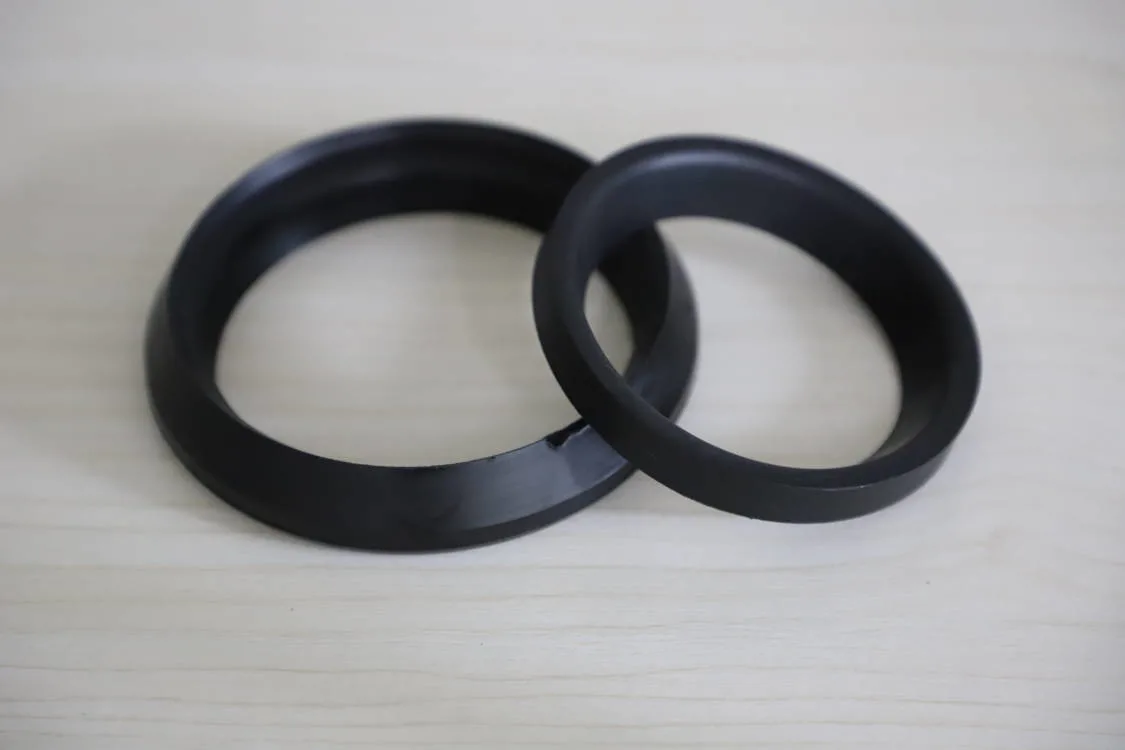
PVC Compound Customization Process: Precision Engineering from Concept to Production
At Suzhou Baoshida Trading Co., Ltd., our industrial PVC customization process integrates rigorous engineering protocols to transform client specifications into high-performance rubber solutions. This systematic approach ensures dimensional accuracy, material integrity, and compliance with OEM requirements across automotive, construction, and industrial sealing applications. The workflow begins with comprehensive drawing analysis, where engineering teams deconstruct technical schematics to identify critical dimensions, tolerance thresholds, and functional stress points. Cross-referencing ISO 2768-mK geometric tolerances and ASTM D2000 material classifications, we validate feasibility while flagging potential molding challenges such as undercuts or wall-thickness variations. This phase includes thermal expansion coefficient alignment for end-use environments, preventing field failures due to cyclic temperature exposure.
Formulation development leverages our 15-year database of PVC compound behaviors under extreme conditions. Engineers select plasticizers, stabilizers, and fillers to achieve target Shore A hardness, tensile strength, and low-temperature flexibility. Critical parameters like DINP vs. DOTP plasticizer selection directly influence oil resistance and volatility—DOTP reduces weight loss by 40% at 100°C versus DINP. Fillers such as CaCO₃ are optimized for cost-performance balance without compromising elongation. All formulations undergo predictive modeling for compression set (ASTM D395) and flame resistance (UL 94 V-0), with adjustments made to phr (parts per hundred rubber) ratios based on client fluid exposure requirements.
Prototyping utilizes client-approved 3D-printed molds for rapid validation. Each prototype batch undergoes accelerated aging per ISO 188, followed by mechanical testing at our in-house laboratory. Key metrics include tear strength (ASTM D624), volume swell in ASTM No. 3 oil, and dynamic fatigue cycles. Deviations exceeding ±5% from target properties trigger root-cause analysis—typically traced to plasticizer migration or stabilizer depletion—and prompt iterative reformulation. This phase concludes with dimensional validation via CMM (Coordinate Measuring Machine) against original CAD data, ensuring ±0.1mm tolerance adherence.
Mass production initiates only after client sign-off on PPAP (Production Part Approval Process) Level 3 documentation. Suzhou Baoshida implements SPC (Statistical Process Control) monitoring for Mooney viscosity (ASTM D1646) and cure kinetics (ASTM D5289), with real-time adjustments to extrusion temperatures (160–185°C) and injection pressures. Every production lot undergoes 100% visual inspection per AQL 1.0 and batch-tested for critical properties, with traceability maintained via laser-etched lot codes. Our ISO 9001-certified facility guarantees consistent output at volumes from 500kg to 50MT monthly, with on-time delivery sustained at 98.7% over the past three years.
Key PVC Formulation Parameters and Performance Correlations
| Parameter | Typical Range | Performance Impact |
|---|---|---|
| Plasticizer (phr) | DINP 30–60 | Higher values reduce hardness but increase oil swell |
| Thermal Stabilizer | Ca/Zn 2.0–4.0 | <2.5 phr risks discoloration at >70°C continuous |
| Filler Loading | CaCO₃ 10–30 | >25 phr decreases tensile strength by 18–22% |
| Shore A Hardness | 50–90 | 每 10-point increase raises compression set by 7–9% |
This end-to-end protocol minimizes time-to-market while eliminating costly rework, positioning Suzhou Baoshida as the strategic partner for mission-critical PVC components demanding uncompromised precision.
Contact Engineering Team
Contact Suzhou Baoshida for Advanced PVC Material Solutions
At Suzhou Baoshida Trading Co., Ltd., we specialize in delivering high-performance industrial rubber and polymer materials tailored to the rigorous demands of modern manufacturing. As a trusted OEM partner in the field of elastomeric compounds, our expertise extends to engineered PVC materials designed for durability, chemical resistance, and thermal stability across diverse industrial applications. Whether you are developing sealing systems, protective coatings, flexible conduits, or specialized gaskets, our PVC formulations are engineered to meet exacting performance benchmarks.
Our commitment to precision begins with material science and extends through every stage of production, quality assurance, and technical support. We understand that consistency, repeatability, and compliance are non-negotiable in industrial environments. That is why our PVC compounds are subjected to stringent testing protocols, including tensile strength evaluation, aging resistance, flame retardancy assessments, and dynamic mechanical analysis. Each batch is traceable and certified to meet international standards such as ISO 9001, RoHS, and REACH, ensuring your final product remains compliant and competitive.
To support your specific application requirements, we offer customizable formulations that adjust plasticizer content, filler composition, and stabilizer packages to optimize processing behavior and end-use performance. Our technical team collaborates directly with OEMs to refine material specifications, troubleshoot processing challenges, and accelerate time-to-market.
For immediate technical consultation or material sampling, contact Mr. Boyce, our dedicated OEM Manager and Rubber Formula Engineer. With extensive experience in polymer formulation and industrial supply chain integration, Mr. Boyce provides direct, expert guidance to ensure your project’s success. Reach out via email at [email protected] to discuss your PVC material needs, request formulation data sheets, or initiate a technical collaboration.
Below is a representative specification profile for one of our standard industrial-grade PVC compounds. Custom variants are available upon request.
| Property | Test Method | Typical Value |
|---|---|---|
| Hardness (Shore A) | ASTM D2240 | 70 ± 5 |
| Tensile Strength | ASTM D412 | ≥14 MPa |
| Elongation at Break | ASTM D412 | ≥250% |
| Compression Set (22 hrs, 70°C) | ASTM D395 | ≤25% |
| Operating Temperature Range | — | -20°C to +80°C |
| Flame Resistance | UL 94 | V-0 rated |
| Specific Gravity | ASTM D792 | 1.35 |
| Color Availability | — | Black, Gray, Custom (Pantone matched) |
Partner with Suzhou Baoshida to leverage advanced material engineering, scalable production capacity, and responsive technical service. Initiate your next project with confidence—contact Mr. Boyce today at [email protected] for a detailed technical review and sample submission.
⚖️ O-Ring Weight Calculator
Estimate rubber O-ring weight (Approx).