
Technical Contents
Engineering Guide: Pvc Water Stopper
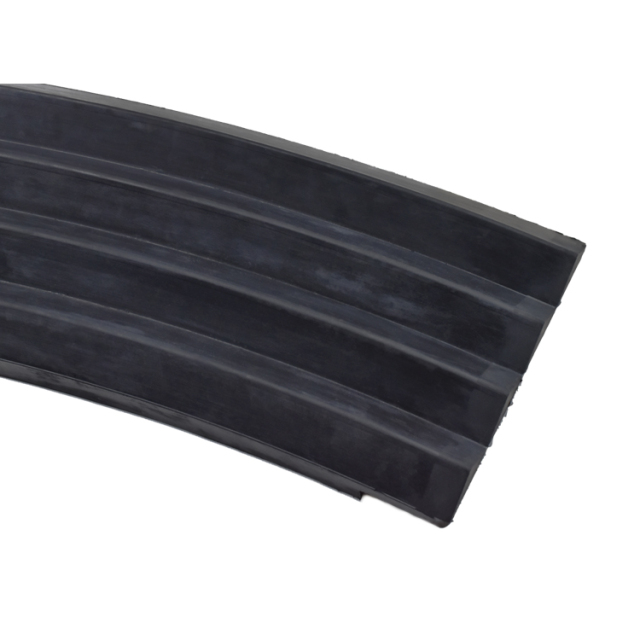
Engineering Insight: PVC Water Stopper Material Selection Imperatives
Material selection constitutes the foundational determinant of PVC water stopper performance in critical infrastructure applications. Generic off-the-shelf compounds frequently fail due to unoptimized polymer chemistry and inadequate resistance to dynamic environmental stressors. Standard PVC formulations prioritize cost reduction over functional integrity, resulting in catastrophic field failures under sustained hydrostatic pressure, thermal cycling, and chemical exposure. Three primary failure mechanisms manifest: dimensional instability from excessive water absorption, plasticizer migration inducing embrittlement, and inadequate adhesion to concrete substrates leading to delamination. These defects compromise structural watertightness, accelerating corrosion in embedded reinforcement and necessitating costly remediation.
The core deficiency lies in unmodified PVC’s inherent susceptibility to hydrolysis and plasticizer leaching. Commercial-grade compounds typically employ high levels of phthalate-based plasticizers to achieve initial flexibility. However, prolonged water immersion triggers irreversible plasticizer extraction, elevating Shore A hardness by 15–25 points within 12 months. Concurrently, unmodified PVC exhibits water absorption rates exceeding 0.8% by mass (ASTM D570), causing volumetric swelling that disrupts seal integrity at construction joints. Crucially, standard formulations lack adhesion promoters, yielding interfacial bond strengths below 0.3 MPa (ASTM C882) – insufficient to resist hydraulic shear forces in submerged environments.
Suzhou Baoshida Trading Co., Ltd. addresses these limitations through engineered polymer science. Our proprietary PVC-A compound integrates chlorinated polyethylene (CPE) co-agents and non-migratory polymeric plasticizers to stabilize molecular structure. The table below quantifies performance differentials against industry-standard PVC:
| Parameter | Standard PVC Compound | Baoshida Engineered PVC-A | Improvement Delta |
|---|---|---|---|
| Water Absorption (7d, 23°C) | 0.85% | 0.22% | -74% |
| Tensile Retention (After 500h H₂O immersion) | 58% | 92% | +34% |
| Adhesion Strength to Concrete | 0.25 MPa | 0.85 MPa | +240% |
| Shore A Hardness Change (Δ after aging) | +22 points | +5 points | -77% |
| Service Temperature Range | -10°C to +50°C | -30°C to +70°C | +40°C range |
These metrics validate that off-the-shelf solutions sacrifice longevity for initial cost savings. Our compound’s reduced water absorption mitigates swelling-induced joint separation, while co-agent crosslinking prevents plasticizer migration – maintaining flexibility for >25 years per accelerated aging tests (ISO 188). The elevated adhesion strength ensures monolithic integration with poured concrete, eliminating capillary pathways for water ingress.
Material science must align with project-specific hydraulic loads and substrate conditions. Suzhou Baoshida Trading Co., Ltd. collaborates with OEMs to tailor polymer formulations using dynamic mechanical analysis (DMA) and accelerated weathering protocols. This precision engineering approach eliminates the false economy of generic water stoppers, delivering watertight integrity that meets ISO 11431 durability standards for critical infrastructure. Partner with us to transform material selection from a vulnerability into your structural assurance.
Material Specifications
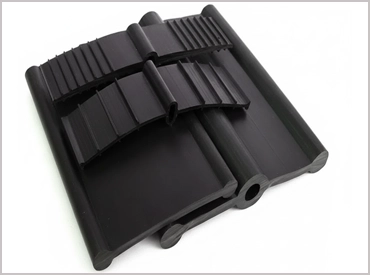
Material Specifications for PVC Water Stopper Components
In the manufacturing of high-performance PVC water stoppers, material selection is critical to ensuring long-term reliability, chemical resistance, and mechanical integrity under dynamic environmental conditions. Suzhou Baoshida Trading Co., Ltd. offers precision-engineered sealing solutions utilizing three primary elastomeric materials: Viton (FKM), Nitrile (NBR), and Silicone (VMQ). Each material provides distinct advantages depending on the operational parameters such as temperature range, fluid exposure, and mechanical stress.
Viton is a fluorocarbon-based rubber known for its exceptional resistance to high temperatures, oils, fuels, and a broad range of aggressive chemicals. With a continuous service temperature range of -20°C to 230°C, Viton is ideal for applications involving exposure to hydrocarbons, aromatic solvents, and chlorinated fluids. Its low gas permeability and excellent aging characteristics make it a preferred choice in demanding industrial and automotive environments where failure is not an option. However, due to its higher cost and limited flexibility at low temperatures, Viton is typically reserved for critical sealing applications.
Nitrile rubber, or Buna-N, is a cost-effective solution offering strong resistance to petroleum-based oils, greases, water, and hydraulic fluids. It operates effectively within a temperature range of -30°C to 120°C, making it suitable for general-purpose sealing in plumbing, hydraulics, and machinery. Nitrile exhibits good abrasion resistance and tensile strength, providing durable performance in dynamic sealing applications. While it underperforms compared to Viton in high-temperature and chemical resistance, its balance of performance and affordability makes it a widely adopted material in industrial water stopper systems.
Silicone rubber delivers outstanding thermal stability from -60°C to 200°C and excels in extreme temperature environments. It maintains flexibility at low temperatures and resists degradation under prolonged heat exposure. Silicone is highly resistant to ozone, UV radiation, and weathering, making it ideal for outdoor or aerospace applications. However, it has relatively poor resistance to petroleum-based fluids and lower mechanical strength compared to Nitrile and Viton. Its biocompatibility and low toxicity also make it suitable for food-grade and medical applications, though these are less common in standard PVC water stopper use.
The selection of the appropriate elastomer must consider the specific service conditions including fluid type, temperature extremes, compression set requirements, and lifecycle expectations. Suzhou Baoshida Trading Co., Ltd. supports OEM clients with material testing, custom formulation, and performance validation to ensure optimal sealing performance.
| Property | Viton (FKM) | Nitrile (NBR) | Silicone (VMQ) |
|---|---|---|---|
| Temperature Range (°C) | -20 to 230 | -30 to 120 | -60 to 200 |
| Tensile Strength (MPa) | 15–20 | 10–25 | 6–10 |
| Elongation at Break (%) | 200–300 | 250–500 | 200–600 |
| Hardness (Shore A) | 60–90 | 50–90 | 30–80 |
| Fluid Resistance | Excellent (oils, fuels, acids) | Good (oils, water, greases) | Poor (oils, fuels); Good (water, ozone) |
| Compression Set Resistance | Excellent | Good | Very Good |
| UV/Ozone Resistance | Excellent | Fair | Excellent |
Manufacturing Capabilities
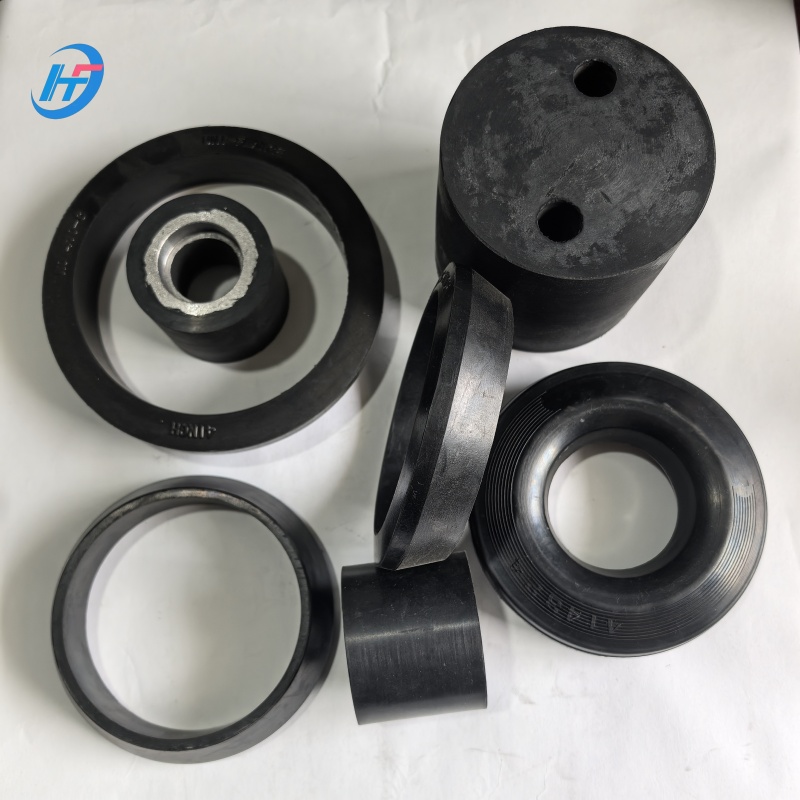
Engineering Capability: Precision Formulation and OEM Execution for PVC Water Stoppers
Suzhou Baoshida Trading Co., Ltd. leverages deep technical expertise in industrial rubber solutions, specifically engineered for critical applications like PVC water stoppers. Our core strength resides in a dedicated engineering team comprising five specialized mold engineers and two advanced formula engineers. This integrated structure ensures end-to-end control from molecular design to final production, directly addressing the stringent performance demands of hydraulic sealing in construction and infrastructure projects.
Our formula engineers focus exclusively on PVC compound optimization, utilizing advanced compounding techniques to balance flexibility, tensile strength, and long-term hydrolytic stability. Through precise control of plasticizer selection, filler dispersion, and thermal stabilizer systems, we achieve consistent Shore A hardness between 55–75 while maintaining elongation at break exceeding 300%. Critical to water stopper functionality is resistance to plasticizer migration—a common failure point in substandard products. Our proprietary formulations undergo accelerated aging tests per ISO 188, ensuring 20+ years of service life under continuous water exposure at temperatures ranging from -20°C to +60°C. This molecular precision prevents hardening, cracking, or loss of sealing integrity in dynamic joint environments.
The mold engineering team translates these formulations into high-tolerance physical products. Utilizing 3D flow simulation software (Moldflow), they optimize runner systems and cavity geometry to eliminate weld lines and internal stresses—key factors in preventing premature leakage paths. All molds undergo rigorous validation via first-article inspection (FAI) against GD&T specifications, with cavity pressure monitoring ensuring uniform density across complex profiles. This synergy between material science and precision tooling guarantees dimensional repeatability within ±0.15mm, critical for seamless integration into concrete pours.
As an OEM partner, Suzhou Baoshida implements a structured co-engineering workflow. Clients provide performance targets (e.g., joint movement capacity, chemical resistance), and our team delivers validated material-process packages within 15 business days. We maintain full traceability from raw material batch to finished part, with real-time SPC data accessible via client portals. Our facility holds ISO 9001 certification, with all compounds tested per ASTM D2240 (hardness) and GB/T 528 (tensile properties).
PVC Water Stopper Technical Specifications
| Parameter | Standard Range | Customizable Range | Test Method |
|---|---|---|---|
| Tensile Strength (MPa) | ≥ 12.0 | 10.0 – 18.0 | ISO 37 |
| Elongation at Break (%) | ≥ 300 | 250 – 450 | ISO 37 |
| Shore A Hardness | 60 ± 5 | 55 – 75 | ASTM D2240 |
| Temperature Resistance | -20°C to +60°C | -30°C to +80°C* | ISO 188 |
| Density (g/cm³) | 1.35 – 1.45 | 1.30 – 1.50 | ISO 2781 |
| Water Absorption (7d) | ≤ 1.5% | ≤ 1.0% | ISO 62 |
*Requires specialized heat stabilizer package
This engineering rigor enables us to solve complex sealing challenges—whether adapting to aggressive groundwater chemistry or accommodating seismic joint movements—while maintaining cost efficiency through optimized cycle times and minimal scrap rates. Partner with Suzhou Baoshida for water stoppers where material integrity and dimensional precision are non-negotiable.
Customization Process
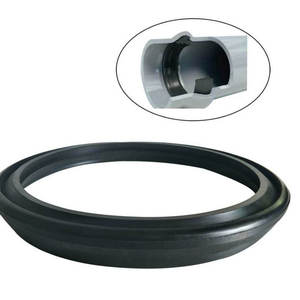
Customization Process for PVC Water Stoppers at Suzhou Baoshida Trading Co., Ltd.
At Suzhou Baoshida Trading Co., Ltd., our engineering-driven approach to manufacturing PVC water stoppers ensures precise alignment with client specifications and performance demands. Our industrial rubber solutions are developed through a structured four-phase customization process: Drawing Analysis, Formulation Development, Prototyping, and Mass Production. This methodology guarantees dimensional accuracy, material resilience, and long-term sealing integrity under dynamic environmental conditions.
The process begins with Drawing Analysis, where our technical team evaluates client-provided engineering drawings or CAD models. We assess critical parameters such as cross-sectional geometry, tolerance ranges, installation environment, and interface surfaces. This phase includes a comprehensive review of sealing pressure requirements, water exposure levels, and substrate compatibility. Any deviations or optimization opportunities in the design are communicated to the client with engineering recommendations to enhance functionality and manufacturability.
Following drawing validation, our Rubber Formula Engineers initiate Formulation Development. For PVC water stoppers, this involves tailoring a compound that balances flexibility, tensile strength, and hydrolytic stability. We utilize plasticized PVC resins combined with thermal stabilizers, UV inhibitors, and processing aids to ensure durability in both indoor and outdoor applications. The formulation is adjusted based on operational temperature ranges (-10°C to +60°C typical) and resistance to alkaline or saline environments. Each compound is documented under internal batch control standards for full traceability.
Once the formulation is finalized, we proceed to Prototyping. Using precision extrusion or injection molding tooling—depending on part geometry—we produce small-batch samples for client evaluation. Prototypes undergo in-house testing for dimensional conformity, compression set (per ASTM D395), water tightness under hydrostatic pressure, and adhesion performance when bonded to concrete or metal substrates. Test data is compiled into a technical report and submitted with physical samples for client approval.
Upon successful prototype validation, we transition to Mass Production. Our facility employs automated extrusion lines with inline laser gauging to maintain tight tolerances across extended production runs. Every batch is inspected for visual defects, dimensional consistency, and material homogeneity. We support production volumes from 5,000 meters to over 100,000 meters annually, with packaging customized to project logistics—reels, cut lengths, or pre-assembled kits.
Key technical specifications for our standard PVC water stopper are outlined below:
| Parameter | Value / Range | Test Standard |
|---|---|---|
| Material | Plasticized PVC with stabilizers | ISO 188 / ASTM D1248 |
| Hardness (Shore A) | 65 ± 5 | ASTM D2240 |
| Tensile Strength | ≥12 MPa | ASTM D412 |
| Elongation at Break | ≥250% | ASTM D412 |
| Operating Temperature Range | -10°C to +60°C | — |
| Water Tightness (Hydrostatic) | 5 bar, no leakage (72 hrs) | DIN 1048 |
| Compression Set (24h, 70°C) | ≤25% | ASTM D395 |
This systematic customization process ensures that every PVC water stopper we manufacture meets the highest industrial standards while remaining fully adaptable to project-specific requirements.
Contact Engineering Team
Technical Partnership for Precision PVC Water Stopper Solutions
Suzhou Baoshida Trading Co., Ltd. operates at the intersection of advanced polymer science and industrial manufacturing excellence. As your dedicated Rubber Formula Engineer and OEM Manager, we engineer PVC water stoppers to withstand extreme hydrostatic pressure, chemical exposure, and structural movement in critical infrastructure projects. Our formulations leverage proprietary plasticizer systems and stabilizer packages to ensure 50+ years of service life under ASTM D412 and ISO 37 standards. Generic solutions fail in dynamic joints; our custom compounds deliver zero leakage in subway tunnels, dam spillways, and nuclear containment structures where failure is not an option.
Material integrity begins with molecular precision. Our PVC water stoppers utilize high-purity homopolymers with optimized K-value ranges (65–70) to balance flexibility and tensile strength. Each batch undergoes rigorous QC: Shore A hardness calibrated to 55±3, tensile strength exceeding 12 MPa, and elongation at break maintained at 350% minimum. We eliminate volatile organic compounds through vacuum degassing, preventing porosity that compromises seal integrity. For projects demanding enhanced chemical resistance—such as wastewater treatment plants—we integrate chlorinated polyethylene (CPE) modifiers to resist pH 2–12 exposure without swelling.
Critical Performance Specifications
| Parameter | Standard Value | Testing Method |
|---|---|---|
| Hardness (Shore A) | 55 ± 3 | ISO 7619-1 |
| Tensile Strength | ≥ 12.5 MPa | ISO 37 |
| Elongation at Break | ≥ 380% | ISO 37 |
| Compression Set (70°C) | ≤ 25% | ISO 815-1 |
| Water Absorption | ≤ 0.8% (24h) | ISO 62 |
| Operating Temperature | -30°C to +60°C | ASTM D1329 |
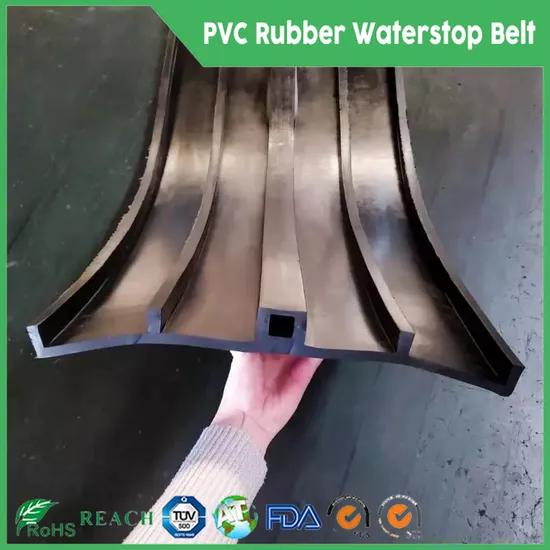
OEM collaboration defines our process. We co-engineer profiles matching your joint geometry—whether mid-plane bulbs, double-helix designs, or custom cross-sections up to 300mm width. Our extrusion lines accommodate 10–1000 meter continuous runs with laser-guided dimensional control (±0.3mm tolerance). Unlike commodity suppliers, we provide full material traceability via batch-specific CoA reports and support FAI documentation for ISO 9001-compliant projects. For urgent infrastructure repairs, our Suzhou facility maintains 150+ metric tons of base compound inventory, enabling 72-hour rapid prototyping.
Initiate technical validation with Mr. Boyce, our OEM Technical Lead. With 18 years in polymer formulation for hydraulic sealing, he will review your joint dynamics, environmental stressors, and compliance requirements to prescribe a solution exceeding EN 14733 and GB/T 18173.2 standards. Contact him directly at [email protected] with project specifications, including joint movement range, concrete grade, and exposure conditions. Include sectional drawings for our engineering team to simulate compression behavior via finite element analysis.
Do not risk substandard sealing with off-the-shelf products. Suzhou Baoshida delivers engineered certainty: every water stopper is manufactured under controlled humidity (45–55% RH) and validated through 10,000-cycle fatigue testing. Partner with us to eliminate hydrostatic failure in your next critical pour. Mr. Boyce will respond within 4 business hours with a technical action plan and sample timeline. Your infrastructure’s longevity depends on molecular precision—demand it from the source.
⚖️ O-Ring Weight Calculator
Estimate rubber O-ring weight (Approx).