
Technical Contents
Engineering Guide: Pvdf Foil
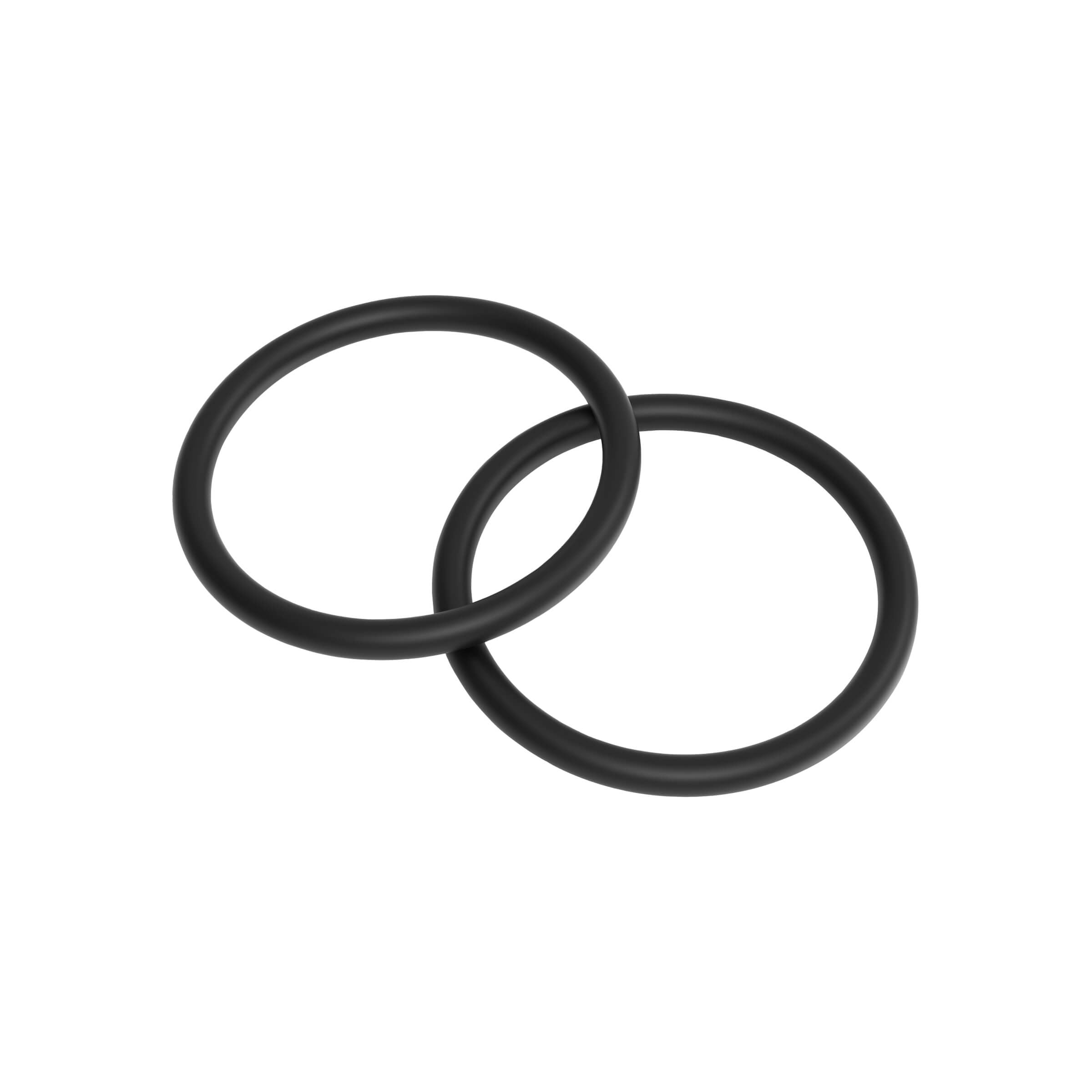
Engineering Insight: The Critical Role of Material Selection in PVDF Foil Applications
Polyvinylidene fluoride (PVDF) foil is a high-performance fluoropolymer film widely used in demanding industrial environments due to its exceptional chemical resistance, thermal stability, and mechanical durability. While off-the-shelf PVDF foil products may appear cost-effective at first glance, they frequently fail to meet the rigorous performance standards required in advanced manufacturing, semiconductor processing, chemical handling, and cleanroom applications. This discrepancy arises not from inherent material flaws, but from improper material selection and a lack of application-specific engineering.
PVDF exists in multiple crystalline phases—alpha, beta, and gamma—each imparting distinct dielectric, piezoelectric, and mechanical properties. Standard commercial foils typically exhibit the alpha phase, optimized for general corrosion resistance. However, applications requiring piezoelectric sensitivity or enhanced thermal cycling stability demand beta-phase dominance, which is achieved through specialized processing such as mechanical stretching and poling under electric fields. Off-the-shelf foils rarely undergo such treatments, leading to premature failure under dynamic stress or electroactive conditions.
Furthermore, additives and fillers significantly influence PVDF foil performance. Unmodified PVDF offers excellent UV and hydrolysis resistance, but many generic suppliers introduce plasticizers or stabilizers to reduce production costs. These additives can leach out in high-purity environments, contaminating sensitive processes or degrading interfacial adhesion in multilayer laminates. In semiconductor wet benches or photovoltaic encapsulation, such contamination leads to yield loss and long-term reliability issues.
Thermal expansion mismatch is another critical factor. PVDF has a coefficient of thermal expansion (CTE) significantly higher than metals or ceramics. When bonded directly without proper interfacial design, thermal cycling induces delamination or microcracking. Custom-engineered PVDF foils mitigate this through co-extrusion with tie layers or controlled crystallinity to balance dimensional stability.
At Suzhou Baoshida Trading Co., Ltd., we emphasize application-driven formulation. Our PVDF foils are tailored to operational parameters including temperature range, chemical exposure, mechanical load, and electrical requirements. This precision engineering ensures compatibility, longevity, and regulatory compliance in mission-critical systems.
| Property | Standard PVDF Foil | Engineered PVDF Foil (Baoshida) |
|---|---|---|
| Thickness Range | 25–200 µm | 12–500 µm (custom tolerances ±2 µm) |
| Crystallinity | 40–50% (alpha-phase dominant) | 50–70% (beta/gamma-phase tunable) |
| Tensile Strength | 40–50 MPa | 55–75 MPa |
| Elongation at Break | 300–400% | 350–500% (controlled anisotropy) |
| Max Continuous Use Temp | 150°C | 150°C (short-term up to 175°C) |
| Dielectric Strength | 10–15 kV/mm | 15–20 kV/mm |
| Chemical Resistance | Broad, but limited in amines | Enhanced resistance to amines, halogens, and strong bases |
| Additives | Unspecified stabilizers | None or USP Class VI compliant |
Material selection is not a commodity decision—it is an engineering imperative. Off-the-shelf PVDF foils may suffice for non-critical linings or temporary barriers, but for systems where failure entails high downtime or safety risks, precision-formulated materials are non-negotiable.
Material Specifications
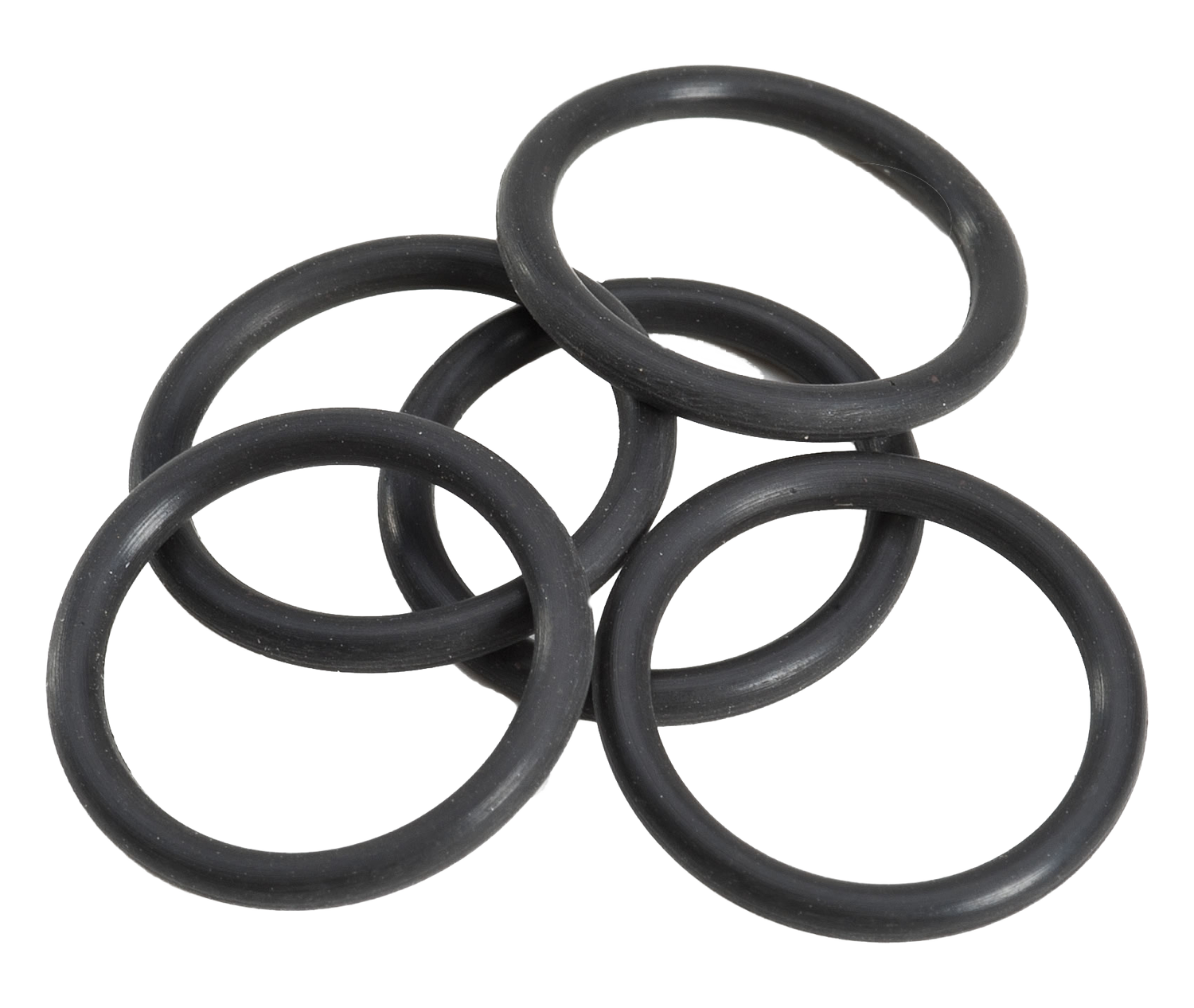
PVDF Foil Material Specifications for Industrial Applications
Polyvinylidene fluoride (PVDF) foil represents a critical fluoropolymer solution within demanding industrial sealing and barrier applications, distinct from traditional elastomeric materials due to its semi-crystalline thermoplastic nature. At Suzhou Baoshida Trading Co., Ltd., we emphasize precise material selection based on rigorous performance parameters. PVDF foil excels in environments requiring exceptional chemical inertness, particularly against strong acids, bases, halogens, and hydrocarbons, alongside high purity and inherent flame resistance (UL94 V-0). Its continuous service temperature range spans from -40°C to +150°C in dry conditions, though prolonged exposure above 100°C may necessitate evaluation of specific chemical exposure. Key mechanical properties include moderate tensile strength (40-55 MPa), high abrasion resistance, and excellent weatherability, though it exhibits lower flexibility and higher hardness compared to elastomers, typically measured between 50-80 Shore D. Crucially, PVDF maintains dimensional stability under thermal cycling and possesses low extractables, making it indispensable for semiconductor, pharmaceutical, and ultra-pure chemical processing where contamination control is paramount. Understanding the fundamental differences between PVDF and elastomeric sealing materials is essential for optimal application engineering.
Material selection requires direct comparison against common elastomers used in foil or sheet form for gasketing and linings. The following table details critical specifications for PVDF alongside Viton (FKM), Nitrile (NBR), and Silicone (VMQ), highlighting performance boundaries:
| Material | Temperature Range (°C) | Key Chemical Resistance | Key Limitations | Primary Industrial Applications |
|---|---|---|---|---|
| PVDF | -40 to +150 (dry) | Strong acids, bases, halogens, oxidizers, hydrocarbons, solvents | Limited low-temp flexibility, susceptible to ketones/esters, lower elasticity | Semiconductor wet benches, chemical tank linings, ultra-pure fluid handling, battery separators |
| Viton (FKM) | -20 to +230 | Fuels, oils, many acids, halogenated solvents | Poor resistance to ketones, esters, amines, hot hydroxide | Aerospace fuel systems, automotive under-hood seals, chemical pump diaphragms |
| Nitrile (NBR) | -40 to +120 | Aliphatic hydrocarbons, oils, water, hydraulic fluids | Poor ozone/weathering, limited acid/base resistance, swells in polar solvents | General hydraulic/pneumatic seals, fuel hoses, oil field equipment gaskets |
| Silicone (VMQ) | -60 to +230 | Water, ozone, weathering, some acids/bases, steam | Poor fuel/oil resistance, low tensile strength, high gas permeability | Medical devices, food processing seals, high-temp electrical insulation, HVAC |
This comparative analysis underscores PVDF’s unique position as a high-performance barrier material where chemical purity and structural integrity in aggressive media outweigh the need for high elasticity. Viton offers superior high-temperature resilience for fuel/oil exposure but lacks PVDF’s broad inorganic chemical resistance. Nitrile provides cost-effective solutions for oil-based systems but fails in oxidizing environments. Silicone delivers unmatched low-temperature flexibility and biocompatibility yet is unsuitable for hydrocarbon contact. Suzhou Baoshida Trading Co., Ltd. provides comprehensive material testing data and OEM engineering support to validate PVDF foil performance against specific process conditions, ensuring optimal lifecycle performance in critical manufacturing environments. Selecting the correct material requires precise mapping of operational parameters to these defined specification boundaries.
Manufacturing Capabilities

Engineering Capability: Precision-Driven Development for PVDF Foil Manufacturing
At Suzhou Baoshida Trading Co., Ltd., our engineering capability is anchored in deep material science expertise and advanced process development, specifically tailored for high-performance industrial applications involving PVDF foil. Our team comprises five dedicated mould engineers and two specialized rubber formula engineers, collectively enabling end-to-end control over product design, material formulation, and manufacturing scalability. This integrated approach ensures that every PVDF foil solution we deliver meets stringent OEM performance requirements across industries such as semiconductor, chemical processing, and advanced electronics.
Our mould engineers possess extensive experience in precision tooling design, utilizing CAD/CAM and finite element analysis (FEA) to optimize geometric accuracy, thermal distribution, and cycle efficiency. This enables consistent replication of tight-tolerance profiles and complex cross-sections in PVDF foil production. Concurrently, our formula engineers focus on polymer modification and compounding to enhance intrinsic properties such as UV resistance, dielectric strength, and chemical inertness—critical attributes for demanding operational environments. By controlling both the physical tooling and material formulation, we eliminate interface inefficiencies commonly encountered in outsourced manufacturing models.
OEM collaboration is central to our engineering philosophy. We support customers from concept validation through to serial production, offering co-development services that include rapid prototyping, DFM (Design for Manufacturability) reviews, and accelerated life testing under simulated field conditions. Our facility is equipped with advanced extrusion and calendaring lines calibrated specifically for fluoropolymer processing, ensuring uniform thickness control and surface finish consistency down to ±0.02 mm. All processes adhere to ISO 9001 standards, with full traceability and batch documentation available upon request.
We maintain an in-house laboratory for real-time quality verification, including tensile testing, thermal gravimetric analysis (TGA), and dielectric strength measurement. This allows immediate feedback loops during development and ensures that every roll of PVDF foil conforms to specified mechanical and electrical performance criteria.
The following table outlines key technical specifications achievable with our current engineering and manufacturing platform:
| Parameter | Typical Value | Test Standard |
|---|---|---|
| Thickness Range | 0.05 – 1.0 mm | ASTM D374 |
| Tensile Strength (MPa) | ≥40 | ASTM D412 |
| Elongation at Break (%) | ≥300 | ASTM D412 |
| Dielectric Strength (kV/mm) | ≥20 | ASTM D149 |
| Operating Temperature Range | -40°C to +150°C | ASTM D618 |
| Surface Resistivity (Ω/sq) | ≥1×10¹⁴ | ASTM D257 |
| Chemical Resistance | Excellent (acids, bases, halogens) | ASTM D543 |
Through this vertically integrated engineering model, Suzhou Baoshida delivers PVDF foil solutions that combine material resilience with dimensional precision. Our OEM partnerships benefit from reduced time-to-market, enhanced product reliability, and full intellectual property protection throughout the development cycle.
Customization Process
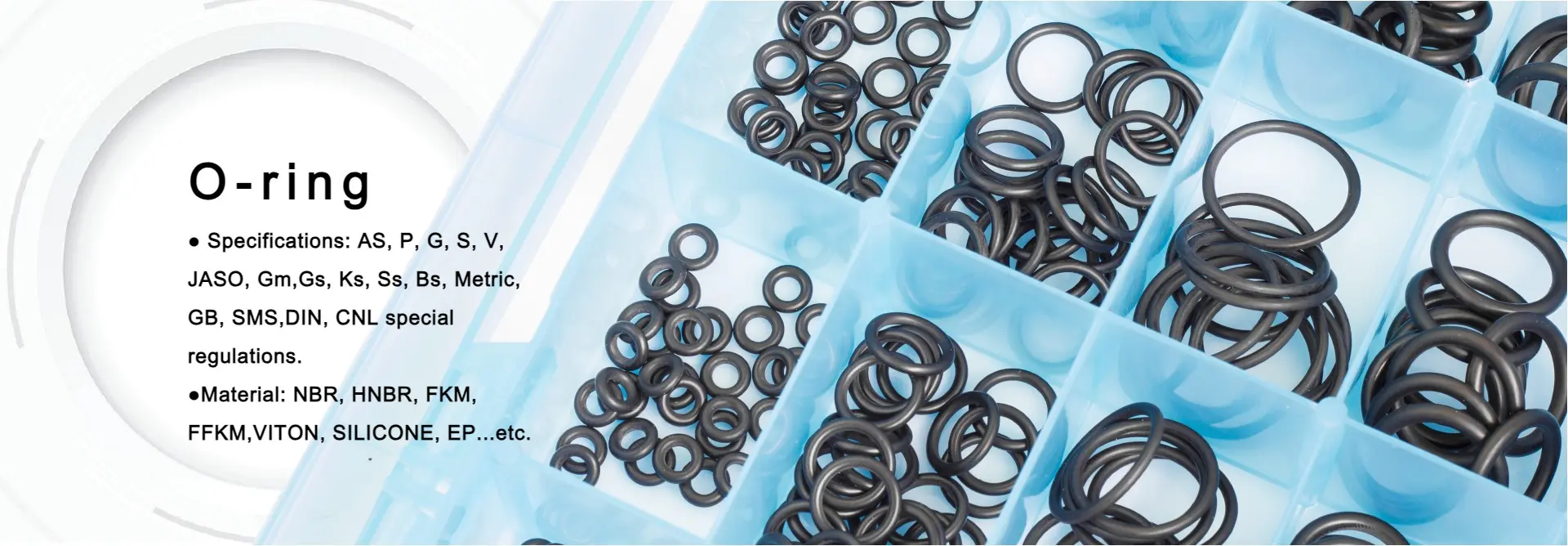
PVDF Foil Customization Process: Precision Engineering for Industrial Applications
At Suzhou Baoshida Trading Co., Ltd., our PVDF foil customization process integrates rigorous scientific methodology with industrial-scale execution to deliver solutions meeting exacting OEM specifications. This four-phase workflow ensures material performance aligns with operational demands in chemical processing, semiconductor manufacturing, and high-purity fluid handling systems.
Drawing Analysis & Requirement Validation
Initial engagement centers on comprehensive technical drawing review, where our engineering team scrutinizes dimensional tolerances, surface finish requirements, and environmental exposure conditions. Critical parameters such as thickness uniformity (±0.02 mm tolerance), flexural endurance cycles, and chemical compatibility matrices are cross-referenced against ASTM D3274 and ISO 4586 standards. We identify potential manufacturability constraints early, such as edge integrity challenges in ultra-thin foils (<0.1 mm), and collaborate with clients to refine geometries without compromising functional intent. This phase establishes the foundation for material formulation by defining performance boundaries.
Advanced Formulation Development
Leveraging our polymer science expertise, we engineer PVDF compounds with tailored additive packages to achieve target properties. Base homopolymer or copolymer resins are modified with UV stabilizers, plasticizers, or conductive fillers based on application stressors. For instance, semiconductor-grade foils incorporate ultra-low ionic impurity additives (<5 ppm Na⁺/K⁺), while chemical tank linings utilize enhanced cross-linking agents for 98% sulfuric acid resistance. Each formulation undergoes predictive modeling of melt flow index (MFI) and crystallization kinetics to ensure extrusion stability. Material datasheets are generated with traceable batch records meeting REACH and RoHS compliance.
Prototyping & Validation Testing
Pre-production prototypes are manufactured using client-specified tooling under controlled cleanroom conditions (ISO Class 8). We execute accelerated aging protocols per ASTM G154 for UV resistance and ASTM D471 for chemical immersion testing. Mechanical validation includes tensile strength verification at -40°C to 150°C and dielectric strength measurements up to 100 kV/mm. Clients receive detailed test reports with failure mode analysis; iterative refinements occur within 15 business days until all KPIs are achieved. This phase mitigates scale-up risks through empirical data-driven adjustments.
Seamless Mass Production Transition
Upon prototype approval, we initiate production using synchronized extrusion lines with real-time thickness gauging (beta-ray sensors) and inline surface defect detection. Batch consistency is maintained via IoT-monitored process parameters (±2°C temperature control, 0.5% MFI deviation tolerance). Every roll undergoes 100% electrical pinhole testing and spectrophotometric color matching (ΔE < 0.5). Our OEM management system provides live production dashboards with material traceability from resin lot to finished foil, ensuring compliance with AS9100 and IATF 16949 frameworks.
Key PVDF Foil Technical Specifications
| Parameter | Standard Range | High-Performance Option | Test Method |
|---|---|---|---|
| Thickness | 0.05–2.0 mm | 0.02–0.05 mm | ASTM D5947 |
| Tensile Strength | 35–50 MPa | 55–70 MPa | ISO 527-3 |
| Elongation at Break | 200–350% | 400–500% | ISO 527-3 |
| Dielectric Strength | 40–60 kV/mm | 80–100 kV/mm | ASTM D149 |
| H₂SO₄ Resistance (98%) | 500 hrs @ 60°C | 2000+ hrs @ 60°C | ASTM D471 |
This structured approach guarantees PVDF foils that exceed industry benchmarks while optimizing time-to-market for OEM partners. Suzhou Baoshida’s end-to-end control from molecular design to certified production delivers reliability in the most demanding industrial environments.
Contact Engineering Team
For industrial manufacturers seeking high-performance materials in demanding environments, PVDF foil stands as a critical component across sectors including chemical processing, semiconductor fabrication, photovoltaics, and advanced membrane technologies. At Suzhou Baoshida Trading Co., Ltd., we specialize in the supply of precision-engineered PVDF (polyvinylidene fluoride) foils tailored to meet stringent OEM and industrial specifications. Our expertise lies in delivering consistent quality, tight tolerance control, and material traceability—essential attributes for applications where thermal stability, chemical resistance, and mechanical integrity are non-negotiable.
PVDF foil is distinguished by its exceptional resistance to UV degradation, strong acids and bases, and organic solvents. It maintains structural performance across a wide temperature range, typically from -40°C to +150°C, making it ideal for outdoor and high-temperature processing environments. Additionally, its low flame toxicity and inherent purity support compliance with international safety and environmental standards, including UL94 V-0 and RoHS. These properties make PVDF foil a preferred choice in applications such as lithium-ion battery separators, fluoropolymer linings, and protective films for solar module encapsulation.
At Suzhou Baoshida, we understand that industrial procurement demands more than just material supply—it requires technical partnership. Our engineering team provides comprehensive support from material selection to custom fabrication, ensuring compatibility with your production processes and end-use requirements. Whether you require specific thickness tolerances, surface treatments, or roll dimensions, we offer scalable solutions backed by rigorous quality control protocols and global logistics capabilities.
We invite technical buyers, R&D engineers, and procurement managers to engage directly with our OEM division to explore optimized PVDF foil solutions for your next-generation products. For immediate technical consultation or sample requests, contact Mr. Boyce, our dedicated Rubber Formula Engineer and OEM Manager, who brings over a decade of experience in fluoropolymer applications and industrial material integration.
The following table outlines standard technical specifications for our commercially available PVDF foil products:
| Property | Value | Test Method |
|---|---|---|
| Material | PVDF (Polyvinylidene Fluoride) | ASTM D1600 |
| Thickness Range | 0.05 mm – 0.50 mm | ASTM D374 |
| Tensile Strength (MD) | ≥40 MPa | ASTM D882 |
| Elongation at Break | ≥300% | ASTM D882 |
| Operating Temperature | -40°C to +150°C | ISO 188 |
| Dielectric Strength | ≥40 kV/mm | IEC 60243-1 |
| Specific Gravity | 1.75 – 1.78 g/cm³ | ASTM D792 |
| Surface Resistivity | ≥1×10¹⁴ Ω/sq | ASTM D257 |
All materials are supplied with full certification, including CoA (Certificate of Analysis) and compliance documentation. Custom formulations and pigmented variants are available upon request.
To discuss your specific application requirements, request technical data sheets, or arrange sample evaluation, contact Mr. Boyce directly at [email protected]. Our team is prepared to support your project with responsive communication, technical precision, and industrial-grade reliability. Partner with Suzhou Baoshida Trading Co., Ltd.—where material science meets manufacturing excellence.
⚖️ O-Ring Weight Calculator
Estimate rubber O-ring weight (Approx).