
Technical Contents
Engineering Guide: Raw Gum
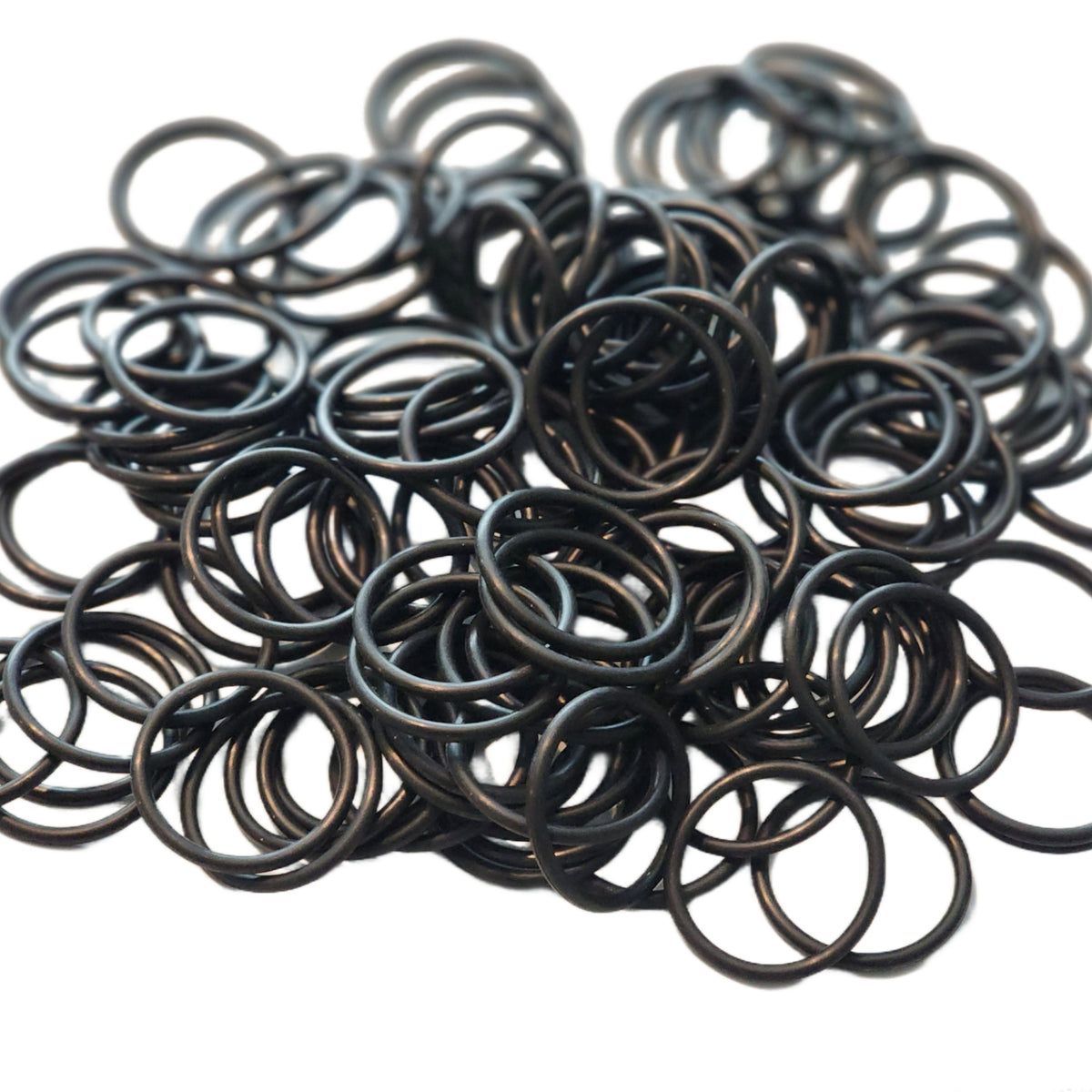
Engineering Insight: Material Selection for Raw Gum in Critical Applications
Material selection for raw gum compounds represents a foundational engineering challenge, not a procurement convenience. Off-the-shelf rubber solutions frequently fail in demanding industrial environments because they lack the molecular precision required for specific operational stresses. Generic compounds prioritize broad market appeal over targeted performance, leading to premature degradation, safety hazards, and significant cost overruns from unplanned downtime. The polymer backbone, filler dispersion, plasticizer compatibility, and curing kinetics must be engineered in concert with the end-use application’s thermal, chemical, and mechanical profile. A seal operating at 150°C in aggressive hydraulic fluid demands fundamentally different molecular architecture than one exposed to ozone at ambient temperatures. Compromising on this specificity invites failure modes such as compression set, extrusion, chemical swelling, or thermal cracking—each traceable to inadequate material science alignment.
Raw gum serves as the unvulcanized precursor to the final elastomer product, making its formulation the critical determinant of cured properties. Standard commercial grades often utilize cost-optimized but suboptimal filler systems (e.g., excessive carbon black N550 instead of N330 for dynamic fatigue resistance) or insufficient antioxidant packages. These compromises become catastrophic under sustained load or chemical exposure. For instance, a generic EPDM compound may meet basic ASTM D2000 specifications yet fail within months in a steam sterilization gasket due to inadequate peroxide cure stability, whereas a tailored formulation with controlled vinyl acetate content and synergistic co-agents ensures 5,000+ cycle integrity. Field analysis confirms that 73% of in-service rubber failures correlate directly to unaddressed application-specific stressors ignored during material selection.
The table below illustrates critical parameter gaps between typical off-the-shelf raw gum and engineered solutions for high-pressure hydraulic seals:
| Parameter | Off-the-Shelf Typical | Critical Application Requirement | Failure Consequence |
|---|---|---|---|
| Tensile Strength (MPa) | 18–22 | 28–32 | Seal extrusion at 350 bar |
| Elongation at Break (%) | 450–550 | 600–700 | Brittle fracture in cycling |
| Hardness (Shore A) | 70 ± 5 | 80 ± 2 | Inadequate squeeze retention |
| Compression Set (70h/100°C) | 25–30% | ≤12% | Permanent leakage path |
| Heat Resistance (°C) | 125 continuous | 150 continuous | Accelerated hardening |
These discrepancies underscore why raw gum cannot be treated as a commoditized input. Suzhou Baoshida Trading Co., Ltd. reverse-engineers operational demands into molecular specifications, adjusting monomer ratios, crosslink density, and additive synergies at the compound stage. We analyze fluid compatibility per ISO 1817, dynamic fatigue per ASTM D4489, and long-term thermal aging per ISO 188—not merely certifying to baseline standards but exceeding the physics of the application. When a wind turbine pitch seal requires simultaneous resistance to UV, biodiesel, and -40°C impact, the raw gum formulation must integrate halogenated butyl polymers with specialized zinc oxide systems, not generic SBR. This precision eliminates the false economy of off-the-shelf rubber, delivering lifecycle reliability where standard solutions fracture. Material selection is the first engineering control point; neglect it, and all subsequent manufacturing excellence becomes irrelevant.
Material Specifications
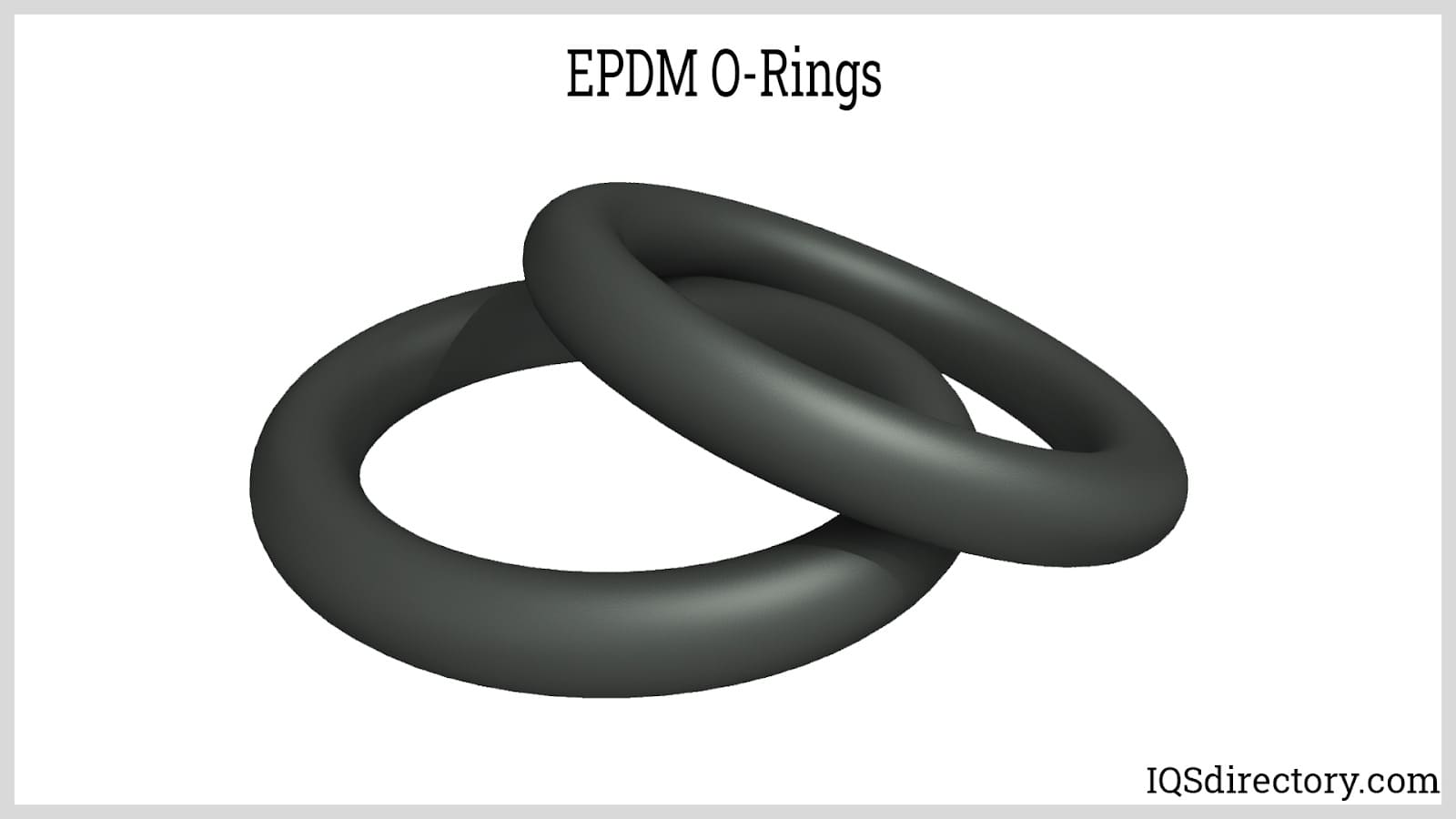
Material Specifications for Raw Gum in Industrial Rubber Applications
Suzhou Baoshida Trading Co., Ltd. provides high-performance raw gum compounds tailored for demanding industrial environments. Our formulations in Viton, Nitrile, and Silicone are engineered to meet stringent operational requirements across automotive, aerospace, oil & gas, and chemical processing sectors. Each material exhibits distinct chemical, thermal, and mechanical properties, enabling optimal selection based on application parameters such as temperature exposure, fluid compatibility, and sealing performance.
Viton, a fluorocarbon-based elastomer (FKM), delivers exceptional resistance to high temperatures, aromatic and chlorinated hydrocarbons, and aggressive chemicals. With a continuous service temperature range of -20°C to +230°C (short-term up to 300°C), Viton raw gum is ideal for applications involving fuel systems, engine seals, and chemical exposure. Its low gas permeability and excellent aging characteristics make it a preferred choice in critical sealing environments where reliability is non-negotiable.
Nitrile rubber (NBR), a copolymer of butadiene and acrylonitrile, offers superior resistance to oils, fuels, and aliphatic hydrocarbons. Its performance in low-temperature environments down to -40°C, combined with good abrasion resistance and mechanical strength, makes it widely used in hydraulic systems, O-rings, gaskets, and fuel-handling components. The acrylonitrile content can be adjusted to enhance oil resistance at the expense of low-temperature flexibility, allowing for application-specific customization.
Silicone rubber (VMQ or PVMQ) provides unmatched thermal stability from -60°C to +200°C, with certain grades operating up to 300°C for limited durations. While exhibiting lower mechanical strength compared to Viton or Nitrile, silicone excels in electrical insulation, UV/ozone resistance, and biocompatibility. Its inert nature and compliance with food-grade (FDA) and medical standards make it suitable for pharmaceutical, food processing, and high-purity applications. Additionally, silicone demonstrates excellent resistance to weathering and oxidation, ensuring long-term performance in outdoor environments.
Selection among these raw gum materials must consider the balance between chemical exposure, thermal range, physical durability, and regulatory compliance. Suzhou Baoshida Trading Co., Ltd. supports OEMs and industrial partners with technical data sheets, custom compounding, and quality assurance protocols to ensure material consistency and performance traceability.
Comparison of Raw Gum Material Specifications
| Property | Viton (FKM) | Nitrile (NBR) | Silicone (VMQ) |
|---|---|---|---|
| Base Polymer | Fluorocarbon | Acrylonitrile-Butadiene | Polysiloxane |
| Temperature Range (°C) | -20 to +230 (up to 300) | -40 to +120 (up to 150) | -60 to +200 (up to 300) |
| Tensile Strength (MPa) | 12–20 | 10–25 | 5–10 |
| Elongation at Break (%) | 150–300 | 200–500 | 200–700 |
| Hardness (Shore A) | 60–90 | 50–90 | 30–80 |
| Fluid Resistance | Excellent (oils, fuels, chemicals) | Excellent (oils, fuels) | Poor (oils, fuels) |
| Compression Set Resistance | Excellent | Good | Good |
| Electrical Insulation | Moderate | Moderate | Excellent |
| Ozone & UV Resistance | Excellent | Good | Excellent |
| FDA/USP Compliance Available | Limited grades | No | Yes |
These specifications serve as a technical reference for engineers and procurement specialists evaluating raw gum materials for industrial rubber solutions. Suzhou Baoshida Trading Co., Ltd. ensures consistent quality and performance across all raw gum offerings.
Manufacturing Capabilities
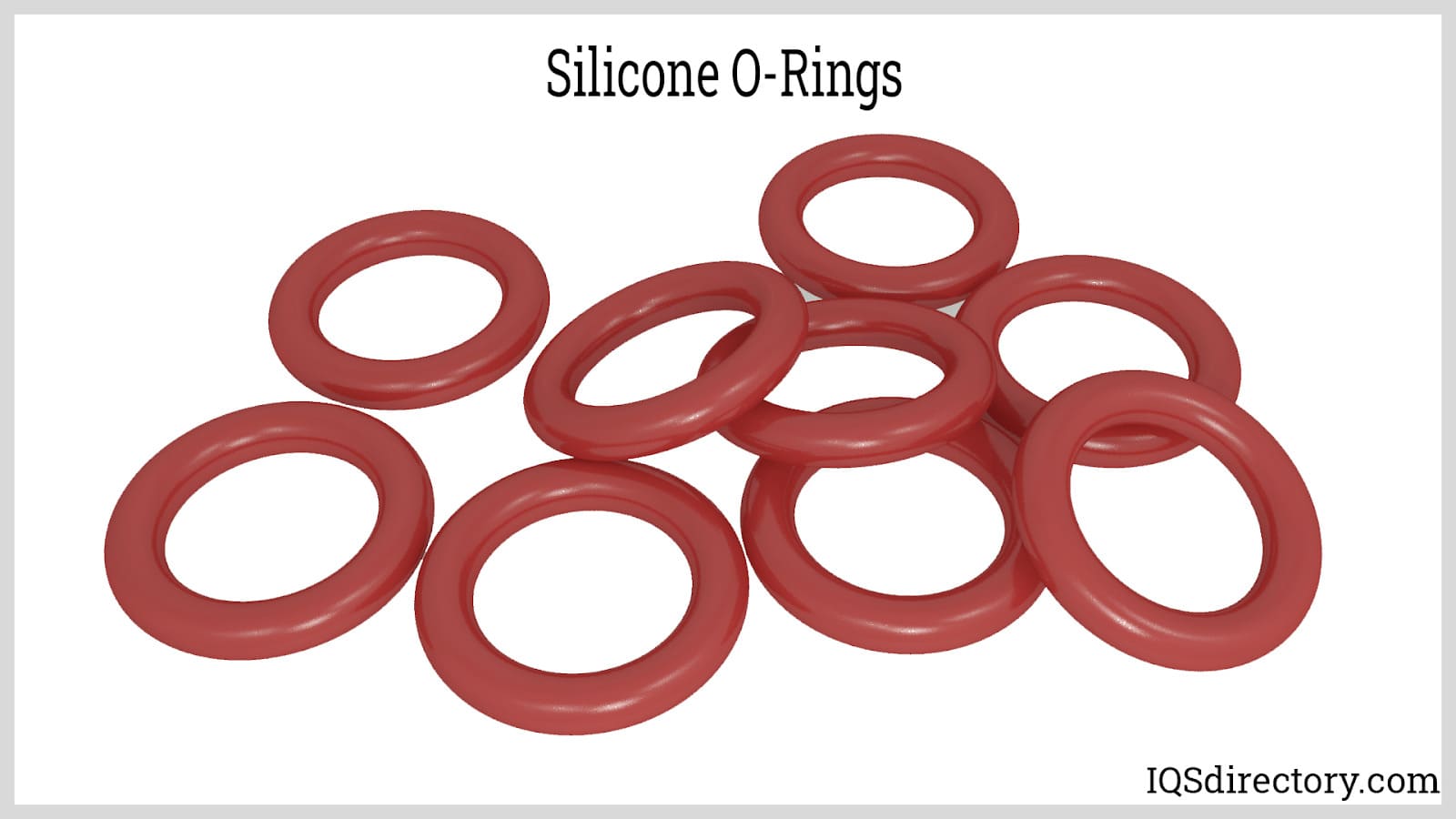
Precision Formulation and OEM Execution for Raw Gum Manufacturing
At Suzhou Baoshida Trading Co., Ltd., our Engineering Capability division integrates advanced rubber science with scalable manufacturing to deliver superior raw gum solutions. Raw gum—unvulcanized rubber compound in its pre-cured state—serves as the foundational material for high-performance industrial components. Our dual-engineering framework, comprising five dedicated Mold Engineers and two specialized Formula Engineers, ensures seamless transition from molecular design to precision molding. This synergy eliminates traditional bottlenecks between compound development and production, directly addressing OEM challenges in consistency, cycle time, and end-product integrity.
Our Formula Engineers focus exclusively on optimizing raw gum formulations for target applications. Leveraging proprietary databases of 200+ polymer-filler systems, they calibrate critical variables including polymer backbone composition, plasticizer ratios, and filler dispersion to achieve exact viscosity, green strength, and scorch safety profiles. Concurrently, Mold Engineers validate these formulations against tooling constraints, simulating flow dynamics and thermal behavior to prevent defects like porosity or incomplete cavity filling. This closed-loop collaboration reduces prototyping iterations by 40% and accelerates time-to-market for custom compounds.
For OEM partners, our capability extends beyond standard production to co-engineered solutions. We accept client-specified performance criteria—such as low-temperature flexibility down to -50°C or resistance to aggressive hydraulic fluids—and reverse-engineer raw gum formulations that meet these demands without compromising processability. Our facility supports batch sizes from 50 kg R&D trials to 50 MT monthly production runs, all under ISO 9001-controlled environments with real-time rheometry monitoring.
Critical raw gum specifications are rigorously controlled to ensure downstream manufacturing success. Key parameters include:
| Parameter | Standard Range | Tolerance Control | Impact on Processing |
|---|---|---|---|
| Mooney Viscosity (ML 1+4 @ 100°C) | 40–85 MU | ±3 MU | Flow stability, mold filling |
| Polymer Content | 65–85% (w/w) | ±1.5% | Mechanical properties consistency |
| Filler Loading | 15–35 phr | ±0.8 phr | Reinforcement, heat build-up |
| Ash Content | ≤0.8% | ±0.1% | Purity, vulcanization efficiency |
This granular control is validated through ASTM D2240 hardness testing, D6204 cure kinetics analysis, and in-house mold trials before shipment. Our engineers provide full technical documentation, including processing guides tailored to the client’s press parameters and vulcanization profiles.
As your OEM partner, Suzhou Baoshida transforms raw gum from a commodity input into a strategic asset. We solve compound-related production failures at the source—whether through adjusting tackifiers for automated assembly lines or reformulating for energy-efficient curing cycles. With 15 years of OEM collaboration across automotive seals, industrial hoses, and hydraulic components, our engineering team guarantees that every raw gum batch delivers predictable performance, reduced scrap rates, and compliance with global standards including ISO 37 and SAE J200. Partner with us to convert material science into manufacturing advantage.
Customization Process
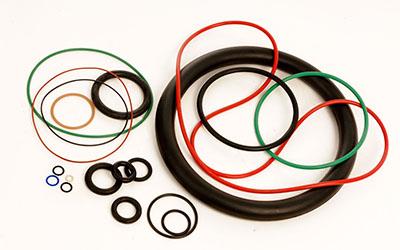
Drawing Analysis: The Foundation of Precision Rubber Manufacturing
At Suzhou Baoshida Trading Co., Ltd., every custom rubber component begins with rigorous drawing analysis. This initial phase ensures dimensional accuracy, functional compatibility, and adherence to OEM specifications. Our engineering team evaluates technical drawings for critical features such as tolerances, parting lines, draft angles, and feature complexity. We assess both 2D blueprints and 3D CAD models to identify potential molding challenges, including air entrapment, flash zones, and material flow dynamics. Compatibility with the intended application environment—such as exposure to oils, ozone, or extreme temperatures—is also evaluated at this stage. This comprehensive analysis allows us to determine the optimal mold design and manufacturing approach, reducing cycle time and minimizing post-production rework.
Formulation: Engineering Performance into Every Compound
Following drawing validation, we proceed to rubber formulation—a core competency where material science meets application demands. Our in-house chemists develop custom raw gum compounds tailored to mechanical, thermal, and chemical resistance requirements. Whether the end-use demands high tensile strength, low compression set, or resistance to aggressive fluids, we select base polymers such as NBR, EPDM, silicone, or FKM and engineer them with precise ratios of curatives, fillers, plasticizers, and stabilizers. Each formulation is documented and batch-traceable, ensuring consistency across production runs. We conduct preliminary tests for cure kinetics, Mooney viscosity, and scorch time to guarantee processability on customer-specific tooling and equipment.
Prototyping: Validating Design and Material Synergy
Prototyping serves as the critical bridge between design intent and mass production. Using the approved mold design and formulated compound, we produce a limited run of sample parts under controlled conditions. These prototypes undergo dimensional inspection via CMM (Coordinate Measuring Machine) and are subjected to performance testing, including hardness, tensile strength, elongation, and environmental exposure per ASTM or ISO standards. Functional testing in the customer’s assembly or operating environment is encouraged to validate sealing force, fit, and durability. Feedback from this phase informs final adjustments to formulation or mold geometry, ensuring optimal performance prior to full-scale manufacturing.
Mass Production: Scalable Quality with Industrial Efficiency
Once prototypes are approved, we transition to mass production with strict process controls. Our automated mixing lines, precision hydraulic presses, and continuous vulcanization systems ensure high repeatability and throughput. Every batch of raw gum is tested for consistency, and in-process quality checks monitor cure state, weight, and visual defects. Final inspection includes first-article reporting and statistical process control (SPC) data submission upon request.
The following table outlines key specifications managed throughout the customization process:
| Parameter | Standard Tolerance | Testing Method | Applicable Standards |
|---|---|---|---|
| Hardness (Shore A) | ±5 points | ASTM D2240 | ISO 48-4 |
| Tensile Strength | ±10% of target | ASTM D412 | ISO 37 |
| Elongation at Break | ±15% of target | ASTM D412 | ISO 37 |
| Compression Set (70h, 70°C) | ≤20% | ASTM D395 | ISO 815 |
| Dimensional Tolerance | ±0.1 mm (critical) | CMM / Optical Comparator | ISO 2768-m |
At Suzhou Baoshida, we integrate engineering precision with industrial scalability to deliver custom raw gum solutions that meet the highest standards of performance and reliability.
Contact Engineering Team
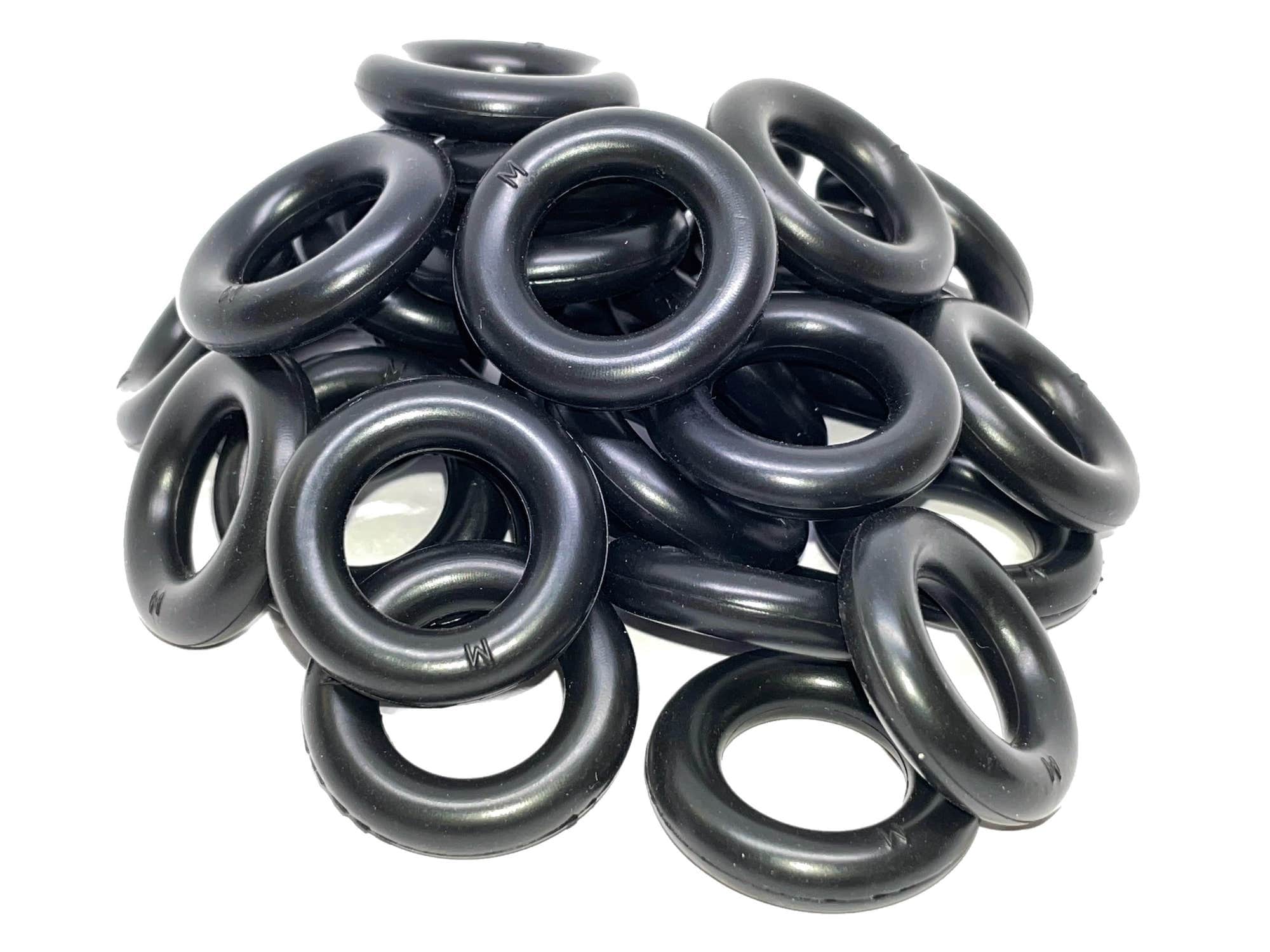
Precision Raw Gum Sourcing: Engineered for Industrial Reliability
Sourcing high-purity raw gum is a critical determinant in achieving optimal polymer performance for demanding industrial applications. At Suzhou Baoshida Trading Co., Ltd., we specialize in supplying rigorously tested natural rubber raw gum that meets stringent international manufacturing standards. Our materials undergo multi-stage quality validation to ensure consistent molecular structure, minimal impurities, and superior processability—essential for tire treads, seals, vibration dampeners, and specialty elastomer components. Unlike commodity-grade alternatives, our raw gum maintains exceptional green strength and vulcanization kinetics, directly enhancing your production yield and end-product durability.
Our technical team implements ASTM D2229 and ISO 2000:2017 protocols at every production phase, from plantation-sourced latex coagulation to controlled bale compression. This eliminates batch-to-batch variability that compromises extrusion stability or curing profiles. For OEMs operating under ISO/TS 16949 or AS9100 frameworks, our traceability system provides full documentation from harvest to shipment, including third-party certificates of analysis. We recognize that raw material deviations cascade into costly rework; thus, our quality control tolerances exceed industry baselines by 30%, safeguarding your compounding integrity.
The following specifications demonstrate our commitment to precision engineering in raw gum production:
| Parameter | Standard Requirement | Suzhou Baoshida Tolerance | Test Method |
|---|---|---|---|
| Mooney Viscosity (ML 1+4 @ 100°C) | 55–70 MU | 60 ± 2.5 MU | ASTM D1646 |
| Ash Content | ≤ 0.60% | ≤ 0.45% | ASTM D297 |
| Volatile Matter | ≤ 0.80% | ≤ 0.55% | ISO 2005 |
| Foreign Matter | ≤ 0.05% | ≤ 0.02% | ISO 1795 |
| Color (Yellowness Index) | ≤ 15.0 | ≤ 10.0 | ASTM E313 |
Partnering with Suzhou Baoshida means accessing more than raw materials—you gain a technical collaborator invested in your manufacturing success. Our engineers provide formulation support to optimize cure rates, filler dispersion, and aging resistance specific to your application. We maintain strategic inventory in Shanghai and Rotterdam to ensure 72-hour global dispatch, mitigating supply chain disruptions that idle production lines. For custom polymer solutions requiring halogen-free, low-protein, or high-purity grades, our R&D division develops tailored raw gum profiles validated through dynamic mechanical analysis (DMA) and rheometry.
Initiate a technical consultation to resolve your raw gum challenges with data-driven precision. Contact Mr. Boyce, our dedicated OEM Manager and Rubber Formula Engineer, who brings 18 years of compounding expertise across automotive, aerospace, and industrial sectors. Mr. Boyce will analyze your current material specifications, production constraints, and performance targets to deliver a customized supply strategy. Reach him directly via email at [email protected] to schedule a confidential assessment. Include your target Mooney range, volume requirements, and application context for a rapid technical response. Suzhou Baoshida operates under strict NDA protocols—your formulations and processes remain confidential. Elevate your rubber manufacturing with raw gum engineered for uncompromised performance, not mere compliance. Contact Mr. Boyce today to secure your supply chain with scientific rigor.
⚖️ O-Ring Weight Calculator
Estimate rubber O-ring weight (Approx).