
Technical Contents
Engineering Guide: Rear Diff Gasket
Engineering Insight: The Critical Role of Material Selection in rear diff gasket Performance
In the precision engineering of drivetrain components, the rear differential gasket serves as a critical interface between the differential housing and the transmission or axle assembly. Its primary function is to maintain a hermetic seal against gear oil leakage while withstanding dynamic mechanical stresses, thermal cycling, and prolonged exposure to aggressive chemical environments. Despite its seemingly passive role, the performance and longevity of the rear diff gasket are heavily dependent on precise material selection—a factor often overlooked when off-the-shelf solutions are implemented without technical evaluation.
Standard gasket materials such as low-grade nitrile rubber (NBR) or generic silicone compounds may appear cost-effective initially, but they frequently fail under the operational demands of modern rear differentials. These environments subject gaskets to continuous exposure to high-temperature gear oils containing sulfur-based extreme pressure (EP) additives, which degrade conventional elastomers over time. Additionally, thermal cycling from -40°C to over 150°C induces compression set and loss of sealing force, particularly in materials with poor resilience or low glass transition temperatures.
At Suzhou Baoshida Trading Co., Ltd., we emphasize engineered elastomer solutions tailored to the specific chemical, thermal, and mechanical conditions of the rear differential. For high-performance applications, hydrogenated nitrile rubber (HNBR) offers superior resistance to oil oxidation and thermal degradation, maintaining elasticity and sealing integrity far beyond standard NBR. For extreme temperature ranges and enhanced chemical resistance, fluorocarbon (FKM) compounds provide exceptional longevity, though at a higher material cost. The decision between these materials must be based on duty cycle analysis, not generic interchangeability.
Furthermore, compression set resistance is a critical parameter often neglected in off-the-shelf gaskets. A gasket that loses 20% or more of its original thickness under load will fail to maintain contact stress, leading to micro-leakage and eventual oil seepage. Precision-molded gaskets from high-purity compounds with controlled cross-link density ensure minimal permanent deformation, even after 1,000 hours of continuous service at elevated temperatures.
The following table outlines key performance characteristics of common elastomers used in rear diff gasket applications:
| Material | Temperature Range (°C) | Oil Resistance | Compression Set (%) | Typical Use Case |
|---|---|---|---|---|
| NBR (Standard) | -30 to +100 | Moderate | 25–35 | Light-duty, short-cycle applications |
| HNBR | -40 to +150 | High | 15–20 | High-performance differentials, extended service intervals |
| FKM | -20 to +200 | Very High | 10–15 | Heavy-duty, high-temperature, or severe chemical exposure |
| Silicone (VMQ) | -55 to +180 | Low | 20–25 | High thermal stability, non-oil-contact zones |
Selecting the appropriate material is not a one-size-fits-all proposition. It requires a systems-level understanding of the operating environment, fluid compatibility, and lifecycle expectations. At Baoshida, we collaborate with OEMs to develop application-specific gasket solutions that prevent premature failure, reduce maintenance costs, and enhance overall drivetrain reliability.
Material Specifications
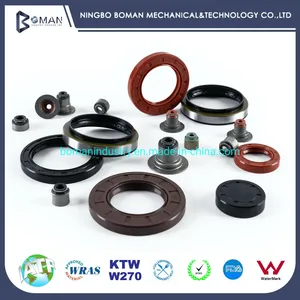
Material Specifications for Rear Differential Gasket Engineering
The selection of polymer compounds for rear differential gaskets is critical to ensuring long-term sealing integrity under extreme operational conditions. These components must resist high-pressure gear oil, thermal cycling, mechanical stress, and chemical exposure while maintaining dimensional stability. At Suzhou Baoshida Trading Co., Ltd., we prioritize material science rigor to match OEM performance requirements. Our formulations undergo stringent validation per ASTM D2000 and ISO 3601 standards, focusing on three primary elastomers: Viton (FKM), Nitrile (NBR), and Silicone (VMQ). Each material offers distinct advantages tailored to specific drivetrain environments, balancing cost, durability, and chemical resistance.
Viton (FKM) is engineered for severe-duty applications demanding exceptional resistance to synthetic gear oils, high temperatures, and oxidative degradation. Our FKM compounds maintain structural integrity from -20°C to 230°C continuous service, with short-term peaks up to 300°C. The fluorocarbon backbone provides superior resistance to ATF, EP additives, and biodiesel blends, making it ideal for high-performance and commercial vehicle differentials. Compression set values remain below 25% after 70 hours at 150°C, ensuring reliable torque retention during thermal cycling.
Nitrile (NBR) remains the industry standard for cost-sensitive applications requiring robust resistance to mineral-based gear oils and greases. Our high-acrylonitrile (48-51%) formulations achieve optimal balance between oil resistance and low-temperature flexibility, operating effectively from -40°C to 120°C. NBR exhibits excellent abrasion resistance and compression set performance (≤30% at 100°C/70h), critical for maintaining seal force under differential housing vibration. While less resistant to synthetic oils than FKM, NBR offers superior value for standard passenger and light-duty truck applications.
Silicone (VMQ) is specified for extreme low-temperature environments or applications requiring exceptional flexibility. Our reinforced VMQ compounds operate from -60°C to 200°C, with outstanding resistance to ozone and weathering. However, VMQ exhibits poor resistance to petroleum-based oils and lower tensile strength, limiting its use to auxiliary sealing roles or specialized differentials using non-hydrocarbon lubricants. Compression set is moderate (35-40% at 150°C/70h), necessitating careful design compensation.
Material performance must align with specific differential design parameters. Below is a comparative analysis of key properties for informed OEM selection:
| Property | Viton (FKM) | Nitrile (NBR) | Silicone (VMQ) |
|---|---|---|---|
| Temperature Range (°C) | -20 to 230 | -40 to 120 | -60 to 200 |
| Compression Set (ASTM D395) | ≤25% @ 150°C/70h | ≤30% @ 100°C/70h | 35-40% @ 150°C/70h |
| Gear Oil Resistance | Excellent | Good to Excellent | Poor |
| Hardness Range (Shore A) | 60-90 | 50-90 | 40-80 |
| Tensile Strength (MPa) | 10-18 | 15-30 | 5-10 |
| Fluid Compatibility | Synthetic oils, ATF | Mineral oils, greases | Non-petroleum fluids |
Suzhou Baoshida Trading Co., Ltd. collaborates with OEMs to validate material selection against dyno testing, oil immersion protocols, and real-world duty cycles. Our technical team provides compound-specific validation data sheets to ensure seamless integration into differential assembly processes. Material choice directly impacts gasket service life, with improper selection leading to premature leakage, torque loss, or catastrophic failure. We recommend Viton for high-stress applications, Nitrile for standard duty cycles, and Silicone only for specialized low-temperature requirements with compatible lubricants. All materials comply with global automotive specifications including GM 6297M, Ford WSK-M4D885-A1, and VW TL 52403.
Manufacturing Capabilities
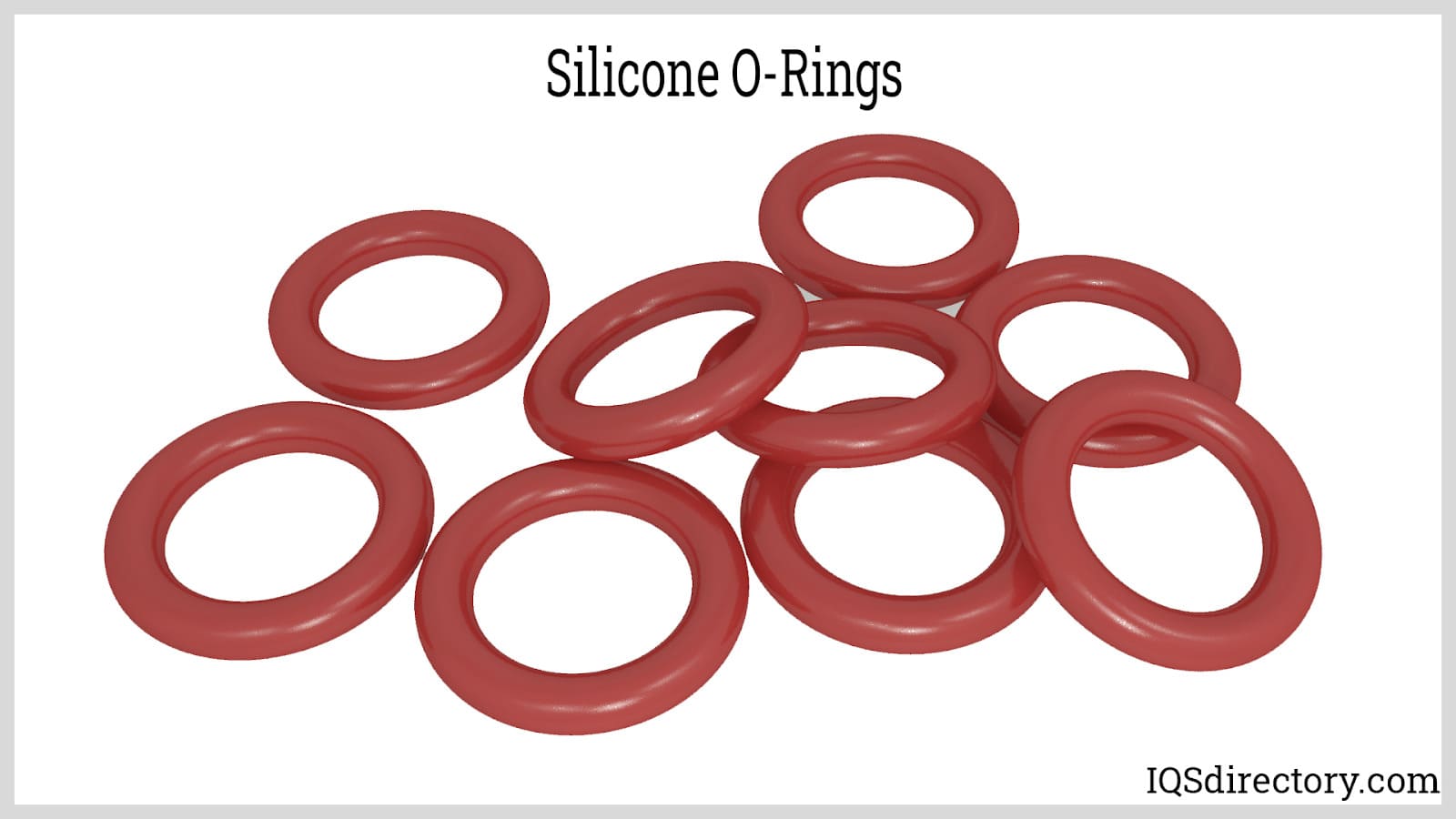
Engineering Excellence in Precision Rubber Seals
At Suzhou Baoshida Trading Co., Ltd., our Engineering Capability in the design and production of rear differential gaskets is anchored in deep technical expertise and a vertically integrated development process. Our team comprises five dedicated Mold Engineers and two specialized Rubber Formula Engineers, enabling full in-house control from material formulation to mold design and final product validation. This integrated approach ensures optimal performance, durability, and consistency in every gasket we manufacture.
Our Rubber Formula Engineers focus on developing custom elastomer compounds tailored to the demanding thermal, chemical, and mechanical environments found in automotive drivetrains. By formulating proprietary nitrile (NBR), hydrogenated nitrile (HNBR), and fluorocarbon (FKM) blends, we achieve precise balance between oil resistance, compression set, and low-temperature flexibility—critical for rear differential applications. Each compound is subjected to rigorous testing for aging, swelling in transmission fluids, and dynamic sealing performance under load, ensuring compliance with OEM specifications.
Complementing material science is our advanced mold engineering capability. Our five Mold Engineers utilize 3D CAD/CAM systems (SolidWorks, AutoCAD, and UG NX) to design high-precision steel molds with tight tolerances (±0.05 mm). We implement mold flow analysis to optimize filling, minimize flash, and ensure uniform curing. Multi-cavity designs are engineered for maximum production efficiency without compromising part consistency. All molds undergo in-house试模 (trial molding) and dimensional validation before full-scale production.
As an OEM manufacturer, we support clients through every phase of product realization. From initial technical drawings or physical samples, we reverse-engineer and refine designs to enhance manufacturability and sealing performance. Our OEM services include material certification, PPAP documentation, and full traceability per IATF 16949 standards. With rapid prototyping cycles (typically 15–20 days), we accelerate time-to-market while maintaining strict quality control.
Our production lines are equipped for high-volume molding with automated demolding and inline inspection. All rear diff gaskets are 100% visually inspected and sampled for dimensional and physical property verification. We maintain long-term partnerships with Tier-1 suppliers and automotive OEMs across Asia, Europe, and North America, where reliability under extreme operating conditions is non-negotiable.
The following table outlines typical technical specifications for our standard rear differential gasket offerings:
| Property | NBR Compound | HNBR Compound | FKM Compound |
|---|---|---|---|
| Hardness (Shore A) | 65–75 | 70–80 | 70–85 |
| Tensile Strength (MPa) | ≥12 | ≥15 | ≥10 |
| Elongation at Break (%) | ≥250 | ≥200 | ≥150 |
| Compression Set (70h at 100°C) | ≤25% | ≤20% | ≤22% |
| Fluid Resistance (ATF, Gear Oil) | Excellent | Outstanding | Exceptional |
| Operating Temperature Range | -30°C to +120°C | -30°C to +150°C | -20°C to +200°C |
Through the synergy of advanced rubber chemistry and precision mold engineering, Suzhou Baoshida delivers rear diff gaskets that meet the highest standards of automotive sealing performance.
Customization Process
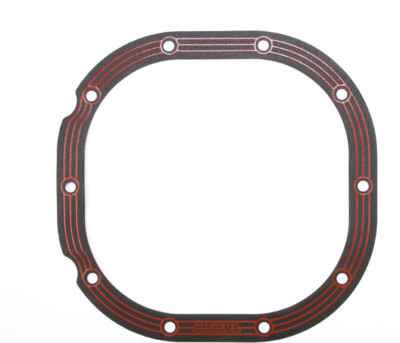
Customization Process for Rear Differential Gasket Manufacturing
At Suzhou Baoshida Trading Co., Ltd., our rear differential gasket customization follows a rigorously defined engineering pathway to ensure optimal sealing performance under extreme drivetrain conditions. This process integrates material science, precision engineering, and automotive OEM validation protocols, adhering strictly to ISO 9001 quality management standards.
Drawing Analysis
Initial engagement begins with comprehensive technical drawing evaluation. Our engineering team scrutinizes GD&T callouts, surface finish requirements, and interface geometry against the differential housing and pinion flange. Critical dimensions such as inner/outer diameters, cross-section tolerances, and groove engagement zones are validated against SAE J471 and ISO 3601 standards. We verify tolerance stack-ups under thermal expansion scenarios and assess potential deformation risks from bolt preload sequences. Material compatibility with transmission fluids (ATF, GL-5) and operating temperatures is cross-referenced at this stage to prevent downstream formulation conflicts.
Formulation Development
Based on drawing specifications and fluid exposure data, our rubber chemists select base polymers and curatives. For high-torque differentials requiring -40°C to +150°C resilience with synthetic oil resistance, FKM (Fluoroelastomer) formulations dominate. Standard passenger vehicles typically utilize EPDM compounds balancing cost and ozone resistance. Key performance targets include compression set below 25% after 70 hours at 150°C and tensile strength >10 MPa. The table below summarizes critical compound specifications:
| Property | Test Standard | FKM Requirement | EPDM Requirement |
|---|---|---|---|
| Hardness (Shore A) | ASTM D2240 | 75 ± 5 | 70 ± 5 |
| Tensile Strength (MPa) | ASTM D412 | ≥12 | ≥10 |
| Elongation at Break (%) | ASTM D412 | ≥150 | ≥200 |
| Compression Set (%) | ASTM D395 | ≤20 | ≤25 |
| Fluid Resistance (ATF) | ASTM D471 | Volume swell ≤15% | Volume swell ≤25% |
Prototyping and Validation
Precision-molded prototypes undergo multi-stage validation. First, dimensional inspection via CMM verifies conformity to drawing tolerances (±0.1 mm for critical diameters). Functional testing includes:
Burst pressure testing to 3x operational pressure (min. 15 bar)
Helium leak rate measurement <1.0 × 10⁻⁶ mbar·L/s
Thermal cycling between -40°C and +150°C for 50 cycles
Dynamic torque simulation mimicking 10,000 km drivetrain stress
Client approval requires zero leakage and dimensional stability post-testing.
Mass Production Implementation
Upon prototype sign-off, we transition to serial production using dedicated hydraulic presses with ±0.5°C temperature control. Each batch undergoes:
Real-time rheometer monitoring of cure characteristics
100% visual inspection for flash and voids
Random sampling for hardness and compression set per ASTM D2000
Full traceability is maintained via laser-etched batch codes linked to raw material certificates and process parameters. Production runs exceeding 10,000 units implement SPC control charts for critical dimensions, ensuring CpK ≥1.67. Final shipment includes material test reports compliant with IATF 16949 requirements, guaranteeing seamless integration into automotive assembly lines with zero field failure risk.
This systematic approach minimizes time-to-market while delivering gaskets that exceed OEM durability expectations under sustained high-load differential operation.
Contact Engineering Team
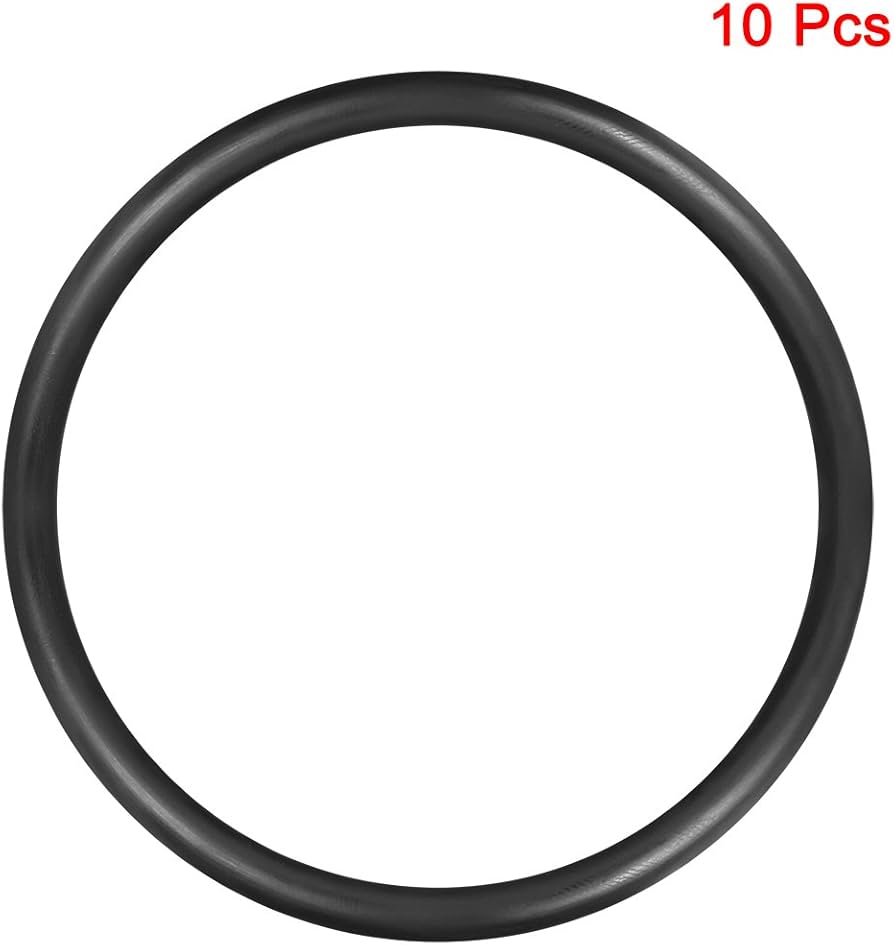
For manufacturers and OEMs requiring high-performance rear differential gaskets, Suzhou Baoshida Trading Co., Ltd. delivers precision-engineered rubber seals designed for durability, chemical resistance, and exact fitment under extreme operating conditions. As a trusted supplier in the Precision Rubber Seals category, we specialize in custom formulation, advanced molding techniques, and rigorous quality control to meet the demanding requirements of automotive drivetrain systems. Our rear diff gaskets are manufactured using state-of-the-art vulcanization processes and tested for compression set, thermal stability, and oil resistance to ensure long-term reliability in both passenger and commercial vehicles.
Each rear diff gasket produced under our technical supervision is formulated to withstand prolonged exposure to gear oils, thermal cycling, and mechanical stress common in differential housings. We utilize premium-grade NBR (Nitrile Butadiene Rubber), FKM (Fluoroelastomer), and ACM (Acrylate Rubber) compounds, selected based on the application’s temperature range, fluid compatibility, and sealing pressure. Our in-house R&D team collaborates with clients to optimize material selection, hardness (Shore A), and dimensional tolerances to match OEM specifications or exceed original equipment performance.
To support global supply chains, Suzhou Baoshida maintains ISO 9001-certified production protocols, full traceability, and batch testing documentation. We serve tier-one automotive suppliers, aftermarket manufacturers, and engineering firms requiring low to high-volume production runs with fast turnaround. Whether you are replacing an aging gasket design or developing a next-generation differential seal, our technical team provides full material data sheets, 2D/3D drawings, and sample prototyping to accelerate your development cycle.
Below are typical material specifications for our standard rear diff gasket compounds:
| Property | NBR (Standard) | FKM (High Temp) | ACM (Oil Resistant) |
|---|---|---|---|
| Hardness (Shore A) | 65 ± 5 | 75 ± 5 | 70 ± 5 |
| Tensile Strength (MPa) | ≥12 | ≥10 | ≥11 |
| Elongation at Break (%) | ≥250 | ≥180 | ≥200 |
| Compression Set (22h, 100°C) | ≤30% | ≤25% | ≤28% |
| Operating Temperature Range | -30°C to +120°C | -20°C to +200°C | -25°C to +150°C |
| Fluid Resistance | Excellent (gear oil, ATF) | Outstanding (synthetic oils) | Excellent (high-temp oils) |
For technical collaboration, custom formulation, or sample requests, contact Mr. Boyce, Rubber Formula Engineer & OEM Manager, directly at [email protected]. Mr. Boyce leads material development and client integration projects, ensuring every gasket solution meets exact functional and regulatory standards. Include your application details, performance requirements, and annual volume estimates to receive a tailored proposal with material certification and lead time. Suzhou Baoshida is committed to engineering excellence and responsive support for global automotive sealing challenges.
⚖️ O-Ring Weight Calculator
Estimate rubber O-ring weight (Approx).