
Technical Contents
Engineering Guide: Refrigeration Gaskets
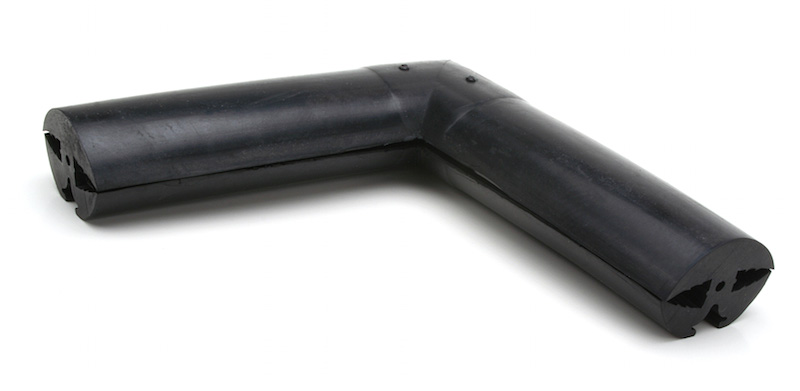
Engineering Insight: Material Selection Criticality in Refrigeration Gasket Performance
Refrigeration gaskets operate under uniquely demanding conditions that standard elastomeric seals cannot reliably withstand. Generic off-the-shelf solutions frequently fail due to inadequate material science alignment with the specific thermodynamic and chemical environment of refrigeration cycles. These failures manifest as premature compression set, refrigerant permeation, or catastrophic seal rupture, directly impacting system efficiency, safety, and lifecycle costs. The core issue lies in the compound formulation’s inability to simultaneously address low-temperature flexibility, chemical resistance to modern refrigerants (including HFCs, HFOs, ammonia, and CO₂), and sustained sealing force under cyclic thermal and pressure loads. Standard EPDM or NBR compounds, while cost-effective for general applications, lack the tailored polymer backbone and additive systems required for refrigeration-specific stressors. For instance, conventional plasticizers in NBR migrate or stiffen below -30°C, causing seal brittleness, while EPDM exhibits poor resistance to hydrocarbon-based refrigerants, leading to swelling and loss of dimensional stability.
Material failure mechanisms are often misdiagnosed as installation errors or design flaws. In reality, improper polymer selection accelerates degradation through mechanisms like oxidative chain scission at elevated discharge temperatures or acid-induced corrosion from decomposed HFC refrigerants. Suzhou Baoshida Trading Co., Ltd. emphasizes that precision gaskets demand engineered compounds where base polymer chemistry, curing systems, and specialty additives are co-optimized. Our proprietary fluorocarbon (FKM) and hydrogenated nitrile (HNBR) formulations utilize peroxide curing instead of sulfur systems to minimize compression set at -40°C, while custom-synthesized additives neutralize acidic byproducts from refrigerant breakdown. Crucially, material validation must replicate actual operating profiles—not just static lab tests—using dynamic compression testing under refrigerant immersion at variable temperatures.
The table below contrasts critical performance parameters between generic and engineered compounds:
| Property | Generic EPDM/NBR | Baoshida Engineered HNBR/FKM | Test Standard |
|---|---|---|---|
| Compression Set (70h, 100°C) | 45-60% | 15-25% | ASTM D395 |
| Low-Temp Flexibility (TR10) | -35°C to -45°C | -60°C to -70°C | ASTM D1329 |
| R134a Swell (72h, 23°C) | 15-25% | 3-8% | ASTM D471 |
| Ammonia Resistance | Severe degradation | Minimal swell (<5%) | ISO 1817 |
| Acid Scavenging Capacity | None | High (custom additives) | Internal Protocol |
Off-the-shelf gaskets compromise on these parameters to reduce raw material costs, inevitably sacrificing long-term reliability. In transcritical CO₂ systems operating above 100 bar, for example, standard materials experience rapid extrusion failure due to inadequate modulus retention. Baoshida’s OEM approach integrates refrigerant chemistry, pressure profiles, and temperature ranges into the molecular design phase, ensuring elastomeric integrity across 20,000+ thermal cycles. This precision engineering eliminates field failures driven by material incompatibility—transforming gaskets from a cost item into a validated system component. For refrigeration OEMs, the marginal cost premium of a custom compound is dwarfed by avoided warranty claims, refrigerant loss, and system downtime. Material selection is not a procurement decision; it is a foundational engineering requirement.
Material Specifications
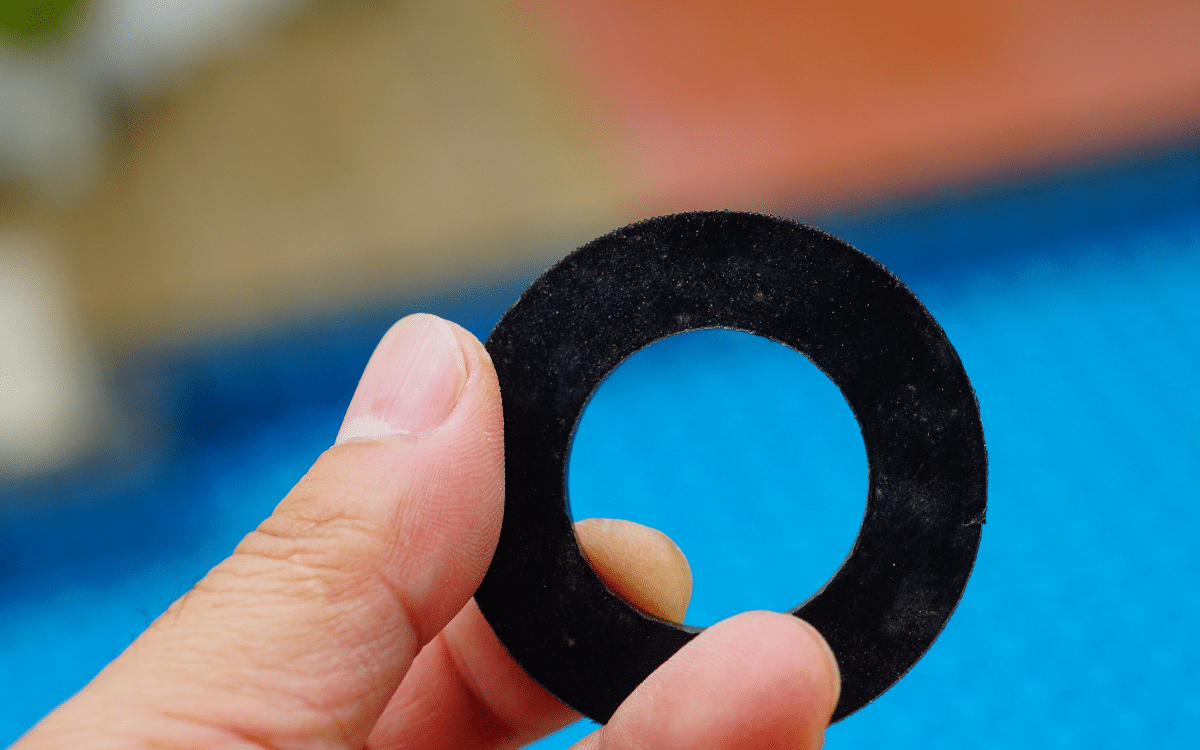
Material Specifications for Refrigeration Gaskets
In the manufacturing of refrigeration gaskets, material selection is critical to ensure long-term sealing performance, chemical compatibility, and thermal stability. Suzhou Baoshida Trading Co., Ltd. specializes in precision rubber seals engineered to meet the rigorous demands of commercial and industrial refrigeration systems. The three primary elastomers used in this application—Viton (FKM), Nitrile (NBR), and Silicone (VMQ)—each offer distinct performance characteristics tailored to specific operating environments.
Viton, a fluorocarbon-based rubber, delivers superior resistance to high temperatures, ozone, and a broad range of refrigerants, including HFCs and ammonia-based compounds. With continuous service capabilities up to 230°C and exceptional resistance to swelling in oils and halogenated refrigerants, Viton is ideal for high-performance and extreme-condition applications. Its low gas permeability ensures reliable sealing integrity in systems where refrigerant leakage must be minimized. However, Viton exhibits lower flexibility at sub-zero temperatures compared to Nitrile and Silicone, making it less suitable for ultra-low temperature cycles without specialized compounding.
Nitrile rubber, or Buna-N, remains a cost-effective and widely used material in refrigeration gasketing due to its excellent resistance to oils, greases, and common refrigerants such as R134a and R404A. Nitrile gaskets perform reliably within a temperature range of -30°C to 100°C, with some formulations extending to 120°C intermittently. Its high abrasion resistance and mechanical strength make it suitable for dynamic sealing applications. However, Nitrile has limited resistance to ozone and UV exposure, and its performance degrades in the presence of polar solvents and certain ester-based lubricants, requiring careful compatibility assessment.
Silicone rubber offers outstanding flexibility across a wide temperature spectrum, typically from -60°C to 200°C, making it particularly effective in low-temperature freezer applications and environments with frequent thermal cycling. While it provides excellent resistance to ozone and UV radiation, standard silicone has relatively poor resistance to petroleum-based oils and many refrigeration lubricants. Additionally, its lower tensile strength and abrasion resistance compared to Nitrile or Viton necessitate design considerations for high-stress sealing zones. Specialty fluorosilicone formulations can improve chemical resistance but at increased cost.
The optimal material choice depends on the specific refrigerant type, operating temperature, pressure conditions, and regulatory requirements of the end-use application. Suzhou Baoshida Trading Co., Ltd. leverages advanced compounding techniques to customize formulations within each elastomer family, ensuring compliance with food safety standards (FDA, NSF), flammability ratings (UL), and environmental regulations.
Material Comparison for Refrigeration Gaskets
| Property | Viton (FKM) | Nitrile (NBR) | Silicone (VMQ) |
|---|---|---|---|
| Temperature Range (°C) | -20 to 230 | -30 to 120 | -60 to 200 |
| Refrigerant Compatibility | Excellent (HFCs, NH₃) | Good (R134a, R404A) | Moderate |
| Oil & Lubricant Resistance | Excellent | Excellent | Poor to Fair |
| Ozone & UV Resistance | Excellent | Poor | Excellent |
| Low-Temperature Flexibility | Moderate | Good | Excellent |
| Compression Set Resistance | Excellent | Good | Good |
| Permeation Resistance | Very High | Moderate | Low |
| Typical Applications | Industrial chillers, ammonia systems | Commercial refrigeration, compressors | Freezers, food-grade units |
Manufacturing Capabilities
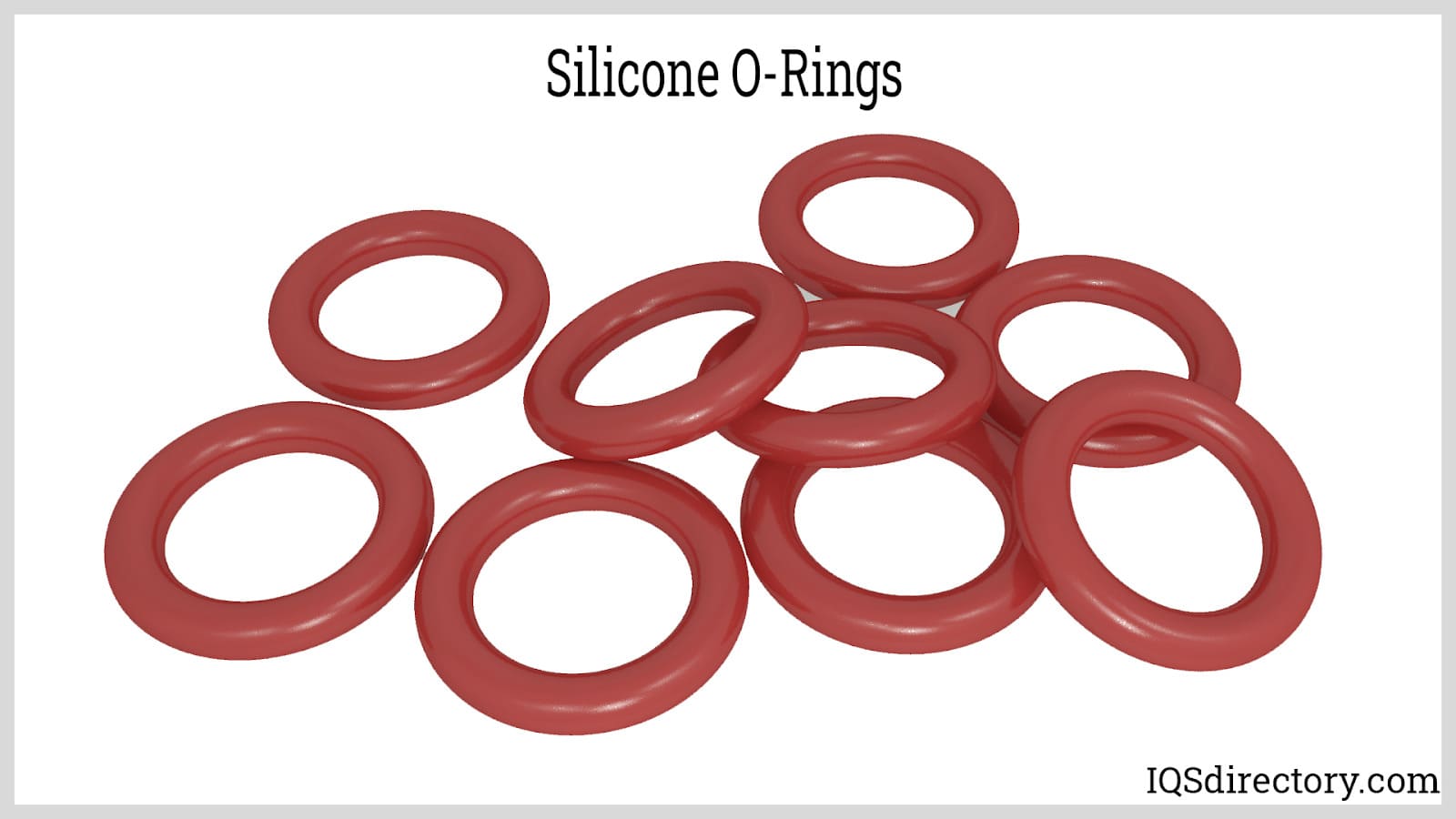
Engineering Excellence in Refrigeration Gasket Manufacturing
Suzhou Baoshida Trading Co., Ltd. leverages deep technical expertise to deliver mission-critical refrigeration gaskets that ensure system integrity, energy efficiency, and longevity. Our core strength resides in the integrated capabilities of our dedicated engineering team: five specialized Mold Design Engineers and two advanced Rubber Formula Engineers. This structure is fundamental to solving complex sealing challenges inherent in modern refrigeration systems operating under stringent environmental regulations and demanding performance criteria.
Our Mold Design Engineers utilize state-of-the-art CAD/CAM software and extensive practical molding knowledge to develop precision tooling. They meticulously optimize cavity design, gating systems, and cooling channels to achieve exceptional dimensional stability, minimize flash, and ensure consistent part geometry across high-volume production runs. This precision directly translates to reliable sealing performance and reduced assembly issues for our OEM partners. Concurrently, our Rubber Formula Engineers are pivotal in material science innovation. They formulate and rigorously test custom elastomer compounds specifically engineered to withstand aggressive next-generation refrigerants (including R290, R600a, and R134a), wide operational temperature ranges (-50°C to +120°C), and prolonged exposure to oils and moisture. This deep material science focus ensures optimal compression set resistance, low-temperature flexibility, and long-term resilience against degradation – critical factors preventing costly field failures.
Material selection is not generic; it is a precise science driven by application demands. The table below illustrates the performance differentiation achievable through our formula engineering capabilities compared to standard industry compounds:
| Property | Standard EPDM Compound | Baoshida Custom Refrigeration Compound | Improvement Significance |
|---|---|---|---|
| Compression Set (70°C, 22h) | 35% | 18% | Significantly longer seal life |
| Low Temp Flexibility (°C) | -40 | -55 | Prevents cracking in freezer zones |
| R290 Refrigerant Resistance | Moderate Swell (15%) | Excellent (Swell < 5%) | Maintains seal integrity with flammable refrigerants |
| Hardness Retention (1000h) | Δ +8 Shore A | Δ +2 Shore A | Consistent sealing force over time |
| Tensile Strength Retention | 65% | 85% | Enhanced durability against stress |
This technical synergy between mold design and compound formulation is the cornerstone of our OEM partnership model. We do not merely manufacture to prints; we collaborate from the initial concept stage. Our engineers work directly with client R&D and production teams to understand system dynamics, thermal cycles, and assembly constraints. This proactive engagement enables us to co-develop gasket solutions that optimize performance while streamlining manufacturability and reducing total cost of ownership. We provide comprehensive material certification, detailed process validation data (including PPAP documentation), and ongoing technical support throughout the product lifecycle. Suzhou Baoshida’s commitment to engineering precision ensures refrigeration gaskets that exceed industry standards, directly contributing to our OEM partners’ product reliability and market success. Our capabilities transform sealing challenges into competitive advantages.
Customization Process
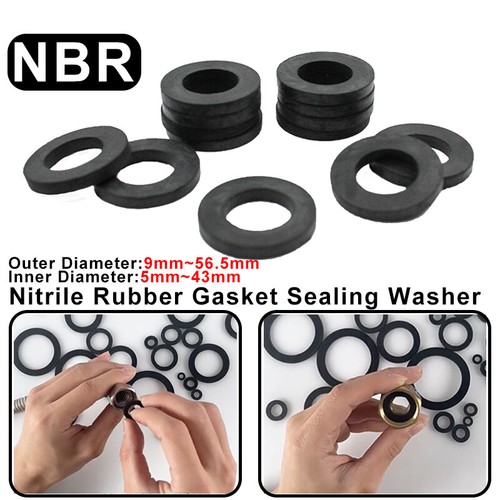
Customization Process for Refrigeration Gaskets at Suzhou Baoshida Trading Co., Ltd.
At Suzhou Baoshida Trading Co., Ltd., we specialize in delivering high-performance precision rubber seals tailored specifically for refrigeration applications. Our engineering-driven approach ensures that every refrigeration gasket meets exact functional, environmental, and dimensional requirements. The customization process follows a rigorous four-stage methodology: Drawing Analysis, Formulation Development, Prototyping, and Mass Production. This structured workflow guarantees consistency, compliance, and long-term reliability in demanding cooling environments.
The process begins with Drawing Analysis, where our rubber formula engineers meticulously evaluate customer-provided technical drawings and 3D models. We assess critical dimensions, tolerance ranges (typically ±0.1 mm to ±0.3 mm), cross-sectional profiles, and installation constraints. Special attention is given to sealing surface geometry, compression set requirements, and mating component materials. Any ambiguities or potential design risks—such as excessive compression, insufficient sealing force, or material incompatibility—are flagged and discussed with the client for optimization.
Following design validation, our team proceeds to Formulation Development. This stage determines the optimal elastomer compound based on operational conditions such as temperature range (-40°C to +120°C), exposure to refrigerants (e.g., R134a, R404A, or natural refrigerants like CO₂), and resistance to oils and humidity. We primarily utilize hydrogenated nitrile rubber (HNBR), ethylene propylene diene monomer (EPDM), and fluorocarbon (FKM) compounds, each selected for their superior performance in low-temperature flexibility and chemical stability. The formulation is fine-tuned to achieve target hardness (Shore A 50–80), tensile strength, elongation at break, and compression set values below 25% after 70 hours at 70°C.
Once the compound is finalized, we initiate Prototyping using precision molding techniques—either compression, transfer, or injection molding—depending on part complexity and volume expectations. Prototypes are subjected to rigorous in-house testing, including dimensional inspection, compression deflection analysis, and accelerated aging under simulated refrigeration conditions. Clients receive fully documented test reports and physical samples for field evaluation.
Upon approval, the project transitions to Mass Production, executed in our ISO-certified manufacturing facility. We employ automated molding lines with real-time process monitoring to ensure batch-to-batch consistency. Each production run undergoes 100% visual inspection and statistical dimensional sampling per AQL 1.0 standards. Traceability is maintained through lot numbering and material certification.
The table below outlines typical performance specifications for our custom refrigeration gaskets:
| Property | Test Standard | Typical Value |
|---|---|---|
| Hardness (Shore A) | ASTM D2240 | 60 ± 5 |
| Tensile Strength | ASTM D412 | ≥12 MPa |
| Elongation at Break | ASTM D412 | ≥250% |
| Compression Set (70h @ 70°C) | ASTM D395 | ≤22% |
| Temperature Range | — | -40°C to +120°C |
| Fluid Resistance (R134a, 168h @ 85°C) | ISO 1817 | Volume Swell <10% |
Our systematic customization process ensures that every refrigeration gasket we produce delivers leak-free performance, extended service life, and seamless integration into OEM cooling systems.
Contact Engineering Team
Contact Suzhou Baoshida for Precision Refrigeration Gasket Solutions
Suzhou Baoshida Trading Co., Ltd. stands as your definitive engineering partner for mission-critical refrigeration gaskets, where molecular crosslink density and compound resilience directly dictate system longevity and energy efficiency. Our OEM-managed production facilities in Suzhou operate under ISO 9001:2015 and IATF 16949 protocols, ensuring every gasket meets stringent global refrigeration standards—from ultra-low-temperature freezer units to industrial ammonia systems. We do not merely supply rubber; we engineer sealing integrity at the polymer chain level, optimizing formulations for dynamic thermal cycling, ozone exposure, and refrigerant compatibility (R-134a, R-404A, R-744).
Our competitive differentiation lies in proprietary rubber compounding science. While generic suppliers prioritize cost, Baoshida’s Rubber Formula Engineering team tailors elastomer matrices using accelerated aging models and finite element analysis (FEA) to predict compression set failure points. This scientific approach minimizes field failures in critical applications like medical cold chain logistics or supermarket refrigeration racks, where a single seal breach incurs exponentially higher operational losses than the gasket’s material cost. We validate performance through ASTM D2000-22 rigorous testing protocols, including 1,000-hour continuous immersion in synthetic refrigerant oils at 120°C.
The table below summarizes core material specifications for our highest-demand refrigeration gasket compounds:
| Material Type | Temperature Range (°C) | Compression Set (ASTM D395-B, 70h/100°C) | Fluid Resistance (R-134a, 168h/100°C) | Hardness Range (Shore A) |
|---|---|---|---|---|
| EPDM G-750 | -55 to +150 | ≤ 25% | Volume Swell ≤ 8% | 65–80 |
| FKM V-8800 | -25 to +230 | ≤ 18% | Volume Swell ≤ 5% | 70–85 |
| HNBR T-420 | -40 to +170 | ≤ 22% | Volume Swell ≤ 7% | 60–75 |
These formulations are not catalog items but engineered solutions. For instance, our EPDM G-750 incorporates peroxide curing systems to eliminate nitrosamine risks in food-grade applications, while FKM V-8800 utilizes specialty monomers for enhanced CO₂ (R-744) permeation resistance in transcritical systems. Each compound undergoes real-world validation in partner OEM test chambers simulating 15,000+ thermal cycles.
Initiate your technical collaboration by contacting Mr. Boyce, our dedicated OEM Manager and Rubber Formula Engineer with 12+ years of precision seal development for Carrier, Danfoss, and Panasonic. Mr. Boyce speaks your engineering language—he will analyze your specific refrigerant type, flange geometry, and lifecycle requirements to propose a validated material solution, not a generic quote. Expect actionable data within 24 hours: Durometer distribution maps, finite element analysis reports, and accelerated aging projections against your failure mode criteria.
Do not compromise sealing performance for expedient procurement. Refrigeration gaskets are the silent guardians of system efficiency; their molecular stability prevents refrigerant leaks that erode COP ratings and violate F-Gas regulations. Partner with an engineer-led team where compound chemistry is non-negotiable. Contact Mr. Boyce directly at [email protected] to submit your technical dossier. Include flange drawings, refrigerant specifications, and target service life for a formal engineering assessment. Suzhou Baoshida delivers not rubber parts, but quantifiable sealing assurance—engineered, validated, guaranteed.
⚖️ O-Ring Weight Calculator
Estimate rubber O-ring weight (Approx).