
Technical Contents
Engineering Guide: Reliable Products

Material Selection: The Reliability Imperative in Industrial Rubber Applications
Reliability in industrial rubber components is non-negotiable. Failure cascades into unplanned downtime, safety hazards, and significant financial losses far exceeding the initial component cost. While off-the-shelf rubber compounds offer apparent cost savings, they frequently become the weakest link in demanding operational environments. Generic formulations prioritize broad market appeal over specific application physics, inherently compromising performance under real-world stressors. At Suzhou Baoshida, we observe that field failures consistently trace back to material-environment mismatches ignored during procurement.
The core failure mechanism of standard compounds lies in their static design philosophy. Industrial applications subject rubber to dynamic, synergistic challenges: extreme temperature fluctuations induce molecular chain scission or hardening; aggressive fluids cause swelling or extraction of critical additives; cyclic compression fatigue accelerates permanent set; and environmental factors like ozone or UV radiation degrade surface integrity. Off-the-shelf materials rarely account for the precise combination or intensity of these factors present in a specific OEM application. A seal rated for general hydraulic use may catastrophically extrude under high pressure at elevated temperatures, or a gasket formulated for water resistance may swell and lose sealing force when exposed to synthetic lubricants. These failures stem from inadequate molecular architecture and additive packages not engineered for the operational envelope.
True reliability demands application-specific compound engineering. Our process begins with rigorous analysis of the operational environment: fluid media composition, temperature extremes, pressure profiles, dynamic motion parameters, and expected service life. We then formulate base polymers, curatives, fillers, and protective additives to create a tailored molecular network. This scientific approach optimizes critical properties like compression set resistance at operating temperatures, fluid compatibility without excessive swelling, and resilience against dynamic fatigue. The result is a compound where performance boundaries align precisely with application demands, eliminating premature failure modes inherent in generic solutions.
The performance delta between generic and engineered compounds is quantifiable. Consider the following comparative analysis under identical accelerated aging conditions simulating 5 years of service:
| Performance Factor | Off-the-Shelf Nitrile (Standard) | Custom-Engineered Compound (Baoshida OEM Spec) |
|---|---|---|
| Compression Set (70°C, 22h) | 45% | 18% |
| Fluid Resistance (ISO 1817) | Swell: +22% (ASTM #3 Oil) | Swell: +8% (ASTM #3 Oil) |
| Low Temp Flex (Glass Trans) | -30°C | -55°C |
| Ozone Resistance (50pphm) | Severe Cracking (20 hrs) | No Cracking (100+ hrs) |
| Tensile Retention (After Aging) | 65% | 88% |
These metrics demonstrate why off-the-shelf solutions fail—they operate near or beyond their inherent property limits under typical industrial loads. Suzhou Baoshida Trading Co., Ltd. partners with OEMs to transform material selection from a procurement checkbox into a reliability engineering cornerstone. We leverage deep compound expertise and application diagnostics to specify formulations where performance margins are deliberately engineered beyond minimum requirements. This precision prevents the costly consequences of premature rubber component failure, ensuring operational continuity and safeguarding your product’s reputation for durability. Reliability is engineered molecule by molecule.
Material Specifications
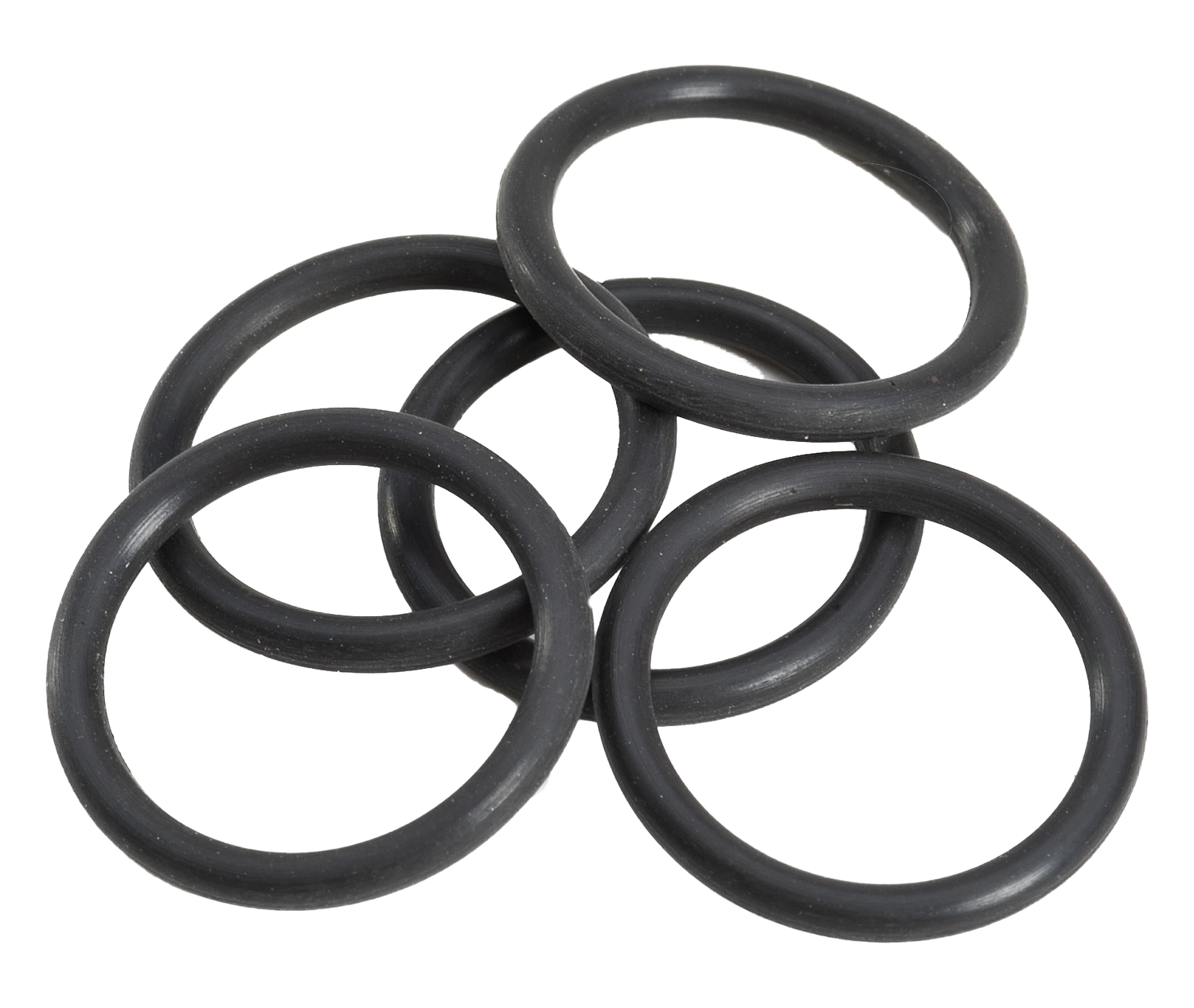
Industrial rubber components play a critical role in ensuring operational reliability across demanding environments in automotive, aerospace, chemical processing, and semiconductor manufacturing. At Suzhou Baoshida Trading Co., Ltd., our engineered rubber solutions are formulated to meet exacting performance standards, providing long-term durability under extreme temperatures, aggressive chemical exposure, and dynamic mechanical stress. Our core material offerings—Viton, Nitrile (NBR), and Silicone—are selected based on their proven performance in mission-critical sealing and insulation applications.
Viton, a fluorocarbon-based elastomer (FKM), is engineered for applications requiring resistance to high temperatures and aggressive chemicals. With continuous service capability up to 230°C and intermittent exposure tolerance to 260°C, Viton maintains integrity in environments involving oils, fuels, acids, and halogenated solvents. Its low gas permeability and excellent aging characteristics make it ideal for aerospace seals, fuel system components, and semiconductor process equipment. Viton’s formulation complexity results in higher material cost, but its longevity in harsh conditions delivers superior total cost of ownership.
Nitrile rubber (NBR) remains one of the most widely used elastomers in industrial sealing due to its excellent resistance to petroleum-based oils and fuels. With a service temperature range of -30°C to 120°C, NBR performs reliably in hydraulic systems, automotive fuel delivery, and industrial machinery. Its abrasion resistance and compressive strength make it suitable for dynamic sealing applications such as O-rings and gaskets. While NBR offers limited resistance to ozone, weathering, and polar solvents, its cost-effectiveness and mechanical robustness ensure broad applicability in moderate environments.
Silicone rubber (VMQ) is valued for its extreme temperature resilience, functioning effectively from -60°C to 200°C, with short-term exposure up to 250°C. It exhibits excellent electrical insulation properties and low toxicity, making it the material of choice for medical devices, food-grade seals, and high-voltage insulation. Silicone also demonstrates good resistance to ozone and UV radiation, though its tensile strength and abrasion resistance are lower than Viton or Nitrile. Reinforced formulations are available to improve mechanical performance where required.
Each material is compounded with precision additives to optimize cure characteristics, compression set resistance, and fluid compatibility. Our quality control protocols include ASTM D2000 compliance testing, Shore A hardness verification, and batch traceability to ensure consistency across production runs.
The following table provides a comparative overview of key performance characteristics for Viton, Nitrile, and Silicone rubber:
| Property | Viton (FKM) | Nitrile (NBR) | Silicone (VMQ) |
|---|---|---|---|
| Temperature Range (°C) | -20 to 230 | -30 to 120 | -60 to 200 |
| Tensile Strength (MPa) | 15–20 | 10–25 | 5–10 |
| Hardness Range (Shore A) | 60–90 | 50–90 | 30–80 |
| Fluid Resistance | Excellent (oils, acids, fuels) | Excellent (oil, fuel) | Poor to fair (oils) |
| Chemical Resistance | Outstanding | Moderate | Good (oxidizers) |
| Compression Set Resistance | Excellent | Good | Very Good |
| Electrical Insulation | Fair | Fair | Excellent |
| Ozone/UV Resistance | Excellent | Poor | Excellent |
| Common Applications | Aerospace seals, chemical pumps | Fuel systems, hydraulic seals | Medical devices, electrical insulation |
Selection of the appropriate elastomer requires a comprehensive evaluation of operating conditions, including fluid media, thermal load, mechanical stress, and regulatory compliance. Suzhou Baoshida Trading Co., Ltd. supports OEMs with material testing, custom compounding, and technical data packages to ensure optimal performance in every application.
Manufacturing Capabilities

Engineering Capability: Precision-Driven Rubber Solutions for Industrial Reliability
Suzhou Baoshida Trading Co., Ltd. leverages a dedicated engineering team of five specialized mould engineers and two advanced rubber formula engineers to deliver rigorously validated industrial rubber components. This integrated expertise ensures every product meets exacting performance, durability, and compliance standards demanded by OEMs and Tier-1 manufacturers. Our engineering-led approach begins at the conceptual phase, where material science and precision tooling converge to eliminate field failure risks.
Mould engineering excellence is foundational to our process. Our team utilizes CAD/CAM simulation software to optimize flow dynamics, gate positioning, and thermal management within complex multi-cavity tooling. This reduces cycle times by up to 22% while maintaining dimensional stability within ±0.05mm tolerances. Critical to reliability, we implement real-time cavity pressure monitoring during validation runs to detect micro-voids or inconsistencies invisible to standard visual inspection. All tooling adheres to ISO 13000 standards, with hardened steel construction ensuring 500,000+ shot lifespans under aggressive production schedules.
Rubber formulation is where our scientific precision becomes definitive. Our formula engineers manipulate polymer architecture, filler dispersion, and crosslink density to achieve target properties without compromising processability. We maintain an in-house database of 1,200+ compound iterations, enabling rapid customization for extreme environments. Every formulation undergoes accelerated aging per ASTM D573 and fluid resistance testing per SAE J200, with mechanical properties validated through dynamic mechanical analysis (DMA) to predict real-world fatigue behavior. This eliminates costly field recalls due to premature hardening, swelling, or compression set.
OEM integration is seamless through our closed-loop development protocol. Clients receive digital twin simulations of part performance under specified load/temperature profiles before tooling fabrication. Our change management system provides full traceability from raw material batch to final inspection, with PPAP documentation compliant to AIAG 4th edition standards. This framework supports co-engineering partnerships where Suzhou Baoshida assumes full technical ownership of reliability targets.
Material performance is quantified through stringent internal benchmarks, as demonstrated below:
| Material Type | Hardness Range (Shore A) | Temperature Resistance (°C) | Key Applications | Special Properties |
|---|---|---|---|---|
| Hydrogenated NBR | 50–90 | -50 to +150 | Fuel system seals | Low permeability, ozone resistance |
| Filled EPDM | 40–80 | -55 to +165 | Automotive weatherstripping | UV stability, low compression set |
| High-Purity Silicone | 30–70 | -60 to +230 | Medical fluid handling | USP Class VI, extractables control |
| FKM (Type 2) | 60–90 | -20 to +250 | Turbocharger hoses | Chemical resistance, low gas permeation |
Reliability is engineered, not assumed. Suzhou Baoshida’s dual-engineering discipline—combining mould integrity with molecular-level compound control—ensures rubber components perform predictably across 10,000+ operational hours. We partner with OEMs to translate application stresses into material specifications, transforming reliability from a promise into a measurable engineering outcome. This capability, underpinned by ISO 9001-certified processes, positions us as the technical authority for mission-critical rubber solutions in demanding industrial ecosystems.
Customization Process

Drawing Analysis
The foundation of any successful rubber component begins with precise drawing analysis. At Suzhou Baoshida Trading Co., Ltd., we initiate the customization process by conducting a comprehensive technical review of customer-provided engineering drawings. This step ensures dimensional accuracy, tolerance compliance, and functional feasibility. Our engineering team evaluates critical parameters such as part geometry, sealing surfaces, wall thickness, draft angles, and parting lines to identify potential molding challenges early. We cross-reference ISO 3302 for dimensional tolerances and ISO 2768 for general geometric specifications, ensuring alignment with international manufacturing standards. Any discrepancies or design risks are flagged and discussed with the client to optimize manufacturability without compromising performance.
Formulation Development
Following drawing validation, we proceed to rubber compound formulation—a core competency in delivering reliable industrial solutions. Based on the application environment, we select base polymers such as NBR, EPDM, FKM, silicone, or specialty blends, tailored to resist temperature extremes, chemical exposure, compression set, or dynamic stress. Our formulation process integrates rigorous material science protocols, including cure kinetics analysis via Moving Die Rheometry (MDR) and physical property verification per ASTM D2000 standards. Additives such as reinforcing fillers, antioxidants, processing aids, and pigments are precisely dosed to meet performance targets. Each formulation is documented and archived under a unique compound ID, ensuring traceability and batch-to-batch consistency.
Prototyping and Validation
Once the compound is finalized, we produce functional prototypes using precision steel molds or rapid tooling methods, depending on project urgency and volume requirements. Prototyping allows for physical validation of fit, form, and function. Components undergo preliminary testing, including hardness measurement (Shore A), tensile strength, elongation at break, and compression set per ASTM B03. Dimensional reports are generated using coordinate measuring machines (CMM) and compared against original CAD data. Customer feedback is integrated at this stage, allowing for design or material refinements before committing to full-scale tooling.
Mass Production and Quality Assurance
After prototype approval, we transition to mass production using high-tonnage hydraulic presses, automatic injection molding systems, and continuous vulcanization lines. Production batches are monitored through Statistical Process Control (SPC) with real-time data logging. Final products are subjected to 100% visual inspection and random sampling for full physical and chemical testing. All shipments include material certification, test reports, and compliance documentation.
The following table summarizes key technical specifications and testing protocols applied throughout the process:
| Parameter | Standard/Test Method | Typical Range/Value |
|---|---|---|
| Hardness (Shore A) | ASTM D2240 | 40–90 |
| Tensile Strength | ASTM D412 | ≥10 MPa (varies by compound) |
| Elongation at Break | ASTM D412 | ≥200% |
| Compression Set (70h, 70°C) | ASTM D395 | ≤20% (NBR/EPDM), ≤15% (FKM) |
| Dimensional Tolerance | ISO 3302, ISO 2768 | Class M2–M3 (standard) |
| Volume Resistivity | ASTM D257 | >1×10¹² Ω·cm (for insulating types) |
This structured, science-driven approach ensures that every custom rubber solution from Suzhou Baoshida meets the highest benchmarks for reliability, durability, and performance in industrial applications.
Contact Engineering Team
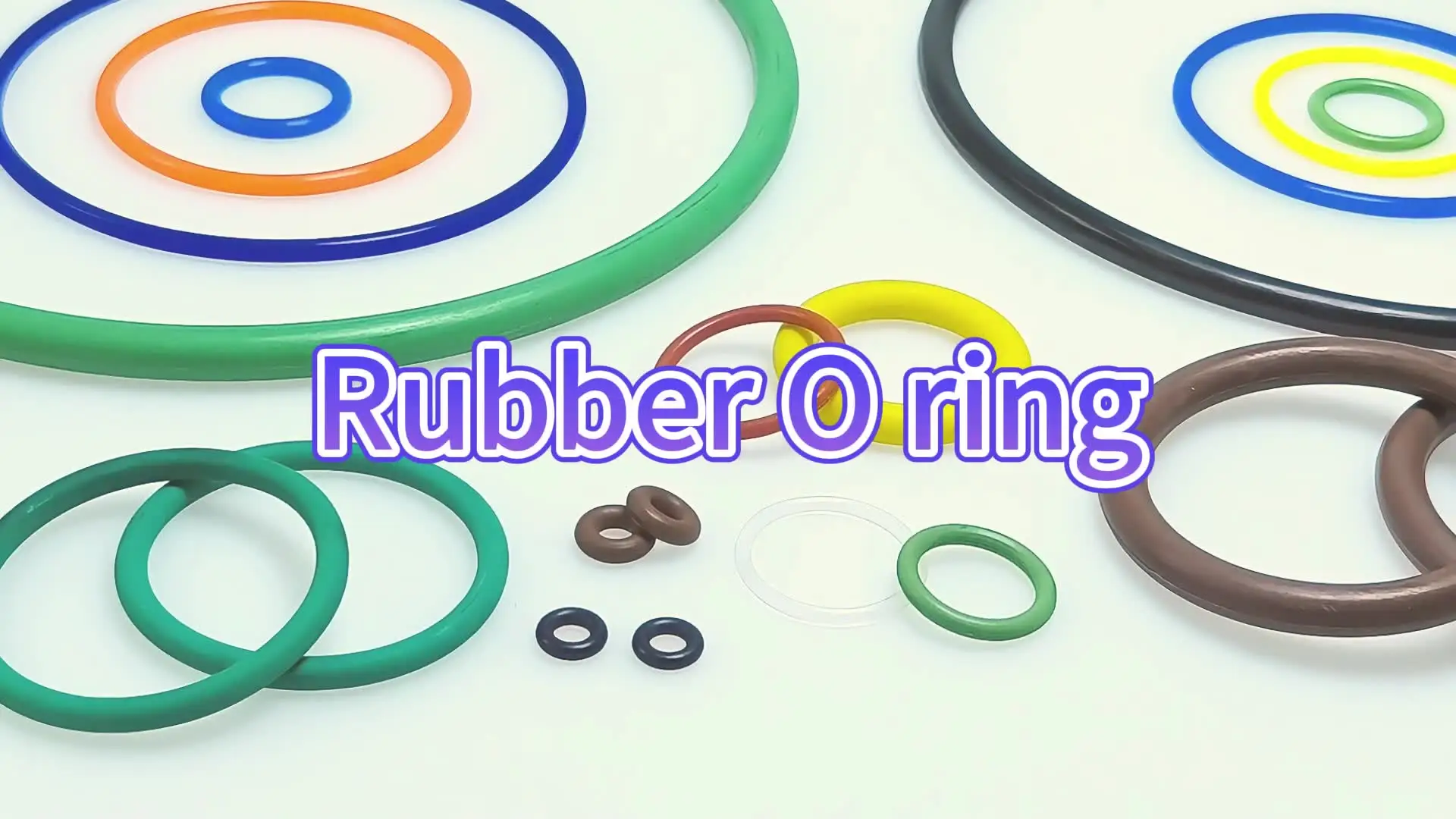
Engineering Precision in Industrial Rubber Solutions: Your Path to Reliability
At Suzhou Baoshida Trading Co., Ltd., we engineer rubber compounds to exacting industrial standards where failure is not an option. Our formulations undergo rigorous validation across dynamic stress environments, chemical exposures, and thermal cycles to ensure dimensional stability and performance longevity. This commitment to material science translates directly into reduced downtime, extended product lifecycles, and compliance with global regulatory frameworks such as ISO 37, ASTM D2000, and REACH. For OEMs operating in automotive, aerospace, or heavy machinery sectors, our compounds deliver predictable behavior under operational extremes—whether facing hydraulic pressure surges at 500 bar or continuous vibration at 50 Hz. Reliability is not an outcome but a calculated output of our polymer architecture, filler dispersion protocols, and vulcanization kinetics.
Our technical team specializes in tailoring elastomer matrices to mitigate specific failure modes: ozone cracking in outdoor applications, compression set in sealing systems, or abrasion in conveyor interfaces. Through iterative lab-to-production scaling, we achieve extrusion tolerances within ±0.05 mm and durometer consistency at ±2 Shore A units. This precision stems from proprietary curing agent synergies and real-time rheometric monitoring during batch processing. The following specifications exemplify our baseline capabilities for custom development:
| Property | Standard Range | Test Method | Industrial Application Relevance |
|---|---|---|---|
| Hardness (Shore A) | 30–90 | ASTM D2240 | Sealing force optimization |
| Temperature Resistance | -50°C to +150°C | ISO 188 | Engine compartment durability |
| Tensile Strength | 5–25 MPa | ISO 37 | Load-bearing component integrity |
| Elongation at Break | 150–800% | ISO 37 | Flex fatigue resistance |
| Compression Set (70h/70°C) | ≤25% | ASTM D395 | Gasket sealing retention |
| Fluid Resistance (IRM 903) | Volume Swell ≤15% | ASTM D471 | Hydraulic system compatibility |
These metrics represent starting points for collaborative engineering. Your unique operational demands—whether requiring FDA-compliant silicone for medical devices or oil-resistant nitrile for subsea equipment—demand direct technical dialogue. Generic solutions compromise reliability; engineered compounds prevent it.
Initiate your reliability protocol by contacting Mr. Boyce, our dedicated OEM Technical Liaison. With 14 years of formulation experience across 200+ industrial projects, he will facilitate a structured technical consultation to define your material requirements, environmental stressors, and validation criteria. Mr. Boyce bridges laboratory innovation with production scalability, ensuring your rubber components meet not only specifications but operational realities. Forward your application details, performance targets, and failure history to [email protected] for a confidential engineering assessment. Include dimensional drawings, fluid exposure profiles, and lifecycle expectations to accelerate compound development.
Suzhou Baoshida operates as your embedded material science partner—not a vendor. Every specification sheet we generate carries traceable lot data, full material disclosure, and accelerated aging validation. Contact Mr. Boyce within 24 business hours to commence technical due diligence. Your reliability standard begins with engineered rubber, not commodity elastomers.
⚖️ O-Ring Weight Calculator
Estimate rubber O-ring weight (Approx).