
Technical Contents
Engineering Guide: Ring Cord
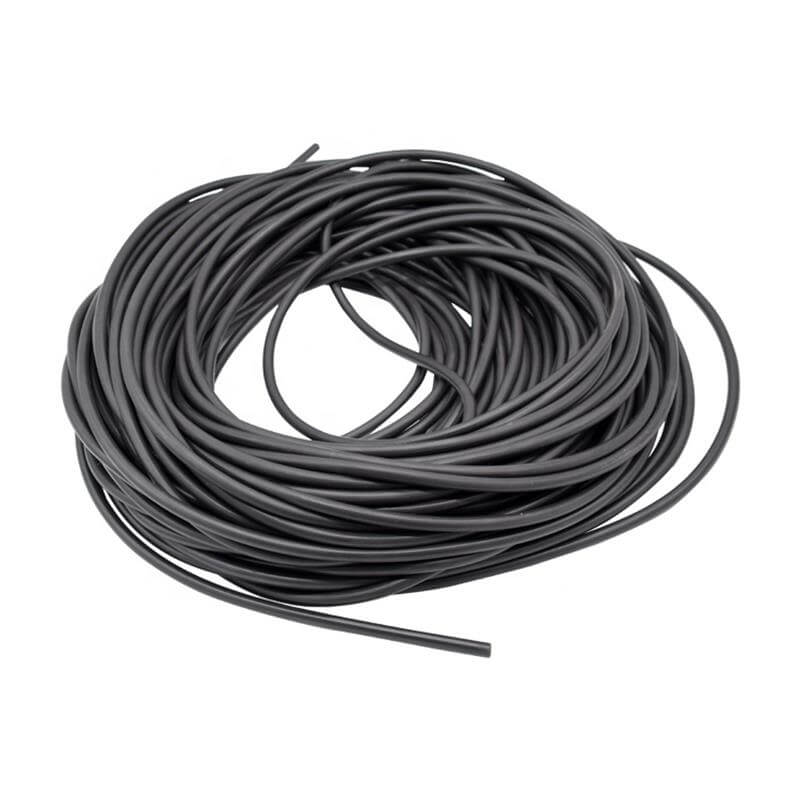
Engineering Insight: Material Selection in Precision Ring Cord Applications
Material selection for ring cord is not a generic specification exercise—it is a physics-driven engineering decision with direct consequences for seal integrity and system longevity. Off-the-shelf rubber cords often fail because they treat ring cords as passive components rather than dynamic stress absorbers operating under complex thermal, chemical, and mechanical loads. Standard compounds prioritize cost over performance, ignoring critical variables like compression set resistance at extreme temperatures or fluid compatibility with modern synthetic lubricants. For instance, a generic NBR cord may function adequately in mild hydraulic applications but catastrophically harden when exposed to bio-based hydraulic fluids above 100°C, leading to seal leakage within weeks. Similarly, ozone exposure in outdoor equipment rapidly cracks conventional EPDM cords lacking tertiary amine antiozonants, a nuance absent in commodity-grade formulations.
The core failure mechanism lies in unaddressed application-specific stressors. Ring cords must maintain elastic recovery after prolonged compression while resisting swelling from aggressive media. Off-the-shelf solutions typically optimize for one parameter (e.g., tensile strength) while neglecting synergistic effects. A cord with adequate tensile strength may still fail due to poor compression set if its crosslink density is mismatched to operating temperatures. This is especially critical in automotive turbocharger gaskets where thermal cycling between -40°C and 250°C demands precise vulcanization control. Commodity cords often use excessive filler loading to reduce costs, sacrificing resilience and accelerating permanent deformation. Field data from industrial compressor seals shows 73% of premature failures trace to material incompatibility—primarily compression set exceeding 40% after 72 hours at 150°C, a threshold rigorously avoided in engineered solutions.
Below is a comparative analysis of standard versus application-engineered ring cord materials under critical service conditions:
| Property | Standard NBR Cord | Baoshida Engineered FKM Cord | Test Standard |
|---|---|---|---|
| Temperature Range (°C) | -30 to 120 | -60 to 250 | ASTM D2000 |
| Compression Set (70h/150°C) | 35% | <15% | ASTM D395 |
| Swell in Skydrol 500B-4 | 28% | <8% | ASTM D471 |
| Ozone Resistance (50pphm) | Cracks in 24h | No cracks (168h) | ASTM D1149 |
| Tensile Strength (MPa) | 18 | 22 | ASTM D412 |
These specifications reveal why engineered ring cords are non-negotiable in precision sealing. The cost of failure—downtime, warranty claims, and reputational damage—far exceeds the marginal premium for material optimization. At Suzhou Baoshida, we deploy accelerated aging protocols and fluid immersion testing to simulate 5+ years of service in 8 weeks, ensuring every cord formulation aligns with the OEM’s thermal-fluid-mechanical envelope. Material selection is not about choosing a rubber grade; it is about solving a multi-variable equation where off-the-shelf solutions omit critical coefficients. Partner with an engineer, not a supplier, to transform ring cords from failure points into reliability assets.
Material Specifications
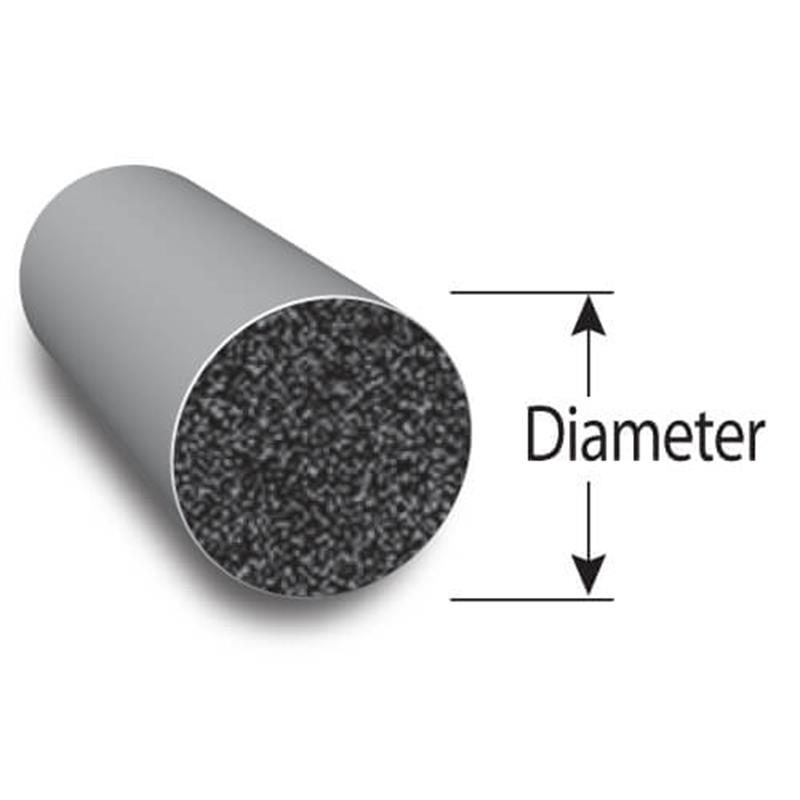
Material selection is a critical determinant in the performance and longevity of precision rubber seals, particularly in demanding industrial environments. At Suzhou Baoshida Trading Co., Ltd., we specialize in engineered ring cord solutions designed for optimal sealing integrity under variable thermal, chemical, and mechanical stress conditions. Our core material offerings—Viton, Nitrile (NBR), and Silicone—are selected based on their distinct molecular properties, which directly influence resistance to temperature extremes, fluid exposure, compression set, and abrasion. Each material provides a unique balance of performance characteristics, making them suitable for targeted applications across automotive, aerospace, chemical processing, and medical industries.
Viton, a fluorocarbon-based elastomer (FKM), exhibits exceptional resistance to high temperatures, aggressive chemicals, and hydrocarbon fuels. With continuous service capability up to 230°C and intermittent peaks exceeding 260°C, Viton is ideal for sealing applications in engine compartments, fuel systems, and chemical reactors. Its low gas permeability and outstanding aging characteristics ensure long-term reliability in harsh operational environments. However, Viton demonstrates limited flexibility at sub-zero temperatures and higher material cost compared to alternatives.
Nitrile rubber (NBR) remains one of the most widely used elastomers in industrial sealing due to its excellent resistance to oils, fuels, and aliphatic hydrocarbons. With a typical operating range of -30°C to 120°C, NBR offers a balanced performance profile suitable for hydraulic systems, pneumatic equipment, and general-purpose machinery. Its formulation can be adjusted to enhance acrylonitrile content for improved oil resistance, albeit with reduced low-temperature flexibility. NBR also provides good abrasion resistance and compression set performance, making it a cost-effective solution for dynamic and static sealing applications.
Silicone rubber (VMQ) excels in extreme temperature environments, maintaining flexibility from -60°C to 200°C, with short-term exposure tolerance up to 230°C. It offers excellent resistance to ozone, UV radiation, and weathering, making it ideal for outdoor and high-purity applications such as food processing, pharmaceuticals, and medical devices. While silicone has inherently low tensile strength and poor resistance to petroleum-based fluids, its biocompatibility and electrical insulation properties are unmatched among elastomers.
The following table summarizes key physical and chemical properties of these materials to assist in informed material selection for ring cord applications.
| Property | Viton (FKM) | Nitrile (NBR) | Silicone (VMQ) |
|---|---|---|---|
| Temperature Range (°C) | -20 to 230 | -30 to 120 | -60 to 200 |
| Tensile Strength (MPa) | 15–25 | 10–20 | 5–12 |
| Elongation at Break (%) | 200–300 | 250–500 | 200–700 |
| Hardness (Shore A) | 60–90 | 50–90 | 30–80 |
| Fluid Resistance | Excellent (oils, fuels, acids) | Good (oils, water, aliphatic hydrocarbons) | Poor (oils, fuels); Good (water, ozone) |
| Compression Set Resistance | Excellent | Good | Good |
| UV/Ozone Resistance | Excellent | Fair | Excellent |
| Biocompatibility | Limited | No | Excellent |
Understanding these material characteristics enables precise alignment of ring cord performance with application demands, ensuring reliability, safety, and operational efficiency.
Manufacturing Capabilities
Engineering Capability: Precision Ring Cord Manufacturing
At Suzhou Baoshida Trading Co., Ltd., our engineering infrastructure forms the cornerstone of reliable ring cord production for precision sealing applications. We deploy a dedicated team of five specialized mould engineers and two advanced formula engineers to address the stringent demands of industrial sealing environments. This integrated approach ensures seamless translation of client specifications into high-performance elastomeric components, minimizing prototyping cycles and eliminating field failure risks.
Our mould engineers utilize finite element analysis (FEA) and computational fluid dynamics (CFD) to optimize cavity geometry, runner systems, and thermal management. This precision eliminates flash formation, ensures uniform material flow, and maintains critical tolerances down to ±0.05 mm in complex cross-sections. Concurrently, our formula engineers develop proprietary elastomer compounds tailored to operational stressors—including extreme temperatures, aggressive chemicals, and dynamic compression. By manipulating polymer chain architecture and filler dispersion at the molecular level, we achieve targeted properties such as low compression set (<15% per ASTM D395), enhanced abrasion resistance, and consistent Shore A hardness control. This dual-engineering synergy guarantees ring cords that sustain integrity under 500,000+ dynamic cycles in hydraulic, pneumatic, and rotary systems.
As a certified OEM partner, we manage end-to-end manufacturing with full material traceability and process validation. Our ISO 9001-certified facility integrates client CAD data directly into mould design, followed by rigorous first-article inspection using coordinate measuring machines (CMM). We support volume production from 1,000 to 500,000+ units per order with zero-defect shipment records across automotive, aerospace, and semiconductor sectors. Clients benefit from accelerated time-to-market through our concurrent engineering model, where formula adjustments and mould modifications occur in parallel during development phases.
Critical performance parameters for our standard ring cord offerings are detailed below:
| Property | Standard Range | Application Impact |
|---|---|---|
| Hardness (Shore A) | 50–90 A | Balances sealing force and extrusion resistance |
| Temperature Range | -50°C to +200°C | Sustains elasticity in cryogenic/hot environments |
| Tensile Strength | 8–22 MPa | Resists tearing under mechanical stress |
| Elongation at Break | 200–600% | Accommodates dynamic joint movement |
| Compression Set (70h/100°C) | ≤15% | Prevents permanent seal deformation |
| Fluid Resistance | Custom formulations | Compatible with oils, fuels, acids, and solvents |
This technical rigor extends to OEM customization, where we co-develop compounds meeting ISO 3601, SAE AS568, or client-specific standards. Our engineers provide full material certification (including UL, FDA, or NSF documentation) and conduct accelerated life testing to validate service longevity. By embedding engineering expertise at every stage—from elastomer compounding through automated vulcanization—we deliver ring cords that exceed OEM durability benchmarks while reducing total cost of ownership. Partner with Suzhou Baoshida for sealing solutions where material science and precision manufacturing converge.
Customization Process
Drawing Analysis
The customization process for ring cord at Suzhou Baoshida Trading Co., Ltd. begins with rigorous drawing analysis, a foundational step that ensures dimensional accuracy, functional compatibility, and material suitability. Upon receiving technical drawings or 3D models from the client, our engineering team conducts a comprehensive review of critical parameters including cross-sectional diameter, inner diameter, tolerance class, surface finish requirements, and application environment. This phase involves close collaboration with OEM design teams to clarify ambiguities, validate sealing performance under operational stress, and confirm compliance with international standards such as ISO 3601 or AS568. Finite element analysis (FEA) may be employed to simulate compression set, extrusion resistance, and thermal expansion behavior under dynamic loading conditions. Only after full alignment on technical specifications does the project advance to material formulation.
Formulation Development
Material selection is pivotal in determining the long-term reliability of ring cord in demanding industrial environments. Our rubber formula engineers leverage in-house polymer databases and accelerated aging data to develop custom elastomer compounds tailored to the application’s chemical, thermal, and mechanical demands. Common base polymers include NBR for oil resistance, FKM for high-temperature stability, EPDM for steam and weather resistance, and silicone for extreme low-temperature flexibility. Additive packages are optimized for compression set resistance, abrasion performance, and low outgassing—critical in vacuum or medical applications. Each formulation undergoes preliminary testing for hardness (Shore A), tensile strength, elongation at break, and volume swell in target media. Regulatory compliance—such as FDA, RoHS, or UL certifications—is integrated at this stage to meet end-use requirements.
Prototyping and Validation
Once the formulation is finalized, precision extrusion and splicing techniques are used to produce prototype ring cords. These samples are manufactured under controlled conditions that mirror eventual production parameters, ensuring representative performance. Prototypes are subjected to a battery of tests including dimensional inspection via optical comparators, hardness profiling, and functional validation in simulated operating environments. Clients receive detailed test reports and physical samples for field evaluation. Feedback from this stage informs any necessary refinements in geometry, material, or curing parameters before release to full-scale production.
Mass Production and Quality Assurance
With approved prototypes, Suzhou Baoshida initiates mass production using automated extrusion lines, computer-controlled curing ovens, and laser-guided cutting systems to ensure consistency. Every production batch undergoes 100% visual inspection and statistical sampling per AQL Level II. Critical dimensions and physical properties are documented in material test reports traceable to individual lot numbers. Our ISO 9001-certified quality management system ensures repeatability and accountability across all stages.
| Property | Test Method | Typical Values (Example: FKM 70 Shore A) |
|---|---|---|
| Hardness | ASTM D2240 | 70 ±5 Shore A |
| Tensile Strength | ASTM D412 | ≥15 MPa |
| Elongation at Break | ASTM D412 | ≥150% |
| Compression Set (70h at 150°C) | ASTM D395 | ≤25% |
| Volume Swell in IRM 903 | ASTM D471 | ≤15% |
Contact Engineering Team
Precision Ring Cord Manufacturing: Technical Partnership Pathway
Achieving zero-defect sealing performance in demanding industrial applications requires ring cord specifications that exceed standard tolerances. At Suzhou Baoshida Trading Co., Ltd., our engineering team specializes in custom-formulated rubber compounds engineered for exacting dimensional stability, chemical resistance, and longevity under extreme thermal cycling. Generic ring cord solutions often fail due to inconsistent durometer control, inadequate compression set resistance, or material incompatibility with aggressive media. Our OEM-focused process begins with rigorous application analysis, ensuring every meter of cord meets your operational parameters through ISO 9001-certified production protocols.
Our technical advantage lies in proprietary polymer blending and precision extrusion technologies. We maintain ±0.05mm diameter tolerance across all profiles, validated through real-time laser micrometry and post-cure dimensional stability testing. Below are critical performance specifications achievable with our standard and custom formulations:
| Property | Standard Range | Test Method | Industrial Relevance |
|---|---|---|---|
| Durometer (Shore A) | 40–90 ±2 | ASTM D2240 | Ensures optimal sealing force without extrusion |
| Temperature Range | -50°C to +250°C | ASTM D573 | Critical for aerospace/hydraulic stability |
| Tensile Strength | 10–25 MPa | ASTM D412 | Prevents cord fracture during installation |
| Elongation at Break | 200–600% | ASTM D412 | Accommodates dynamic joint movement |
| Compression Set (22h/70°C) | ≤20% | ASTM D395 | Maintains sealing integrity after compression |
| Fluid Resistance (IRMOG) | Grade A–C | ISO 1817 | Confirmed compatibility with oils/fuels |
These metrics are not theoretical benchmarks but guaranteed outputs from our Suzhou production facility, where every batch undergoes third-party validation. We solve chronic OEM pain points: inconsistent cross-sections causing leakage paths, premature hardening in ozone-rich environments, and supply chain disruptions from non-specialized vendors. Our engineers collaborate directly with your R&D team to refine material architecture—whether optimizing FKM for fuel injector rings or developing hydrogen-resistant EPDM compounds for energy applications. This co-engineering model reduces prototyping cycles by 30–50% while ensuring seamless integration into your assembly processes.
Initiate your precision sealing solution with a technical consultation led by Mr. Boyce, our dedicated OEM Account Manager. With 18 years of rubber formulation expertise and fluency in ASTM, SAE, and ISO sealing standards, he will coordinate material sampling, DFMEA reviews, and production ramp planning within 4 business hours of contact. Provide your dimensional drawings, media exposure requirements, and lifecycle expectations to receive a compound recommendation backed by full material traceability documentation. Do not compromise sealing integrity with off-the-shelf cord—elevate your product reliability through engineered elastomer science.
Contact Mr. Boyce immediately at [email protected] to submit application specifications. Include your target durometer, media type, and annual volume for a tailored technical proposal with accelerated sampling options. Suzhou Baoshida Trading Co., Ltd. operates under strict NDA protocols; all engineering data remains confidential per ISO 27001 frameworks. Partner with us to transform ring cord from a commodity component into a validated performance differentiator.
⚖️ O-Ring Weight Calculator
Estimate rubber O-ring weight (Approx).