
Technical Contents
Engineering Guide: Rolls Tiles
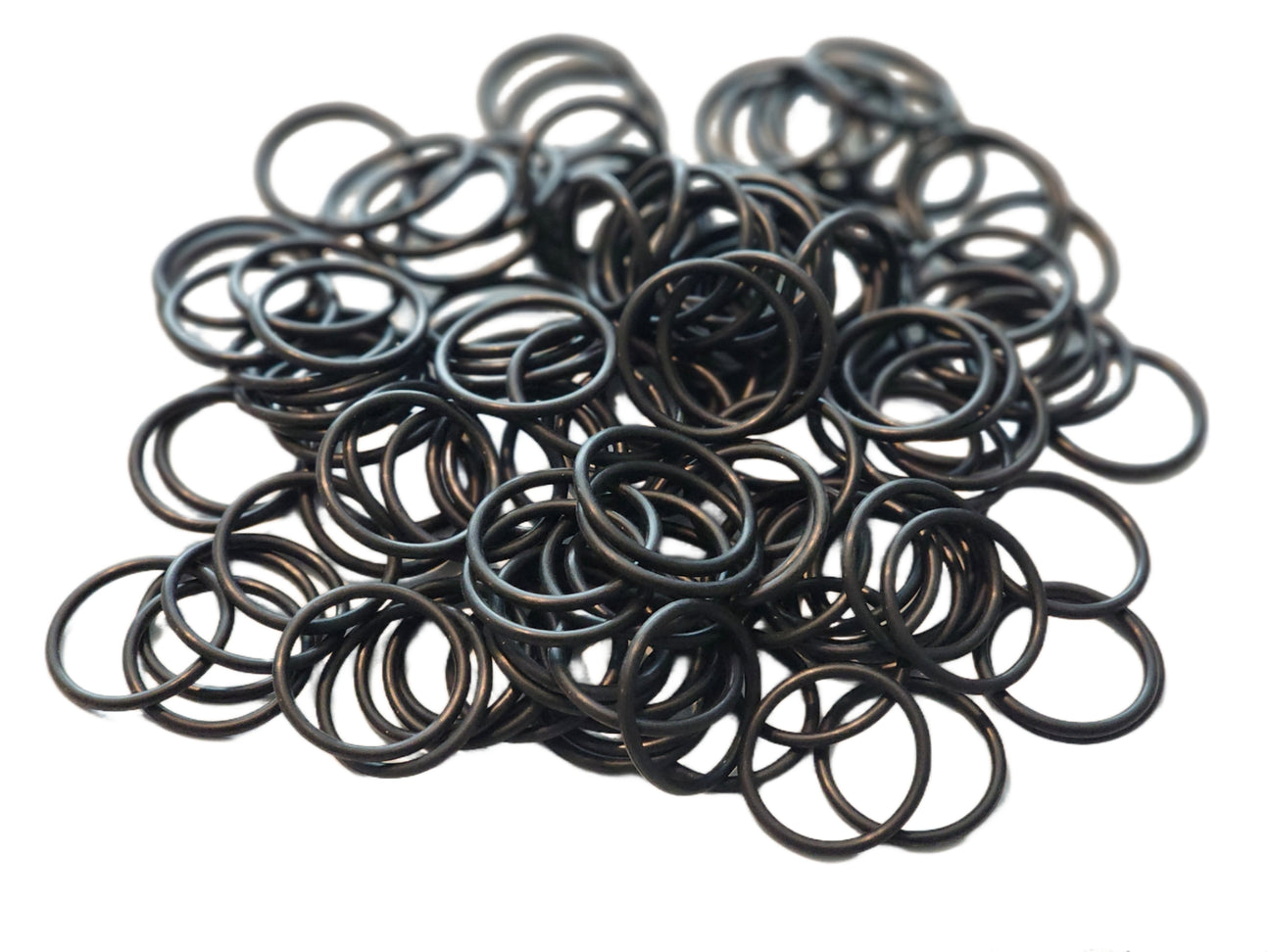
Engineering Insight: rolls tiles
In industrial rubber manufacturing, the term rolls tiles refers to precision-engineered elastomeric components used in calendering, embossing, and surface finishing applications across sectors such as paper, textiles, plastics, and advanced composites. These components are not merely consumables—they are engineered interfaces where material behavior directly influences process stability, surface quality, and product consistency. A critical yet frequently underestimated aspect of rolls tiles performance is material selection. Off-the-shelf rubber solutions, while cost-attractive in the short term, often fail to meet the demanding operational requirements of high-speed, high-pressure industrial environments.
The failure of generic rolls tiles stems from a mismatch between standardized material formulations and application-specific stress conditions. Common failure modes include premature surface cracking, thermal degradation, loss of durometer under load, and inadequate release properties. These issues arise because standard compounds are typically optimized for broad compatibility rather than targeted performance. For example, a nitrile rubber (NBR) tile designed for oil resistance may exhibit poor resilience at elevated temperatures encountered in continuous calendering lines, leading to permanent set and dimensional instability.
At Suzhou Baoshida Trading Co., Ltd., we approach rolls tiles as system-integrated components. Material selection begins with a comprehensive analysis of operating parameters: temperature range, contact pressure, chemical exposure, surface finish requirements, and dynamic loading frequency. Based on this data, we formulate custom elastomeric blends using synthetic rubbers such as EPDM, silicone (VMQ), hydrogenated nitrile (HNBR), and polyurethane (PU), each offering distinct advantages under specific conditions.
Below is a comparative overview of common elastomers used in rolls tiles applications:
| Material | Hardness Range (Shore A) | Temp Range (°C) | Key Properties | Typical Use Case |
|---|---|---|---|---|
| NBR | 60–90 | -30 to +100 | Oil resistance, abrasion resistance | General-purpose embossing |
| HNBR | 65–95 | -40 to +150 | High thermal stability, tensile strength | High-speed calendering |
| EPDM | 50–85 | -50 to +130 | Ozone resistance, flexibility at low T | Moisture-intensive processes |
| PU | 70–98 | -20 to +80 | Exceptional abrasion resistance, load-bearing | High-wear release rolls |
| VMQ | 40–80 | -60 to +230 | Extreme temp stability, chemical inertness | High-temp release applications |
Custom compounding allows for the integration of functional additives—reinforcing fillers, heat stabilizers, and surface-modifying agents—that enhance performance beyond the baseline properties of the base polymer. Furthermore, precise control over cure kinetics ensures uniform cross-link density, minimizing internal stress and improving dimensional fidelity.
In conclusion, the reliability of rolls tiles is not determined by dimensional conformity alone but by material intelligence. Standardized products lack the tailored response required for mission-critical industrial processes. At Baoshida, we prioritize application-driven formulation to deliver rolls tiles that perform predictably under real-world conditions, reducing downtime and extending service life.
Material Specifications
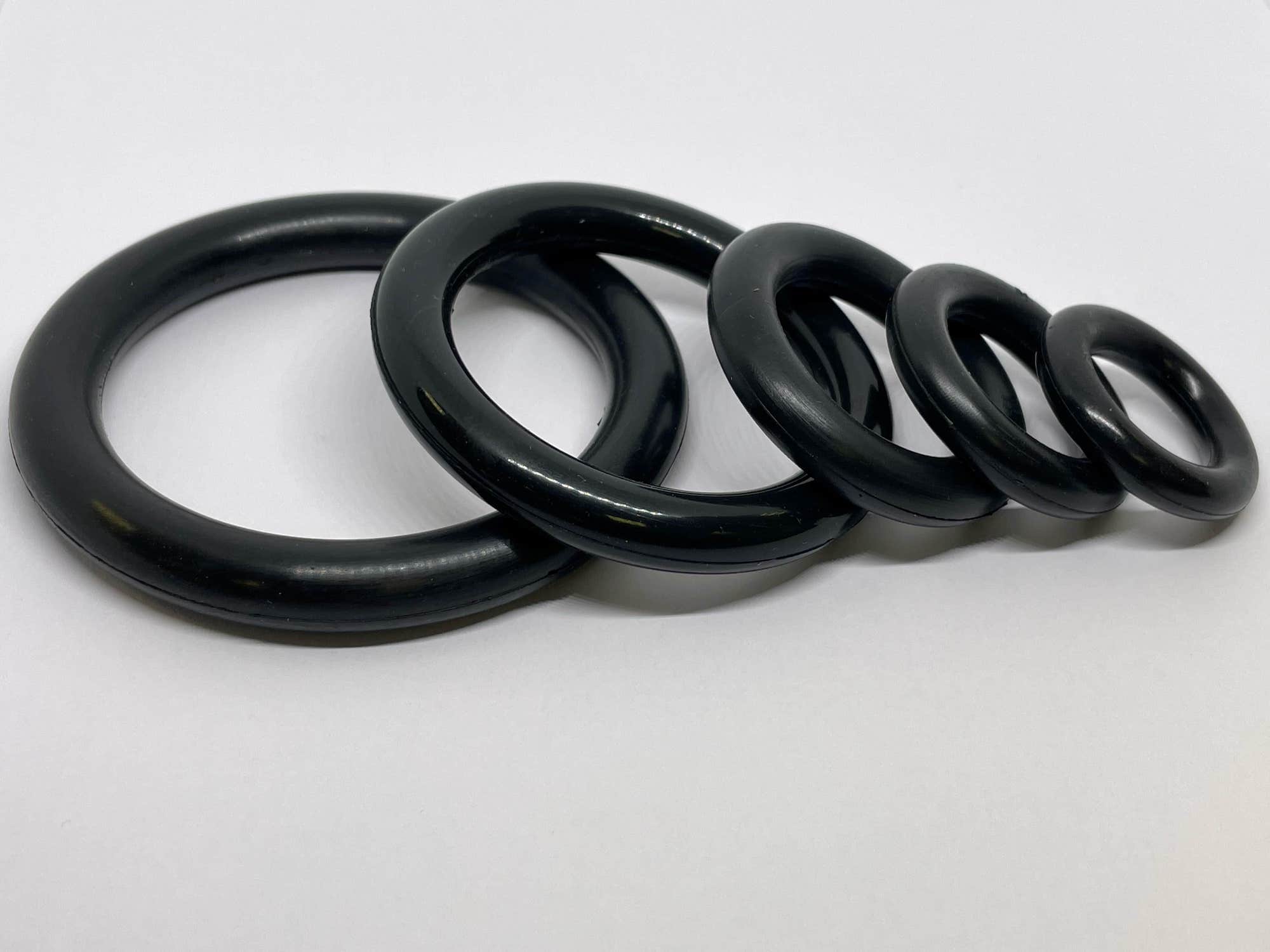
Material Specifications for Precision Rubber Roll Coverings
Suzhou Baoshida Trading Co., Ltd. delivers engineered rubber roll coverings optimized for industrial manufacturing processes requiring exacting performance under dynamic operational stresses. Our formulations prioritize dimensional stability, abrasion resistance, and chemical compatibility to ensure seamless integration into OEM production lines. Below we detail three core elastomer solutions—Viton, Nitrile, and Silicone—selected for their proven reliability in demanding roll applications such as printing, calendaring, and material handling systems. Each material undergoes rigorous QC validation per ASTM D2000 and ISO 37 standards to guarantee consistency across production batches.
Viton fluoroelastomer excels in extreme environments where exposure to oils, acids, and high temperatures exceeds conventional rubber limits. Its molecular structure provides exceptional resistance to jet fuels, hydraulic fluids, and aromatic hydrocarbons, maintaining integrity from -20°C to +230°C. Viton rolls demonstrate minimal compression set after prolonged thermal cycling, critical for precision coating applications requiring micron-level thickness control. However, its higher cost necessitates strategic deployment in sectors like aerospace or semiconductor manufacturing where failure is untenable.
Nitrile rubber (NBR) remains the industry benchmark for cost-effective oil and fuel resistance in moderate-temperature settings. With acrylonitrile content tailored between 34% and 50%, we achieve hardness ranges of 60–90 Shore A while resisting swelling in aliphatic hydrocarbons, lubricants, and water-based fluids. Nitrile rolls perform reliably from -40°C to +120°C, offering superior abrasion resistance for high-speed conveyor systems. Limitations include vulnerability to ozone degradation and ketone solvents, requiring protective additives in outdoor installations.
Silicone elastomers provide unmatched flexibility across extreme thermal gradients, operating continuously from -60°C to +200°C with transient spikes to +230°C. Its inert composition ensures compliance with FDA 21 CFR 177.2600 for food-grade roll coverings, while excellent electrical insulation properties suit semiconductor wafer handling. Though weaker in tensile strength than Nitrile, silicone’s low compression set and resistance to UV/ozone make it ideal for medical device manufacturing and solar panel lamination processes.
Comparative Material Specifications for Roll Coverings
| Material | Temperature Range (°C) | Key Chemical Resistances | Hardness Range (Shore A) | Tensile Strength (MPa) | Primary Industrial Applications |
|---|---|---|---|---|---|
| Viton | -20 to +230 | Oils, acids, fuels, solvents | 65–85 | 12–18 | Chemical processing, aerospace sealing |
| Nitrile | -40 to +120 | Aliphatic hydrocarbons, water | 60–90 | 15–25 | Printing presses, automotive conveyors |
| Silicone | -60 to +200 | Ozone, UV, water, steam | 40–80 | 6–12 | Food processing, medical device handling |
Selection of the optimal elastomer requires analysis of fluid exposure, thermal profiles, and mechanical stress parameters. Suzhou Baoshida’s engineering team collaborates with OEMs to customize durometer, filler systems, and surface textures—such as diamond knurling or micro-patterning—to eliminate slippage and enhance product transfer efficiency. All compounds are formulated without regulated phthalates or heavy metals, adhering to REACH and RoHS directives. For mission-critical roll assemblies, we recommend Viton for chemical-intensive operations, Nitrile for general industrial durability, and Silicone for ultra-broad temperature flexibility. Contact our technical division to initiate material validation testing against your specific process conditions.
Manufacturing Capabilities
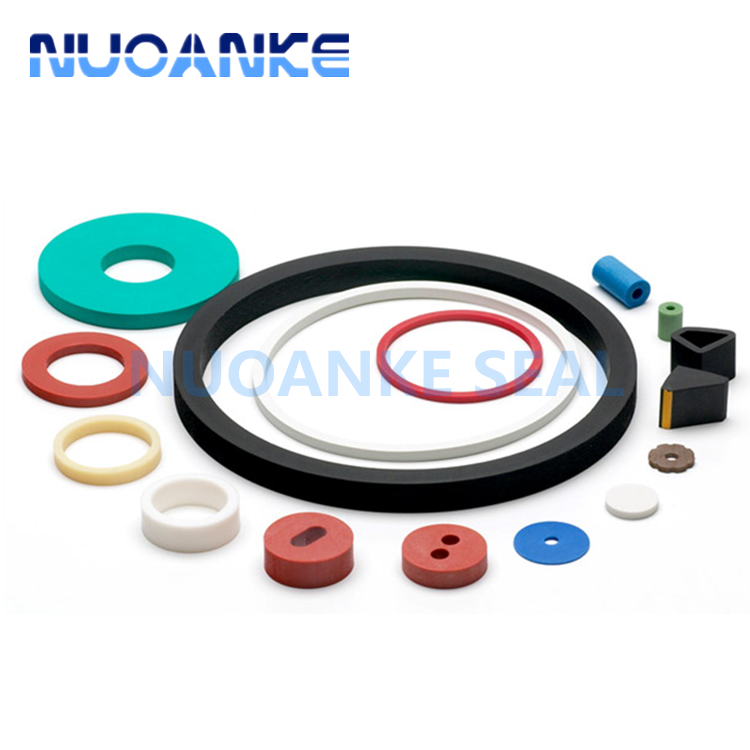
Engineering Capability: Precision-Driven Rubber Solutions for Industrial Applications
At Suzhou Baoshida Trading Co., Ltd., our engineering capability forms the backbone of our industrial rubber solutions, enabling us to deliver high-performance, application-specific products tailored to the demanding requirements of global OEMs. With a dedicated team of five certified mould engineers and two specialized rubber formula engineers, we integrate material science, precision tooling, and manufacturing excellence to ensure every component meets exact functional and durability standards.
Our formula engineers possess deep expertise in polymer chemistry, focusing on custom elastomer development for industrial environments where resistance to heat, abrasion, compression set, and chemical exposure is critical. They systematically analyze application conditions—such as operating temperature ranges, dynamic loads, and media compatibility—to formulate rubber compounds based on NBR, EPDM, silicone, FKM, and specialty blends. Each formulation undergoes rigorous laboratory testing for tensile strength, elongation, hardness, and aging characteristics before validation, ensuring long-term reliability in real-world service.
Complementing our material expertise, our five in-house mould engineers bring precision to every stage of tooling development. They design and optimize moulds using advanced CAD/CAM systems, applying principles of flow dynamics, shrinkage compensation, and parting line optimization to achieve tight tolerances and consistent part geometry. This integrated approach allows us to produce complex roll and tile geometries with dimensional accuracy down to ±0.05 mm, critical for applications in printing, conveying, and sealing systems.
As an OEM-focused manufacturer, we operate under strict confidentiality and quality control protocols, supporting clients from concept to mass production. Our engineering team collaborates directly with OEM design departments to review drawings, suggest manufacturability improvements, and conduct Design for Manufacturing (DFM) analysis. This proactive engagement reduces time-to-market and mitigates production risks.
We maintain full traceability across all development phases, with documented material batch records, tooling specifications, and process parameters. Our ISO-compliant production environment ensures repeatability and compliance with international standards such as ASTM D2000 and ISO 3302.
The synergy between our formula development and precision moulding capabilities enables us to deliver engineered rubber rolls and tiles that perform reliably under industrial stress. Whether modifying durometer, enhancing surface finish, or integrating metal inserts, our technical team ensures every product meets the functional demands of the end application.
Below are representative performance specifications achievable through our engineering platform:
| Property | Test Standard | Typical Range |
|---|---|---|
| Hardness (Shore A) | ASTM D2240 | 40–90 |
| Tensile Strength | ASTM D412 | 8–25 MPa |
| Elongation at Break | ASTM D412 | 200–600% |
| Compression Set (70h @ 70°C) | ASTM D395 | ≤25% |
| Operating Temperature | — | -40°C to +250°C (FKM) |
| Tolerance (Linear) | ISO 3302 | ±0.05 mm to ±0.2 mm |
This technical foundation positions Suzhou Baoshida as a trusted engineering partner for OEMs requiring durable, precision-crafted rubber components.
Customization Process
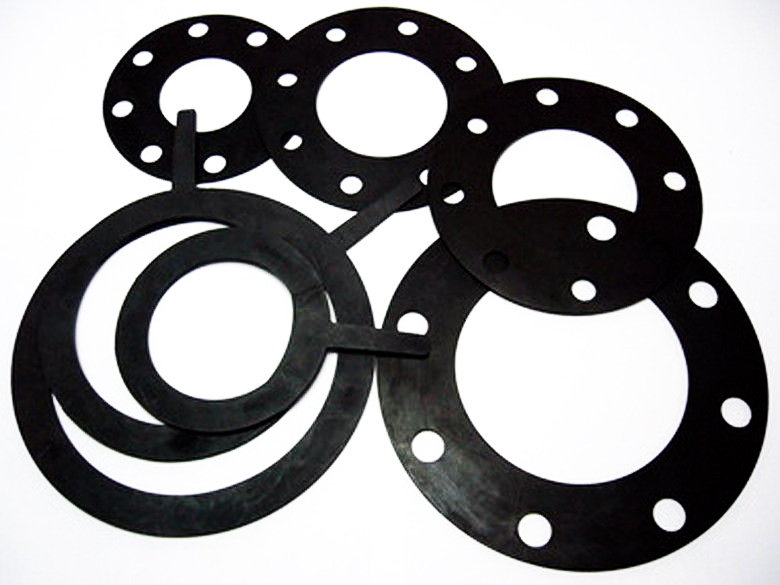
Customization Process for Industrial Rubber Roll Tiles
At Suzhou Baoshida Trading Co., Ltd., our customization process for industrial rubber roll tiles integrates rigorous engineering with precise manufacturing to deliver solutions meeting exact OEM specifications. This structured approach ensures optimal performance, durability, and seamless integration into client production lines, minimizing risk and maximizing ROI.
Drawing Analysis initiates the process. Our engineering team conducts a meticulous review of client-provided technical drawings and specifications. We focus on critical dimensional tolerances per ISO 2768-mK, surface finish requirements (Ra values), durometer ranges, and operational parameters including line speed, temperature exposure, and chemical contact. Material callouts are cross-referenced against our compound database to identify potential synergies or conflicts. This phase often involves collaborative discussions with the client to clarify ambiguities, optimize design for manufacturability, and establish clear acceptance criteria, preventing costly revisions later.
Formulation leverages our material science expertise to develop the precise rubber compound. Based on the operational demands identified in the drawing analysis, we select base polymers (NR, SBR, NBR, EPDM, or specialty fluorocarbons) and engineer the additive package. Critical properties such as abrasion resistance, oil swell, thermal stability, and resilience are balanced through controlled variation of fillers, plasticizers, antioxidants, and curing systems. The target formulation is validated through predictive modeling before lab-scale mixing. Key compound properties are summarized below.
| Property | Standard Range for Roll Tiles | Measurement Standard | Significance for Roll Tiles |
|---|---|---|---|
| Hardness (Shore A) | 40 – 90 | ASTM D2240 | Impacts grip, wear rate, and impression fidelity |
| Tensile Strength | 10 – 30 MPa | ASTM D412 | Critical for roll integrity under tension |
| Elongation at Break | 200% – 600% | ASTM D412 | Indicates flexibility and resistance to tearing |
| Compression Set (70°C) | < 25% (22h) | ASTM D395 | Determines recovery after sustained pressure |
| Abrasion Loss (Taber) | 50 – 200 mg/1000 cycles | ASTM D5963 | Direct indicator of service life in wear zones |
Prototyping translates the validated formulation into physical samples. Using client-approved master drawings, we produce limited quantities via precision calendaring or extrusion, followed by vulcanization in controlled autoclaves. Each prototype undergoes stringent in-house testing against the agreed specifications, including dimensional verification, hardness profiling, and dynamic mechanical analysis under simulated operating conditions. Client feedback on prototype performance in their actual machinery is incorporated for final adjustments, ensuring the solution performs reliably before scale-up.
Mass Production commences only after formal client sign-off on prototypes. We implement strict statistical process control (SPC) across all stages—mixing, forming, curing, and finishing—using calibrated equipment traceable to national standards. Every production batch undergoes comprehensive quality control checks per our ISO 9001-certified procedures, with full material traceability from raw compounds to finished roll tiles. Production volumes are synchronized with client logistics requirements, ensuring consistent supply chain integration while maintaining the exacting quality standards established during customization. This end-to-end control guarantees roll tiles that deliver sustained performance in demanding industrial environments.
Contact Engineering Team
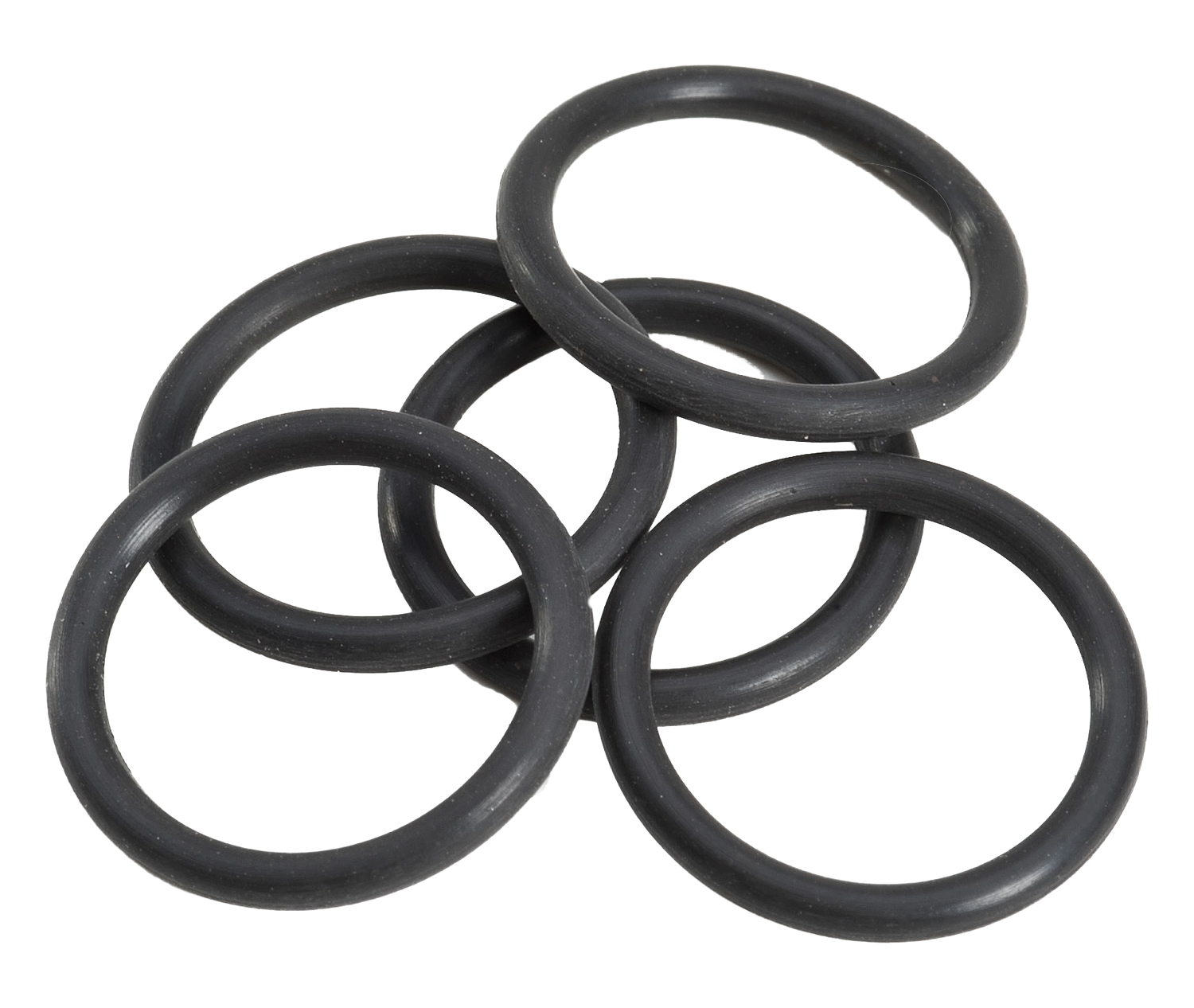
For industrial manufacturers seeking precision-engineered rubber solutions, Suzhou Baoshida Trading Co., Ltd. stands as a trusted partner in the development and supply of high-performance rubber roll tiles. Engineered for durability, consistency, and operational efficiency, our products are designed to meet the rigorous demands of modern industrial environments. Whether you are involved in printing, calendaring, conveying, or material processing, our rubber roll tiles deliver superior grip, wear resistance, and dimensional stability under extreme conditions.
Our manufacturing process integrates advanced compounding techniques with strict quality control protocols, ensuring each roll tile adheres to exact OEM specifications. We utilize a range of elastomeric formulations—including NBR, EPDM, SBR, and natural rubber—tailored to resist oil, heat, ozone, abrasion, or chemical exposure based on your application requirements. Each product is vulcanized under controlled pressure and temperature to achieve optimal cross-link density, enhancing both mechanical strength and service life.
Suzhou Baoshida specializes in custom solutions. We work directly with engineering teams to match or exceed original equipment performance, offering precise hardness profiles (Shore A 40–95), thickness tolerances within ±0.1 mm, and surface finishes ranging from smooth to textured. Our roll tiles are available in standard and non-standard dimensions, with bonding layers optimized for seamless integration onto metal cores or existing substrates.
Below are key technical specifications for our standard industrial rubber roll tiles:
| Property | Specification |
|---|---|
| Material Types | NBR, EPDM, SBR, Natural Rubber, CR (Neoprene) |
| Hardness Range (Shore A) | 40 – 95 ±5 |
| Thickness Tolerance | ±0.1 mm |
| Temperature Resistance | -30°C to +130°C (varies by compound) |
| Tensile Strength | ≥12 MPa (ASTM D412) |
| Elongation at Break | ≥300% |
| Compression Set (22 hrs @ 70°C) | ≤25% (ASTM D395) |
| Surface Finish Options | Smooth, Textured, Grooved, Patterned |
| Bonding Layer | Primed for adhesive bonding or mechanical fixation |
Every batch undergoes comprehensive testing in our in-house laboratory, including hardness profiling, adhesion strength, and aging resistance, to ensure long-term reliability. We support global supply chains with consistent lead times, full documentation (including material certifications and test reports), and packaging designed for international shipping.
To discuss your specific application needs or request a technical datasheet, contact Mr. Boyce, Rubber Formula Engineer and OEM Manager at Suzhou Baoshida Trading Co., Ltd. Direct communication ensures rapid response, accurate technical alignment, and customized quoting based on your operational parameters. Reach Mr. Boyce via email at [email protected]. Include details such as operating environment, required dimensions, performance criteria, and volume expectations to facilitate a precise solution proposal.
Partner with Suzhou Baoshida for engineered rubber components that enhance machine performance, reduce downtime, and deliver measurable value across your production lifecycle.
⚖️ O-Ring Weight Calculator
Estimate rubber O-ring weight (Approx).